For decades, you might have learned in school that humans first arrived in the Americas around thirteen thousand years ago. That’s what most textbooks told us, after all. These early settlers were supposedly the Clovis people, named after distinctive stone tools found in New Mexico in the 1930s.
Here’s the thing though. That story is unraveling. New discoveries are challenging everything we thought we knew about when and how people first reached this continent. Archaeological finds, DNA evidence, and climate data are all pointing toward a far more complex and ancient story. Some evidence suggests humans were walking across what is now New Mexico during the height of the last ice age, when much of North America was buried under glaciers. The truth about your ancestors’ journey here is far more fascinating and mysterious than anyone imagined.
When Everything We Knew Fell Apart
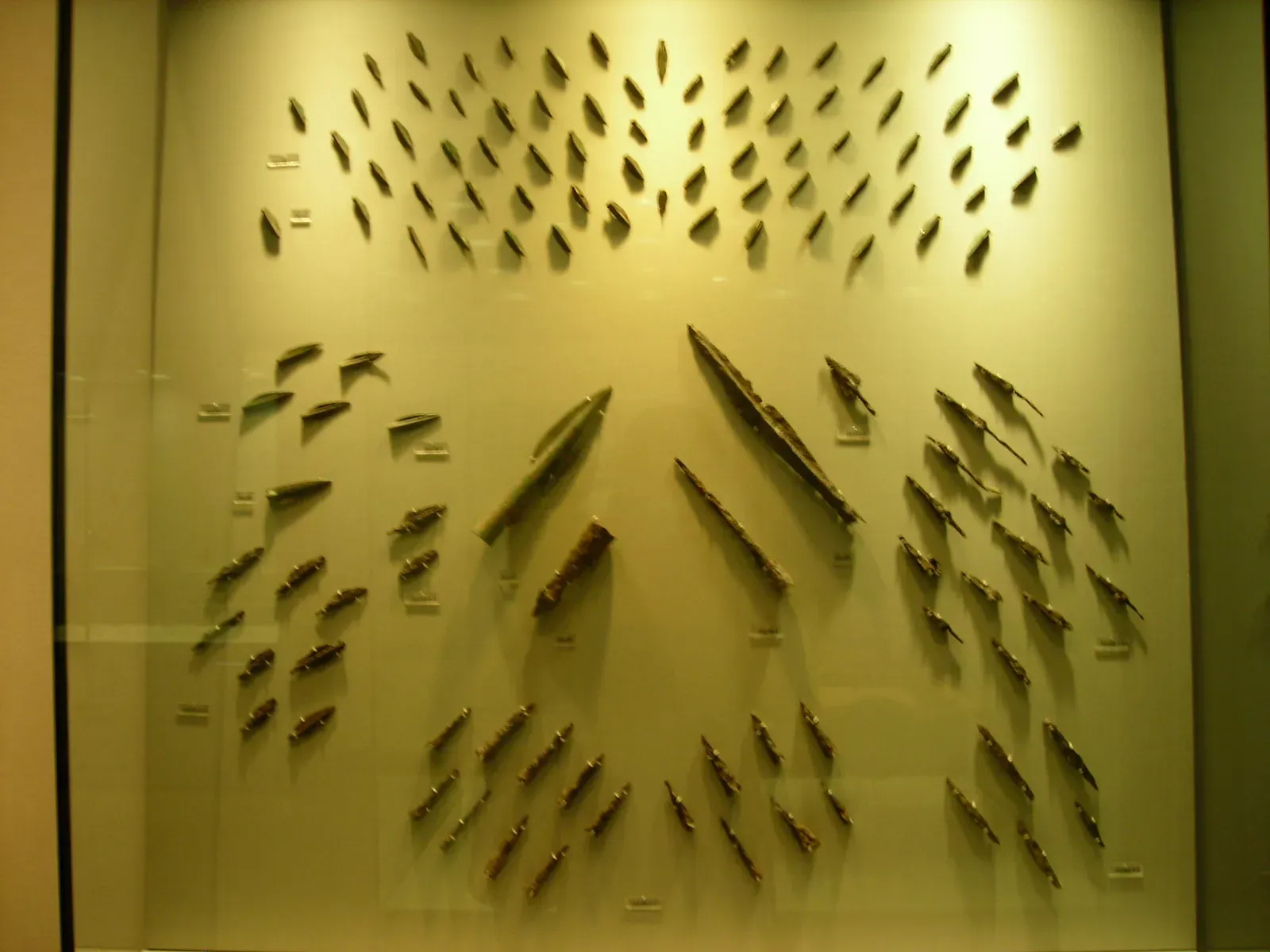
The Clovis people lived in North America between roughly thirteen thousand and twelve thousand seven hundred years ago. That timeline seemed solid for generations. Their distinctive spearheads were found across the continent, leading archaeologists to build an entire theory around them being first.
Since the early 2010s, the scientific consensus has changed to acknowledge the presence of pre-Clovis cultures in the Americas, ending the Clovis First consensus. The evidence simply became too overwhelming to ignore. At a site in southern Chile called Monte Verde, archaeologist Thomas Dillehay and his colleagues found traces of early Americans who lived there roughly fourteen thousand six hundred years ago, which was already problematic for the old theory.
Footprints That Changed History
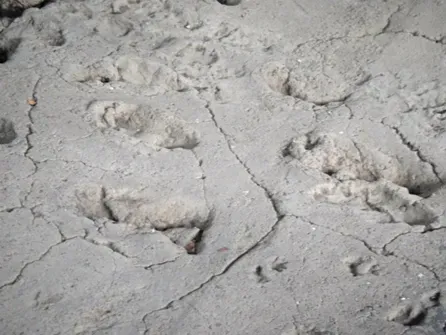
A 2021 discovery of human footprints in dried lake sediments near White Sands National Park in New Mexico demonstrated a verifiable human presence dating back to between eighteen and twenty six thousand years ago. Let’s be real, when those findings first went public, many established archaeologists reacted with skepticism.
A 2025 study based on radiocarbon dating performed by two independent labs provided an estimate for the White Sands footprints site of more than twenty three thousand six hundred to seventeen thousand calibrated years before present. The tracks were left mainly by teenagers and younger children with occasional adults, showing teenagers interacting with younger children and adults. You can almost picture them walking along the ancient lakeshore, leaving behind what would become some of the most controversial evidence in American archaeology.
The Ice-Free Corridor That Wasn’t
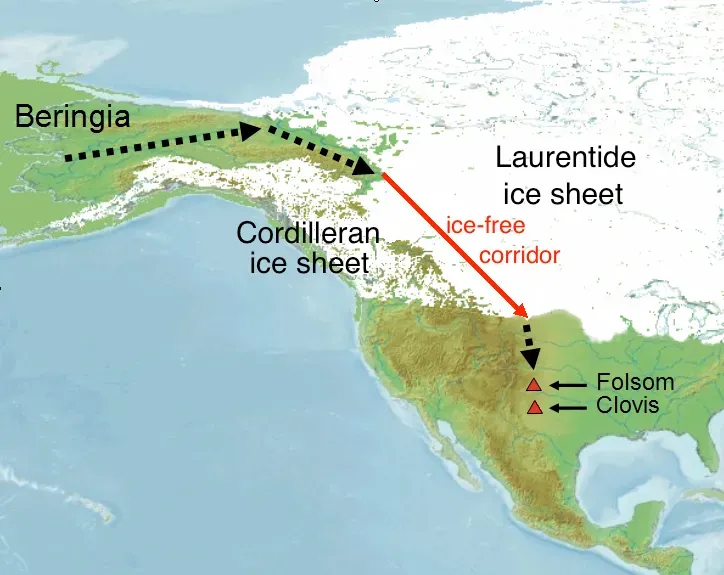
Scientists used sixty four cosmogenic exposure ages to date the full opening of the ice-free corridor at around thirteen thousand eight hundred years ago. This presents a major problem. If people were already living in New Mexico thousands of years earlier, they couldn’t have used this corridor to get there.
The corridor between the two ice sheets did not open fully until about thirteen thousand eight hundred years ago, establishing that the ice-free corridor was not available for the first peopling of the Americas after the Last Glacial Maximum. The math simply doesn’t work. The ice-free corridor opened later than the earliest widely accepted archaeological sites in the Americas, suggesting it could not have been used as the route for the earliest peoples to migrate south.
Following the Kelp Highway

So if not through the middle of the continent, how did they get here? A variant called the kelp highway hypothesis suggests migration based on exploitation of kelp forests along much of the Pacific Rim from Japan to Beringia, the Pacific Northwest, and California, extending as far as the Andean Coast of South America. Think about it. These coastal routes would have provided consistent food sources.
Environmentally favorable time periods for coastal migration occurred around twenty four and a half to twenty two thousand years ago and sixteen thousand four hundred to fourteen thousand eight hundred years ago. During the Last Glacial Maximum, oceanographic conditions would have enhanced boat journeys along the route from Beringia to the Pacific Northwest. The ancient mariners might have traveled by watercraft, hopping from refuge to refuge along an ice-draped coastline.
Sites That Refused to Stay Silent

At Buttermilk Creek complex in Texas, stone tool fragments date back fifteen thousand five hundred years. At a site in Oregon, camel teeth dated back to over eighteen thousand two hundred years ago, confirming that this site predates the Clovis peoples by over four thousand five hundred years. Each discovery chipped away at the old model.
Monte Verde II in Chile, Paisley Caves in Oregon, and Cooper’s Ferry in Idaho are all suggested to be considerably older than the oldest Clovis sites. These weren’t just isolated anomalies anymore. A pattern was emerging across two continents, demanding explanation. Seaweed samples from Monte Verde were directly dated between fourteen thousand two hundred twenty to thirteen thousand nine hundred eighty years ago, showing these people knew how to utilize coastal resources extensively.
What DNA Tells Us About the Journey
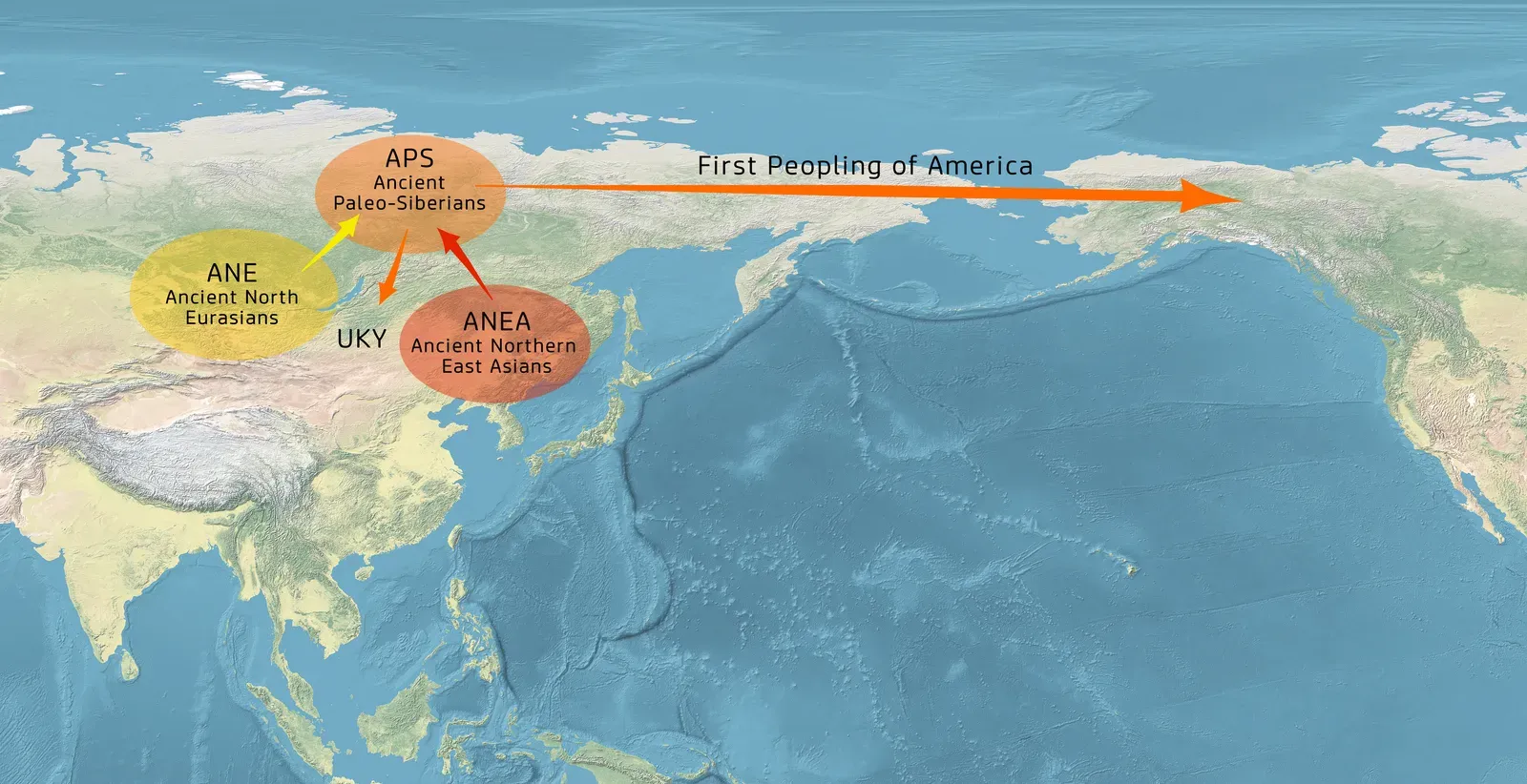
Genetic studies suggest that the first people to arrive in the Americas descend from an ancestral group of Ancient North Siberians and East Asians that mingled around twenty to twenty three thousand years ago. The genetic evidence doesn’t lie. These populations spent considerable time in Beringia before moving south.
Archaeological and genetic evidence suggests the first humans arrived in North America between approximately twenty five thousand and sixteen thousand years ago. The First Americans had to be adapted to both winter sea ice and summer kelp forest habitats, which suggests a much more sophisticated survival strategy than previously imagined. Your distant ancestors weren’t just lucky wanderers. They were skilled, adaptive survivors.
Rethinking Everything We Thought We Knew

Researchers agree that a growing trove of data has poked large holes in the Clovis-first model, while simultaneously opening the field to many more mysteries about how and when the earliest groups arrived in North America. Here’s the uncomfortable truth for archaeology: changing long-held theories isn’t easy. Some researchers suggest there is denialism in the field, where the long-standing belief causes people to discount older artifacts.
Yet the evidence keeps mounting. Recent genetic studies suggest that humans could have arrived in the Americas around twenty to twenty three thousand years ago, descending from Ancient North Siberians and East Asians. Multiple migration waves, different routes, various entry points. The peopling of the Americas was messy, complex, and happened over thousands of years. It wasn’t one grand expedition but countless smaller journeys.
Conclusion
The story of how humans first reached the Americas has been completely rewritten in just the last few decades. What you learned in school about thirteen thousand year old Clovis hunters being first is now thoroughly debunked. Instead, we now know people were here far earlier, likely traveling by boat along the Pacific coast during the ice age, adapting to brutal conditions with remarkable skill.
This helps illuminate the grand story of human evolution, but there’s still much that remains unknown about how the Americas were populated. We still don’t know exactly how many migration waves there were or precisely when the very first humans arrived. Perhaps more astonishing discoveries await beneath our feet or under rising seas.
The shocking truth is that your understanding of American prehistory should now be fundamentally different. The first Americans were more ancient, more adaptable, and followed more diverse paths than anyone imagined just a generation ago. What other assumptions about our deep past will crumble next? Tell us what surprises you most about these discoveries.