Have you ever wondered how ancient people communicated their deepest thoughts before the written word existed? Picture this: deep underground, miles from daylight, where only flickering torch flames interrupted absolute darkness, ancient Americans crawled through narrow passages to tell their stories in ways we’re only now beginning to understand. They painted, carved, and traced images that have survived thousands of years, waiting for us to listen.
Storytelling wasn’t just entertainment for the first Americans. It was survival, education, cultural glue, and spiritual expression all wrapped into one powerful tradition. Today, archaeological evidence reveals these earliest inhabitants weren’t primitive cave dwellers, but sophisticated communicators who mastered the art of narrative in ways that challenge our assumptions about intelligence and culture. Let’s dive into what the rocks, walls, and artifacts have been whispering all along.
When Walls Became Canvases: Dark Zone Cave Art Discovery
In 1980, recreational cavers exploring a Tennessee cave stumbled upon something extraordinary and brought archaeologist Charles Faulkner to investigate, naming the site Mud Glyph Cave. The glyphs were roughly eight hundred years old and belonged to the Mississippian people, ancestors to many of today’s Southeastern and Midwestern tribes. This wasn’t just random doodling. These underground paintings were something new, an unknown mode of Mississippian cultural activity.
Here’s the thing: before this discovery, nobody knew that North America had dark zone cave art. Today researchers have cataloged 92 dark-zone cave art sites in Tennessee, Alabama, Georgia, Kentucky, Virginia, and West Virginia. Four new caves were found in the first half of 2021, and with each new discovery, the tradition is beginning to approach the richness and diversity of the Paleolithic art of Europe, where 350 sites are currently known. These artists risked their lives, crawling through treacherous passages with only cane torches, to create something that would outlive them by centuries.
Three Ancient Methods: Mud, Stone, and Pigment
There are three forms of Southeastern cave art: mud glyphs are drawings traced into pliable mud surfaces preserved in caves, petroglyphs are drawings incised directly into the limestone of the cave walls, and pictographs are paintings, usually made with charcoal-based pigments, placed onto the cave walls. Each method tells you something different about the people who created them.
Think about the commitment involved. Mud glyphs required finding the perfect damp clay surface that hadn’t hardened over millennia. Petroglyphs demanded hours of careful carving into unforgiving stone. Some southeastern cave art is quite ancient, with the oldest cave art sites dating to some 6,500 years ago, during the Archaic Period. None of the methods seems to appear earlier or later in time than the others, suggesting these artists had diverse skills they passed down through generations.
Rock Art That Lasted 4,000 Years
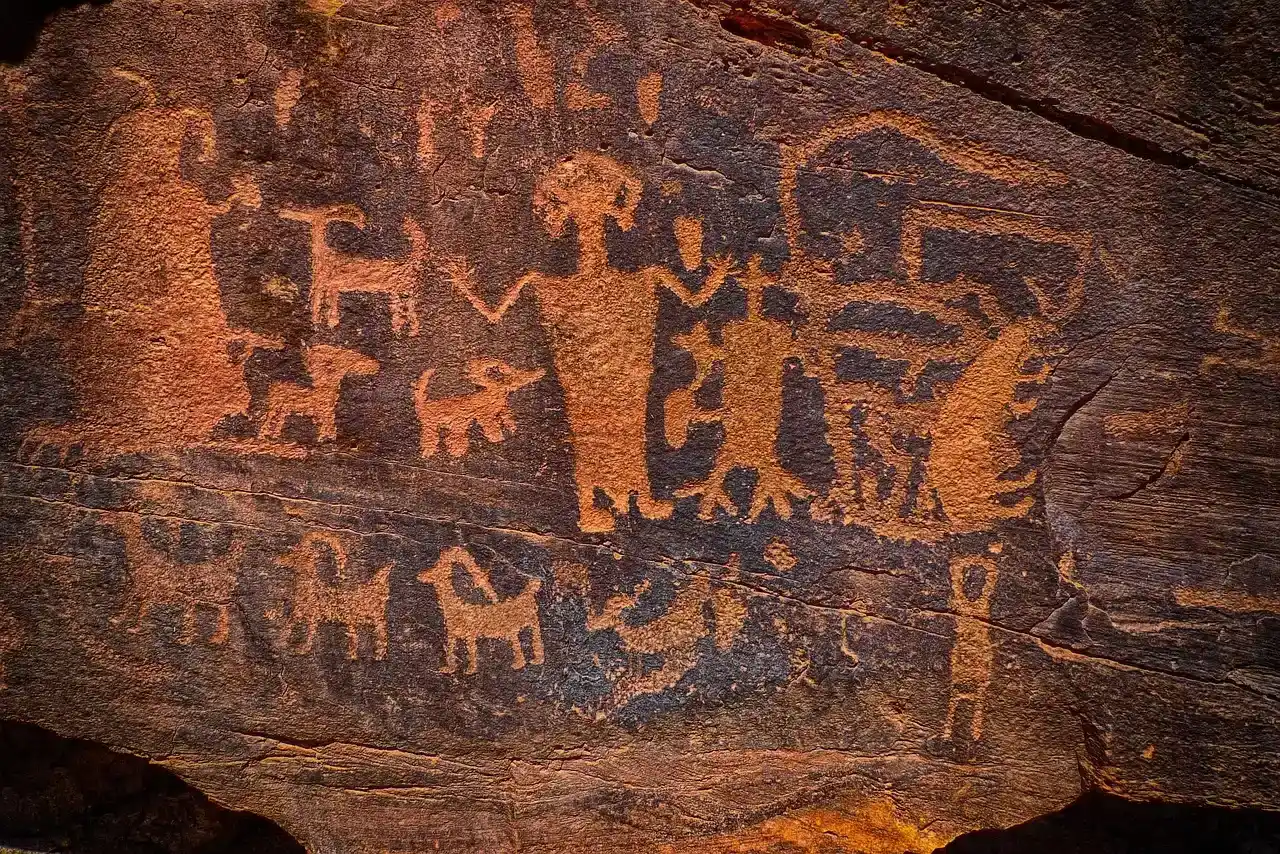
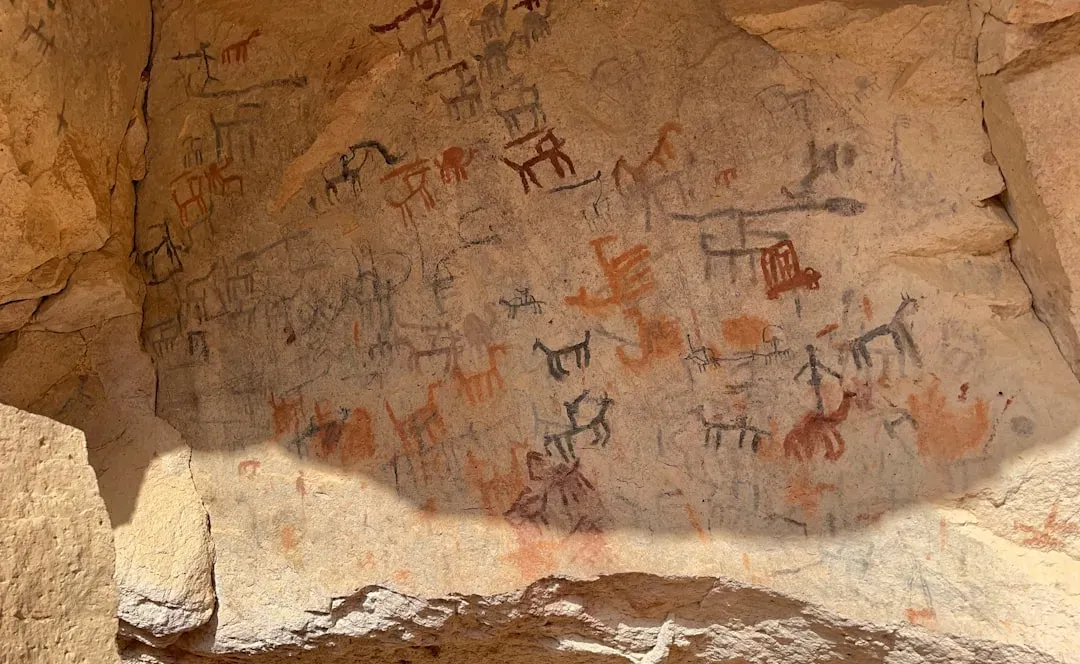
Recent research reveals the Pecos River style tradition originated nearly 6,000 years ago, most likely between 5760 and 5385 years ago, and continued until around 1,400 to 1,000 years ago, making the practice’s duration close to 4,000 years, or about 175 generations. That’s staggering when you think about it. Few artistic traditions anywhere in the world show this much longevity and continuity.
Using two combined radiocarbon methods, researchers examined a total of 12 mural sites across the Lower Pecos Canyonlands, and found that in many cases, the artists appeared to have adhered to a strict set of technical rules and established stylistic conventions, even though they were created over a 4,000-year-period. These paintings may be the oldest surviving visual record of the same core cosmology that later shaped Mesoamerican civilizations and is manifested today throughout Indigenous America. The consistency is remarkable, almost like an unbroken conversation spanning millennia.
Visual Communication as Cultural Memory
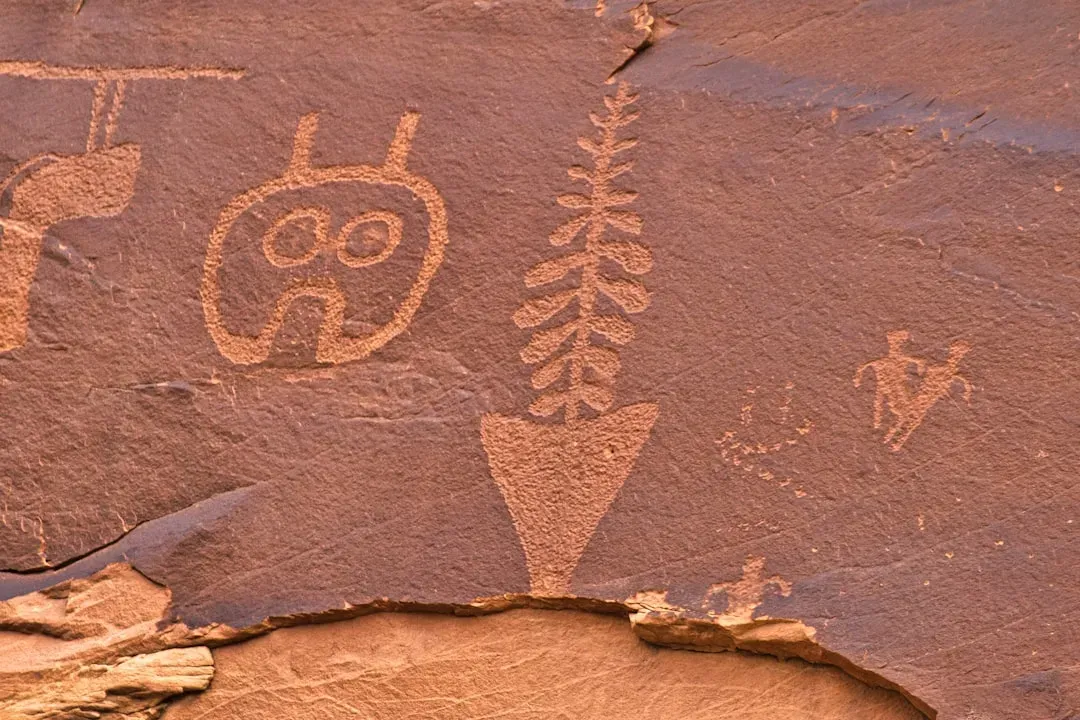
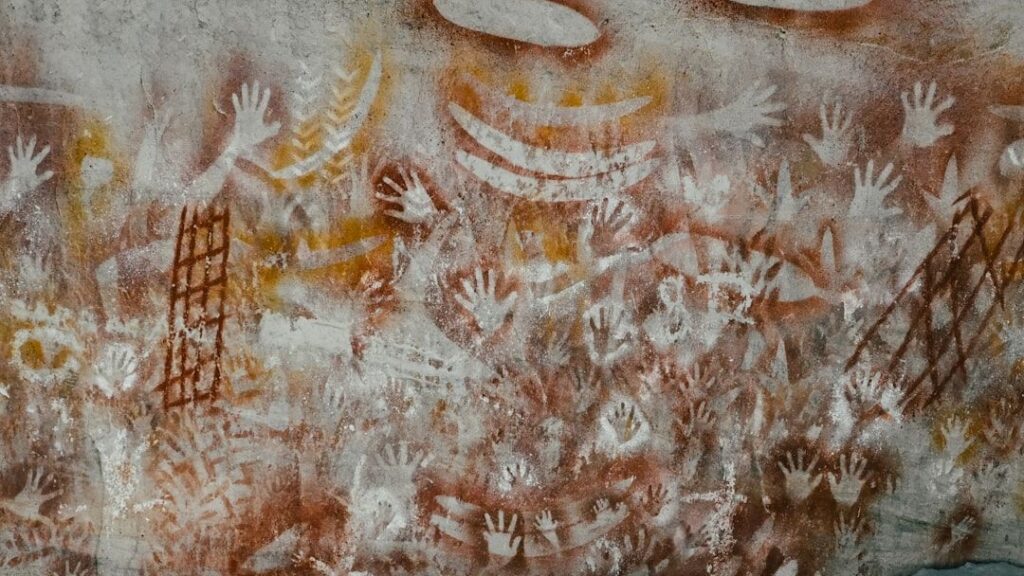
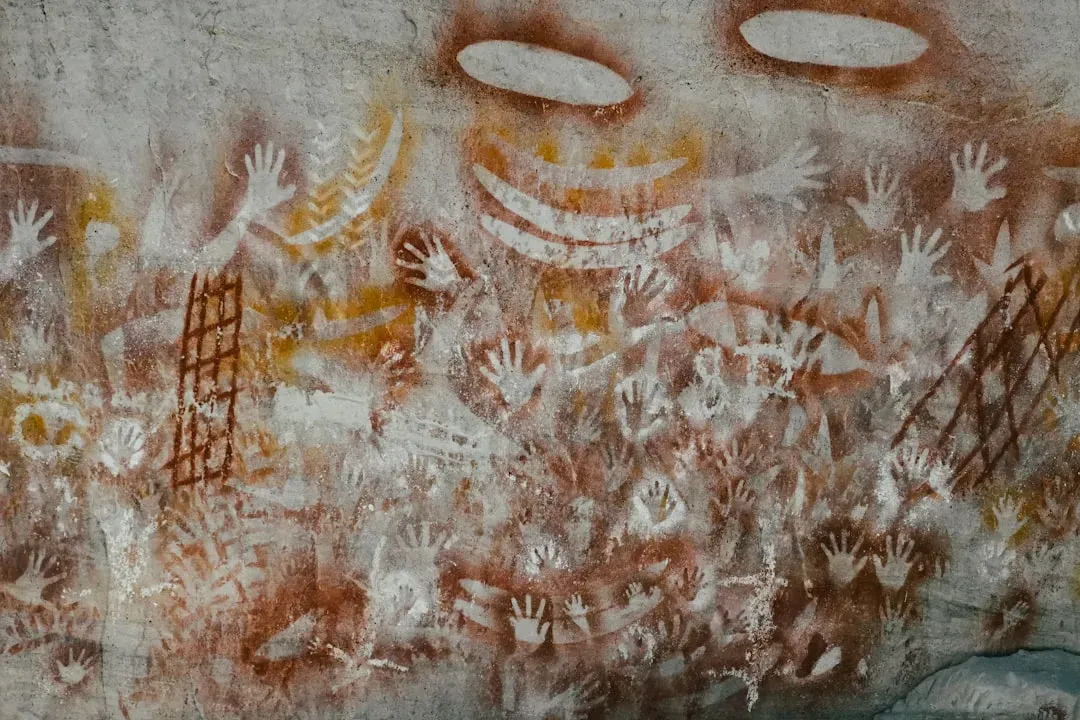
With the multiple languages spoken by Native American tribes, symbols or picture writing was often used to convey words and ideas, and symbols were also used to decorate homes, were painted on buffalo hides, and recorded important events of the tribe. These pictographs, as well as carved images classified as petroglyphs, are considered humankind’s earliest form of creativity and written communication.
Native American symbols were like words and often had one or more definitions and contained different connotations, varying from tribe to tribe, though it can sometimes be challenging to know their meanings, while other symbols are obvious. It’s hard to say for sure, but the context mattered enormously. The context of each image is extremely important and integral to its meaning, and today’s natives have stated that placing each petroglyph image was not a casual or random decision. Some images served as maps, others as spiritual markers, still others as historical records.
Storytelling as Survival Technology
Let’s be real: storytelling wasn’t just for passing the time around a fire. Trial-and-error learning can be costly in terms of time, energy, and risk to life and limb, and listening to stories reduces these costs by enabling humans to acquire knowledge of an experience without actually having to undergo that experience, as humans can learn from a story that certain mushrooms are poisonous, rather than learning by eating them.
Storytelling greatly increases the amount of knowledge a person can acquire over a lifetime, as humans can learn from the experiences of all the people in their social network and from individuals who lived decades or even centuries before them, with the practice of storytelling key to the emergence of cumulative culture. Oral traditions educated younger generations and maintained indigenous social, spiritual, and cultural systems for ten thousand years. Honestly, it’s one of humanity’s most ingenious innovations.
The Sophistication Hidden in Symbols
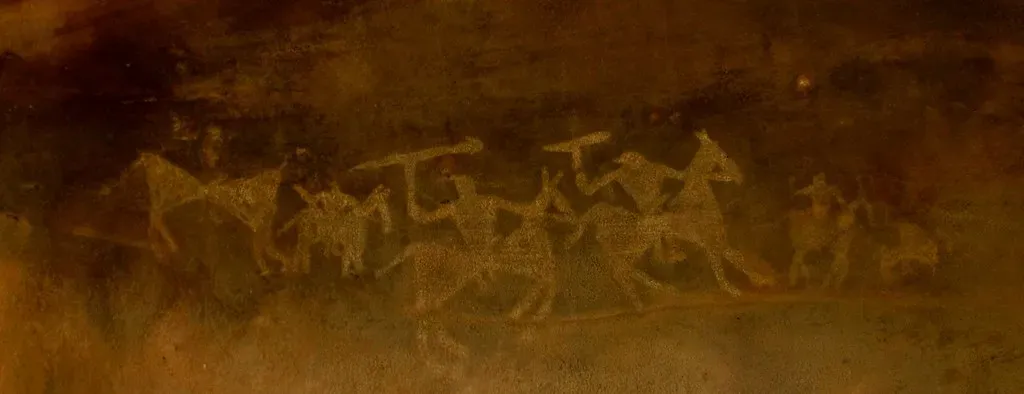
Since art is a form of expression, the presence of these artistic expressions highlight that the upper Paleolithic humans had developed some attributes of self expression that aided in communication, with the cave paintings being varied, suggesting they sought to express different ideas. Discoveries such as the Gwion rock paintings go a long way to disprove assumptions that prehistoric peoples were unsophisticated and underdeveloped, suggesting that the societies that produced rock art were capable of elaborate systems of social coding and stratification through dress, ornament, and figurative art.
Recurring motifs and ordered compositions are indicative of a shared cosmovision describing the way one perceives the universe, creation, and time cycles, with such ideas kept stable during periods of changing climate, technology, and subsistence among surrounding hunter-gatherer societies, and the murals’ persistence indicates that this belief system played a key role in shaping community identity and ritual practices. The more we study these ancient markings, the more we realize we’ve underestimated their creators’ intellectual capabilities.
Living Traditions: From Stone to Voice
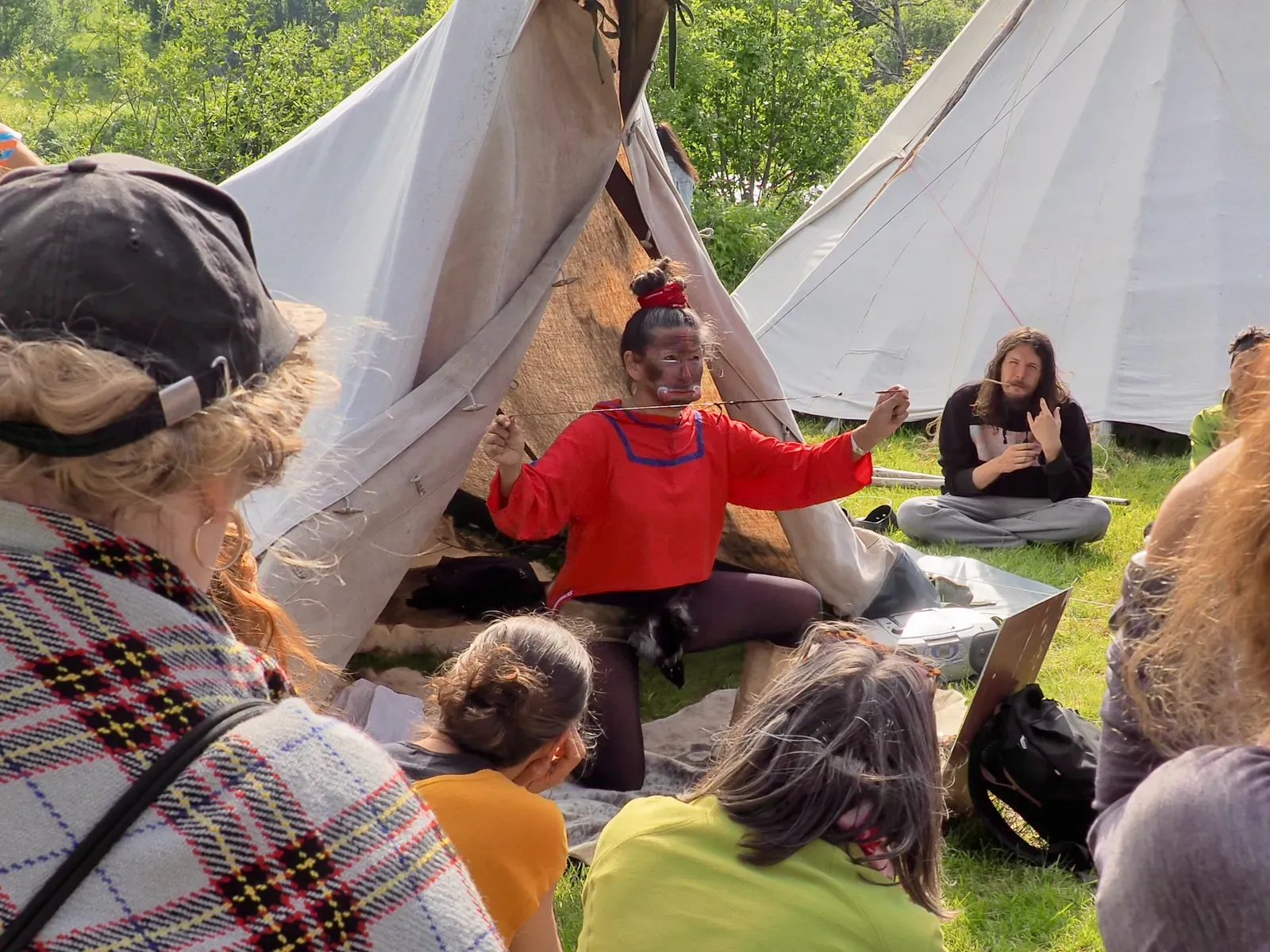
The method of storytelling was selected largely in part for its reflection of how biologically the human brain remembers information and the ease by which it can transmit them, with many indigenous cultures considering stories as the language of the human spirit not only for their representation of tangible human experiences, but also for their use as an educational and developmental tool. Songs, chants, curing rites, prayers, lullabies, jokes, personal narratives, and stories most importantly are the means by which Indians transmit the heritage of their most significant lessons from one generation to the next, with American Indian stories addressing virtually every imaginable issue.
The best example of Indian storytelling can be seen in what is called the Winter Count, a tribe’s record of its year of activities painted in picture grafts on a buffalo robe, which is actually a very sophisticated way of creating what one could only call a mind map that you read from the center as the picture graphs spin out in a spiral. The transition from cave walls to buffalo hides shows how adaptable these storytelling traditions were. Today, Indigenous storytelling is part of the broader indigenous process of building and transmitting indigenous knowledge, offering an opportunity to continue traditions by passing down stories through oral and written ways.
Conclusion: Echoes That Still Speak
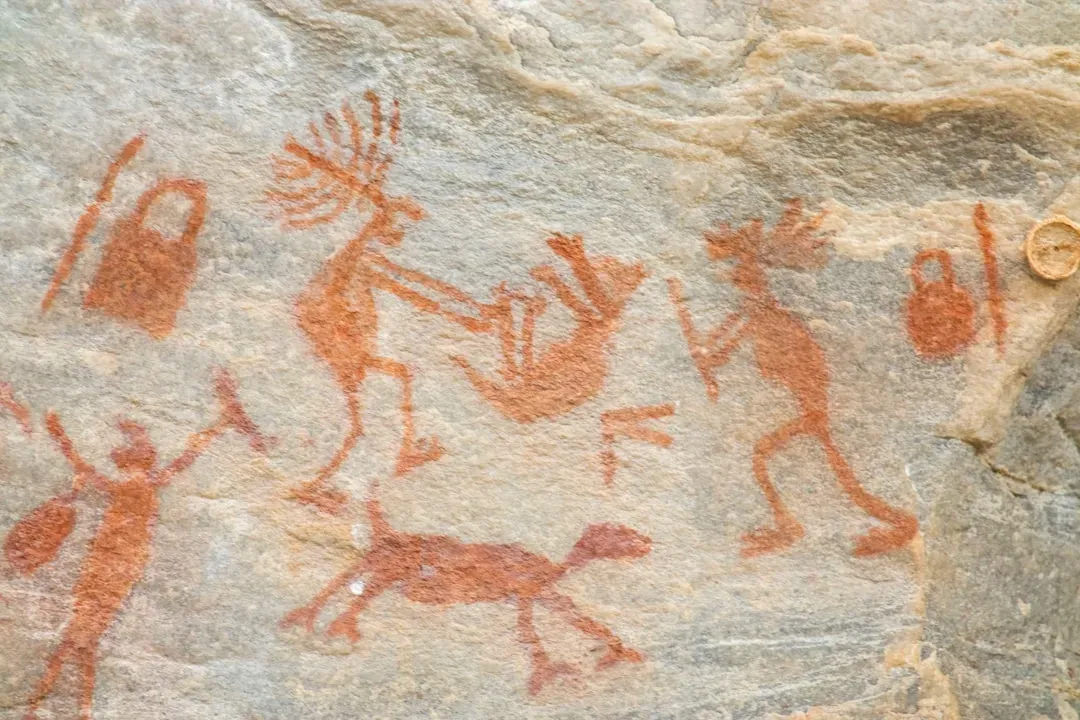
The first Americans left us something far more valuable than arrowheads and pottery shards. They left us proof that humans have always been storytellers, communicators, and meaning-makers. These are not merely pictures, they are echoes of the earliest human voices, carved into stone, suspended in time yet pulsing with presence, expressing a need to communicate not only information but emotion, connection, and transformation.
From the dark caves of Tennessee to the sun-baked rock shelters of Texas, from mud glyphs to petroglyphs, these master storytellers created narratives that survived floods, droughts, ice ages, and human migration. Ancient cave art has long been one of the most compelling of all artifacts from the human past, fascinating both to scientists and to the public at large, with its visual expressions resonating across the ages, as if the ancients speak to us from deep in time. Their stories remain unfinished, waiting for each new generation to add another layer of understanding.
What stories are you leaving behind for future generations to discover? Tell us what you think about these ancient storytellers in the comments.