
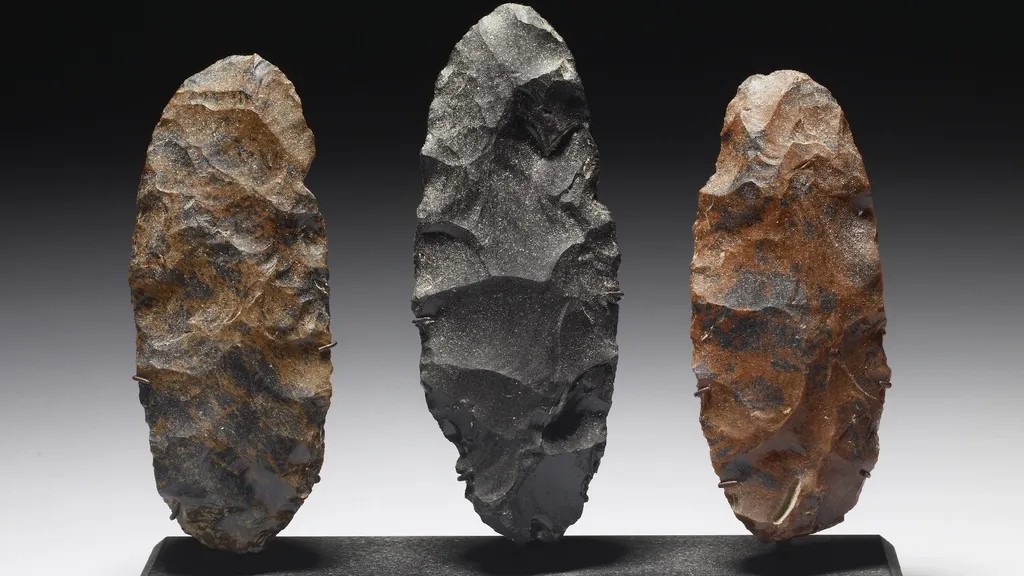
Imagine standing on an open African plain, holding a fist-sized stone that someone shaped with purpose more than two and a half million years ago. It is small, unassuming, almost boring to look at. Yet that chipped rock quietly rewrites what we thought we knew about the origins of human intelligence, planning, and culture. For decades, scientists believed they had a decent timeline for when our ancestors first started making tools. Then new discoveries in East Africa pushed that timeline back again and again, forcing everyone to ask a disorienting question: just how early did minds like ours begin to emerge?
What makes these ancient African tools so electrifying is not just their age, but what they imply: that long before our own species appeared, some distant ancestor was already reshaping the world with technology. These stones suggest memory, foresight, and cooperation at a time when sabertooth cats still hunted nearby and the idea of “humans” did not yet exist. In a way, every smartphone, every skyscraper, and every spacecraft carries a faint echo of that first deliberate strike of stone on stone. To understand those first tools is to glimpse the very spark that would eventually become us.
The African Landscapes Where Technology Was Born

It is no coincidence that the earliest known stone tools come from Africa, especially regions like the Great Rift Valley in East Africa. This enormous geological scar, stretching across countries such as Ethiopia, Kenya, and Tanzania, exposed layers of rock and ancient sediments that act like a time machine for paleoanthropologists. Volcanic eruptions periodically buried entire ecosystems in ash, and over millions of years those ash layers turned into datable horizons that let scientists pin down ages with impressive precision. When you hear that a tool is roughly more than two and a half million years old, that estimate is usually coming from these carefully measured volcanic layers wrapped around it.
These ancient tool sites were not lonely outcrops in empty deserts, but part of dynamic ecosystems of lakes, riverbanks, grasslands, and patches of woodland. Early humans and their relatives likely roamed along water sources, scavenging carcasses, cracking bones, and cutting plant material. Standing there today, wind whipping across dusty plains, it is not hard to imagine small groups clustered together, passing stones, watching closely, maybe even learning from one another. Africa provided not just the raw materials for tools – like basalt and quartzite cobbles – but also the shifting environmental challenges that may have pressured our ancestors to become inventive in the first place.
How Old Are the Oldest Tools, Really?
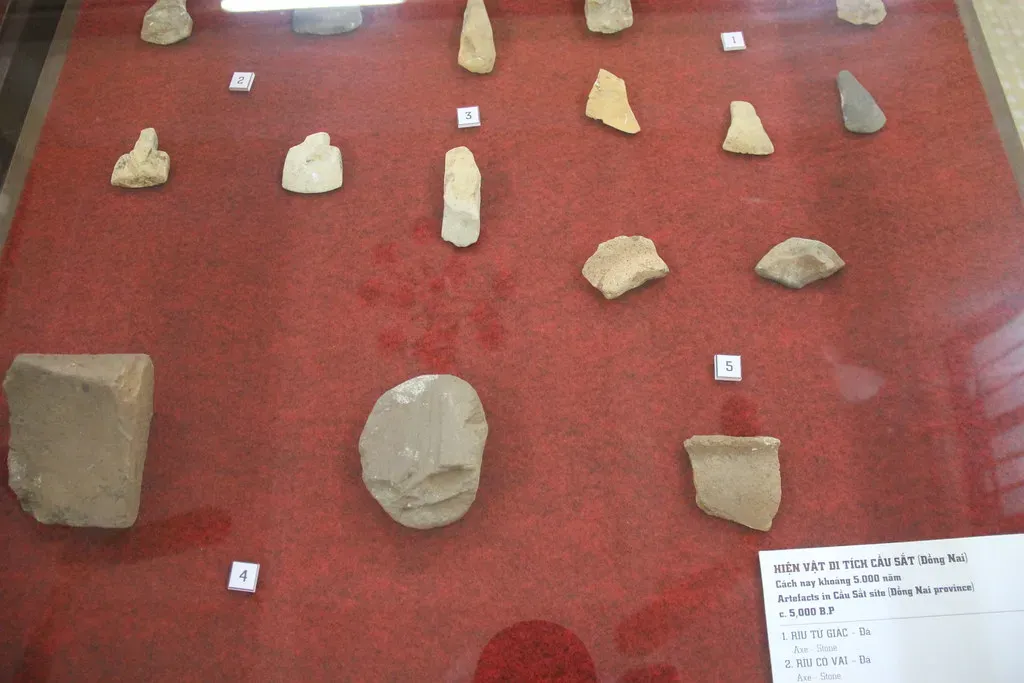
For a long time, the oldest widely accepted stone tools were part of what researchers call the Oldowan industry, found in sites such as Gona and Olduvai Gorge and dating to roughly more than two and a half million years ago. That alone was staggering, pushing technological behavior deep into the time of early Homo species rather than modern humans. But then, discoveries like the Lomekwi tools in Kenya shook the timeline yet again by suggesting even older toolmaking, pushing back into periods before the earliest clear evidence of Homo. Instead of a neat line from “ape-like” to “toolmaker,” the story suddenly became messier and far more interesting.
Dating such ancient objects is not as simple as reading a label on a museum shelf. Researchers rely on a mix of methods: analyzing volcanic ash using radiometric techniques, reading the alignment of magnetic minerals that record flips in Earth’s magnetic field, and carefully reconstructing sediment layers. Each new find has to be cross-checked against local geology and global records before anyone dares to claim a new “oldest” title. When scientists say these tools are older than expected, they mean they have had to repeatedly adjust models of brain evolution, behavior, and even the identity of the toolmakers themselves to keep up with what the rocks are telling them.
What These First Tools Actually Looked Like
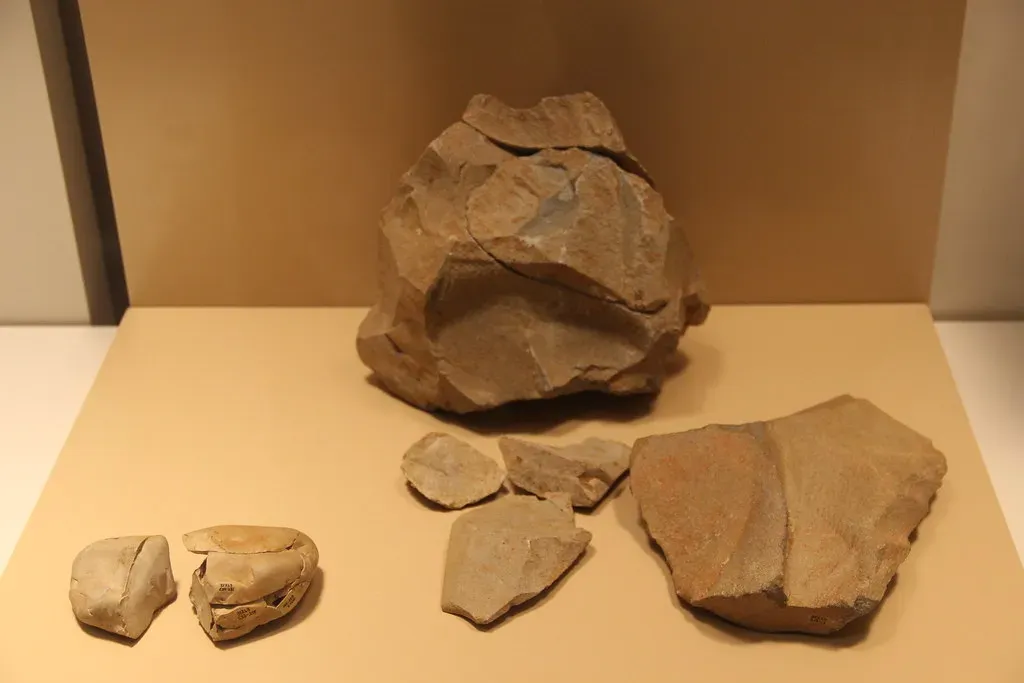
If you are picturing sleek stone knives and sculpted handaxes, scale that image way back. The very earliest tools are often simple cores and flakes: a rounded stone that has been struck to produce sharp-edged fragments, plus the flakes themselves. To an untrained eye, they can look like random broken rocks, which is exactly why early excavations in the twentieth century sometimes overlooked them. The key is the pattern: scars where flakes were systematically removed and edges that show repeated, directional strikes instead of natural breakage. What might appear crude to us today represented a revolutionary leap at the time.
Unlike later, more standardized tool traditions, these first technologies were likely highly variable, shaped by whatever raw materials were locally available and by the skill of individual toolmakers. Some cores show only a few flakes struck off, just enough to create a working edge, while others display a more methodical series of removals. You can think of them as the “garage prototypes” of human technology: rough, experimental, and probably produced in many slightly different ways as individuals learned and improvised. The moment someone realized a stone could be reshaped into a cutting tool, the entire menu of possible behaviors expanded overnight.
Who Made Them: Not Just Our Own Species
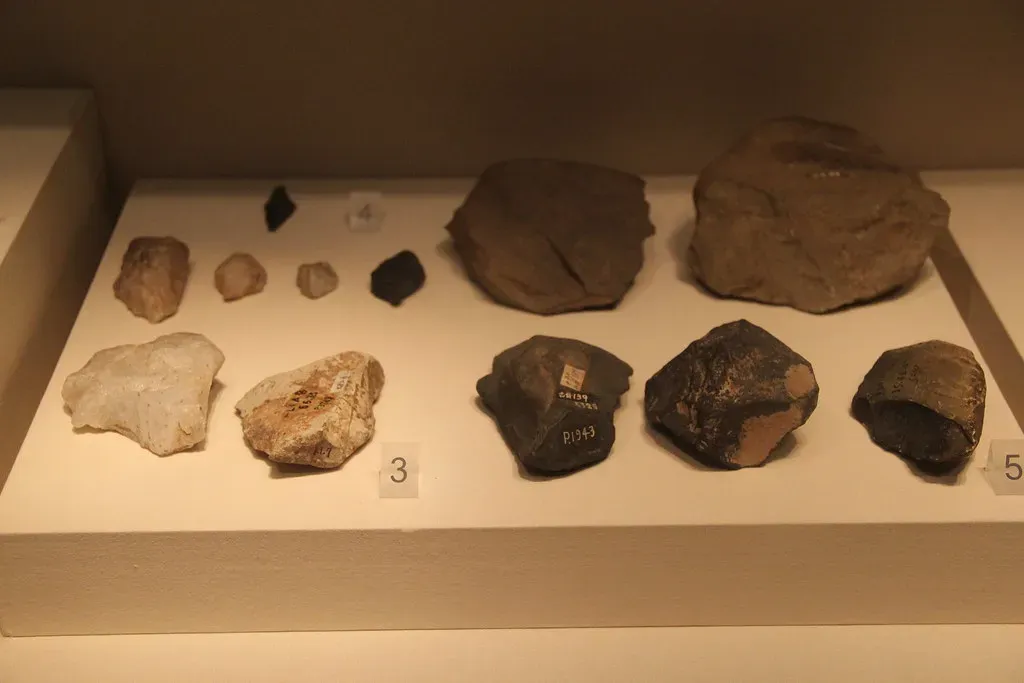
One of the most mind-bending aspects of these ancient tools is that they were not made by Homo sapiens. Our species is a very recent arrival in deep time, and by the time we show up, stone technology has already been around for well over a million years. Many early tools are associated with species like Homo habilis and Homo erectus, and some of the oldest possible tools may even predate the genus Homo altogether. That means relatives or predecessors, perhaps species closely related to australopithecines, might have been experimenting with stone long before our direct lineage took over the stage.
This realization forces a humbling shift in perspective. Toolmaking was once seen as the defining boundary that separated humans from all other animals. Now we know that ravens bend wires, otters crack shellfish with stones, and chimpanzees use sticks and rocks in surprisingly flexible ways. When we place the earliest African stone tools into that broader picture, they look less like a sudden miracle and more like a powerful escalation of a much older trend within the primate family. Our ancestors did not invent behavior from nothing; they amplified and refined abilities that had been slowly building for ages.
How We Know They Were Tools and Not Just Broken Rocks
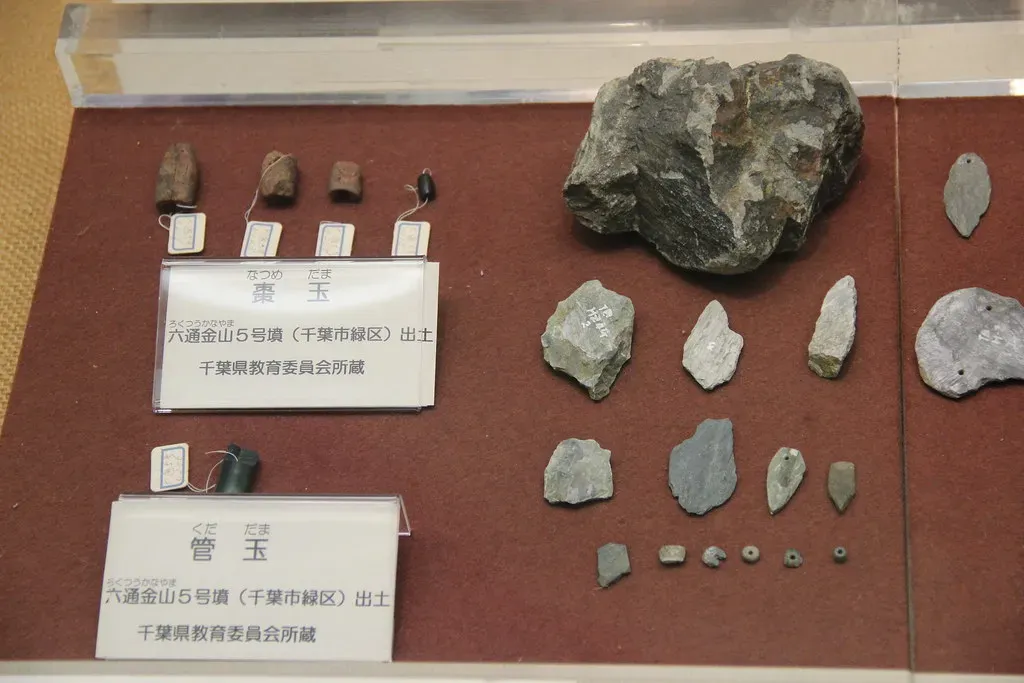
At first glance, it might sound easy to confuse a naturally fractured stone with a human-made flake, especially when you are dealing with pieces that have been buried and jostled for millions of years. That is why archaeologists lean on a whole set of criteria and microscopic techniques to separate the random from the intentional. They look for systematic scars radiating from a single point, angles that indicate controlled strikes, and repeated patterns across many pieces in the same layer. When dozens or hundreds of stones show consistent signs of deliberate shaping, the odds of them being just random fractures drop dramatically.
On top of the physical evidence on the stones themselves, researchers also study where and how the objects were found. Tools often appear near animal bones that bear cut marks and impact fractures – little V-shaped grooves where sharp flakes sliced flesh or crushed bone for marrow. Under high magnification, these marks look very different from tooth bites or natural wear. When sharp-edged flakes and butchered bones show up together, in a geological context that makes sense, it paints a compelling picture: someone was using stone to carve meat, process carcasses, or perform other tasks that required more than bare hands and teeth.
Why Early Toolmaking Was a Game-Changer for Human Evolution
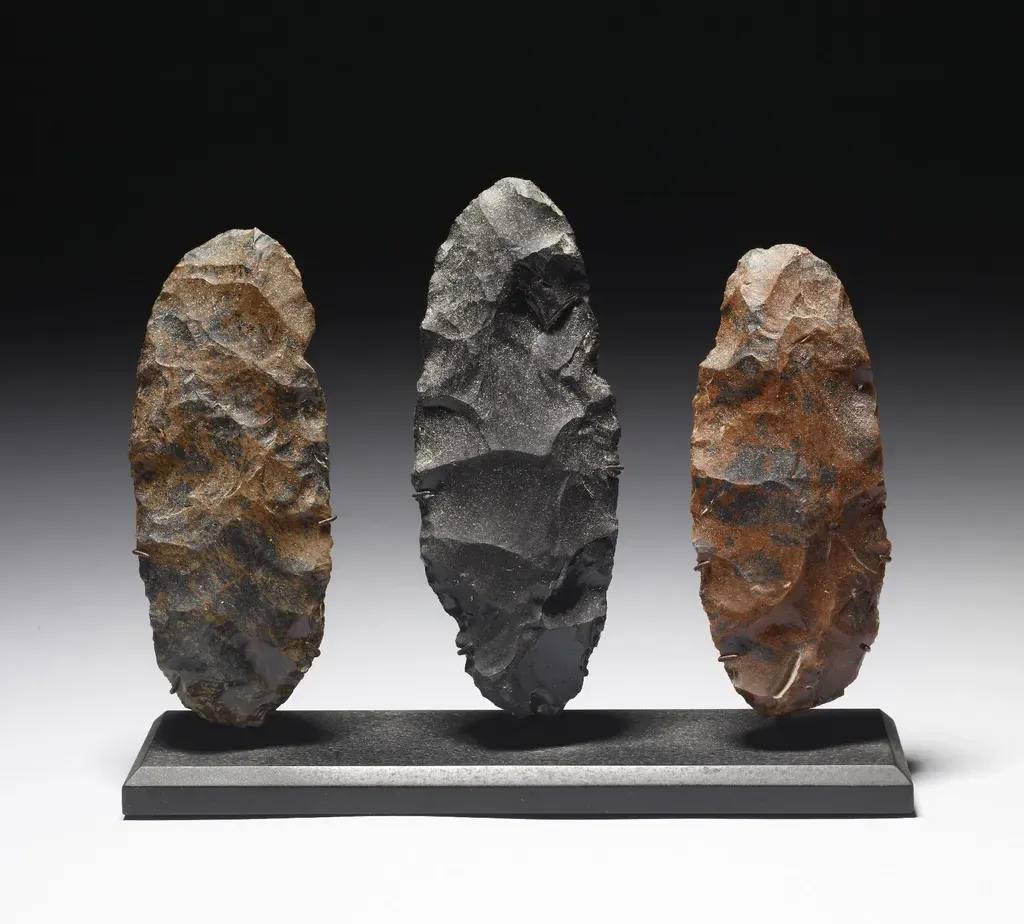
Picking up a stone and knocking off a sharp flake might seem like a small step, but in evolutionary terms it was gigantic. Tools opened up new foods – like tough plant fibers and large animal carcasses – that would have been practically off-limits otherwise. Access to meat and marrow, rich in calories and fats, may have helped power the growth of larger brains over many generations. Once you can cut, scrape, pound, and pry, the environment becomes less of a rigid obstacle and more of a set of puzzles you can solve. Stone technology effectively changed the rules of survival for our ancestors.
Toolmaking also requires a particular mix of mental skills: understanding cause and effect, anticipating how a stone will fracture, and sometimes copying the actions of others. That kind of learning probably encouraged more sophisticated social interactions. You can easily imagine a younger individual watching an older relative chip away at a core, trying it, failing, trying again, and slowly getting better. In my view, the first stone tools were not just physical objects; they were also teaching tools that nudged brains toward planning, memory, and even something like early cultural traditions. Technology and social learning became entangled from the very start.
What These Discoveries Mean for How We See Ourselves
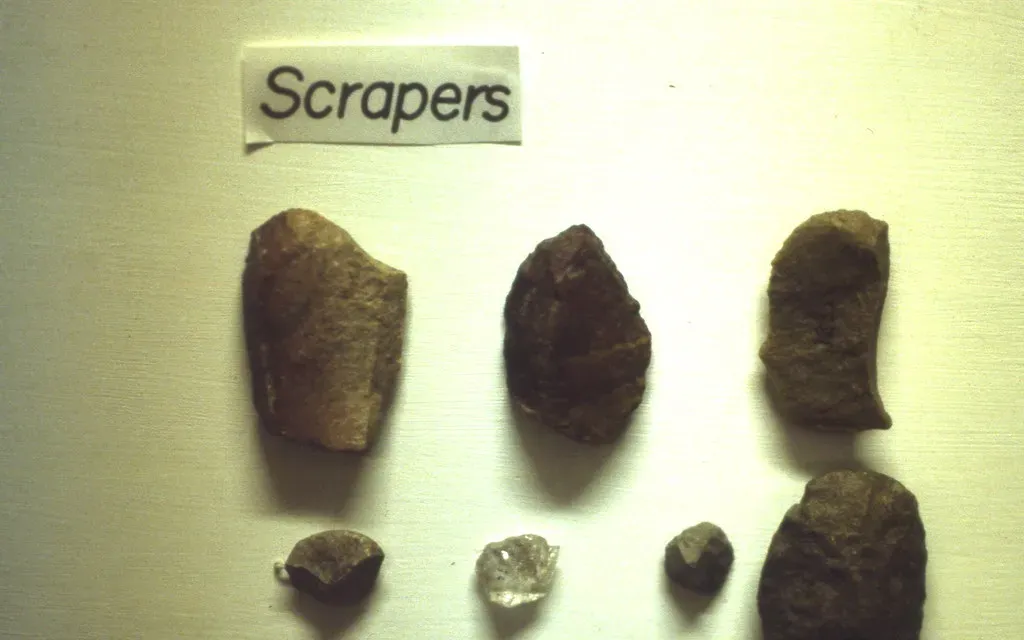
When headlines declare that the first tools from Africa are older than anyone expected, it is tempting to treat that as a quirky bit of trivia about distant prehistory. But the implications hit much closer to home. If beings with smaller brains and different bodies could already reshape their world with technology, then intelligence is not a sudden light switch flicked on by Homo sapiens. It is more like a long, slow sunrise with many colors and many contributors. That challenges the comfortable story that modern humans are sharply separate from everything that came before.
Personally, I find that both sobering and strangely comforting. It is sobering because it cuts through our tendency to put ourselves on a pedestal, as if we alone invented creativity and problem-solving. But it is comforting because it means we are part of a long, continuous experiment in adaptation, cooperation, and imagination. Those weathered stones on an African plain are not relics from a lost world; they are the opening chapters of our own story. The real question is whether we will remember that our greatest power was never just making tools, but using them wisely. Looking at where we stand today, do we really seem as far from those first stone-flakers as we like to think?