You might think time travel is impossible. Think again. In the rugged landscapes of Wyoming, deep within ancient rock layers, lies evidence of creatures so massive they’d make our largest living animals look like house pets. These aren’t science fiction monsters or Hollywood creations. They’re real, and their bones tell stories that have captivated scientists for well over a century.
Wyoming’s fossil beds are scattered across the state like chapters in an enormous prehistoric book. Some preserve delicate fish from tropical lakes, while others contain the bones of beasts that weighed as much as a dozen elephants. Honestly, it’s hard to wrap your head around just how much ancient life has been recovered from this single state. The story begins millions of years ago, when this landscape looked nothing like the windswept plains and mountains we see in 2026.
When Wyoming Was a Tropical Paradise
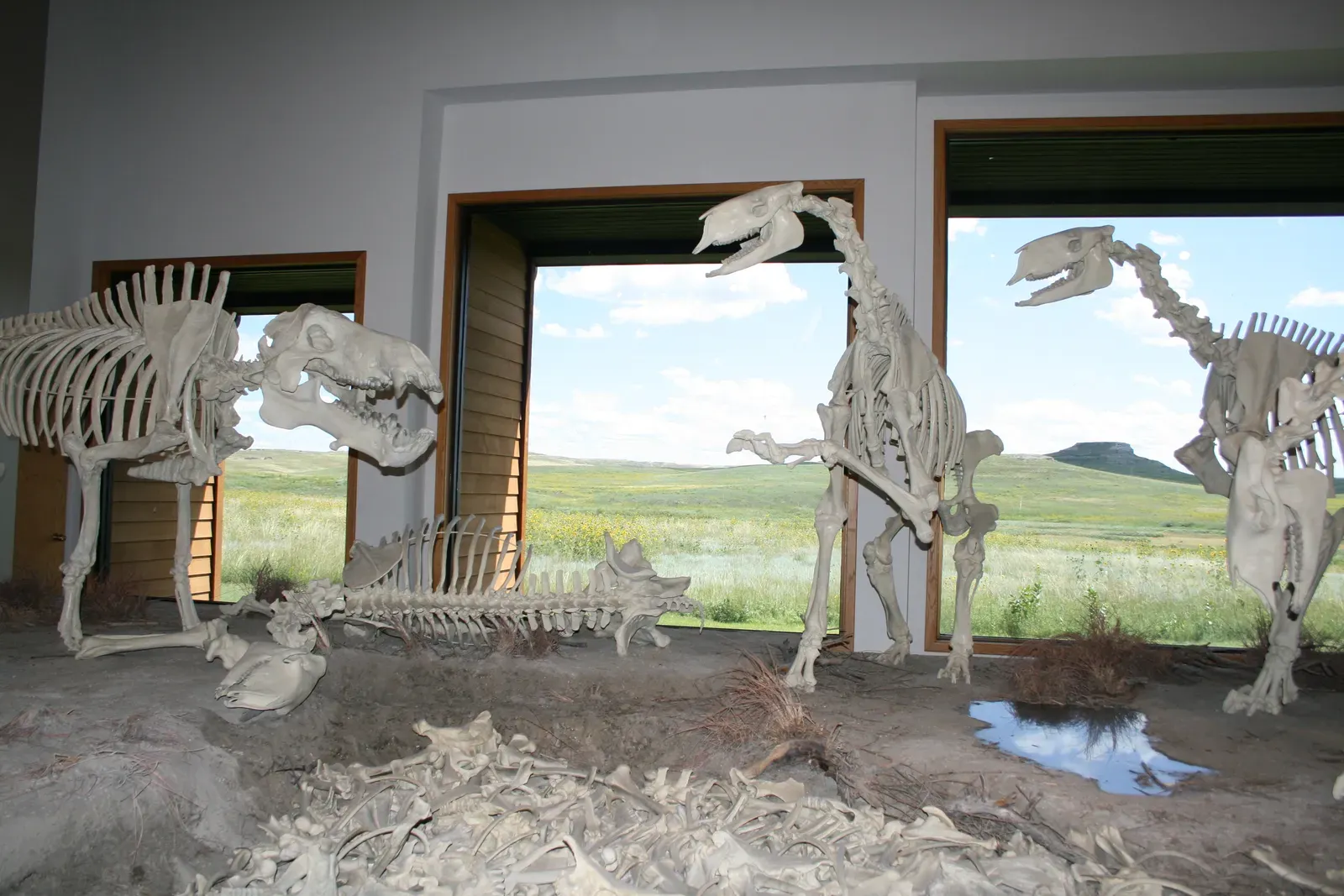
Around fifty million years ago, during the Eocene epoch, southwestern Wyoming sat beneath a warm, subtropical lake system. These ancient waters, including Fossil Lake, Lake Gosiute, and Lake Uinta, covered areas that now span Wyoming, Utah, and Colorado. The climate was so mild that crocodiles lounged near the shores.
Picture palm trees swaying over freshwater lakes teeming with fish, turtles, and stingrays. The fossils from this area, preserved roughly fifty-two million years ago, are renowned globally for their variety, quantity, and exceptional preservation. Anoxic conditions in the fine carbonate muds of the lakebeds slowed bacterial decomposition and kept scavengers away, creating perfect conditions for fossilization.
Fossil Butte: America’s Hidden Treasure
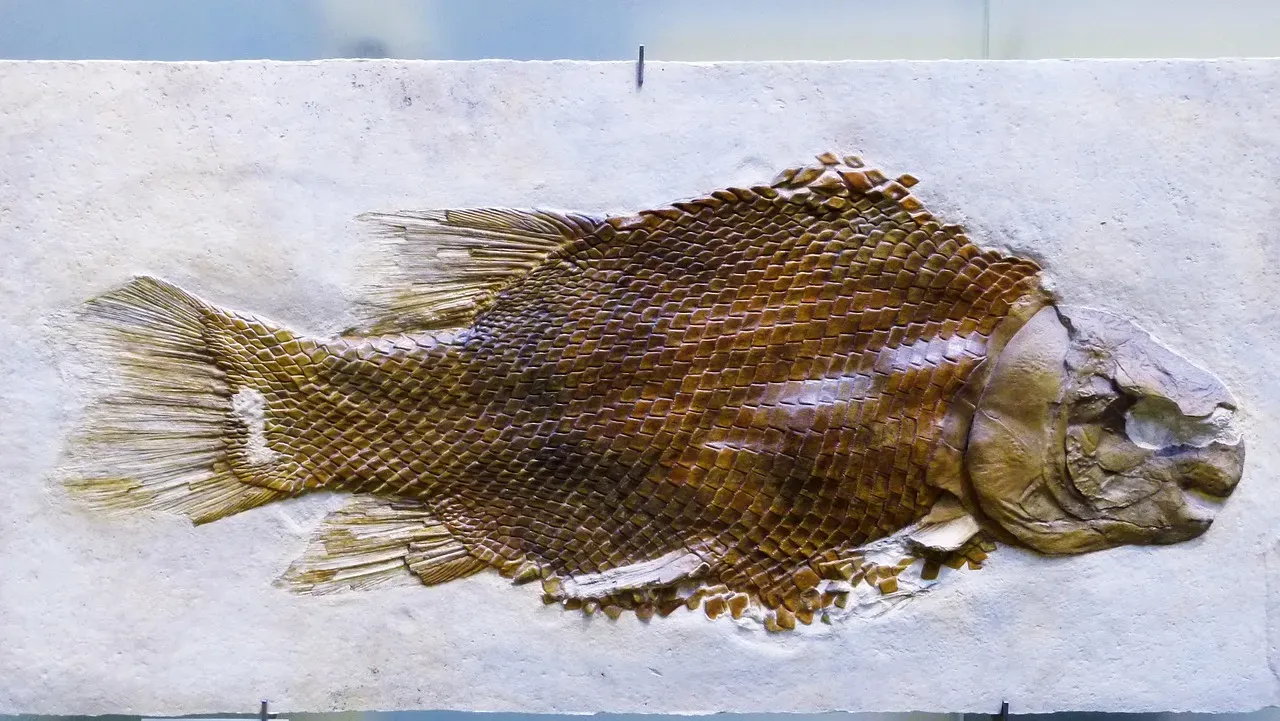
In the ridges of southwest Wyoming are some of the best-preserved fossils in the world, telling the story of ancient life in a warm, wet environment. Fossil Butte National Monument preserves the best paleontological record of Cenozoic aquatic communities in North America and possibly the world. It’s hard to say for sure, yet the sheer quality of specimens found here is mind-blowing.
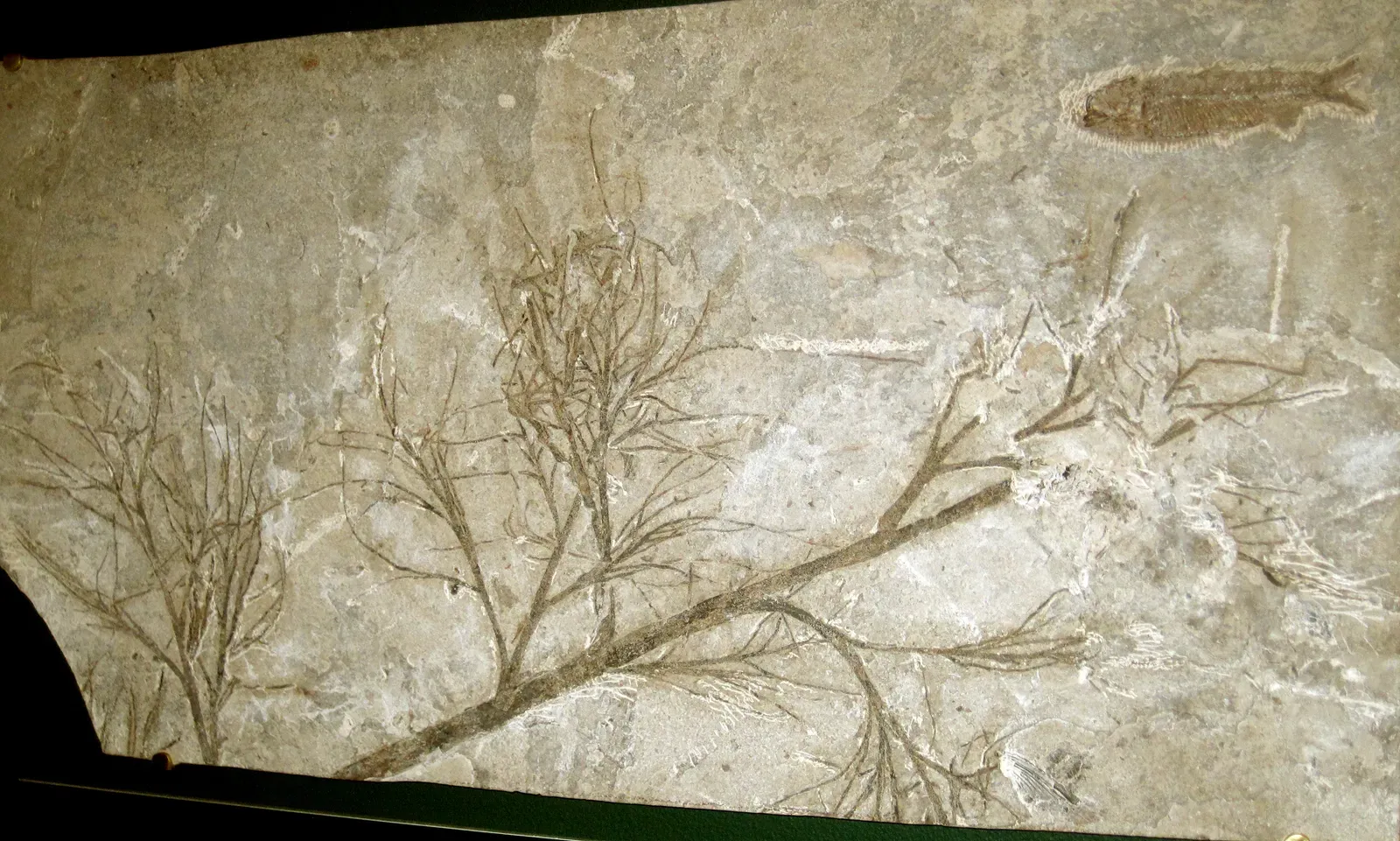
At this time, twenty-seven species of fish, thirty species of birds, fifteen species of reptiles, ten species of mammals and over four hundred types of plants have been described from the Fossil Butte Member. Knightia is the most commonly excavated fossil fish in the world, and you can actually dig for these yourself at several private quarries near Kemmerer.
The Green River Formation: A Six Million Year Record
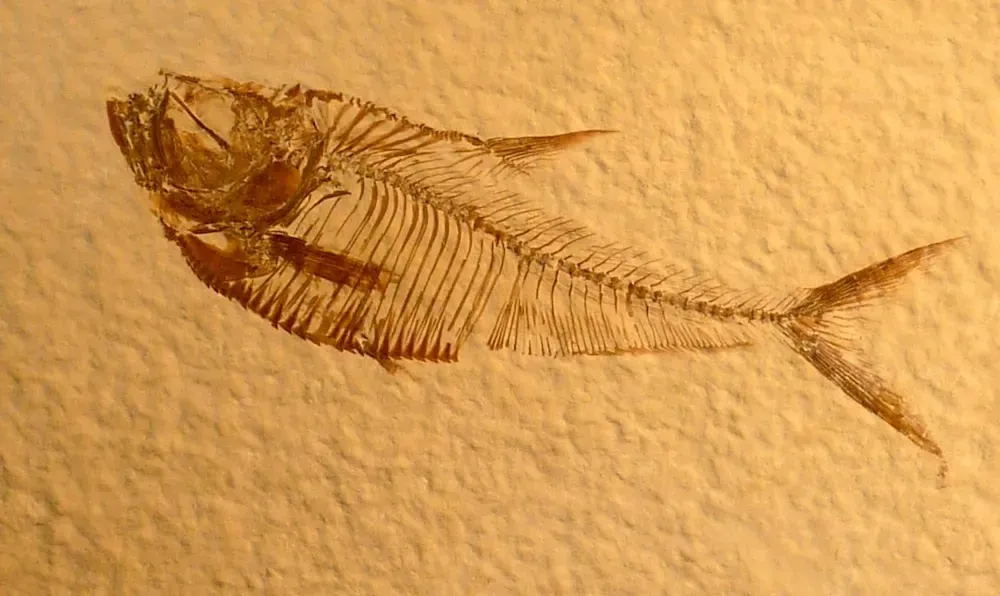
The sediments of the Green River Formation present a continuous record of six million years. Let’s be real, that’s an almost incomprehensible span of time captured in stone. Each pair of layers, called a varve, represents one year, creating a natural calendar stretching back through the Eocene.
The Green River Formation in Wyoming produces some of the most abundant and well-preserved fossil fish in the world, collected from several commercial quarries near Kemmerer. Reptiles including turtles, crocodiles, snakes and lizards are extremely rare fossils, with perhaps only a handful of reptile fossils found each year across all quarries. The earliest known bat fossil was discovered in the Fossil Butte Member, giving paleontologists insight into the early evolution of these flying mammals.
Como Bluff and the Great Bone Wars
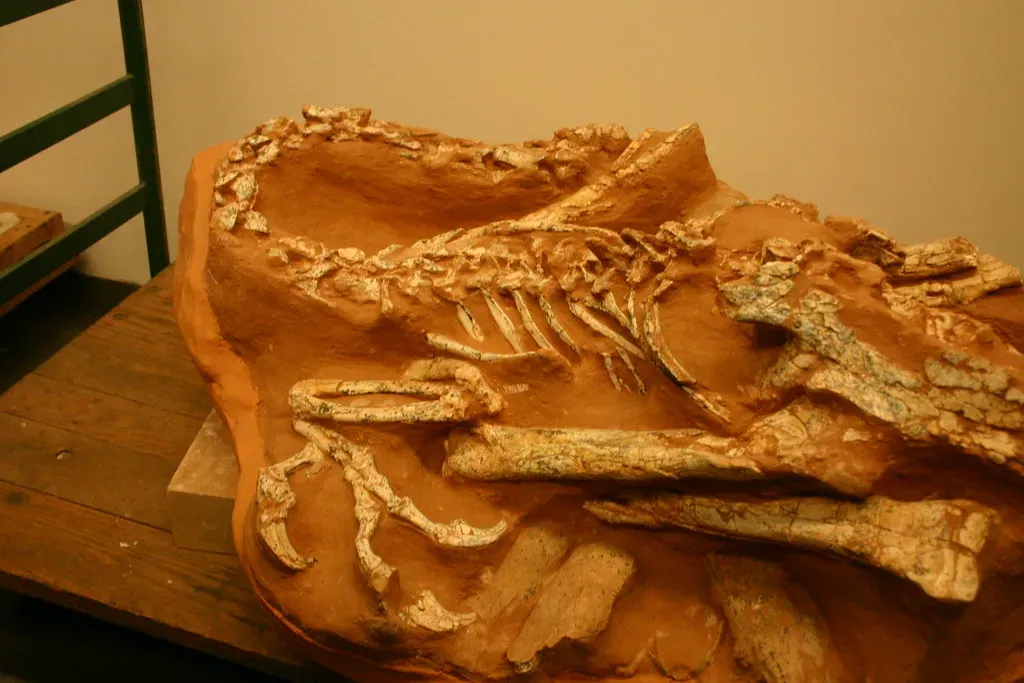
Here’s where things get really interesting. Como Bluff, east of Medicine Bow, was the site of one of the first major discoveries of dinosaur remains in the world, receiving notoriety because of the sheer number of bones found there. In March of 1877, William Harlow Reed discovered large animal bones while returning from an antelope hunt and concluded with station agent William Edward Carlin that this was a dinosaur bone bed.
Large numbers of dinosaur bones found in the Morrison Formation at Como Bluff were exceptionally preserved, with complete or nearly complete skeletons being discovered. This sparked a fierce rivalry. The two divided camps fought hard for their collections, reportedly with fist fights, rock throwing, and even bone smashing. The competition between paleontologists Othniel Charles Marsh and Edward Drinker Cope became legendary, forever known as the Bone Wars.
The Morrison Formation: Jurassic Giants Preserved
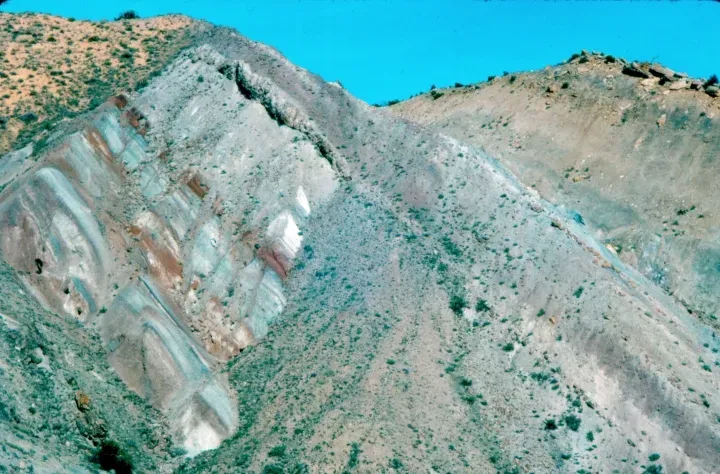
The Morrison Formation is a distinctive sequence of Upper Jurassic sedimentary rock found in the western United States which has been the most fertile source of dinosaur fossils in North America. Deposited roughly one hundred fifty million years ago, this distinctive sequence has been among the most fertile sources of dinosaur fossils in the entire world.
The Jurassic Morrison Formation is a world-renowned dinosaur-bearing formation in which many significant dinosaur discoveries have been made in Wyoming, including Allosaurus, Apatosaurus, Diplodocus, and Stegosaurus. Four types of sauropods were found at Como Bluff, including the plant-eating Apatosaurus, Diplodocus at ninety feet long, Camarasaurus, and Barosaurus, along with Stegosaurus and Camptosaurus. These weren’t just big creatures. They were the largest land animals that ever walked the Earth.
Wyoming’s Dinosaur Diversity: From Predators to Giants
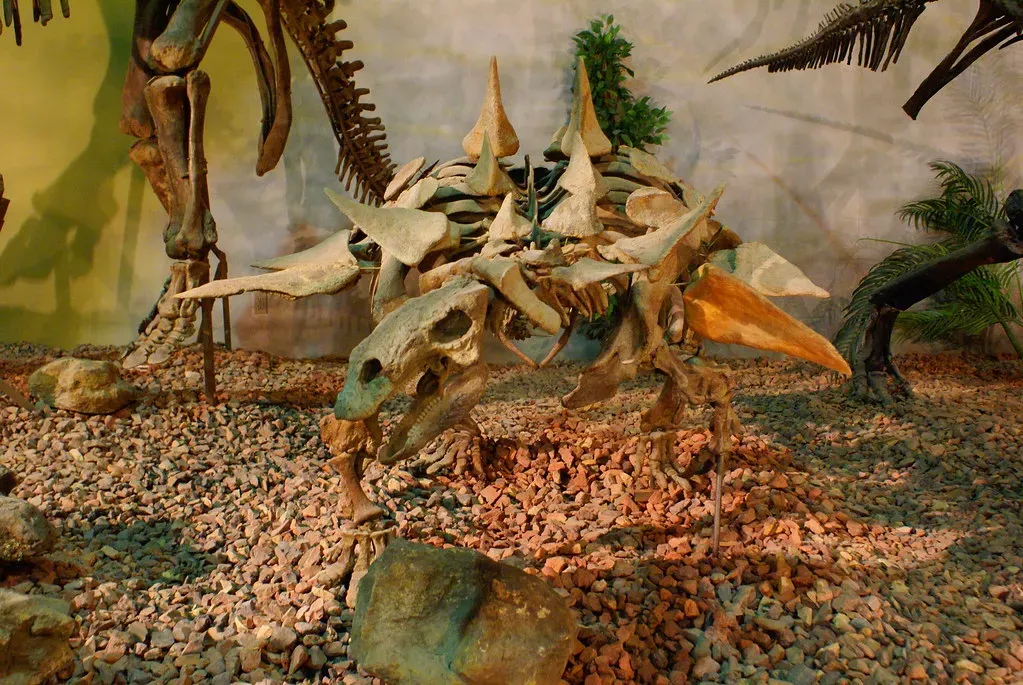
Among the Cretaceous dinosaurs discovered in Wyoming are Tyrannosaurus rex, Triceratops (the Wyoming State Dinosaur), Anatosaurus, and Ankylosaurs. The variety is stunning. The fossils found in the Bighorn Basin range from ancient plants and invertebrates to Late Cretaceous favorites like the ferocious tyrannosaurus, duck-billed hadrosaurs, heavily armored ankylosaurus and ubiquitous triceratops.
At a Bighorn Basin site where over three thousand individual bones have been recovered, all are from a single species, the massive diplodocus, and they all came from younger, sub-adult dinosaurs described as teenagers. Why were there bands of teenage dinosaurs roaming around? Scientists are still trying to figure that out. Deinonychus, the species that established the evolutionary link between dinosaurs and birds, was found in the nineteen sixties near Bridger.
Wyoming’s Paleontological Legacy Today
Author Marian Murray noted in nineteen seventy-four that it is expected that any great museum will send representatives to Wyoming as often as possible, and nearly every major vertebrate paleontologist in United States history has collected fossils in Wyoming. Wyoming is a major source of dinosaur fossils, and Wyoming’s dinosaur fossils are curated by museums located all over the planet.
Wyoming is full of wonder when it comes to the prehistoric periods, with adventures for all types from museums focused on paleontology to fossil digging tours. You can join dig programs at the Wyoming Dinosaur Center in Thermopolis or the Tate Geological Museum in Casper. If you want to bring home a fossil, Kemmerer or Fossil Basin is your destination, where you can join fossil tour companies to mine for your own fossils and visit Fossil Butte National Monument.
Conclusion: Time Written in Stone
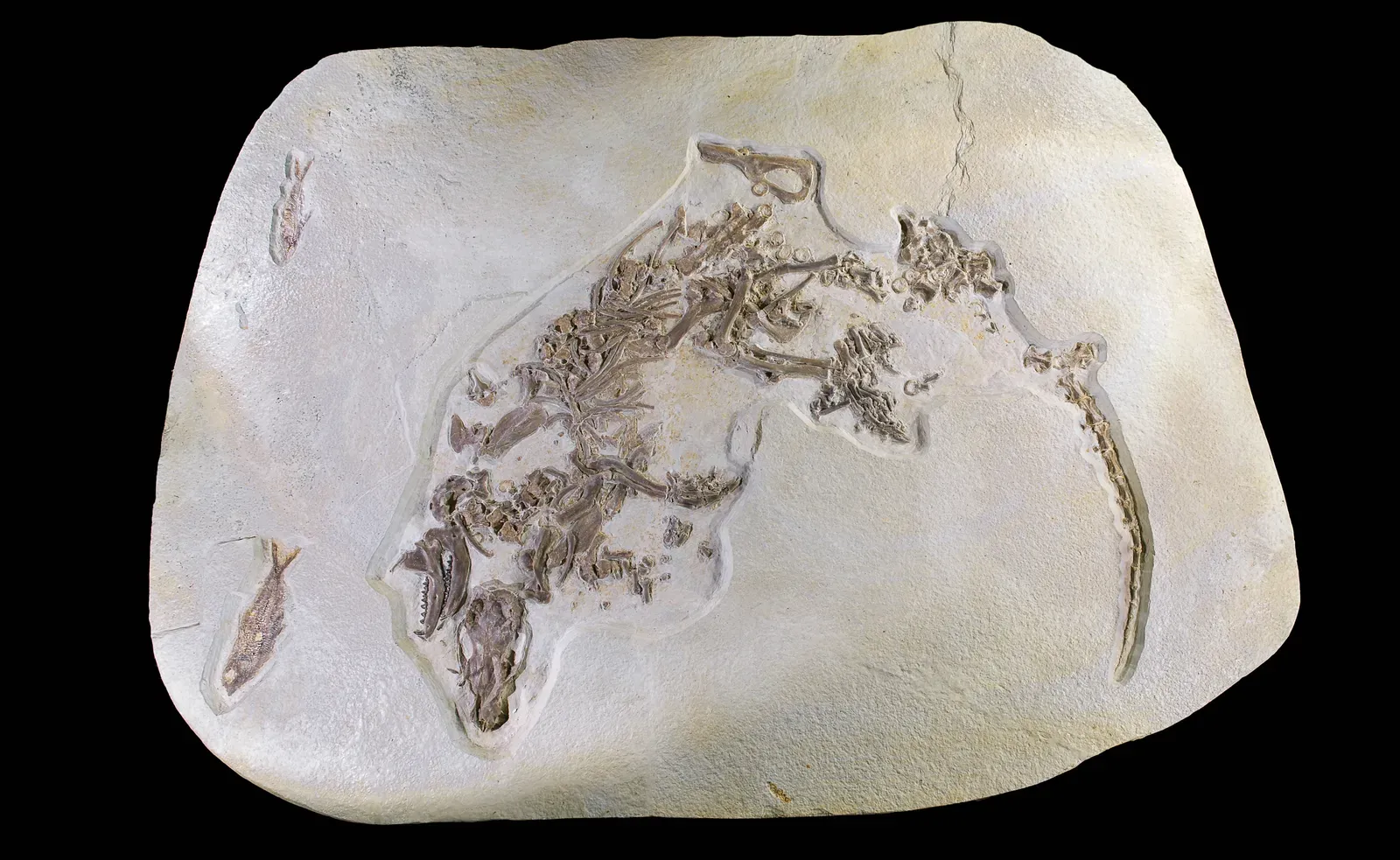
Wyoming’s fossil beds represent something profound. They’re not just collections of old bones scattered across the landscape. They’re actual fragments of vanished worlds, frozen moments from epochs when the Earth looked and felt completely different. From tropical lakes filled with primitive fish to floodplains where giants roamed, these fossil deposits capture millions of years of life and death.
The state continues to yield new discoveries even now, in 2026, reminding us how much remains hidden beneath our feet. Walking through these fossil sites or viewing specimens in museums connects us directly to creatures that lived unimaginably long ago. What would you have guessed you’d find if you’d stumbled across Como Bluff back in 1877? Would you have recognized those bones for what they truly were?