
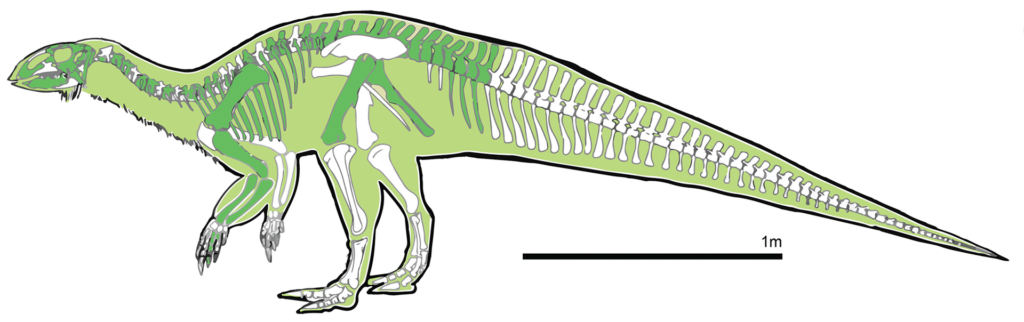
Every museum in the world has that one dusty drawer nobody pays attention to. The labels are faded, the bones look unremarkable, and the specimen logs read like a boring spreadsheet from another era. Yet every now and then, one of those forgotten fossils turns out to be a time bomb of knowledge, waiting decades to explode and force scientists to rethink everything they thought they knew about prehistoric life. That’s the story this title hints at: the quiet revolution that starts not with a dramatic field discovery, but with someone finally opening the right box.
Fossils that languish in storage for decades might sound like a failure of science, but they’re actually a sign of just how much raw material we’ve collected and how little of it we’ve truly understood. In recent years, re-examined museum specimens have rewritten timelines for dinosaur evolution, reshaped our ideas about when birds first appeared, and even shifted where we think certain ancient animals lived. The idea that a single overlooked fossil could reopen an entire chapter of prehistory isn’t a fantasy – it’s practically become a modern pattern in paleontology.
The hidden backlog: why revolutionary fossils get “lost” in plain sight
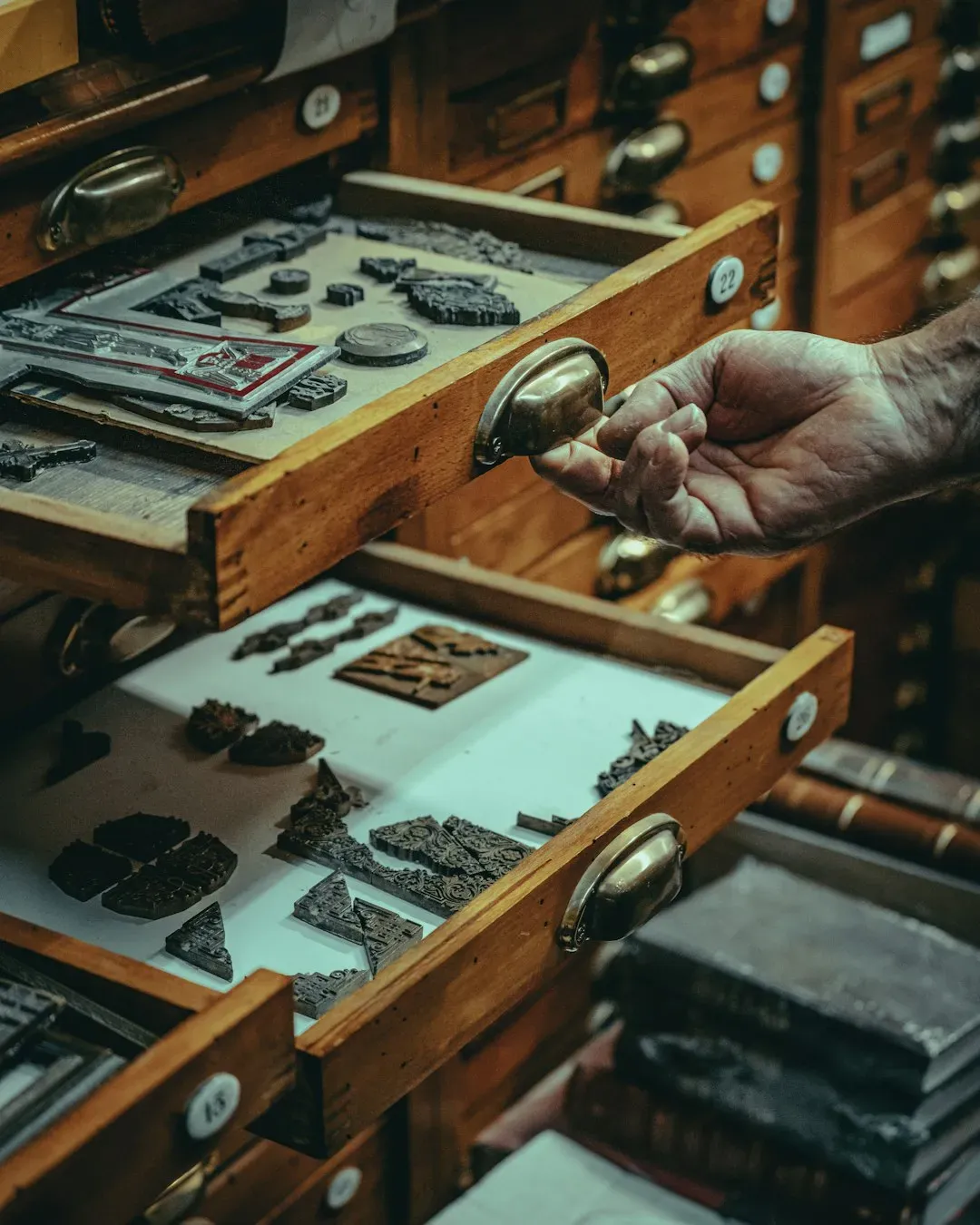
It sounds almost scandalous that a fossil capable of rewriting history could sit in a drawer for half a century, but once you understand how collections work, it feels almost inevitable. Museums house tens of thousands, sometimes millions, of specimens: bones, teeth, shells, plant impressions, microfossils that look like dust to the naked eye. Most were collected in hectic field seasons when the main goal was to save as much as possible from erosion, construction, or simple neglect, not to perfectly understand each find on the spot.
Those specimens are catalogued as best as time and budgets allow, often using the scientific standards of their era – sometimes just a quick label like “crocodile vertebra, Late Jurassic” or “small theropod fragment.” When new fossils arrive faster than old ones can be studied in detail, backlogs build up. It’s a bit like a photo library on your phone: you take thousands of shots, promise yourself you’ll sort them “later,” and then three years vanish. In paleontology, “later” can easily stretch to fifty years, and what looked ordinary in 1970 might scream “entirely new species” to a researcher in 2026.
How a “boring” specimen suddenly becomes an entirely new species
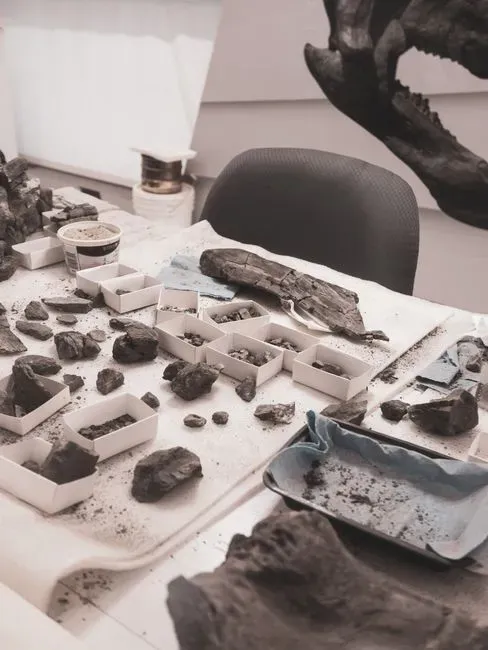
The transformation from “unremarkable drawer fossil” to “brand new species” almost never comes from a single dramatic moment of revelation. More often, it starts with someone asking an annoyingly simple question: does this really belong to the group it was filed under fifty years ago? Maybe a grad student is reviewing old material for a thesis, or a specialist visits the collection and notices that a jaw shape, a joint surface, or a subtle ridge does not match anything they know. Those tiny anatomical red flags are the beginning of the revolution.
Once suspicion is raised, the process becomes slow, meticulous detective work. Researchers compare the fossil with known species, sometimes bone by bone, angle by angle. They use high-resolution imaging, measure it statistically against similar specimens, and check whether its features fall within expected variation or stand apart enough to justify a new species. If it passes that high bar, the “boring” fossil suddenly turns into a type specimen, the official reference for an animal or plant that no one had ever recognized before. The drawer has not changed, but the story locked inside it has become dramatically bigger.
New tools, new eyes: why the past looks different from 2026
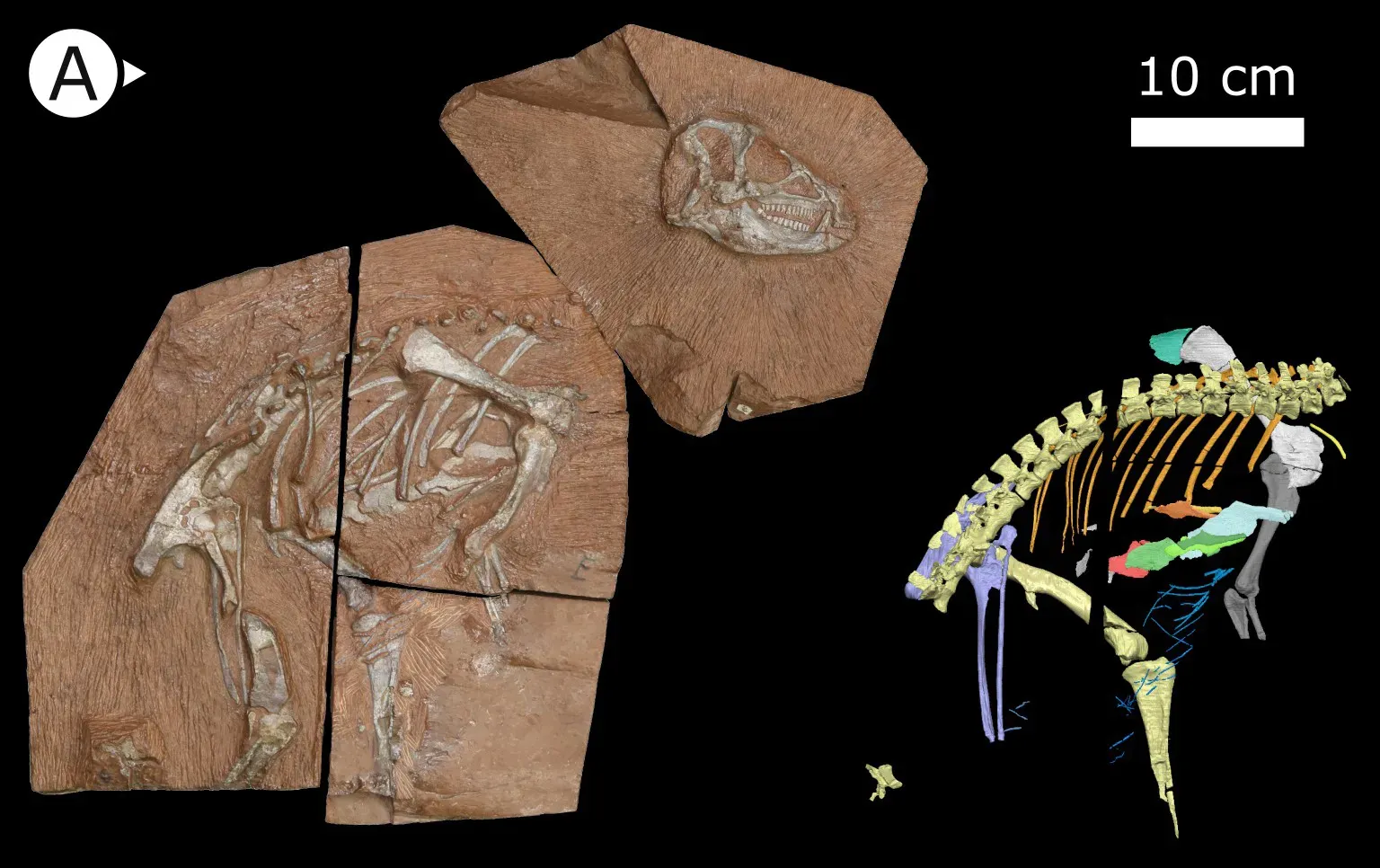
One of the main reasons that overlooked fossils keep turning out to be game changers is that our toolkit in 2026 is radically different from what scientists had half a century ago. In the past, paleontology relied almost entirely on visual inspection and simple measurements. Today, researchers can scan specimens in three dimensions, peer inside solid blocks of rock with powerful imaging, and simulate muscle attachment and movement on digital skeletons. Subtle details that looked like random texture in the 1970s can now be interpreted as clues about diet, locomotion, or evolutionary relationships.
On top of that, our mental map of prehistoric life has expanded. Entire groups of animals thought to be rare or marginal are now known to have been diverse and widespread. That means a fossil once forced into an ill-fitting category can suddenly be reinterpreted as the missing link for a lineage no one knew existed at the time. It’s like suddenly getting the missing middle chapters of a novel you thought you had already read: you go back to the earlier pages and they read completely differently. Old fossils did not change, but our questions, expectations, and context have, and that makes all the difference.
When one fossil forces a rewrite of a whole chapter of prehistory
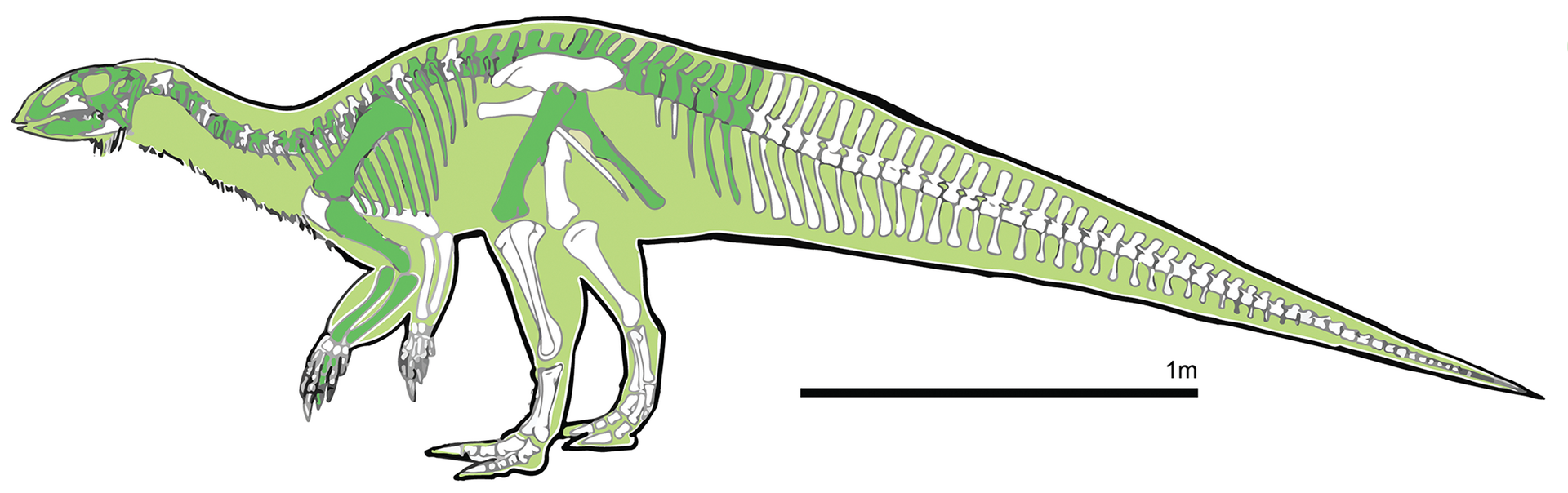
The title promise – a single fossil rewriting a major chapter of prehistoric history – might sound like exaggeration, but it reflects how interconnected paleontological ideas actually are. Imagine, for example, that an unassuming limb bone from a drawer turns out to belong to a dinosaur that lived millions of years earlier than its relatives were thought to appear. Suddenly, evolutionary timelines need to shift backward, theories about climate, ecosystems, and even continental positions come back under review, and textbooks have to decide whether their tidy diagrams still make sense.
Sometimes, a re-identified fossil comes from a region where no one expected that type of animal to exist. That can force scientists to rethink how species dispersed, what ancient environments were like, and whether previously held ideas about isolation or climate barriers hold up. One specimen can push a boundary far enough that old assumptions snap. The rewrite is rarely a full demolition, but it can be a serious renovation: shaky walls of speculation get knocked down, and new, sturdier explanations rise in their place, all triggered by a fossil that spent decades invisible in storage.
The very human side of scientific “oversights” and late recognitions
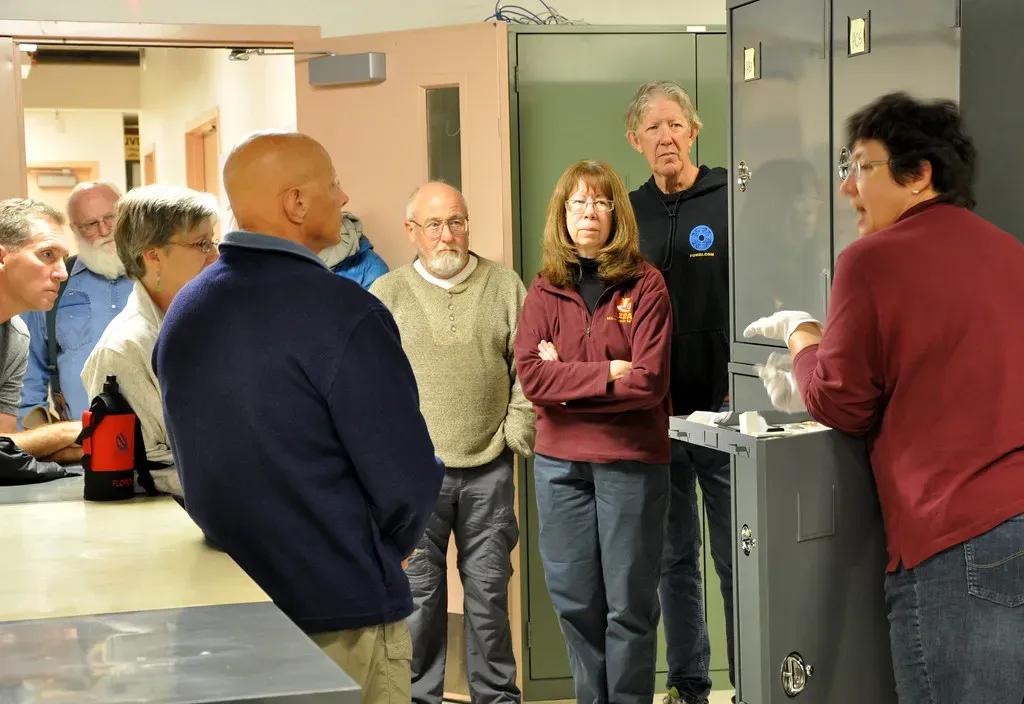
It’s tempting to judge the past and wonder how experts could possibly miss something so important for so long, but that ignores how human and constrained science really is. Researchers work with limited time, small teams, and changing priorities. A scientist fifty years ago might have had only a few hours with a large batch of fossils, focusing on the obviously spectacular ones – skulls, huge claws, complete skeletons – while fragmentary or less dramatic bones drifted into the background. With no hint that a particular fragment was special, there was simply no reason to linger on it.
I still remember standing in a mid-sized museum’s back room, staring at shelf after shelf of rumpled cardboard boxes, and thinking that any one of them might hold something nobody had truly recognized yet. That feeling is humbling and weirdly emotional: you realize that science is not a neat procession of polished discoveries, but a messy, human, half-finished archive. Calling these fossils “overlooked” sometimes unfairly blames individuals, when the real issue is how much we try to do with finite attention. In that light, a late discovery is not a failure; it’s a delayed success finally catching up.
Museum drawers as time capsules – and why we should be glad they exist
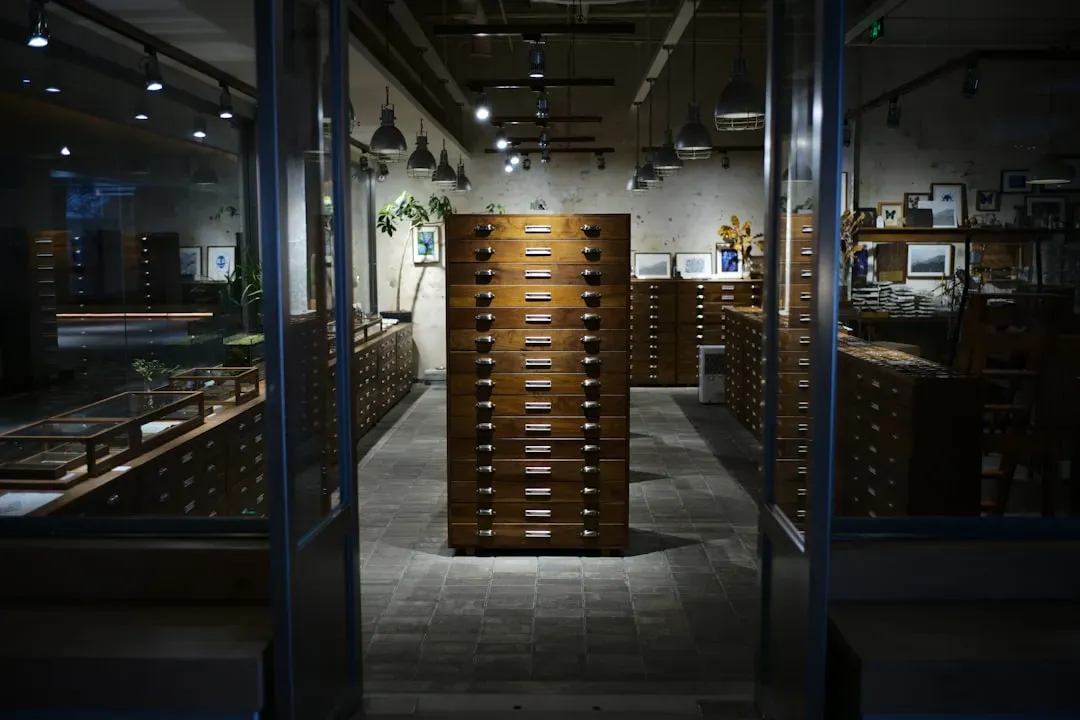
There’s something oddly comforting about knowing that the next big shift in our understanding of prehistoric life might already be sitting in a drawer somewhere, quietly waiting. Fieldwork is glamorous, with its desert camps and dramatic excavations, but museum shelves are where those adventures mature into long-term knowledge. The specimen that slept through fifty years of indifference is proof that careful curation, even when it feels mundane, can preserve game-changing evidence far longer than any one researcher’s career.
In a way, museum collections are like time capsules from multiple eras at once: they preserve ancient ecosystems, of course, but they also freeze snapshots of how earlier generations of scientists saw the world. When we reopen those drawers, we are not just reinterpreting fossils; we are having a quiet argument with the past and, hopefully, leaving better notes for the future. That layered continuity is what lets a forgotten fossil suddenly explode into relevance and rewrite the story for everyone.
Conclusion: why we should root for “forgotten” fossils to keep rocking the boat
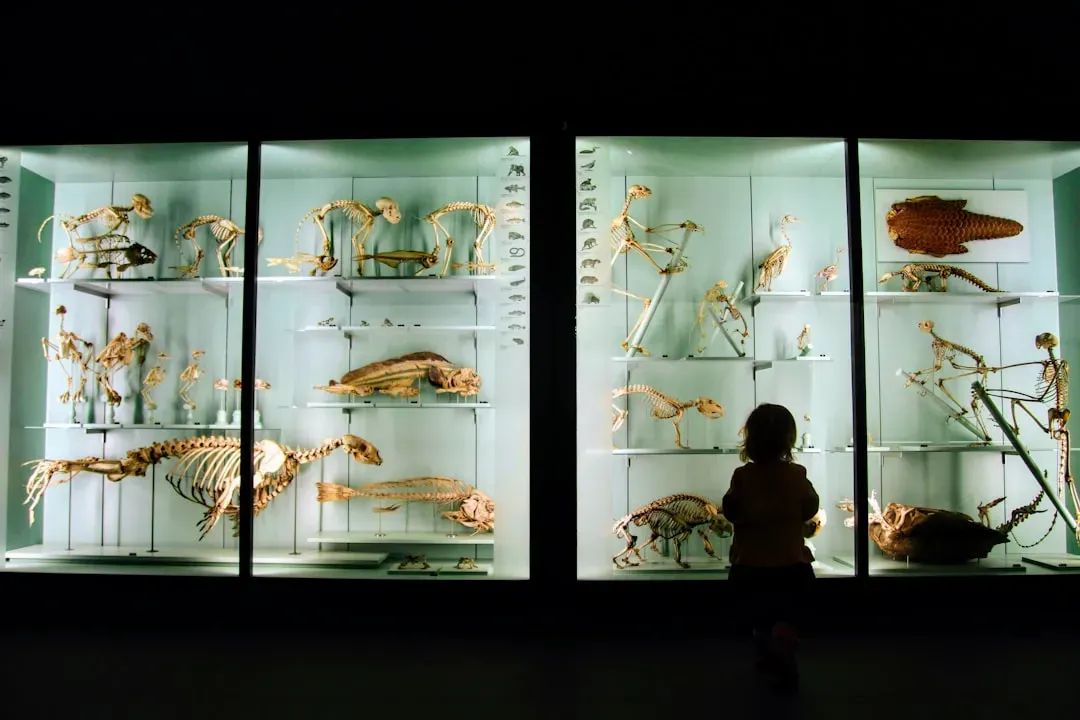
Personally, I think the most exciting thing about a fossil that spends half a century in obscurity before rewriting prehistory is what it says about uncertainty. It proves that our grand narratives about the distant past are still rough drafts, no matter how confidently they are printed in textbooks. Instead of seeing that as a weakness, we should take it as a feature: it means the story is alive, open to revision whenever a neglected bone or mislabelled fragment decides to speak up. I would rather live with a science that can admit surprise than one that pretends the drawers are empty of mystery.
If anything, the idea that the next big upheaval could come from the quiet back room of a regional museum feels more honest than the myth of the lone genius making instant, flawless discoveries in the field. It acknowledges that progress is cumulative, collaborative, and often embarrassingly delayed. That may bruise our pride, but it keeps our curiosity sharp. So the next time you walk past a glass case, remember there are far more fossils behind the scenes than on display, and some of them may yet flip the script again. Would you really want a prehistoric story that never had another twist coming?