Have you ever wondered how scientists can pinpoint the age of a rock that’s millions, sometimes billions, of years old? It’s not like Earth’s stones come with expiration dates stamped on them. Yet researchers have developed incredibly sophisticated methods to read time itself from the very fabric of the planet. These techniques reveal stories written in layers of sediment, locked within crystal structures, and encoded in the decay of radioactive atoms.
Understanding how old rocks are isn’t just about satisfying curiosity. It helps you piece together the entire history of our planet, from volcanic eruptions that reshaped continents to mass extinctions that wiped out entire species. The methods scientists use today are remarkably diverse, each suited to different materials and time scales. So let’s dive into the fascinating world of geological dating and discover how researchers turn stones into storytellers.
Reading the Layers: The Principles of Stratigraphy
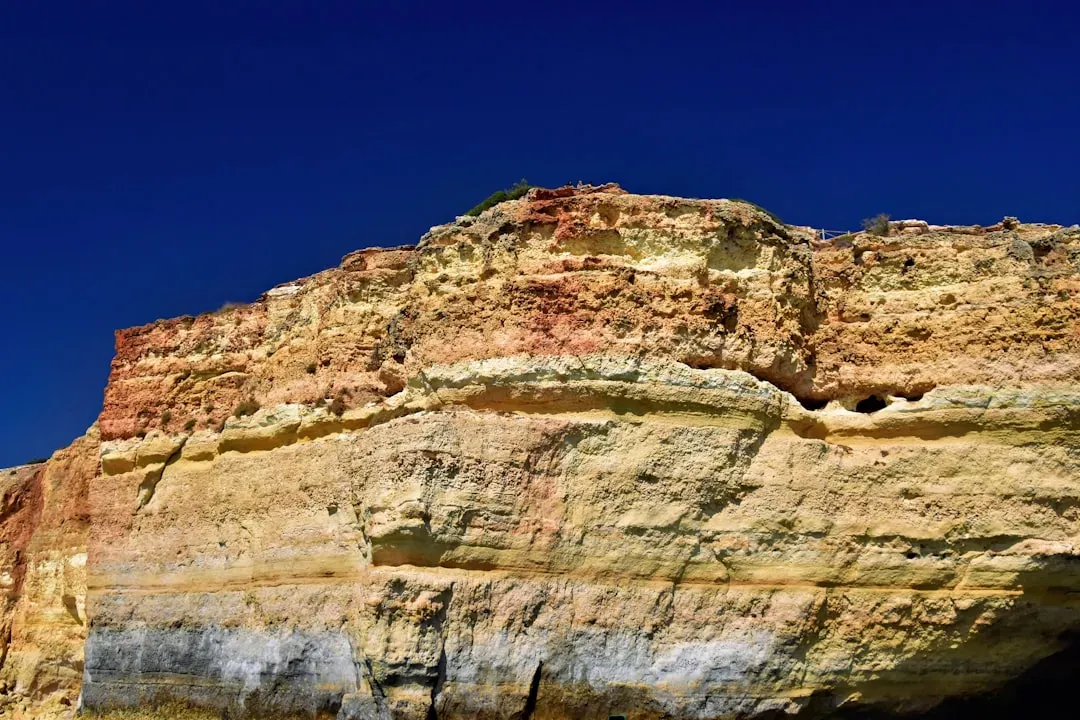
Stratigraphy is the study of these layers to reconstruct the sequence of certain aspects of ancient landscapes and environments over time. Think of it like reading a book where each page represents a different chapter in Earth’s history. The law of superposition states that the oldest layer of rock will be at the bottom of a sequence and the youngest will be at the top. This simple yet powerful principle, first proposed by Nicolas Steno in the 1600s, forms the foundation of relative dating.
Sedimentary rocks are made of tiny particles that are transported by natural agents (like wind and water) and laid down in different environments, forming one layer after another. Each layer is a stratum, and multiple layers on top of one another are called strata. Here’s the thing: these layers don’t just stack randomly. They tell you about ancient rivers, lakes, deserts, and oceans that existed long before humans walked the Earth. When you see tilted or disrupted layers, it reveals geological events like earthquakes or volcanic activity that occurred after the original deposition.
Unlocking Atomic Clocks: Radiometric Dating Fundamentals
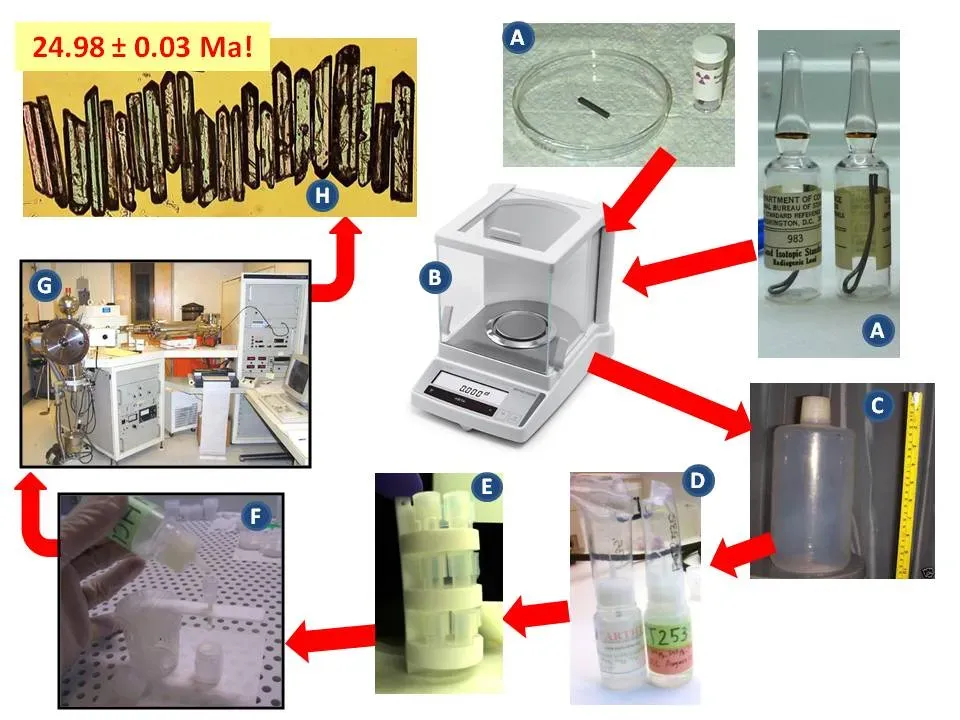
Radiometric dating determines the age of rocks and minerals by measuring the amount of radioactive isotopes and their daughter products. Let’s be real, this is where things get truly remarkable. Certain atoms are naturally unstable and transform into different elements at perfectly predictable rates.
Radioactive isotopes decay at a constant rate, with each isotope having a known half-life, or the time it takes for half of the parent atoms to decay into daughter atoms. By measuring the ratio of parent to daughter isotopes in a sample, scientists can calculate the time elapsed since the material formed. Imagine having a timer that started ticking the moment a rock crystallized from molten magma. That’s essentially what radiometric dating gives you. Different isotopes are used for dating different materials and time ranges. This versatility means scientists can examine everything from recent volcanic ash to the oldest rocks on Earth.
Carbon Dating: The Archaeological Time Machine
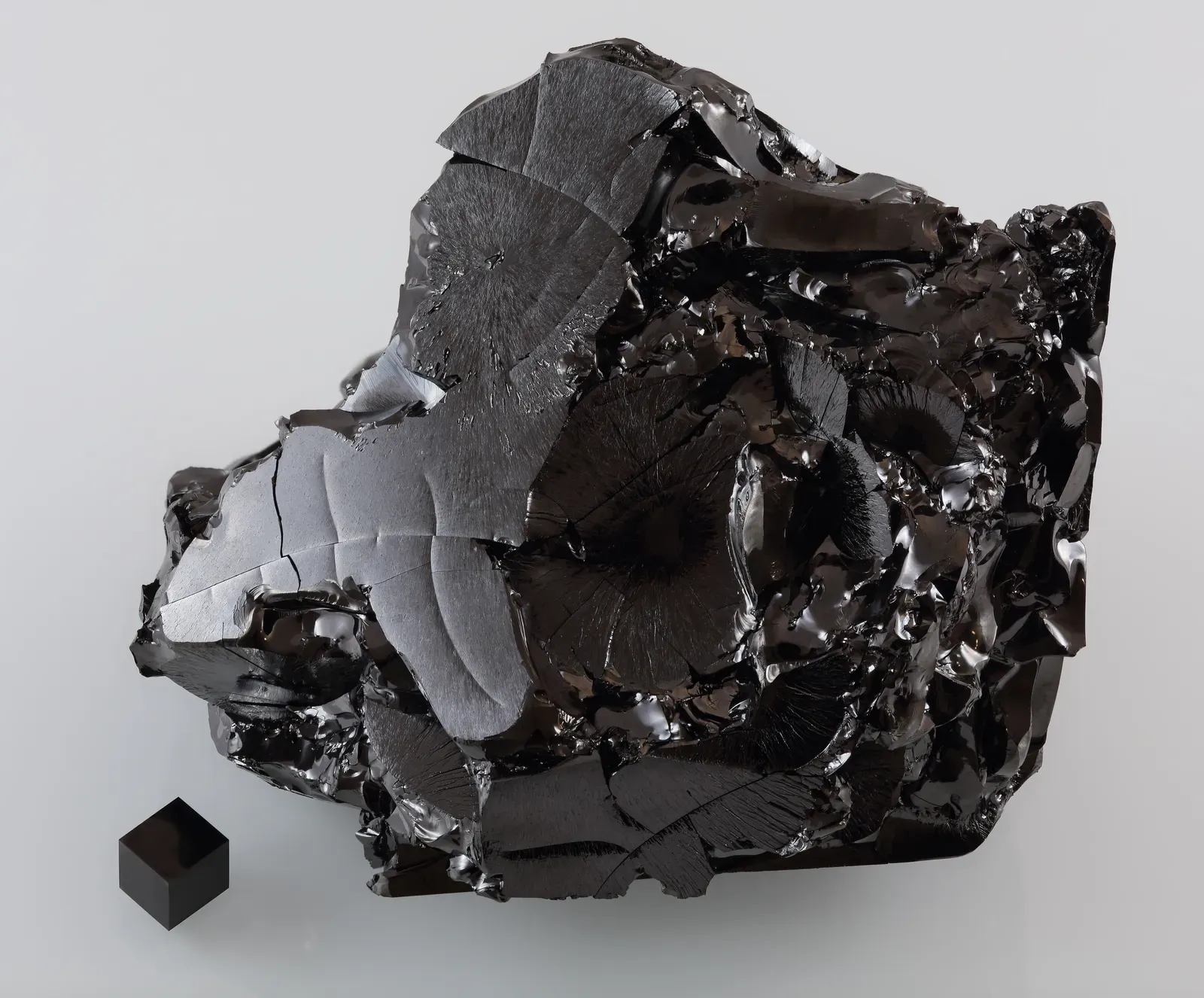
Carbon-14 dating is used for organic materials up to around 50,000 years old, while uranium-lead dating is used for much older rocks. Carbon dating has become perhaps the most famous dating method, partly because it works on materials that once lived and breathed. All living organisms absorb carbon from their environment, including a tiny amount of radioactive carbon-14.
Once an organism dies, it stops taking in new carbon, and the carbon-14 it contains begins to decay. Carbon-14 has a half-life of 5,730 years. During each span of that time, half of this radioisotope in a bone will decay to nitrogen-14. Scientists measure what’s left and calculate backward to determine when the organism died. The technique revolutionized archaeology, allowing researchers to date everything from ancient wooden tools to mummified remains with impressive precision. Honestly, it’s hard to imagine modern archaeology without this tool.
Potassium-Argon Dating: Windows Into Deep Time
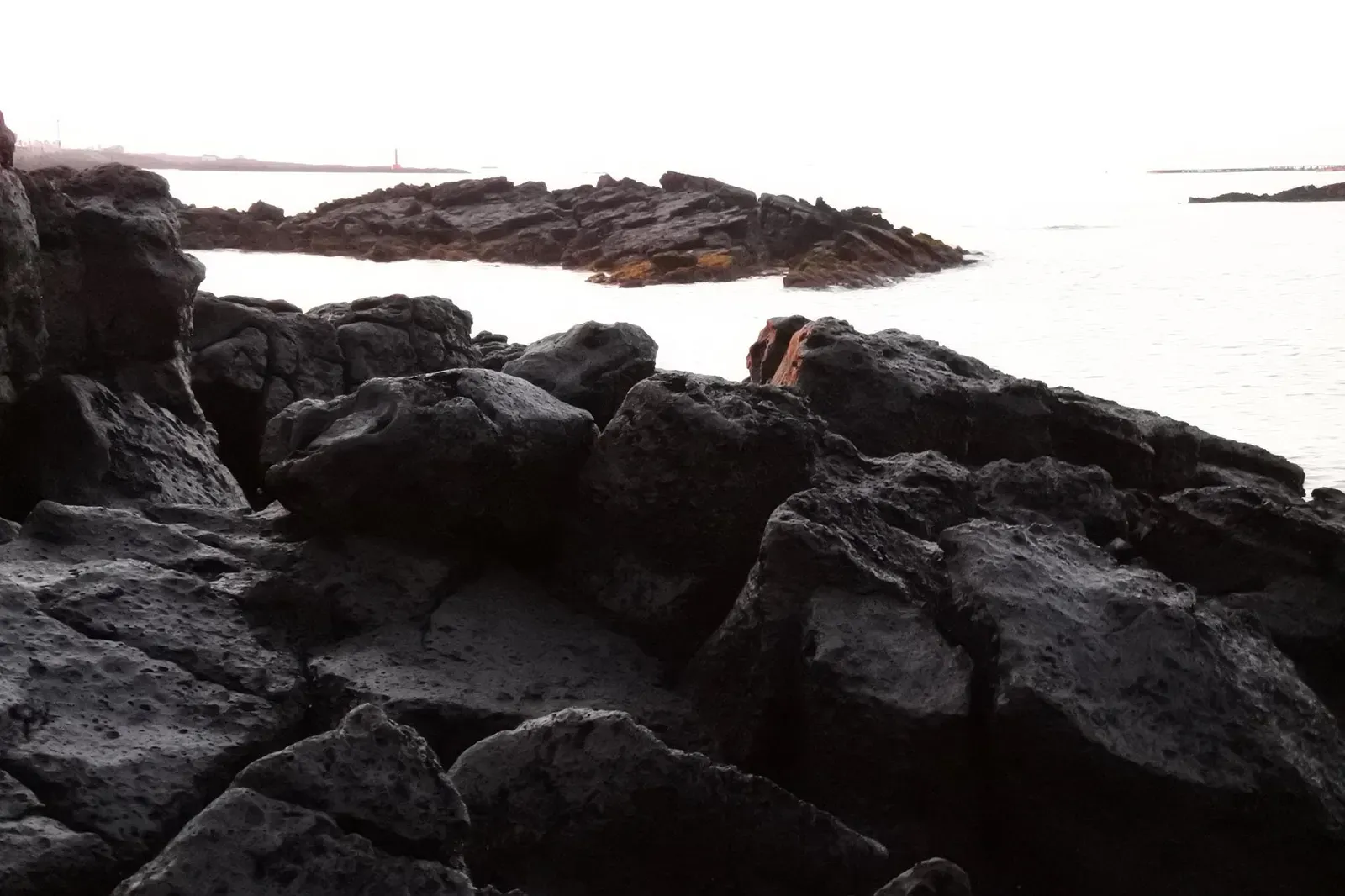
40Ar/39Ar geochronology is based on the decay of the isotope 40K (potassium 40) to 40Ar (argon 40) and is used to determine when volcanic rocks erupted. This technique is versatile and can date rocks and minerals that range in age from 10,000 years old to several billion years old. I know it sounds crazy, but this method can span nearly the entire history of our planet.
The beauty of potassium-argon dating lies in how it works with volcanic materials. The method works particularly well with volcanic materials. When magma solidifies, any argon gas previously present escapes – effectively resetting the “clock.” Once the rock hardens, newly produced argon from potassium decay becomes trapped in the mineral structure. This makes it perfect for dating ancient lava flows and volcanic ash layers. Geologists were able to extract feldspar minerals from a layer of volcanic ash right below the stratigraphic layer that Lucy was found in and used them to date the deposit. Using 40Ar/39Ar as the radioactive clock, the deposits were dated to roughly 3.18 million years old. Lucy, one of our most famous ancient ancestors, got her age from this very technique.
Uranium-Lead Dating: Earth’s Oldest Stories
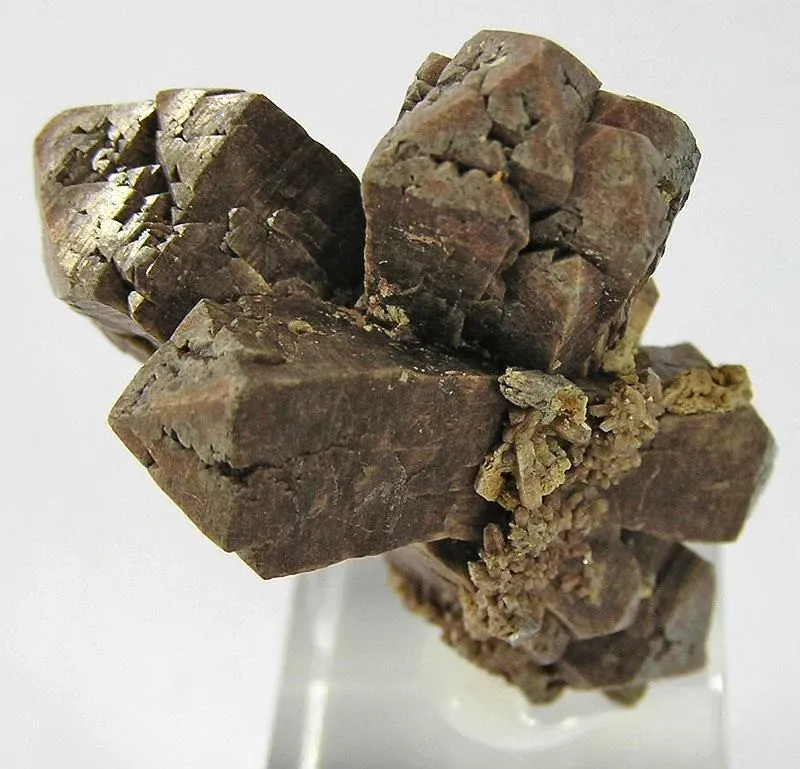
Uranium–lead dating is one of the oldest and most refined of the radiometric dating schemes. It can be used to date rocks that formed and crystallised from about 1 million years to over 4.5 billion years ago with routine precisions in the 0.1–1 percent range. This is the heavyweight champion of geological dating methods. When you need to know the age of truly ancient rocks, uranium-lead dating is your best bet.
The method is usually applied to zircon. This mineral incorporates uranium and thorium atoms into its crystal structure, but strongly rejects lead when forming. Zircon is practically indestructible, surviving erosion, heat, and immense pressure. This multiple-decay process means that the half-life of uranium series is long, allowing scientists to date very old materials such as the Canadian Acasta Gneiss (the world’s oldest known rock) which was estimated to be 4.03 billion years old using uranium-lead dating. That’s nearly as old as Earth itself, giving you a glimpse into the planet’s earliest days.
Paleomagnetic Dating: Following Earth’s Magnetic Memory
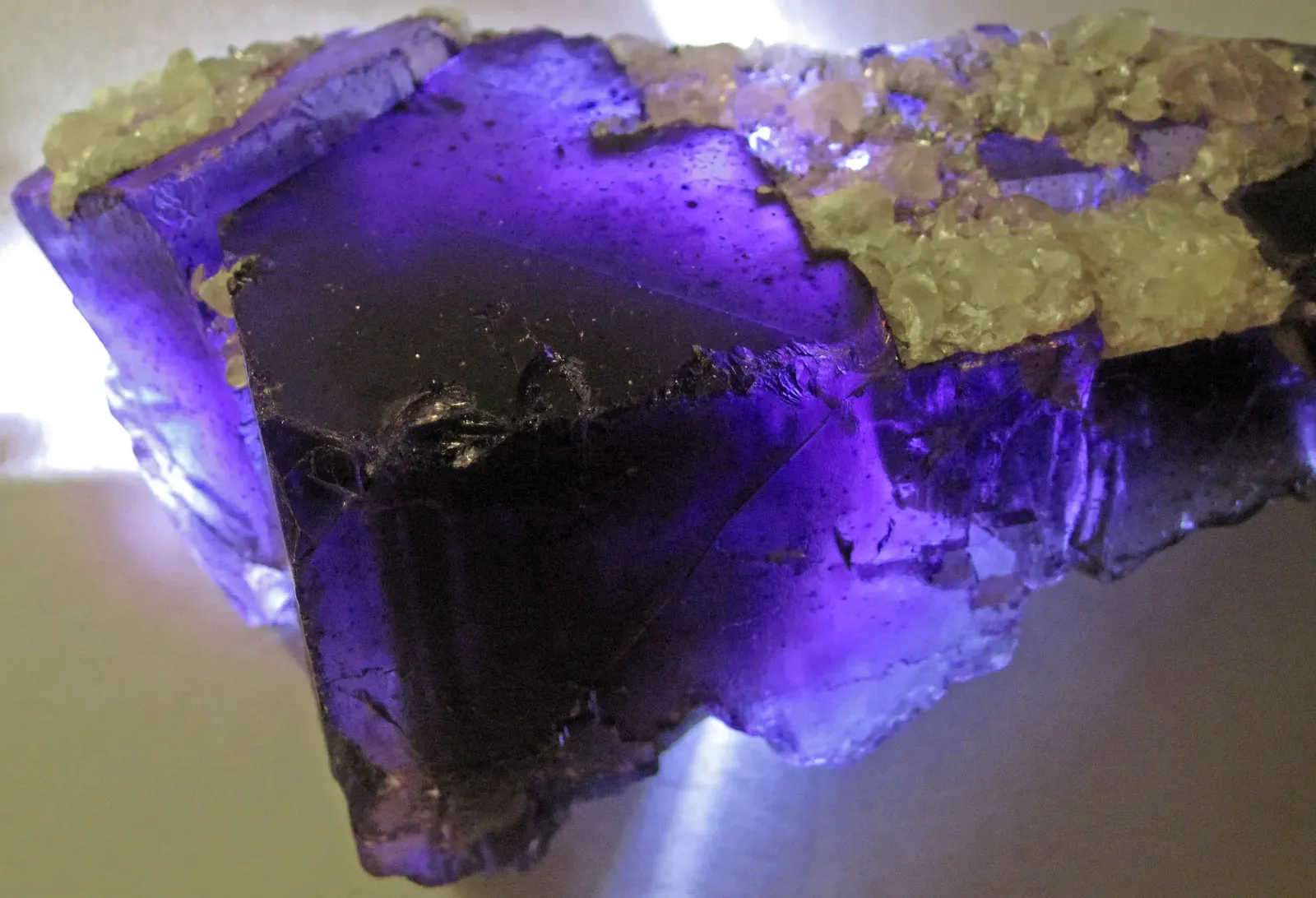
Paleomagnetism uses magnetic characteristics to determine the age of rocks. When a magma erupts onto the Earth’s surface it is at high temperatures of about 800–1000 degrees Celsius. Magnetic minerals within the magma will tend to orient themselves towards the Earth’s magnetic north pole, like the needle of a compass. Once the rock cools this direction is “locked in.” Earth’s magnetic field has flipped numerous times throughout history, with north and south poles switching places.
The most recent magnetic reversal occurred approximately 780,000 years ago. Scientists have mapped out when these reversals happened, creating a timeline of magnetic flip-flops. Using radiometric dates and measurements of the ancient magnetic polarity in volcanic and sedimentary rocks, geologists have been able to determine precisely when magnetic reversals occurred in the past. Information such as index fossils or radiometric dates can be used to correlate a particular paleomagnetic reversal to a known reversal in the GPTS. When combined with other dating methods, paleomagnetism becomes an incredibly useful tool for correlating rock layers across vast distances.
Luminescence Dating: Trapped Light as a Timekeeper
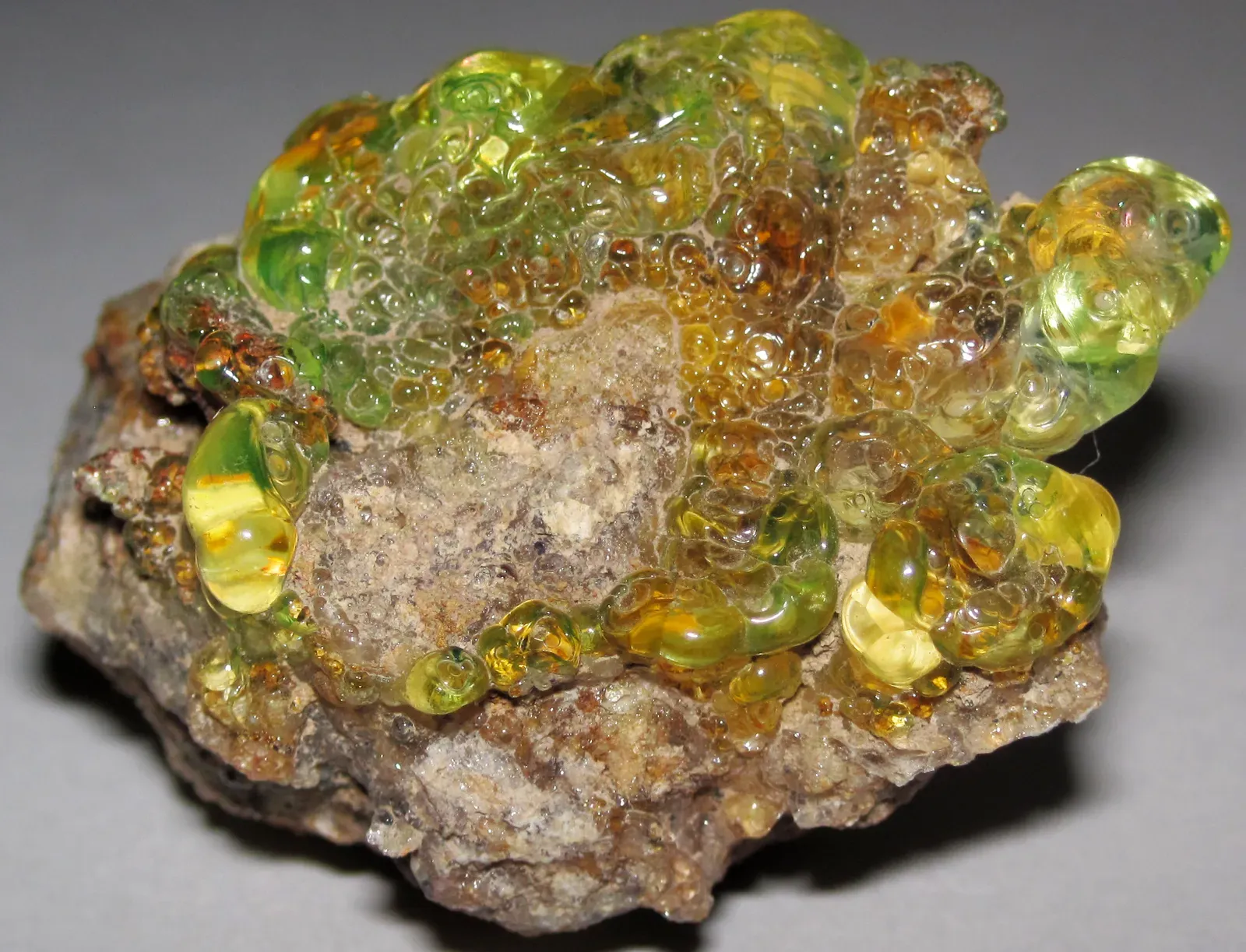
When this happens, geologists will often turn to dating methods like thermoluminescence or optically stimulated luminescence, which rely on electrons becoming “trapped” in the crystal structure of specific minerals. When the minerals are stimulated by light or heat, they will release the electrons in the form of light. The amount of energy that is released, as well as the rate at which the energy accumulated, is used to determine how long the material was buried from sunlight or last heated.
It’s hard to say for sure, but luminescence dating might be one of the most elegant methods available. Minerals like quartz essentially store up energy from natural background radiation over time. When you shine light on them or heat them in a laboratory, they release that stored energy as light, which you can measure. Like most methods, these luminescence techniques have a limit use and are only capable of dating sediments that are a few hundred years old to hundreds of thousands of years old. This makes luminescence particularly useful for dating pottery, burned stone tools, and sediments from archaeological sites.
Building the Geologic Time Scale: Piecing It All Together
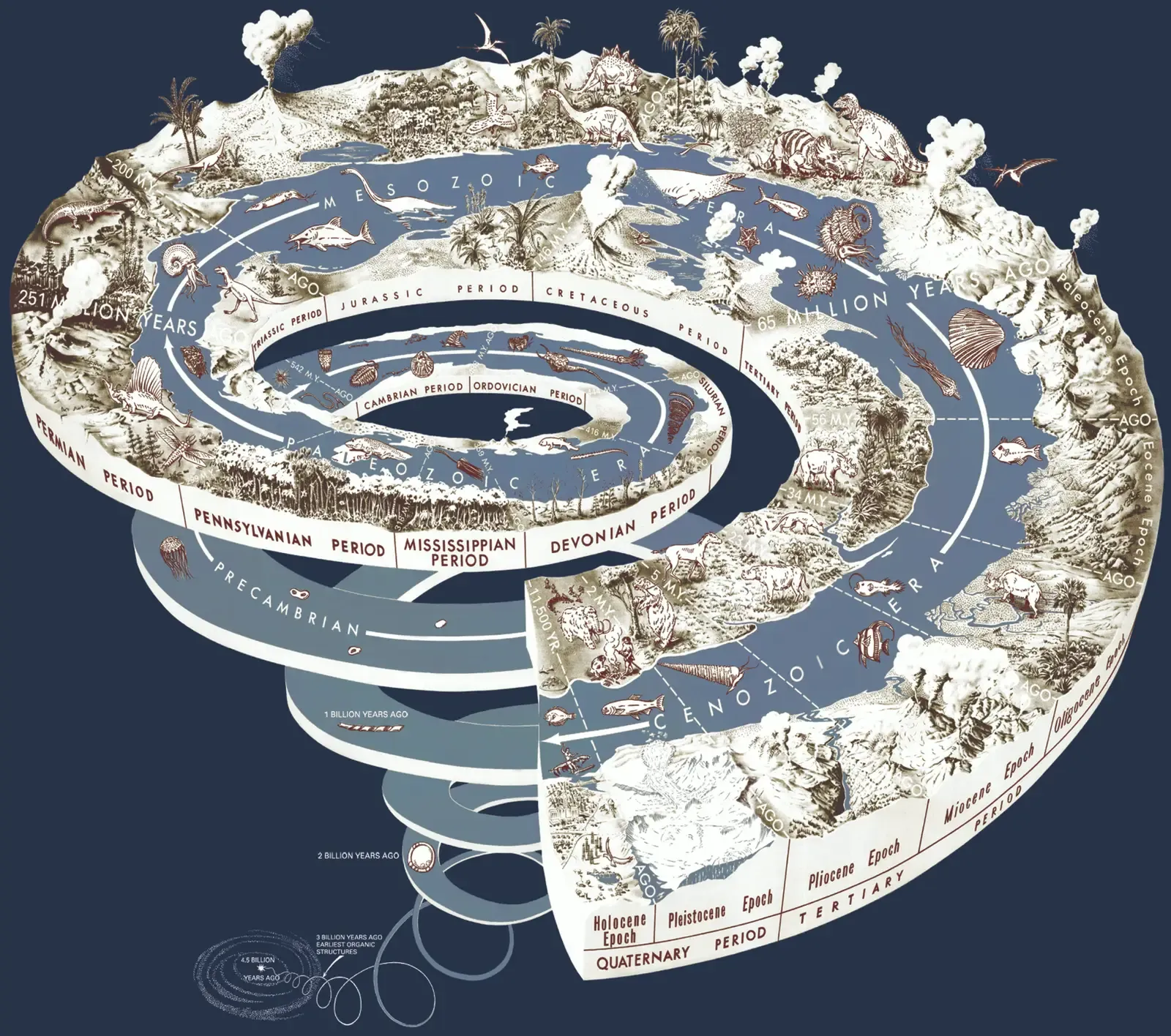
The geologic time scale is a way of representing deep time based on events that have occurred through Earth’s history, a time span of about 4.54 ± 0.05 billion years. It chronologically organises strata, and subsequently time, by observing fundamental changes in stratigraphy that correspond to major geological or paleontological events. Scientists didn’t build this timeline overnight. It took centuries of careful observation, correlation, and increasingly sophisticated dating techniques.
It is a system of chronological dating that uses chronostratigraphy and geochronology. It is used primarily by Earth scientists to describe the timing and relationships of events in geologic history. The time scale has been developed through the study of rock layers and the observation of their relationships and identifying features such as lithologies, paleomagnetic properties, and fossils. The scale divides Earth’s history into eons, eras, periods, and epochs, each marked by significant geological or biological events. Mass extinctions, the formation of mountain ranges, and the appearance of new life forms all serve as boundary markers in this grand timeline. Today’s geologic time scale represents the combined efforts of countless researchers using multiple dating methods to cross-check and refine age estimates.
The Future of Geological Dating
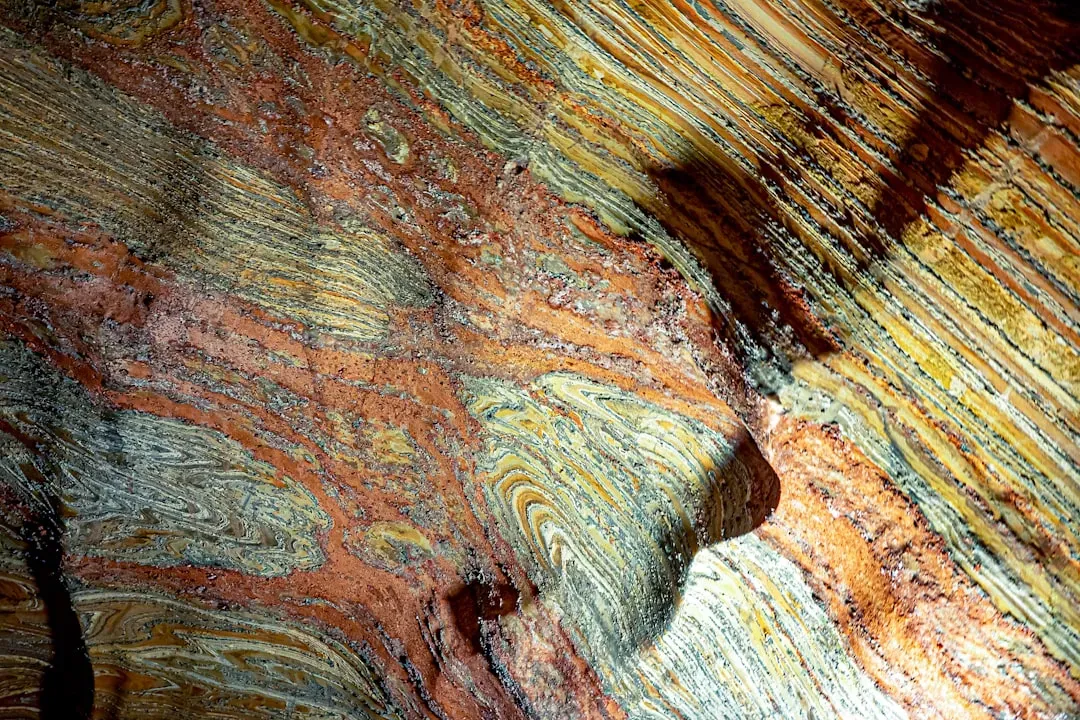
Dating technology continues to evolve at a remarkable pace. One powerful tool in geochronology is laser ablation, a technique that vaporizes microscopic bits of rock for analysis. Giuliani applies this method to study minerals in ancient mantle rocks, tracing their evolution over immense timescales. Modern instruments can analyze samples smaller than a grain of sand, requiring far less material than older techniques.
Technological advances continue to reduce required sample sizes while improving measurement precision. Modern AMS radiocarbon dating can now analyze samples weighing less than a milligram – allowing the dating of precious artifacts like rock art pigments or ancient text fragments with minimal damage. The integration of multiple dating methods has become standard practice, with researchers combining radiometric dating, stratigraphy, and paleomagnetic data to build comprehensive chronologies. This multidisciplinary approach allows scientists to date not just when rocks formed, but also to reconstruct ancient climates, track the movements of tectonic plates, and understand how life evolved in response to changing environments. The geological clock keeps getting more accurate, revealing Earth’s history in ever-finer detail.
Conclusion
The ability to date ancient rocks represents one of humanity’s greatest scientific achievements. From counting rock layers to measuring invisible atomic decay, these methods have transformed our understanding of Earth’s history. Each technique has its strengths, limitations, and ideal applications, yet together they form a comprehensive toolkit for exploring deep time.
What once seemed impossible – determining the age of a four-billion-year-old crystal or pinpointing when a volcano erupted millions of years ago – has become routine science. These dating methods continue to evolve, becoming more precise and versatile with each passing year. They allow you to see beyond the present moment and glimpse the vast stretches of time that shaped the planet beneath your feet. What aspect of Earth’s ancient history fascinates you most?