You’ve probably seen museum displays packed with T. rex bones and towering Brachiosaurus skeletons. They catch your eye immediately, don’t they? Yet there’s something peculiar about the way we collectively obsess over dinosaurs while overlooking the absolutely mind-blowing creatures that appeared after them.
When the dinosaurs vanished some 66 million years ago, you might think Earth just settled into a quieter existence with smaller, less threatening animals. That couldn’t be further from the truth. After the extinction of the dinosaurs during the Cretaceous mass extinction about 66 million years ago, a new era of megafauna emerged. These post-dinosaur giants included mammals that dwarfed modern elephants, birds that hunted like apex predators, and creatures so bizarre they seem almost imaginary. So let’s dive in and explore why the Cenozoic Era deserves just as much wonder and respect as the Age of Dinosaurs.
The Hornless Giant That Defied Mammal Size Limits
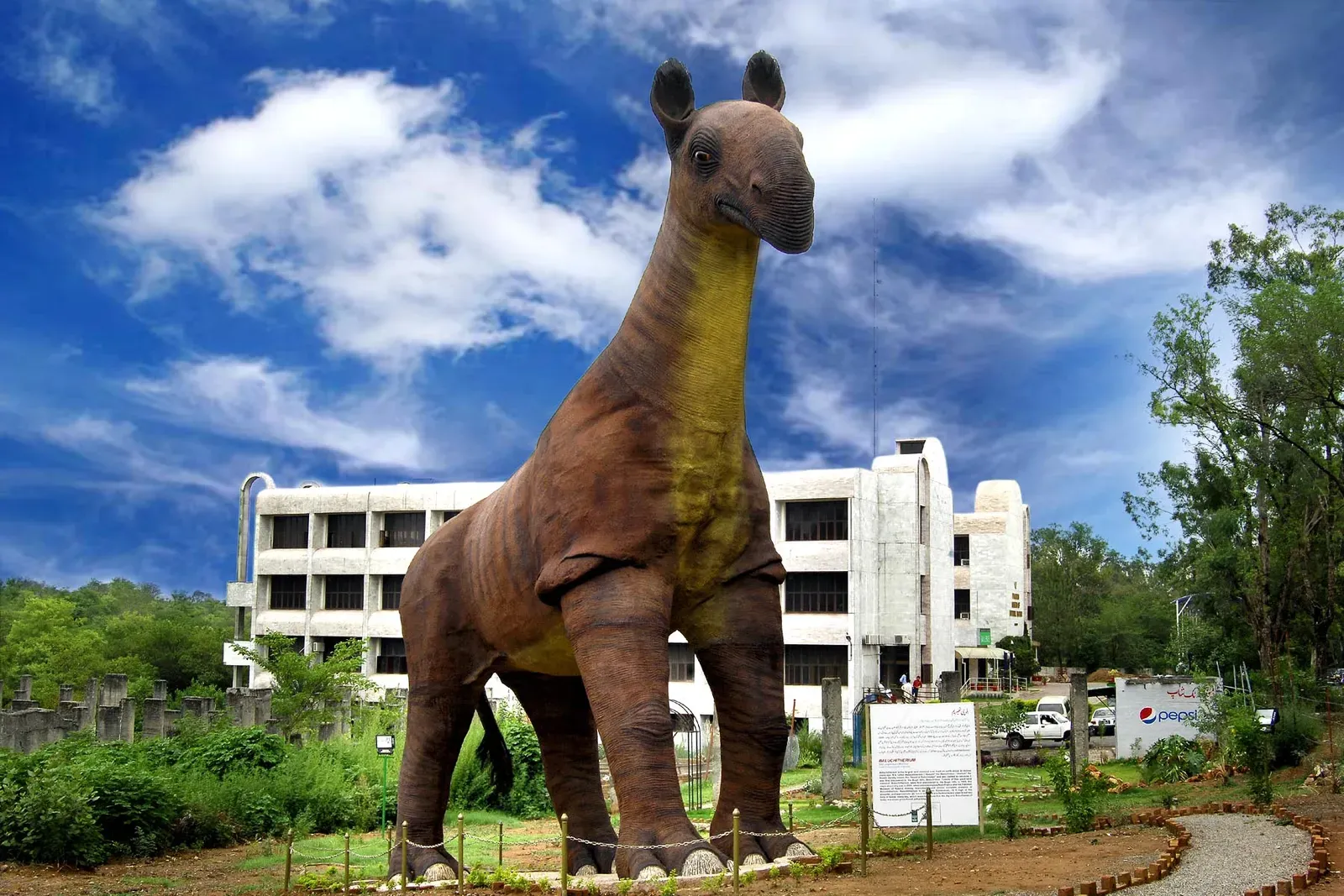
Paraceratherium is one of the largest known land mammals that have ever existed, towering nearly 16 feet tall and weighing up to 24 tons. Think about that for a second. This creature was a distant relative of modern rhinos but lacked any horn whatsoever.
Its height at shoulders reached about 5 meters and total body length 10 meters, weighing between 10 to 20 tons. That’s heavier than multiple African elephants combined. With its long giraffe-like neck, this hornless rhinoceros relative browsed on tree leaves high above the ground, essentially filling the ecological role that giraffes occupy today. Its sheer size meant it faced virtually no predators during its reign across Eurasia from roughly 34 to 23 million years ago.
Ground Sloths That Could Stand Toe to Toe With Predators
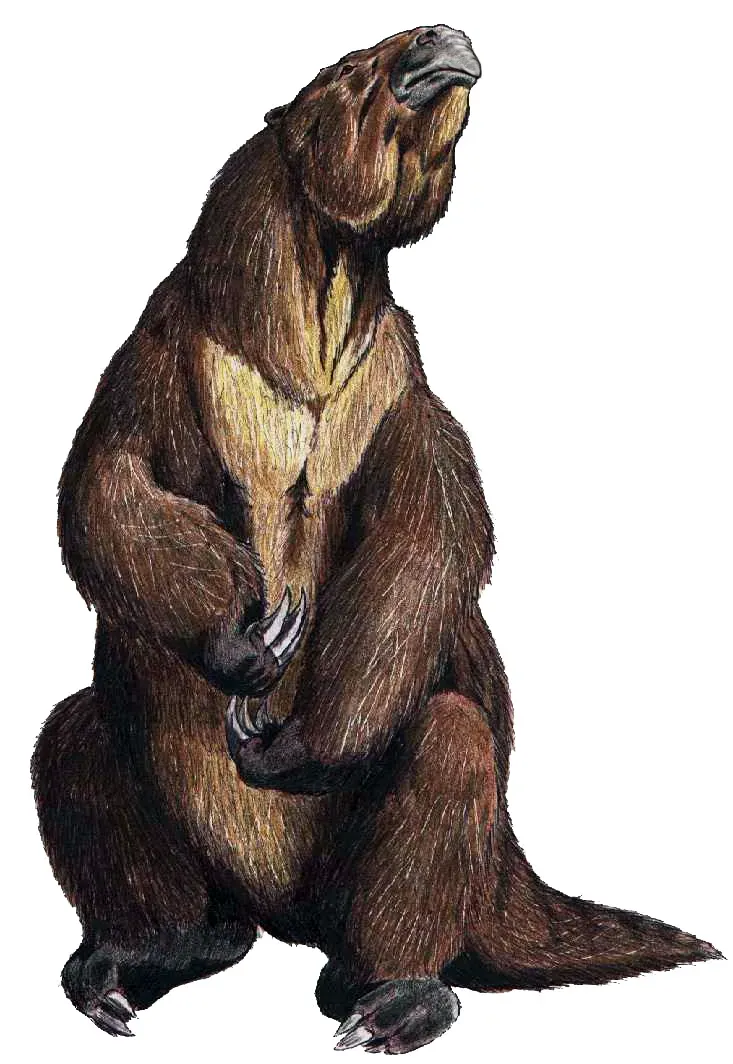
Modern sloths hang lazily from tree branches and barely move. Their ancient ancestors? Absolutely terrifying in comparison. Megatherium americanum is one of the largest known ground sloths, with a total body length of around 6 metres, weighing around 3,700 to 4,000 kilograms, comparable to an Asian elephant.
Picture this: a creature the size of an elephant covered in shaggy fur, equipped with massive seven-inch claws. Megatherium was up to 10 times the size of living sloths reaching weights of up to four tonnes, and on its hind legs would have stood a full 3.5 metres tall. These animals weren’t slow prey either. They could rear up on their hind legs using their muscular tails for support, making them the largest bipedal mammals of all time. Honestly, if you came face to face with one of these standing upright, you’d probably reconsider who the real king of the Pleistocene was.
Terror Birds That Ruled South America
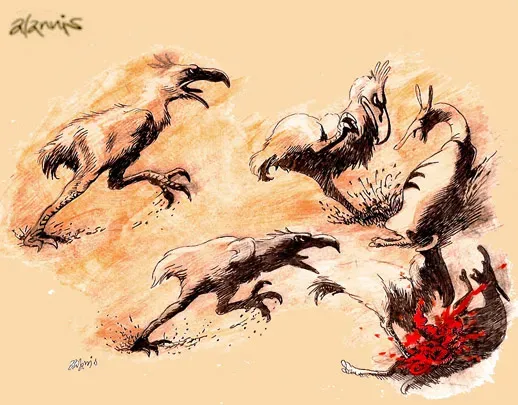
Phorusrhacids, colloquially known as terror birds, are an extinct family of large carnivorous, mostly flightless birds that were among the largest apex predators in South America during the Cenozoic era, with definitive fossil records ranging from the Middle Eocene to the Late Pleistocene around 43 to 0.1 million years ago. Let’s be real here: the name alone should tell you everything.
They ranged in height from 1 to 3 metres, with one of the largest specimens from the Early Pleistocene of Uruguay possibly weighing up to 350 kilograms. These birds had massive hooked beaks and powerful legs built for speed and striking. Scientists theorize that the large terror birds were extremely nimble and quick runners, able to reach speeds of 48 km/h. They hunted by kicking prey with their powerful feet and then dispatching victims with vicious pecking from their reinforced beaks. No wings necessary when you’re built like a feathered nightmare.
Marine Mammals That Outgrew Dinosaurs
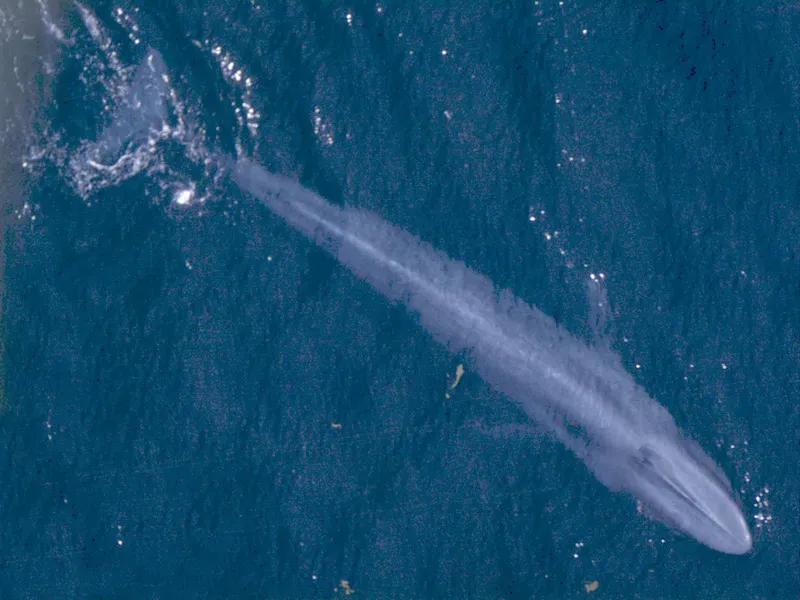
Here’s something that might surprise you: the largest animal ever to exist didn’t live during the dinosaur era at all. Blue whales, which evolved during the Cenozoic, can reach lengths exceeding 30 meters and weigh over 200 tons. That’s substantially larger than even the most massive sauropods.
During the ice ages of the early Quaternary, some grew to be enormously big: whales, which include the largest animal ever, bigger even than the largest dinosaurs. The oceans of the Cenozoic also hosted other impressive predators like Livyatan, a massive sperm whale relative with enormous teeth designed for hunting other large marine mammals. The sheer diversity and scale of marine life during this era proves that evolution didn’t stop pushing boundaries after the dinosaurs disappeared.
Mammals That Could Hunt Dinosaurs (Yes, Really)
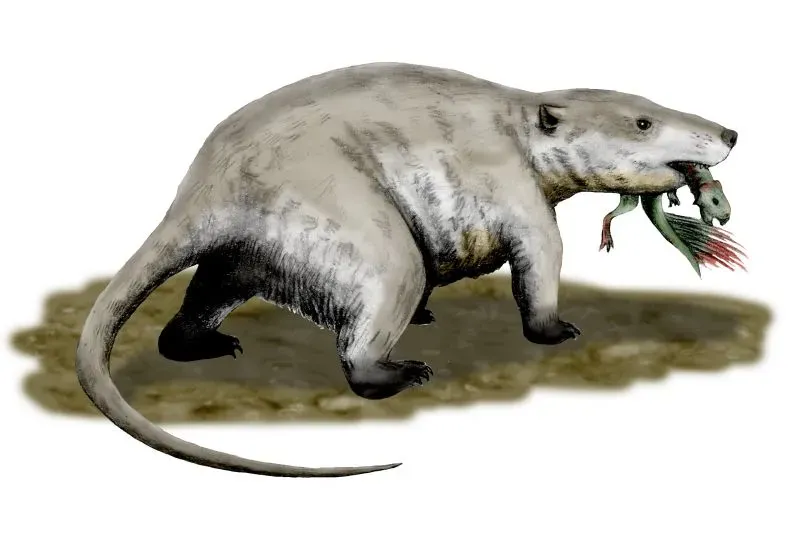
You might assume mammals during the age of dinosaurs were tiny and insignificant. Not exactly. Repenomamus robustus was a mammalian giant for its day, tipping the scale at around 10 pounds and belonging to a now extinct family of carnivorous mammals that experienced their heyday during the Early Cretaceous.
What makes this creature remarkable is fossil evidence showing it actually preyed on dinosaurs. Based on the size of its bones, researchers estimated that the Psittacosaurus was nearly full-grown when Repenomamus attacked, weighing more than 35 pounds, making it at least three times larger than its assailant. This badger-sized mammal attacked prey multiple times its own size, proving that even before the Cenozoic explosion, mammals were already positioning themselves as serious contenders. It’s hard to say for sure, but this suggests that mammals were primed and ready to dominate once the dinosaurs vacated the throne.
Why Size Matters (And Why It Doesn’t Tell the Whole Story)

Scientists believe that after the mass extinction that wiped out dinosaurs, mammals evolved to fill the vacant ecological niches, freed from competition with the dinosaurs and diversifying into a wide range of sizes, diets, and lifestyles. This adaptive radiation created an explosion of diversity that matched and arguably exceeded what dinosaurs achieved.
Still, it’s not just about who was biggest. The Cenozoic saw innovations like echolocation in bats, complex social behaviors in primates, and specialized hunting techniques in predators both mammalian and avian. Mammals came to occupy almost every available niche (both marine and terrestrial), and some also grew very large, attaining sizes not seen in most of today’s terrestrial mammals. These creatures adapted to every conceivable environment from frozen tundras to tropical rainforests. Evolution didn’t slow down after the Mesozoic – it accelerated.
The Forgotten Legacy of Post-Dinosaur Giants
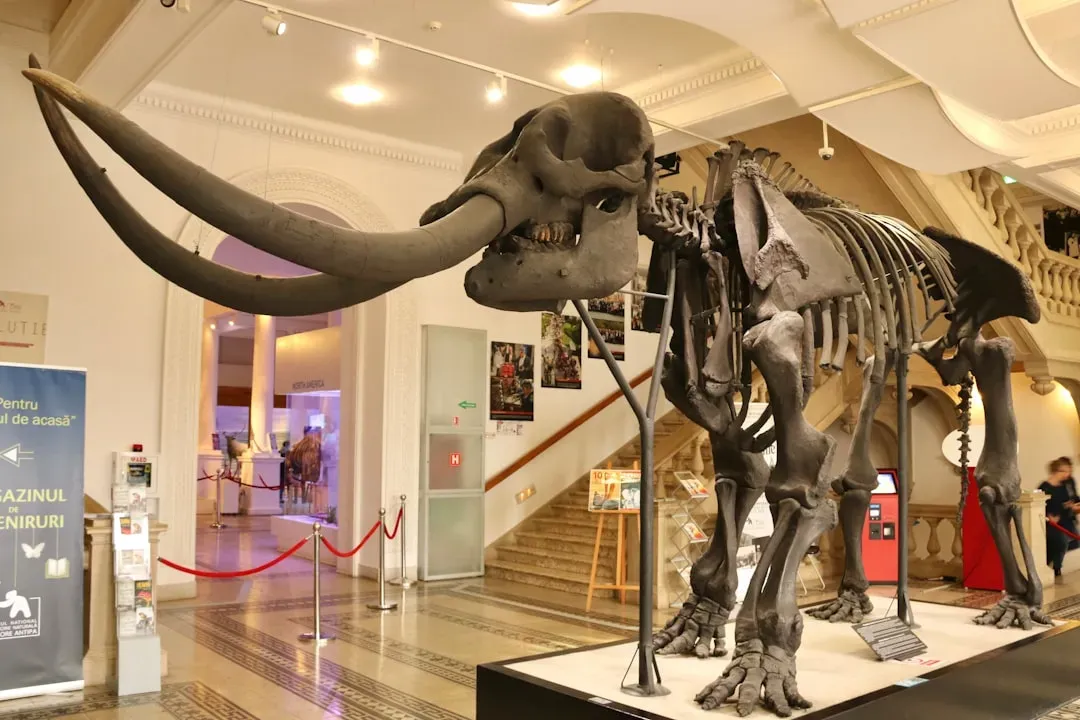
You may have learned that the giant dinosaurs, which lived between 233 to 66 million years ago, were the biggest animals ever on land, but by the Oligocene, around 33.9 to 23 million years ago, large mammals were found all over the world, including the largest mammal to ever live on land, a 20-ton hornless rhinoceros, and it was during the Pleistocene when the age of giant mammals was at its peak.
So why don’t these creatures capture our imagination the same way dinosaurs do? Maybe it’s because mammals feel too familiar, or perhaps birds seem less threatening without teeth. Yet the ecological complexity, diversity, and sheer scale of Cenozoic megafauna rivals anything from the Mesozoic. These weren’t just dinosaur replacements – they were evolutionary masterpieces in their own right, pushing biological limits in ways we’re only beginning to fully appreciate.
What do you think about it? Did any of these Cenozoic giants surprise you as much as they surprised us? Tell us in the comments.