There are places on Earth that simply stop you in your tracks. Not because of a sign or a guidebook telling you they’re important, but because standing there, your brain physically struggles to process the scale of what you’re seeing. The Grand Canyon is one of those places. It doesn’t just look old. It feels old, in your bones, in a way that makes you acutely aware of just how brief your time on this planet really is.
What you’re looking at when you peer over the rim is nothing short of Earth’s autobiography, written in stone. Layer after layer, color after color, each band of rock holds a story that stretches back to a time when the very shape of continents was still being decided. So let’s dive into those stories, because they’re far more extraordinary than any postcard could ever suggest.
Reading the Walls: Earth’s Geological Book, Page by Page
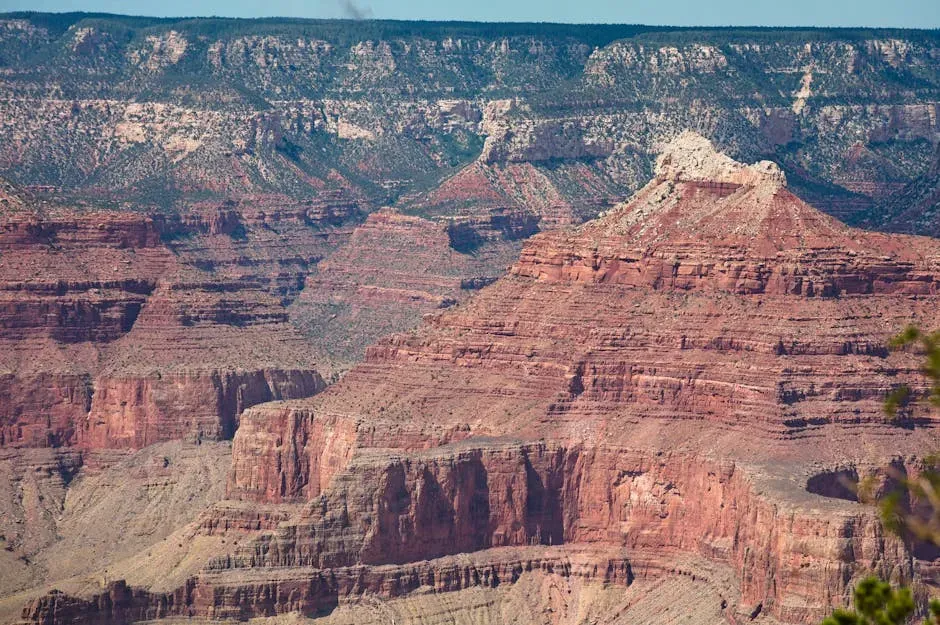
Here’s the thing about the Grand Canyon that blows most people’s minds. When you stand on the rim and look down, you’re not just looking at a canyon. You’re looking at a timeline. Stratigraphy, the study of rock layering, reveals a wealth of information about what Earth was like when each layer formed, and in the Grand Canyon there are clear horizontal layers of different rocks that tell you exactly where, when, and how they were deposited, long before the canyon was even carved.
Thinking of the geologic record as a book is genuinely helpful here. The beginning of the story starts at the bottom of the canyon and moves forward in time as you get closer to the rim. It’s a bit like reading a stack of old newspapers from the bottom up, except each “page” represents millions of years, not a single day. The nearly 40 major sedimentary rock layers exposed in the Grand Canyon range in age from about 200 million to nearly 2 billion years old.
The Vishnu Basement Rocks: Where the Story Truly Begins
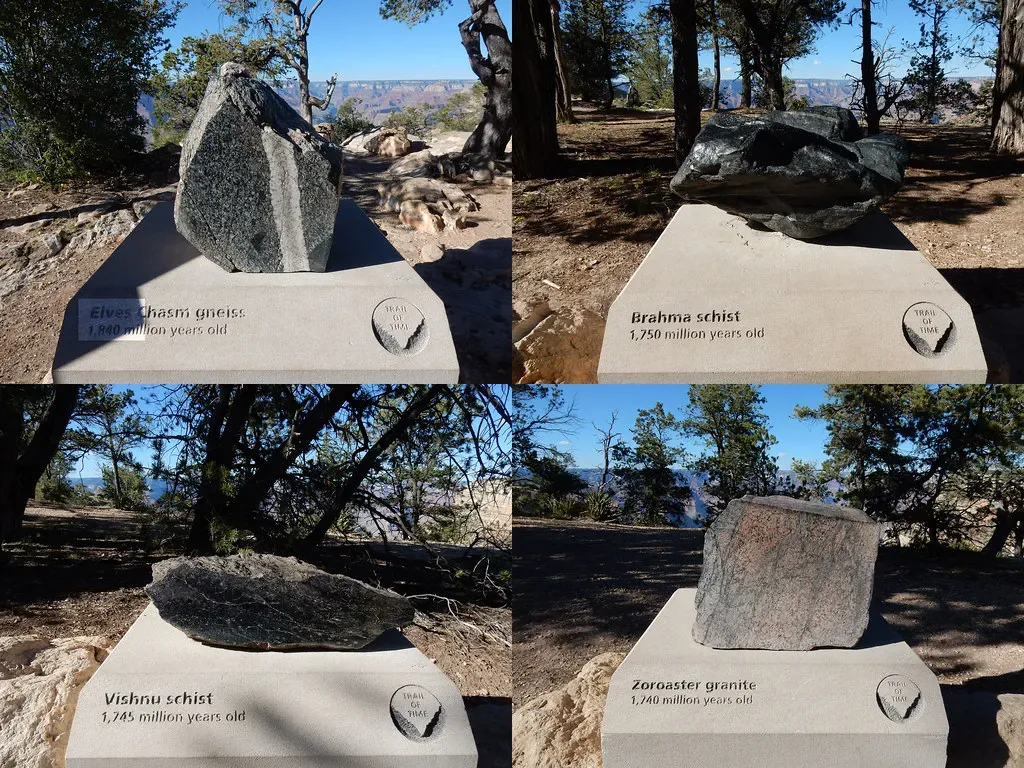
If you want to find the oldest chapter in the Grand Canyon’s story, you need to descend to the very bottom, right down to the Colorado River’s edge. That’s where you’ll find the dark, almost black rock that scientists call the Vishnu Schist. The Grand Canyon’s story began nearly 2 billion years ago, when two plates of Earth’s crust collided. As they came together, rows of volcanic islands smashed together and merged, and under extreme heat and pressure, their rocks transformed into the dark-colored “basement” rocks seen near the bottom of the canyon today, including nearly 1.84-billion-year-old rocks known as the Elves Chasm gneiss, the oldest known in the canyon.
The Vishnu Schist first appeared almost 2 billion years ago as lava exposed to the heat and pressure of colliding volcanic islands with the North American landmass. Honestly, I find that staggering. That rock beneath your feet as you hike the inner gorge formed when North America as you know it didn’t even fully exist yet. The Vishnu Basement Rocks provide one of the best views into the early history of North America in the Colorado Plateau region, where outcrops of basement rocks are few.
The Grand Canyon Supergroup: Ancient Seas Locked in Stone
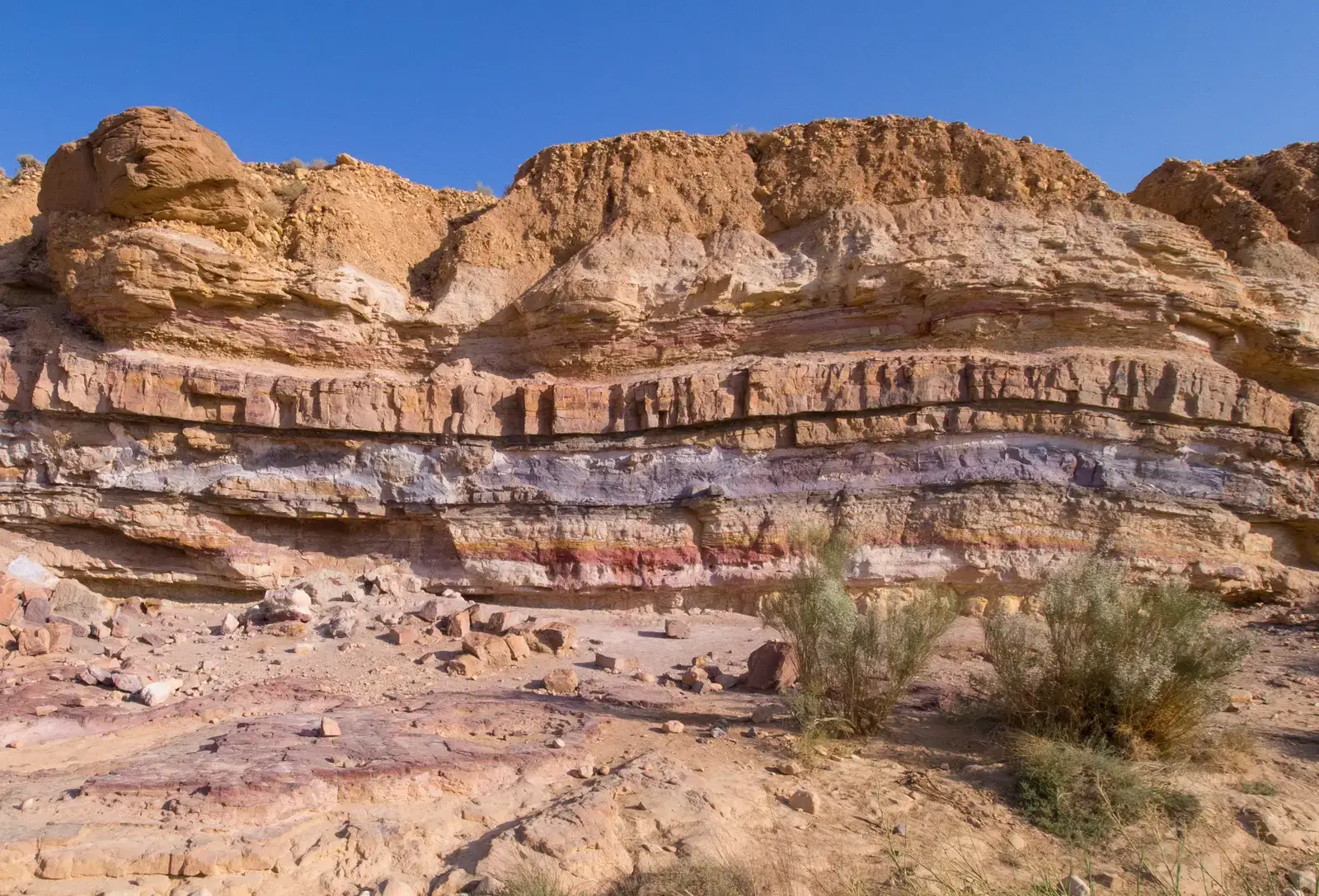
After the violent formation of the basement rocks, something remarkable happened over the next several hundred million years. Seas rolled in, sediments settled, and an entirely new set of rock layers began to build up on top of the ancient foundation. The Grand Canyon Supergroup of sedimentary units is composed of nine varied geologic formations that were laid down from 1.2 billion to 740 million years ago in this sea. That’s nearly half a billion years of patient, quiet layering.
The middle rock set, the Grand Canyon Supergroup, is primarily sandstone and mudstone with some areas of igneous rock, from the late Proterozoic, only slightly younger than the metamorphic basement rocks. These rocks do not contain many fossils because they formed before complex life on Earth was common. The few fossils that are present include stromatolites, columns of sediment formed by cyanobacteria. Think of stromatolites as some of Earth’s first living architects, quietly reshaping the chemistry of our whole atmosphere before animals had even been invented.
The Great Unconformity: A Billion Years of Missing Time
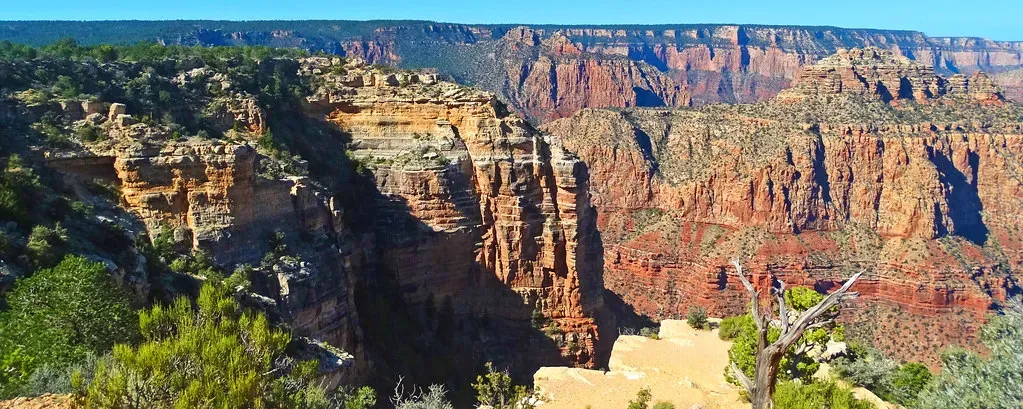
Few things in geology are as dramatic, or as humbling, as what geologists call the Great Unconformity. Imagine tearing out roughly a billion years worth of pages from that geological book we talked about. That’s precisely what happened here. Unconformities are gaps in the geologic record that occur when rocks or sediments are eroded away and time elapses before new deposition occurs. New sediment eventually forms new rock layers on top of the eroded surface, but there is a period of geologic time that is not represented. You can think of unconformities as missing “pages” in the book of the geologic record.
This created a major unconformity that represents 460 million years of lost geologic history in the area. That’s an almost incomprehensible span of time, simply gone. The Great Unconformity is one of the best examples of an exposed nonconformity, which is a type of unconformity that has bedded rock units above igneous or metamorphic rocks. When you look at the canyon wall and see older and younger rocks pressed against each other with no transition layers between them, you’re looking at time itself going missing.
The Paleozoic Layers: When Ancient Oceans Covered Arizona
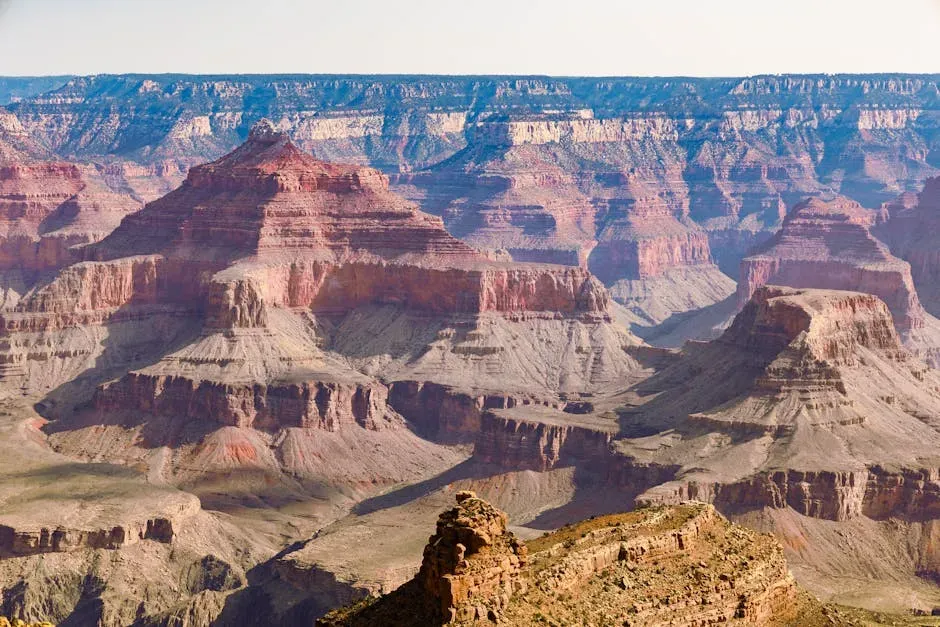
Once the Great Unconformity is behind us in the rock record, the Paleozoic layers begin to stack up, and they tell some of the most colorful stories of all. During the Paleozoic era, the western part of what would become North America was near the equator and on a passive margin. The Cambrian Explosion of life took place over about 15 million years in this part of the world. Climate was warm and invertebrates such as trilobites were abundant. An ocean started to return to the Grand Canyon area from the west about 550 million years ago.
Many of the formations were deposited in warm shallow seas, near-shore environments such as beaches and swamps, as the seashore repeatedly advanced and retreated over the edge of a proto-North America. Major exceptions include the Permian Coconino Sandstone, which contains abundant geological evidence of aeolian sand dune deposition. So as you descend into the canyon, you’re stepping between ancient seafloors and fossilized deserts, sometimes within just a short walk of each other. Keep an eye out for the colorful contrasts: red sandstones, gray limestones, and greenish shales, each shaped by different environments such as ancient seas, deserts, and swamps.
The Kaibab Limestone: Standing on the Floor of an Ancient Sea
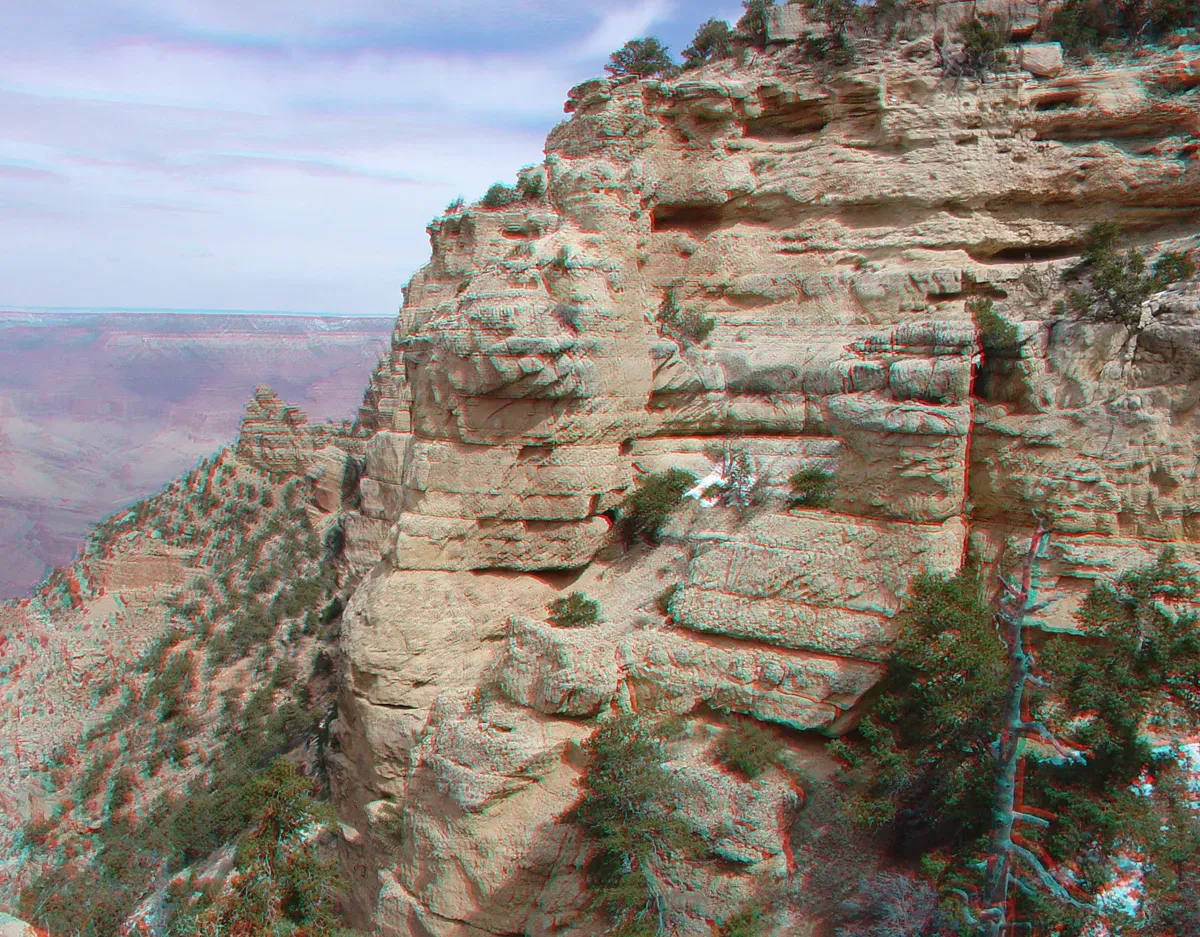
Here’s a surprising thought. Right now, if you’re standing on the South Rim of the Grand Canyon, you are standing on the bottom of what was once a tropical ocean. The Kaibab Limestone, about 270 million years old, is the caprock of the canyon, this gray limestone was formed in a shallow sea. It’s where you stand when you look out from the rim. The ground beneath your hiking boots is, in the most literal sense, ancient seafloor.
Capping everything at the canyon’s rim sits the cream-colored Kaibab Limestone, which is a relatively sprightly 270 million years old. Compared to the nearly 2-billion-year-old rocks at the bottom, the Kaibab is practically brand new. The Kaibab Formation, the youngest of Grand Canyon’s strata, holds up both the North and South rims. It’s almost poetic that the youngest rock is the one holding everyone up, while the oldest story unfolds far below.
Extraordinary Fossil Discoveries: Life’s Wildest Experiments
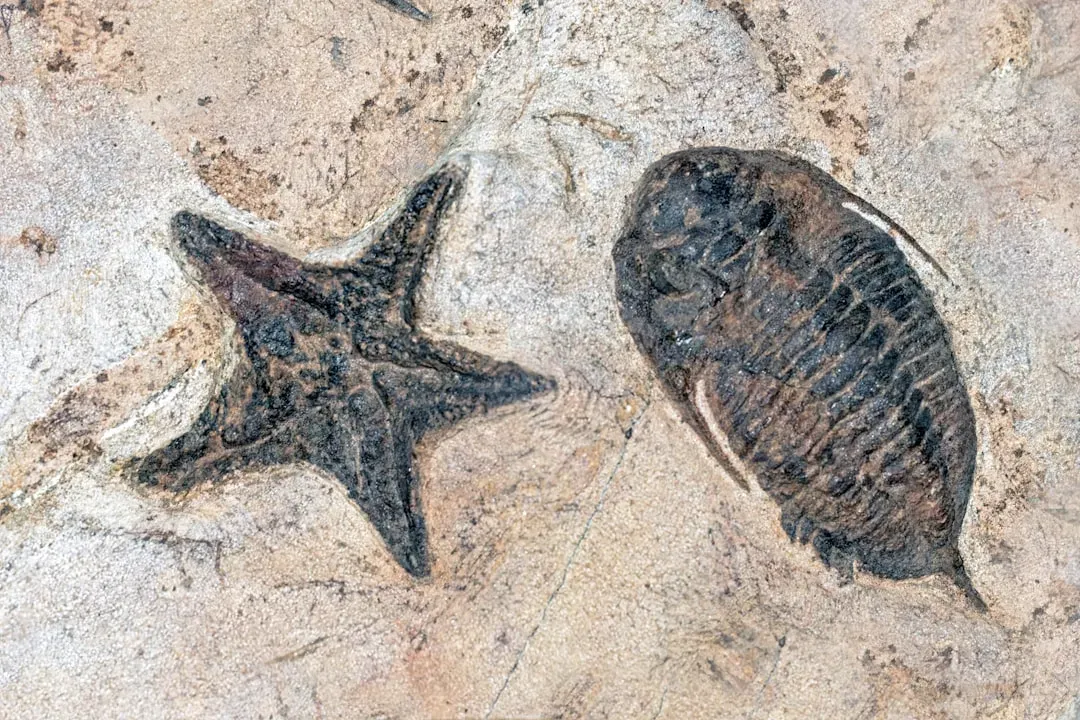
You might not think of the Grand Canyon as a famous fossil site, but you’d be wrong. Very wrong, actually. Recent scientific discoveries have rewritten what we know about the canyon’s biological past. Half a billion years ago, the Grand Canyon was a “Goldilocks zone” for the evolution of early animals, a new fossil find reveals. The fossilized animals date from between 507 and 502 million years ago, during a period of rapid evolutionary development known as the Cambrian explosion, when most major animal groups first appear in the fossil record.
Filtering revealed thousands of tiny fossils that paint a picture of life along the Grand Canyon during the Cambrian Period, an era that saw the rapid emergence of animal groups that have descendants today. Among those fossils were some genuinely bizarre creatures. Among the collection were slug-like mollusks, crustaceans with molar teeth, and a new species of cactus worm, a group also known as penis worms. I know it sounds outlandish, but these are the weird and wonderful evolutionary experiments that eventually led to the world’s rich diversity of animal life.
The Colorado River and the Making of a Canyon
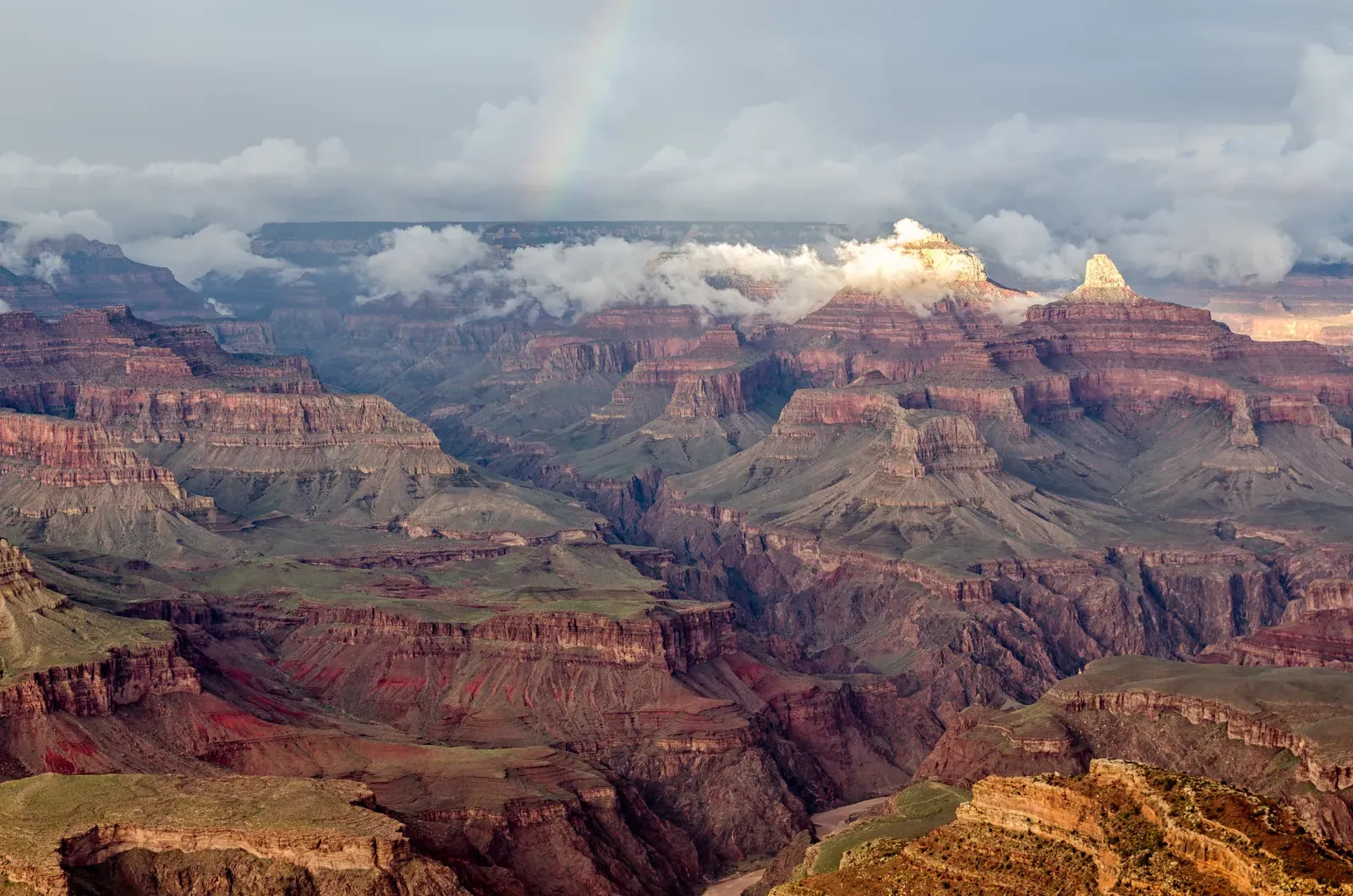
Let’s be real: the rocks themselves are ancient. The canyon is not. That distinction matters enormously. While the rock layers have been around for millions, even billions, of years, the canyon itself is young. The Colorado River started carving into the rocks of the Grand Canyon only 5 to 6 million years ago. In geological terms, that makes the Grand Canyon something of a newcomer.
Over roughly six million years, this powerful river carved deep into the Earth’s crust, carrying sand and gravel that acted like sandpaper, slowly eroding and exposing layers of rock that reveal nearly two billion years of geological history. The river didn’t work alone, either. The Colorado River, along with rain, wind, and ice, gradually wore away rock layers. As water froze and expanded in cracks, it broke apart rocks, widening and deepening the canyon over millions of years. Think of the canyon not as a finished masterpiece, but as a sculpture still being carved.
The Laramide Orogeny: How Mountains Built a Canyon
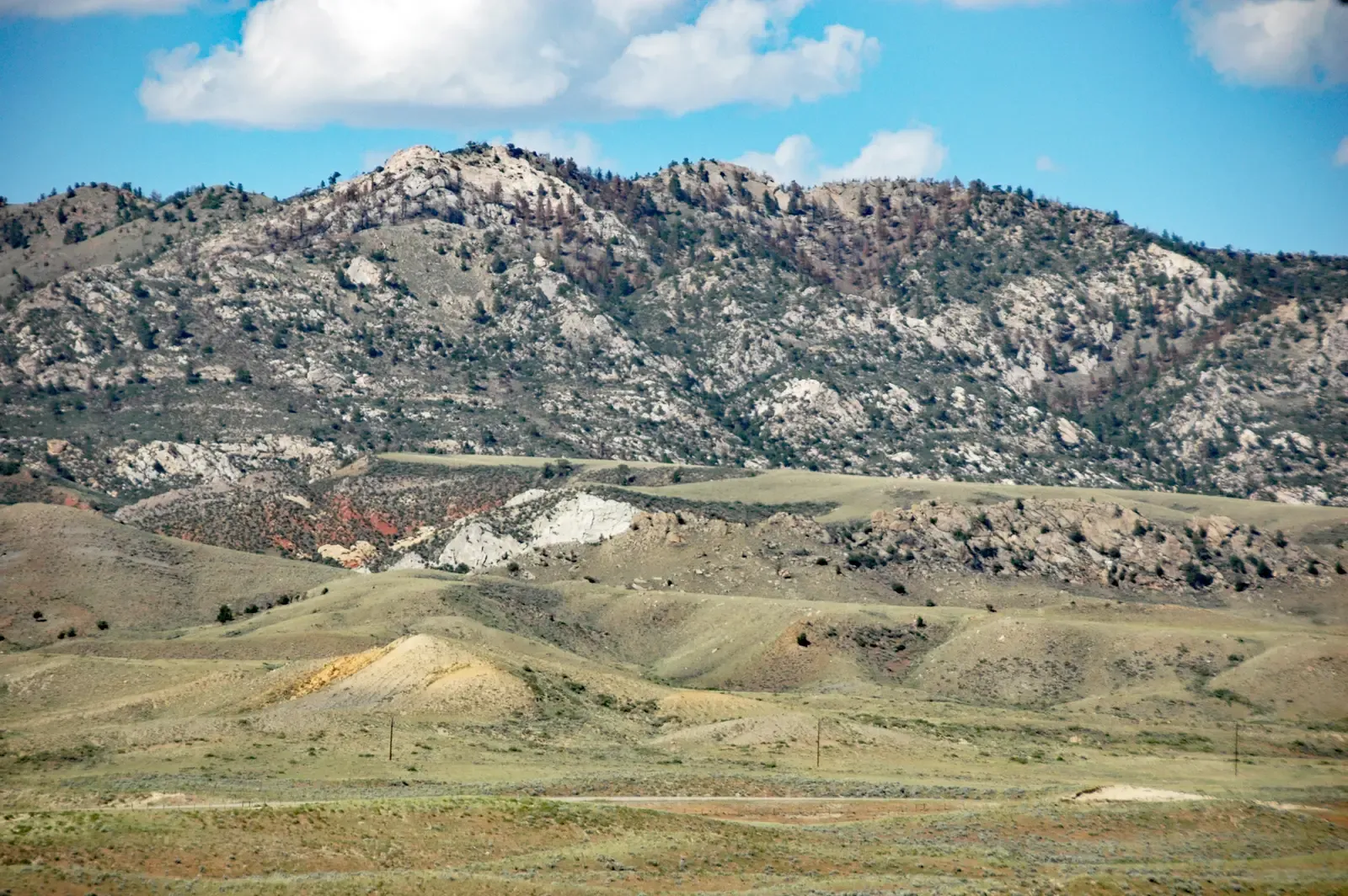
One of the most surprising facts about the Grand Canyon is that it owes its existence, at least in part, to a massive mountain-building event that happened far to the east. Uplift of the region started about 75 million years ago during the Laramide orogeny, a mountain-building event that is largely responsible for creating the Rocky Mountains to the east. In total, the Colorado Plateau was uplifted an estimated 2 miles. That’s an enormous amount of elevation gain, and it changed everything.
The great depth of the Grand Canyon and especially the height of its strata can be attributed to thousands of feet of uplift of the Colorado Plateau, starting about 65 million years ago during the Laramide orogeny. This uplift steepened the stream gradient of the Colorado River and its tributaries, which in turn increased their speed and thus their ability to cut through rock. It’s a beautiful chain of cause and effect. Mountains rise, a river gains power, and a canyon is born. Uplift of the Rocky Mountains created by the Laramide Orogeny established an elevated platform for canyons to form, and once the mountains rose, water flowing down them resulted in extended periods of erosion resulting in formation of canyons and the transport of sediment downstream.
Still Evolving: The Canyon That Never Stops Changing
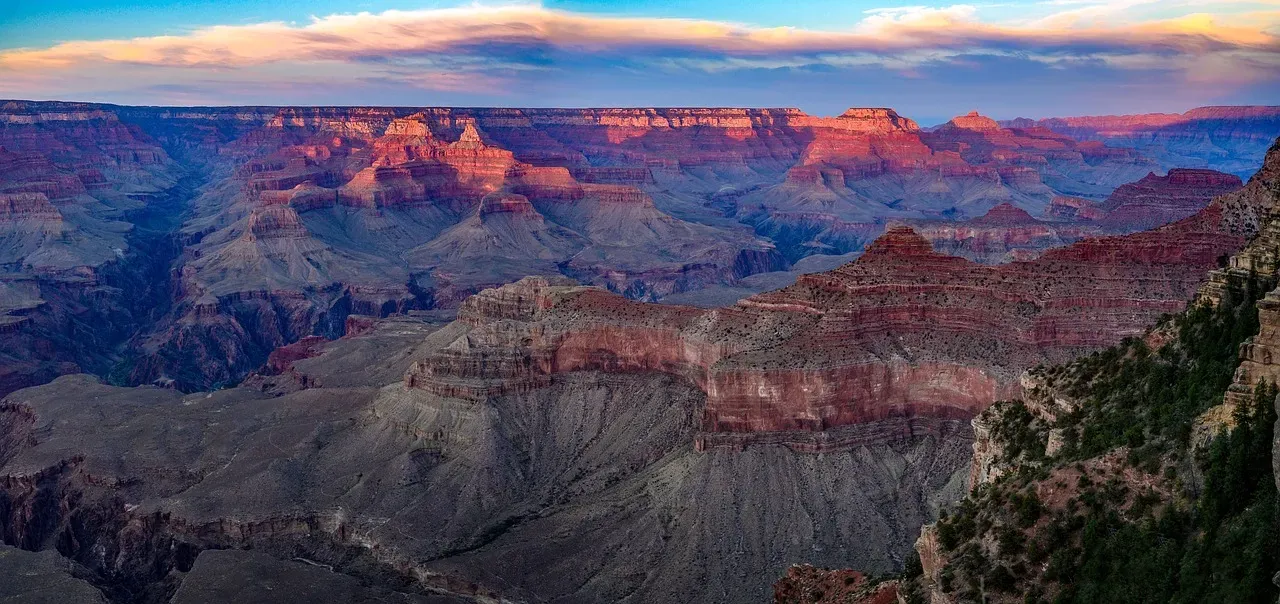
It’s easy to think of the Grand Canyon as static, frozen in time. It absolutely isn’t. Though the Grand Canyon feels timeless, it’s still changing. The Colorado River continues to carve, floods reshape sandbars, and weather slowly erodes its walls. Every visit offers a snapshot of this ongoing geological process. You’re not looking at something finished. You’re watching a process still in motion.
After 150 years, the Grand Canyon is still a mystery even to the geologists who study it. As recently as the mid-1970s, scientists identified a new rock layer at the canyon. Even today, geologists still debate just how old some rock layers are, and when and why the Colorado River began carving the Grand Canyon in the first place. That’s the thing that keeps drawing scientists back, and honestly, keeps this place endlessly fascinating for the rest of us too. Rocks exposed in Grand Canyon’s walls record approximately one third of the planet’s history, from the Precambrian to the Permian Period of the Paleozoic Era, and these strata illustrate much of the tectonics, evolution, and geologic history of the western United States.
Conclusion
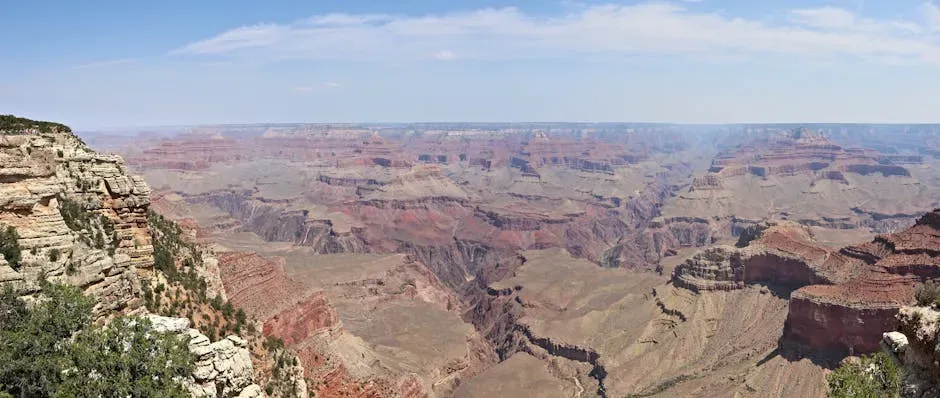
The Grand Canyon is not simply a hole in the ground. It is a window into the most formative chapters of Earth’s entire history, a place where nearly 2 billion years of time have been cut open and laid bare for anyone curious enough to look. From the ancient volcanic collisions that forged the Vishnu Schist, to the shallow Cambrian seas teeming with bizarre early life, to the relentless carving of the Colorado River, every single element of this place is connected across vast stretches of time in ways that genuinely take your breath away.
What makes the Grand Canyon so remarkable is that it never truly stops revealing itself. Scientists are still finding new species in its walls, still debating its exact age, still discovering rock layers that weren’t documented before. It is, in the most literal sense, a living scientific mystery. Next time you stand on that rim and look out across those colored bands of stone, ask yourself: how many more secrets are still locked inside those walls, waiting to be found?