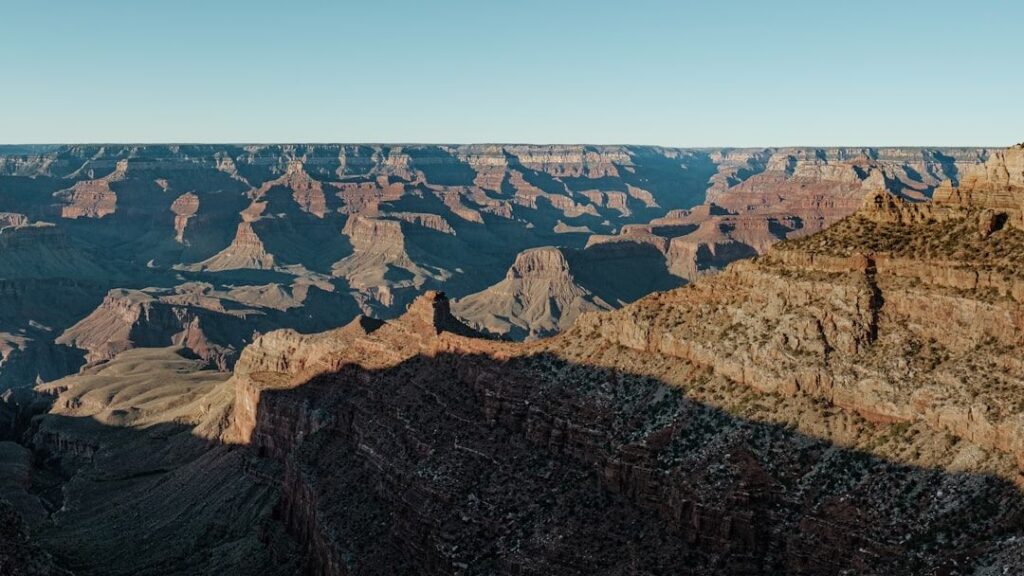
There are places on this planet that simply refuse to be summarized. The Grand Canyon is one of them. You can stare at it for hours and still feel like you’ve only scratched the surface – which, in a deeply geological sense, is exactly true. This is not just a hole in the ground carved by a river. This is Earth’s autobiography, written in color bands of rock that stretch back nearly two billion years.
What makes the Grand Canyon genuinely jaw-dropping, at least to those who love science, is how honestly it lays everything out. No digging required. No laboratory. You just look at the walls, and the walls talk back. Geologists have been coming here for well over a century and still walk away with unanswered questions. So let’s dive in, layer by layer.
1. The Vishnu Basement Rocks: Earth’s Ancient Foundation
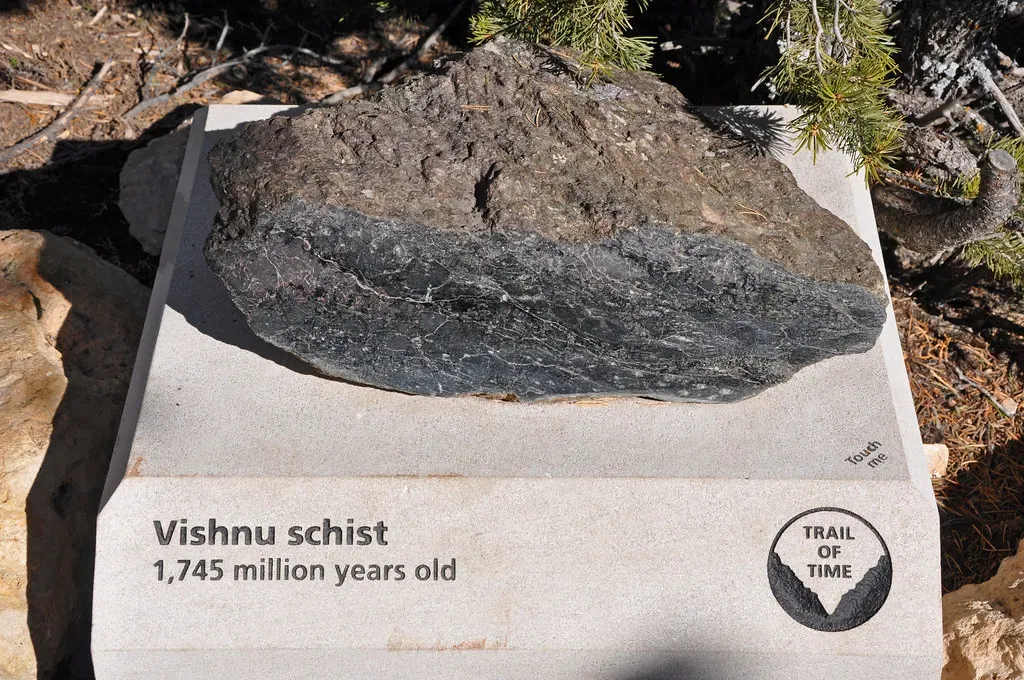
If you want to find the oldest story the Grand Canyon tells, you have to go to the very bottom. At the very bottom of the canyon lies the Vishnu Schist, a hard rock originally deposited mainly as sediments some 2 billion years ago; around 1.7 billion years ago, by then deep underground, the layer was transformed into schist through intense heat and pressure. Think about that for a second. When these rocks were forming, not a single multi-celled creature existed on Earth.
The oldest rocks in the Grand Canyon, found at the bottom, are primarily metamorphic, with igneous intrusions – the name given to when magma or lava enters or cools on top of previously formed rock. The intrusive igneous rocks here are called Zoroaster Granite. The name given to this rock set is the Vishnu Basement Rocks, primarily schist with granite, and these rocks have visible crystals and are about 1.7 billion years old, from an era early in Earth history known as the Proterozoic. Running your eyes across those dark, twisted walls at the canyon’s inner gorge is honestly one of the most humbling geological experiences you can have anywhere on the planet.
2. The Great Unconformity: A Billion Years Gone Missing
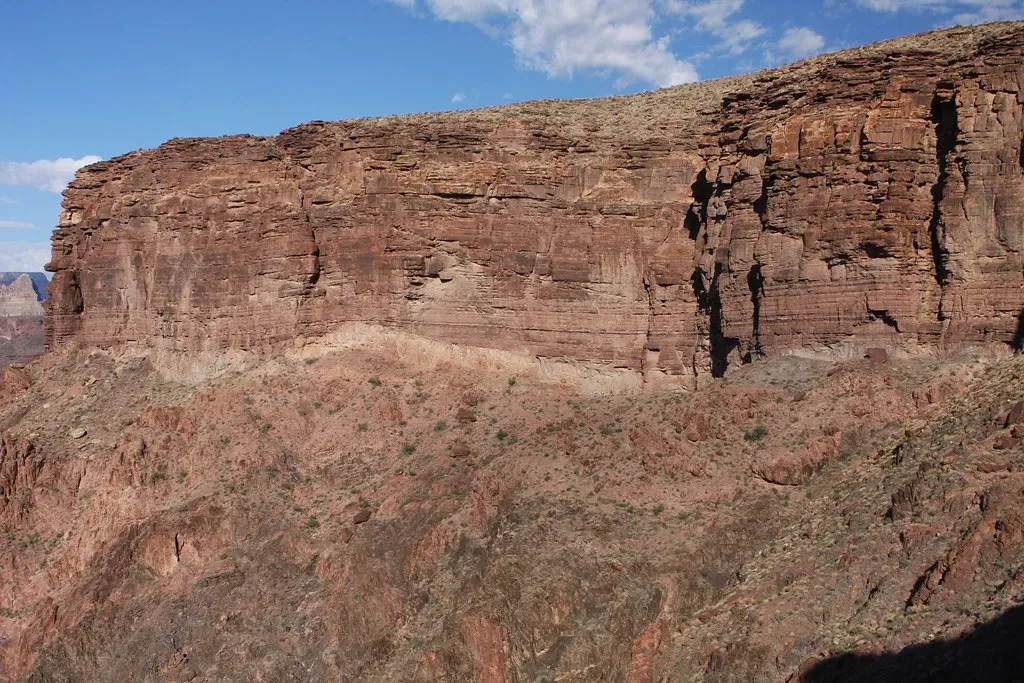
The Grand Canyon offers one of the most visible examples of a worldwide geological phenomenon known as the Great Unconformity, in which 250 million-year-old rock strata lie back-to-back with 1.2 billion-year-old rocks. That contact point – where you can literally place your hand and span nearly a billion years of missing history – is one of the most mind-bending geological features on Earth. A billion years, just… gone.
Unconformities are gaps in the geologic record that occur when rocks or sediments are eroded away and time elapses before new deposition occurs. New sediment eventually forms new rock layers on top of the eroded surface, but there is a period of geologic time that is not represented. You can think of unconformities as missing “pages” in the book of the geologic record. Geologists are still unsure of the exact origin of the Great Unconformity, but it may have been caused by a major episode of continental uplift following the formation of the North American craton, which would have exposed the continent to extensive erosion for hundreds of millions of years before it was submerged again by a shallow sea.
3. The Grand Canyon Supergroup: When Life Was Just Getting Started
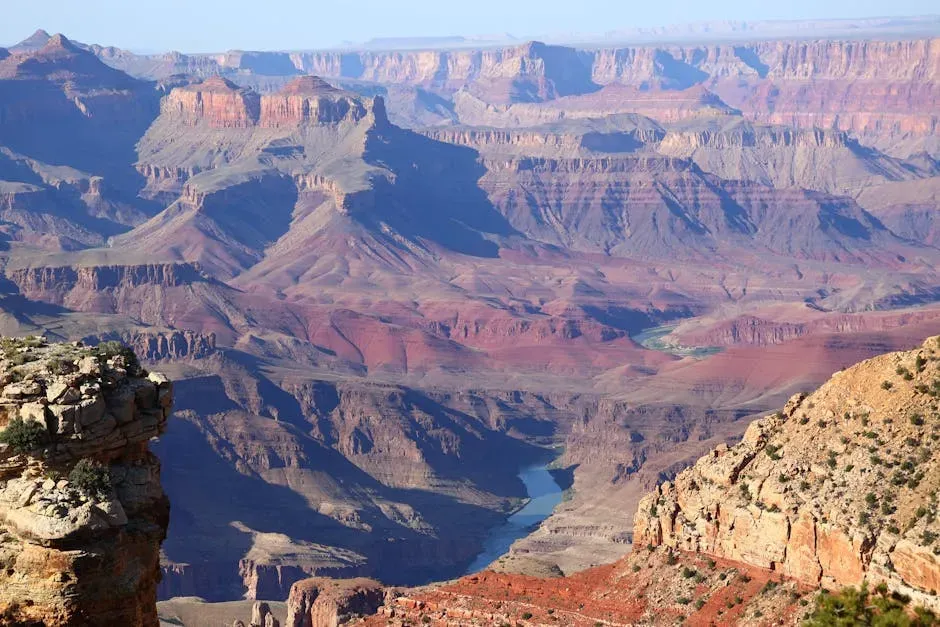
The middle rock set, the Grand Canyon Supergroup, is primarily sandstone and mudstone, both sedimentary rocks, with some areas of igneous rock. They are from the late Proterozoic, only slightly younger than the metamorphic basement rocks. These rocks do not contain many fossils, because they formed before complex life on Earth was common. The few fossils that are present include stromatolites, columns of sediment formed by cyanobacteria, and their composition indicates that this area was previously a very shallow sea. Stromatolites – basically layered mats of microbial life – are among the earliest biological fingerprints visible anywhere on Earth, and you can find them right here in Arizona.
The story picks up again between 1.25 billion and 730 million years ago, when new layers of rock, known as the Grand Canyon Supergroup, intermittently formed. Sediments drifted to the bottom of prehistoric seas and hardened there, forming layers that include a 1.25-billion-year-old limestone studded with fossils of algae, the earliest life recorded in the canyon. It’s almost poetic that the earliest chapters of life on Earth are preserved not in some distant, inaccessible location, but right there on the canyon walls, visible from a hiking trail.
4. The Kaibab Limestone: Standing on an Ancient Ocean Floor
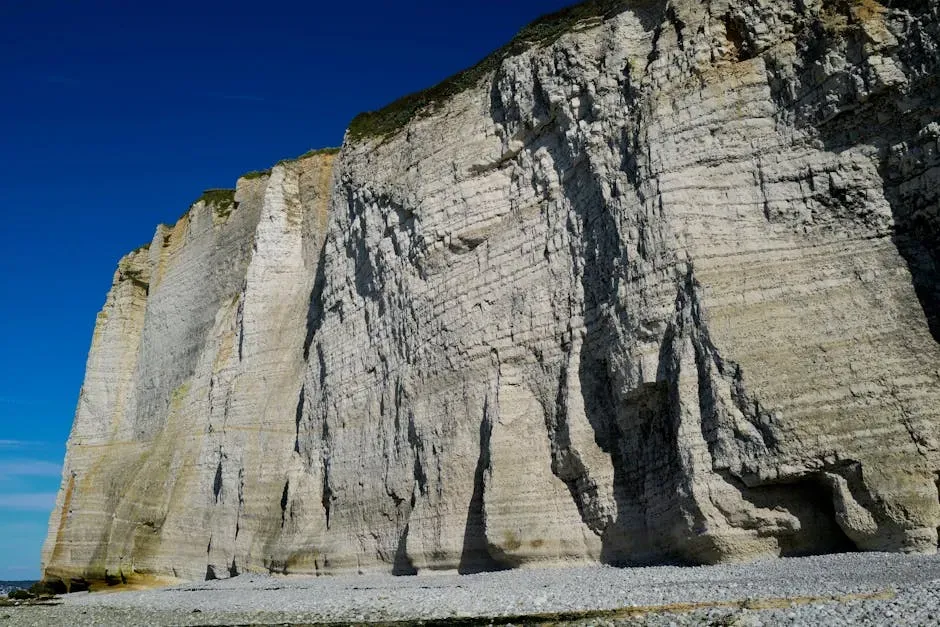
The Kaibab Limestone, about 270 million years old, is the caprock of the canyon, formed in a shallow sea – and it is precisely where you stand when you look out from the rim. That means every time you stand on the South Rim and gaze out at that immense view, you are literally standing on the floor of a long-vanished ocean. Honestly, I think that fact alone deserves a moment of silence.
If you stand on the Kaibab Limestone on the South Rim and imagine what the Grand Canyon landscape was like 275 million years ago, you would picture a vast ocean full of sea life, including fish, sharks, cephalopods, shrimp, and crinoids. Look closely at the stone at your feet and you can spot small, round, Cheerio-shaped crinoids – sea lilies from that ancient ocean. The colors of the canyon walls – reds, oranges, tans, and grays – come from minerals in the rock that reacted with oxygen over time. Every shade you see carries a chemical memory of a world that no longer exists.
5. The Coconino Sandstone: Fossilized Desert Dunes Frozen in Stone
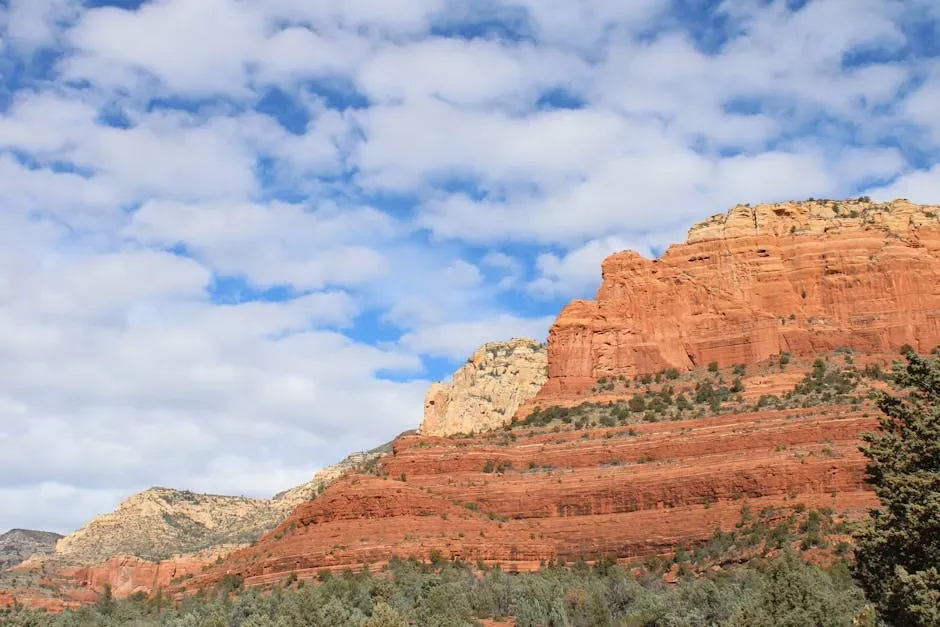
The Coconino Sandstone is a light tan, cliff-forming sandstone created from ancient desert dunes, making it some of the best-preserved fossilized sand dunes in the world. The cross-bedded patterns you see in this layer are not random. They are the literal shapes of ancient sand dunes, frozen in place and turned to stone. It is extraordinary that something as transient as a sand dune can survive hundreds of millions of years.
The Coconino Sandstone layer was deposited not by the sea, but by wind, which blew sand across the region. Fossils found in these layers include fern-like leaves, tracks left by reptiles, and numerous forms of marine life. At the time this region formed, it sat near the equator, and an arid climate led to the widespread formation of sand dunes. Today, extensive coastal and windblown sand dune fields are preserved as thick beds of sandstone, with large-scale cross-bedding. It is a layer that speaks of scorching ancient deserts, now locked permanently inside a canyon wall.
6. The Redwall Limestone: The Canyon’s Most Dramatic Cliff
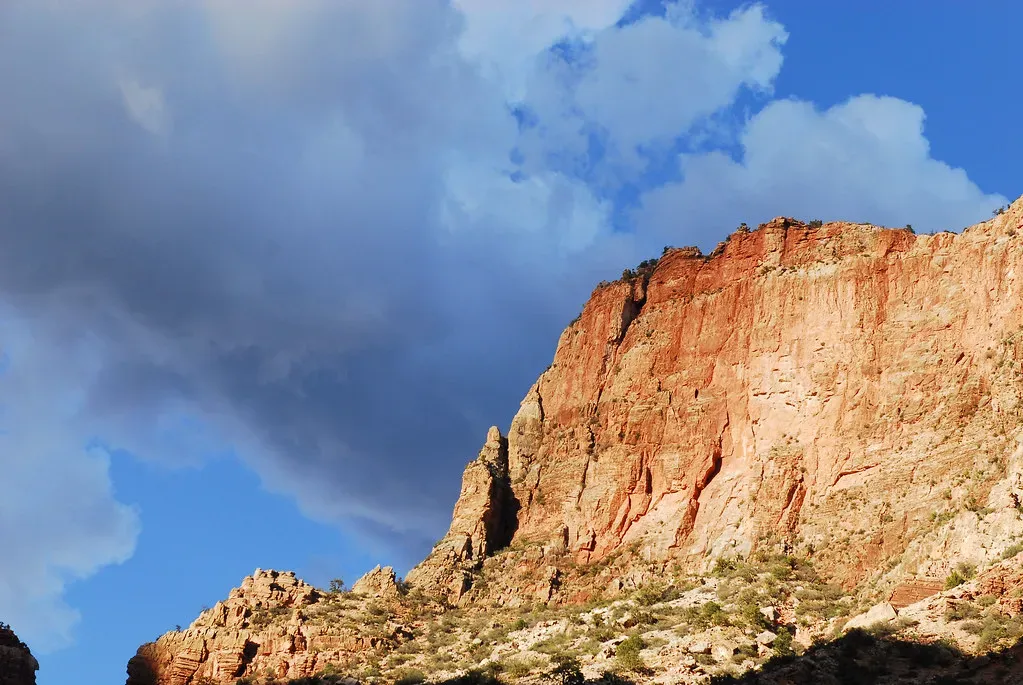
The Redwall Limestone forms a sheer cliff 500 feet high or more in most areas of the canyon. If you have ever hiked down into the Grand Canyon, you know this layer well – it is the part where the trail starts doing things that make your knees question your life choices. Its sheer, towering face dominates the middle portion of nearly every canyon view. It is geologically significant, not just visually impressive.
The Redwall Limestone layer appears silver in color under the surface and has been stained red by iron oxide from the rocks above. Around 350 million years ago, the ocean was deeper here, and more advanced sea creatures like bryozoans were present. Bryozoans were filter-feeding animals that clumped together while reaching tentacles up into the water column to grab food. The lacy structures of these arms can be found in the Redwall Limestone, along with corals and coiled nautiloid fossils. In other words, that dramatic red cliff is basically an ancient reef, and it has been hiding in plain sight for centuries.
7. The Colorado River’s Role: A Patient Sculptor Over Millions of Years
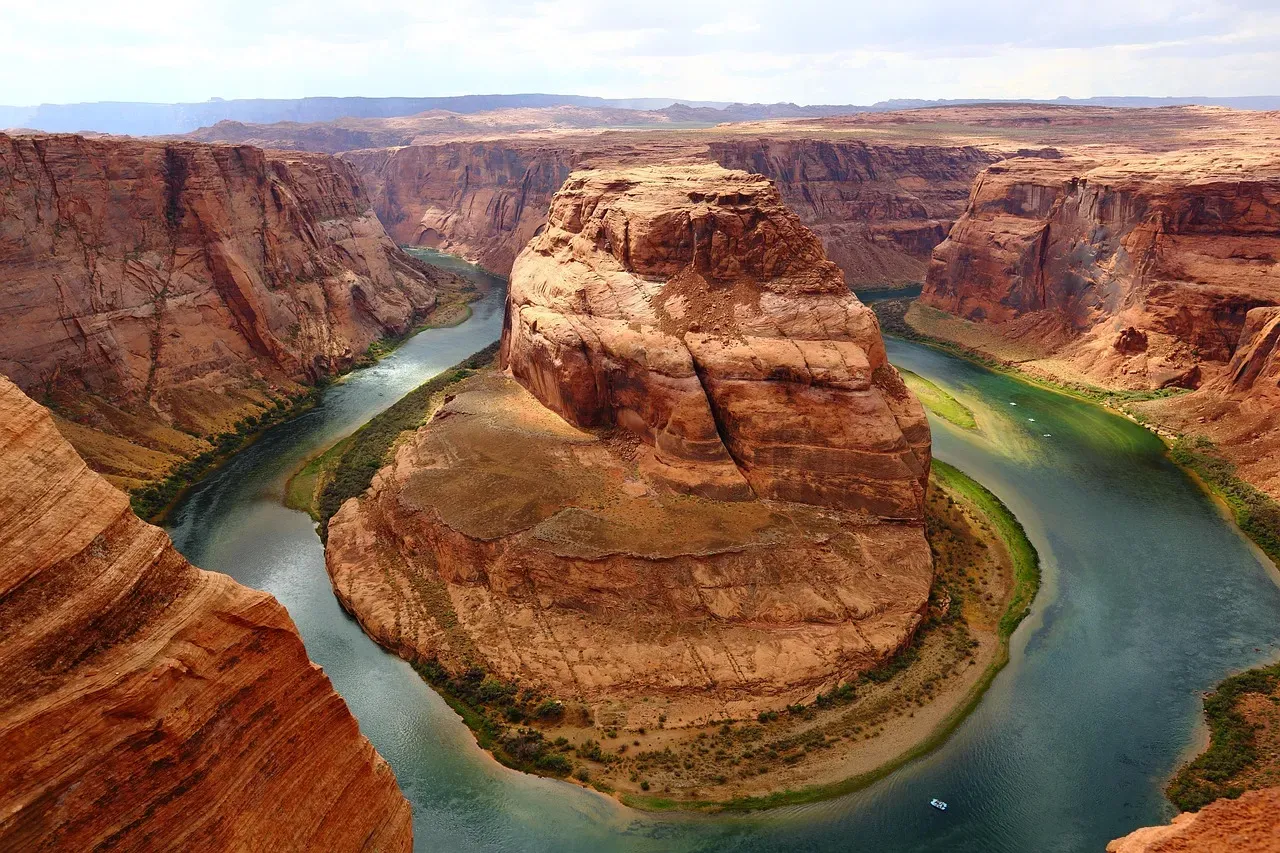
Over roughly six million years, the Colorado River carved deep into the Earth’s crust, carrying sand and gravel that acted like sandpaper, slowly eroding and exposing layers of rock that reveal nearly two billion years of geological history. Scientists estimate that the Grand Canyon began forming around five to six million years ago when the Colorado River started carving through the rock. But here’s the thing – this timing is still actively debated among geologists, which makes it even more fascinating.
It has long been believed that the Colorado River began carving the Grand Canyon about 6 million years ago, but a 2012 study suggested the process may have begun as far back as 70 million years. In all likelihood, the Grand Canyon as we know it today started out as a series of smaller canyons 70 million years ago, but the majority of the canyon did not begin to take shape until much more recently. In that distance, the Colorado River drops 2,000 feet and has excavated an estimated 1,000 cubic miles of sediment to form the canyon. That is a staggering volume – roughly enough to bury the entire state of Connecticut under several hundred feet of rock and sand.
8. The Colorado Plateau Uplift: When the Earth Pushed Back
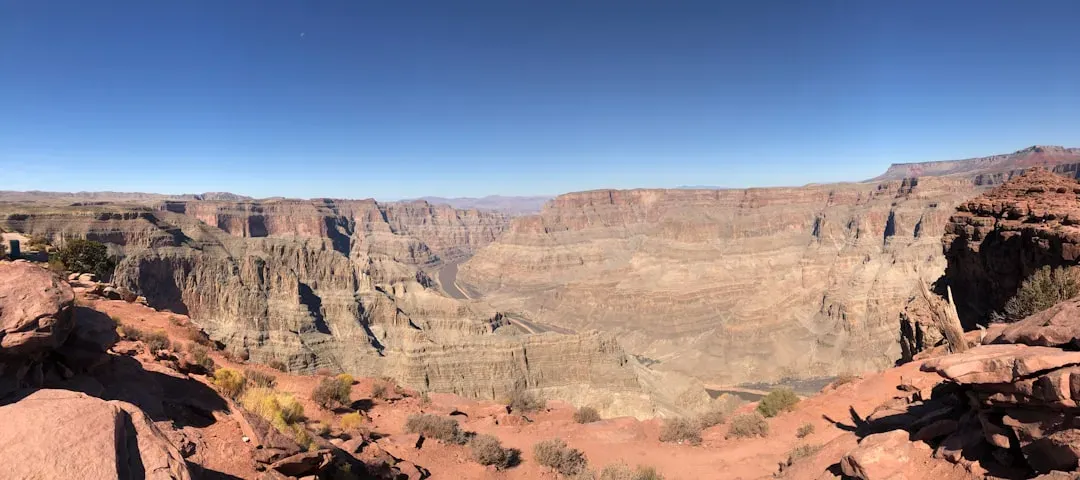
Uplift of the region started about 75 million years ago during the Laramide orogeny, a mountain-building event that is largely responsible for creating the Rocky Mountains to the east. In total, the Colorado Plateau was uplifted an estimated 2 miles. It is hard to imagine the earth rising two miles beneath your feet, but that is exactly what happened – and that uplift is what gave the Colorado River the power to carve such a deep canyon.
The great depth of the Grand Canyon and especially the height of its strata can be attributed to 5,000 to 10,000 feet of uplift of the Colorado Plateau, starting about 65 million years ago during the Laramide orogeny. Wetter climates brought upon by ice ages starting 2 million years ago greatly increased excavation of the Grand Canyon, which was nearly as deep as it is today by 1.2 million years ago. So in a very real sense, climate and tectonics worked as partners – a geological power couple – to sculpt what you see today.
9. The Ancient Lava Dams: When Fire Met the River
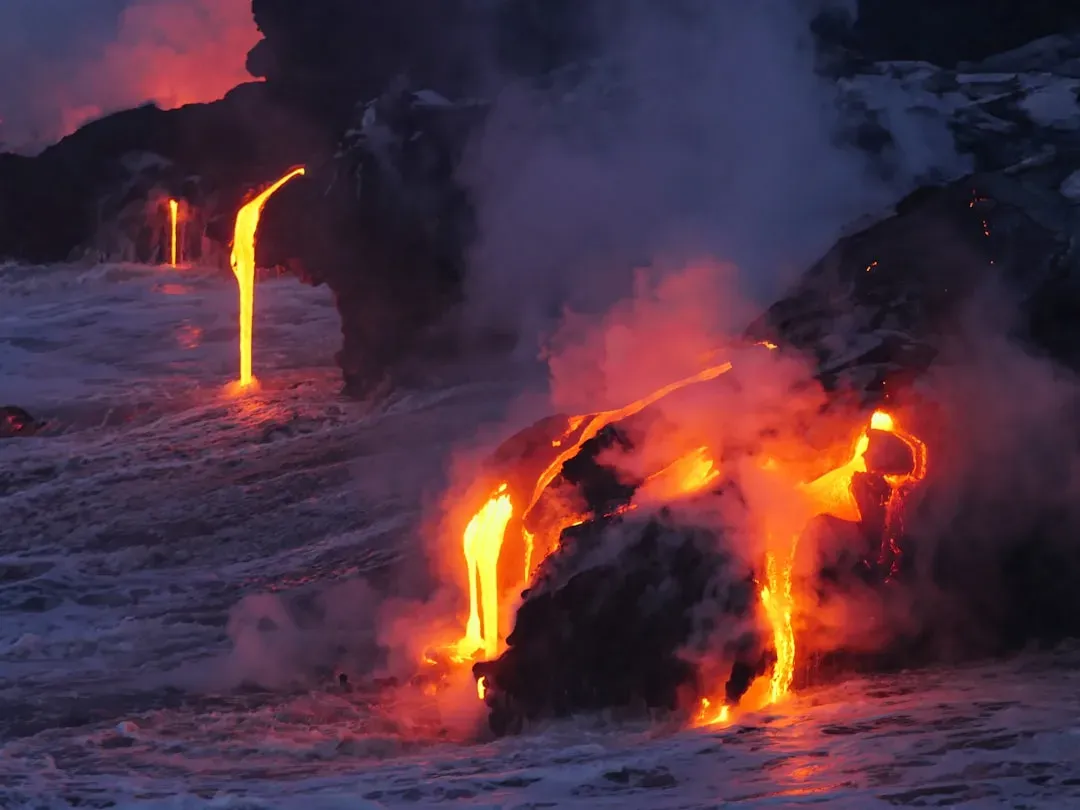
Here’s a chapter of the Grand Canyon’s story that most visitors never hear about. The Uinkaret volcanic field straddling the Grand Canyon contains cinder cones that have produced lava flows that repeatedly cascaded into the Grand Canyon, forming temporary lava dams up to 200 meters high. Picture that. A river carving through ancient rock suddenly blocked by a wall of cooling lava, creating a massive lake inside one of the world’s most iconic canyons.
More than a dozen times, lava spilled over the canyon rim, damming the Colorado River, and remnants of these flows and dams are easily visible just west of the Toroweap overlook. Today the landscape looks quiet, but it is no illusion that the lava flows look fresher than the rest of the canyon. The most recent eruptions in the area are only about 1,000 years old, the blink of an eye in geologic time. The volcanoes of the Tuweep area add a fascinating, and much younger chapter, to Grand Canyon’s geologic story. This is a reminder that the canyon is not finished. It is still a living, changing landscape.
10. The Fossil Record: A Museum Without Walls
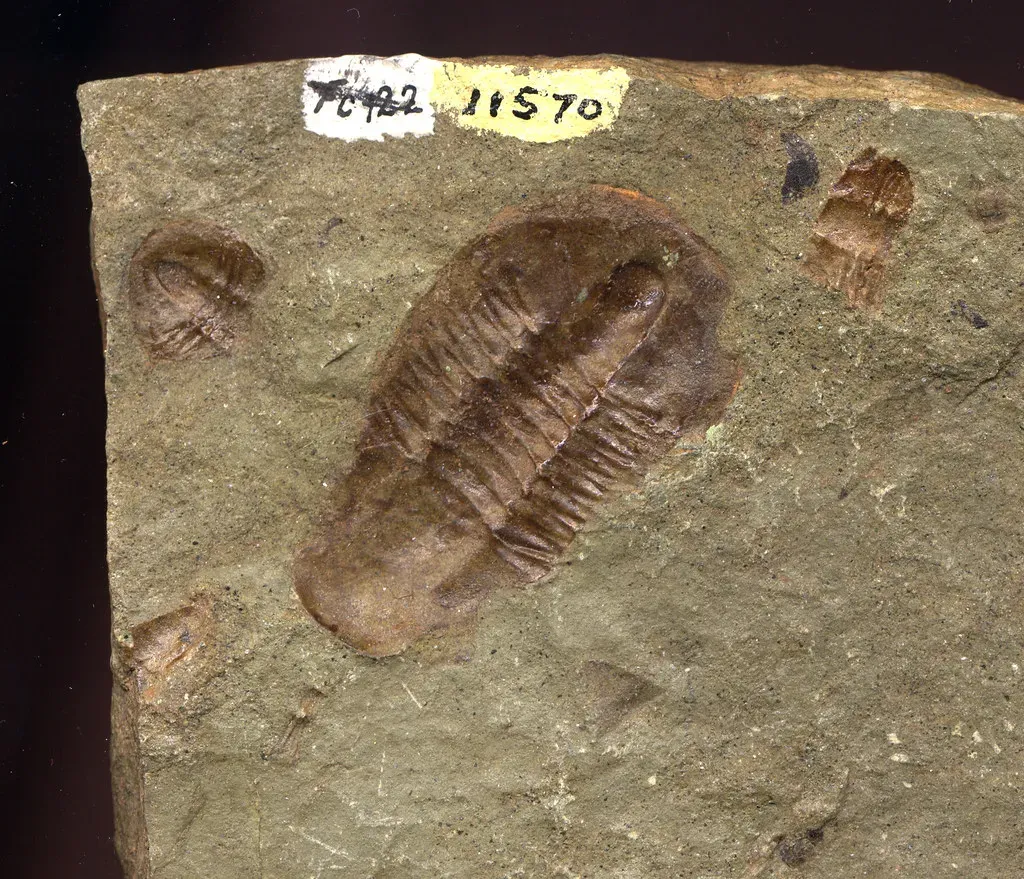
While dinosaurs might have missed out on seeing the Grand Canyon, lots of other fossils have been found that suggest other creatures frequented the location. They range from ancient marine fossils dating back 1.2 billion years to fairly recent land mammals that left their remains in canyon caves about 10,000 years ago. I know it sounds almost too good to be true, but the Grand Canyon is effectively one of the most diverse open-air fossil museums on Earth.
Trilobites are some of the oldest fossils to appear in the Grand Canyon’s fossil record. These sea creatures, related to insects and crustaceans, roamed a shallow ocean between 525 and 505 million years ago searching for dead organic material to eat. Trilobite fossils can be found in the Tapeats Sandstone, Bright Angel Shale, and Muav Limestone rock layers. Because the Canyon so clearly lays out many layers of the Earth’s crust, geologists from around the world have been drawn here, making important scientific discoveries and changing the way that people understand our planet, how it was formed, and how it continues to change. Every layer holds something new. Every hike into the canyon is a walk through an evolving scientific discovery.
Conclusion: The Canyon That Never Stops Teaching
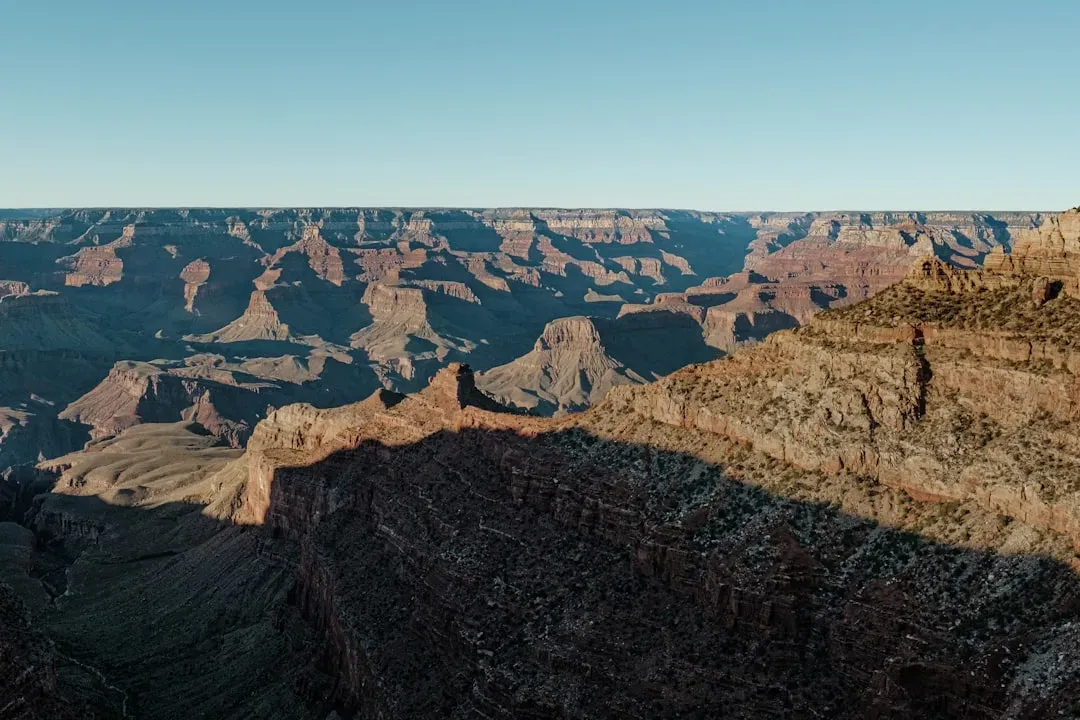
There is something quietly extraordinary about a place that has been studied for more than 150 years and still manages to surprise the scientists who know it best. Geology has always been recognized as central to the canyon’s significance, from its description as “the greatest eroded canyon in the United States” by Theodore Roosevelt in 1908, to its designation as a UNESCO World Heritage site for being among the Earth’s greatest ongoing geological spectacles.
The Grand Canyon offers geologists a face-to-face look at three of the four major eras of geological time, providing one of the most complete records of geological history anywhere in the world. That is a statement worth sitting with. Three of the four great chapters of Earth’s history, visible from a single viewpoint. No textbook, no laboratory, no specialist degree required.
The Grand Canyon is not just a wonder of nature. It is proof that the Earth itself keeps a diary – and if you know where to look, you can read every page. So the next time you stand on the rim, remember: the ground beneath your feet is telling a two-billion-year-old story. The question is whether you are ready to listen. What part of that story surprises you the most?