You live on a planet that has survived some truly apocalyptic moments, but none were as brutal as the Great Permian Extinction. Roughly about two hundred and fifty two million years ago, life on Earth was hit by a catastrophe so intense that scientists sometimes call it the Great Dying. Imagine nearly everything around you dying off, from the tiniest plankton in the sea to towering forests on land – that is the scale you are dealing with here.
When you look at this event, you are not just peeking into a distant past; you are getting a harsh preview of what runaway climate and environmental chaos can do to a living world. The story of the Permian extinction is dramatic, unsettling, and strangely familiar. As you walk through what happened, why it happened, and what survived, you start to see uncomfortable parallels with the changes you see on Earth today.
The World Before the Great Dying: A Packed and Thriving Planet
Before everything went wrong, you would have stepped into a planet that felt wildly alien, yet surprisingly organized. All the major continents you know today were crushed together into a single supercontinent called Pangaea, wrapped by a vast global ocean named Panthalassa. On land, you would have seen dense forests, swampy lowlands, and broad deserts, with reptile-like synapsids (relatives of your own distant ancestors) dominating the scene.
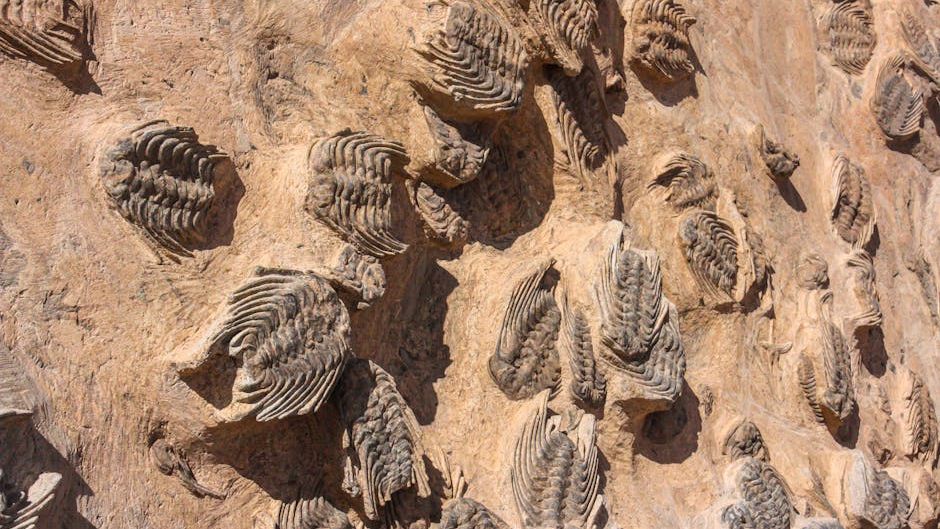
If you could dive into the seas of this time, you would find coral-like reefs, sponge communities, strange shell-crushing fish, and trilobites still hanging on. Life had spent hundreds of millions of years diversifying, experimenting with new body plans and ecosystems. By late Permian time, Earth was stacked with species, food webs were complex, and ecosystems were deeply interwoven. In a way, it was the perfect setup for a massive collapse: everything was connected, and that made everything vulnerable.
How Bad Was It Really? The Scale of Life Lost
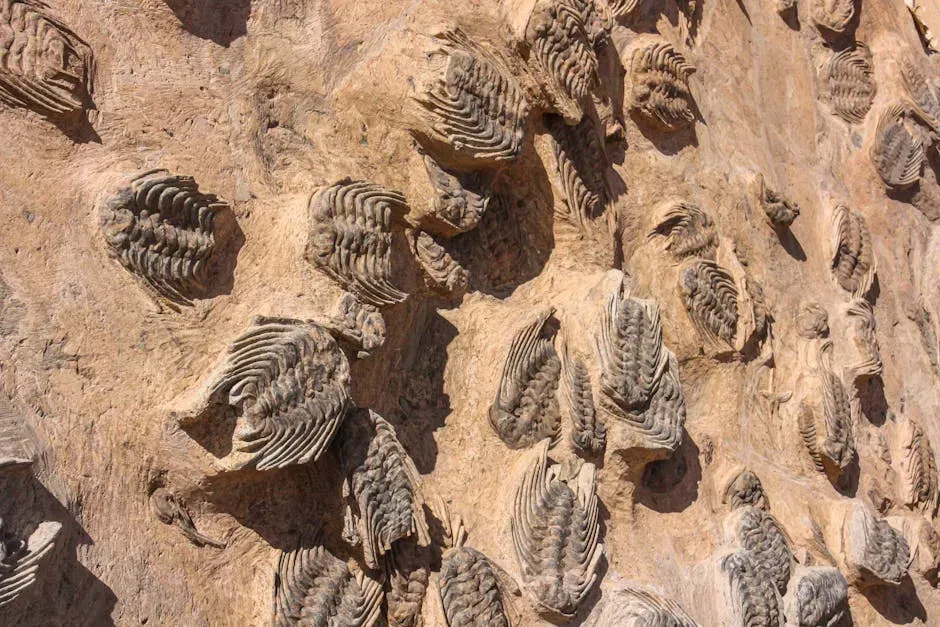
When you hear that an extinction was severe, your mind might jump to the dinosaurs, but the end-Permian event makes that later disaster look almost modest. You are dealing with an extinction where scientists estimate that the vast majority of marine species vanished, and most land species disappeared as well. Entire groups you would have seen everywhere before – like many reef builders, trilobites, and certain types of synapsids – were wiped out completely.
To picture this, think about walking into a tropical rainforest today and finding only a handful of plants, a few insects, and the occasional animal surviving in a broken, silent landscape. In the oceans, you would see empty seafloors and dead reefs where teeming communities once thrived. This was not a quick one-and-done disaster either; it unfolded over thousands to hundreds of thousands of years, hitting ecosystems in waves until very little recognizable life was left.
Volcanoes and a Runaway Climate: The Siberian Traps Connection
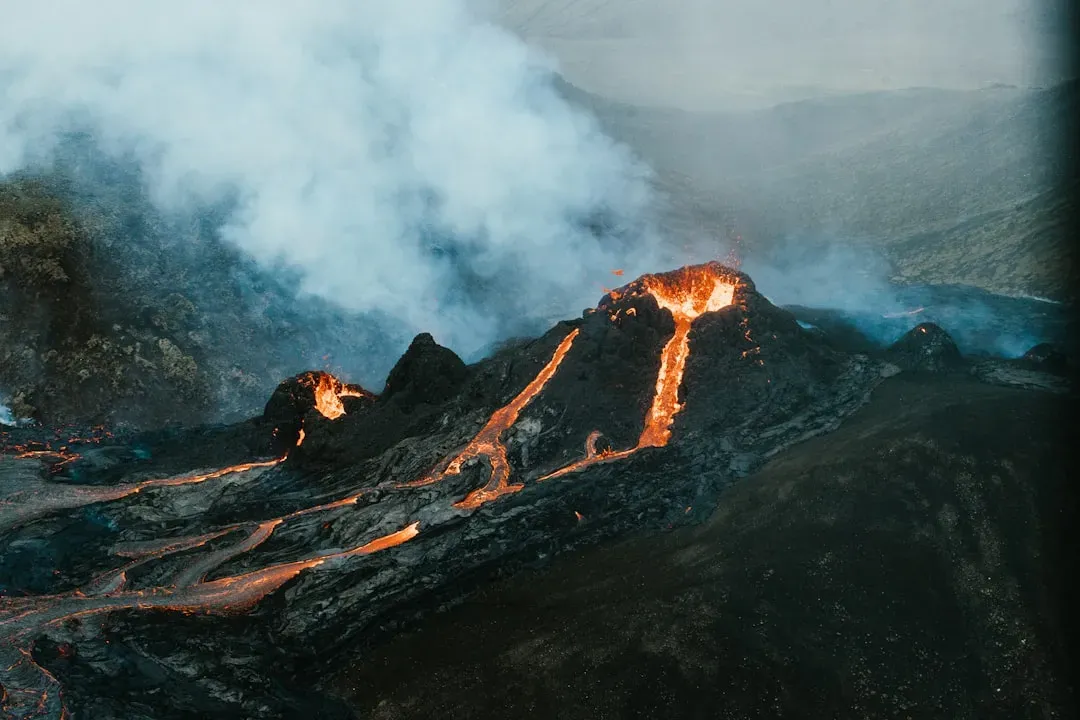
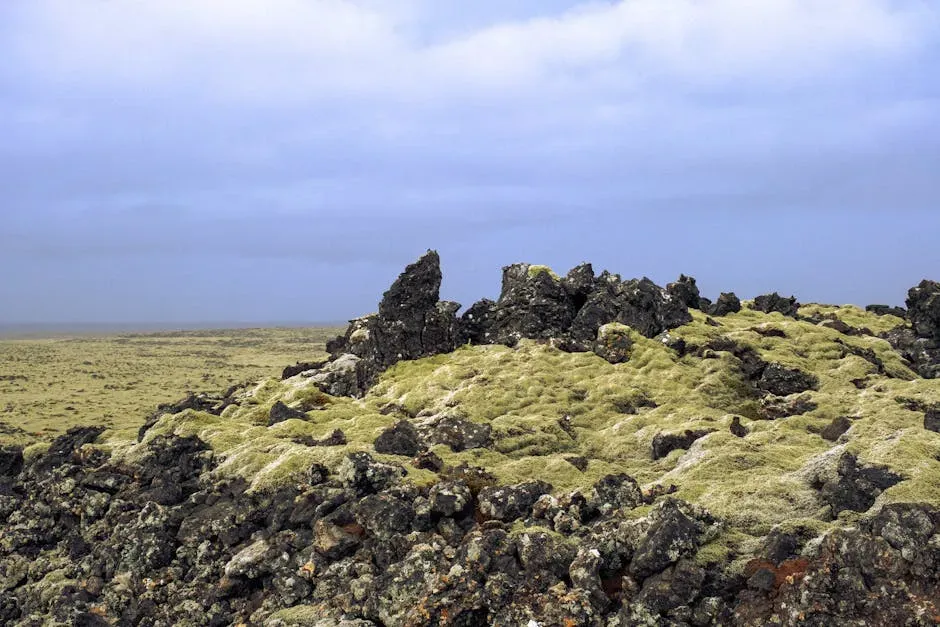
When you follow the trail of evidence back to the cause, you keep running into something enormous beneath what is now Siberia. During the end-Permian, colossal volcanic eruptions built up what geologists call the Siberian Traps, a vast region of solidified lava that originally covered an area about the size of a large continent. These eruptions did not just last a season or a decade; they likely raged on, on and off, for hundreds of thousands of years.
As this volcanic activity pumped out staggering amounts of carbon dioxide and other gases, the climate shifted into a dangerous new state. You would have watched global temperatures climb sharply, oceans absorb huge amounts of heat, and weather patterns twist into chaos. This was not a gentle warming; it was a geologic-scale surge that pushed the Earth system far beyond what its ecosystems were tuned to handle. In many ways, you are seeing an extreme, ancient example of what happens when the planet’s carbon thermostat gets slammed to a high setting and left there.
Oceans Turned Hostile: Warming, Acidification, and Dead Zones
If you imagine yourself standing on a Permian shoreline as this unfolded, the ocean might still look normal to your eyes, but its chemistry and temperature would be betraying life beneath the surface. Warmer water holds less oxygen, and as the seas heated up, they struggled to carry enough of it to support complex life. Large regions of the deep ocean likely turned into low-oxygen or even nearly oxygen-free zones, deadly to many animals that once thrived there.
At the same time, all that extra carbon dioxide in the atmosphere was dissolving into seawater, making the oceans more acidic. If you were a shell-building organism, like certain plankton, corals, or clams, your very skeleton would have become harder to form and easier to dissolve. Reef systems that had taken vast stretches of time to build were undermined and destroyed. Once the base of the marine food web begins to fall apart, everything that depends on it – from small invertebrates to large predators – starts to cascade downward with it.
Life on Land: Heat, Drought, and Collapsing Ecosystems
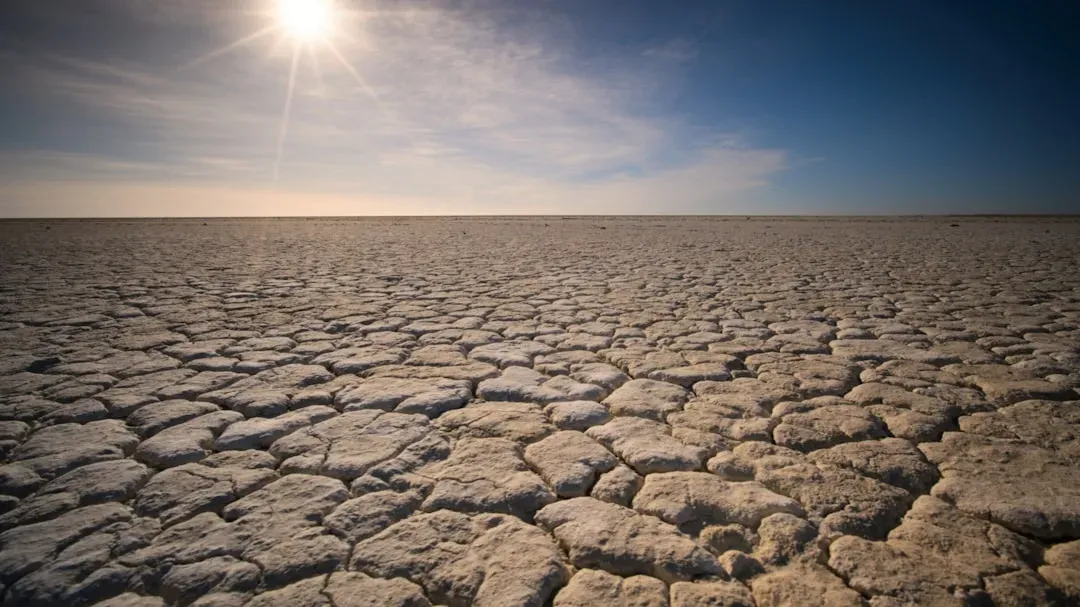
On land, you would not have been spared just because you were above the waves. With Pangaea stretching across much of the globe, the interior regions of this supercontinent were already prone to extreme conditions. As greenhouse gases rose, continental interiors likely became hotter and drier, turning many areas into hostile, drought-ridden landscapes. Forests that once anchored soils and moderated local climates would have struggled, thinned out, and in many places died back dramatically.
As vegetation declined, you would have seen soil erosion worsen, rivers become flashier and more unpredictable, and wildfires flare more easily. Large plant-eating animals would have found less to eat, while predators in turn would have found fewer prey. Entire ecological communities may have fragmented into scattered pockets of survivors, clinging to whatever stable refuges remained. If you were living through this on land, it would feel like one long, grinding crisis rather than a single sudden blow.
Who Survived and How Life Rebuilt the Planet
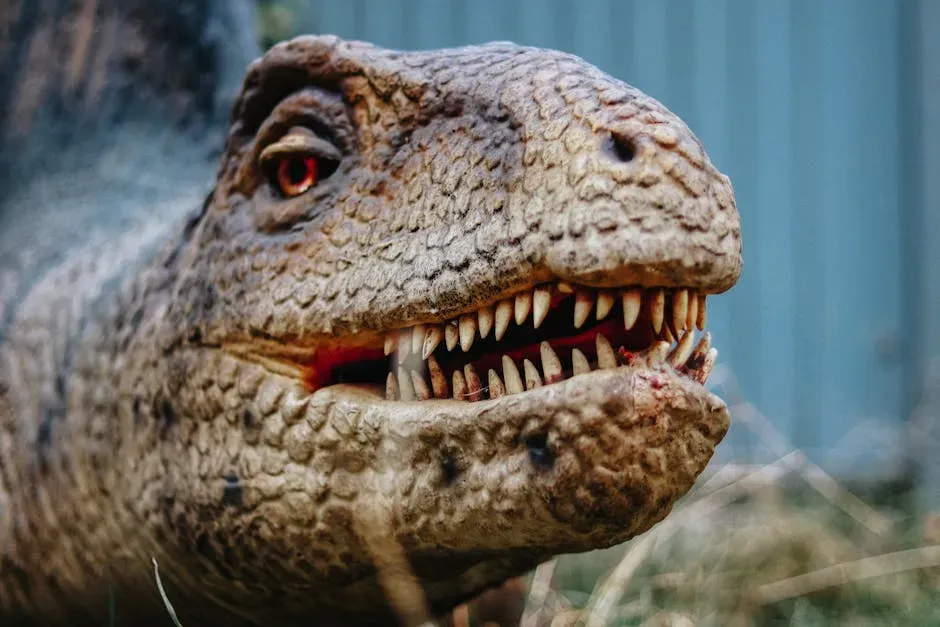
Even in the darkest chapters, life rarely gives up entirely, and the Great Permian Extinction was no exception. If you zoom in on the aftermath, you find certain hardy, generalist species managing to scrape by where specialists could not. Some early relatives of modern conifers, small burrowing animals, and adaptable marine organisms seem to have had the right combination of luck and resilience. You would see simplified ecosystems dominated by a few tough survivors rather than the rich, layered communities that existed before.
Over millions of years after the extinction, these survivors slowly refilled ecological roles, and entirely new groups rose to prominence. In the oceans, different kinds of reef builders and fish took over, reshaping marine habitats. On land, some of the surviving synapsids set the stage for the later rise of true mammals, while other lineages cleared the way for the age of the dinosaurs in the Triassic. If you track this recovery, you are watching evolution go into overdrive, experimenting with fresh designs in the open real estate left behind by the Great Dying.
Why the Permian Extinction Matters to You Today
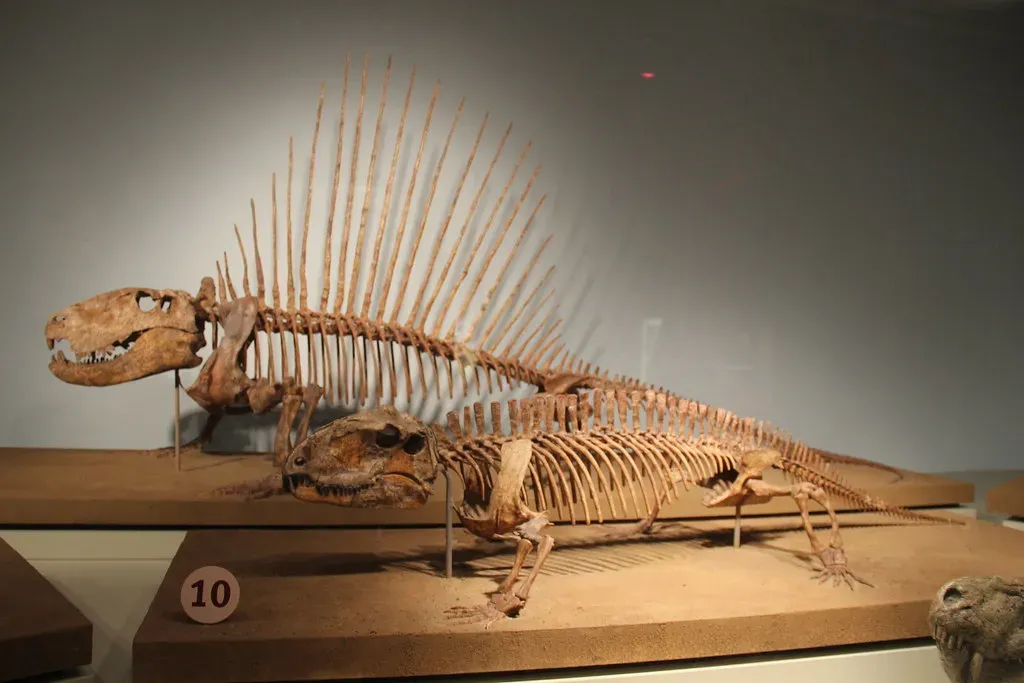
You might wonder why you should care about a catastrophe that happened hundreds of millions of years before humans existed. The uncomfortable answer is that this ancient event reads like an extreme case study of what happens when climate, oceans, and ecosystems are pushed far out of balance. You see rapid greenhouse gas increases, intense warming, widespread habitat loss, collapsing food webs, and long-lasting damage to life on land and sea. While the causes and timescales are different, the patterns should feel worryingly familiar.
By studying the Great Permian Extinction, you give yourself a rare long-term view of planetary risk. You learn that complex life is tough, but not invincible; that ecosystems can absorb a lot of stress before they suddenly break; and that recovery, once that threshold is crossed, can take millions of years. When you look at your own century through that lens, it becomes harder to shrug off rising emissions or degrading ecosystems as minor issues. In a sense, the Permian story is a deep-time warning label on the planet you now manage.
When you stand back from this story, you are left with a picture of a world that was nearly emptied and then patiently rebuilt over vast stretches of time. The Great Permian Extinction was not just a freak accident; it was a brutal demonstration of how the Earth system responds when its limits are pushed. You live in a much more informed age, with instruments, models, and data that let you see trouble coming in ways no Permian creature could have imagined.
The question that lingers for you is simple but heavy: knowing what a runaway climate and collapsing ecosystems did once before, how will you choose to treat your planet now?