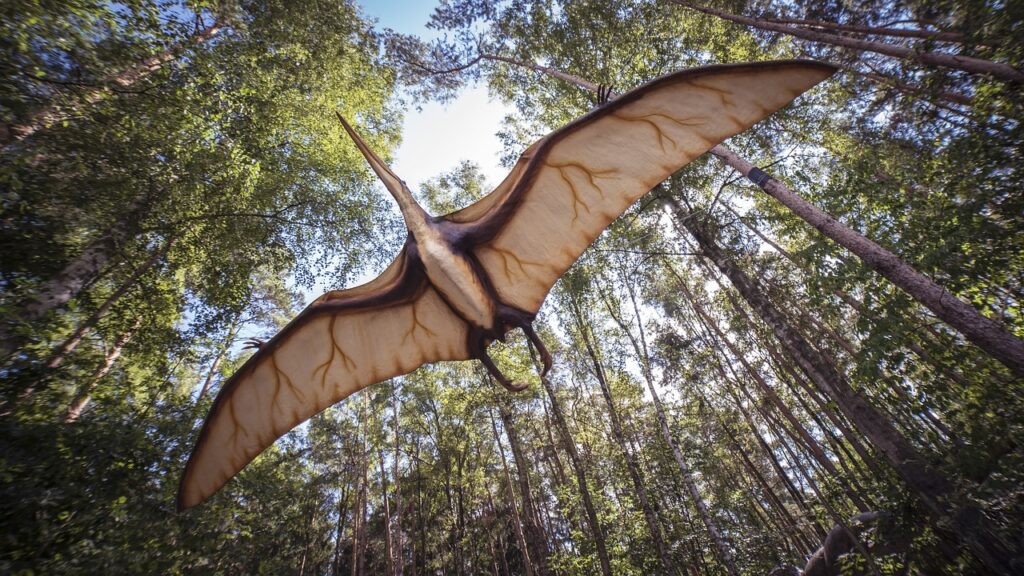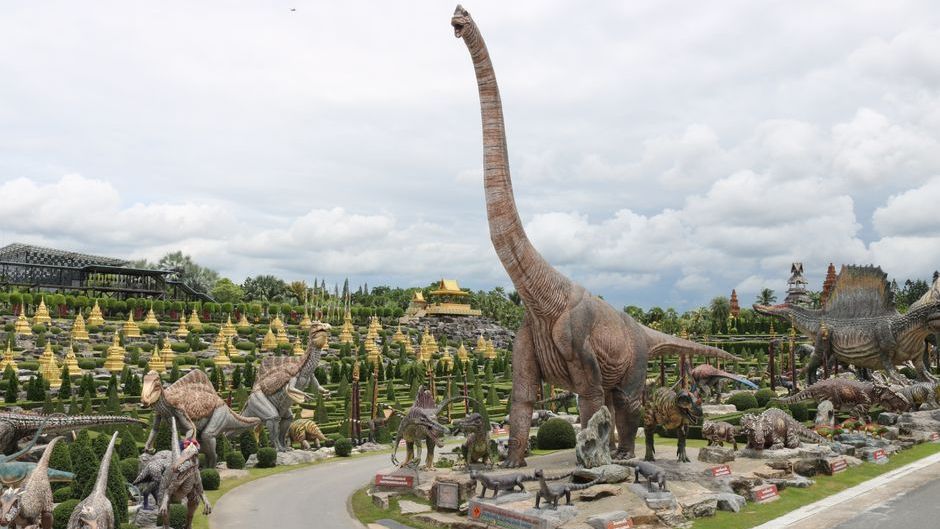
Somewhere between the first plastic T. rex you held as a kid and the last apocalyptic movie you watched, a quiet obsession took root: we cannot stop thinking about creatures that no longer exist and worlds that suddenly end. Dinosaurs and extinction stories stalk our imagination like ghosts from a forgotten age, showing up in children’s books, billion‑dollar films, memes, and late‑night “what if” conversations. It is strangely emotional when you pause to consider it: we pour time, money, and curiosity into lives that ended roughly about sixty‑six million years ago and into futures that might never come.
This fascination is not just nerd culture or cinematic spectacle; it taps into something raw in us. Dinosaurs are the ultimate power fantasy and the ultimate tragedy, wrapped together. Extinction narratives, whether about an asteroid, a pandemic, or climate collapse, feel like horror movies where we are both audience and potential cast. Underneath the fossils and doomsday headlines hides a deeper, unsettling question: if even the mightiest creatures that ever lived could vanish, what does that say about us?
The Emotional Shock of “They Were Real”
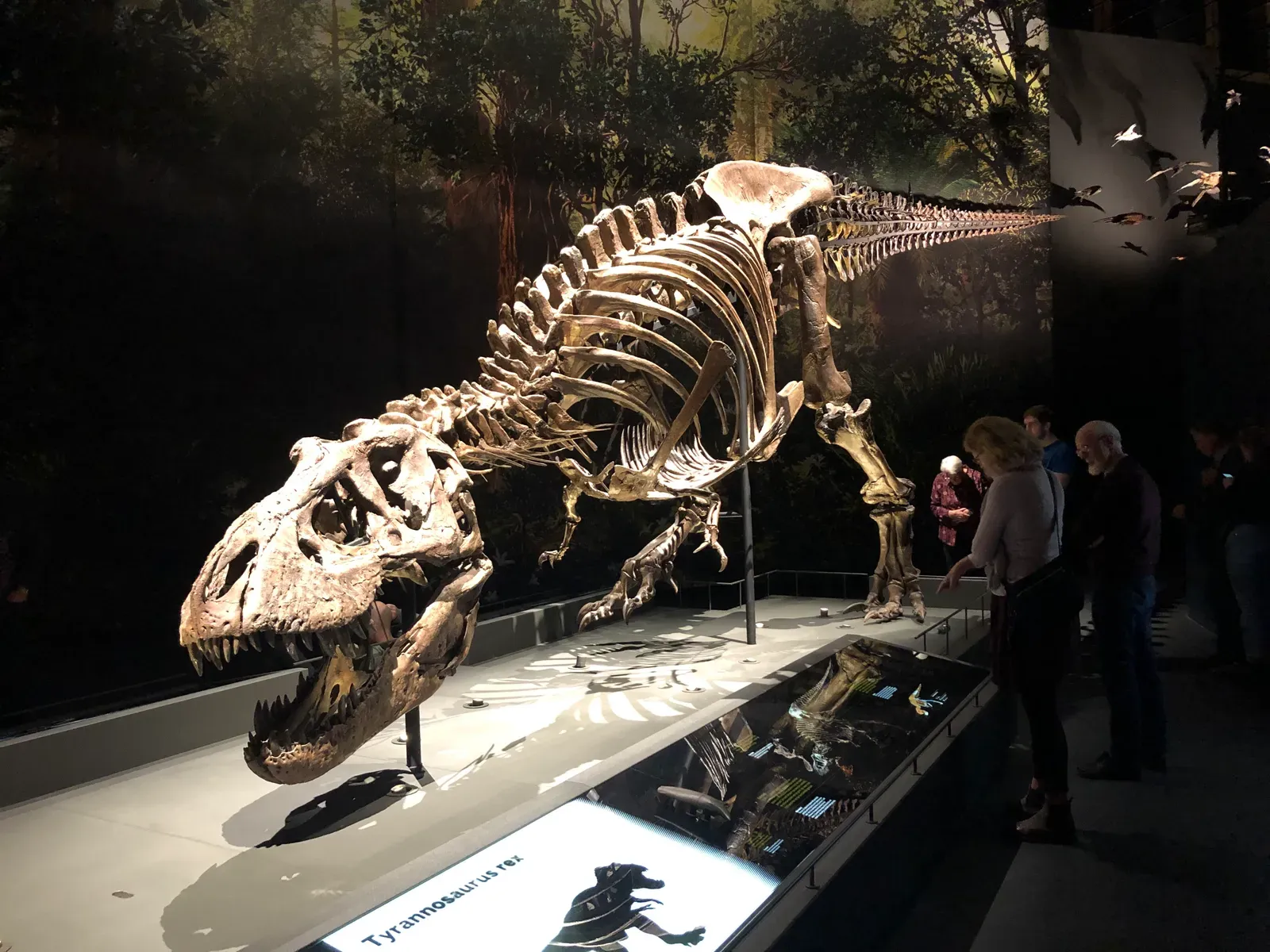
One of the first truly mind‑bending realizations many of us have as kids is that dinosaurs were not mythical beasts. They were real animals, walking around, breathing, eating, fighting, raising young, leaving footprints in mud that hardened into stone. That emotional jolt – discovering that these monsters actually existed – is not just a fun fact; it is a small psychological earthquake. The world suddenly feels larger, stranger, and far older than any storybook.
And then comes the gut punch: they are all gone. Every last one of those giant, dramatic creatures is dead, and we only know them from bones, trackways, and chemical traces in rocks. That combination of reality and total absence hits a deep nerve. It is like finding out you had a whole cast of incredible ancestors who lived wild, cinematic lives, and all you inherit is a faded photo album. We get hooked because dinosaurs prove that the world used to be something radically different, and that everything we see around us now is not guaranteed to last.
Dinosaur Power Fantasy Meets Human Vulnerability
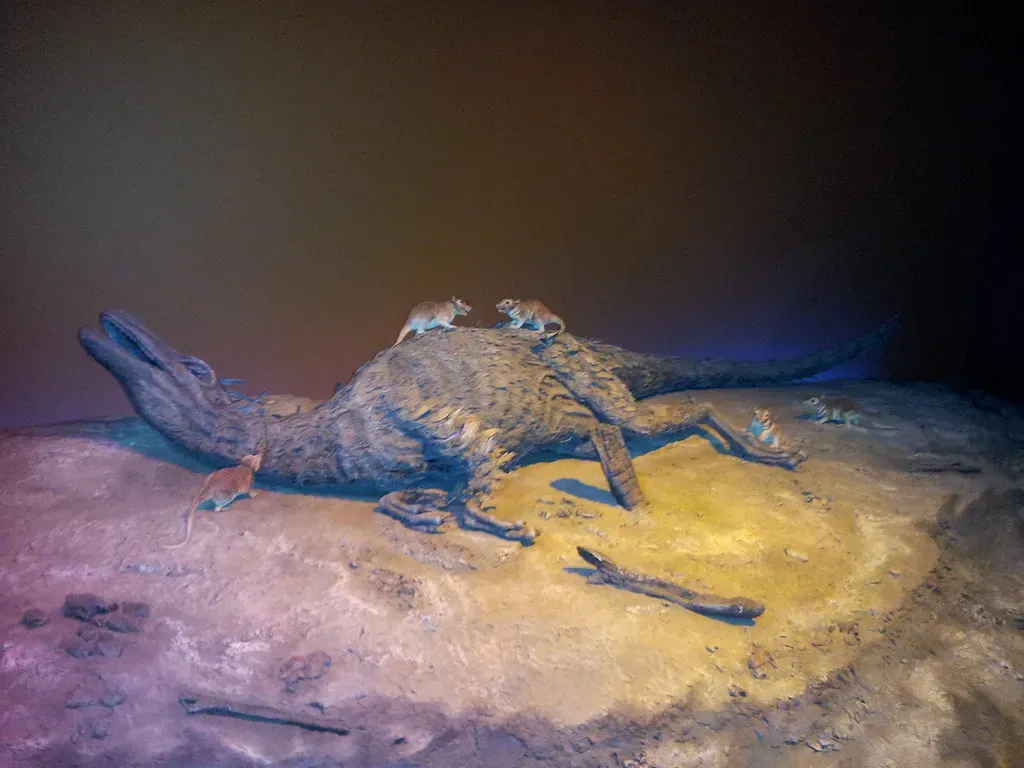
Dinosaurs are basically nature’s original action heroes. You have predators the size of buses, herbivores like mobile buildings, and bizarre forms that look like they were designed by a committee of sleep‑deprived artists. They trigger the same brain circuits that light up for superheroes and monsters: giant claws, impossible teeth, armor plates, horns, sails. Our storytelling instincts love extremes, and dinosaurs are extreme incarnate. The fact that these extremes were once normal animals just going about their day makes them even more captivating.
But here is the twist: the stronger and more invincible they seem, the more haunting their disappearance becomes. If creatures this huge, adapted, and dominant could be wiped out by events they did not cause and could not control, where does that leave us, with our soft bodies and fragile infrastructure? Extinction stories piggyback on the dinosaur power fantasy, flipping it into a mirror for our own insecurity. We are fascinated because their fate makes our dominance feel temporary, maybe even accidental, and that uneasy feeling is hard to look away from.
The Brain’s Love Affair With Catastrophe and “What If”
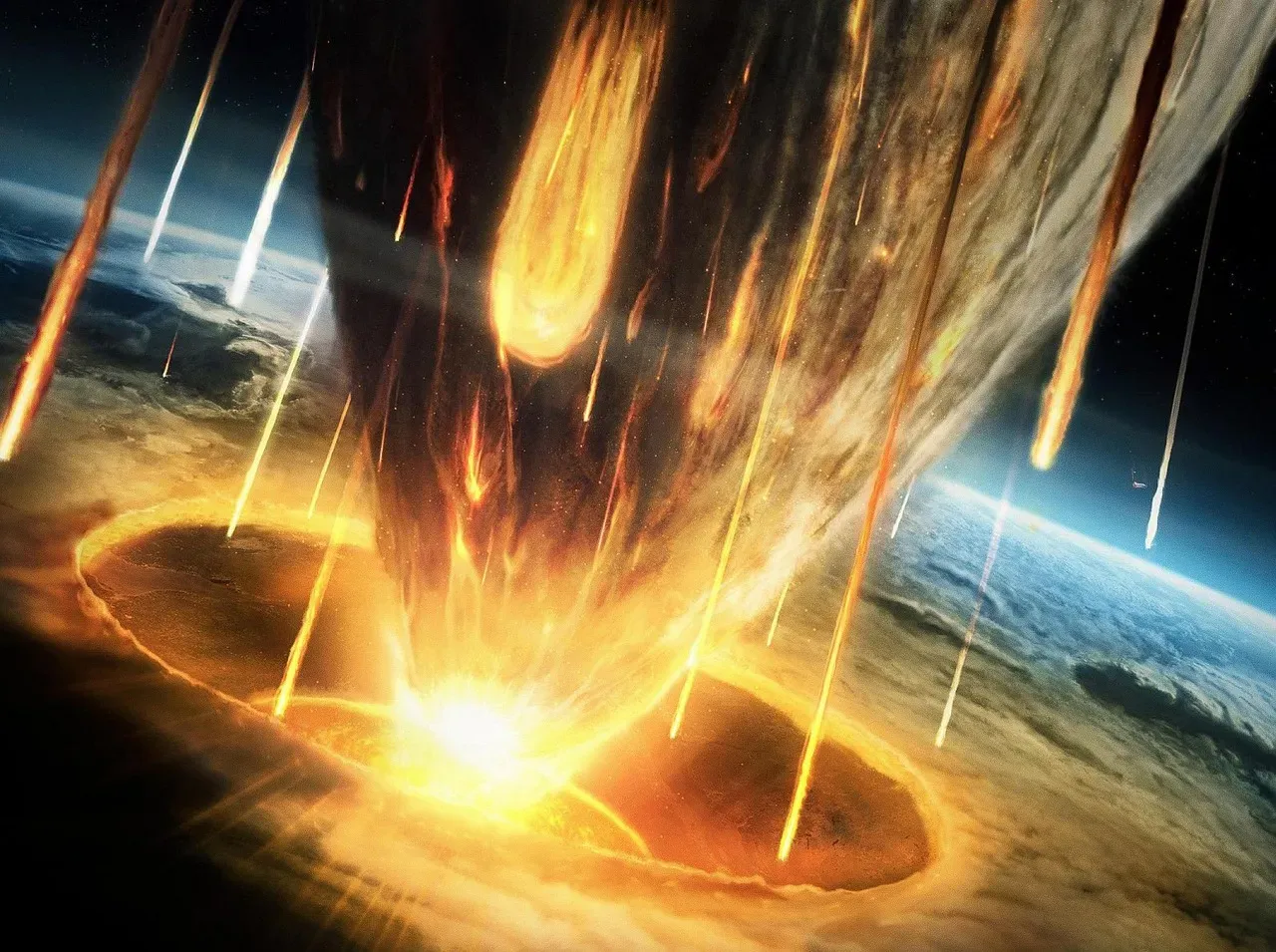
Extinction tales are basically the ultimate “what if” scenarios turned up to maximum volume: what if the sky falls, the oceans rise, the temperature spikes, or something huge slams into the planet? The human brain is wired to pay close attention to threats, especially rare but catastrophic ones, because even a tiny chance of disaster is worth overthinking if the stakes are survival. This is why asteroid impacts, supervolcanoes, and global pandemics keep resurfacing in books, movies, and conspiracy‑ish online rabbit holes.
Dinosaurs slot perfectly into that pattern because they give us a completed case study in planetary disaster. We know something world‑shattering happened, and we can poke at its aftermath in the rock record. Our curiosity loops around questions like: how fast did things die, what survived, and could it happen again? Extinction narratives let us rehearse the end without actually living it – like mental fire drills. They are terrifying, sure, but they also feel strangely satisfying because they take our free‑floating anxiety about the unknown and pin it to a specific story.
Control, Chaos, and the Illusion of Safety
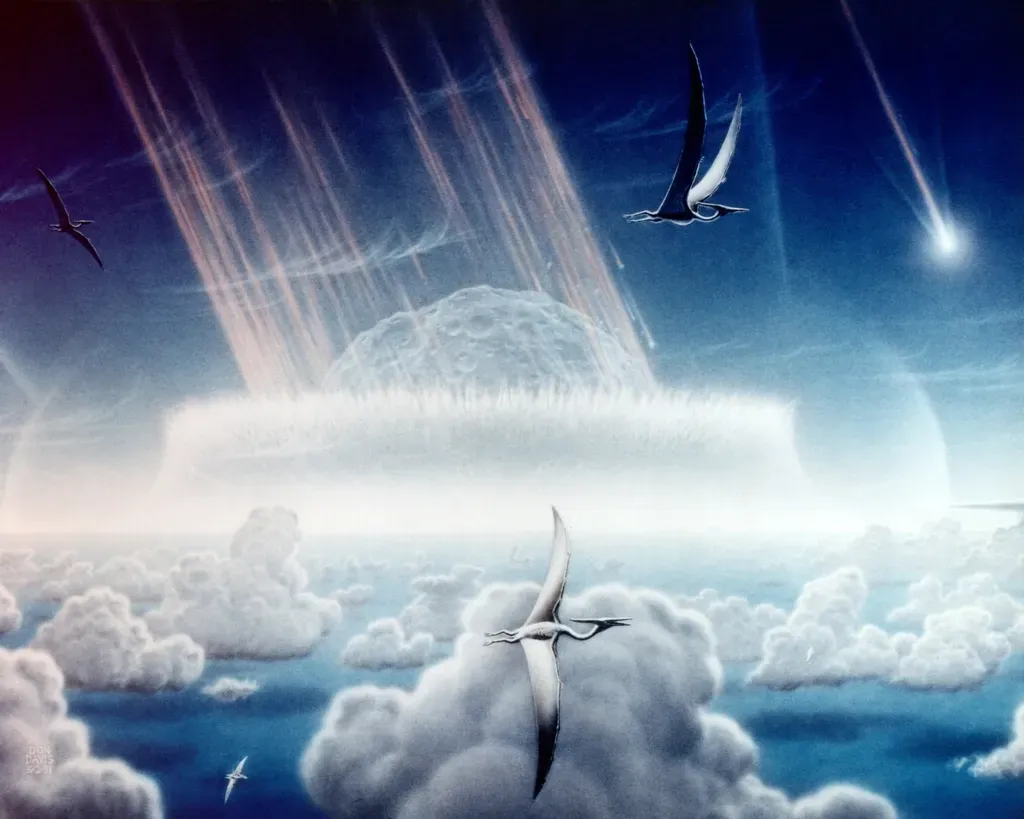
Modern life constantly whispers the promise of control: backup systems, safety standards, insurance policies, endless data. On some level, many of us believe that enough technology and planning can keep disaster at bay. Dinosaurs and extinction stories smash that illusion with a single blunt fact: the planet does not negotiate. An asteroid did not check in with a committee before slamming into Earth, and climate shifts in the deep past did not send out calendar invites.
That is part of why we are drawn to these stories even as they scare us. They remind us that our comfort zone is a thin film stretched over deep geological chaos. Personally, I find it humbling in a way that is almost comforting: it shrinks my everyday worries by zooming out the camera. Yes, the idea that everything could change fast is terrifying, but it also strips away the lie that we were ever fully in charge. Extinction tales are where we secretly admit that we live by the grace of forces much bigger than our spreadsheets.
Identity, Legacy, and the Fear of Being Forgotten
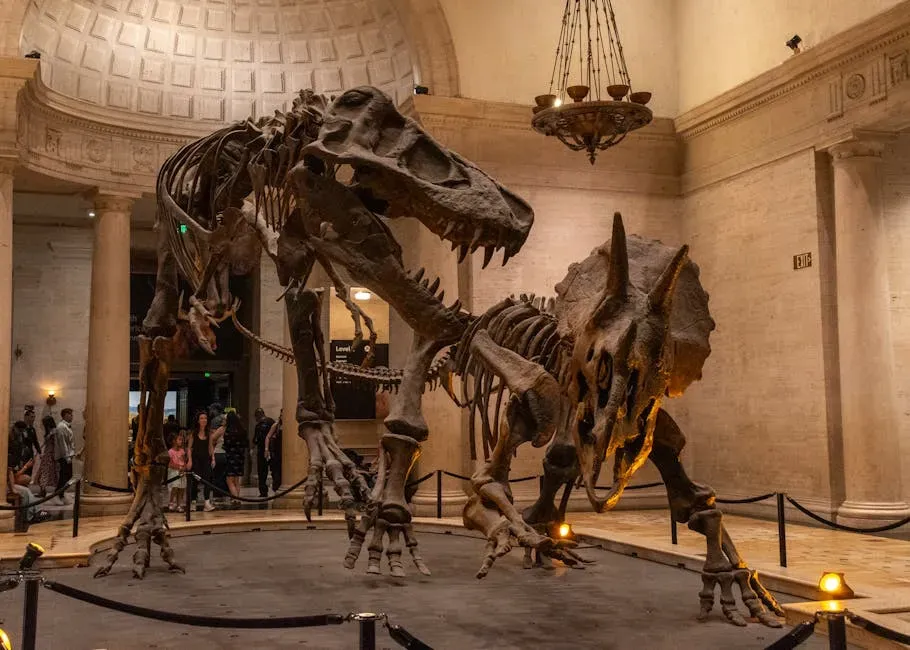
There is another, quieter layer to our obsession: extinction stories tap into our fear of being erased. Dinosaurs ruled the planet for an unimaginably long time, far longer than humans have been around. Yet in the end, most of their species vanished so thoroughly that we spend entire careers trying to reconstruct a single animal from a partial skeleton. That is a brutal reminder that time is ruthless, no matter how successful you are while you are here.
So when we binge apocalyptic movies or read articles about past mass extinctions, we are not just thinking about T. rex; we are thinking about our own legacy. Will humans leave anything more than a confusing archaeological mess of plastic, carbon spikes, and ruined ecosystems? Are we building a world that deserves to be remembered, or just a brief, flashy glitch in Earth’s history? Extinction narratives force us to ask whether our story ends with a quiet fade‑out, a violent cutoff, or some kind of reinvention – and that question is hard to let go of once it gets under your skin.
Why We Keep Rewriting the End of the World
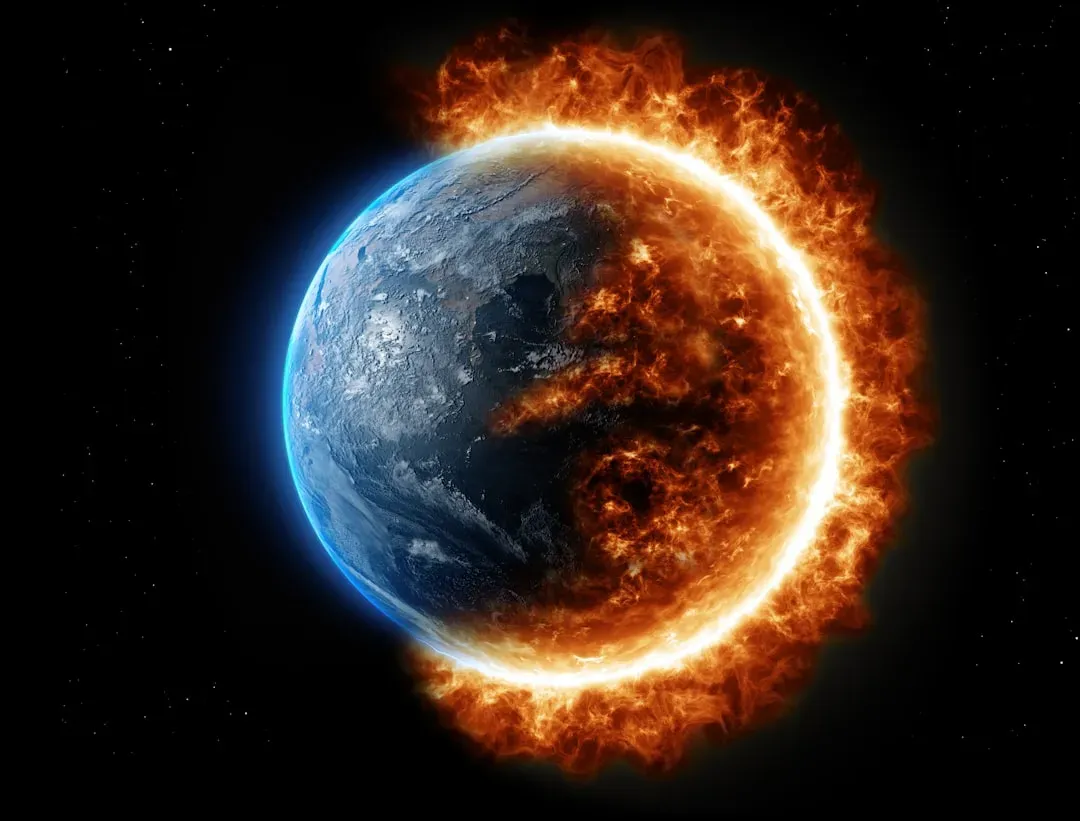
Even when we know the rough outline – big impact, drastic climate shift, biosphere collapse – we keep retelling the story, changing the details each time. One version centers on dinosaurs and cosmic bad luck, another on human‑driven climate breakdown, another on artificial intelligence, another on runaway disease. Underneath these variations is the same itch: to see how far the world can be pushed before it breaks, and to imagine what might rise from the ruins. We are not just obsessed with endings; we are obsessed with what comes next.
At the same time, these stories are a weird blend of warning label and entertainment. They let us flirt with our worst fears in a controlled setting: two hours in a theater, a hundred pages in a book, a late‑night documentary binge. I think that is why they feel so addictive. They hand us a double‑edged message: the world can absolutely end for dominant species, and yet life is stubborn, chaotic, and creative enough to start again. We keep coming back because extinction tales let us test drive both despair and hope without choosing one forever.
Conclusion: Our Dinosaur Obsession Is Really About Us
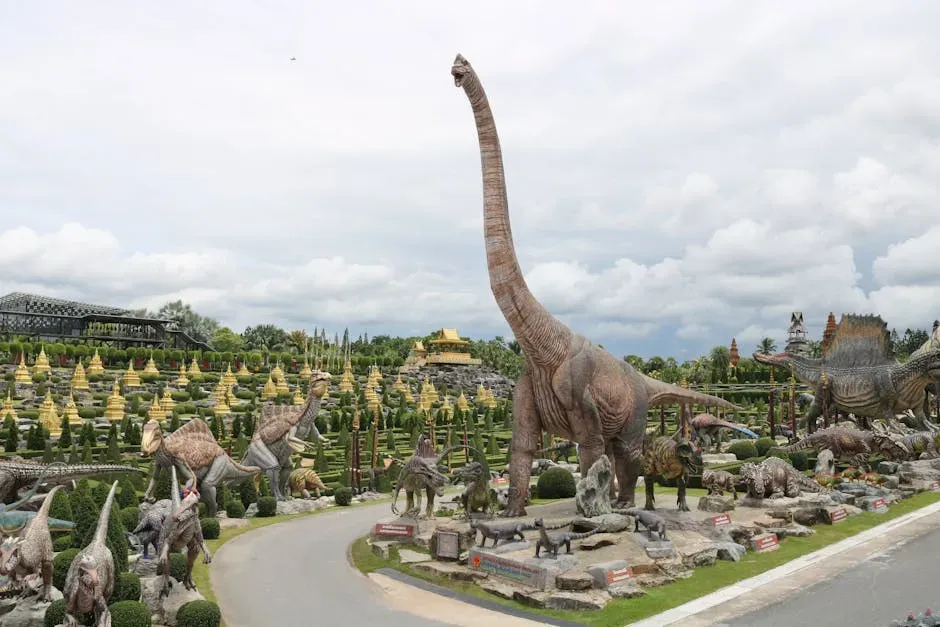
When you strip it down, our fixation on dinosaurs and extinction stories is not really about ancient reptiles or special effects; it is a stealth conversation about who we are and how fragile our place is. Dinosaurs give us a safe way to stare directly at annihilation, dominance, bad luck, and transformation without saying the quiet part out loud: that everything we care about could, in principle, be temporary. That is not a comfortable thought, but it is an honest one, and I would argue we crave that honesty more than we like to admit.
My own opinion is that this obsession is healthy, as long as we do not stop at fear. The most useful extinction stories are not the ones that paralyze us, but the ones that jolt us into caring about what we are doing to the planet and to our future selves. If the dinosaurs are a cautionary tale, they are also a challenge: to use the awareness they never had. In the end, the hidden reason we lean into these stories might be simple – we are trying to decide whether we want to be a brief, spectacular chapter or the start of something longer and wiser. Which way do you honestly think we are heading right now?