If you could step into a time machine and travel back hundreds of millions of years, you’d probably come back with photos that look strangely familiar. Among the bizarre sea monsters of the ancient oceans, you’d find a creature that looks almost identical to something you can still see shuffling along beaches today: the horseshoe crab. While countless species have evolved, exploded in diversity, and gone extinct, this armored little survivor basically looked at evolution and said, “I’m good, thanks.”
That frozen-in-time body plan has fascinated scientists for decades. Now, with better tools in genetics, biomechanics, and ecology, researchers are finally piecing together why the horseshoe crab has been running the same “design” for about four hundred and fifty million years. The answer turns out to be far richer than the lazy cliché that it is a “living fossil.” It is more like a perfectly tuned machine in a world that keeps changing just enough to challenge it – but not quite enough to break it.
A Survivor From Before the Dinosaurs
Here’s the first shocking bit: horseshoe crabs were already around long before the first dinosaurs took their awkward early steps. They appeared in the late Ordovician period, hundreds of millions of years before T. rex, flowering plants, or even birds existed. Back then, what we now call continents looked more like scattered puzzle pieces, and life was still figuring out the basics of living on land.
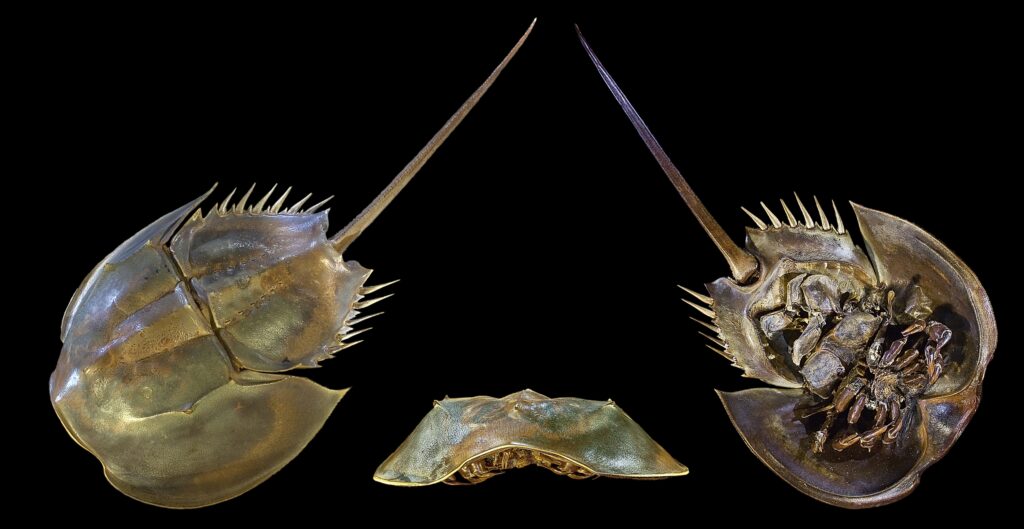
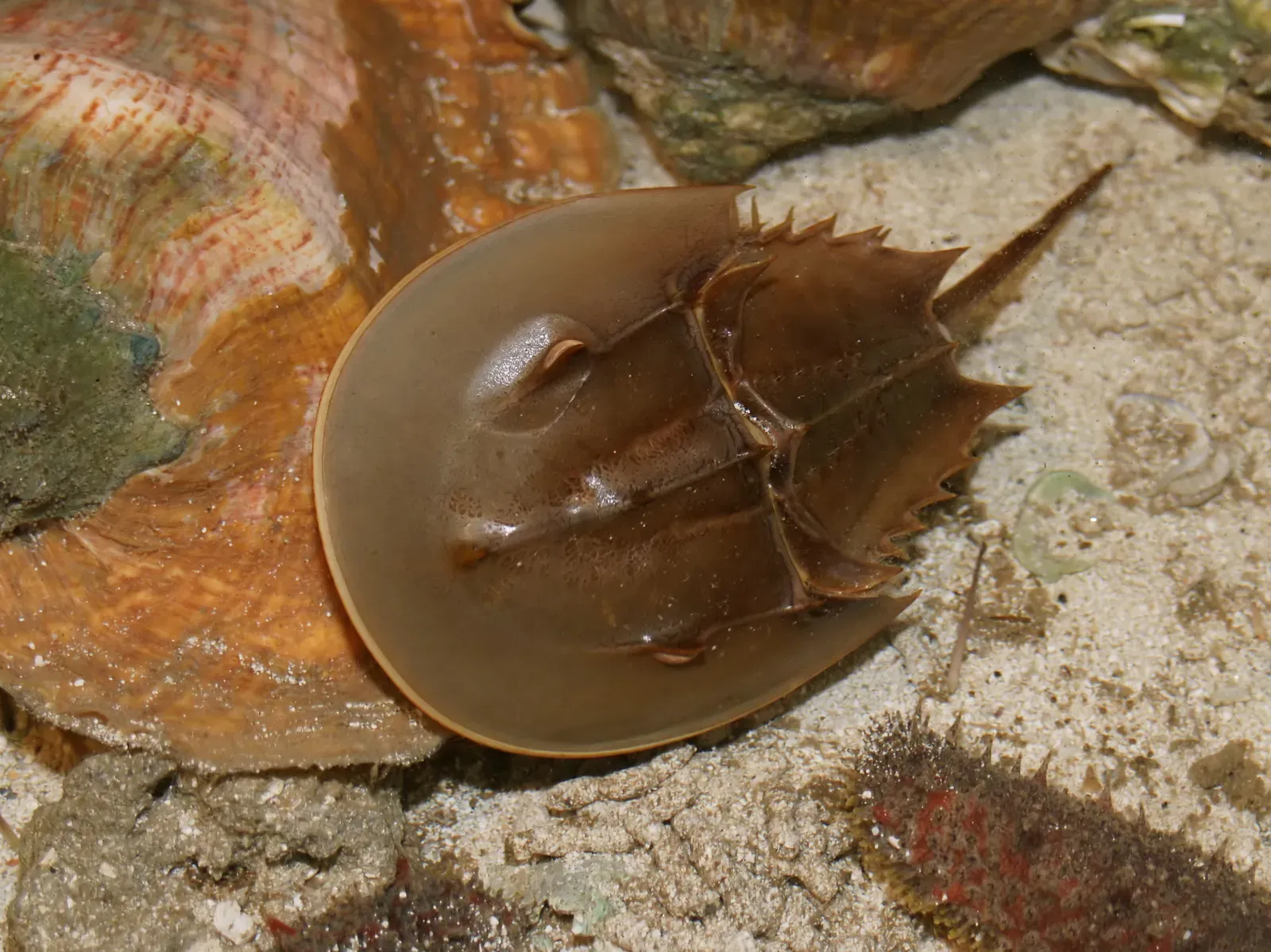
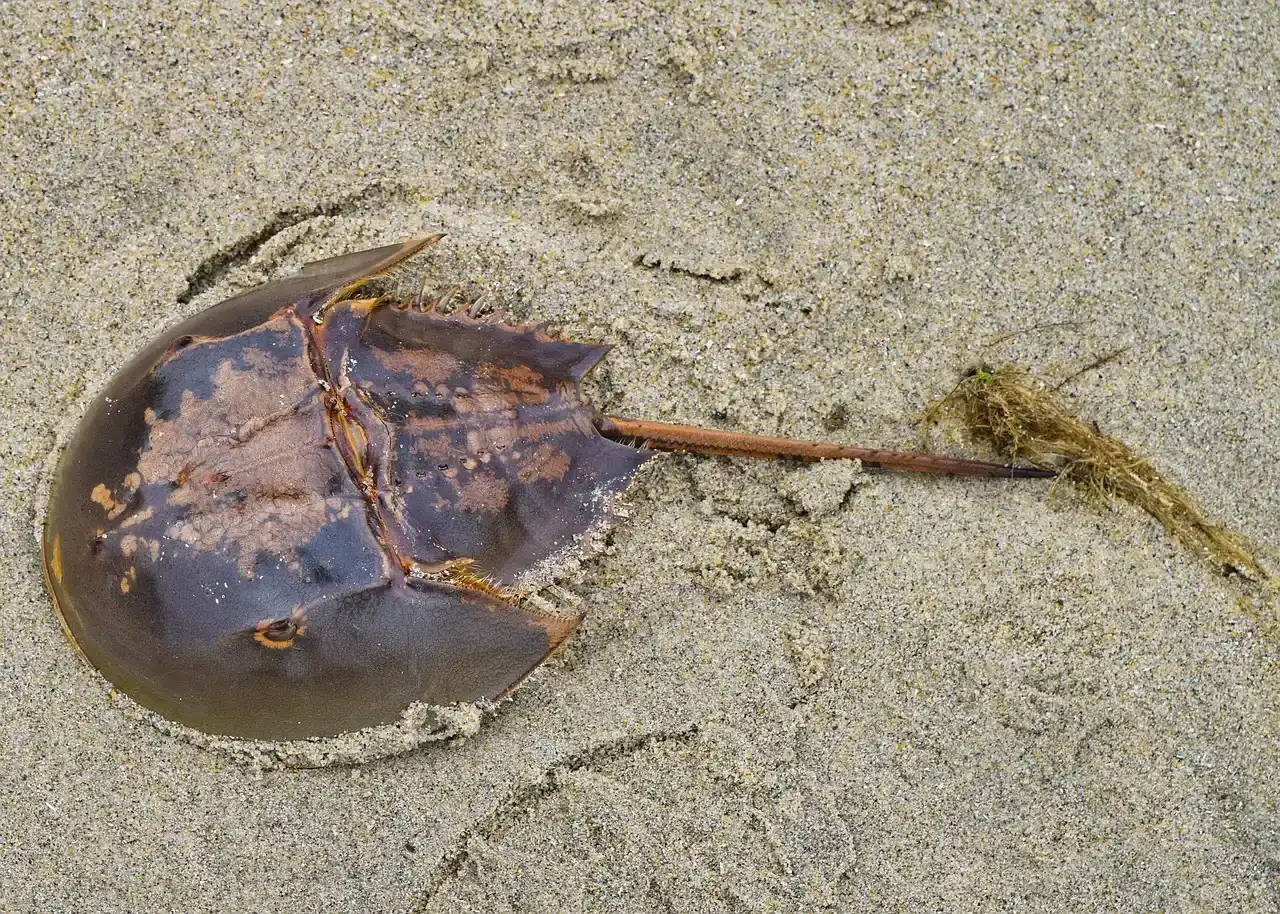
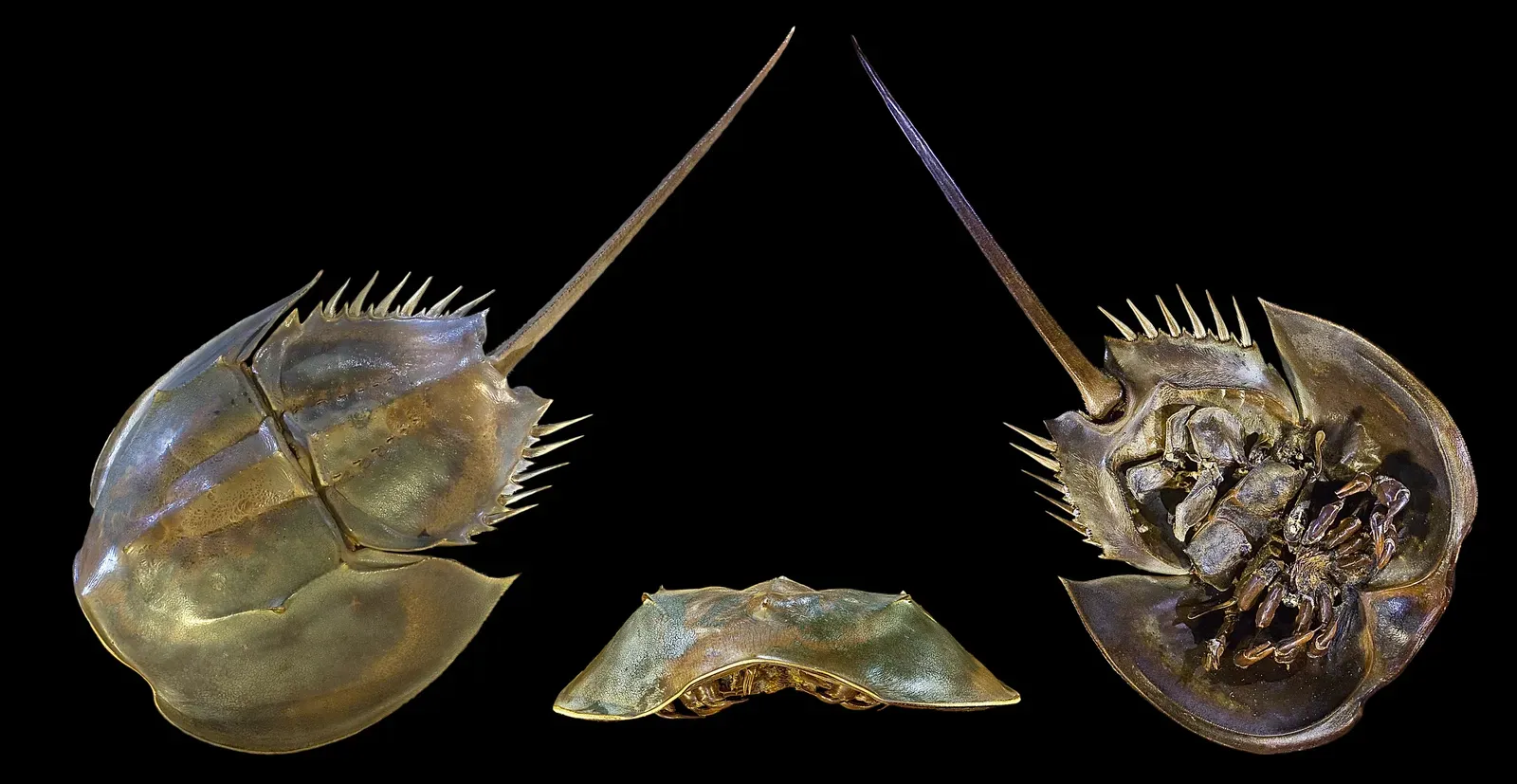
Yet if you could line up one of those ancient horseshoe crabs with a modern one scuttling through shallow coastal waters today, you’d immediately recognize the family resemblance. Same domed shield at the front, same articulated middle section, same long spike-like tail. Plenty of other lineages from that time tried weird experiments with body shapes and lifestyles, and almost all of them vanished. Horseshoe crabs stayed, quietly proving that sometimes an early design is already close enough to optimal.
What “Not Meaningfully Changed” Really Means
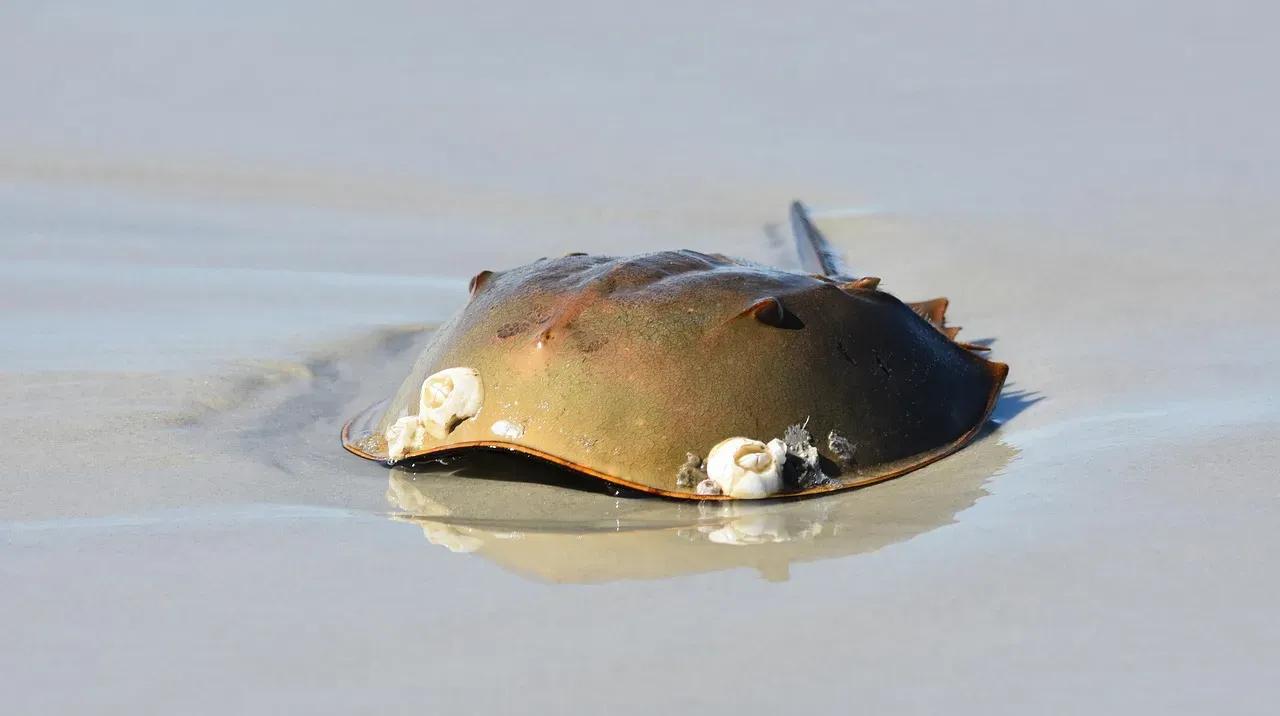
Saying that horseshoe crabs “have not changed” in four hundred and fifty million years sounds dramatic, but it is a shorthand that can be misunderstood. Their overall body plan has remained remarkably stable, but that does not mean nothing has evolved. Small details, such as size, subtle limb structures, and genetic fine-tuning of development, have shifted over time. Evolution did not hit pause; it just kept polishing the same fundamental blueprint.
Think of it like a classic car model that has stayed in production for decades. The broad silhouette, the key features, and the recognizable look remain, but under the hood, things get upgraded piece by piece. Horseshoe crabs keep the same shielded dome, compound eyes, spiny legs, and tail spine, because those features continue to do the job. Meanwhile, their genes, behaviors, and internal systems keep adapting to new conditions in ways that are far less obvious at a glance.
An Ancient Body That Works Like a Swiss Army Knife
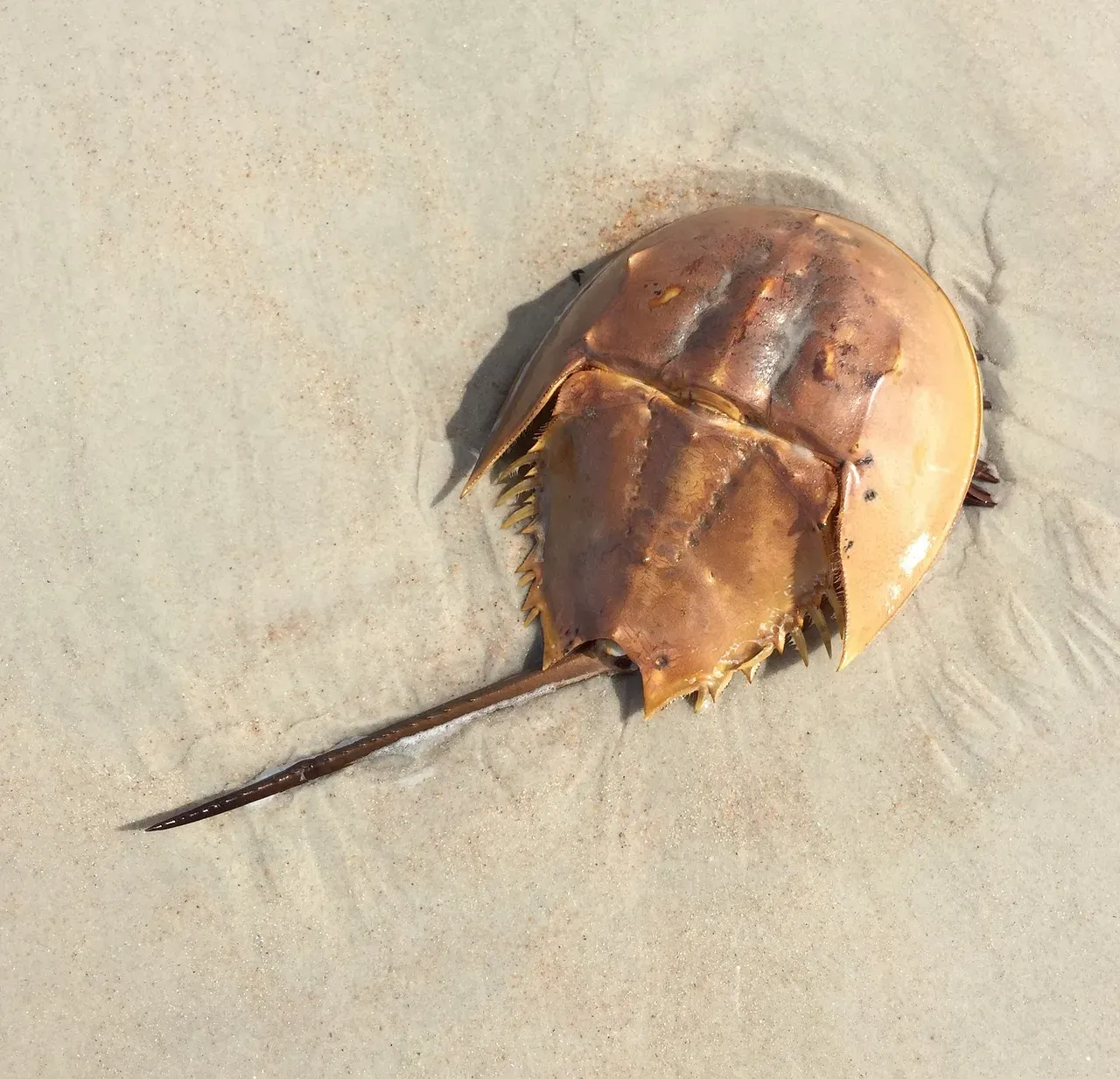
The clue to why evolution “left them alone” lies in how versatile that old-school design really is. The horseshoe crab’s broad, helmet-like shell works as armor, a plow for burrowing into sand, and a hydrodynamic cover that helps them move along the sea floor. Underneath, their legs double as both walking tools and feeding tools, scraping food toward the mouth in an efficient assembly-line motion.
The long tail, which looks menacing, is mostly a stabilizer and righting tool. When a wave flips a horseshoe crab onto its back, that tail acts like a lever so it can flip itself over. Then there are the compound eyes, side eyes, and even additional light-sensitive spots on the shell, giving them a surprisingly strong awareness of their environment. In one compact package, evolution managed to solve protection, movement, feeding, and basic sensing without needing dramatic re-designs.
Living in a Stable but Harsh Ecological Niche
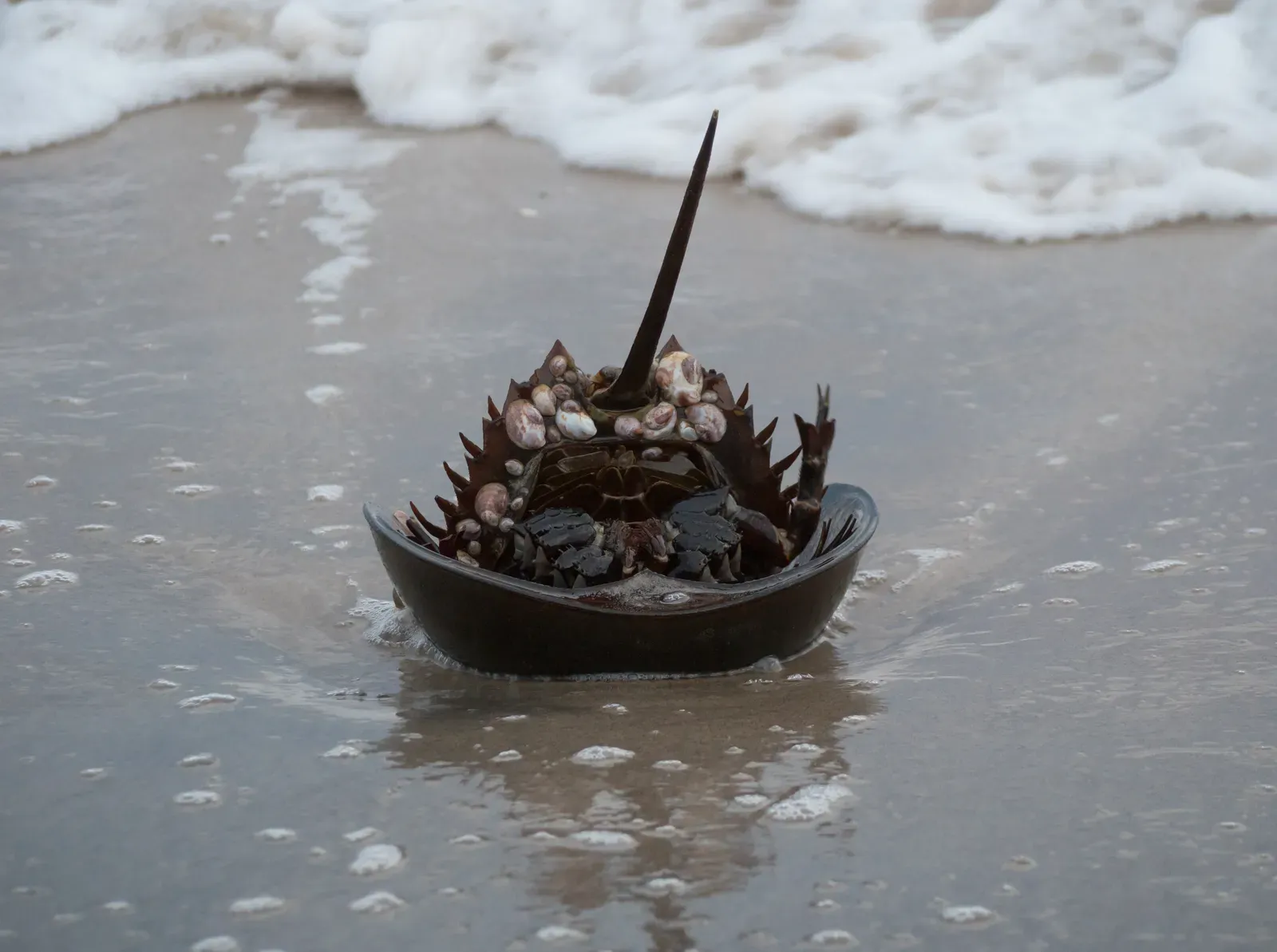
Horseshoe crabs spend their lives in coastal and estuarine environments, especially shallow sandy or muddy areas. Those habitats are dynamic – tides, waves, storms – but the broad rules of the game have stayed surprisingly similar over geological time. There is always sand or mud to burrow into, invertebrates to feed on, and sloping beaches where they can haul up to spawn.
Because the “job description” of being a bottom-dwelling, armored omnivore in coastal shallows has not drastically changed, there has been less pressure to reinvent their body. They did not have to conquer the deep ocean, fly through the air, or climb trees. Instead, they doubled down on being tough, moderately mobile, and well-defended. It is a bit like finding a role in life that suits you perfectly and never needing a radical career change – just small adjustments over time.
Genetic Conservatism: When Good Enough Really Is Enough
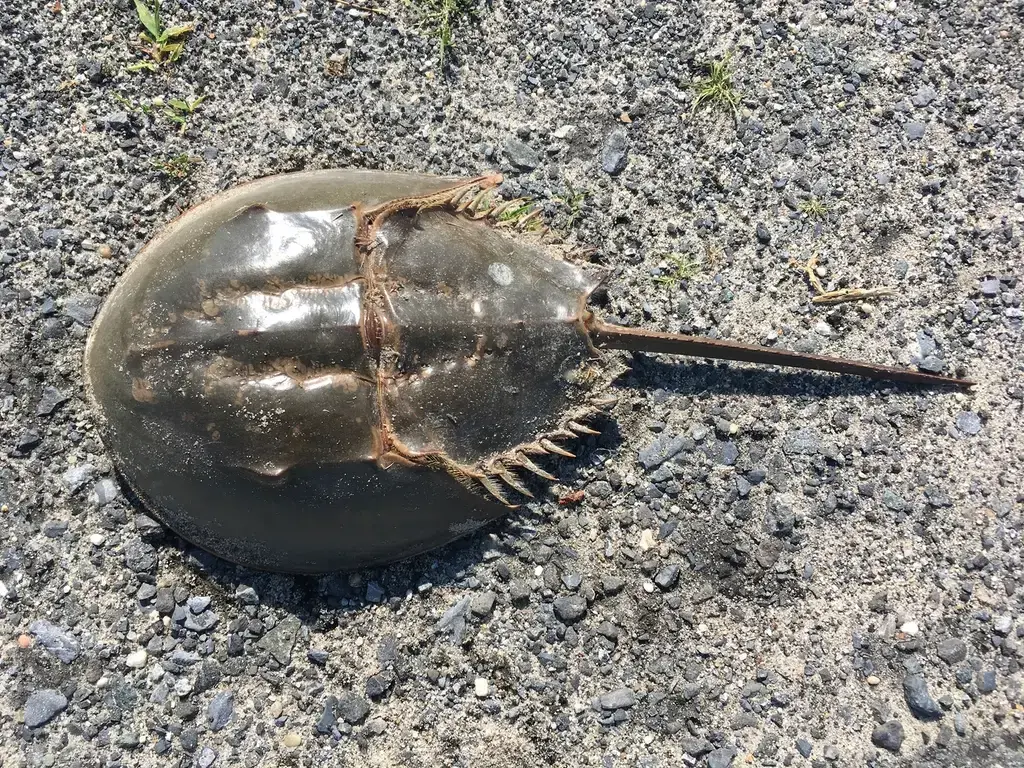
On a genetic level, horseshoe crabs show hints of what scientists sometimes call evolutionary conservatism. Certain core developmental genes that map out the body plan appear to be strongly preserved. It is not that they cannot mutate; rather, major changes seem more likely to break a working system than to improve it. When your basic layout is already robust, large genetic experiments become risky.
Instead, much of the evolutionary action appears to happen in smaller tweaks – regulatory changes that alter when and where genes turn on, and minor modifications in proteins rather than wholesale rewiring. This is like editing the settings on a powerful software program rather than rewriting the entire codebase. The result is a body that can respond subtly to new challenges, while the famous dome-and-tail silhouette stays comfortably recognizable.
Built Like a Tank in a World of Glass
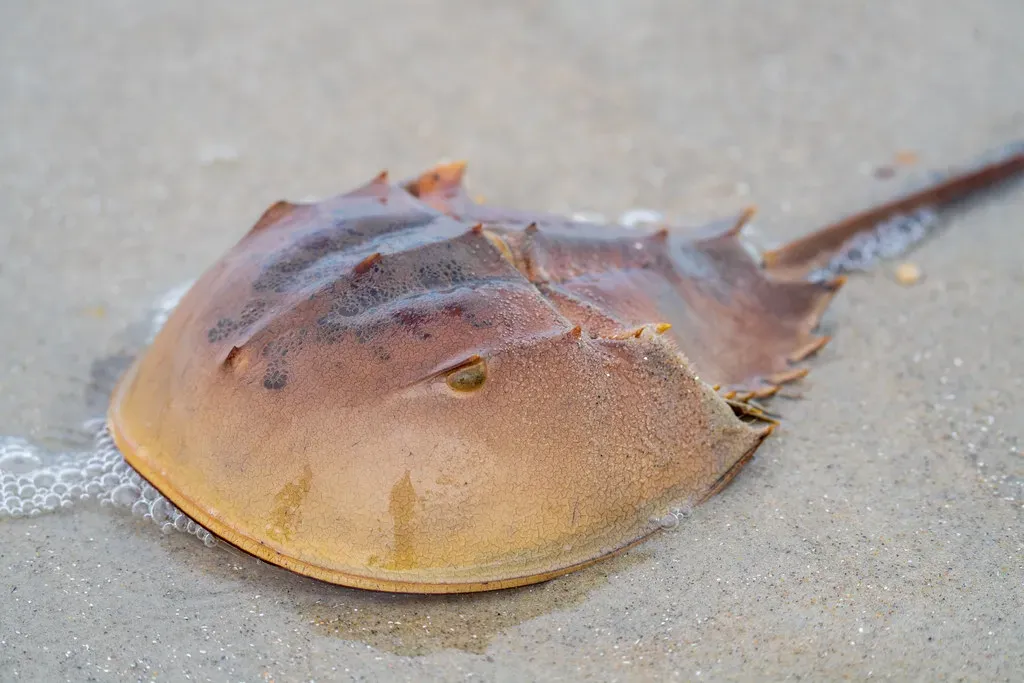
Another reason evolution has not pushed horseshoe crabs into a new body shape: they are already absurdly well protected. That front shield, technically called a prosoma, is a kind of natural riot gear that shrugs off many predators. Fish have to work a lot harder to crack through or flip them over compared with softer-bodied prey that are basically nature’s fast food.
Predators usually target what is easiest and most profitable. Over vast stretches of time, a heavily armored, low-profile creature that rarely exposes vulnerable parts is expensive to attack. When other animals keep choosing easier meals, there is less evolutionary pressure on the horseshoe crab to change its outward design. From nature’s perspective, if you are already a walking tank in a world filled with things made of glass and jelly, you do not need an upgrade – you are the upgrade.
Slow and Steady Reproduction That Still Works
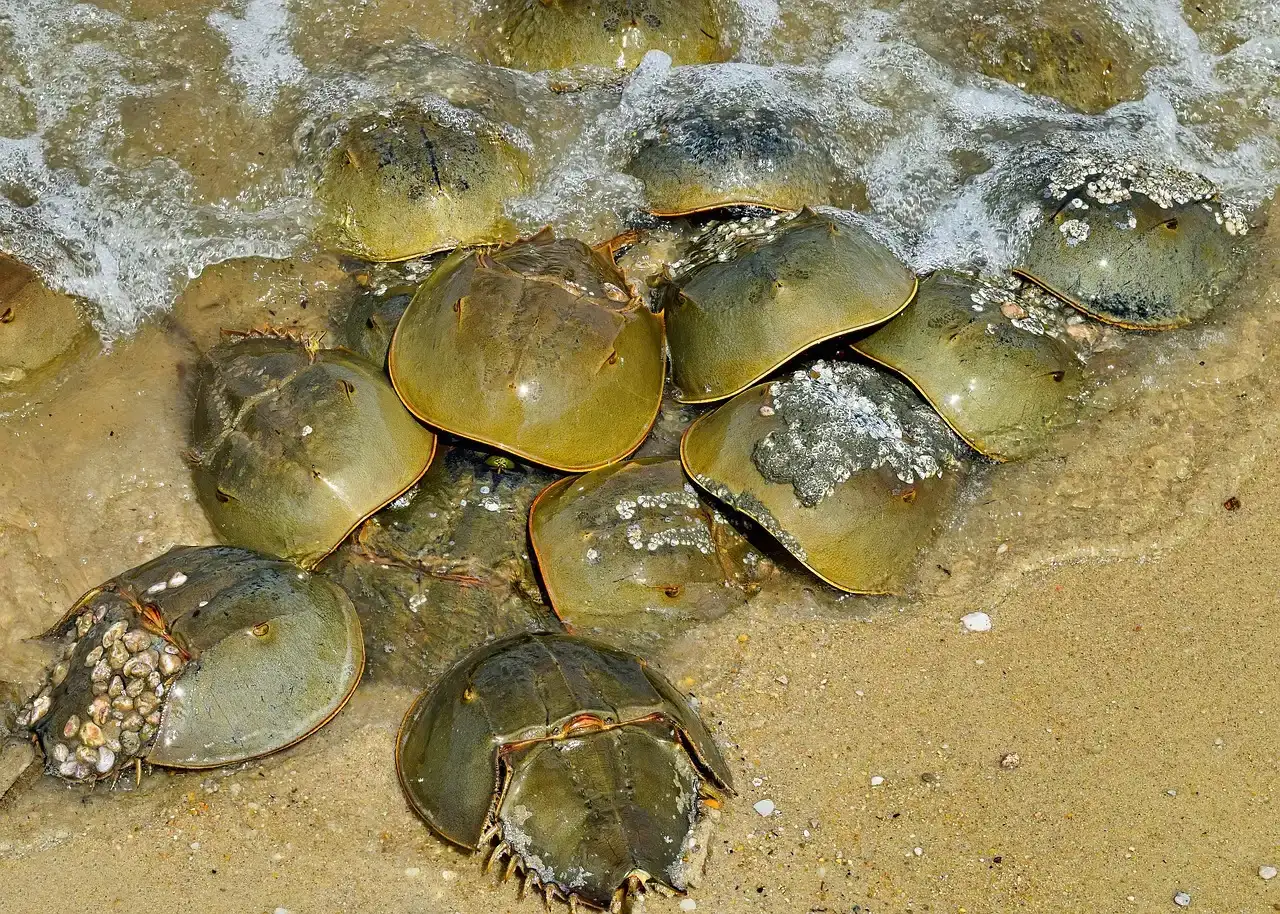
Horseshoe crabs have a distinctive way of reproducing that has been replayed for ages. Adults crawl up onto beaches during high tides, especially around certain phases of the moon, and lay clusters of eggs in the sand. The timing, the mass spawning, and the shallow nest-building strategy all work together to overwhelm predators by sheer numbers. Even if many eggs are eaten, enough survive to maintain the population.
This system has ripple effects that stabilize their place in ecosystems. Migratory shorebirds, for example, time their movements to feast on horseshoe crab eggs in some regions, turning those spawning events into ecological festivals. When an animal’s reproductive rhythm is tightly woven into the fabric of its environment and still mostly succeeds, radical evolutionary changes in body structure that might disrupt it are far less likely to stick. Why fix a reproductive engine that still fuels entire food webs?
Not a Living Fossil, but a Living Success Story
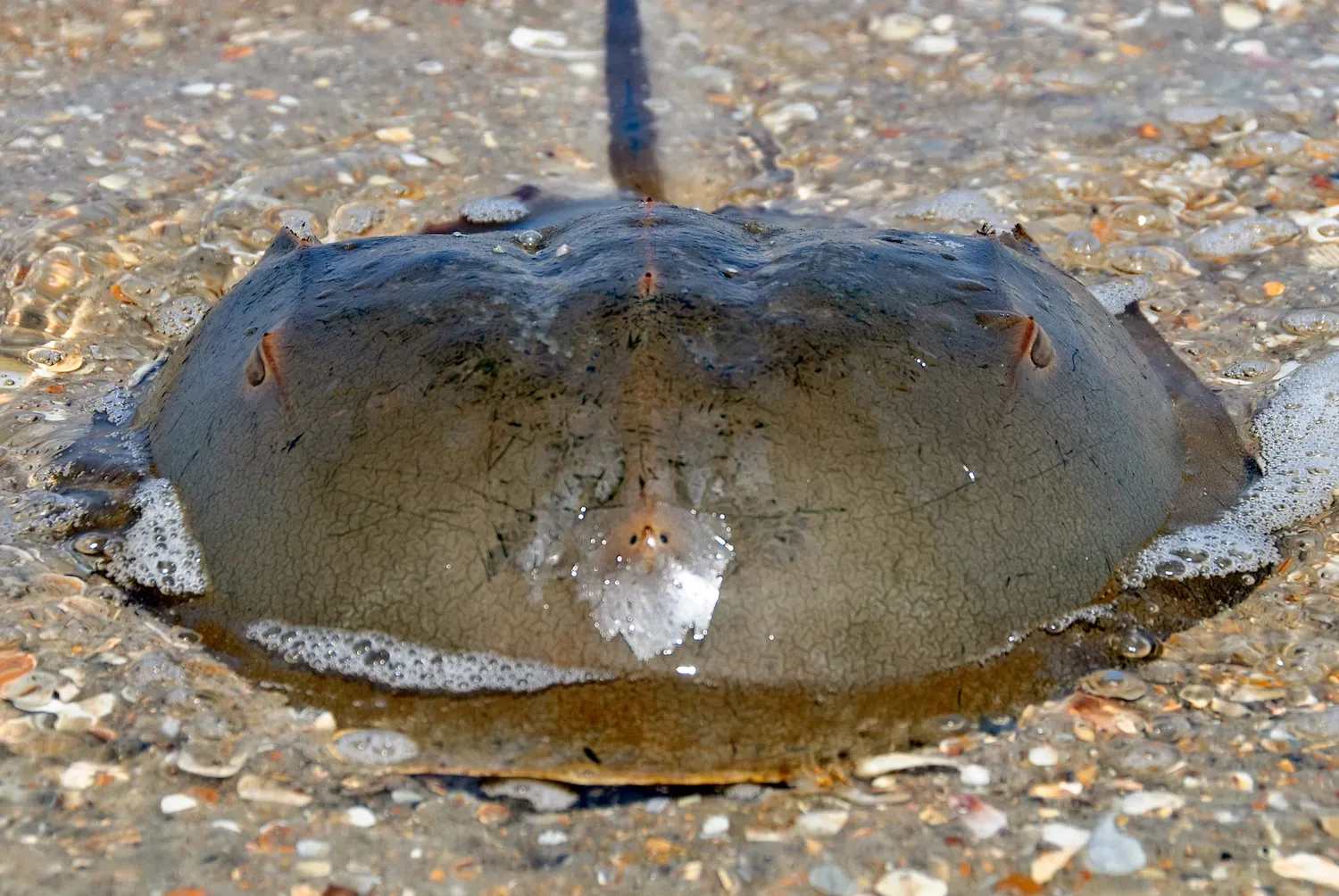
People love calling horseshoe crabs “living fossils,” but that label oversimplifies them in a way that does them a disservice. Fossils are frozen, dead snapshots. Horseshoe crabs are alive, adapting, and participating in modern ecosystems, even if they carry a very old blueprint. They have immune systems that fascinate medical researchers and strange blue blood that has become important in testing certain medical products.
Framing them as relics from a bygone age makes it easy to forget that they still face modern threats like coastal development, pollution, and overharvesting. Old design does not mean outdated. In fact, their persistence suggests that their version of “modern” is simply measured on a much longer timescale than ours. They are not museum pieces accidentally left in the present; they are long-term winners whose quiet success challenges our bias toward constant change.
What Horseshoe Crabs Teach Us About How Evolution Really Works
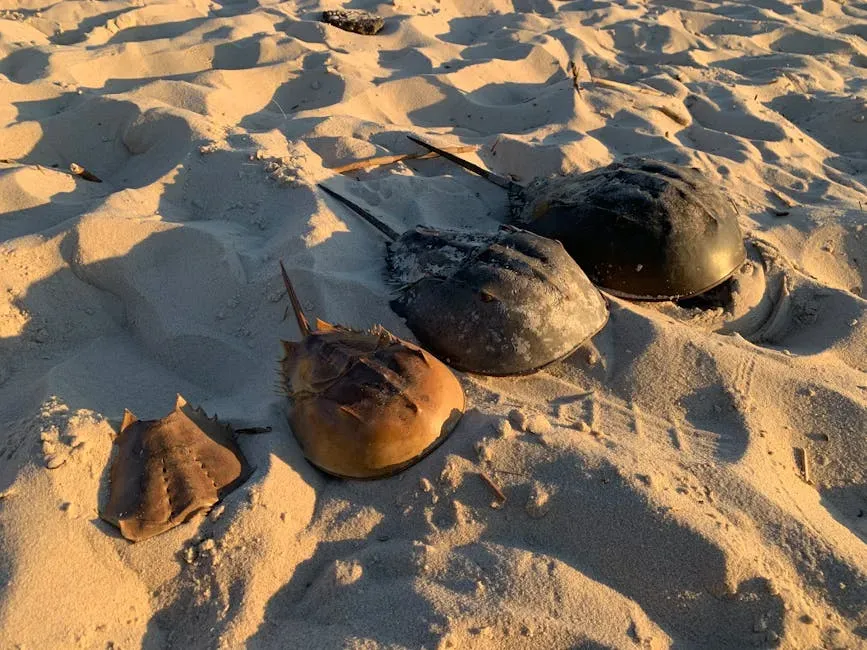
Horseshoe crabs blow up a common myth about evolution: that it is always driving toward more complexity or more dramatic transformation. In reality, evolution is about fit, not flash. If a certain design works across many conditions and continues to deliver survival and reproduction, natural selection will happily keep that pattern around with only minor refinements. Change is not a goal; it is a byproduct of pressure and opportunity.
In that sense, horseshoe crabs are like a control group for the history of life. While other lineages branched, crashed, and reinvented themselves in spectacular ways, these animals show what happens when a solution stays just right for the job. Their story is not that evolution left them alone out of neglect, but that evolutionary forces kept re-choosing the same answer because it kept passing the test. They are the slow, steady rebuttal to the idea that progress always means looking different.
Why Their Ancient Stability Matters in a Rapidly Changing World
Here is the uncomfortable twist: the same slow-change strategy that has worked for hundreds of millions of years may not protect horseshoe crabs from the rapid shocks humans are creating. Sea level rise, coastal armoring, light pollution on beaches, and industrial catches can change key parts of their world far faster than anything they have experienced across geological time. They are built to ride out tides and storms, not bulldozers and climate upheaval.
To me, that makes their story feel less like a quirky trivia fact and more like a warning. If a creature that has sailed through multiple mass extinctions starts struggling under our watch, it says something damning about the speed and scale of our impact. Their ancient body plan has been more than good enough for almost unfathomable stretches of time. If it stops being good enough now, the problem is not them – it is us.
Conclusion: Evolution Did Not Ignore the Horseshoe Crab, It Endorsed It
I think the most honest way to read the horseshoe crab’s record is not as a sign that evolution forgot to update them, but as repeated evidence that nature kept voting for the same design. Across oceans that came and went, predators that rose and fell, and climates that swung between extremes, this armored, slow-moving crawler kept meeting the moment. That is not evolutionary laziness; that is evolutionary approval at a scale we rarely see so clearly.
In a world obsessed with novelty and reinvention, there is something quietly radical about a creature that has been saying “this works” for hundreds of millions of years and backing it up with survival. Their story makes me far less impressed by constant change for its own sake, and far more impressed by deep, durable fit between a body and a world. Maybe the real question is not why evolution left the horseshoe crab alone, but why we struggle to respect a design good enough to last longer than mountains. Did you ever expect the most stubbornly ancient animal on the beach to be this modern a lesson?