
Imagine bumping into one of your own ancestors on an African savanna a few million years ago. They would have walked on two legs like you, but their head would have held a brain closer in size to a chimp’s than a modern human’s. That gap between upright walking and big-brain thinking is one of the strangest, most fascinating twists in our evolutionary story.
We often assume intelligence came first, that our brains dragged our bodies up onto two legs in some grand march toward progress. In reality, the fossil record tells a very different tale: long before our ancestors were clever enough to imagine the future or write down the past, they were already standing tall, striding across open landscapes. Understanding that sequence – first biped, then brainy – completely changes how we think about what actually made us human.
The Surprising Timeline: Walking First, Thinking Later
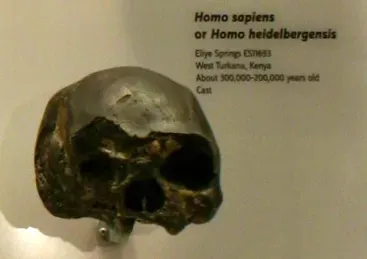
The single most shocking thing about early human evolution is the timing. Our lineage seems to have adopted habitual bipedalism several million years before anything resembling a modern human brain appeared. In other words, we were walkers long before we were thinkers in the way we usually define it. That alone kills the neat, comforting idea of a straight, upward line from ape to genius.
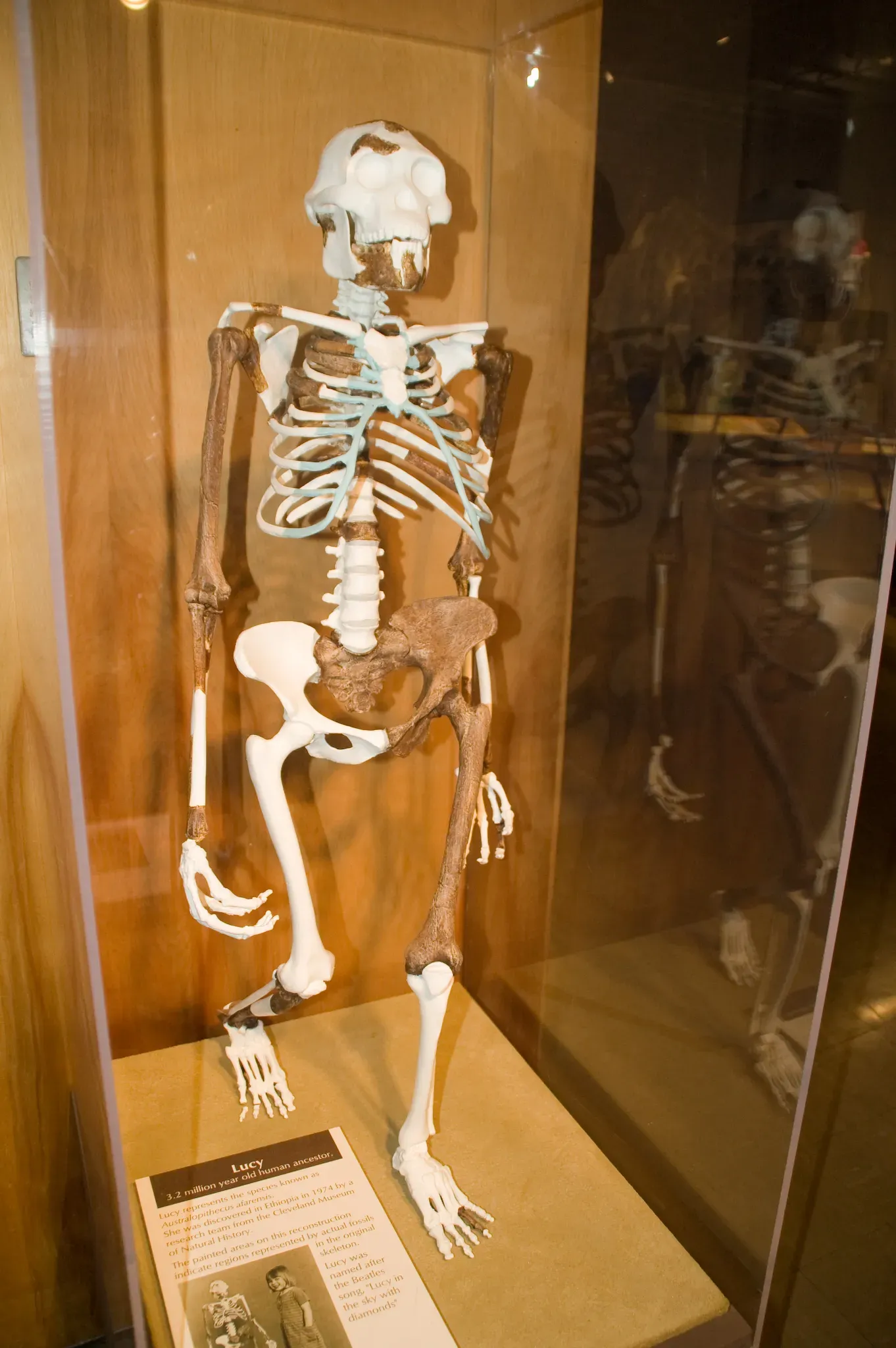
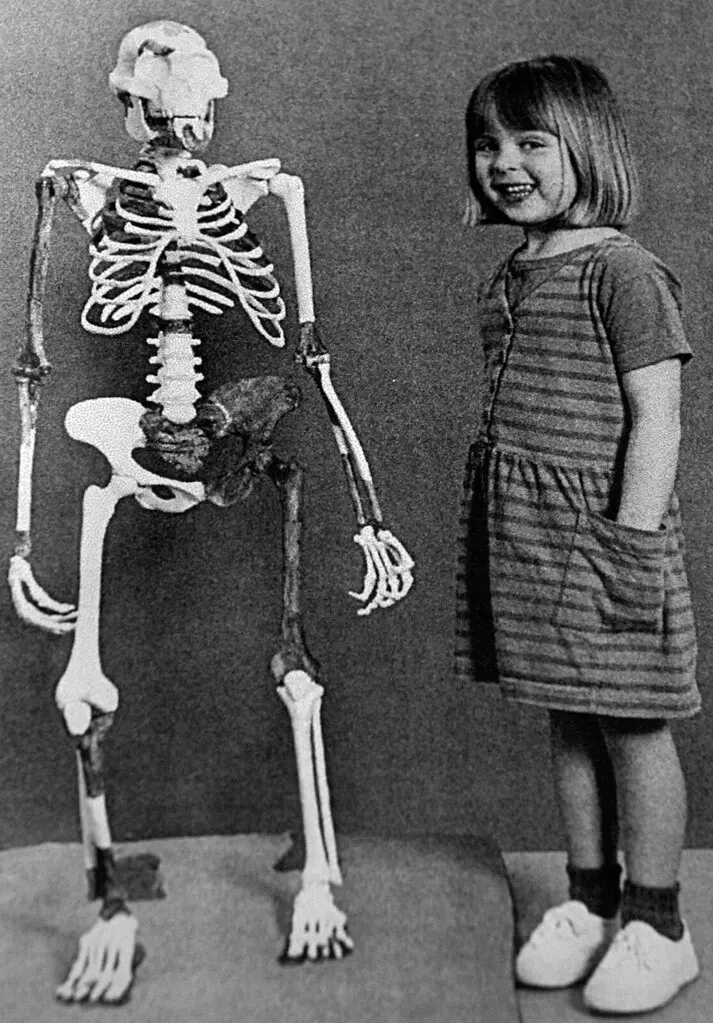
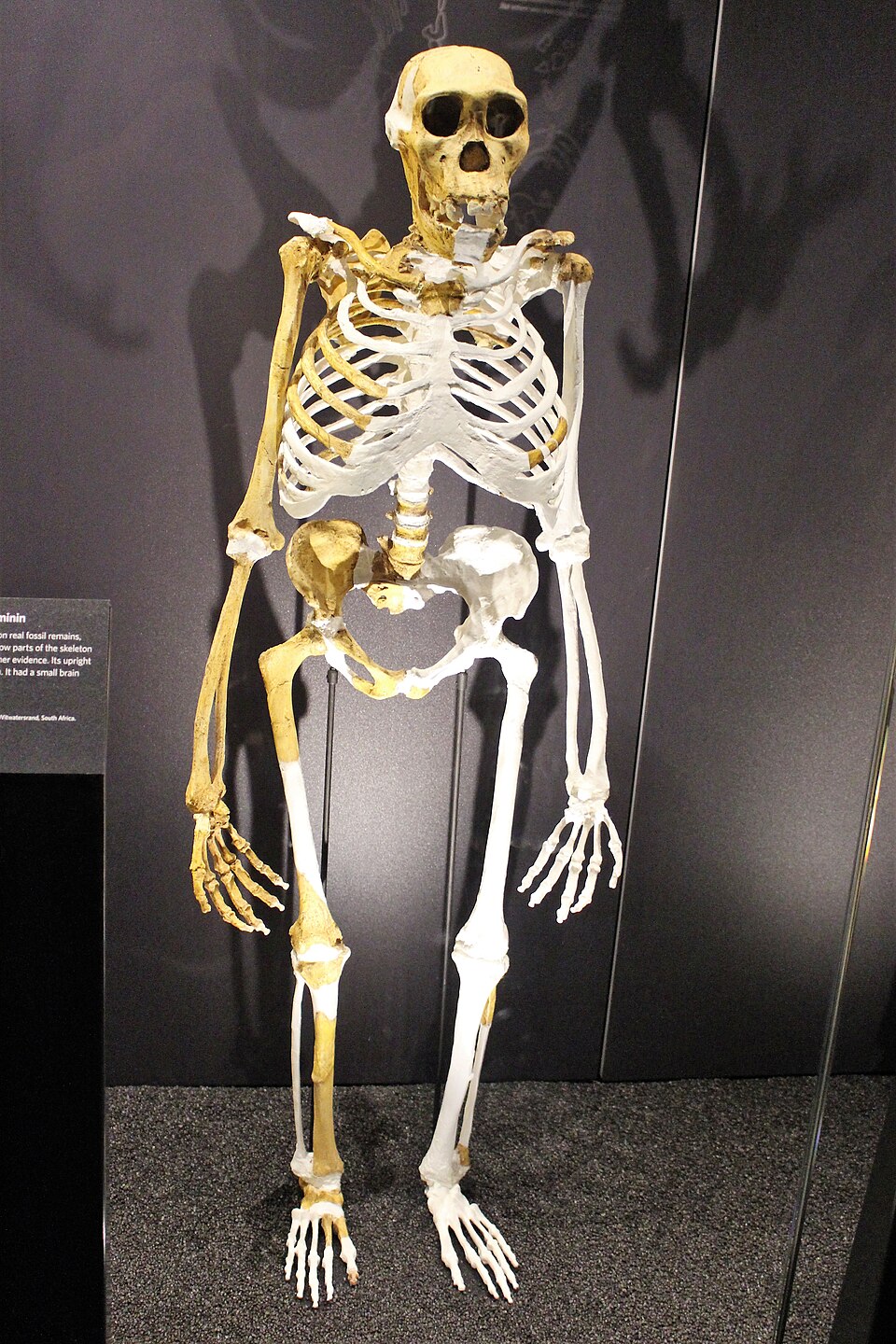
Fossils from species like Australopithecus show a mix of traits: hips and legs clearly adapted for upright walking, paired with skulls that still housed small, ape-like brains. These bodies were already committed to life on two legs, yet cognitively they were far closer to nonhuman primates than to us. When you see that mismatch laid out in bones, you realize that evolution is less like a ladder and more like a chaotic branching bush full of half-measures and experiments.
Fossils That Changed Everything: Lucy and Her Relatives
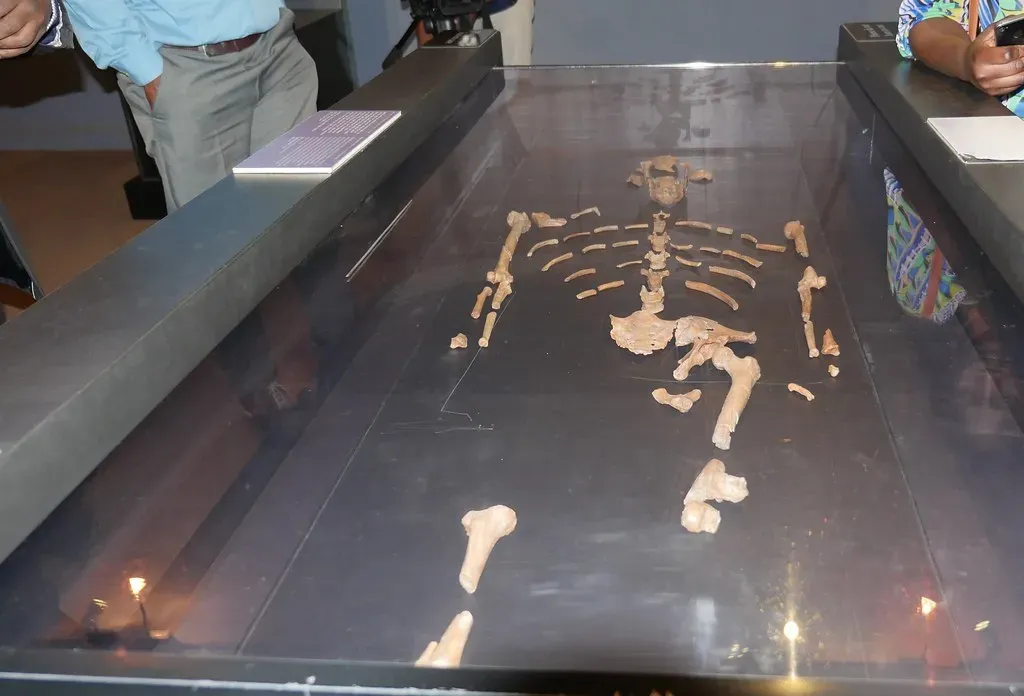
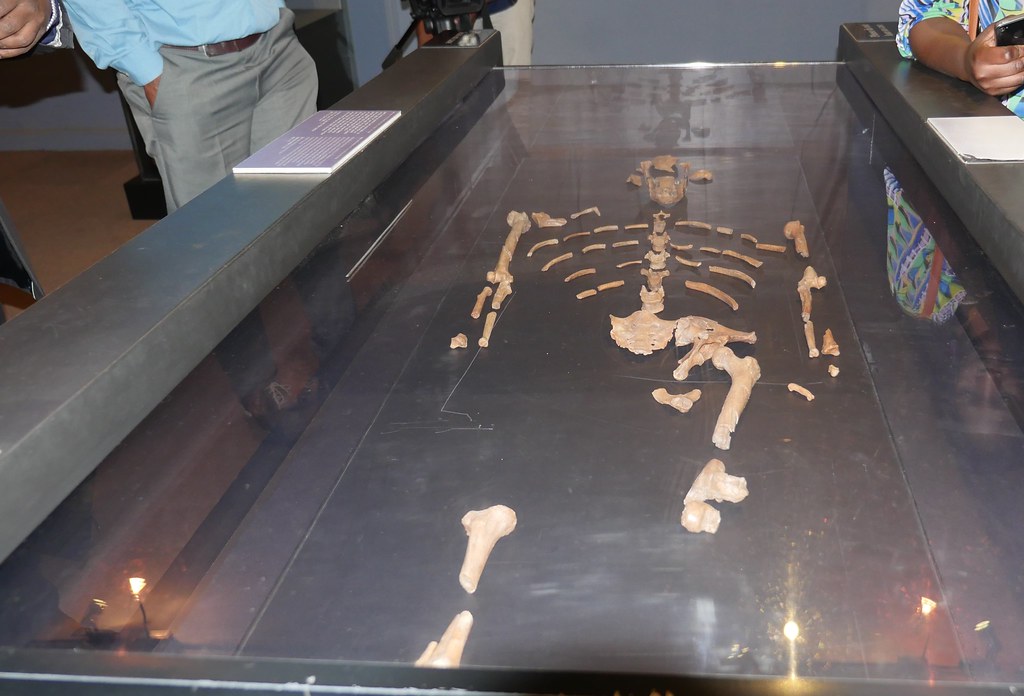
If there’s a single fossil celebrity that rewrote the story, it’s “Lucy,” an Australopithecus afarensis individual discovered in Ethiopia in the 1970s. Her pelvis, leg bones, and the angle of her knees all scream upright walker, not occasional biped. She lived over three million years ago, yet her brain size still sat in a range we’d comfortably call small, roughly in line with some modern great apes. Her skeleton made it impossible to keep believing that big brains and bipedalism emerged together.
Since Lucy, other finds from East and South Africa have filled in the picture: different australopithecine species with short bodies, long arms, and clear adaptations for walking upright. Their skulls tell the same story over and over: the face and braincase look primitive, but the lower body shows a creature that had committed to two-legged locomotion. Every new skeleton like this felt like another vote for the idea that our ancestors walked tall long before they thought big.
Feet, Hips, and Spines: The Blueprint of a Two-Legged Ancestor
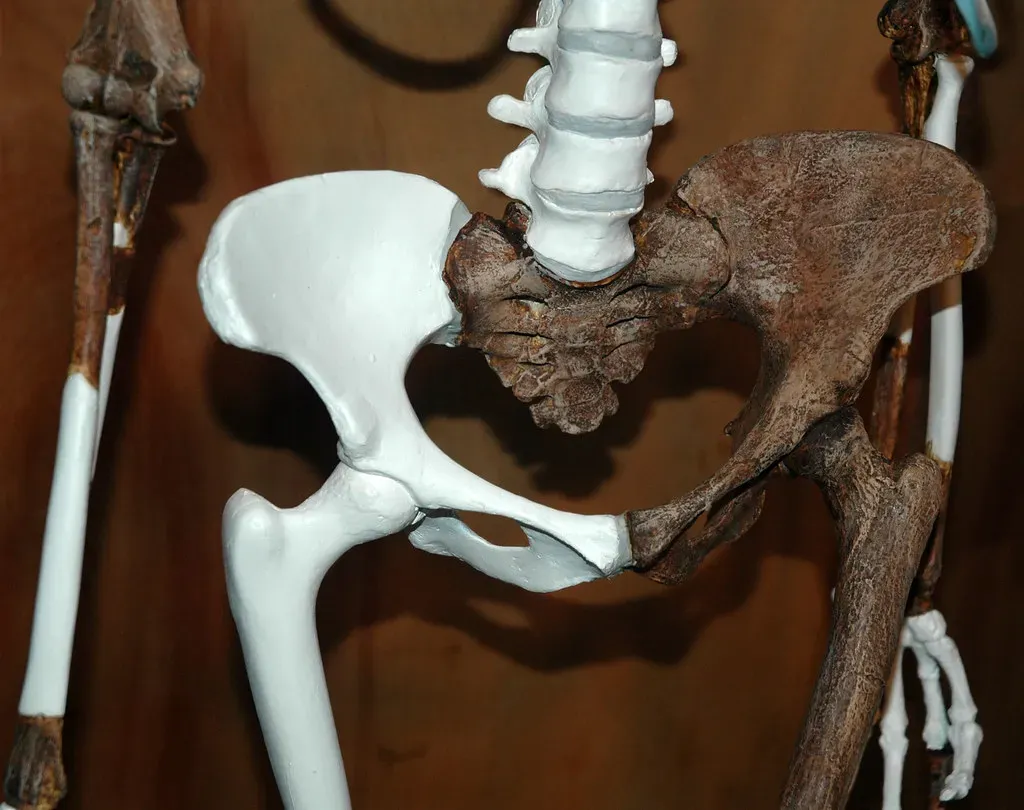
When you strip away the romance, walking upright is brutal engineering. To balance on two feet, your spine has to curve just right, your pelvis must support your internal organs, and your legs need to act as shock absorbers with each step. Early human ancestors show these adjustments clearly: a bowl-shaped pelvis, angled thigh bones that bring the knees under the body, and joint surfaces shaped to handle constant impact from bipedal strides.
The feet might be the most underrated stars of this story. Ancient footprints and fossilized foot bones reveal a strong, aligned big toe and arches capable of springing the body forward, unlike the grasping, hand-like feet of tree-dwelling apes. Put together, hips, knees, and feet in these small-brained ancestors look like a carefully tuned machine for walking long distances. Their heads were still catching up, but from the neck down, they were already remarkably human-like in function.
Why Stand Up? The Evolutionary Payoff of Walking on Two Legs
So why did our ancestors bother to stand up in the first place? One leading idea is efficiency: walking on two legs over long distances seems to use less energy than knuckle-walking when done by a body built for it. In a world where food and water might be scattered across large areas, saving energy with each step could mean the difference between life and death. Bipedalism might have begun as a way to stretch every calorie just a bit further.
There are other likely benefits too. Standing taller lifts the eyes higher, which probably helped in spotting predators or distant resources on more open landscapes. Freeing the hands would have allowed our ancestors to carry food, infants, or useful objects over distance. Even if early tooluse was still simple, the ability to move with something in your hands – instead of always needing them for support on the ground – opened a door evolution could later push wide open once brains started to grow.
Small Brains, Big Lives: How These Ancestors Actually Lived
It’s easy to underestimate a creature with a small brain, but that’s a modern bias. Early upright ancestors likely had rich, complicated lives shaped by social bonds, survival challenges, and constant movement. They might have nested in trees at night for safety while spending their days traveling on two feet to forage, search for water, and avoid predators. Bipedalism didn’t mean they suddenly abandoned climbing; it just added a new primary mode of getting around on the ground.
Socially, these ancestors almost certainly depended on group living. Moving on two legs makes you more visible in open environments, which is helpful for seeing threats but also makes you easier to spot. Living in groups would have allowed shared vigilance and mutual defense. Even with smaller brains, cooperation, communication through sounds and gestures, and basic problem-solving would have been absolutely central to survival. We tend to romanticize intellect, but their main genius was simply staying alive in harsh conditions for countless generations.
From a personal standpoint, I find that humbling. When I complain about walking a few extra blocks, I try to picture ancestors crossing rough ground on sore feet, carrying a child or a bundle of food, with zero certainty they would reach shelter by night. Their daily grind, powered by modest brains and determined bodies, laid the foundation for everything we now call civilization. They were not failed humans in the making – they were successful beings in their own right.
From Walker to Thinker: How Upright Gait Set the Stage for Big Brains
Bipedalism did more than change how our ancestors moved; it reshaped the opportunities available to their descendants. Free hands, efficient locomotion, and changes in body structure likely influenced diet, social behavior, and even how infants were born and cared for. Over time, these shifts probably created pressures that rewarded slightly better memory, planning, and coordination, nudging brains to expand step by step. The body’s transformation laid down the runway long before the intellectual takeoff began.
There is a powerful irony here. We tend to worship human intelligence as the trait that defines us, but it was a more basic adjustment – how we walk – that may have made larger brains feasible. Better energy savings, new ways to gather and share resources, and increasingly complex group interactions likely turned bigger, more demanding brains from a costly burden into a real advantage. In that sense, every step you take today is a quiet echo of a decision nature made millions of years ago to try something new: balancing on two legs and betting that the future would reward the creatures bold enough to stand.
Conclusion: Rethinking What Really Made Us Human
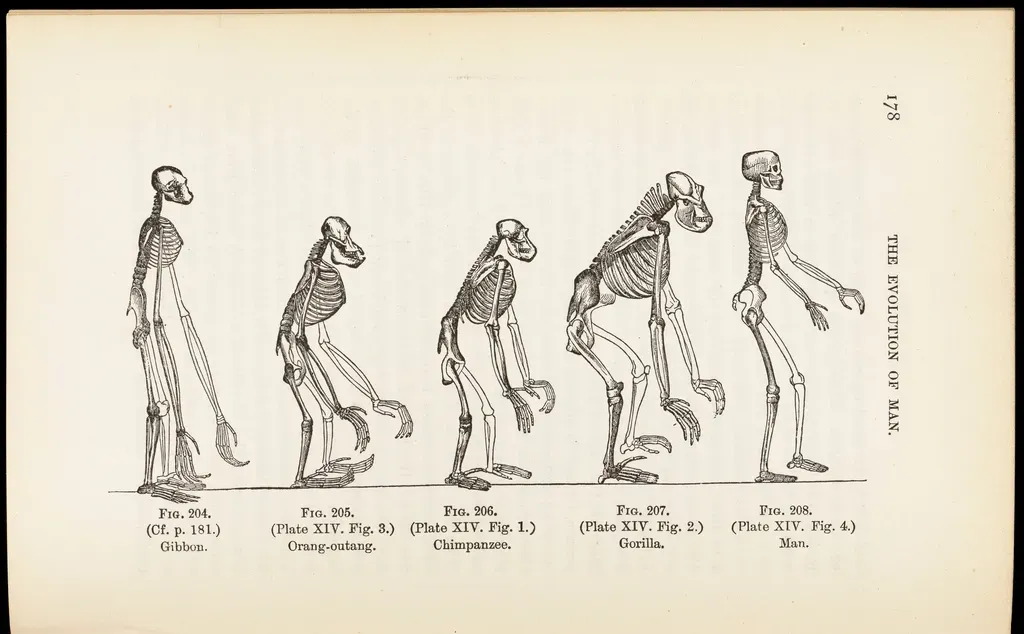
When you lay the timeline out honestly, it’s hard to escape a provocative conclusion: our humanity did not start in the skull, it started in the skeleton. The first truly human thing about us was not our language, our art, or our technology, but the simple, radical act of standing up and walking. Big brains came later, riding on the backs of ancestors who had already paid the price for that transformation in aching joints, tricky births, and constant exposure in open terrain. We owe them more than we usually admit.
In my view, this flips the usual story of human greatness on its head. Instead of seeing ourselves as the end point of a march toward intelligence, it makes more sense to see us as the latest version of a long-running experiment in how to move, survive, and cooperate on a changing planet. Upright walking was the risky bet; big brains were the bonus that followed. The next time you catch yourself daydreaming while strolling down a sidewalk, ask yourself: would those early walkers, with their small brains and enormous challenges, recognize anything of themselves in you – or is it you who should be trying harder to recognize them?