When you think about surviving the Ice Age, your mind probably jumps to woolly mammoths or saber-toothed cats. Those massive creatures tend to steal the spotlight. Yet beneath the frozen surface of those ancient landscapes, something far more remarkable was happening: plants were clinging to life in conditions that seem almost impossible today.
These weren’t just isolated survivors huddled in warm pockets. Vast regions remained ice-free and supported resilient plant life, creating ancient ecosystems that sustained megafauna like the woolly mammoth. The story of how vegetation endured brutal cold, punishing aridity, and hostile climates is one that rarely gets told. So let’s dive in and discover what these silent heroes accomplished.
The Mammoth Steppe: A Lost World of Grass and Ice
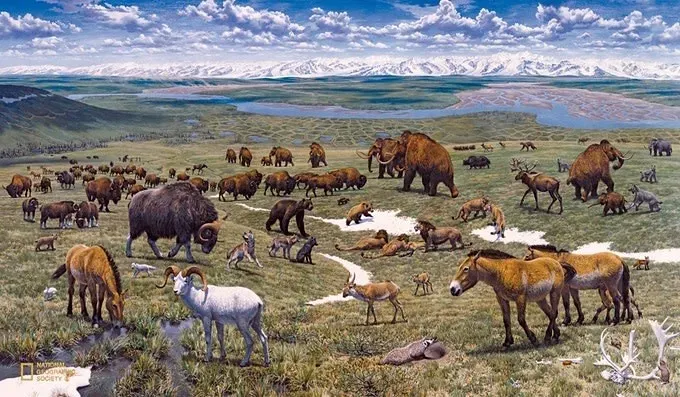
Picture this: a seemingly endless grassland stretching from Europe across Asia and into North America. Not lush green meadows, mind you, but something altogether stranger. The mammoth steppe was a vast biome that was not a simple grassland but a complex community of grasses, sedges, and a high proportion of herbaceous flowering plants known as forbs.
Here’s the thing most people don’t realize. The overall cold temperatures in an Ice Age world reduced significantly the evaporation of water from the oceans, resulting in a drier atmosphere and lack of precipitation on large areas of the continents. This meant plants weren’t just fighting cold temperatures. They were battling dehydration in a frozen desert, if you can wrap your head around that paradox.
Master Adaptations: Growing Low and Staying Fuzzy
You might wonder how any plant could possibly thrive under such conditions. Let’s be real: most modern plants would die within days. Many species adopted a low, cushion-like growth form, pressing against the ground, which helped them escape abrasive winds and trapped solar heat, creating a warmer microclimate within the plant’s dense foliage.
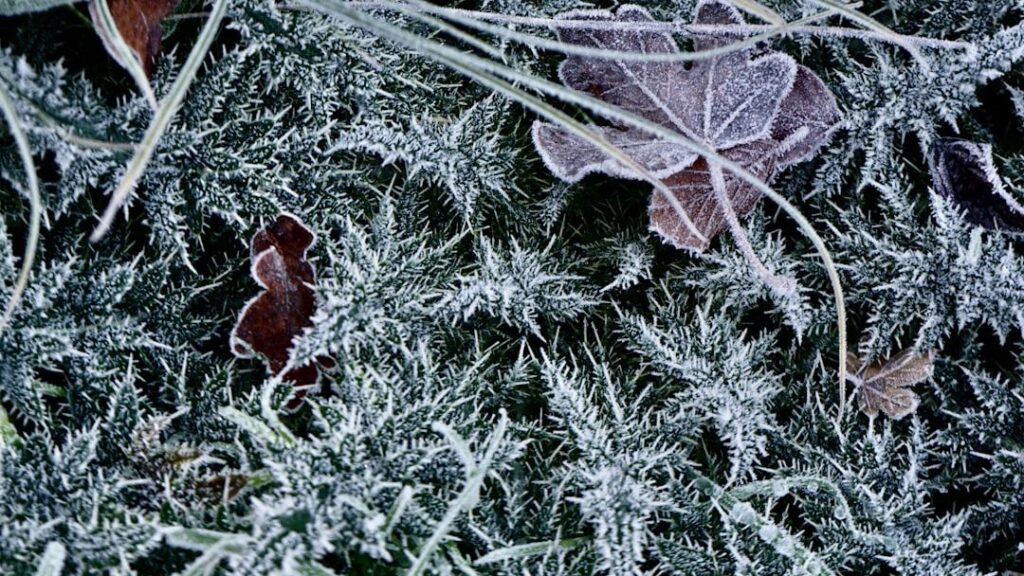
Think of it like nature’s own insulation system. To further combat the cold and reduce water loss, many plants developed fine, hair-like structures on their leaves and stems that served as insulation, trapping a boundary of still air that slowed heat loss. Honestly, it’s hard to say for sure just how effective these tiny hairs were in the harshest blizzards, but the evidence suggests they made all the difference.
Roots, Rhizomes, and the Permafrost Challenge
Now imagine trying to put down roots when the ground beneath you is frozen solid year-round. Plants evolved strategies to cope with permanently frozen ground, with most developing shallow root systems that spread horizontally through the thin layer of seasonally thawed soil. That narrow window of thawed earth was their only chance.
Many species survived winters as dormant underground structures like roots and rhizomes. They essentially hit pause during the worst months, waiting for any hint of warmth to emerge again. It’s one of those survival strategies that sounds simple until you realize how perfectly timed it needed to be.
The Incredible Seed Bank Locked in Ice
Here’s where things get truly astonishing. A remarkable feature of many Ice Age plants was the longevity of their seeds, which encased in the permafrost could remain viable for tens of thousands of years, ensuring that if a local population was wiped out, it could germinate later when conditions became favorable.
Russian scientists recovered immature fruit tissue of the narrow-leafed campion from a fossilized squirrel burrow buried deep in the Siberian permafrost, successfully growing living, fertile plants from this ancient material that produced flowers and their own viable seeds. We’re talking about a plant that was frozen for over thirty thousand years suddenly coming back to life. Did you expect that?
Hidden Refugia: Safe Havens in a Frozen World
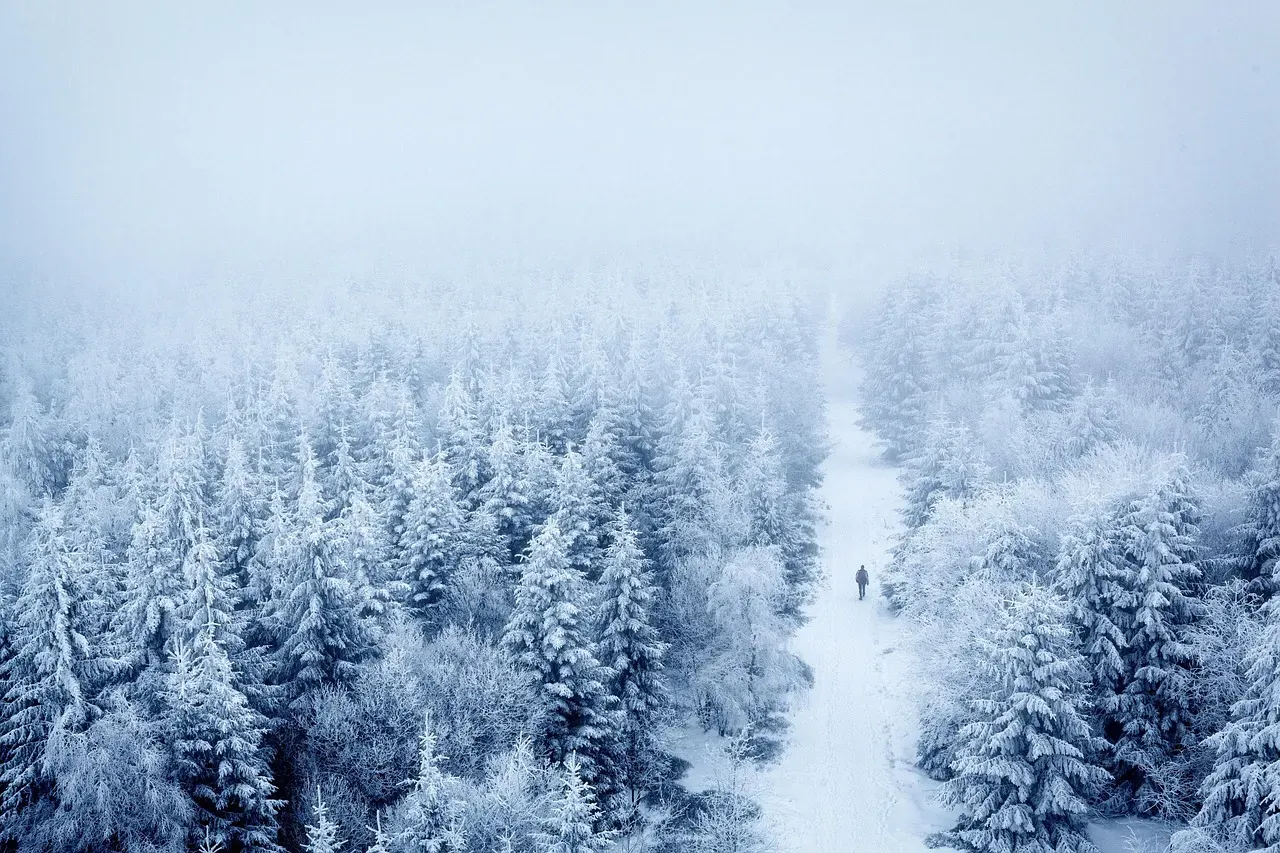
Not all plants survived by adapting to the cold. Some got lucky with geography. Trees probably survived in small ice-free refugia known to have existed in western Scandinavia. These refugia were like botanical lifeboats scattered across the frozen landscape.
Analysis of ancient DNA found evidence that conifer trees like pine and spruce were alive and well in Norway as early as twenty thousand years ago. The fascinating part? These populations were so small that traditional methods like pollen analysis completely missed them. Only modern genetic techniques revealed their secret survival.
When Warm Met Cold: The Bizarre Biodiversity
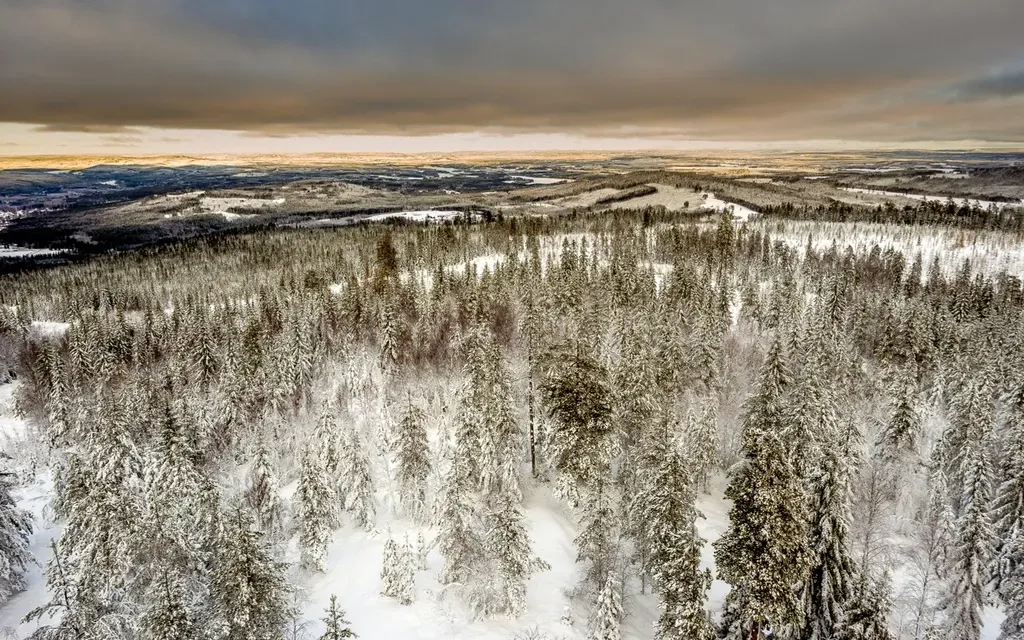
The Ice Age plant communities were nothing like what exists today. Pollen grains of Pine, Spruce, Birch, Willow and Alder indicated spots of forest existed, with trees that can tolerate snow or low temperatures growing in part under dry conditions and in part under humid conditions, though it is unlikely all these plants grew directly on one spot.
What you had was essentially species from completely different modern habitats living side by side. Species of warm and dry habitats did coexist with species of cold and humid habitats, resulting in a plant community with a uniquely rich biodiversity. It was a botanical mishmash that shouldn’t have worked, yet somehow it did.
The Sun’s Secret Advantage

There’s another twist to this story that most people overlook. During the Ice Age the mammoth steppe spread until forty-five degrees north, where the sun climbs much higher above the horizon and the insolation is more intense, allowing photosynthetic activity to be more productive and plants to grow well despite cold temperatures.
Location mattered immensely. Reduced snow cover during winter time was crucial because snow inhibits photosynthesis and therefore limits plant growth. The drier conditions actually helped plants in this regard, giving them precious sunlight during the brief growing season.
Phenology and Timing: The Ultimate Survival Skill
Perhaps the most critical adaptation wasn’t physical at all. The timing of spring activity and autumnal senescence defined the actual length of the growing season, with phenology timing in spring preventing the exposure of active, vulnerable tissue to damaging low temperatures.
Plants adapted to cold climates must be able to complete their seasonal life cycle within the time frame set by phenology controls. Getting the timing wrong meant death. Get it right, and you survived another year. The margin for error was razor thin, making this biological clock one of the most remarkable evolutionary achievements of Ice Age flora.
Conclusion
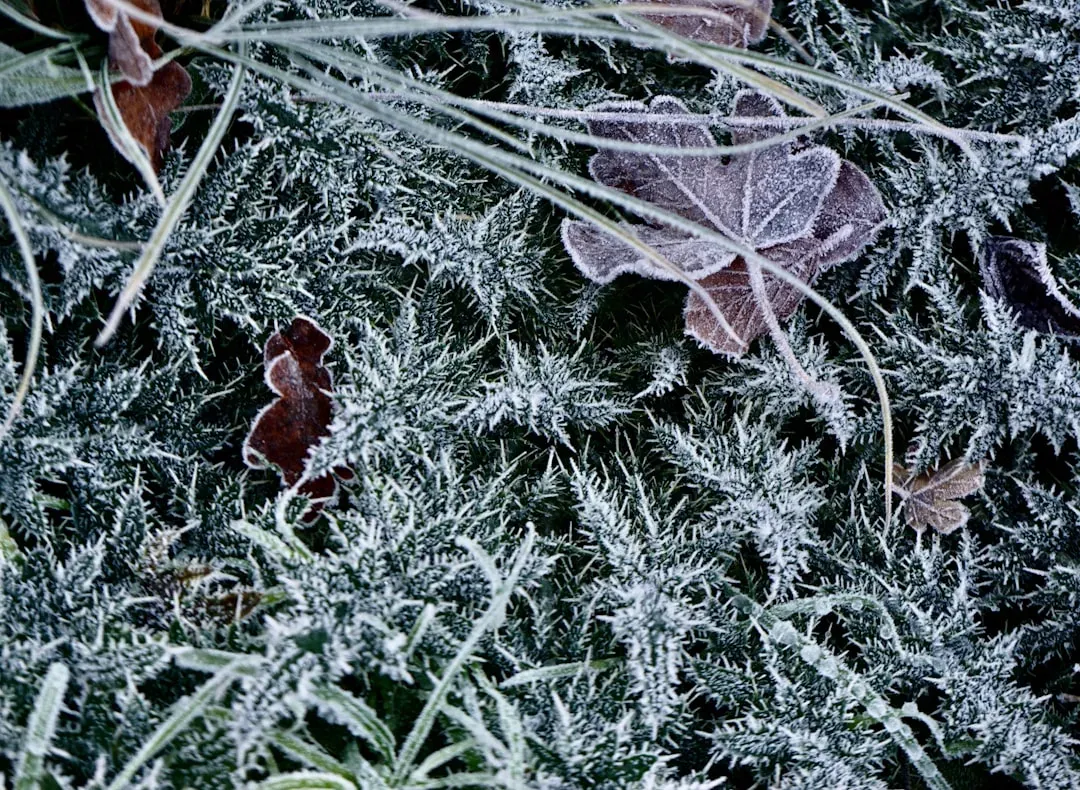
The story of how plants survived the Ice Age challenges everything we thought we knew about life’s limits. These weren’t just passive survivors clinging to existence. They were dynamic, adaptable organisms that found ingenious ways to thrive in conditions we’d consider uninhabitable.
From cushion-like growth forms to seeds that remained viable for millennia, from hidden refugia to perfectly timed growing seasons, ancient plants deployed an arsenal of survival strategies that modern science is only beginning to fully appreciate. They transformed barren, frozen landscapes into ecosystems capable of supporting massive herds of megafauna. Without these unsung heroes, the Ice Age world as we understand it simply couldn’t have existed.
What do you think would happen to our current plant species if faced with similar extreme climate shifts? Tell us in the comments.