When you think of ancient Egypt, you probably picture pyramids, mummies, and golden masks and feel like you’ve reached the very beginning of history. But here’s the twist: by the time the Egyptians were building pyramids and carving hieroglyphs, a lot of the things they used, worshipped, or walked past every day were already old to them. Some of their “traditions” were, from their perspective, as distant in time as the Roman Empire is from us.
That realization bends your sense of time a little. We tend to bundle the entire ancient world into one fuzzy era, but for the Egyptians, their own past stretched back so far that they were restoring ruins, copying older texts they barely understood, and telling stories about mythical kings who might have lived thousands of years before. Let’s dig into what was – and why their obsession with the deep past feels weirdly familiar to our own love of nostalgia and heritage.
Stone Age Roots: Prehistoric Tools Older Than the Pharaohs
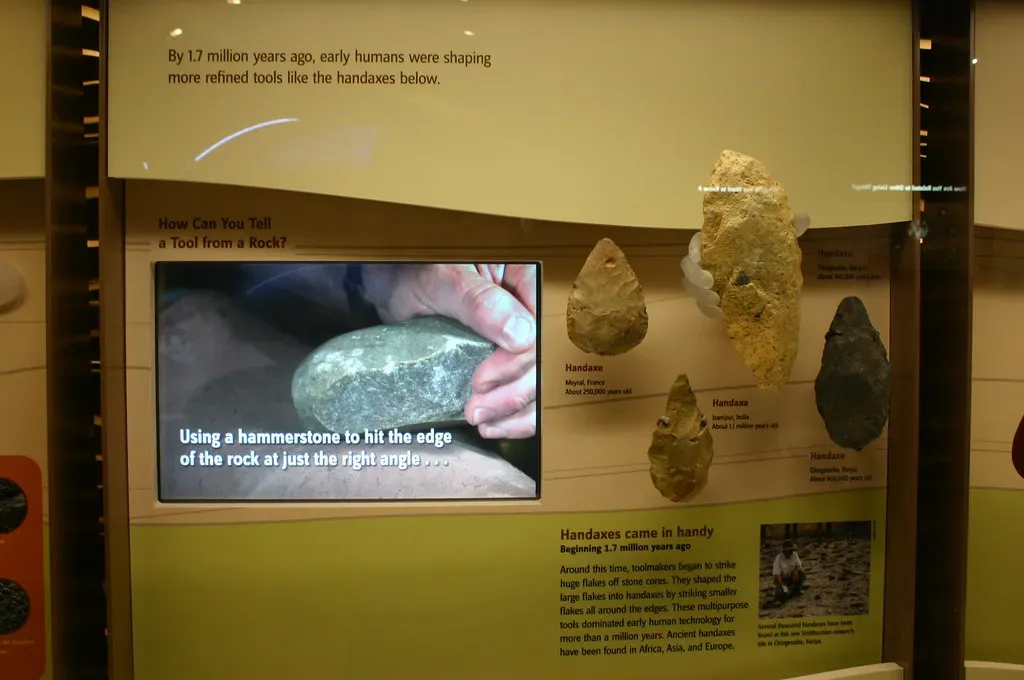
It’s almost shocking to realize that when early Egyptian kings were unifying the Nile Valley, they were walking over land littered with stone tools from people who lived thousands of years earlier. Long before pharaonic Egypt, communities along the Nile were crafting flint knives, scrapers, and points during the Paleolithic and Neolithic periods. By the time pyramid builders came along, many of these tools were already buried in older layers of soil, turning up occasionally like time capsules from a forgotten world.
Think about it like this: for an Egyptian scribe in, say, the New Kingdom, those stone tools were as far removed as painted caves in Europe feel to us today. Egyptians sometimes reused or repurposed these older objects without fully grasping their origin, much like modern farmers turning up ancient arrowheads while plowing fields. To them, these artifacts were mysterious leftovers from a hazy, pre-dynastic past that had no written record, just as prehistory sits at the edge of our own history books.
Naqada Culture and Tombs: “Old Kingdom” Before the Old Kingdom
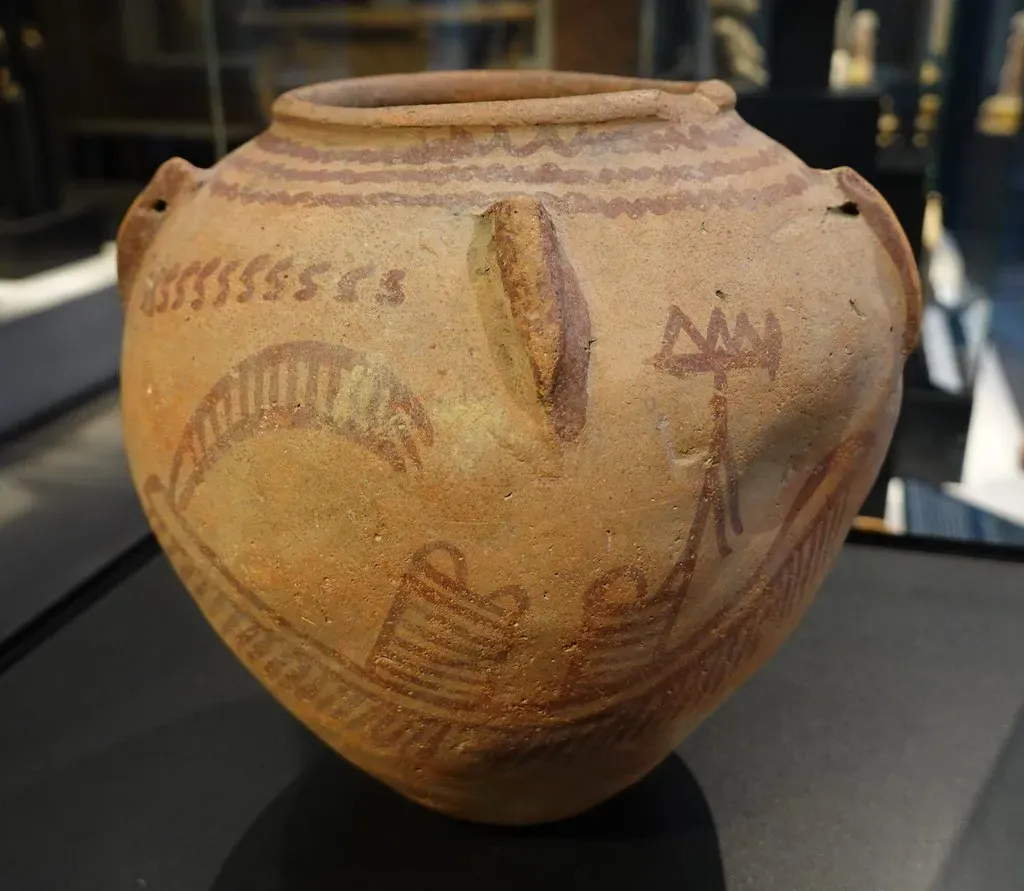
Before the rise of the famous pharaohs, there were the Naqada cultures of Upper Egypt, with their distinctive pottery, decorated palettes, and early forms of elite tombs. By the time the Egyptians were building massive stone pyramids in the Old Kingdom, many of these earlier burial grounds and artifacts were already centuries, sometimes a millennium, old. To later Egyptians, these sites represented a kind of mysterious prehistory where the outlines of kingship and ritual were just beginning to take shape.
Archaeologists today see a clear progression from Naqada-era elites to the first dynastic kings, but the Egyptians themselves often blurred that line. They reused some early cemeteries, added burials near older prestige tombs, and occasionally copied motifs that had fallen out of fashion long before. In a way, they were doing what we do when we “restore” a historic building: layering their own present on top of an already ancient past, while half-remembering or half-inventing the stories behind it.
Mythic Kings and the Shadowy Predynastic Past
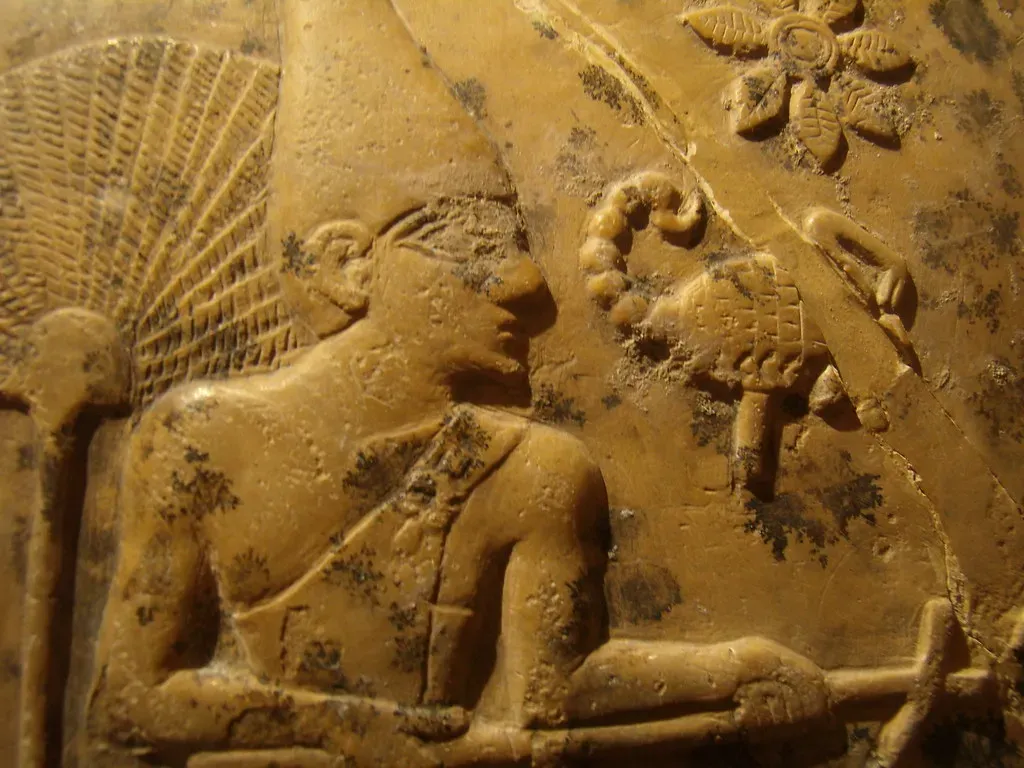
For ancient Egyptian priests and scribes, their own early history had already turned into legend. Lists of kings sometimes began with semi-mythical rulers and gods who supposedly governed Egypt long before human pharaohs. By the New Kingdom, when temple scribes were compiling these chronicles, even the first real dynasties were distant figures, wrapped in religious myth and symbolic meaning rather than clear historical memory.
Think of how we talk about figures like King Arthur or earliest city founders: there might be a historical core, but the stories are coated in layers of myth. The Egyptians treated some early kings in a similar way, blending them into tales about divine rule and cosmic order. For them, the oldest rulers were not just “old” politically; they lived in a semi-sacred, near-mythic era that shaped identity and ideology, even though the concrete details were already fading into the mists of time.
The First Pyramids: Ancient Ruins to Later Egyptians
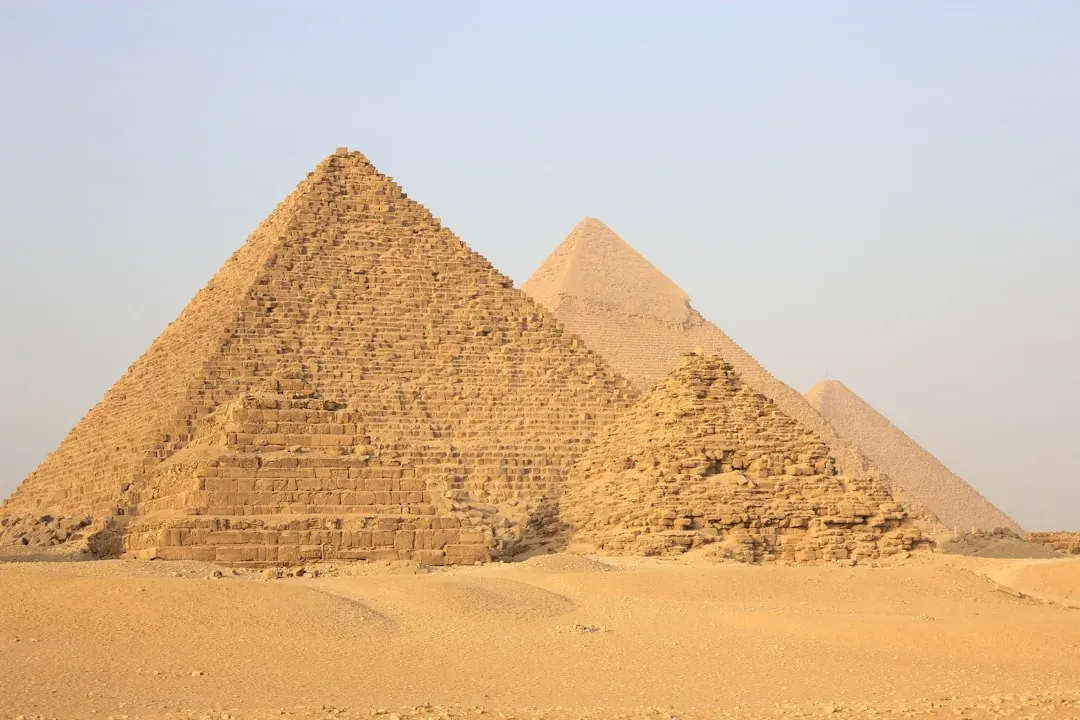
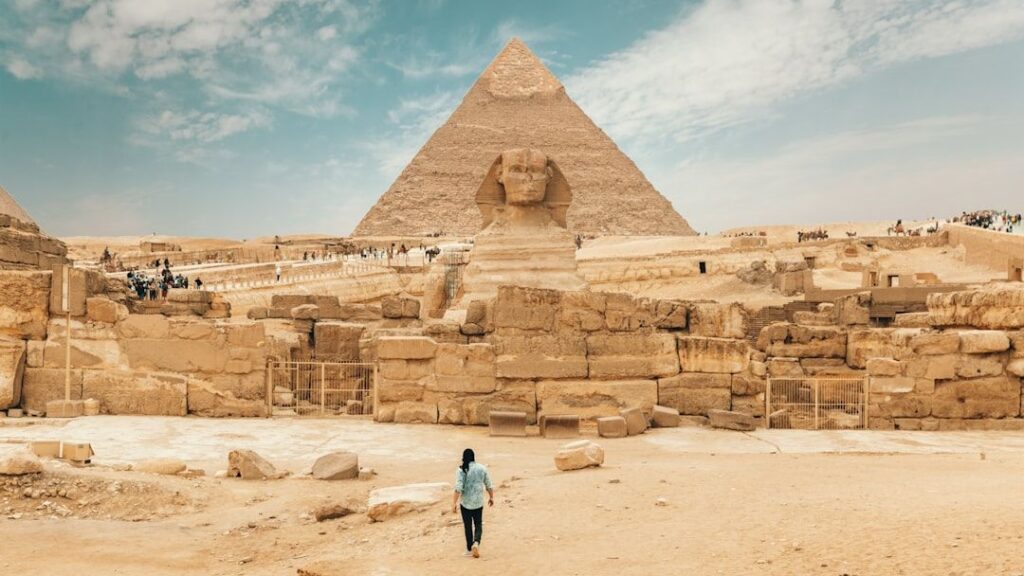
We tend to imagine the pyramids at Giza as the grand new monuments of ancient Egypt, but for a huge chunk of Egyptian history, they were already ancient. By the time of the New Kingdom, when pharaohs like Ramesses II were reigning, the great pyramids were roughly as old to them as the Parthenon and Roman Colosseum are to us today. They stood on the horizon as enormous stone relics from a glorious, remote age.
Later Egyptians visited, restored, and even inscribed these older monuments, treating them as sacred sites of pilgrimage and connection to their heroic forebears. Some temples built thousands of years after the pyramids still referenced the pyramid age as a golden time when kings communed more directly with the gods. To walk among those stones in the New Kingdom must have felt like stepping into a national origin story carved in limestone, with the weight of centuries pressing down on every block.
Obsession With “Old Style”: Archaism as Fashion and Power
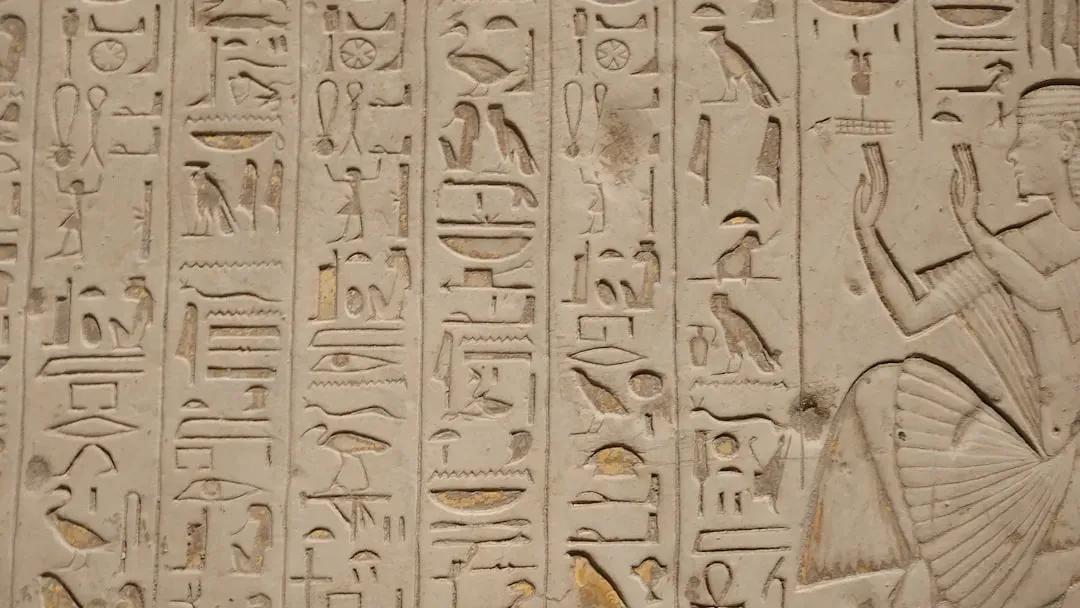
One of the most striking things about Egyptian culture is how often later periods deliberately copied much older styles. In some eras, scribes intentionally wrote in older forms of hieroglyphs and archaic language as a way to sound more authoritative and sacred. Sculptors carved statues in styles that were already centuries out of date, on purpose, to evoke a sense of earlier piety and cosmic stability. Archaism was not an accident; it was a political and religious tool.
In a strange way, this feels very modern. Think about how we revive “retro” aesthetics in design or fashion to signal authenticity or prestige. The Egyptians did exactly that, only on a grander, more spiritual scale. By adopting old visual styles, they were saying: we are the rightful heirs of this ancient, unbroken tradition. The fact that those styles were already antique in their own day only made them more powerful as symbols of continuity with a venerated past.
Sacred Texts Already Centuries Old When Copied
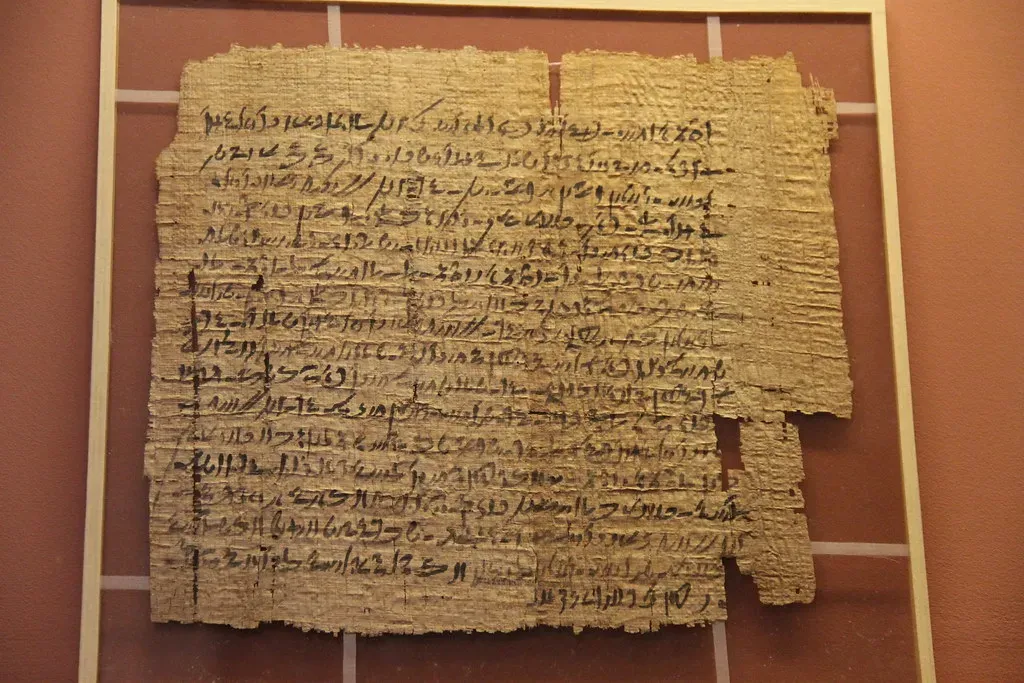
Religious texts in Egypt did not just appear once and vanish; they were recopied, adapted, and reinterpreted for centuries. By the time some versions of funerary texts, like the so-called “Book of the Dead” spells, were being written inside New Kingdom tombs, many of those spells drew on phrases and concepts that had already been used in much older Pyramid Texts and Coffin Texts. For the scribes, they were working with a body of sacred literature that was already venerable and layered with history.
This constant reworking of ancient words shows how deeply Egyptians valued continuity. They did not see age as a reason to discard beliefs; if anything, age made a text more authoritative. It is not so different from how people today still quote philosophical or religious works that are many centuries old to give weight to their ideas. In the Egyptian mindset, the farther back a formula or ritual could be traced, the closer it felt to the moment when the gods supposedly set the world in order.
Old Gods in a Changing Religious Landscape
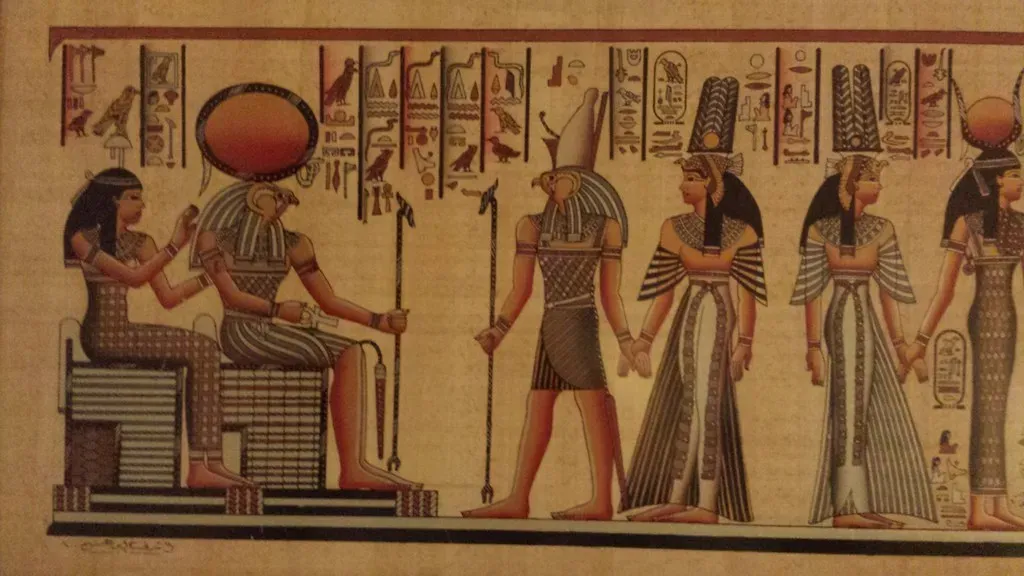
Even the gods that later Egyptians prayed to every day often had roots stretching back into very early, almost prehistoric belief systems. Some deities began as local spirits or protective figures from small communities along the Nile and were later absorbed into grand national cults. By the time sophisticated temple theology developed, a few of these gods were already unimaginably old within Egyptian memory, changing names, combining with other gods, and collecting new myths along the way.
At certain points, new religious centers rose to prominence, and older cults seemed to be overshadowed, only to be revived again with a fresh coat of archaism. This constant remix of ancient deities in changing political conditions gave Egyptians the sense that their religion was both timeless and flexible. They could claim that their most important gods had always been there, anchoring society through countless generations, even though the way people worshipped them kept evolving. In many ways, the gods were Egypt’s oldest living heritage, always ancient yet constantly being reinvented.
Conclusion: A Civilization Living Inside Its Own Deep Past
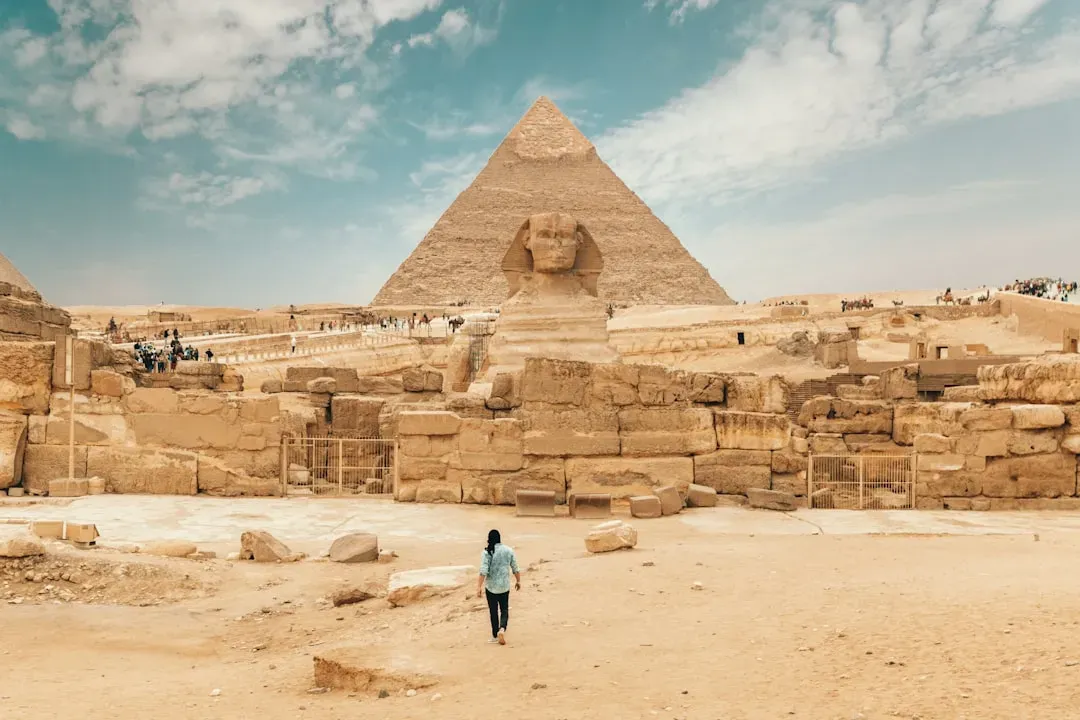
When you zoom out and look at the whole sweep of Egyptian history, you stop seeing it as a single “ancient” moment and start seeing a culture that spent millennia living with its own ruins, legends, and inherited rituals. For most Egyptians, their present was full of things that were already old, already revered, and already half-remembered. They walked through landscapes layered with previous lives, restored monuments that were older than their entire known history, and read texts that had been handed down through more generations than they could easily count.
Personally, I think that is what makes Egypt feel strangely close to us: they were nostalgic, conservative in some ways, and yet constantly editing the past to serve the present, just like we do. They treated age as a source of authority and comfort, even when the details were fuzzy, and they wrapped themselves in the mantle of eras that must have felt impossibly distant. The next time you see a pyramid or a statue in a museum, it is worth asking: to the people who last used this, what was already ancient, and what will feel ancient about our own world a few thousand years from now?