If you could step out of a time machine into the Jurassic Period, you’d feel small in a way that is almost impossible to imagine today. You would be surrounded by some of the largest land animals that ever walked the Earth, living in lush landscapes that could feel more like an alien world than your own planet. Yet, the more you learn about this time, the more you realize it set the stage for much of life as you know it now.
In this golden age of terrestrial giants, size was not just a spectacle; it was a survival strategy shaped by climate, vegetation, and evolutionary arms races. As you explore what made the Jurassic so special, you start to see patterns that echo through modern ecosystems on a much smaller scale. It is a reminder that Earth has already hosted worlds very different from the one you live in – and that your planet is capable of astonishing change.
You Step Into A World Built For Giants
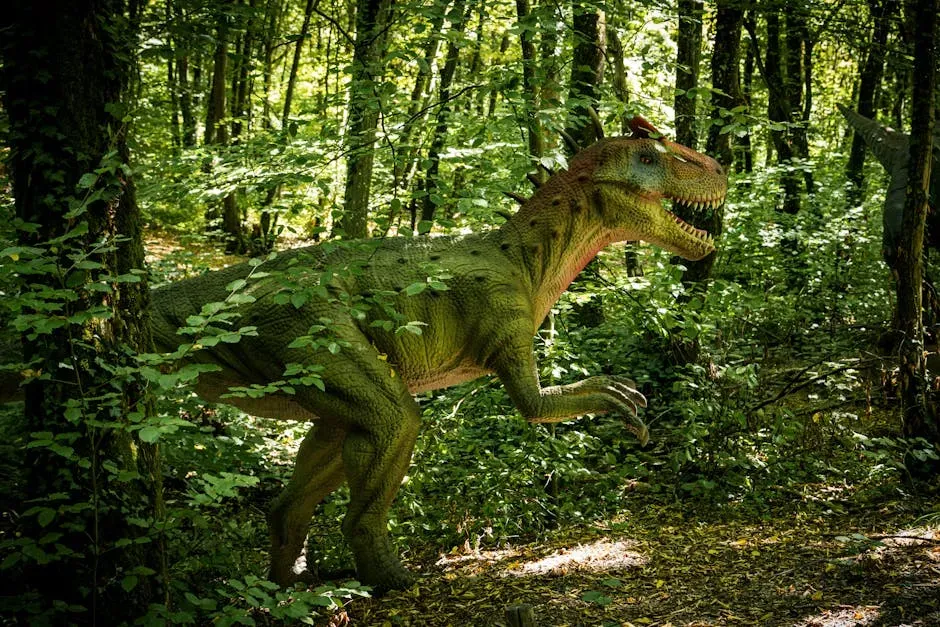
Imagine standing in a warm, humid valley where the air feels thick and the plants around you grow taller than buildings. During much of the Jurassic, the climate was generally warmer than today and there were no polar ice caps, which meant higher sea levels and more stable, mild conditions across huge parts of the globe. You would see vast conifer forests, tree ferns, and horsetails forming dense, towering vegetation that could support giant plant-eating animals on land. The world felt more greenhouse than icehouse, and that steady warmth gave ecosystems a long runway to evolve in dramatic ways.
In this kind of environment, large bodies were not a disadvantage; they were a ticket to success. When you have abundant plants growing year-round, being enormous helps you reach high foliage, store energy, and move long distances in search of food and water. You can think of the Jurassic as nature turning the dial on “bigger” and keeping it there for millions of years. If you walked through these landscapes, you would constantly crane your neck upward – at the trees, at the animals, and even at the strange, towering footprints they left behind.
You Meet The Long-Necked Titans Of The Jurassic
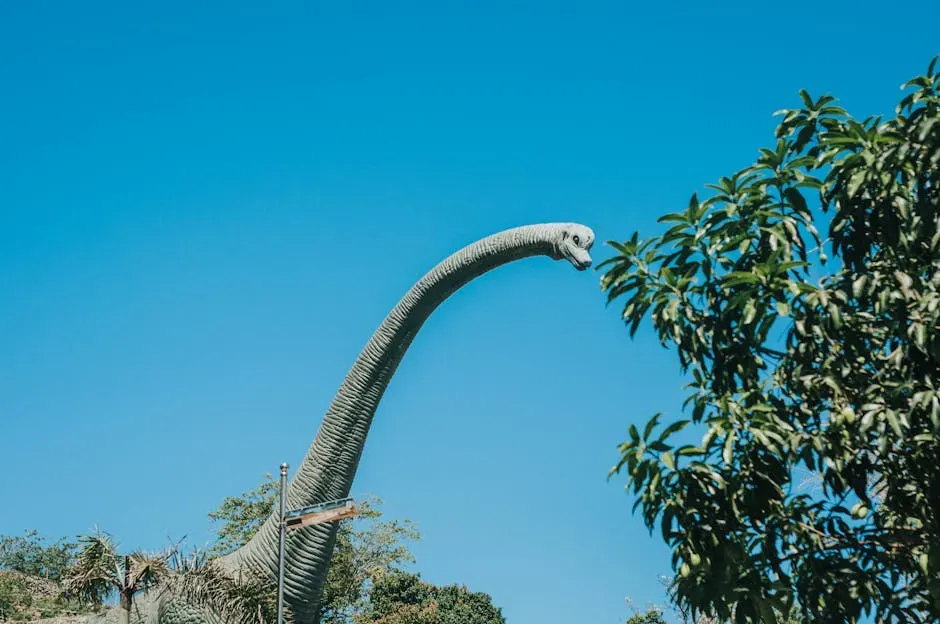
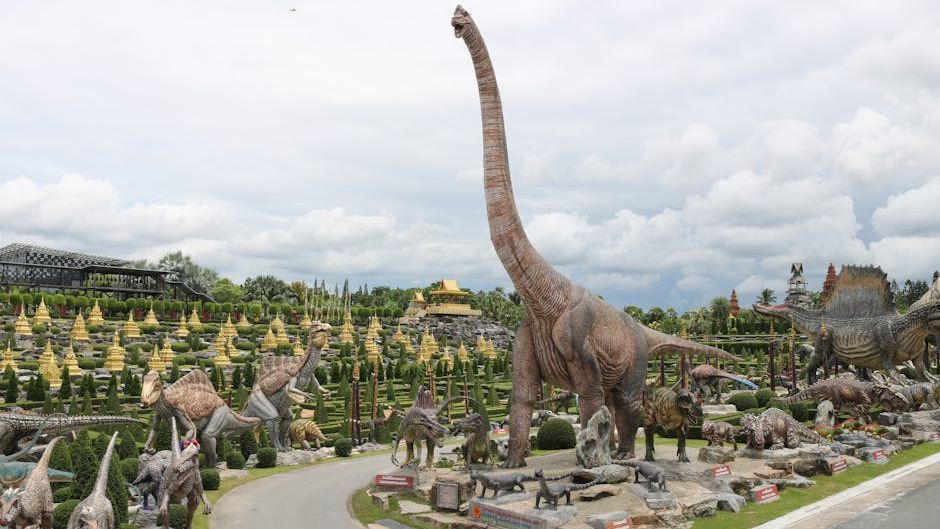
When you picture a giant dinosaur, chances are you’re seeing a sauropod in your mind: a massive body, pillar-like legs, a neck reaching out like a living crane. In the Jurassic, these sauropods truly came into their own, with lineages that included animals so large their sheer weight is still hard to wrap your head around. If you stood beside one, its shoulder might loom above the roofline of a modern house, and its neck could stretch the length of a city bus or more. You would feel the ground thud under your feet as they walked, every step a reminder of how differently life once played the game.
These long-necked giants thrived because their bodies were incredibly efficient, not just big. Their bones were often filled with air spaces that made them lighter than they looked, a bit like the internal structure of a bird’s skeleton. Their long necks let them sweep huge feeding areas without moving much, almost like living harvest machines. When you watch giraffes browsing on tree tops today, you are seeing a small, modern echo of what Jurassic sauropods did on a far grander scale. Their success is a clue that in the Jurassic world, growing huge was not some strange accident – it was a powerful, repeatable solution.
You Watch Predator–Prey Arms Races Play Out In Real Time
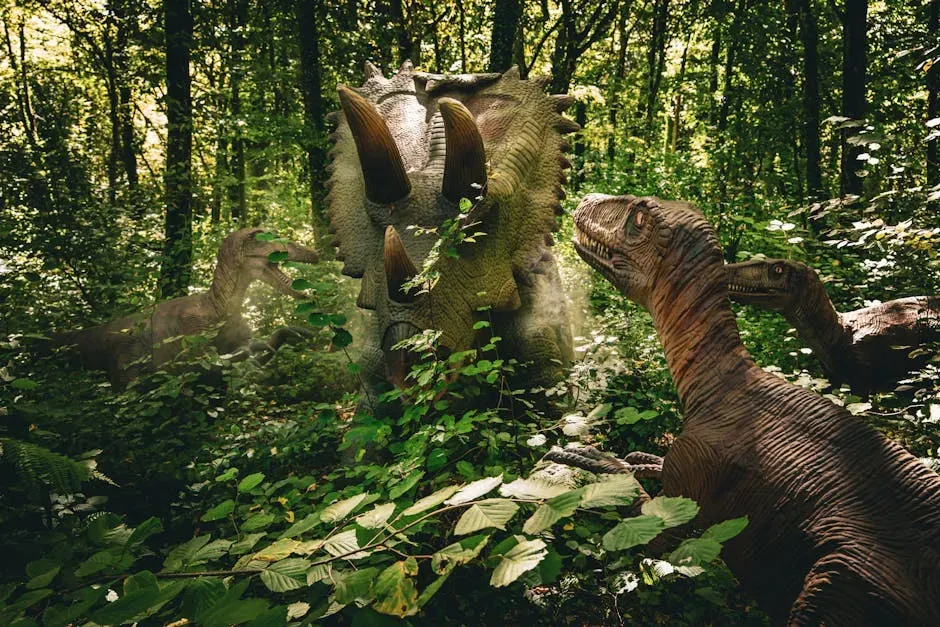
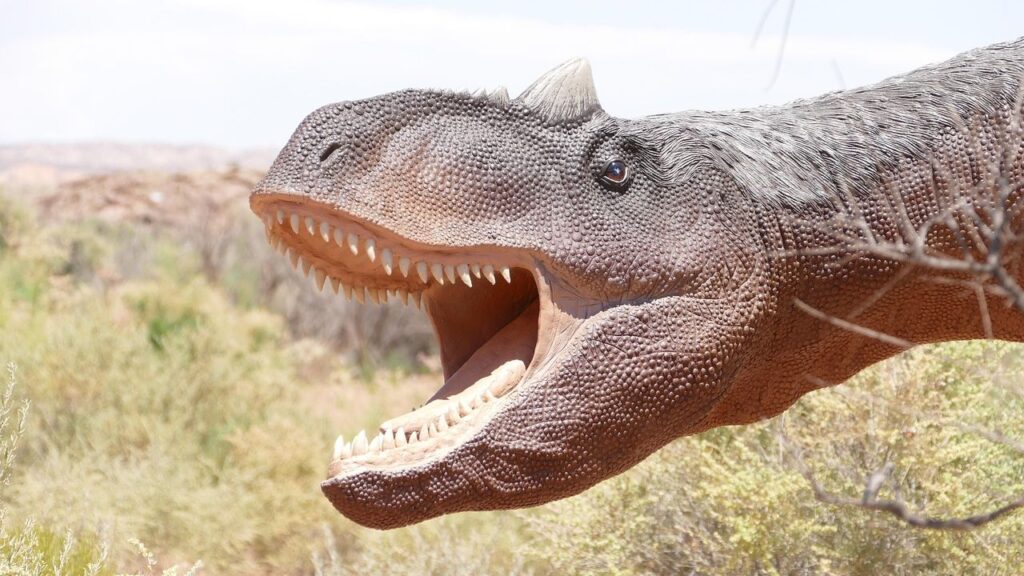
If you followed a herd of giant plant-eaters, you would not have to wait long before you noticed something stalking them. The Jurassic did not just belong to gentle giants; it also produced large, fast, and powerfully built predators. These meat-eaters had strong jaws, sharp teeth, and muscular legs designed for bursts of speed and sudden attacks. When you imagine the tension of a modern savanna, with lions eyeing herds of wildebeest or buffalo, you are tapping into a dynamic that was already in full swing in Jurassic ecosystems – just scaled up.
As plant-eaters grew larger and moved in groups, predators had to adapt as well, pushing some of them toward bigger bodies and more specialized hunting strategies. You might see a predator testing a herd, darting in to target the young, the sick, or any individual that strayed too far. This constant back-and-forth pressure between hunters and their prey – an evolutionary arms race – helped maintain a world where both sides pushed toward extremes. When you look at fossils of massive jaws, claws, and armor-like bones, you are seeing the long-term result of this relentless tug-of-war.
You Notice That Size Comes With Serious Trade-Offs
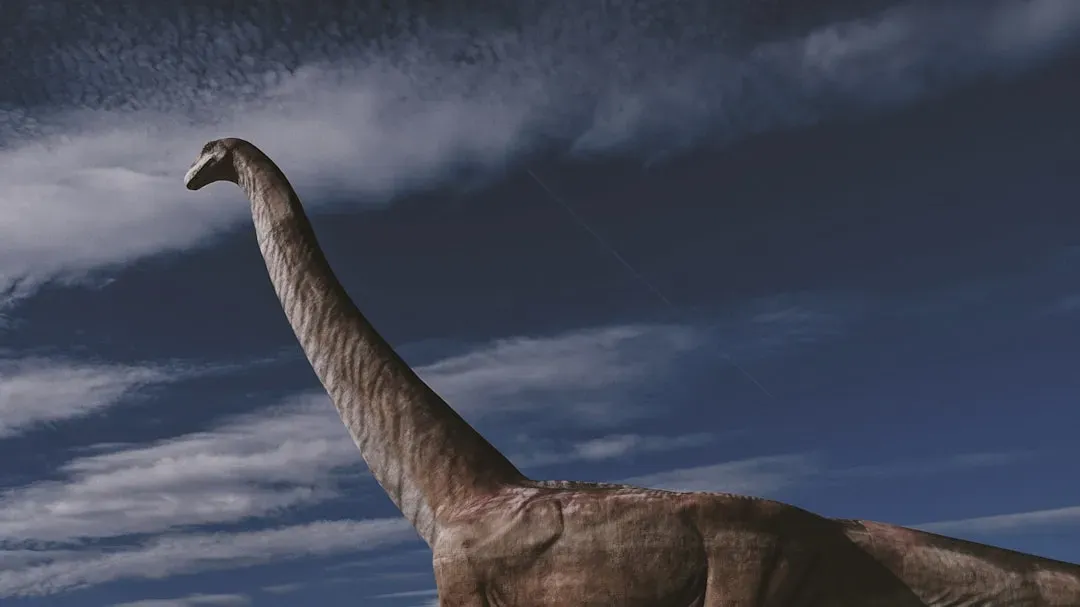
At first glance, it is tempting to think that being gigantic solved every problem an animal could face. If you tower over everything else, few predators can challenge you, and you can reach food others can’t touch. But if you look more closely at these Jurassic giants, you start to notice the costs that came with sheer size. Growing that large probably took a long time and demanded enormous amounts of food, water, and space. As a giant, you are powerful, but you are also heavily dependent on your environment staying stable and generous.
Reproduction may also have been a slow and risky process for many of these animals. If it takes years to reach adulthood, every generation is a long-term investment, and disasters like droughts, fires, or habitat loss can hit you hard. When climates shift or ecosystems break down, smaller animals often adapt more quickly and reproduce faster. If you think about it like running a massive, fuel-hungry truck versus a nimble little car, you get the idea: in stable times, the big machine shines; when conditions change quickly, the small one wins. The Jurassic favored the big machines – for a while.
You See Planet-Wide Changes Shaping Evolution
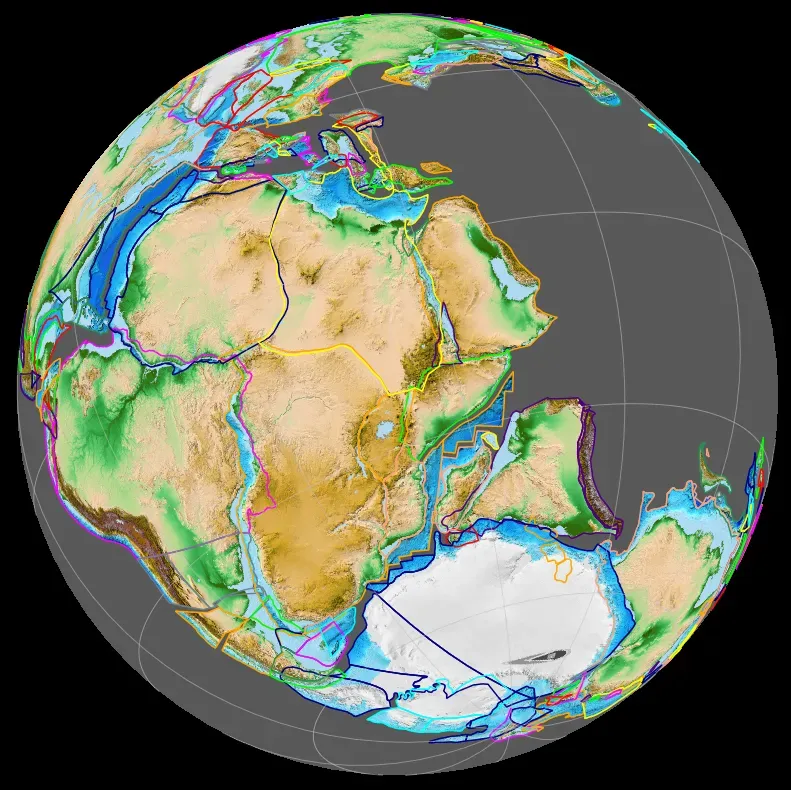
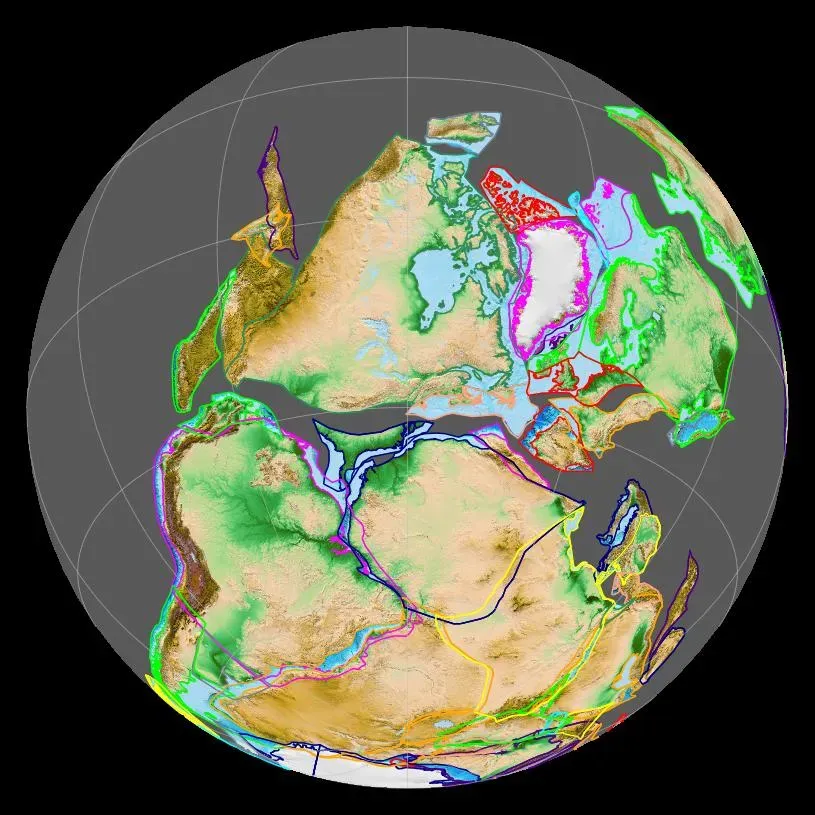
As you zoom out from individual animals and look at the whole planet, you start to see how deeply Earth’s geology shaped the Jurassic story. During this time, the great supercontinent that once bundled most land together was breaking apart into separate landmasses. That shifting puzzle of continents created new coastlines, inland seas, and climate patterns, which in turn carved out fresh habitats for life on land. You can almost picture the map rearranging itself beneath the feet of these giants, slowly but steadily changing where they could live and how they could move.
When continents drift, you get both new connections and new barriers. On one hand, some animals spread into new areas; on the other, populations can become cut off and start to evolve in different directions. If you’ve ever watched how isolated islands end up with unique species, you’ve seen a small-scale version of this process. In the Jurassic, this continental reshuffling happened over immense timescales, but it still left evolutionary fingerprints everywhere. You are looking at a world where Earth itself was not a fixed stage but an active player, nudging terrestrial giants along different paths.
You Recognize That Not Everything Was Huge
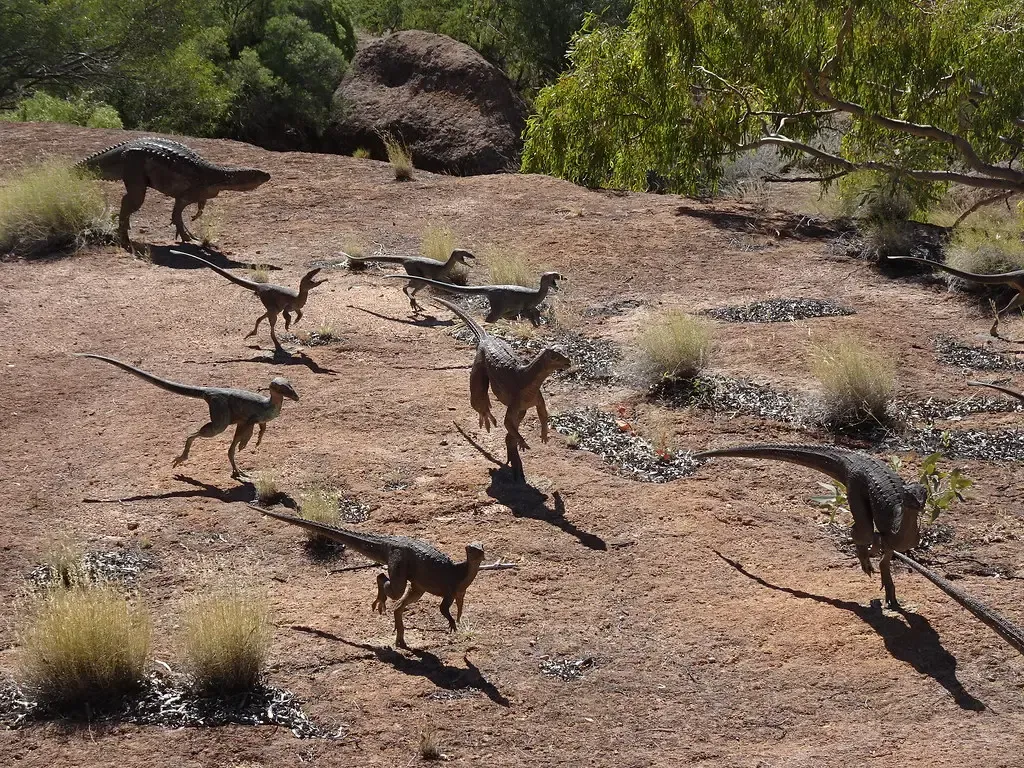
It is easy to walk mentally through the Jurassic and focus only on the giants, because they grab your imagination instantly. But if you crouched down and looked more closely at the ground, brush, and trees, you would find plenty of small and medium-sized creatures sharing the same world. Early relatives of birds, small insect-eaters, and modest-sized predators all carved out roles in these ecosystems. Many of these animals lived in the shadows of the giants, exploiting food sources and hiding places that massive bodies simply could not use.
This mix of sizes tells you something important: the Jurassic was not only a spectacle of bigness, it was a complex, layered web of life. While the giants dominated headlines, so to speak, the smaller animals may have been more flexible and resilient. When environments changed, these nimble survivors were often the ones with better odds. If you look at your modern world, where the largest land animals are big but nowhere near Jurassic scale, you are probably seeing the legacy of those smaller, adaptable lineages. The golden age of giants did not last forever, but some of their small neighbors carried the story forward.
You Trace The Roots Of Later Life, Including Your Own World
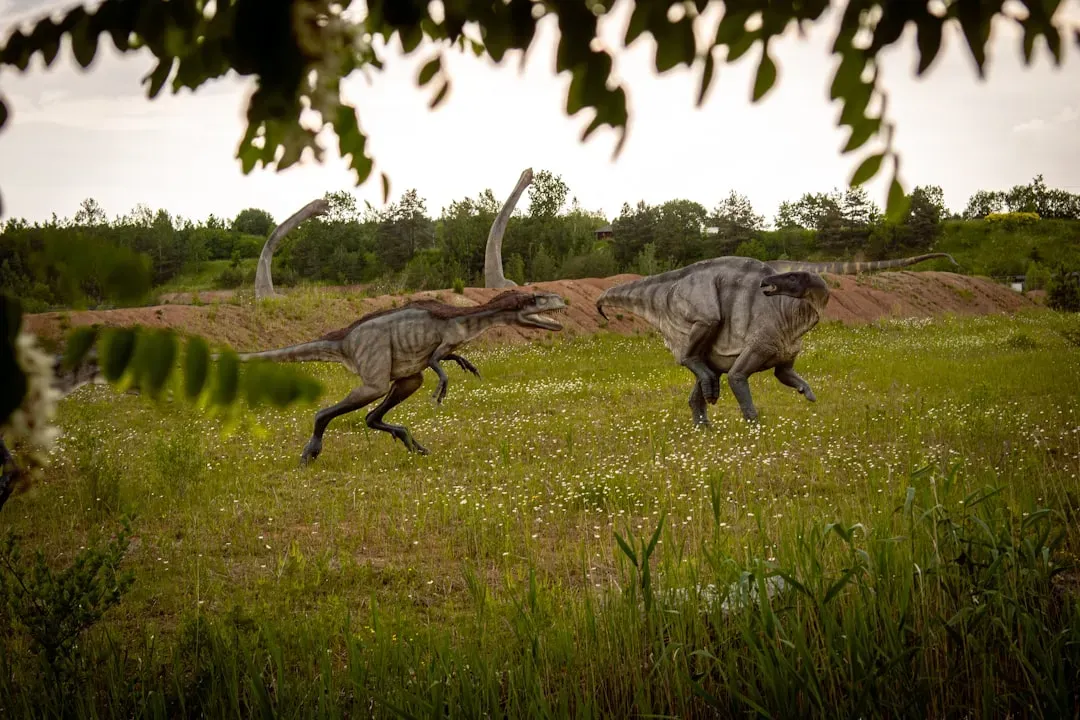
As you follow the trail from the Jurassic forward in time, you start noticing how many later developments have their roots in this period. The rise of certain dinosaur groups, the spread of early bird-like forms, and the continued evolution of plants all helped set the stage for the ecosystems that came afterward. You can think of the Jurassic as a long rehearsal that introduced many of the main players and ideas that would continue into later ages. The extinction at the end of the Cretaceous gets a lot of attention, but the groundwork for who could survive that crisis was being laid much earlier.
Some traits that evolved in Jurassic animals – such as efficient lungs, lightweight bones, or complex social behaviors – did not just help them then; they shaped the success of their descendants for millions of years. When you watch a flock of birds flying overhead or read about modern mammals occupying diverse habitats, you are looking at a world partly built on ancient experiments. In a way, the Jurassic is hiding in plain sight all around you, disguised by time but still present in living bodies. Once you see that connection, it becomes harder to treat that distant age as merely a prehistoric spectacle; it starts to feel like an early chapter of your own story.
You Rethink What “Normal” Really Means For Planet Earth
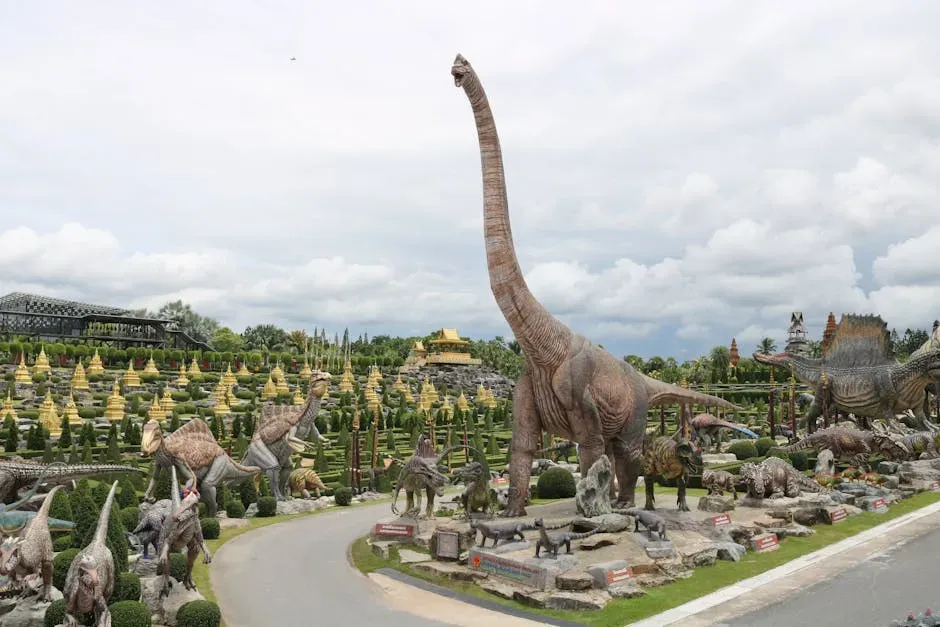
Spending time, even in your imagination, inside the Jurassic forces you to question your sense of what is normal for this planet. To you, ice caps, relatively small land animals, and familiar continents might feel like the default setting. But when you look back at the Jurassic, you realize that Earth has often been warmer, greener in some regions, and home to land animals far larger than anything alive today. The world you know is just one version among many that have existed, not the standard by which all others should be judged.
That perspective can be strangely humbling and oddly comforting at the same time. On one hand, it shows you that your species lives during a comparatively modest moment in the history of life; on the other, it highlights how astonishingly adaptable this planet is. If Earth could host forests of conifers beneath grazing sauropods and roaring predators, and then later shift to the world you see outside your window, you are reminded that change is the rule, not the exception. It invites you to treat the Jurassic not as a freak chapter, but as one of many ways your planet has expressed its potential.
When you look back at the Jurassic Period as , you are not just peeking at a gallery of strange, oversized creatures. You are stepping into a world where climate, continents, plants, and animals all conspired to make size a winning strategy – at least for a while. If you let yourself really imagine walking among those giants, feeling the ground shake and the air hum with life, you start to sense how fluid and experimental Earth’s history has always been.
In the end, the Jurassic reminds you that what seems extraordinary today may simply be another chapter in a much longer, wilder story. Your current world of comparatively smaller land animals is not more “correct” than theirs; it is just different, shaped by different pressures and accidents of history. Next time you see a bird perched on a wire or a lizard basking in the sun, you might catch a faint echo of that age of titans. If you could visit any moment in Earth’s deep past, would you dare step out into the shadow of those towering giants?