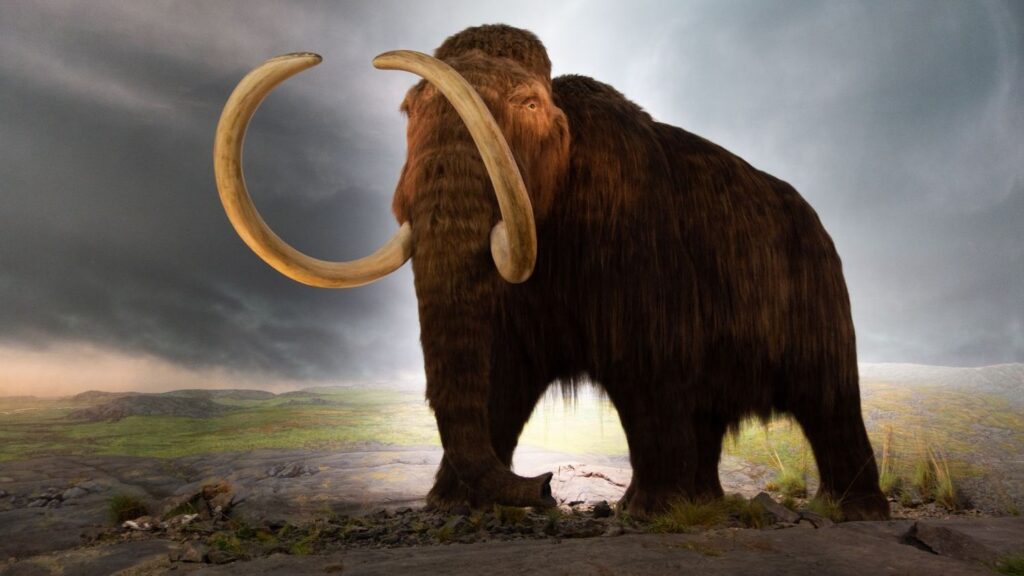
Picture this. You’re standing on a vast, windswept grassland beneath a gray sky, and there in the distance, you can just barely make out shapes moving together. Massive bodies covered in thick, shaggy coats. Curved tusks reaching toward the earth. It’s hard to believe that for thousands of years, our ancestors witnessed these very sights across North America’s frozen plains. Yet in what feels like the blink of an eye in geological terms, these magnificent creatures simply vanished from the continent.
The last reliable dates of the Columbian mammoth date to around 12,500 years ago, marking the end of an era that had lasted millions of years. The story of how these colossal beasts lived in their final days, struggled against mounting pressures, and ultimately disappeared from North American soil tells us more than just ancient history. It offers a window into survival, adaptation, and the delicate balance between species and their changing world.
When Giants Still Walked Among Us
The timeline of mammoth extinction in North America remains one of the most debated topics in paleontology. Let’s be real, the dates we have paint a picture that’s both fascinating and tragic at the same time.
Woolly mammoths had vanished from their principal range, which stretched across northern Eurasia and North America, by about 10,000 years ago. Yet more recent evidence suggests the story wasn’t quite so simple. DNA found in permafrost cores shows that both the mammoth and wild horse were still around in the Yukon 5,000 years ago, a revelation that completely changes our understanding of when humans and mammoths last crossed paths.
Woolly Mammoths disappeared from North America roughly 12,000 years ago, with the youngest well-dated Woolly Mammoth south of Canada from Randolph, New York, dated to approximately 12,200 years ago. The Columbian mammoth, their larger cousin who preferred more southern habitats, met their end around the same time. It’s hard to imagine that while these creatures took their last breaths in the Americas, other mammoth populations halfway around the world still had thousands of years left to live.
The Shrinking World of the Mammoth Steppe
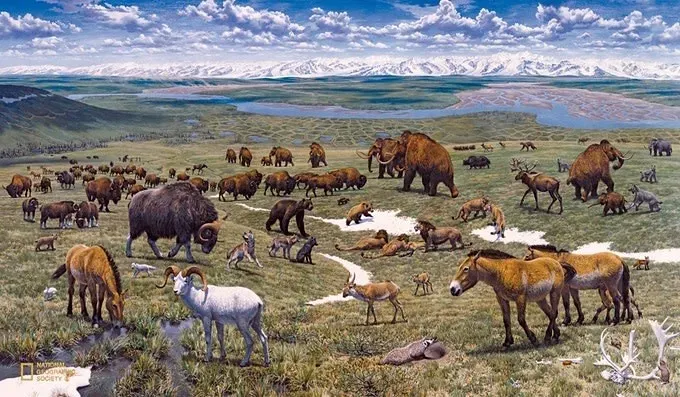
Imagine your home slowly transforming around you, the familiar landscape becoming unrecognizable. That’s precisely what happened to North America’s mammoths during their final millennia.
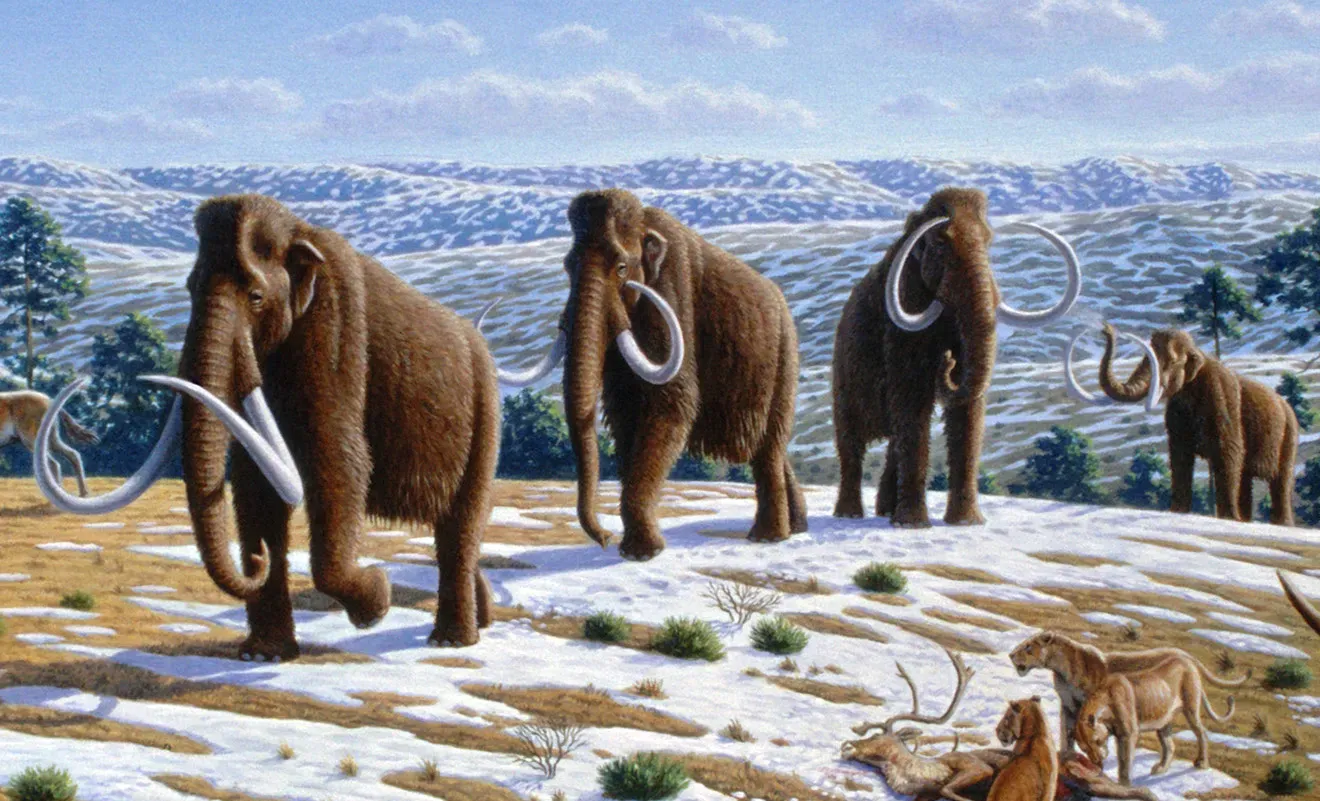
The habitat of the woolly mammoth, known as mammoth steppe or tundra steppe, stretched across northern Asia, many parts of Europe, and the northern part of North America during the last ice age, similar to the grassy steppes of modern Russia, but the flora was more diverse, abundant, and grew faster. These weren’t the frozen wastelands popular culture often depicts. Grasses, sedges, shrubs, and herbaceous plants were present, and scattered trees were mainly found in southern regions, with this habitat not dominated by ice and snow as regions are thought to have been high-pressure areas at the time.
Changes in climate shrank suitable mammoth habitat from 7,700,000 square kilometers 42,000 years ago to 800,000 square kilometers, a roughly ninety percent decrease, by 6,000 years ago. Picture that for a moment. Nine-tenths of everything you know, everything you depend on for survival, simply gone. For creatures so perfectly adapted to their cold, dry grassland environment, this transformation must have been catastrophic.
Family Bonds in a Changing Landscape
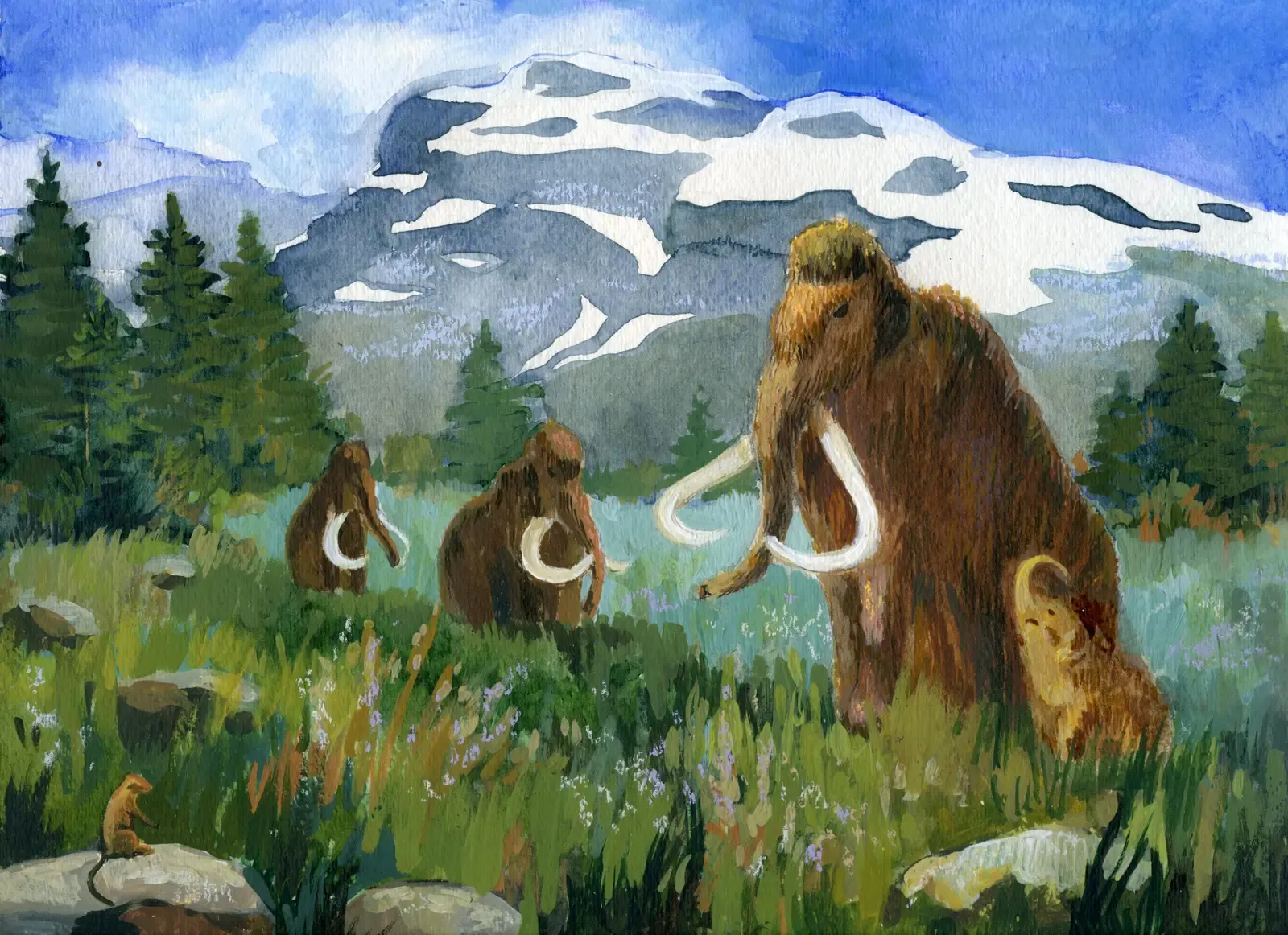
Here’s something that might surprise you about these ice age giants. They weren’t solitary wanderers trudging alone through the tundra. Like modern elephants, woolly mammoths were likely very social and lived in matriarchal family groups, supported by fossil assemblages and cave paintings showing groups.
Scientists believe that, like modern elephants, mammoths probably traveled in family groups of ten to fifteen individuals, with herds composed of females and their young. The matriarch, typically the oldest and wisest female, led these tight-knit groups through seasonal migrations, remembered water sources, and guided younger members away from danger. Just like living elephants, male mammoths probably spent less time with the group starting at age ten and eventually left the group to live on their own.
The evidence preserved in some fossil sites tells heartbreaking stories. When bones were uncovered, juveniles were close to the center of their group, while females’ bones formed a circle around them, facing outward in apparent expectation of danger, with three juveniles found with their bones stretched across the tusks of their mothers, thought to be a result of the females’ attempt to lift them free from floodwaters. That kind of devotion transcends time.
The Perfect Storm: Climate and Humanity Collide
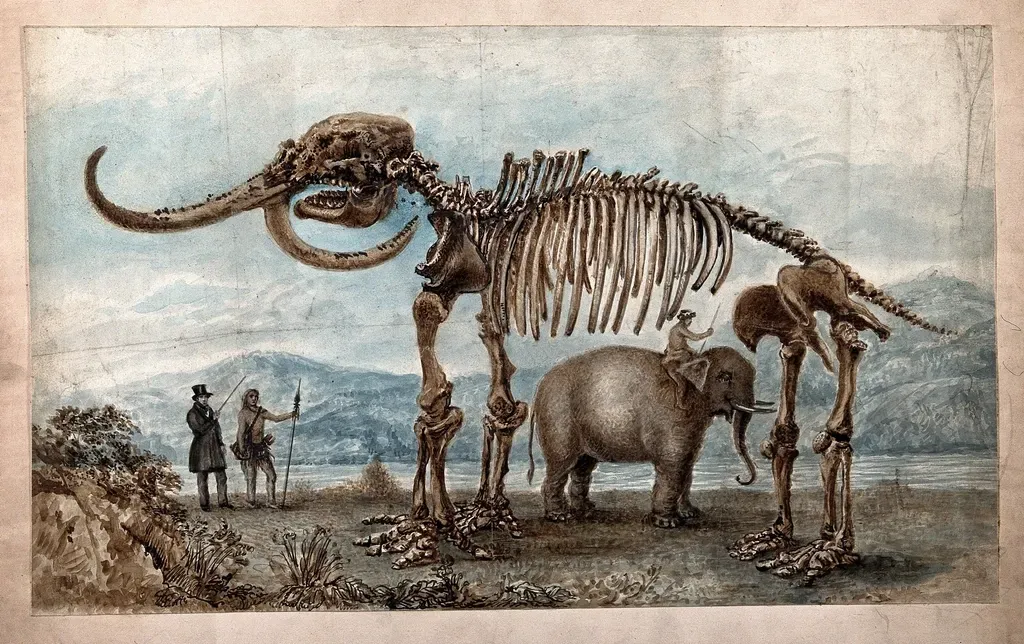
The extinction debate has raged for over a century. Was it climate change? Human hunting? The answer, it turns out, is probably both, but it’s far more nuanced than you might expect.
The remaining mammoth herds faced a foe that hadn’t existed 126,000 years ago: human hunters, as humans evolved to their modern form during the Pleistocene and migrated north with the final retreat of the glaciers, hunting mammoths as they advanced, and by the middle of the Holocene, mammoth populations were so vulnerable that it would not have taken much hunting pressure to push them to extinction. The timing is impossible to ignore.
What’s truly chilling about the data is this: Under the most optimistic estimates of mammoth population size and density, if each human killed just one mammoth every three years, the species would go extinct, with more pessimistic estimates suggesting that the loss of as few as one mammoth every two hundred years per human in its territory might have sealed the animals’ fate. They didn’t need to be hunted relentlessly. The populations had already been so weakened by habitat loss that even minimal hunting pressure became the final straw.
What the Grasslands Became
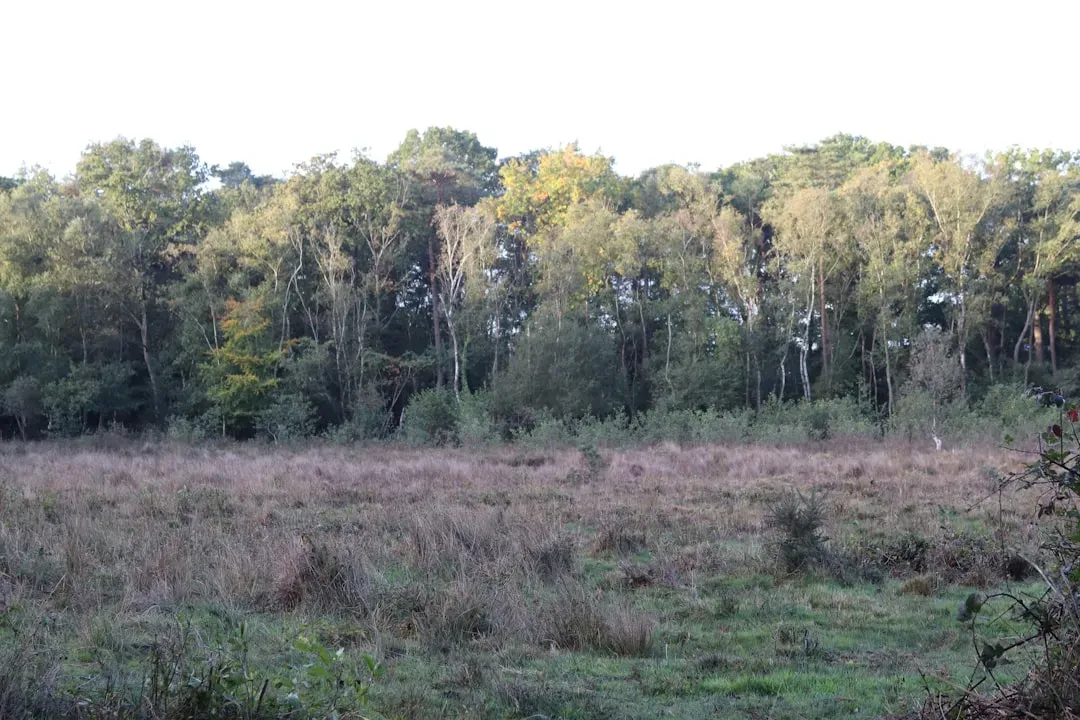
The transformation of North American landscapes during the mammoth’s final days was nothing short of dramatic. As the climate warmed up, trees and wetland plants took over and replaced the mammoth’s grassland habitats, fundamentally altering the ecosystem these creatures depended upon.
When the climate got wetter and the ice began to melt it led to the formation of lakes, rivers, and marshes, with the ecosystem changing and the biomass of the vegetation reducing such that it would not have been able to sustain the herds of mammoths. It wasn’t just about temperature rising. The entire character of the land shifted from the dry, productive grasslands mammoths evolved to exploit into soggy forests and wetlands that couldn’t support their enormous appetites.
Precipitation was the cause of the extinction of woolly mammoths through the changes to plants, with the change happening so quickly that they could not adapt and evolve to survive. Think about that. These animals had weathered previous climate shifts, survived countless ice ages and warm periods. Yet this time, the pace of change outstripped their ability to adapt.
The Daily Struggle for Survival
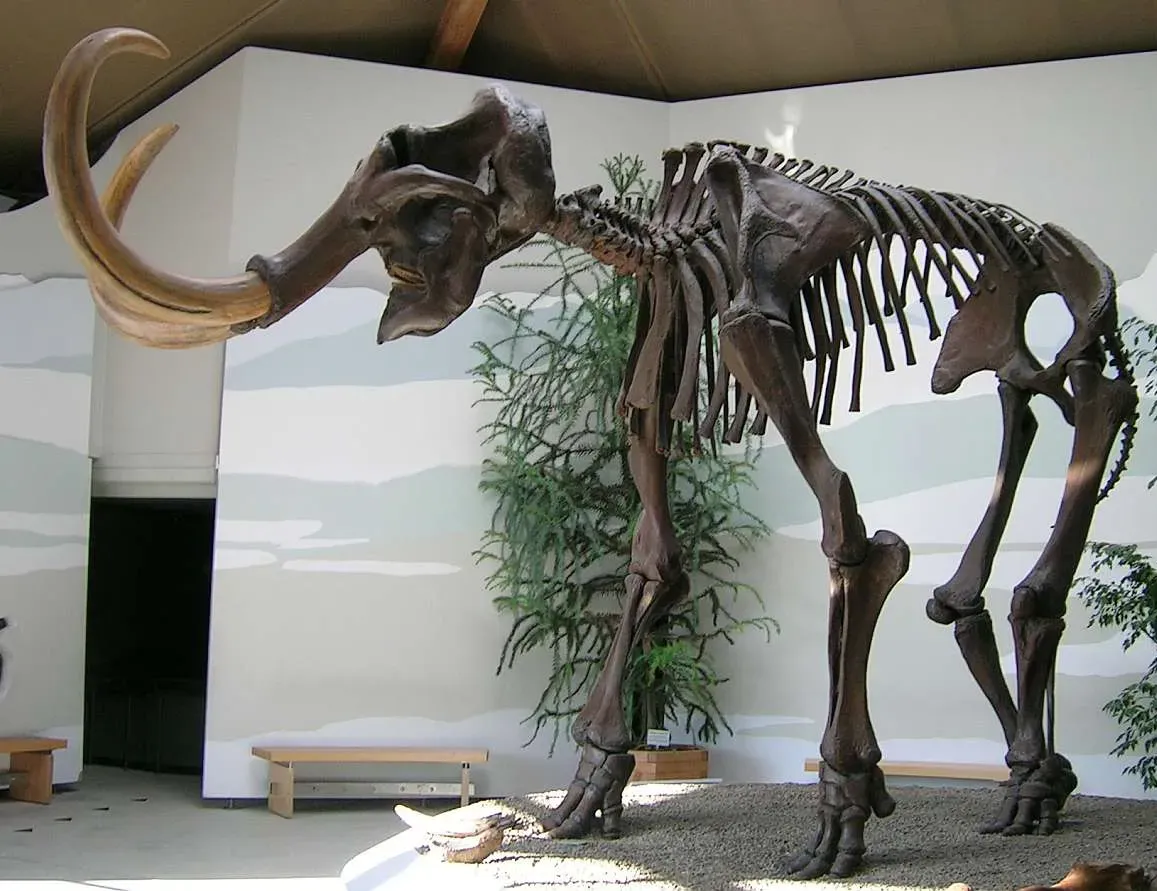
What was life actually like for these last mammoths wandering the changing North American landscape? The clues we have paint a picture of increasing hardship.
The diet of the woolly mammoth was mainly grasses and sedges, with individuals probably reaching the age of sixty. But reaching old age became increasingly difficult as their food sources dwindled. The growth of the tusks slowed when foraging became harder, for example during winter, during disease, or when a male was banished from the herd, with growth rings revealing these stress periods, and determining the season in which a mammoth died is possible, with dark bands corresponding to summers.
Studies of an 11,300 to 11,000 year old trackway in southwestern Canada showed that woolly mammoths were in decline while coexisting with humans, since far fewer tracks of juveniles were identified than would be expected in a normal herd. Fewer young ones surviving means a population in serious trouble. The writing was already on the wall.
Isolated Survivors: The Last Refuges
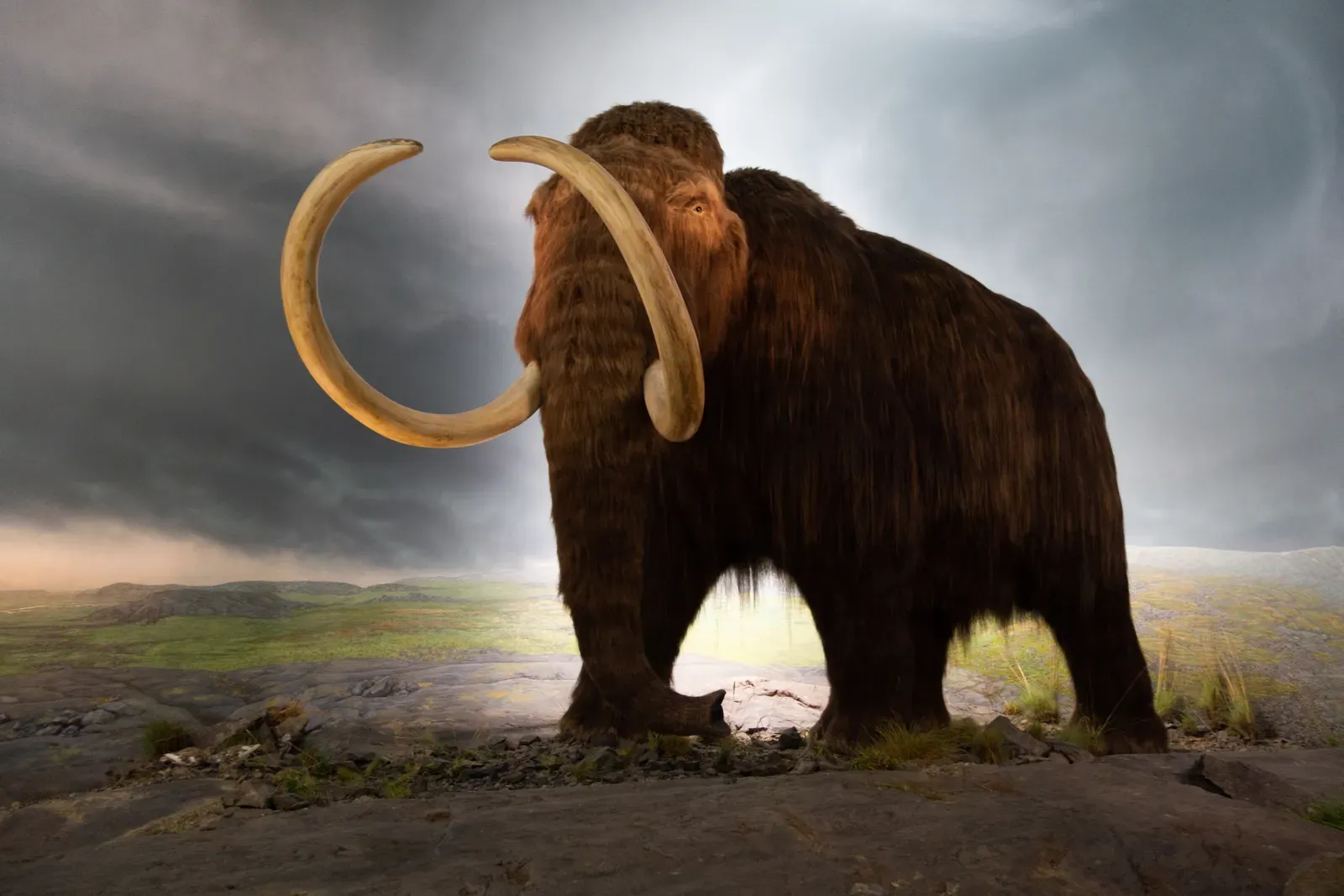
Not all mammoths vanished simultaneously from North America. Some populations found temporary refuge in isolated pockets where conditions remained favorable just a bit longer.
Scientific evidence suggests that small populations of woolly mammoths may have survived in mainland North America until between 10,500 and 7,600 years ago. These were likely isolated groups clinging to small patches of suitable habitat, surrounded by landscapes that had become increasingly hostile. Other evidence suggests that woolly mammoths persisted until 5,600 years ago on St. Paul Island, Alaska, in the Bering Sea, though these island populations faced their own unique challenges.
The island mammoths tell their own tragic tale. The last woolly mammoths lived on a small island for thousands of years after their tusked relatives went extinct on the mainland, having found their way to Wrangel Island off the coast of Siberia around 10,000 years ago. While this wasn’t North America, it demonstrates how some populations managed to persist in isolated refuges long after their mainland cousins had disappeared.
Echoes of the Giants: What They Left Behind
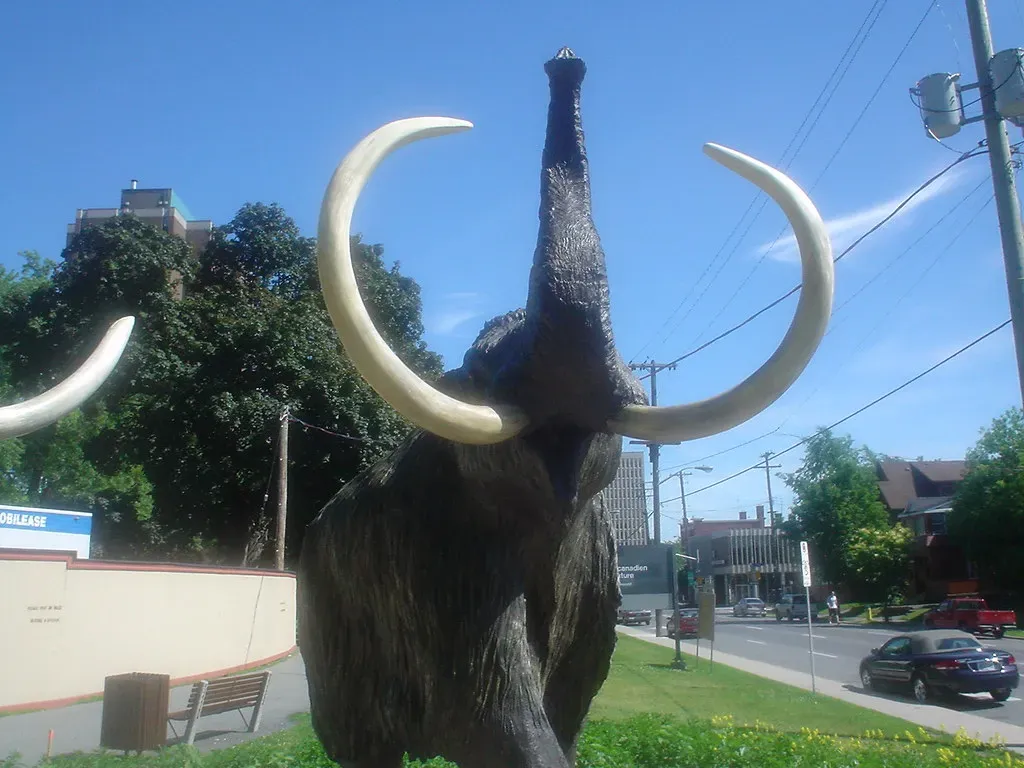
The legacy of North America’s last mammoths extends far beyond their bones. Their disappearance marked a fundamental shift in the continent’s ecology that we’re still grappling with today.
The woolly mammoth coexisted with early humans, who hunted the species for food, and used its bones and tusks for making art, tools, and dwellings, with humans continuing to use its ivory as a raw material after extinction, a tradition that continues today. The cultural impact on indigenous peoples who witnessed these creatures’ final days must have been profound, though those stories are now lost to time.
Climate change and human impacts progressively cornered the mammoth in the northernmost land masses of Arctic Siberia and some arctic islands, leaving them with nowhere to run away from extinction. It’s a sobering reminder that when habitat loss meets human pressure, even the mightiest creatures can fall. The mammoth’s story feels uncomfortably relevant as we face our own era of rapid environmental change.
These shaggy giants who once thundered across North American grasslands left us with more than just fossils and mysteries. They left us a warning about the fragility of even the most seemingly indomitable species. This is a stark lesson from history showing how unpredictable climate change is, that once something is lost there is no going back, with precipitation causing extinction through changes to plants happening so quickly that they could not adapt and evolve to survive. Looking back across those 12,000 years, you can’t help but wonder what the humans who watched the last North American mammoths disappear must have thought. Did they realize they were witnessing the end of an age?