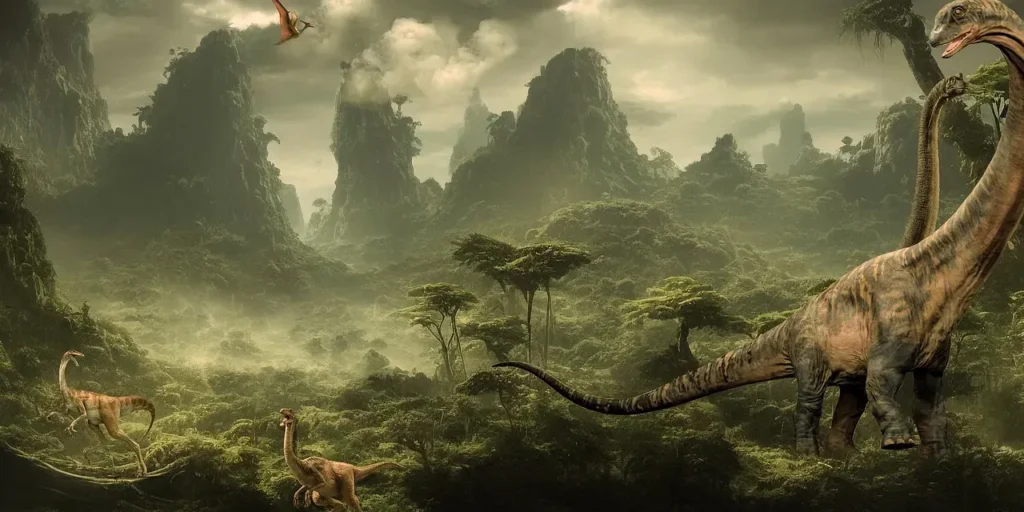
If you could step into a time machine and dial it back more than two hundred million years, you’d land in a world that feels familiar and utterly alien at the same time. Giant reptiles thunder across floodplains, feathered hunters stalk through forests of ferns, and the continents themselves are slowly tearing apart beneath your feet. This is the Mesozoic Era, the so‑called Age of Reptiles, and it lasted from about 252 to 66 million years ago.
When you zoom out and look at it as one long story, the Mesozoic is less like a single chapter and more like an entire trilogy: recovery after catastrophe, rise and dominance, and finally sudden collapse. You’re going to walk through that trilogy as if you were there, watching climates shift, continents drift, and whole ecosystems rise from the ashes of mass extinction. By the end, you’ll see why this “lost world” still shapes every leaf you see, every bird you hear, and even your own mammal‑dominated future.
The Big Picture: What Makes the Mesozoic the “Age of Reptiles”?
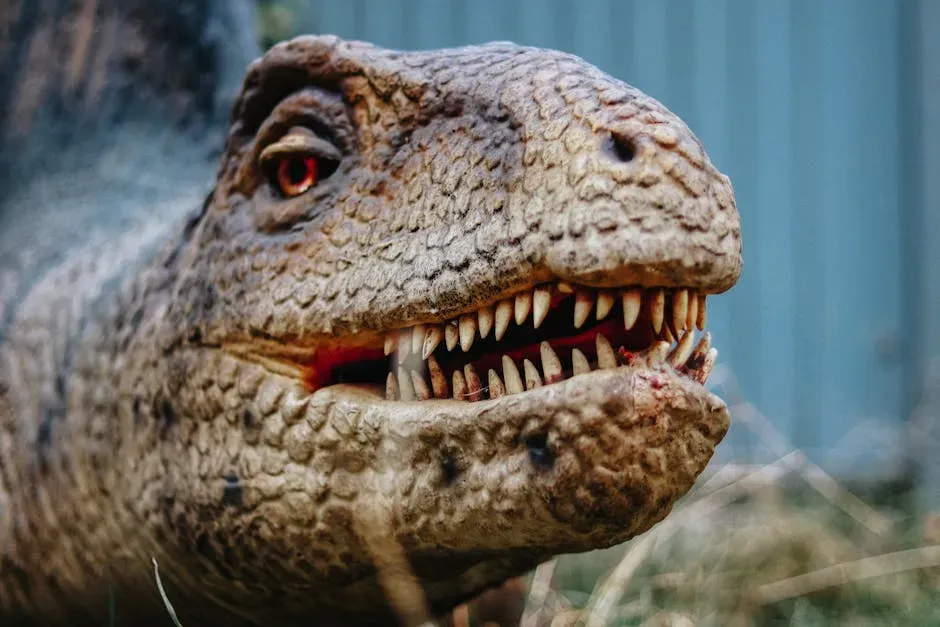
When you hear “Mesozoic,” you probably think “dinosaurs,” but the story is bigger than just a few famous skeletons in a museum. You’re looking at an era that stretched for roughly one hundred eighty million years, divided into three major periods you might already recognize: Triassic, Jurassic, and Cretaceous. During this time, reptiles – especially dinosaurs on land and marine reptiles in the oceans – became the dominant large animals on Earth, with mammals, birds, and flowering plants just beginning their rise in the background. ([britannica.com](https://www.britannica.com/science/Mesozoic-Era?utm_source=openai))
The Mesozoic begins in the shadow of disaster: the Permian–Triassic extinction event, the largest known mass extinction in Earth’s history. From that bleak starting point, you watch ecosystems recover, diversify, and explode into forms that seem fantastical by today’s standards. The era finally ends with another cataclysm, the Cretaceous–Paleogene extinction, which wipes out non‑avian dinosaurs and many other groups, clearing the way for mammals – and eventually you – to take center stage. ([en.wikipedia.org](https://en.wikipedia.org/wiki/Mesozoic?utm_source=openai))
From Ashes to Dinosaurs: The Triassic as a World in Recovery
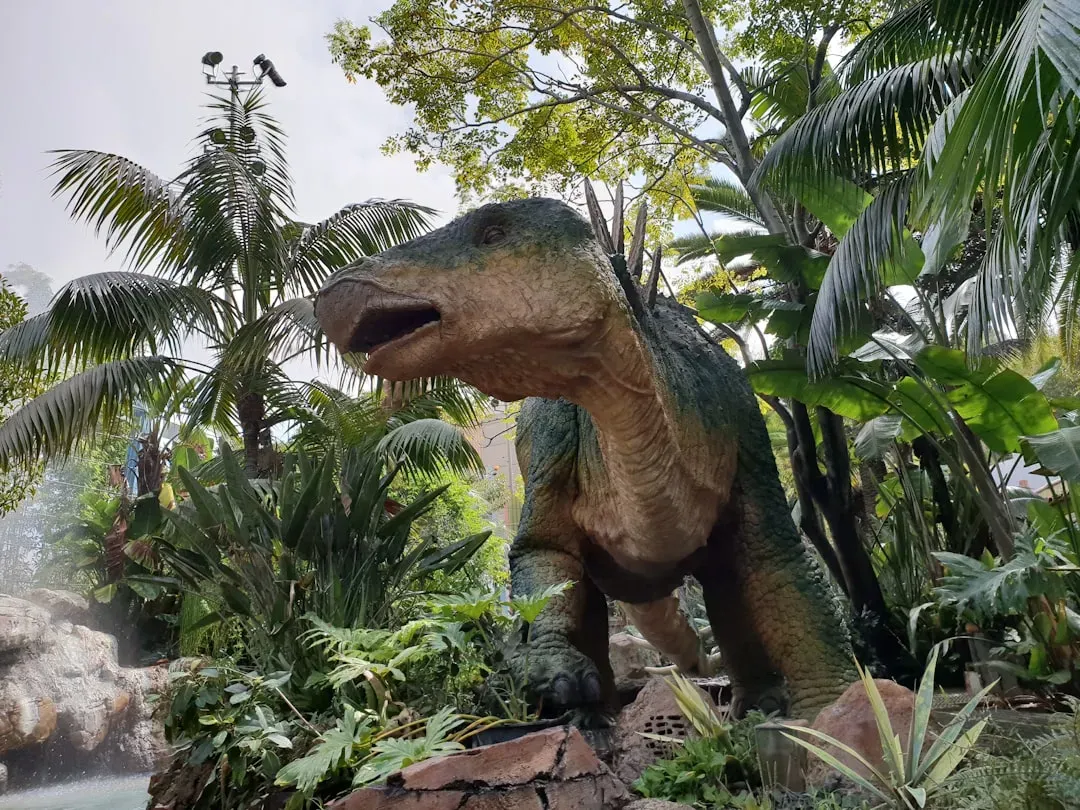
If you dropped into the early Triassic, you’d find a planet still reeling from a biological apocalypse. Up to the vast majority of marine species and a huge proportion of land species had vanished at the end of the Permian, leaving ecosystems simplified and fragile. In this stripped‑down world, you watch new lineages compete for the empty roles in food webs, with reptile groups like archosaurs (the broader group that includes dinosaurs, crocodiles, and pterosaurs) quietly gaining ground. ([en.wikipedia.org](https://en.wikipedia.org/wiki/Phanerozoic?utm_source=openai))
As the Triassic progresses, you start to recognize some odd but familiar shapes: the first true dinosaurs appear, small and lightweight compared with their later cousins, alongside the earliest mammals and the first flying reptiles, the pterosaurs. The supercontinent Pangaea is still mostly intact, giving reptiles huge, connected land areas to roam, but this also means much of the interior is hot, seasonal, and dry. By the late Triassic, life has largely recovered, only to get hit again by another extinction event at the Triassic–Jurassic boundary, which knocks out many competing reptile groups and leaves dinosaurs poised to take over. ([askfilo.com](https://askfilo.com/user-question-answers-smart-solutions/assignment-i-sem-1-geological-time-scale-3431313332303739?utm_source=openai))
The Jurassic World: Dinosaurs Take Center Stage
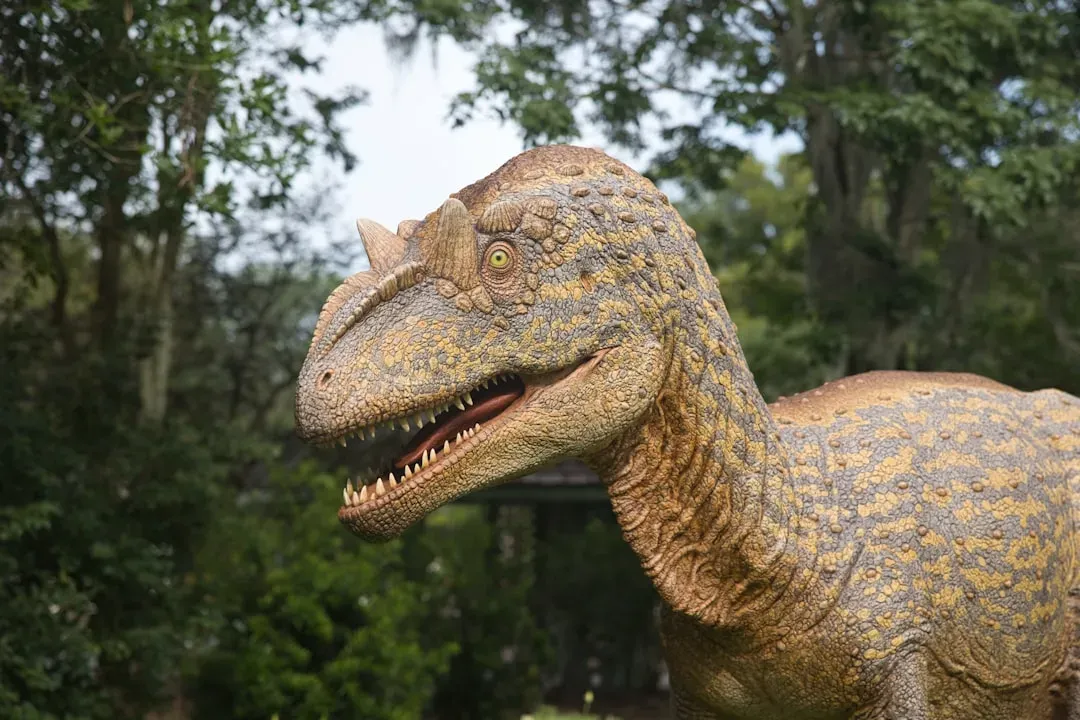
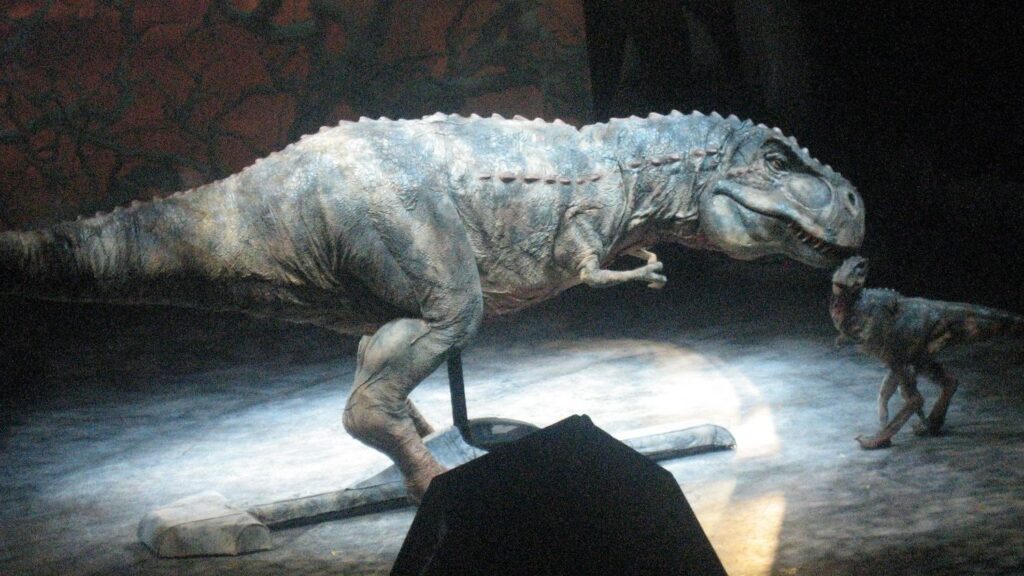
Once you cross into the Jurassic Period, you can feel the vibe shift from struggling recovery to booming abundance. After the Triassic–Jurassic extinction event, dinosaurs seize the open ecological space and diversify into towering long‑necked sauropods, fierce theropod predators, and a range of armored and plated forms. The climate, while still generally warm, becomes more humid and lush in many regions, with extensive forests of conifers, ginkgos, and ferns carpeting the landscape. ([en.wikipedia.org](https://en.wikipedia.org/wiki/Jurassic?utm_source=openai))
You also start seeing the first true birds emerging from small, feathered theropod dinosaurs, blurring the line between “reptile” and “bird” in a way that modern fossils have made impossible to ignore. In the oceans, gigantic marine reptiles like plesiosaurs and ichthyosaurs dominate, while on land, early mammals stay small and mostly nocturnal, surviving in the shadows of dinosaur giants. Even the continents are changing under your feet: Pangaea has begun to split apart, shaping new coastlines and shallow seas that create more habitats and drive even more evolutionary experimentation. ([zoology.ubc.ca](https://www.zoology.ubc.ca/~bio336/Bio336/Lectures/Lecture21/Overheads.html?utm_source=openai))
Cretaceous Climax: Flowering Plants and the Last Dinosaurs
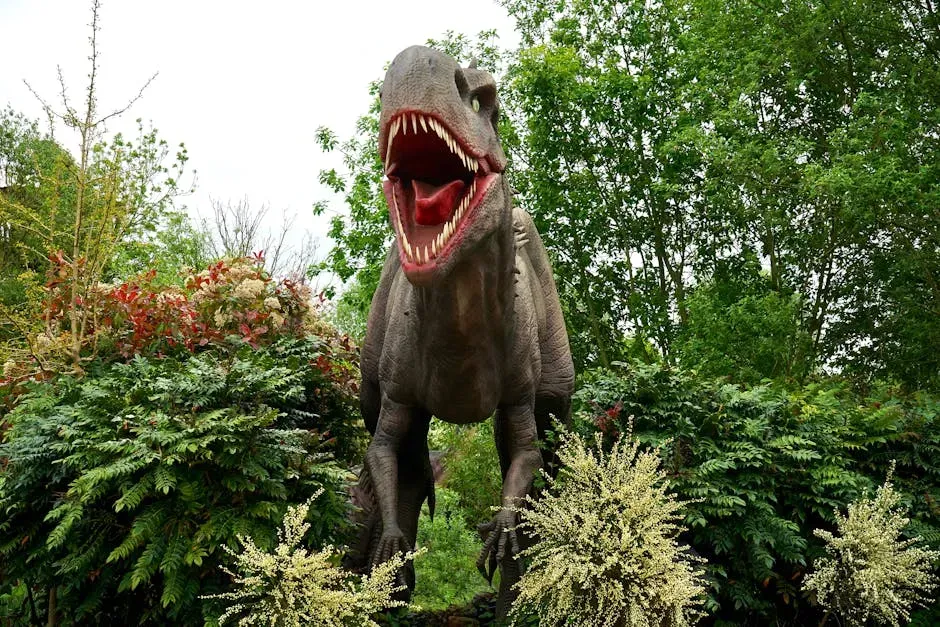
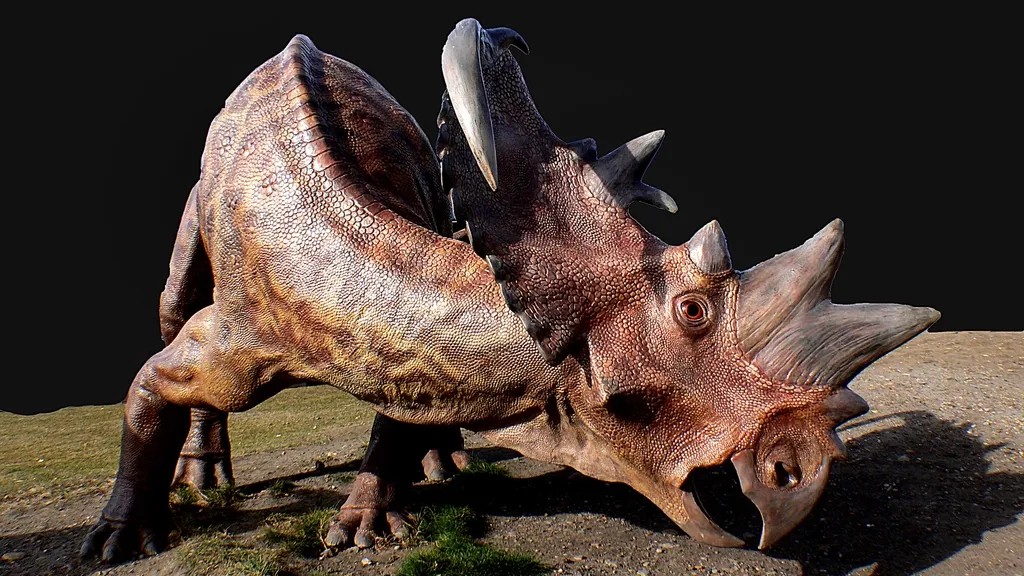
By the time you reach the Cretaceous, the Mesozoic feels like it is running at full volume. Dinosaurs are incredibly diverse, from gigantic titanosaurs and iconic predators like Tyrannosaurus to horned ceratopsians and duck‑billed hadrosaurs. But the real quiet revolution happens in the plant world: flowering plants, or angiosperms, begin to spread and diversify rapidly, turning many landscapes into something you’d actually recognize – fields with blossoms, fruits, and seeds shaped to tempt animals into spreading them. ([enviroliteracy.org](https://enviroliteracy.org/animals/what-time-period-were-dinosaurs/?utm_source=openai))
This floral explosion, sometimes called the Cretaceous Terrestrial Revolution, reshapes entire food webs. As flowering plants take off, pollinating insects diversify, and you see small mammals, early birds, and lizards taking advantage of new food sources like nectar, fruits, and the insects themselves. Oceans are still ruled by large marine reptiles such as mosasaurs and plesiosaurs, while flying reptiles remain important in the skies, even as birds steadily expand. It feels like an era that could go on forever – until it doesn’t. ([en.wikipedia.org](https://en.wikipedia.org/wiki/Cretaceous_Terrestrial_Revolution?utm_source=openai))
Continents on the Move: Plate Tectonics and Shifting Landscapes
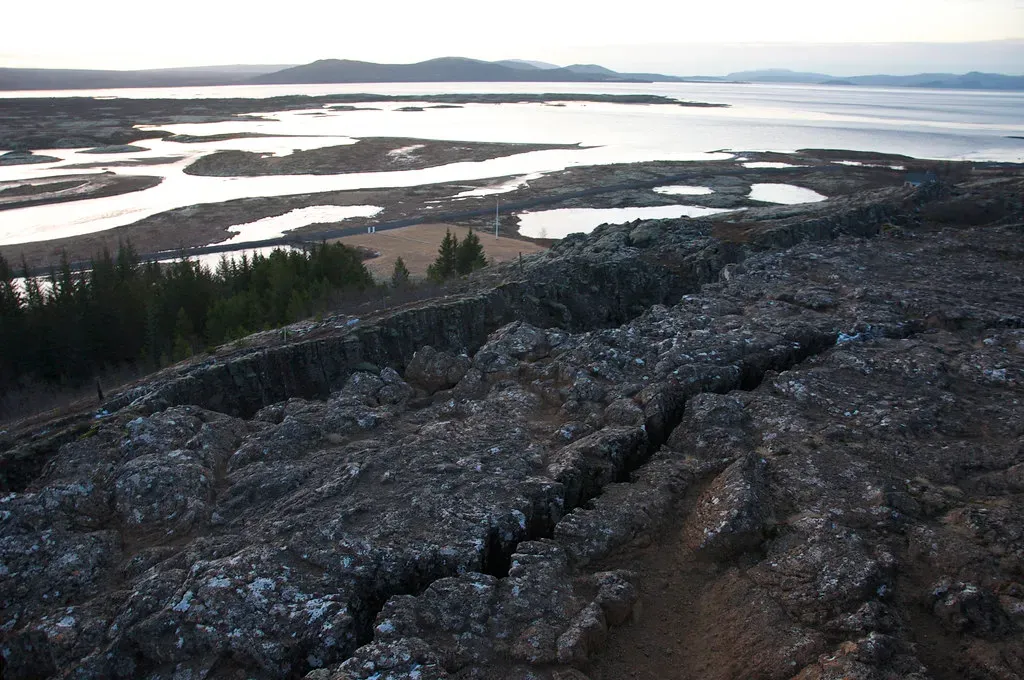
To really picture the Mesozoic, you have to imagine the ground under your feet as restless and constantly rearranging. At the start of the era, most of Earth’s land is bundled into the supercontinent Pangaea, which stretches from pole to pole. During the Triassic and early Jurassic, you’d see rift valleys splitting open, lava flooding out in massive eruptions, and shallow seas beginning to separate what will later become familiar continents. ([en.wikipedia.org](https://en.wikipedia.org/wiki/Mesozoic?utm_source=openai))
As the Jurassic and Cretaceous unfold, the Atlantic Ocean opens wider, India starts racing north toward Asia, and blocks of land collide, forming mountain ranges in places that are now Asia and the Americas. These shifting continents reshape climate patterns and ocean currents, creating new coastlines, inland seas, and isolated landmasses. For you as an imaginary time‑traveler, that means the world’s map is constantly changing, and with each new arrangement, lineages of reptiles, mammals, and plants are pushed to adapt, move, or disappear. ([britannica.com](https://www.britannica.com/place/Asia/The-Mesozoic-Era?utm_source=openai))
Climate, Atmosphere, and the Feel of a Mesozoic Day
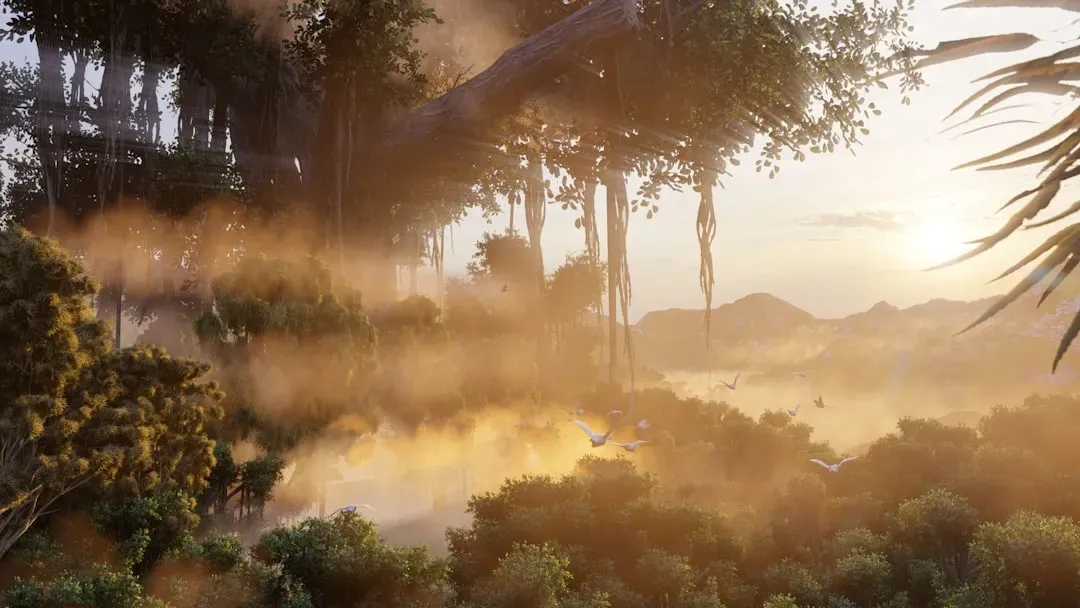
Picture walking outside during much of the Mesozoic and feeling a generally warmer world than today – no ice caps at the poles for long stretches, and higher sea levels swallowing parts of continents. In the Triassic, conditions in many interior regions of Pangaea are hot, dry, and strongly seasonal, with intense monsoon‑like swings in rainfall. As Pangaea breaks up during the Jurassic and Cretaceous, climates become more regional: some places stay warm and humid, while others grow drier or more temperate. ([en.wikipedia.org](https://en.wikipedia.org/wiki/Phanerozoic?utm_source=openai))
Atmospheric carbon dioxide levels are often higher than modern levels, which helps support widespread lush vegetation in many regions and contributes to the warmth. But the Mesozoic is not just one long tropical vacation; there are cooler intervals, changes in sea level, and shifts in climate that stress ecosystems and force evolutionary change. You’d notice that these long‑term climate patterns help set the stage for who thrives: reptiles and plants adapted to warm conditions often expand, while others retreat or vanish when conditions swing too far or too fast. ([eeaa.gov.eg](https://www.eeaa.gov.eg/Uploads/MediaCenter/Files/20221208114026281.pdf?utm_source=openai))
Beyond Dinosaurs: Mammals, Birds, and Other Hidden Players
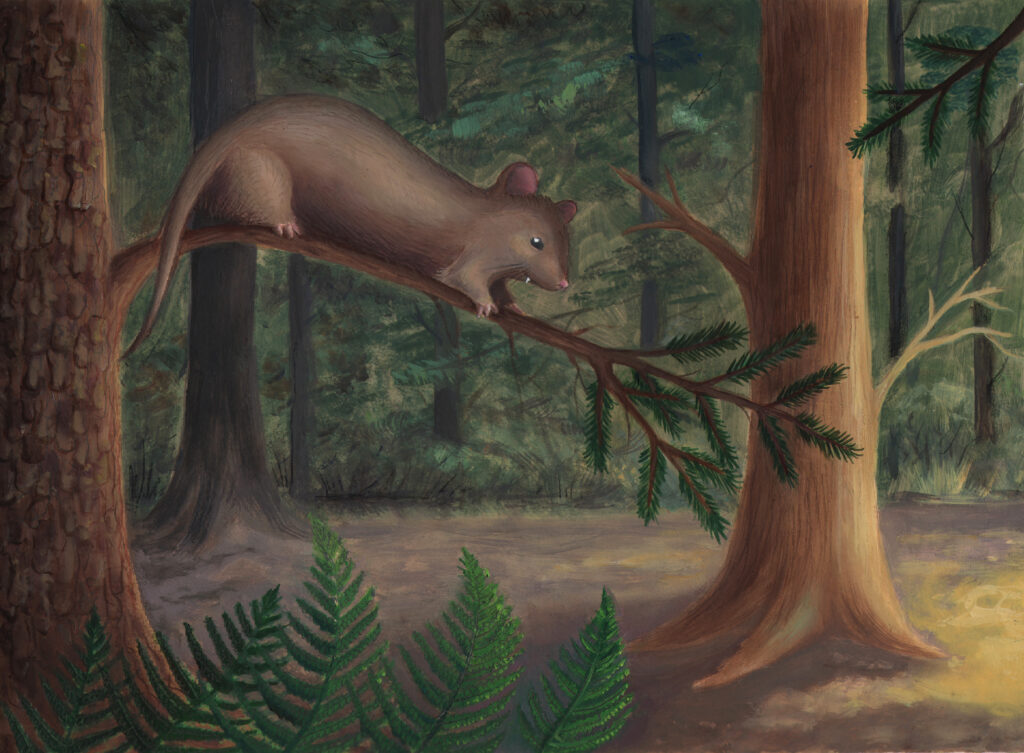
It’s easy to think the Mesozoic belongs only to giants, but if you look closer, you see your own evolutionary story playing out in miniature. True mammals show up during the Triassic, but through the Jurassic and most of the Cretaceous they remain small, often mouse‑ to cat‑sized, filling roles like insect hunters, burrowers, and climbers. Their small sizes and flexible diets probably help them ride out environmental ups and downs that doom bigger, more specialized reptiles. ([en.wikipedia.org](https://en.wikipedia.org/wiki/Phanerozoic?utm_source=openai))
At the same time, birds – descendants of small, feathered theropod dinosaurs – begin to diversify, especially in the Jurassic and Cretaceous, sharing the skies with pterosaurs. In the seas, you have ammonites, fish, and marine reptiles building layered food webs as complex as any modern ocean. When you pay attention to these “supporting characters,” you see that the Age of Reptiles is also the training ground for the Age of Mammals and the Age of Birds. Many of the lineages that dominate your modern world first find their footing, quite literally, under dinosaur shadows. ([zoology.ubc.ca](https://www.zoology.ubc.ca/~bio336/Bio336/Lectures/Lecture21/Overheads.html?utm_source=openai))
Mass Extinctions: How the Mesozoic Begins and Ends in Disaster
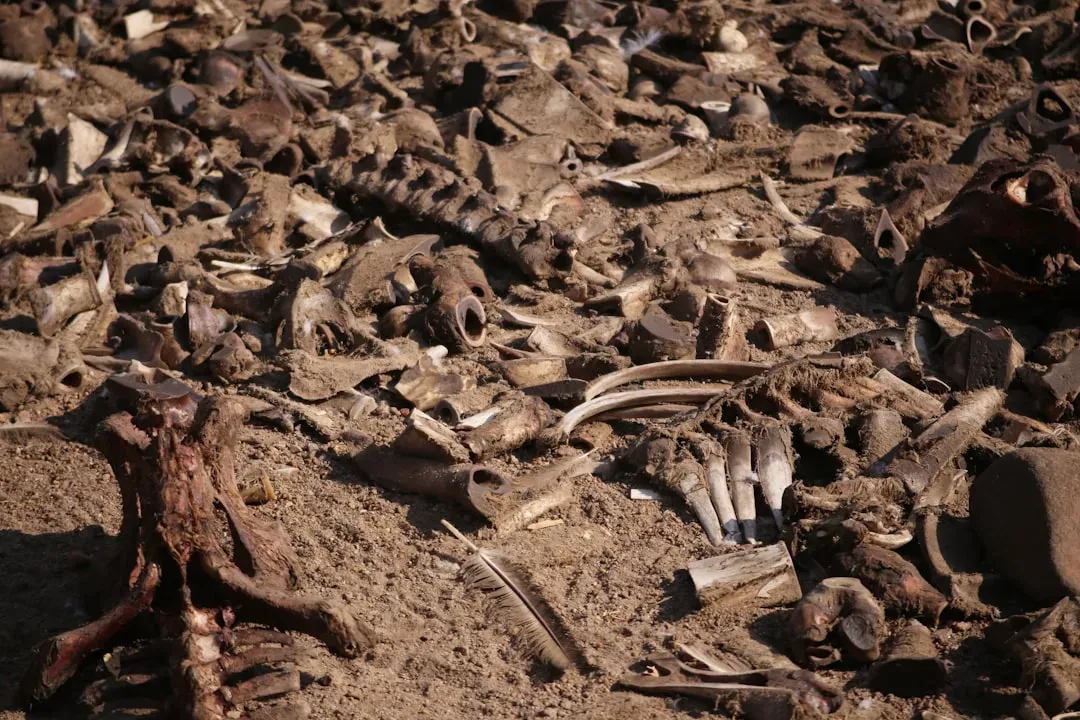
The Mesozoic story is framed by catastrophe, and if you follow it from start to finish, you can’t avoid the brutal reality that mass extinctions reset the rules. It opens just after the Permian–Triassic extinction, when life has been hammered harder than at any other known time, and ecosystems are nearly wiped clean. Then, near the end of the Triassic, another significant extinction event slams into recovering ecosystems, clearing away many large amphibians and reptile lineages and leaving dinosaurs and a few other groups in control. ([en.wikipedia.org](https://en.wikipedia.org/wiki/Mesozoic?utm_source=openai))
At the close of the Cretaceous, you hit the famous Cretaceous–Paleogene extinction event, likely triggered by a large asteroid impact and amplified by volcanic and climatic stress. In the aftermath, non‑avian dinosaurs, large marine reptiles, and many other groups disappear, while birds (as surviving dinosaurs), mammals, and smaller, more adaptable animals take over empty niches. When you think about it from your present vantage point, you realize your own existence depends on those extinctions: without them, the Age of Reptiles might have stretched on, and mammals might never have had the chance to dominate. ([enviroliteracy.org](https://enviroliteracy.org/animals/what-time-period-were-dinosaurs/?utm_source=openai))
Why the Mesozoic Still Matters to You Today
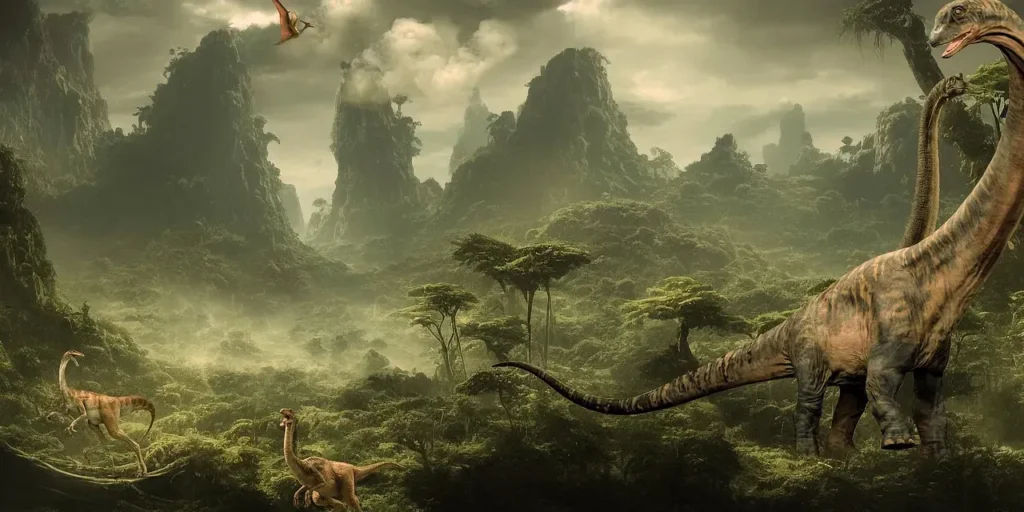
You might never stand under a real sauropod’s shadow, but the Mesozoic shapes your everyday life more than you’d guess. The birds at your feeder, the flowering plants in your yard, and the very arrangement of continents on your maps all emerged or were dramatically reshaped during this era. Even the fossil fuels that power much of your modern world, including some formed in Mesozoic seas and swamps, are ancient snapshots of the ecosystems you’ve just walked through in your imagination. ([vaia.com](https://www.vaia.com/en-us/explanations/environmental-science/geology/mesozoic-era/?utm_source=openai))
If you’re fascinated by dinosaurs, you’re really fascinated by a whole planetary reboot – a time when Earth experimented with new body plans, new ecosystems, and new ways of life after catastrophic losses. The Mesozoic teaches you that dominance is temporary, that resilience often lives in the small and overlooked, and that change on a planetary scale can come suddenly as well as slowly. When you look around your present‑day world with that in mind, you may start to wonder what story future geologists will tell about your own era in relation to these long‑gone ages.
Conclusion: Walking Out of the Age of Reptiles
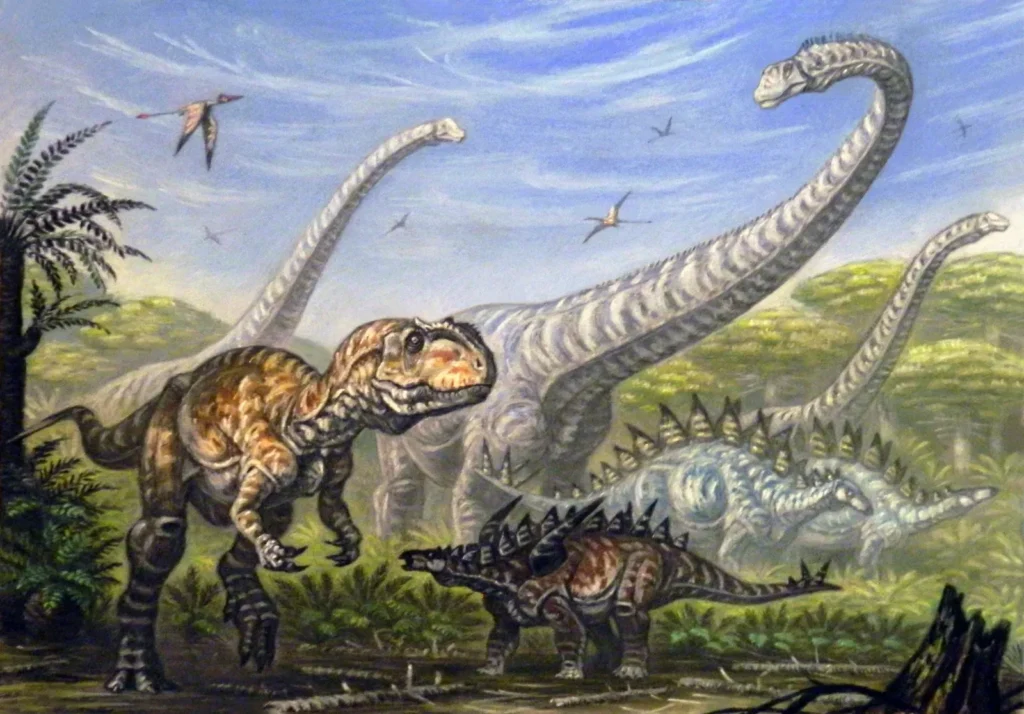
Stepping out of the Mesozoic in your mind feels a bit like leaving a long, gripping movie trilogy. You begin with a shattered world and cautious recovery, watch dinosaurs and other reptiles rise to spectacular dominance, and then see everything change in an instant when a rock from space ends their reign. Along the way, mammals, birds, and flowering plants quietly build the foundation for the world you actually inhabit.
When you think about the Mesozoic not as a distant curiosity but as part of your own origin story, it stops being just about prehistoric monsters and becomes a lesson in survival, adaptation, and deep time. You’re living in the aftermath of the Age of Reptiles, walking on continents they helped shape and sharing the air with their feathered descendants. Knowing that, how differently do you see your own brief moment in Earth’s long, ever‑changing timeline?