For decades, popular culture has portrayed dinosaurs as lumbering, pea-brained beasts doomed to extinction by their stupidity. Films, cartoons, and outdated textbooks reinforced this image of dinosaurs as evolutionary failures—creatures with walnut-sized brains controlling enormous bodies. However, modern paleontology tells a dramatically different story. Far from being unintelligent evolutionary dead ends, dinosaurs were complex creatures that thrived for over 165 million years, adapting to changing environments and developing sophisticated behaviors. This article explores the fascinating evidence that has systematically dismantled the “dumb dinosaur” myth, revealing these ancient creatures as the remarkable animals they truly were.
The Origins of the “Dumb Dinosaur” Stereotype

The misconception of dinosaurs as unintelligent creatures can be traced back to early paleontological interpretations in the 19th and early 20th centuries. When dinosaur fossils were first discovered and studied, scientists had a limited understanding of brain anatomy and function across species. Early paleontologists like Othniel Charles Marsh observed the relatively small brain cases of some dinosaur species and made sweeping generalizations about their intelligence. The infamous “Brontosaurus” (now Apatosaurus) was described as having a brain “smaller than its spinal cord,” leading to the widespread belief that dinosaurs were fundamentally unintelligent. This narrative was further cemented through early museum displays, educational materials, and eventually pop culture, where dinosaurs were portrayed as slow, dim-witted creatures that couldn’t adapt to changing conditions. These early misconceptions proved remarkably persistent, outliving the scientific evidence that would eventually contradict them.
Brain-to-Body Ratio: A Flawed Measure of Intelligence

One of the primary reasons dinosaurs were labeled as unintelligent was their seemingly small brain-to-body ratio. While it’s true that many dinosaur species had relatively small brains compared to their massive bodies, this metric alone is a deeply flawed measure of cognitive capability. Modern neuroscience recognizes that absolute brain size, brain-to-body ratios, and even brain structure are all imperfect indicators of intelligence when viewed in isolation. Animals with different evolutionary histories and ecological niches develop different neural specializations. For example, birds—direct descendants of theropod dinosaurs—have small brains relative to mammals but demonstrate remarkable intelligence through complex behaviors like tool use, problem-solving, and language acquisition. The neural density and organization of dinosaur brains likely compensated for their smaller relative size, similar to how modern birds pack more neurons per cubic inch than many mammals. Judging dinosaur intelligence purely on brain-to-body ratio represents an oversimplified and outdated approach to comparative neurology.
Advanced Brain Structure Revealed Through Modern Imaging
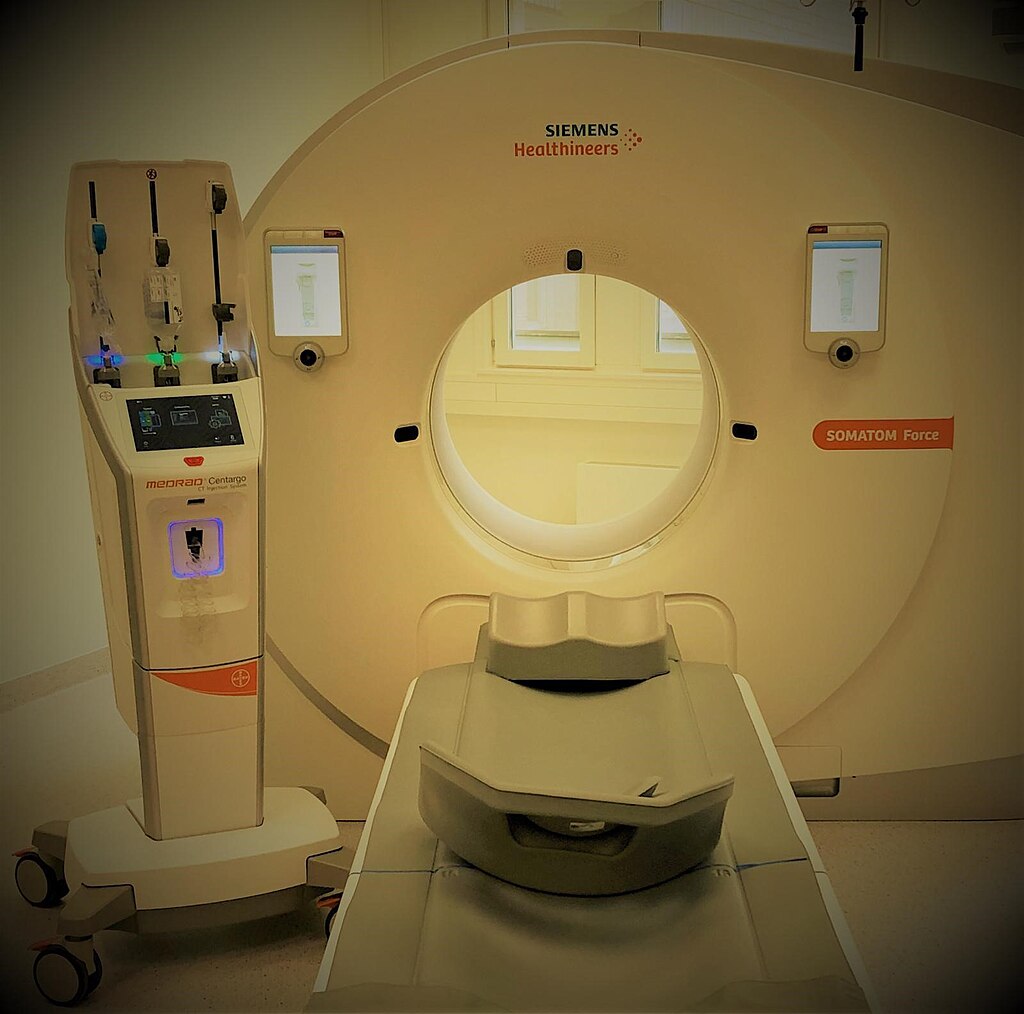
Contemporary paleontological techniques have revolutionized our understanding of dinosaur neuroanatomy, revealing surprisingly sophisticated brain structures. Using CT scanning technology and endocasts (three-dimensional models of brain cavities), scientists can now examine the internal architecture of fossilized dinosaur skulls with unprecedented detail. These studies have revealed expanded cerebral hemispheres in many species, particularly among theropods like Tyrannosaurus and dromaeosaurs (raptor dinosaurs). Particularly striking are the well-developed cerebellums found in many dinosaur species, suggesting refined motor control and coordination, hardly the hallmark of “dumb” animals. Even more telling is the presence of enlarged brain regions associated with sensory processing, indicating acute vision, hearing, and smell that would have been vital for hunting, foraging, and social interaction. The brain anatomy of many dinosaurs, particularly theropods, shows remarkable similarity to that of modern birds, which are renowned for their cognitive abilities. These findings directly contradict the simplistic view of dinosaur brains as primitive neural structures only capable of basic functions.
Theropod Dinosaurs: The Intellectuals of the Mesozoic
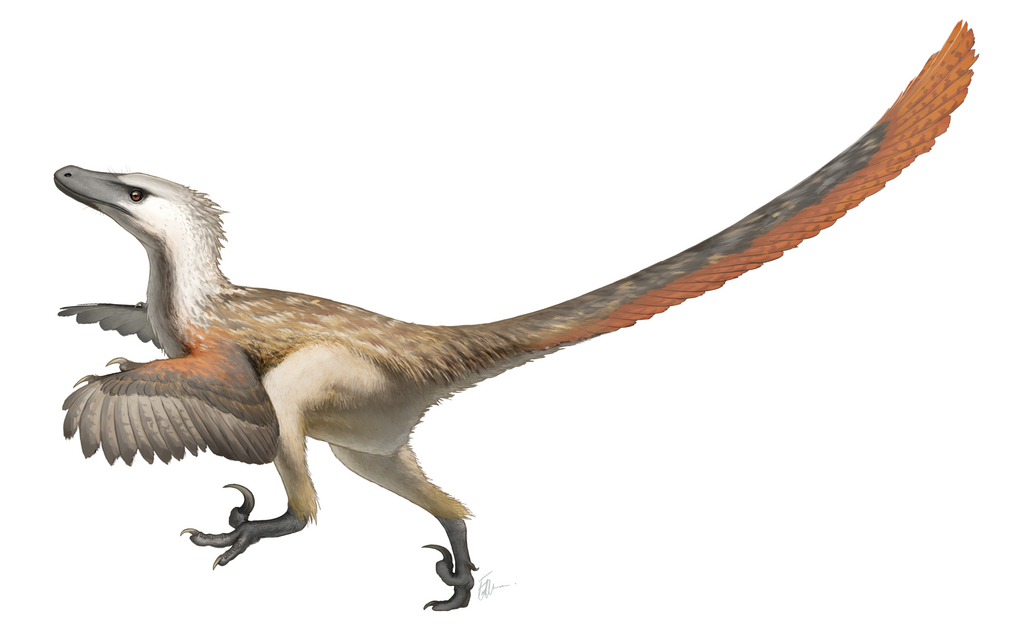
Theropod dinosaurs—the bipedal, primarily carnivorous lineage that includes Velociraptor, Deinonychus, and Tyrannosaurus—have emerged as the intellectual standouts of the dinosaur world. Modern research suggests these animals possessed cognitive abilities far beyond what was previously imagined. Brain endocasts from theropods reveal enlarged forebrains and complex neural structures similar to those found in modern birds. Dromaeosaurs (raptor dinosaurs) in particular show evidence of enhanced sensory processing and motor coordination centers in their brains. The infamous Velociraptor, despite Hollywood exaggerations of its size, had a brain proportionally larger than most reptiles and many modern birds. This neural development likely supported complex behaviors, including pack hunting, which requires coordination, communication, and strategic thinking. Fossil evidence suggests some theropods may have hunted in organized groups, indicating social intelligence and cooperative problem-solving abilities. The cognitive sophistication of theropods makes perfect sense from an evolutionary perspective, as these adaptable predators eventually gave rise to birds, among the most intelligent animals alive today.
Dinosaur Parenting: Evidence of Complex Social Behavior
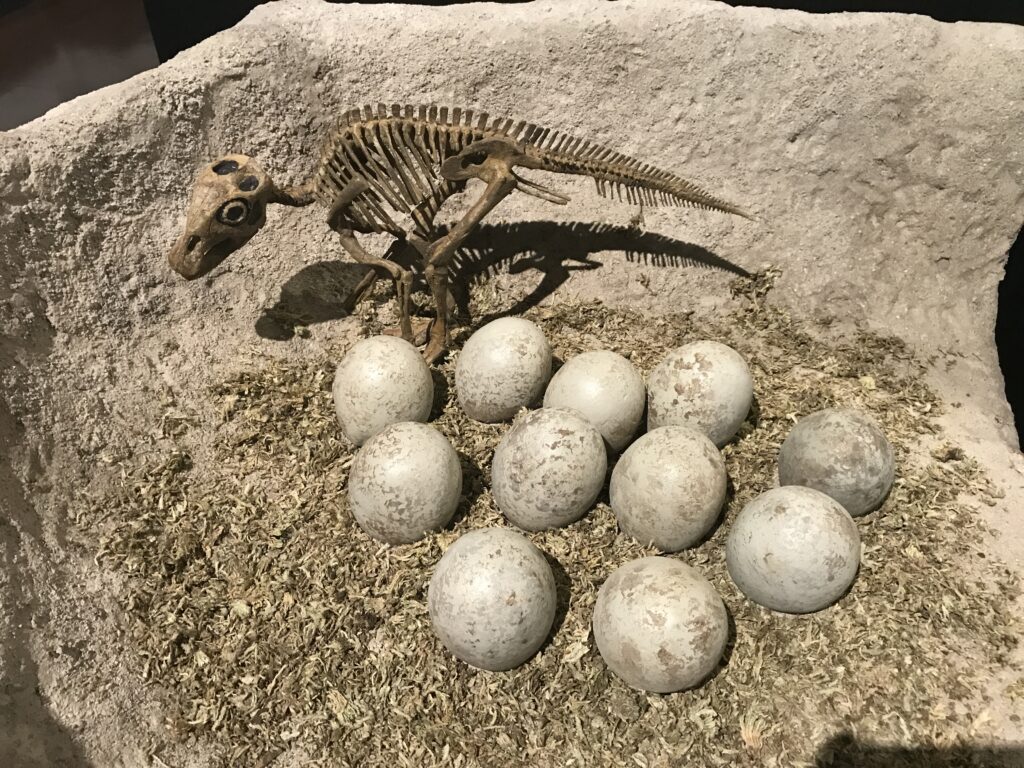
One of the most compelling arguments against the “dumb dinosaur” stereotype comes from extensive evidence of sophisticated parenting behaviors across numerous dinosaur species. Fossil nests from hadrosaurs, sauropods, and theropods reveal that many dinosaurs built carefully constructed nests, laid eggs in organized patterns, and actively tended to their young. Perhaps most remarkable are the fossilized remains of adult dinosaurs found directly atop nests in brooding positions, similar to modern birds. This indicates not just reproductive instinct but active parental care and protection of offspring. The famous “Fighting Dinosaurs” fossil—showing a Velociraptor and Protoceratops locked in combat—was discovered near a Protoceratops nest, suggesting the ceratopsian may have been defending its young. Multiple specimens of Maiasaura (literally “good mother lizard”) have been found with nests containing different-aged juveniles, indicating long-term parental care and possibly the existence of dinosaur nurseries. These complex social behaviors would have required substantial cognitive capabilities, including recognition of offspring, understanding of threats, and coordination between parents—all signs of developed intelligence.
Dinosaur Migration: Strategic Seasonal Movement

Recent paleontological discoveries have provided compelling evidence that many dinosaur species undertook regular seasonal migrations, a behavior requiring significant cognitive abilities and memory. Analysis of isotope ratios in fossilized teeth from hadrosaurs shows seasonal changes in diet and water sources, indicating these animals traveled between different territories throughout the year. The massive herds of Edmontosaurus and other hadrosaurs appear to have followed predictable migration routes spanning hundreds of miles, similar to modern wildebeest or caribou. Even more remarkably, fossil trackways of sauropods suggest these enormous animals navigated specific paths across challenging terrain, returning to the same breeding grounds year after year. Such migratory behavior requires mental mapping of landscapes, memory of water sources and feeding grounds, and the ability to navigate by celestial or magnetic cues. Some scientists theorize that dinosaurs may have used landmarks for navigation or followed established trails created by previous generations. These complex migratory patterns demonstrate that dinosaurs possessed sophisticated spatial cognition and environmental awareness—traits incompatible with the “dumb dinosaur” stereotype.
The Intelligence of Herbivorous Dinosaurs
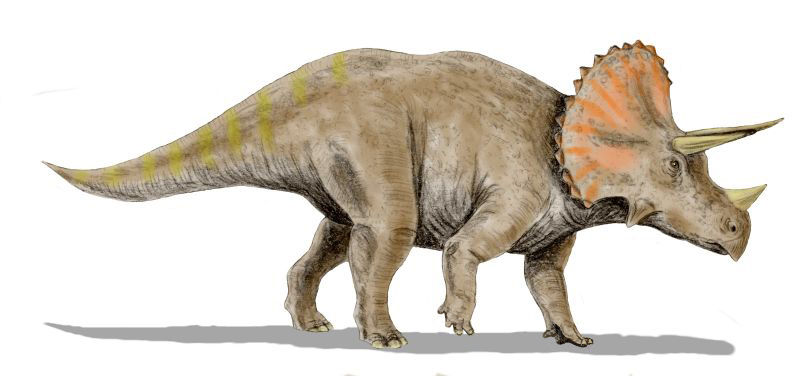
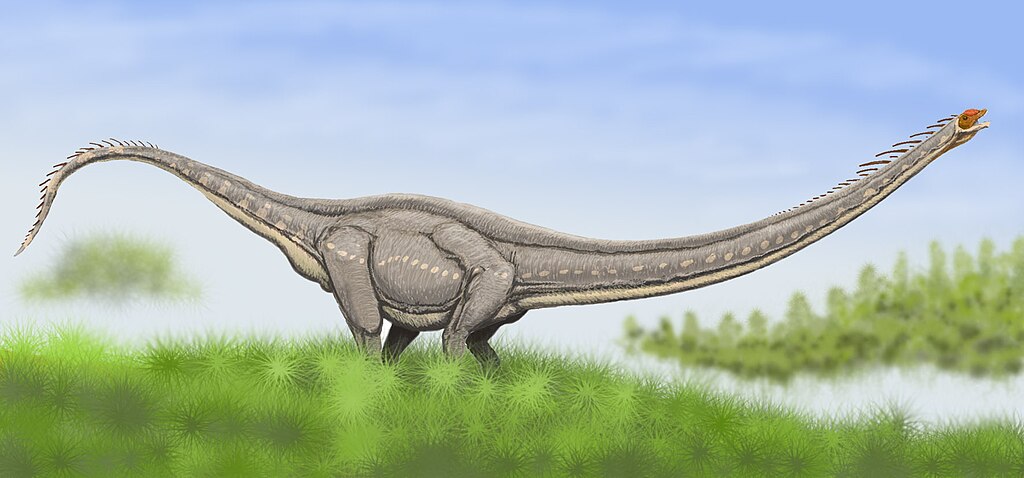
While carnivorous theropods often receive the most attention regarding dinosaur intelligence, herbivorous dinosaurs also exhibited remarkable cognitive abilities. Contrary to the stereotype of plant-eaters as dim-witted grazing machines, many herbivorous dinosaurs showed signs of complex behavior and problem-solving abilities. Ceratopsians like Triceratops had relatively large brains for their body size and well-developed sensory processing regions. These dinosaurs lived in complex social groups, as evidenced by bonebeds containing multiple individuals of various ages. The elaborate head frills and horns of ceratopsians likely served as visual communication tools within these social structures. Similarly, hadrosaurs (duck-billed dinosaurs) possessed highly specialized dental batteries for processing different types of vegetation, indicating sophisticated feeding strategies. Ankylosaurs, despite their heavily armored bodies and seemingly simple lifestyles, had surprisingly well-developed olfactory lobes, suggesting acute sensory awareness of their environment. Even the massive sauropods, often portrayed as the quintessential “tiny brain in huge body” dinosaurs, show evidence of complex herd behaviors and communication. The cognitive demands of finding suitable plant food, avoiding predators, and navigating complex social hierarchies would have required significant intelligence among herbivorous dinosaurs.
Dinosaur Communication: More Than Roars and Bellows
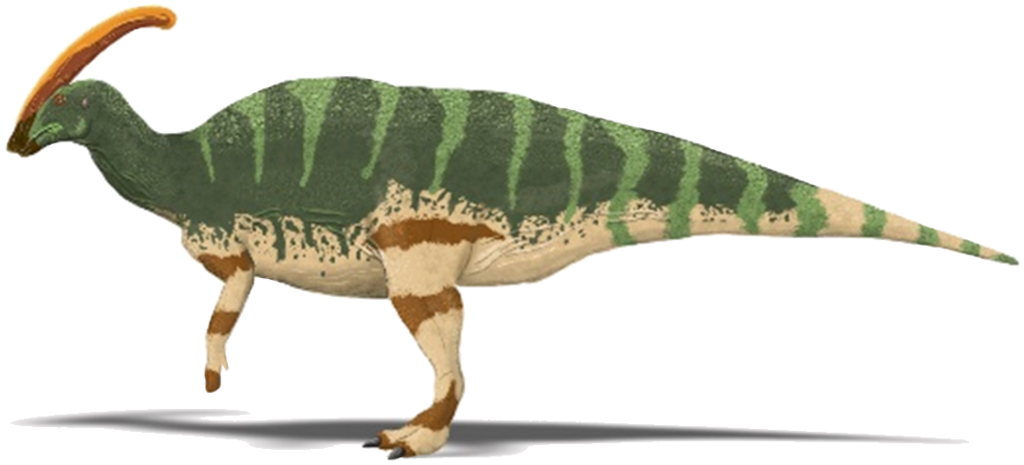
Evidence increasingly suggests that dinosaurs engaged in sophisticated communication far beyond the simplistic roars depicted in popular media. Many dinosaur species possessed anatomical features specifically evolved for producing and receiving complex signals. The elaborate crests of lambeosaurine hadrosaurs like Parasaurolophus functioned as resonance chambers, allowing these animals to produce distinctive low-frequency sounds that could travel over long distances. CT scans of these hollow crests reveal intricate internal passages similar to musical instruments. The discovery of a specialized ear structure in many dinosaur fossils indicates acute hearing abilities tuned to specific frequency ranges—a strong indicator of complex vocal communication. Beyond vocalizations, visual displays played a crucial role in dinosaur communication. The frills, horns, crests, and plumage of many species served as visual signals for species recognition, mating displays, and social hierarchy establishment. Fossil evidence of feathered dinosaurs suggests some species may have engaged in elaborate visual displays similar to modern birds. These varied communication methods indicate dinosaurs possessed the cognitive capabilities to both produce and interpret complex signals—a far cry from the mindless roaring beasts of outdated portrayals.
Learning and Adaptation: Dinosaur Behavioral Flexibility

One of the strongest arguments against the “dumb dinosaur” myth comes from evidence of behavioral flexibility and learning capabilities across numerous species. Far from being rigid, instinct-driven automatons, dinosaurs demonstrated remarkable adaptability throughout their 165-million-year reign. Fossil evidence shows dinosaurs successfully colonizing virtually every terrestrial ecosystem on Earth, from arid deserts to polar regions with seasonal darkness. Such ecological versatility required behavioral plasticity and problem-solving abilities. Theropod dinosaurs show particular evidence of learning and adaptation in their hunting strategies. The evolution of pack hunting behaviors among dromaeosaurs represents a sophisticated cognitive adaptation that improved hunting success. Tracks of juvenile dinosaurs show evidence of play behavior—a critical learning mechanism in cognitively advanced animals. Perhaps most compelling is the successful radiation of dinosaurs following the end-Triassic extinction event, demonstrating their ability to adapt to radically changed environmental conditions. The cognitive flexibility required to adjust feeding strategies, social structures, and reproductive behaviors in response to environmental changes speaks to significant intelligence across the dinosaur lineage.
Sleeping Behavior and Cognitive Rest
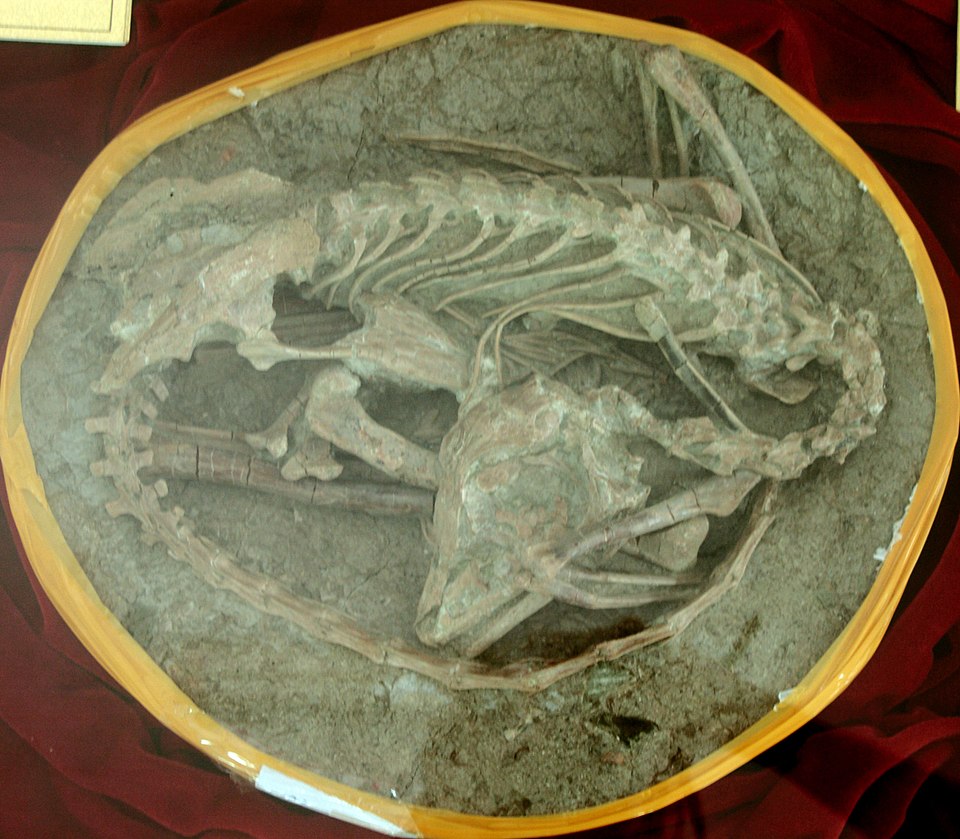
Recent fossil discoveries have provided fascinating insights into dinosaur sleeping postures and resting behaviors, offering further evidence of their cognitive sophistication. Several remarkable fossils show dinosaurs preserved in lifelike sleeping positions, including a small theropod named Mei long (“soundly sleeping dragon”) found with its head tucked under its arm in a bird-like sleeping posture. This position, still seen in modern birds, suggests not just physical similarity but possibly similar sleep patterns and brain functions. Modern birds engage in both slow-wave and REM sleep, critical for memory consolidation and cognitive function. The anatomical similarities between bird and theropod dinosaur brains suggest these ancient animals likely experienced similar sleep cycles. Additionally, some ornithischian dinosaurs appear to have rested in positions that provided maximum sensory awareness of their surroundings, similar to sleeping patterns observed in modern prey animals. These sophisticated resting behaviors indicate dinosaurs possessed the neural complexity necessary for various sleep states and the cognitive awareness to select appropriate resting locations and positions—behaviors inconsistent with the “mindless beast” stereotype that has persisted for decades.
Dinosaur Problem-Solving: Fossil Clues to Cognitive Abilities

While we cannot observe living dinosaurs solving problems, fossil evidence provides tantalizing glimpses of their problem-solving capabilities and adaptive intelligence. The remarkably successful predatory adaptations of dromaeosaurs (raptor dinosaurs) suggest sophisticated hunting strategies requiring planning and coordination. Their specialized “killing claws” and forward-facing eyes indicate precision attacks that would have required spatial reasoning and target assessment. Herbivorous dinosaurs show evidence of sophisticated feeding strategies, with different species evolving specialized dentition and feeding heights to partition resources—a complex ecological adaptation requiring behavioral flexibility. Perhaps most intriguing is evidence of dinosaurs adapting their behaviors in response to environmental challenges. Fossil evidence from the Prince Creek Formation in Alaska shows dinosaurs survived in near-polar conditions with seasonal darkness, suggesting they developed behavioral strategies to cope with limited food availability and extreme temperatures. Recent discoveries of burrow-dwelling dinosaurs indicate some species created complex underground tunnel systems for protection and temperature regulation—an innovative solution to environmental challenges. These diverse examples of behavioral adaptations across different dinosaur lineages point to animals capable of solving ecological problems through cognitive means rather than mere instinct.
The Evolutionary Success of “Dumb” Animals?
Perhaps the most compelling argument against the “dumb dinosaur” myth comes from simple evolutionary logic: unintelligent animals don’t dominate Earth’s ecosystems for over 165 million years. The dinosaurs’ remarkable evolutionary success represents one of the longest periods of dominance by any vertebrate group in Earth’s history. By comparison, modern humans have existed for a mere 300,000 years. Dinosaurs thrived through multiple climate shifts and survived the end-Triassic extinction event that eliminated many competing reptile groups. They evolved into an astonishing diversity of forms, from the massive sauropods to specialized gliding and possibly swimming species. This evolutionary radiation required substantial behavioral plasticity and adaptive intelligence. Even the popular narrative that dinosaurs were “too stupid” to survive the end-Cretaceous extinction event falls apart under scrutiny—this catastrophic impact and its aftermath wiped out approximately 75% of all species onEarthrh regardless of their cognitive abilities. Indeed, dinosaurs did survive this extinction through their avian descendants, which represent some of the most intelligent non-mammalian animals on the planet today. The extraordinary evolutionary success of dinosaurs offers perhaps the strongest refutation of the notion that these animals were unintelligent evolutionary failures.
Birds: The Living Legacy of Dinosaur Intelligence

The final and perhaps most compelling evidence against the “dumb dinosaur” myth comes from their direct descendants walking—or rather, flying—among us today: birds. Modern avian species evolved directly from theropod dinosaurs, and their remarkable intelligence offers a window into the cognitive potential of their dinosaurian ancestors. Corvids (crows and ravens) demonstrate tool use, causal reasoning, and even metacognition—awareness of their knowledge. African grey parrots display linguistic abilities comparable to young human children. Even seemingly ordinary pigeons demonstrate remarkable facial recognition capabilities, distinguishing between dozens of human faces. These cognitive abilities didn’t emerge from nowhere; they evolved from neural foundations already present in dinosaurs. The enlarged forebrains, complex sensory processing, and sophisticated motor control seen in dinosaur brain endocasts represent the evolutionary precursors to avian intelligence. The revelation that birds are technically living dinosaurs forces a complete reconsideration of dinosaur cognitive capabilities. Far from being evolutionary dead ends, dinosaurs represent one of evolution’s great success stories—a lineage that produced some of the most intelligent animals on the planet, capable of complex problem-solving, social learning, and even artistic appreciation. The dinosaurs didn’t go extinct—they simply transformed into some of our planet’s most cognitively sophisticated creatures.
Conclusion

The persistent myth of dinosaur stupidity reflects not the limitations of these remarkable animals but rather the limitations of our understanding and imagination. As paleontological techniques advance and new fossils emerge, we continue to discover evidence of sophisticated behaviors, complex social structures, and neural adaptations that paint dinosaurs in a dramatically different light than their pop culture portrayals. From the pack-hunting strategies of Velociraptors to the elaborate parental care of Maiasaura, from the complex vocalizations of crested hadrosaurs to the problem-solving abilities needed for seasonal migrations, dinosaurs demonstrated a range of behaviors requiring substantial cognitive capabilities. Their 165-million-year dominance of Earth’s ecosystems stands as testament to their extraordinary adaptability and evolutionary success. As we correct the historical misconceptions about these animals, we gain not only a more accurate understanding of Earth’s past but also deeper insights into the evolution of intelligence itself. The dinosaurs weren’t evolutionary failures—they were, and through their avian descendants continue to be, one of evolution’s greatest success stories.