You might think Neanderthals disappeared entirely when their species went extinct roughly forty thousand years ago. Think again. These ancient cousins of ours left behind something far more intimate than fossils and stone tools. They left us pieces of themselves, woven right into your genetic code. If you’re reading this and your ancestry traces outside of Africa, you’re carrying fragments of Neanderthal DNA in nearly every cell of your body.
This isn’t some distant evolutionary footnote. The genetic inheritance from our encounters with Neanderthals continues to shape who you are today in ways that might surprise you. From how your immune system responds to infections, to whether you’re a morning person, to how sensitive you are to pain, these ancient genetic gifts keep influencing your daily life. Let’s dive into the fascinating ways Neanderthal DNA still matters in 2026.
When and How Did Humans and Neanderthals Actually Meet?
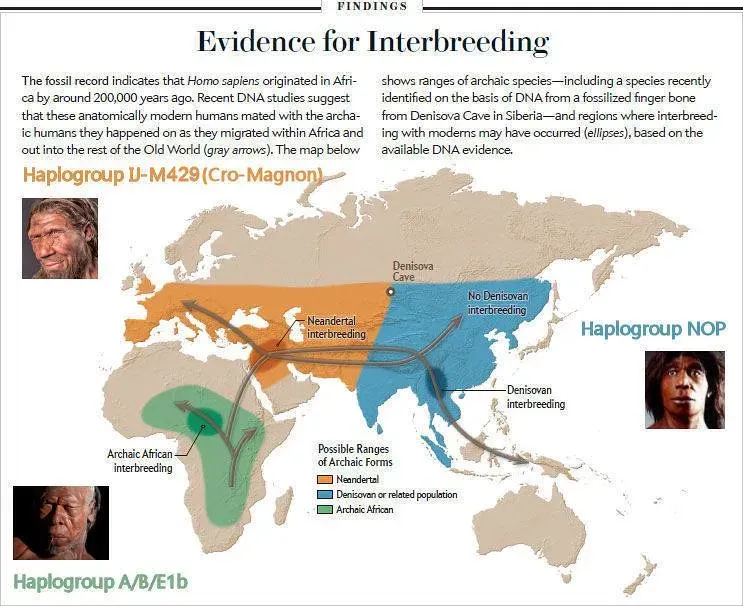
Most Neanderthal DNA in modern humans can be traced to a single major period of gene flow, which occurred about 47,000 years ago and lasted approximately 7,000 years. Picture this: your ancestors leaving Africa, venturing into unfamiliar Eurasian territories, and encountering these stocky, powerful beings who had already survived in those harsh environments for hundreds of thousands of years. These interactions left a lasting mark on our DNA; today, nearly all non-African humans carry traces of Neanderthal DNA.
The story gets even more complex. Modern humans and Neanderthals didn’t just cross paths; they repeatedly interbred, shared genes, and even merged populations over nearly 250,000 years. These revelations suggest that Neanderthals never truly disappeared – they were absorbed. What we once thought was a simple tale of replacement turns out to be a messy, intimate mixing of populations that fundamentally changed both groups.
How Much Neanderthal DNA Are You Actually Carrying?
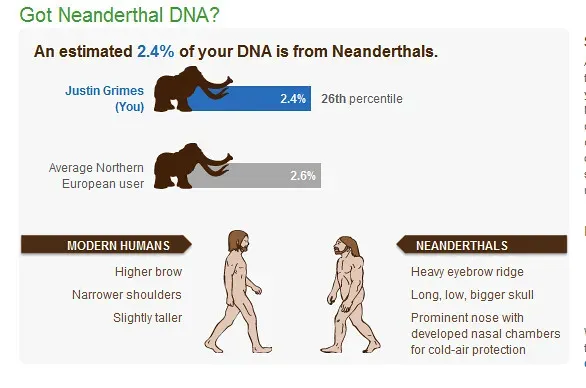
That interbreeding left Eurasians with many genes inherited from our Neanderthal ancestors, which in total make up between 1% and 2% of our genomes today. That might sound like a tiny amount, barely worth mentioning. Yet it’s enough to matter profoundly. The percentage varies depending on where your ancestors lived.
Here’s something fascinating: the proportion of Neanderthal ancestry is roughly 12 to 20 percent higher in East Asian individuals relative to European individuals. Nobody’s entirely sure why this difference exists. Some variants are playing a substantial role in modern humans and influencing 47 distinct genetic traits, such as how fast someone can burn calories or a person’s natural immune resistance to certain diseases. So despite being just a small fraction of your genome, these Neanderthal sequences punch well above their weight.
The Immune System Boost That Saved Our Ancestors
When your ancestors arrived in Europe and Asia, they faced an immediate problem: unfamiliar diseases. Neanderthals likely had significant immunity against these diseases built up over thousands of years. Our interbreeding with Neanderthals introduced genes that may have helped us overcome these diseases and succeed in populating this new environment. It was like getting a crash course in local immunity through genetic transfer.
The science behind this is remarkable. These immune receptors are on the cell surface, where they detect and respond to components of bacteria, fungi, and parasites. These immune receptors are essential for eliciting inflammatory and anti-microbial responses and for activating an adaptive immune response. Specifically, genes called TLR1, TLR6, and TLR10 show some of the highest levels of Neanderthal ancestry in modern humans. Almost half the people living in Europe and Asia have a Neanderthal version of this gene cluster.
Yet there’s a catch. Fast forwarding to today, some of these Neanderthal immune genes cause negative effects due to our modern lifestyle and changes in disease exposure. People who have Neanderthal versions of these TLR genes may be more likely to have allergic diseases.
COVID-19 and the Double-Edged Neanderthal Sword
Nothing highlighted the complex legacy of Neanderthal DNA quite like the pandemic. The risk haplotype, which increases by 60% the odds of being hospitalized because of COVID-19, is of Neanderthal origin and is present in 16% of individuals from Europe, 50% of people from India and up to 63% of individuals from Bangladesh. That’s staggering when you think about it. A genetic variant that might have helped your ancestors fight off ancient pathogens became a serious liability in 2020.
Neanderthal DNA can either increase or decrease our risk of developing severe COVID-19, depending on where it is within our genome. Some Neanderthal sequences offered protection, while others made things dramatically worse. Individuals of Bangladeshi origin living in the UK have twice more chances to die from COVID-19 than the general population, supporting the deleterious nature of the genetic risk factor.
This perfectly illustrates how genes that were advantageous tens of thousands of years ago can become problematic in entirely new contexts. Evolution doesn’t care about your future; it only responds to immediate survival pressures.
How Neanderthal DNA Shapes Your Brain and Behavior
Here’s where things get really interesting. Neanderthal-derived genetic variation is enriched for associations with neuropsychiatric phenotypes and with gene expression in the cerebellum and cerebral cortex, suggesting that there are traces of this ancient DNA that shape the modern human brain. We’re not just talking about physical traits anymore. We’re talking about how you think, feel, and perceive the world.
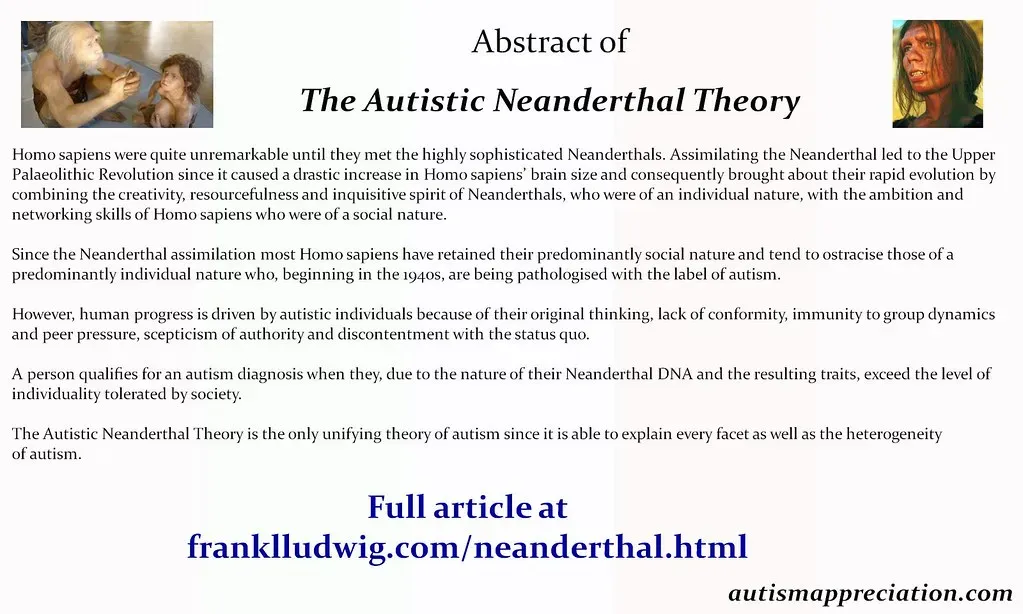
Individuals harboring a greater proportion of Neanderthal-derived variants have skull shapes that more resemble Neanderthal fossil remains, and that underlying brain morphology is altered as well. Some researchers have even found connections to autism spectrum traits. Researchers found 25 genetic markers linked to brain development that were more common in people with autism.
Among the traits with the strongest Neanderthal DNA contribution were smoking habits, alcohol consumption and sleeping patterns. So if you’re a night owl who struggles with nicotine addiction, you might have Neanderthals partially to thank. It’s not deterministic, obviously. The autism spectrum is also associated with traits that may have been adaptive during more recent human brain evolution – enhanced visuospatial processing, high intelligence, exceptional memory and creativity. Multiple genetics studies have found that many of the common genetic variants associated with autism are also associated with high intelligence.
Pain Sensitivity: The Neanderthal Gene That Makes You Wince
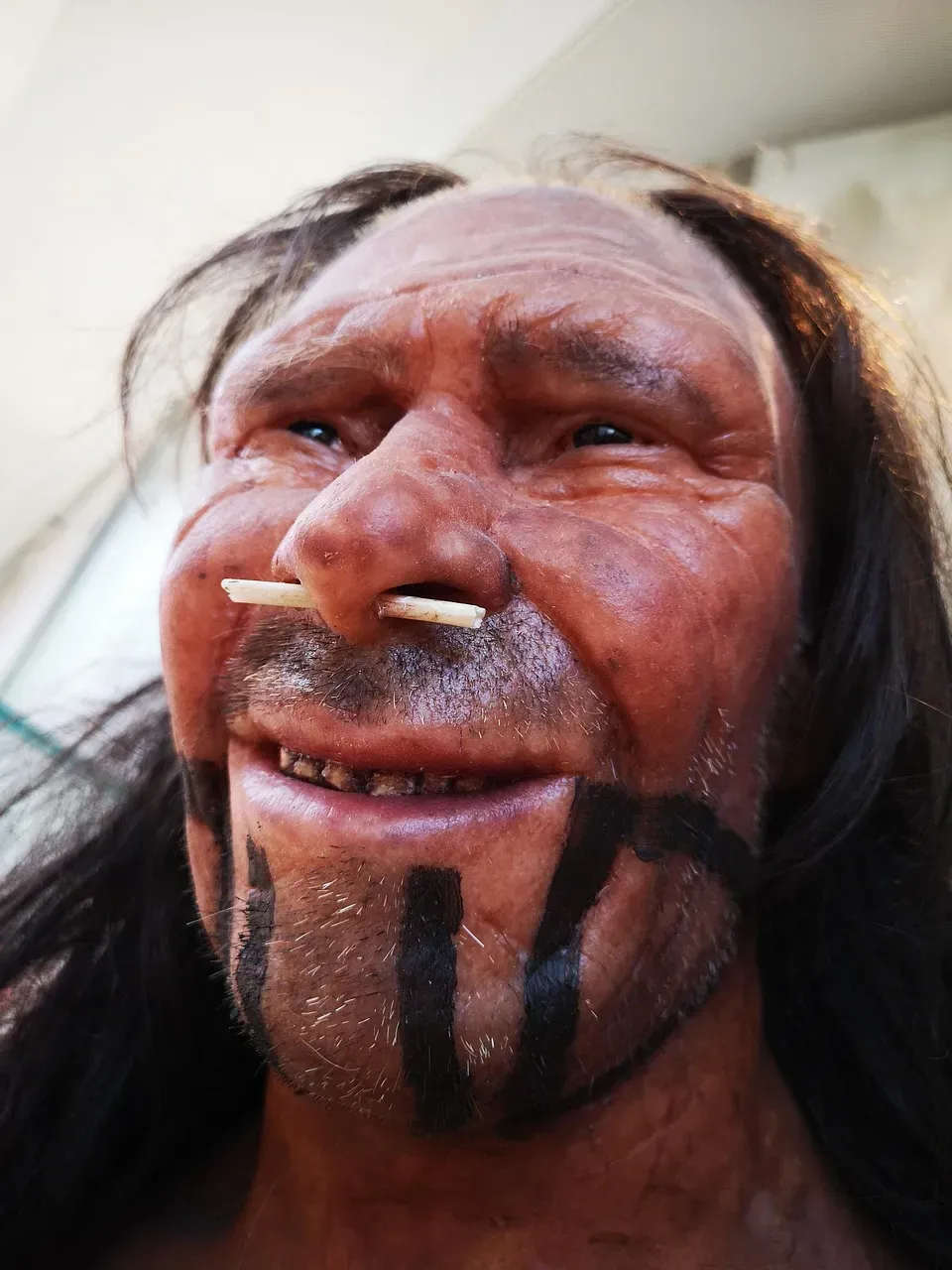
Ever wondered why some people seem to handle pain better than others? Genetics plays a role, and Neanderthals might be part of the answer. People carrying three so-called Neanderthal variants in the gene SCN9A, which is implicated in sensory neurons, are more sensitive to pain from skin pricking after prior exposure to mustard oil. Interestingly, this increased sensitivity applies specifically to mechanical pain, not heat or pressure.
Carrying all three variants was associated with greater pain sensitivity than carrying only one. The variants are particularly common in populations with high Native American ancestry. The three Neanderthal variants were more common in populations with higher proportions of Native American ancestry, such as the Peruvian population, in which the average proportion of Native American ancestry was 66%.
Why would heightened pain sensitivity be beneficial? Pain sensitivity is an important survival trait that enables us to avoid painful things that could cause us serious harm. Our findings suggest that Neanderthals may have been more sensitive to certain types of pain. Maybe being more sensitive to sharp objects helped them avoid injuries that could prove fatal in harsh ice age conditions. Or perhaps it was just a side effect of another beneficial trait entirely.
Physical Traits: From Skin Color to Nose Shape
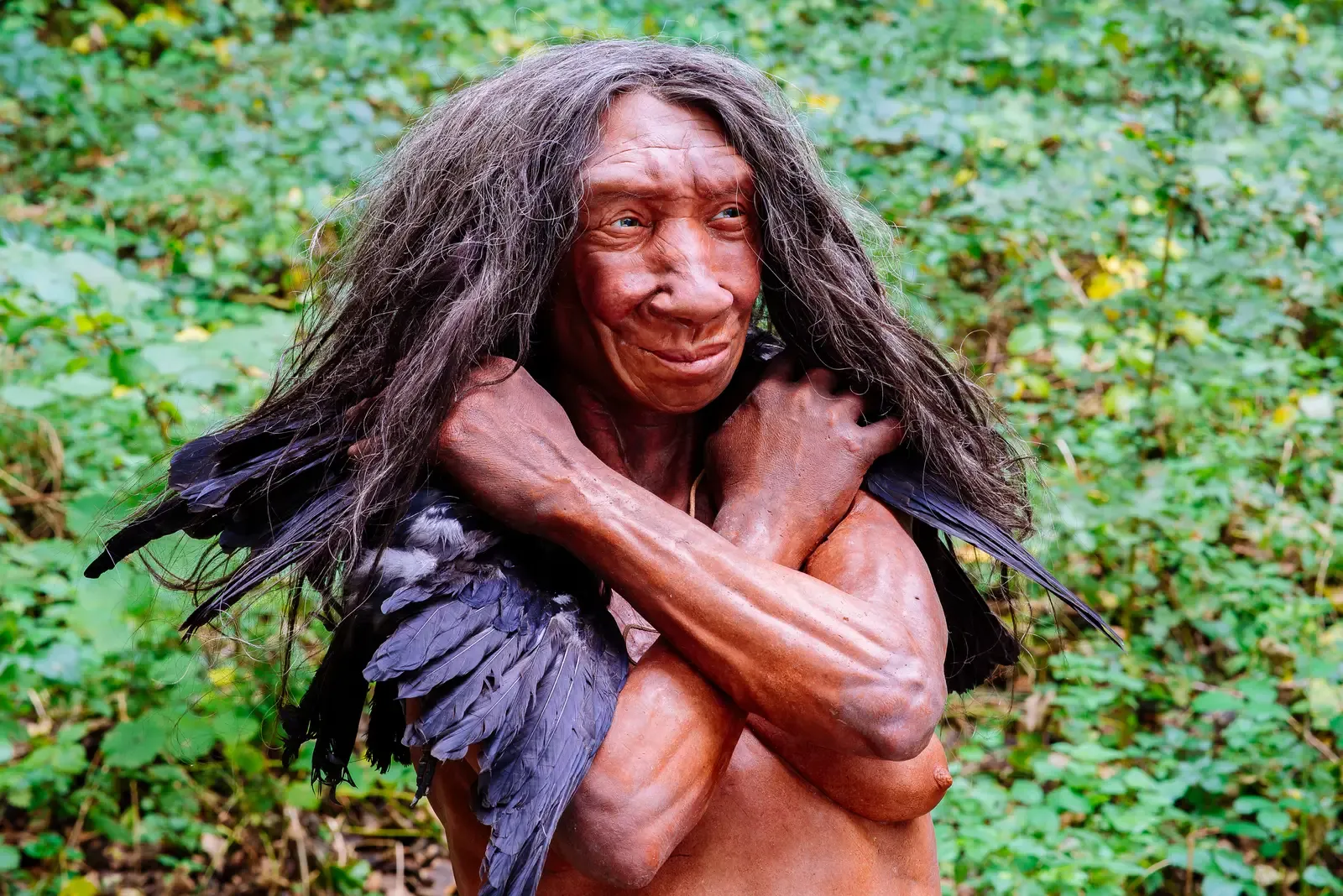
Some Neanderthal gene variants are also associated with a greater risk of balding and sunburn in modern humans. Of the 17 Neanderthal gene variants associated with balding, 15 were tied to hair loss rather than hair growth. If you’re losing your hair or burn easily in the sun, you can add that to the Neanderthal tab. Researchers also found that Neanderthal DNA was likely to make carriers more sensitive to sunlight. This suggests that these traits may have been beneficial to modern humans entering Eurasia.
Think about that. Traits that help you adapt to lower UV exposure in northern latitudes could paradoxically make you more vulnerable to modern sun exposure if you’re not careful. Humans also inherited some genetic material from Neanderthals affecting the shape of our noses. Even something as distinctive as your facial structure might have Neanderthal origins.
One example is a Neanderthal variant that increases blood coagulation. It could have helped our ancestors cope with new pathogens encountered in new environments by sealing wounds more quickly and preventing pathogens from entering the body. Fast clotting saves lives when you’re hunting mammoths. It might increase stroke risk when you’re sitting at a desk for ten hours a day.
The Ongoing Scientific Revolution in Understanding Our Past
Scientists reported that genes inherited by modern humans from Neanderthals and Denisovans may biologically influence the daily routine of modern humans. Every year brings new discoveries about how these ancient genetic threads continue influencing us. We’re only beginning to understand the full picture. Studies illuminated the evolutionary forces underlying current patterns of Neanderthal ancestry, and the fitness and functional consequences of Neanderthal introgressed alleles.
The majority of selection, positive and negative, on Neanderthal ancestry happened very quickly after the gene flow, within roughly 100 generations. Some Neanderthal gene variants, including variants of genes related to the immune system and skin pigmentation, were beneficial and increased in frequency throughout the human population. Natural selection worked fast, keeping the useful stuff and discarding what didn’t work. Yet some regions of the genome actively rejected Neanderthal DNA. Large sections of your chromosomes contain virtually no Neanderthal ancestry because those sequences proved incompatible with modern human biology.
Your genome is a living museum, a record of encounters between different human species written in chemical code. As genetic research advances and more ancient genomes get sequenced, we’ll continue discovering surprising ways these ancient interactions still matter. Neanderthals aren’t gone. Part of them lives on in you, influencing your biology in ways both helpful and harmful, shaping who you are in this modern world they never could have imagined.
What do you think about carrying ancient DNA from another human species? Does it change how you see yourself, knowing you’re a hybrid of multiple human lineages?