Have you ever wondered what secrets lie beneath miles of crushing ocean water, hidden in total darkness where the pressure could flatten almost anything? The deepest parts of our planet’s oceans are like alien worlds right here on Earth. For centuries, scientists assumed these trenches were barren wastelands, lifeless zones where nothing could possibly survive. How wrong they were.
Recent expeditions into these abyssal depths are rewriting everything we thought we knew about life on our planet. These underwater canyons aren’t just home to bizarre creatures that thrive in unimaginable conditions. They’re also preserving clues about when and how vertebrates first ventured into the deep sea, a transition that took far longer than you might expect. Let’s dive in and discover what these hidden depths are revealing about our evolutionary past.
When Fish Finally Made the Plunge Into Darkness
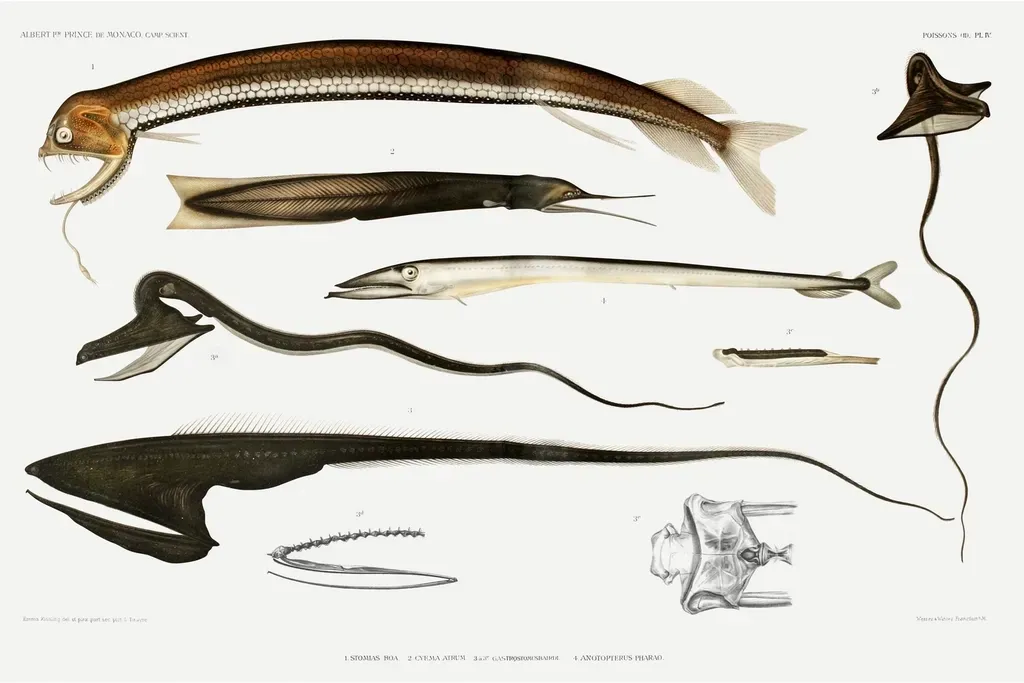
Trace fossils from abyssal plain turbidites of the Tethys Ocean indicate that fishes have occupied the deep seafloor since at least the Early Cretaceous period, roughly 125 to 130 million years ago. That might sound ancient, yet here’s the thing that surprises scientists. The earliest evidence for deep-seafloor vertebrates postdates the appearance of vertebrates by approximately 400 million years.
Let that sink in for a moment. Vertebrates existed in shallow seas for hundreds of millions of years before they finally colonized the deep ocean. There are just about 150 million years between the first vertebrates and the first vertebrate land invasion, yet the adaptations for deep-sea life, like modified eye structures and proteins showing enhanced structural stability, represent evolutionary innovations as significant as wings and tetrapod limbs. Something about the deep sea kept our ancestors away for an extraordinarily long time.
The Geological Forces That Create Deep-Sea Time Capsules
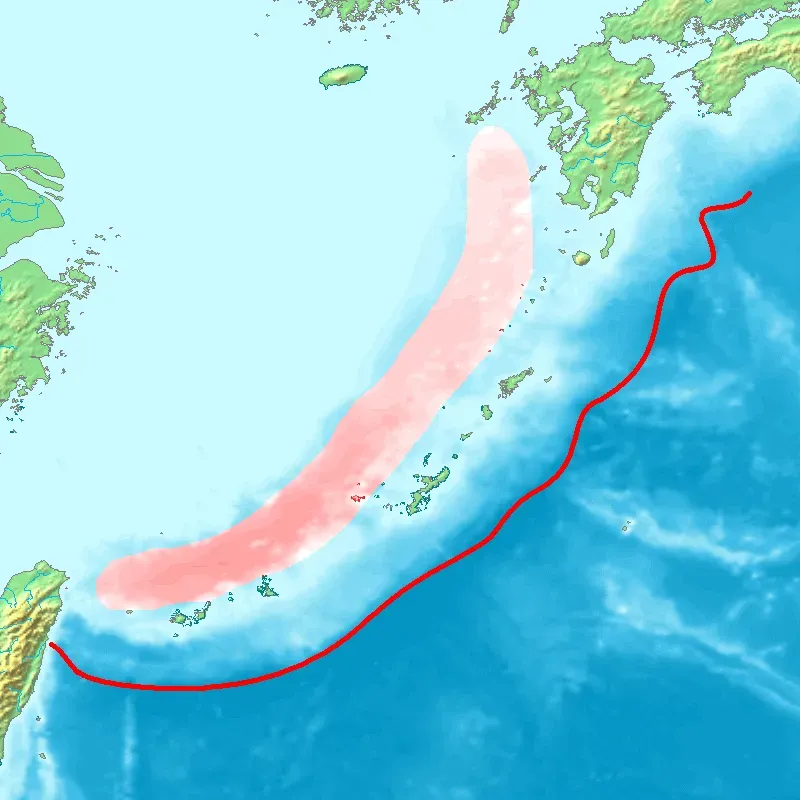
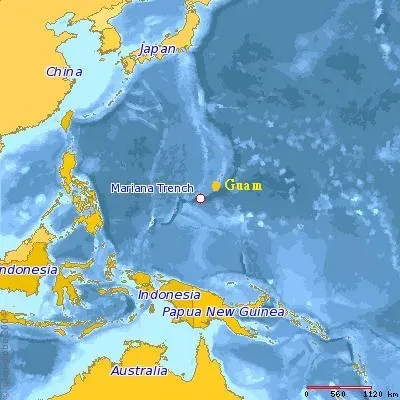
Ocean trenches form through a violent geological process you might have heard about in school. Subduction occurs where one massive slab of Earth’s crust slides under a smaller one, forcing the seafloor to plunge downward and forming the deepest parts of the ocean. The Mariana Trench, Earth’s deepest point, resulted from this exact collision between tectonic plates.
Invasion of the deep sea is a less well-known ecological shift because of low fossilization potential and continual loss of abyssal fossil record by ocean floor subduction. It’s hard to say for sure, but this presents a frustrating paradox for paleontologists. The very forces that create these trenches also destroy much of the fossil evidence. In subduction zones, towering mountains are created as one plate is crammed under the other, recycling ancient seafloor back into Earth’s mantle. Whatever secrets those rocks held are melted away forever.
Modern Explorers Finding Ancient Evolutionary Patterns
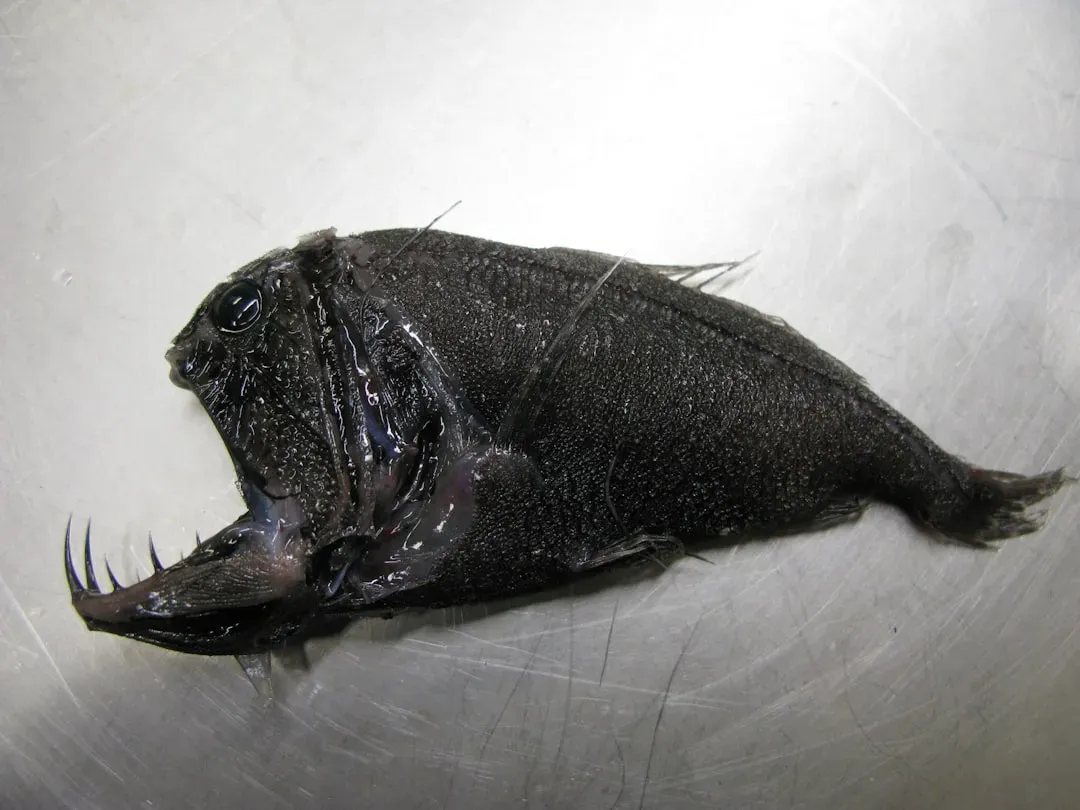
Chinese researchers using the Fendouzhe submersible made some truly remarkable discoveries during recent dives. An incredible level of diversity was uncovered in the Mariana Trench, including more than 7,000 new microbial species, with 89 percent of them new to science. Think about that for a second. Nearly nine out of ten species they found had never been documented before.
The expedition also collected larger organisms that tell evolutionary stories. Analysis revealed that eight lineages of fish species entered the deep-sea environment at different times, with the earliest likely entering in the early Cretaceous period about 145 million years ago, while others reached it during the Paleogene, and some as recently as the Neogene period. Different fish families independently discovered how to survive in the hadal zone across tens of millions of years. Snailfish might have ventured into deep-sea trenches about 20 million years ago, possibly coinciding with a period of tectonic upheaval.
Convergent Evolution’s Remarkable Genetic Blueprint
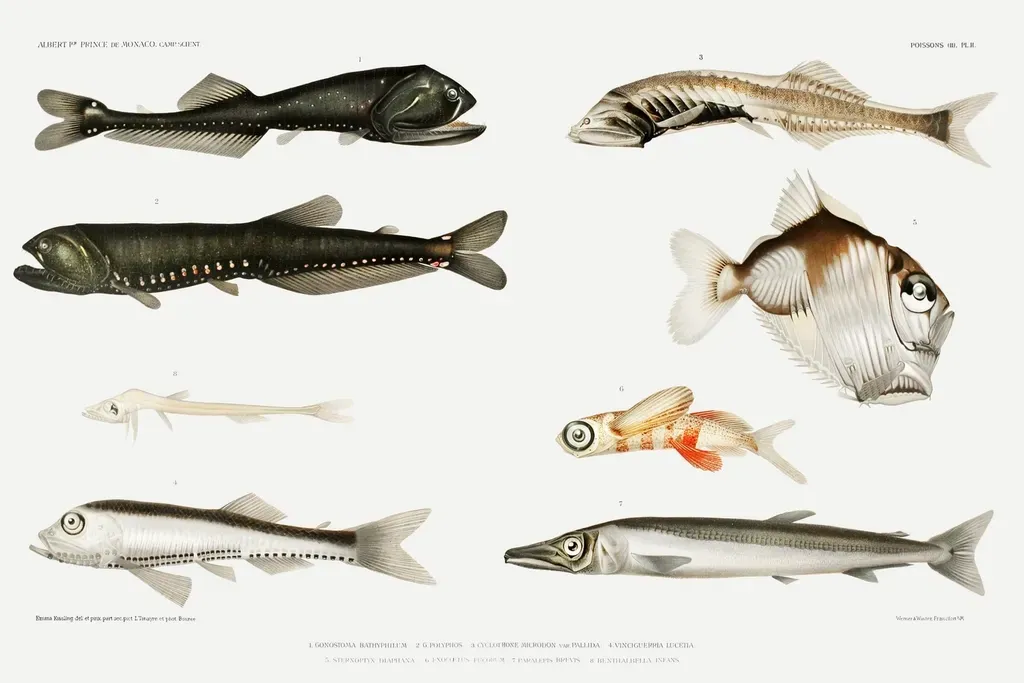
Here’s where things get really fascinating. Despite different timelines for making the deep sea their home, all the fishes studied living below 9,800 feet showed the same type of mutation in the Rtf1 gene, which controls how DNA is coded and expressed. Let’s be real, that’s extraordinary. These fish evolved separately, at different times, from different ancestors.
All these fishes developed the same mutation separately as a result of the same deep-sea environment, rather than from a shared evolutionary ancestor, showing just how strongly deep-sea conditions shape these species’ biology. Evolution essentially arrived at the same solution multiple times when faced with identical challenges. The hadal snailfish also developed some pretty unique adaptations. Possessing multiple copies of two genes, cldnj and fthl27, allows the hadal snailfish to maintain their auditory senses and withstand the immense pressure they are subjected to underwater.
Life Thriving Where It Shouldn’t Exist
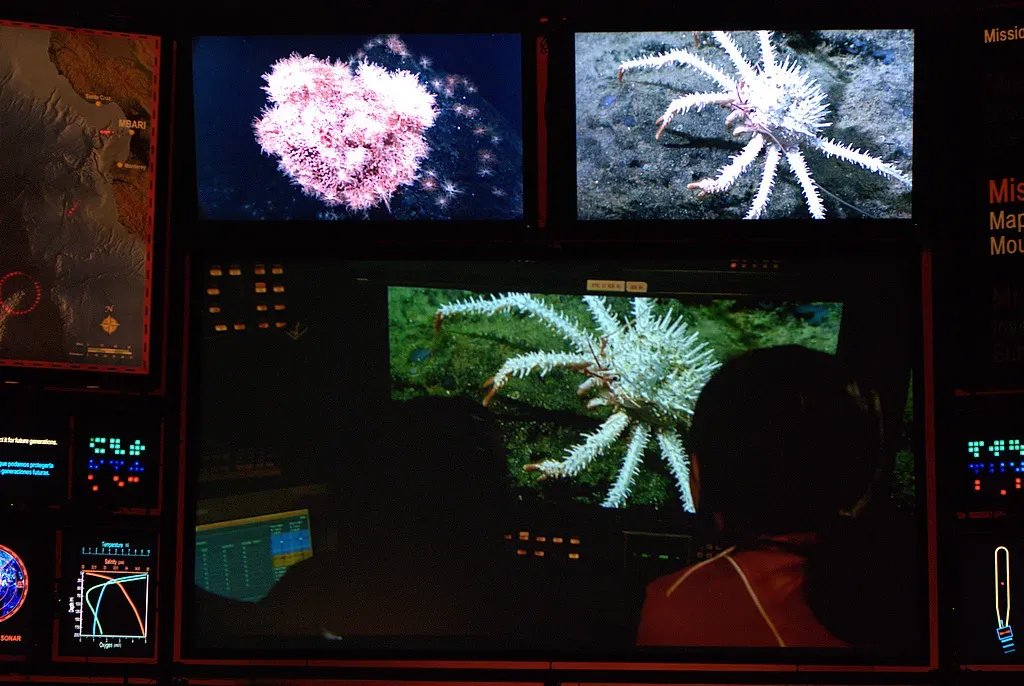
The hadal zone, while covering just one to two percent of the ocean floor, accounts for the deepest 45 percent of the ocean’s vertical depth, with immense pressure, total darkness, limited food sources, and near-freezing temperatures creating an environment commonly considered inhabitable by only a few specialized organisms. Yet against all odds, life doesn’t just survive down there. It flourishes.
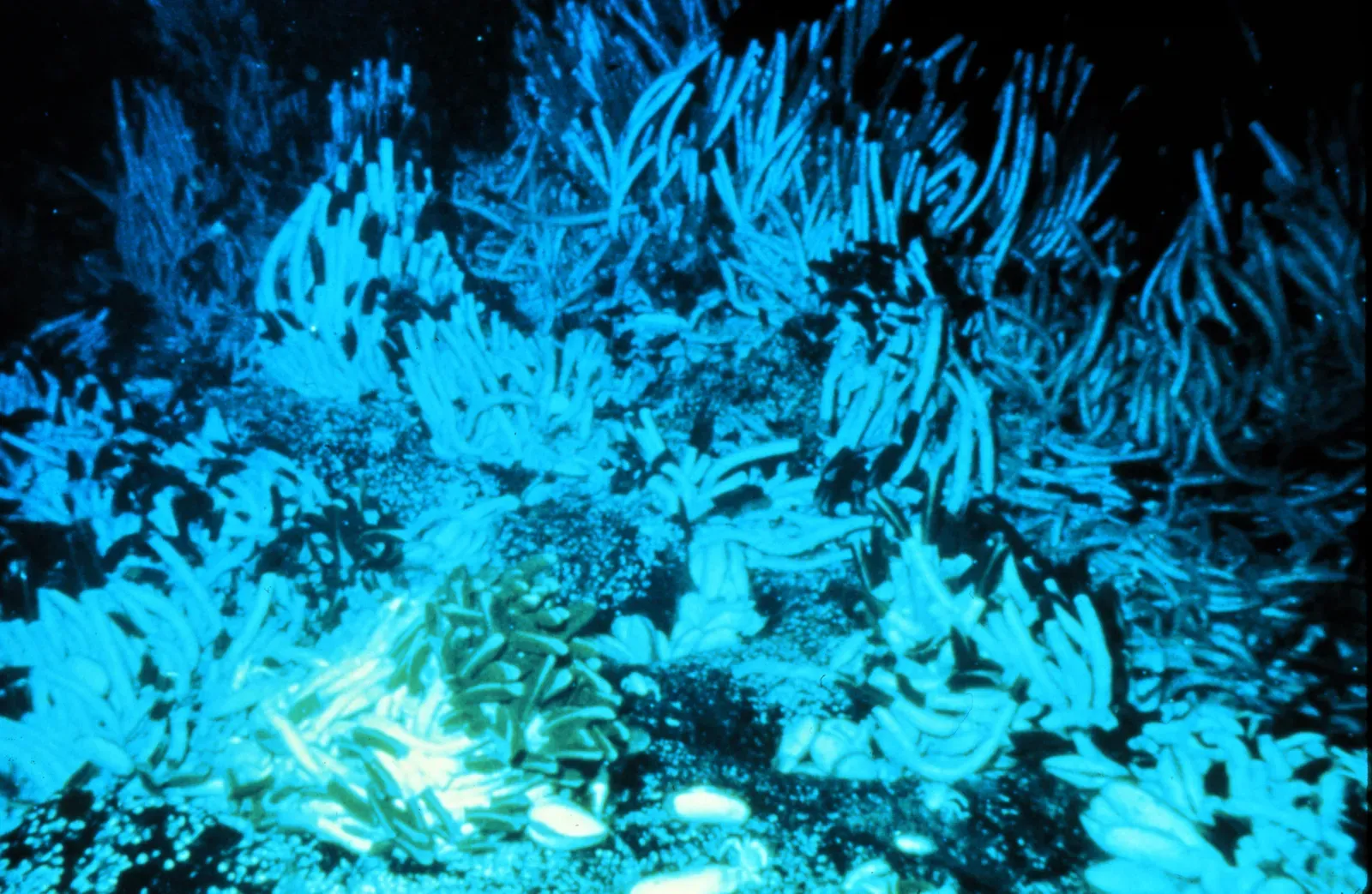
Animal communities, including thousands of tubeworms and bivalves, have been observed at depths up to 9,533 meters in the Mariana Trench, marking the deepest and most extensive chemosynthesis-based ecosystems known. In the total darkness at the bottom of the world, these creatures live off of chemicals such as methane seeping through cracks in the seafloor, a process called chemosynthesis. No sunlight means these ecosystems run on an entirely different energy source than nearly everything else on the planet’s surface.
What Delayed Vertebrates From Venturing Deep?
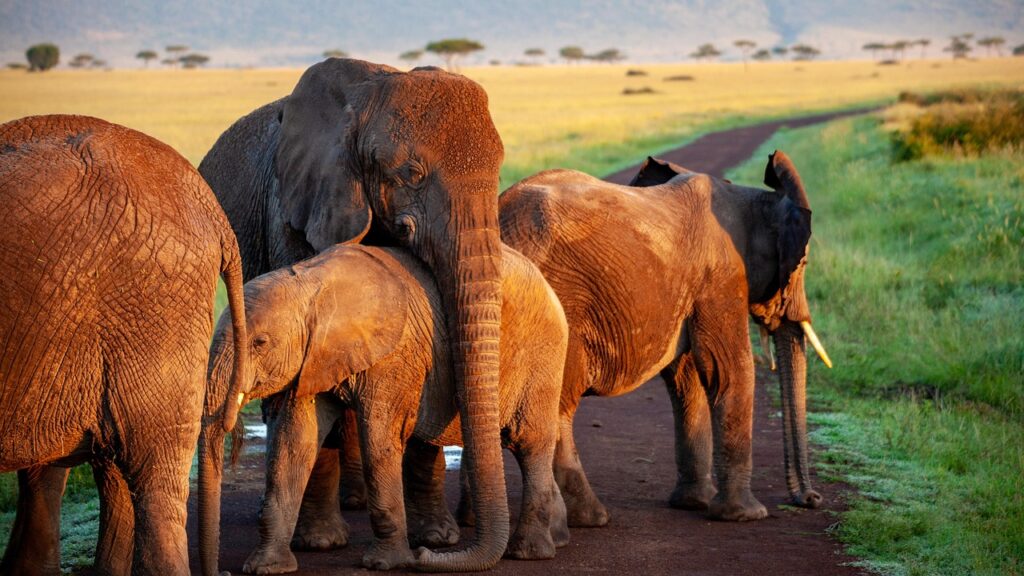
Scientists are still puzzling over this question. A key question is what factors in the deep sea might have delayed vertebrate colonization, and which ones might have triggered it. The extreme conditions clearly played a role. At almost seven miles deep, the pressures at the deepest ocean depths reach approximately 15,000 pounds per square inch, about the equivalent of an elephant standing on top of your thumb.
Observations are consistent with Early Cretaceous vertebrate transition to the deep sea triggered by the availability of new food sources. Maybe the evolution of productive abyssal invertebrate communities provided enough incentive. The deep sea may have served as an ecological refuge during environmental changes caused by dramatic temperature and oxygen fluctuations. Honestly, vertebrates might have been driven into the depths by catastrophic events in shallow waters, finding sanctuary where nothing else could follow.
Human Impact Reaches Even the Unreachable
Here’s something that should make you pause. Polychlorinated biphenyls, harmful chemicals banned in the 1970s, contaminated the liver tissues of hadal snailfish, and high concentrations of these compounds along with flame retardant chemicals were found in sediment cores extracted from more than 32,800 feet deep in the Mariana Trench. We’ve managed to pollute the most remote place on Earth.
The team discovered persistent organic pollutants in both fish and sediment samples from the Challenger Deep in the Mariana Trench and the Philippine Trench, an alarming finding that underscores the far-reaching impact of human activities, even in the most remote and extreme environments. These trenches hold clues not just about Earth’s ancient past, but also about our present impact on the planet. The deepest living vertebrates carry our chemical fingerprints in their tissues.
Conclusion
The ocean’s deepest trenches are proving to be far more than inhospitable voids. They’re evolutionary laboratories that reveal how life adapts to the most extreme conditions imaginable. From trace fossils showing that vertebrates colonized the deep sea more than 125 million years ago, to modern fish species that independently evolved identical genetic mutations to survive crushing pressures, these depths are rewriting our understanding of vertebrate evolution.
Yet perhaps the most sobering discovery is that even these remote ecosystems aren’t beyond humanity’s reach. Industrial pollutants banned decades ago still contaminate creatures living nearly seven miles beneath the ocean’s surface. As scientists continue exploring these trenches with increasingly sophisticated technology, they’re uncovering both the remarkable resilience of life and the unfortunate extent of our environmental impact. What other secrets do you think are waiting in the darkness below?