
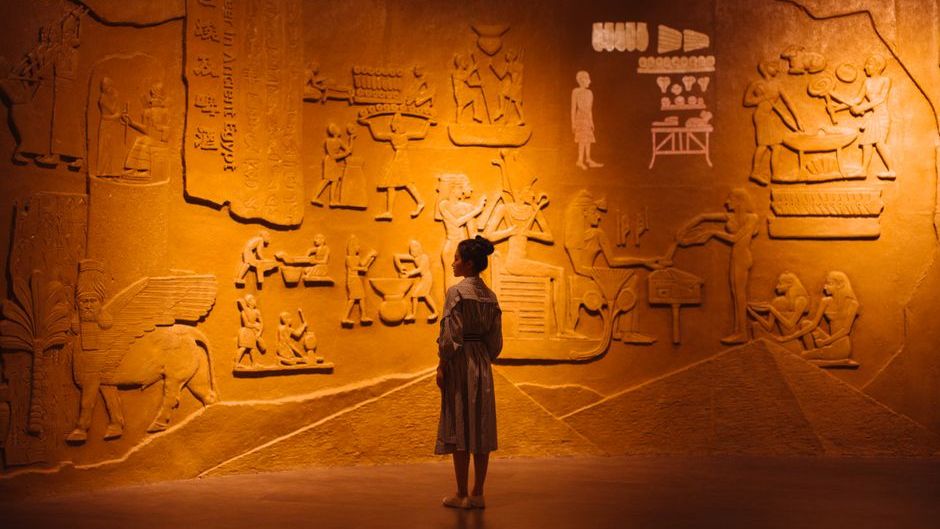
Somewhere on this planet, under a night sky that looks a lot like the one our ancestors stared at, people are still telling stories that began thousands of years ago. Not just old myths in dusty books, but living tales, passed from one voice to another, shifting slightly with each retelling yet somehow recognizably the same. The idea sounds almost unreal at first, like time travel hiding in plain sight.
Yet when you look at the evidence from archaeology, linguistics, and anthropology, a strange picture emerges: certain flood legends, volcano myths, star stories and journey tales may preserve memories of real events from deep prehistory. These are not fairy tales in the modern sense; they are cultural time capsules. And once you see them that way, it becomes hard not to wonder: how much of our oldest human story is still quietly alive in the words we use, the rituals we repeat, and the myths we barely take seriously anymore?
When Myths Remember Things Older Than Writing
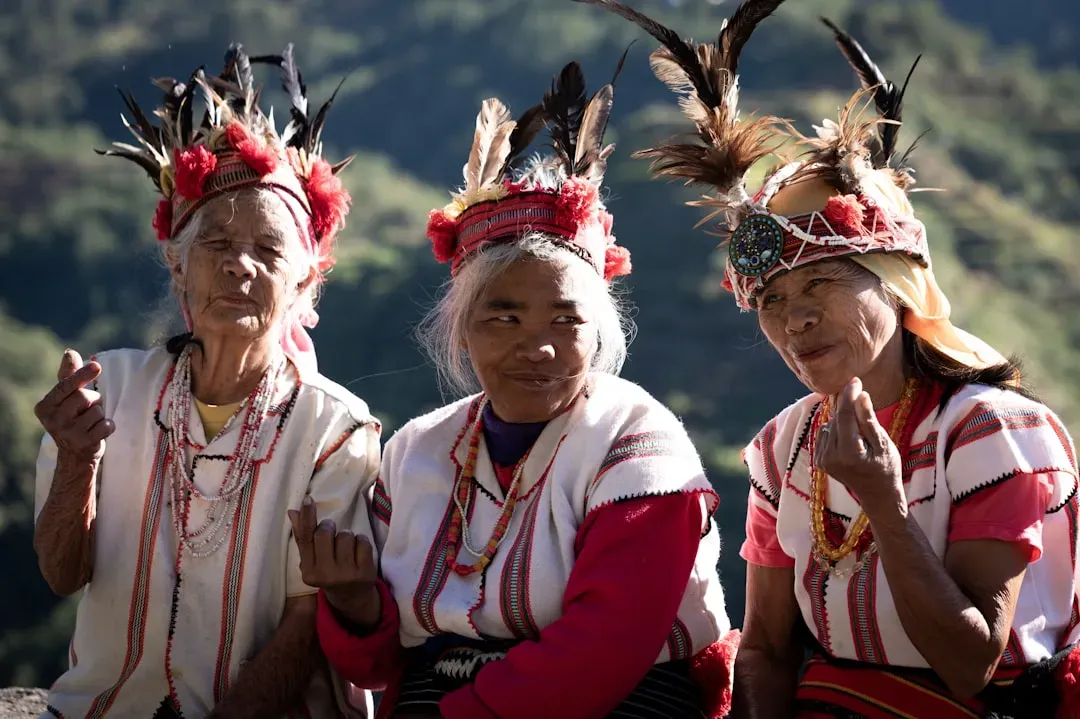
It’s tempting to think that anything not written down is fragile and short‑lived, but some oral traditions behave more like stone than smoke. Anthropologists studying Indigenous cultures in Australia, the Pacific, and the Americas have found stories that appear to describe coastlines before sea levels rose, eruptions of long‑quiet volcanoes, or meteor strikes that left visible craters still on the landscape. In several cases, the geological or archaeological event can be dated, and the story that seems to describe it is still being told today, many thousands of years later.
That should stop us cold for a second, because it clashes with the casual assumption that oral stories decay quickly into nonsense. Instead, some cultures treat key narratives almost like sacred software, carefully copied with ritual rules that reduce “data loss.” Repetition, song, rhythm, taboo, and social sanction all act as error‑correction systems, helping a community keep a story surprisingly stable over huge stretches of time. It doesn’t mean every detail is perfectly preserved, but it does mean the core of an event can survive in a way that would shock most modern people who lose track of what they were saying halfway through a text thread.
Floods, Fires, and the Deep Time Behind Familiar Myths
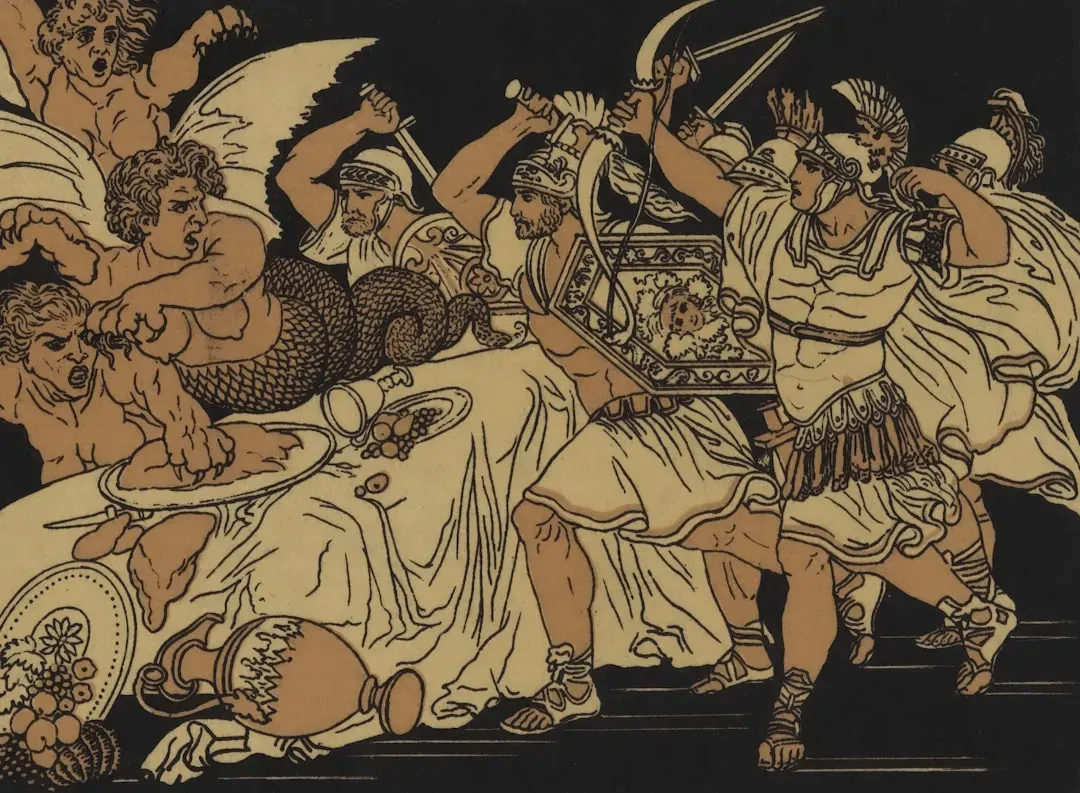
Many of us grew up thinking of flood myths, sky fires, or dragon tales as generic human imagination: big water, big fire, big monster. But when researchers compare stories across cultures with local geology and climatology, some patterns start to look a lot less random. Along coasts that were once dry land during the last Ice Age, some Indigenous traditions describe ancestral territories now underwater, with place details that match submerged landforms mapped by modern science. In regions shaped by major eruptions, nearby oral histories can sound eerily like eyewitness accounts of lava, ash, and darkness falling from the sky.
None of this proves that every myth hides a datable event, and it would be reckless to treat legends as straightforward chronicles. Still, the overlap between specific stories and specific landscapes suggests that at least some myths are memory palaces built around real disasters, encoded in symbol and metaphor. In that light, “the oldest human story” might not be a single plot at all, but a recurring pattern: people seeing their world break, then telling and retelling what happened so their descendants would remember how the land can change and how fragile normal life really is.
The Journey Story: Our Species’ Favorite Plotline
If there is one storyline that seems almost hard‑wired into us, it is the journey: leaving home, crossing a threshold, facing trials, returning changed. You can find this arc in ancient epics, religious tales, road movies, video games, and even in the way people talk about career changes or breakups. Some scholars argue that the journey story is older than agriculture, shaped by the realities of hunter‑gatherer life, migration, and exploration as humans moved across continents tens of thousands of years ago.
Think about it this way: our species survived by walking – long distances, dangerous routes, into the unknown. The emotional beats of departure, risk, loss, and return were not abstract ideas; they were daily reality. It makes sense that stories mirroring those rhythms would stick around, almost like a psychological survival manual disguised as entertainment. When we binge a show about a reluctant hero setting out on a quest, we are basically chewing on the same emotional protein our ancestors relied on while deciding whether to cross that next mountain range.
Astronomy in the Campfire Tales
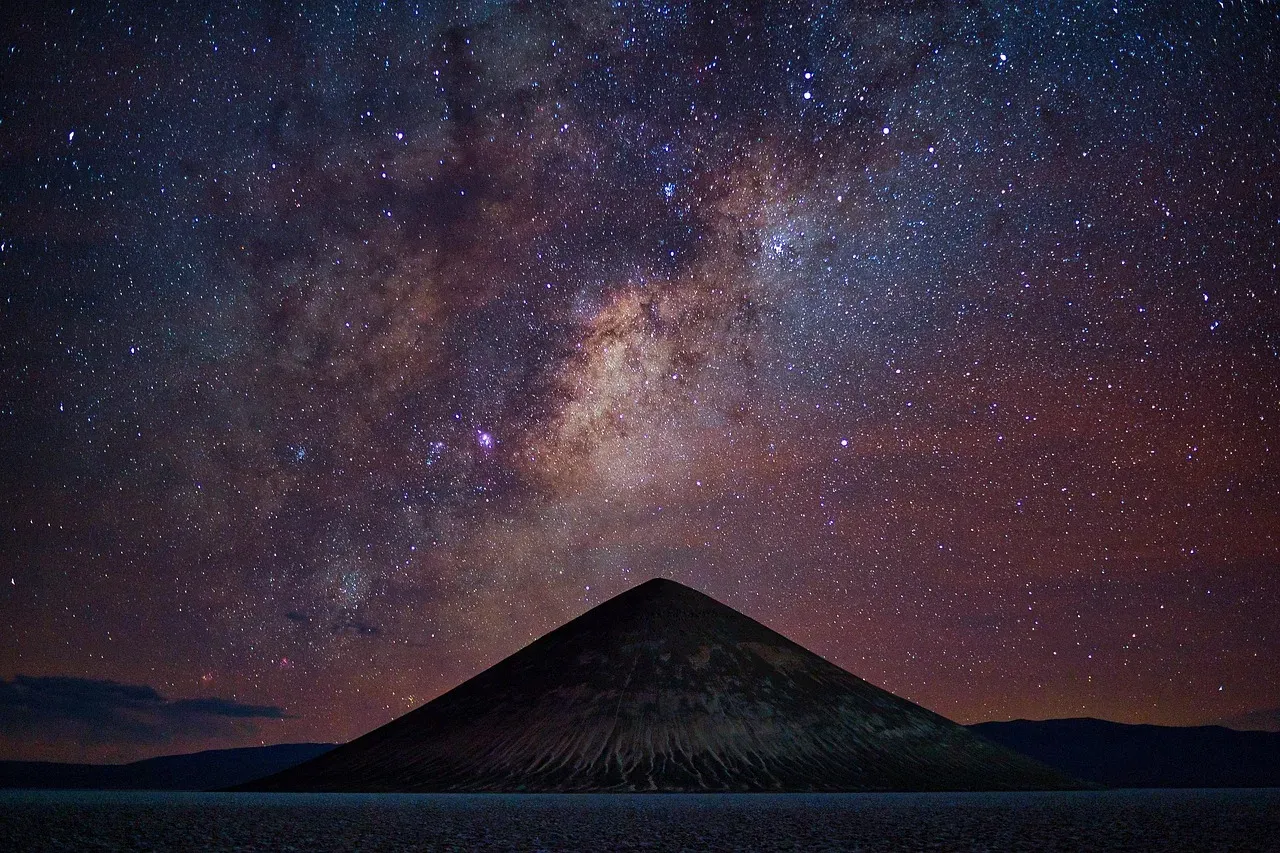
Look up at the night sky from almost anywhere on Earth, and you’ll find that someone, somewhere nearby has a story about what they see. In many cultures, constellations are more than just patterns; they are calendars, navigation tools, and moral lessons wrapped together. Some traditional star stories appear to encode seasonal shifts, animal behavior, and even long‑term astronomical cycles. There is ongoing debate over just how old some of these sky stories might be, but the idea that they stretch back to deep prehistory is not far‑fetched at all.
What makes this especially powerful is how it ties human memory to something extremely stable: the motions of the heavens. If your community uses the story of a particular star’s rising to signal a time to plant, fish, or shelter from storms, you will tell that story with care, because your survival partially depends on getting it right. Over many generations, the characters may morph, but the linkage between sky sign and human action can stay remarkably consistent. In that sense, some of the oldest human stories may not just be alive; they may still be running quietly in the background of how people mark time, plan work, and read the world at night.
How Languages Hide Ancient Narratives
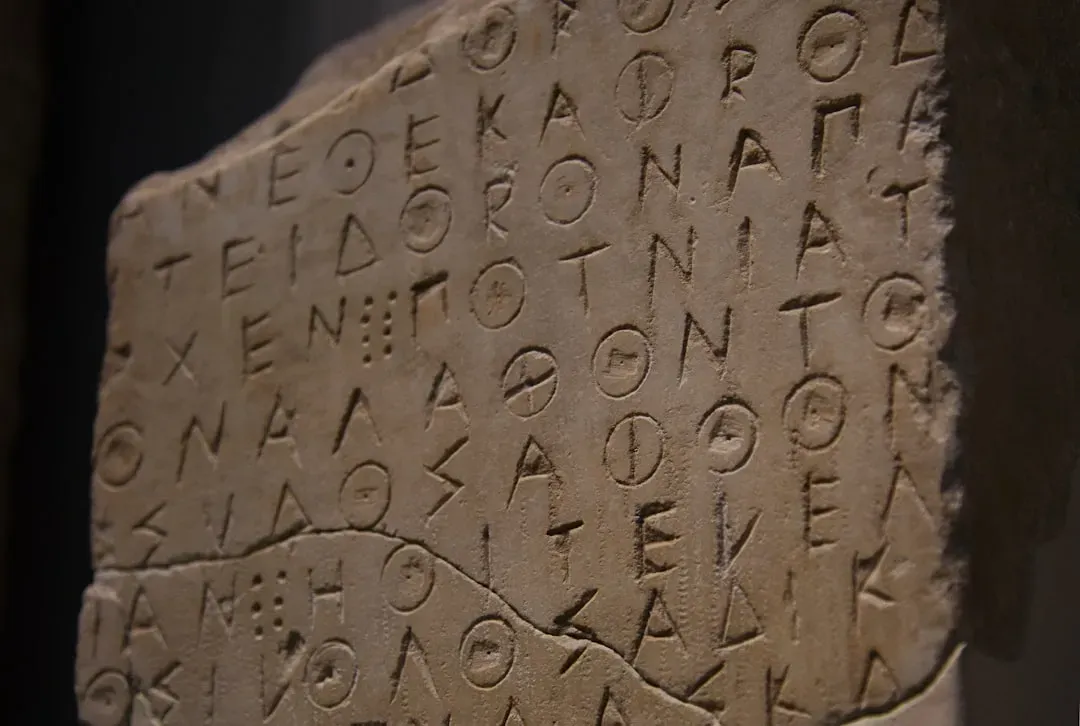
Stories live in obvious places like myths and legends, but they also hide inside language itself. Common metaphors – like describing time as something we move through, or life as a path, or knowledge as light and ignorance as darkness – show up again and again across unrelated cultures. Linguists sometimes see this as evidence of shared cognitive tendencies, but it can also hint at very old conceptual “stories” about how reality works. These deep metaphors are like faint fossils preserved not in rock, but in grammar and everyday speech.
When you say you are “stuck,” “lost,” “on the right track,” or “carrying a heavy burden,” you are tapping into a narrative frame so old that you probably never question it. It treats life as a physical journey, problems as physical weight, and understanding as sight, as if we all silently agreed on those analogies long ago and never stopped using them. You could argue that behind many cultures’ explicit myths lies an even older, quieter narrative about what it means to be a human moving through time and uncertainty. That story, unlike a named myth, never needs to be “told” directly; it leaks through almost every sentence we speak.
Why We Still Tell Origin Stories (Even in a Scientific Age)
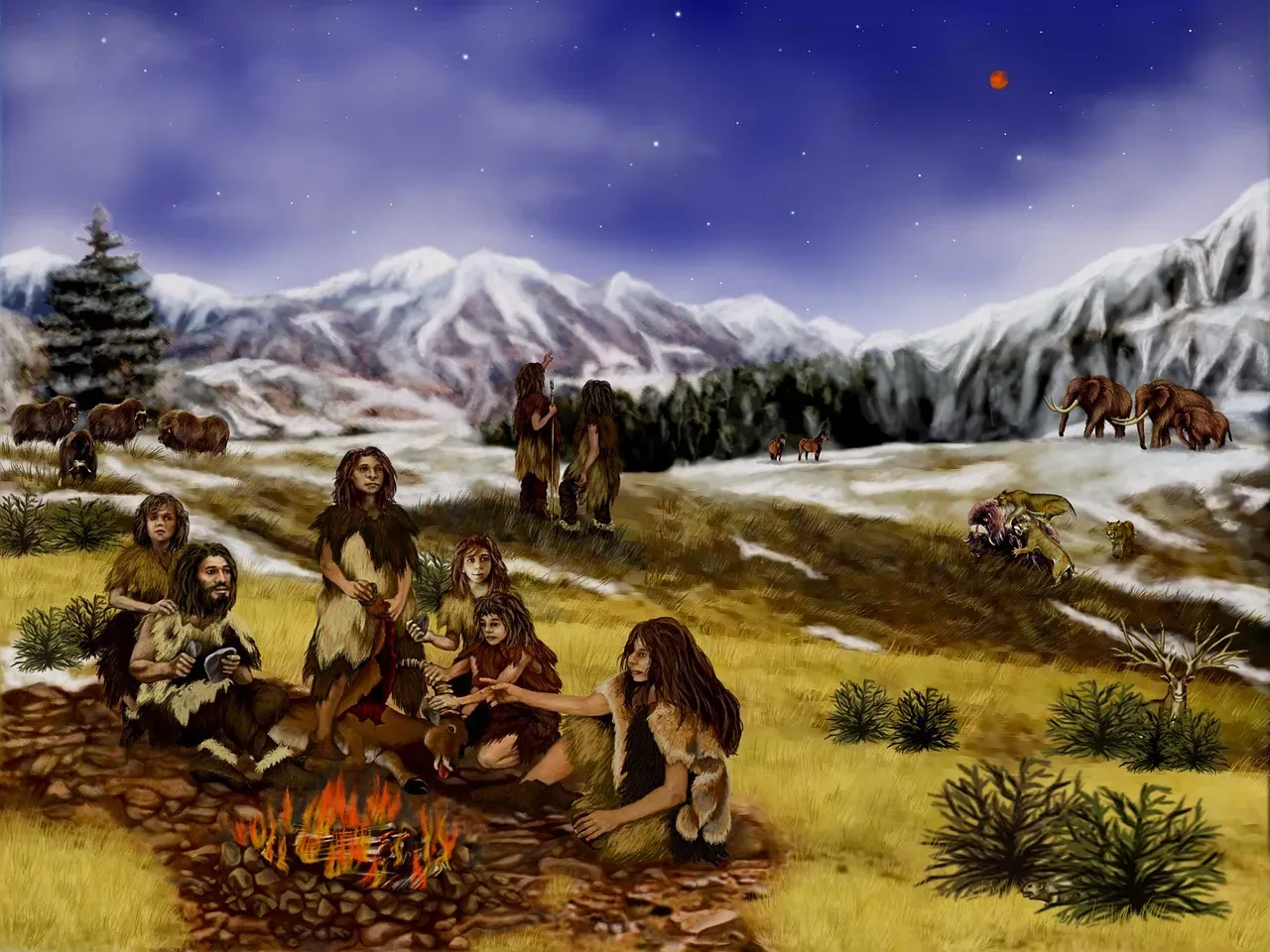
In a world where we can map our genome and see galaxies billions of light‑years away, it might seem like traditional origin stories would fade into pure nostalgia. Yet people still crave answers to questions that data alone cannot satisfy: Why are we here? What are we for? How should we live together? Scientific origin accounts explain mechanisms and timelines, but they do not, by themselves, tell us who we are in a moral or emotional sense. That gap is where older narrative forms keep slipping back in.
You can see this in how folks talk about everything from the “story of humanity” in popular science writing to the personal myths people build around their childhoods, families, and cultures. Even when we proudly call ourselves rational, we smuggle in narrative structures to make sense of randomness and complexity. I catch myself doing this all the time – taking messy, half‑remembered parts of my life and unconsciously editing them into something that feels like a coherent plot. That instinct is so persistent that it feels less like a choice and more like a cognitive reflex inherited from people who once sat around fires asking the same huge questions with far fewer tools.
Are We Still Living Inside the Same Story?
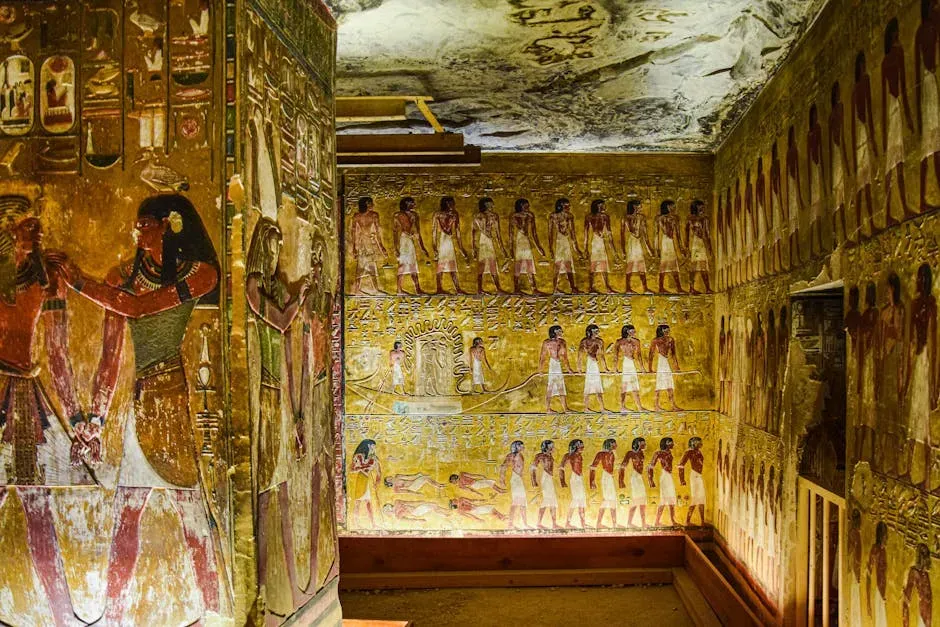
So is there truly a single “oldest human story” that has survived intact from the deep past into the present? Strictly speaking, probably not. The evidence is strongest for families of related stories – floods and fires, journeys and sky signs, world‑breaking disasters and hard‑won returns – that have echoed down the generations in different forms. But in a broader sense, I think we absolutely are still living inside the same narrative shell our ancestors built: we are fragile beings on a changing planet, trying not to forget what hurt us before, trying to pass on enough memory so our children can do better.
If that sounds grand, it’s also very ordinary. Every time a parent teaches a child to be careful near water, to respect a storm, to pay attention to the seasons, or to be brave when leaving home, they’re adding one more layer to that ancient storyline. I find that both comforting and a bit unsettling. It means we are not nearly as modern as we like to think – but it also means we are part of something long, continuous, and strangely beautiful. In the end, maybe the oldest human story still alive today is this: we remember, we retell, and we hope someone is still listening. Did you expect that?