Few scientific questions ignite the imagination quite like the possibility of recovering genetic material from creatures that roamed the Earth tens of millions of years ago. The idea feels both impossibly far-fetched and irresistibly exciting, which is precisely why researchers keep pushing at the edges of what science says is achievable. From soft tissue pulled from a T. rex femur to reconstructed genomes built by comparing turtles and birds, the story of dinosaur DNA is not a simple “yes” or “no.” It is a living, evolving, hotly debated frontier of science.
You might be surprised to learn just how much genuine progress has been made, and how much mystery still clings to every discovery like fossilized amber to a prehistoric wing. Let’s dive in.
Why the Search for Dinosaur DNA Even Began
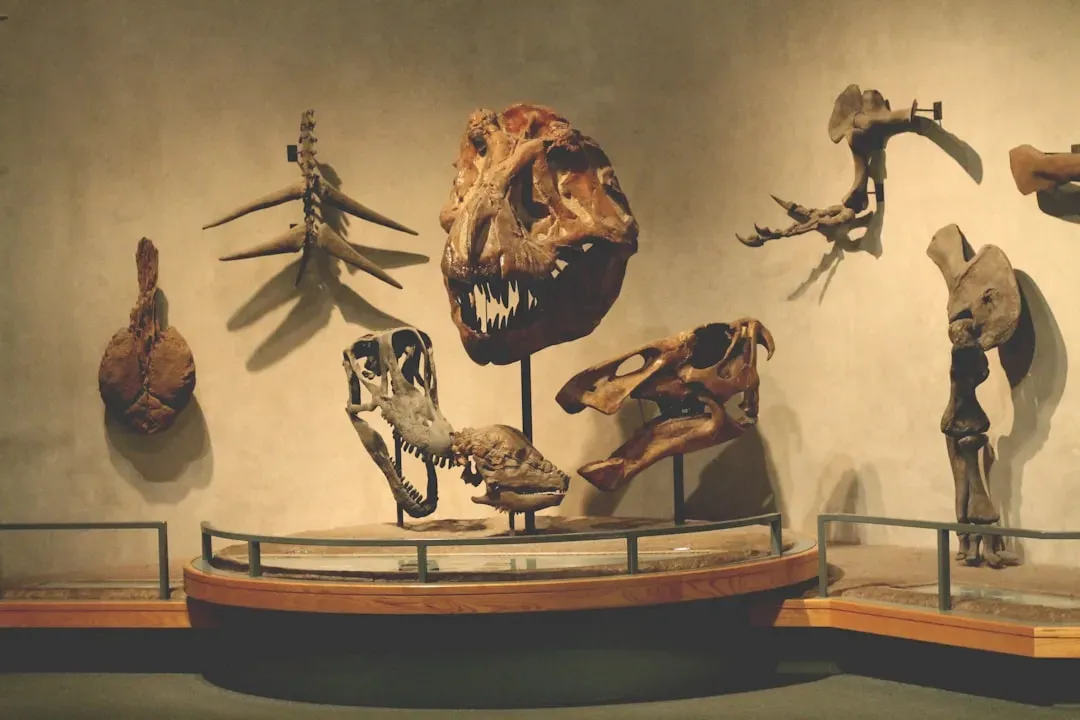
The quest for dinosaur genetic material did not begin in a laboratory. Honestly, it began in a cinema. The 1993 movie “Jurassic Park” did a good job of bringing the idea of cloning dinosaurs into popular culture. That film planted a seed of wonder in a generation of scientists and curious minds who went on to ask a deceptively simple question: could it actually be done?
Around the time the film debuted in 1993, research papers heralded the discovery of Mesozoic DNA. Those claims were later overturned when other research teams could not replicate the same results. So the science started rough. Yet the hunger for answers never faded, and in some ways the failure of those early claims only made the search more rigorous and more compelling over time.
The Hard Science: Why Dinosaur DNA is Nearly Impossible to Find
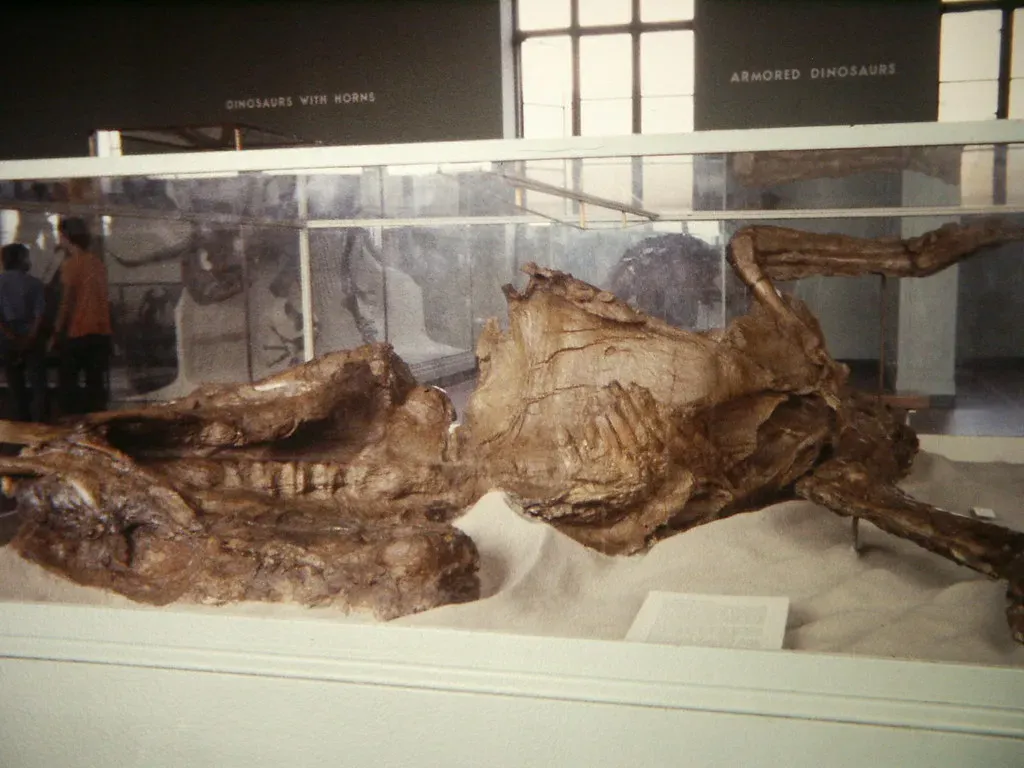
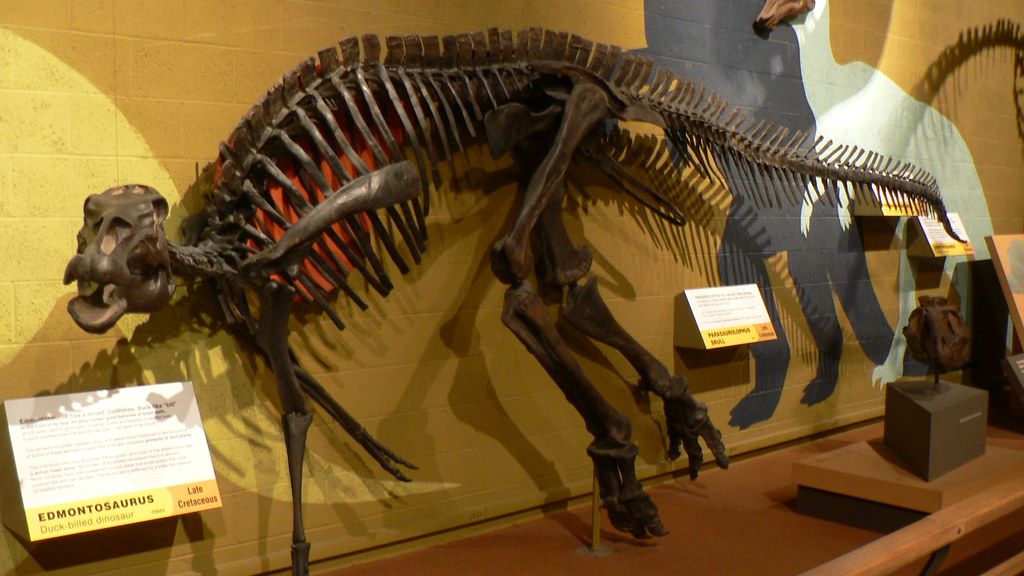
Here is the thing that makes this search so brutally difficult. Scientists can only hope to recover recognizable DNA sequences from creatures that lived and died within the past 6.8 million years, far short of even the last nonavian dinosaurs. Non-avian dinosaurs went extinct roughly 66 million years ago. That is not a small gap to bridge.
According to ancient DNA experts, DNA survives a maximum of one to 1.5 million years. To date, the oldest DNA found and extracted was from a mammoth specimen that was potentially up to 1.6 million years old. The DNA was better preserved than other ancient mammoth specimens because the northeastern Siberian permafrost stopped it from degrading quickly. Dinosaurs died out more than forty times longer ago than that record-holder. The math is painfully unforgiving.
Soft Tissue in Fossils: The Discovery That Changed Everything
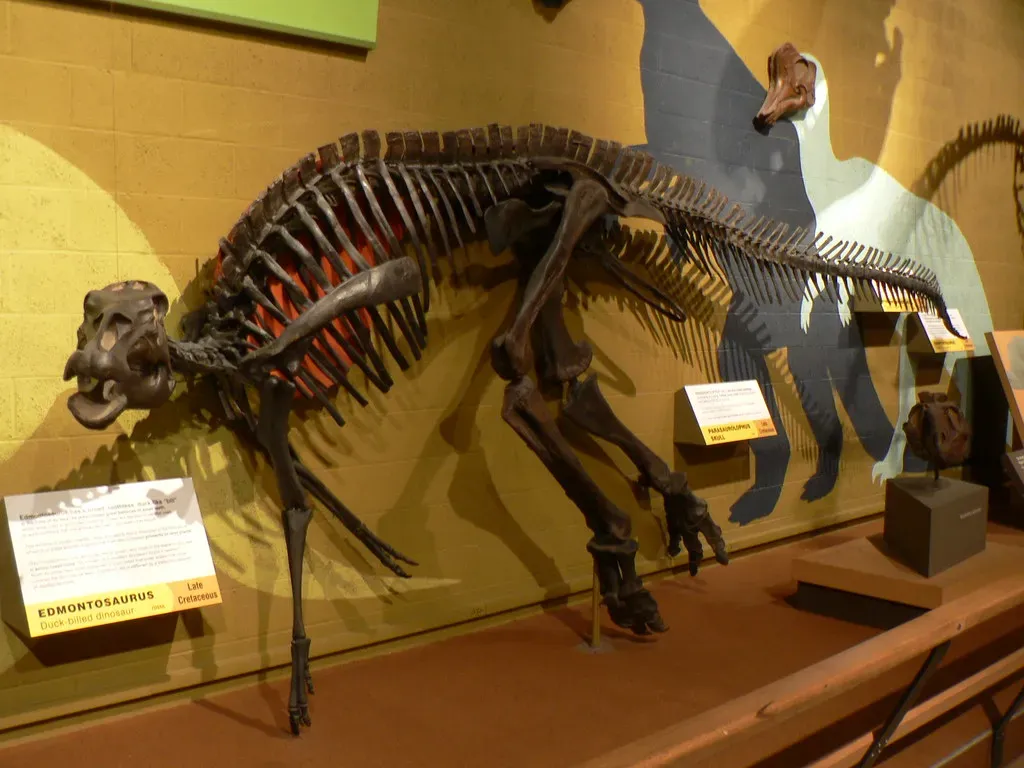
Back in 2005, Mary Schweitzer, then a brand-new professor at NC State University, became the first person to find still-soft and flexible tissues in a dinosaur bone, the 68-million-year-old leg of a Tyrannosaurus Rex, to be exact. Recent findings published by Schweitzer and other NC State researchers provide further evidence for the preservation of soft tissues and structures through deep time. I think it is hard to overstate how shocking this was to the scientific world at the time.
The researchers found the proteins really did come from dinosaur soft tissue. The tissue was collagen, and it shared similarities with bird collagen, which makes sense, as modern birds evolved from theropod dinosaurs such as T. rex. Collagen is essentially the structural glue of living things, tougher than most biomolecules, and its survival across deep geological time forces scientists to rethink what they once assumed was impossible.
What Researchers Have Actually Found Inside Dinosaur Bones
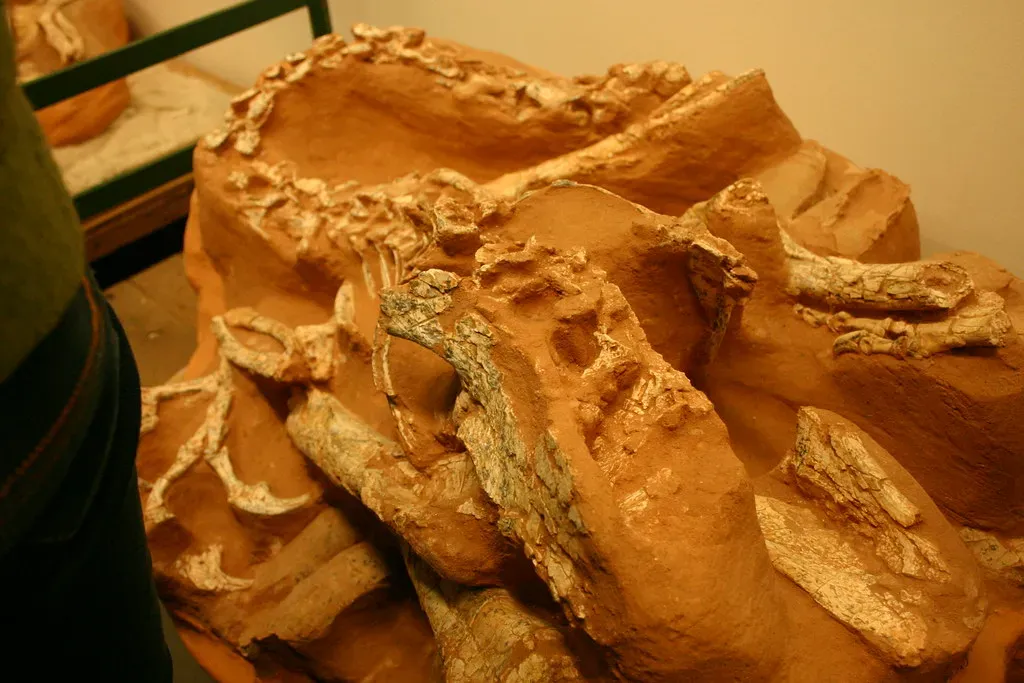
Researchers have never recovered dinosaur DNA, but intriguingly, they have found fragments of mystery DNA in dinosaur bone. It is unknown whether this DNA is dinosaurian, or whether it belongs to other life-forms, such as microbes, nondinosaurian animals such as earthworms, or even paleontologists who have worked with these fossils. That contamination problem is one of the most maddeningly persistent obstacles in this field.
Researchers have uncovered thousands of preserved metabolic molecules inside fossilized bones millions of years old, offering a surprising new window into prehistoric life. These are not full, readable genetic sequences, but they are molecular breadcrumbs that suggest organic preservation can reach far deeper into geological time than textbooks once taught. Evidence for the extraction of short segments of ancient DNA from dinosaur fossils has been reported on two occasions. The extraction of protein, soft tissue, remnant cells and organelle-like structures from dinosaur fossils has been confirmed.
Birds: The Living Answer to the Dinosaur DNA Question
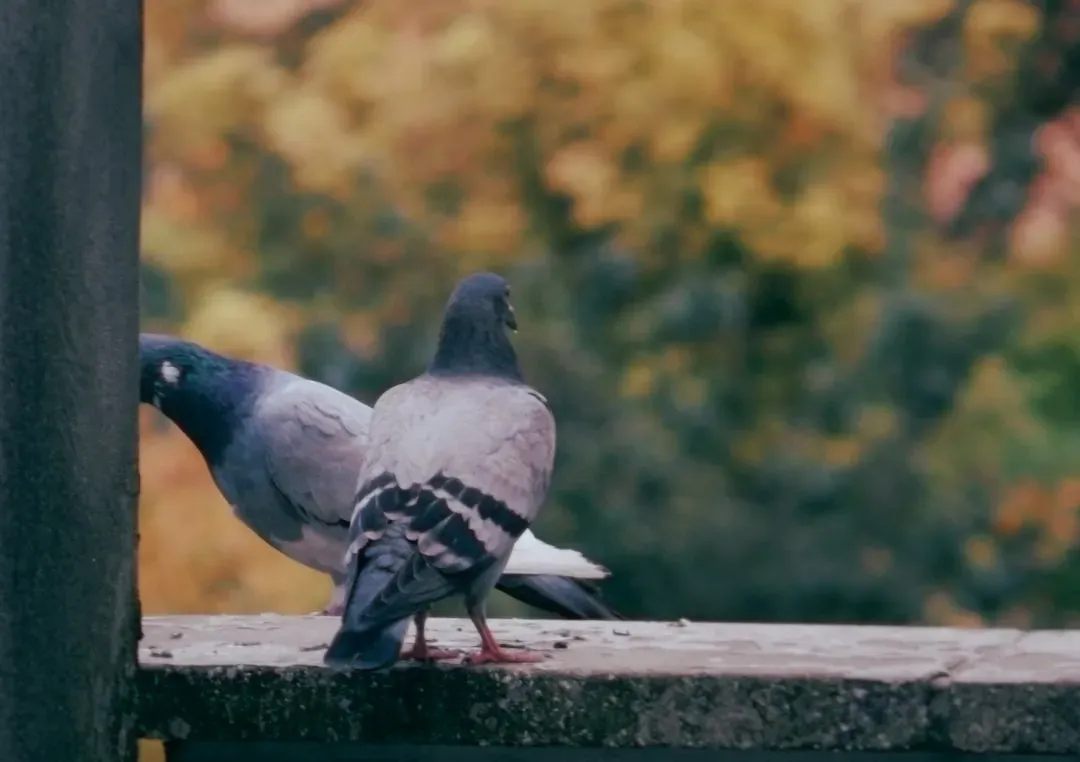
Let’s be real, if you want to study dinosaur DNA in 2026, your best bet is to go outside and watch a pigeon. Birds have dinosaur DNA. More accurately, birds are living dinosaurs. This is not science fiction; it is a well-supported scientific conclusion backed by paleontology, genetics, and evolutionary biology. Every feathered creature alive today carries a modified version of the ancient genetic code scientists are so desperately hunting.
Researchers have figured out how the genome of a dinosaur might have looked by studying turtles and birds. A team based at Kent University’s School of Biosciences analyzed the genomes of modern-day species, including a chicken, a zebra finch and a budgerigar. Based on the many commonalities and slight divergences in chromosome patterns, scientists now think they know what a dinosaur’s genome might look like. Under a microscope, a dinosaur’s genome would resemble that of a modern chicken, duck, ostrich, or a spiny-soft-shelled turtle. That is genuinely remarkable.
The Amber Problem: Why Jurassic Park’s Method Doesn’t Work
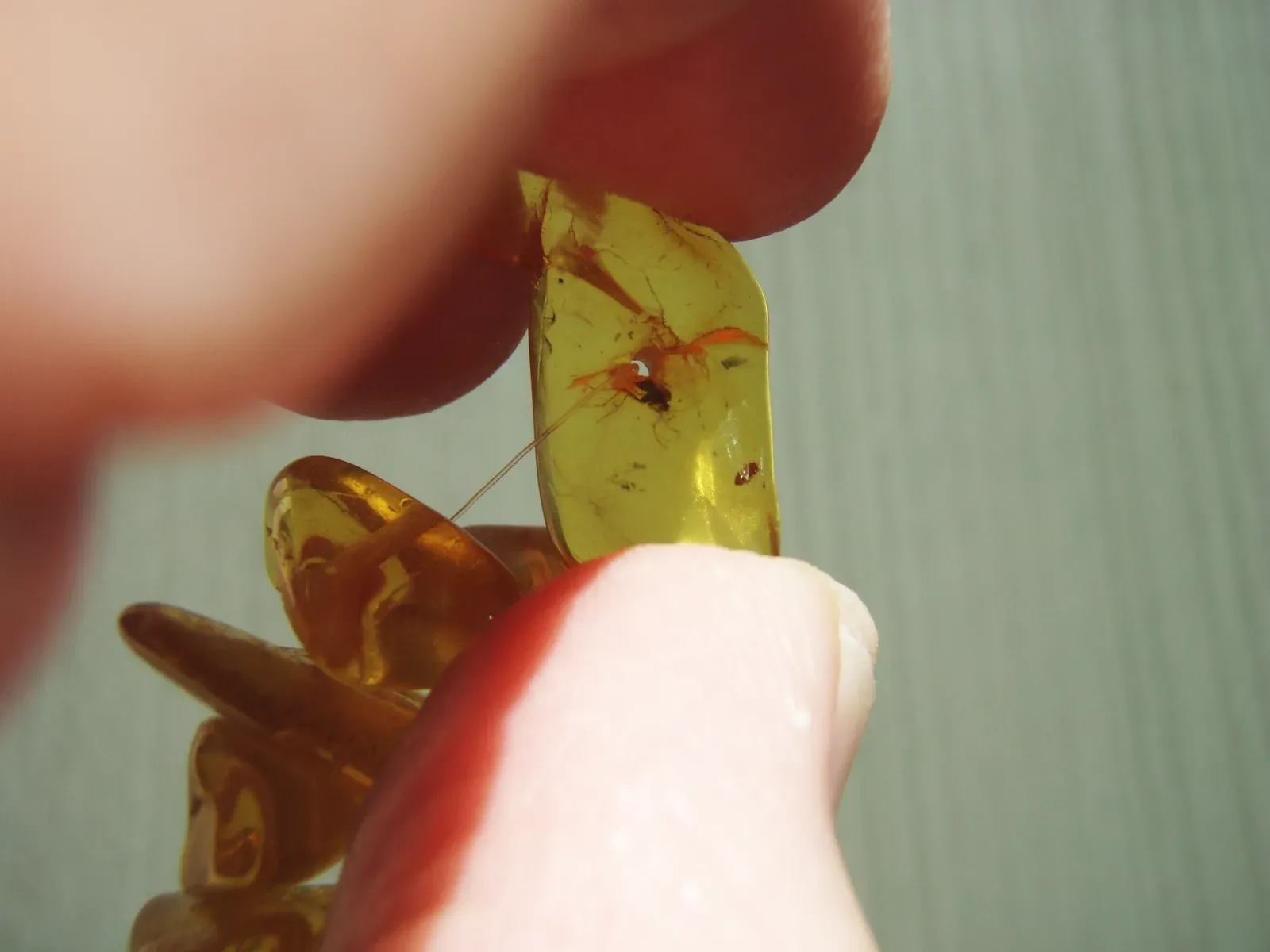
Jurassic Park built on the idea of extracting DNA from the bellies of mosquitoes preserved in amber. While this might seem possible at first glance, it is highly unlikely that scientists could find usable dinosaur DNA in mosquito fossils. The movie made it look elegant. Reality, as usual, is far messier and considerably less cooperative.
Scientists do have mosquitoes and biting flies from the time of the dinosaurs and they do preserve in amber. But when amber preserves things, it tends to preserve the husk, not the soft tissues. So you don’t get blood preserved inside mosquitoes in amber. Think of it like preserving a sandwich in a glass case for millions of years. You might keep the shape of the bread, but the filling is long gone.
Where the Science Goes From Here
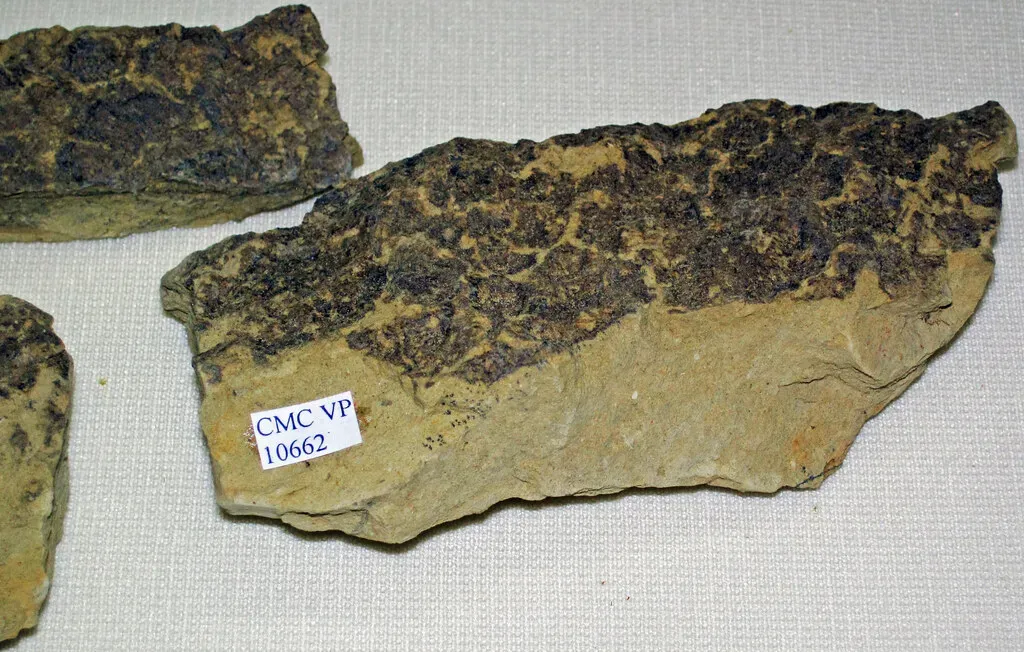
Even if scientists never recover a true dinosaur genome, the field of paleoproteomics, studying ancient proteins instead of DNA, is opening thrilling new doors. Schweitzer’s team has unearthed mounting evidence that soft tissues such as blood vessels, collagen and other proteins, whose long, folded chains of amino acids make them much more robust than DNA, can survive more than 66 million years of degradation. Proteins are simply tougher than DNA, and they carry biological information too.
Even if proposed dinosaur organics turn out to be false, the effort could still yield unexpected benefits. Bacterial communities are thought to be involved in the preservation of bones and in their replacement with minerals, thus helping dinosaur remains become fossils. Future studies about ancient DNA from past microbial communities that used to live inside the dinosaur bones could shed more light on the roles of microorganisms in the fossilization and preservation of bones through geological time. The search, in other words, teaches us something profound no matter where it leads.
Conclusion
The hunt for dinosaur DNA is one of the most beautifully stubborn pursuits in all of science. It sits right at the intersection of imagination and rigorous inquiry, where the questions are as old as childhood wonder and the tools are as new as next-generation mass spectrometry. You may never live to see a Velociraptor walk the Earth again, and honestly, that is probably for the best. But the molecular detectives working in labs across the world are revealing something equally extraordinary: that echoes of ancient life linger in ways that science is only beginning to measure.
Every time you look at a bird, consider that you are looking at a living archive of 66 million years of unbroken genetic history. The dinosaurs did not simply vanish. They transformed. And the scientists chasing their molecular ghosts are making sure we never forget it. What do you think: will we ever recover true dinosaur DNA, or is the bird on your windowsill the closest we will ever get? Tell us in the comments.