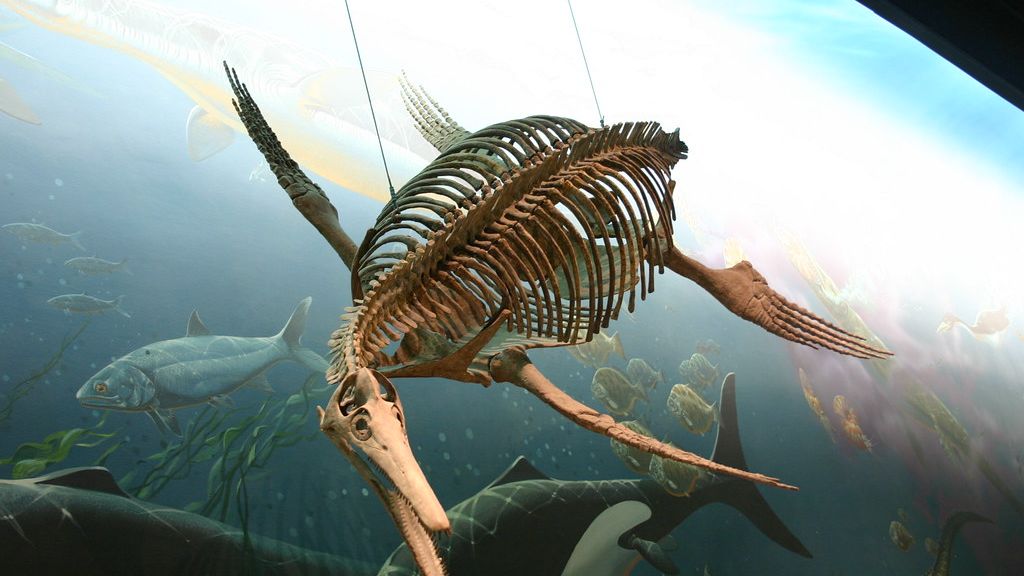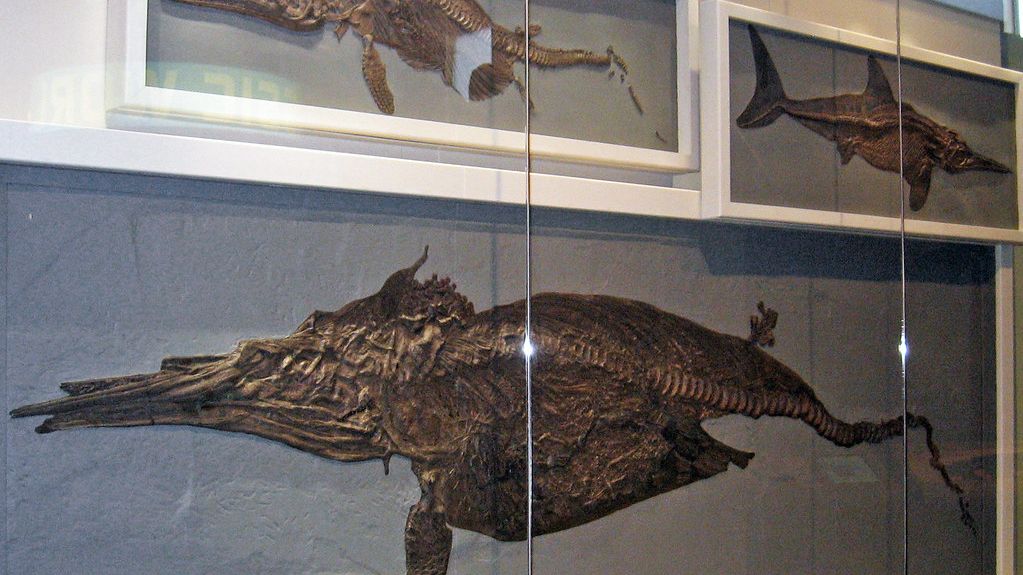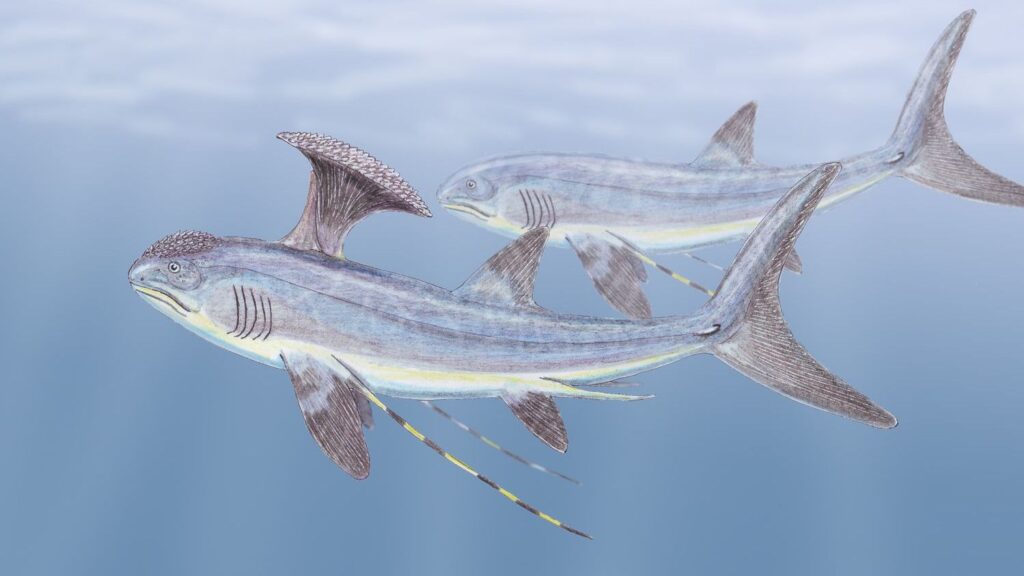
Picture a creature as long as a bus, with jaws like a living bear trap, eyes tuned for hunting in dim light, and flippers that turned its entire body into a torpedo. Now imagine it surging out of the darkness of a Jurassic sea straight toward you. That is the world of Liopleurodon and other massive marine reptiles: predators that made even the scariest land dinosaurs look strangely manageable.
We tend to think of dinosaurs as the ultimate prehistoric nightmare, but the oceans told a different story. Out there, huge marine reptiles – pliosaurs, mosasaurs, ichthyosaurs – ruled a food chain where there was no place to hide and nowhere to run. In this article, we’ll dive deep into the science, the myths, and the real evidence behind the claim that at least one prehistoric marine reptile may genuinely have been more terrifying than any dinosaur you’ve ever heard of.
The Giant Pliosaur: What Was Liopleurodon Really Like?
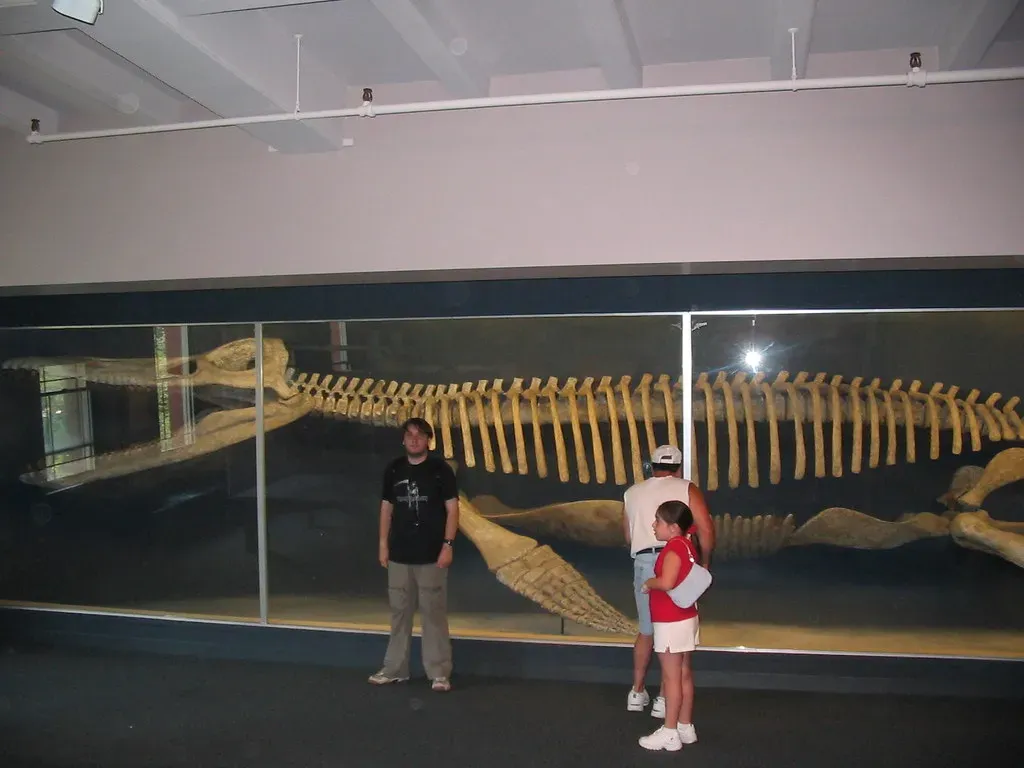
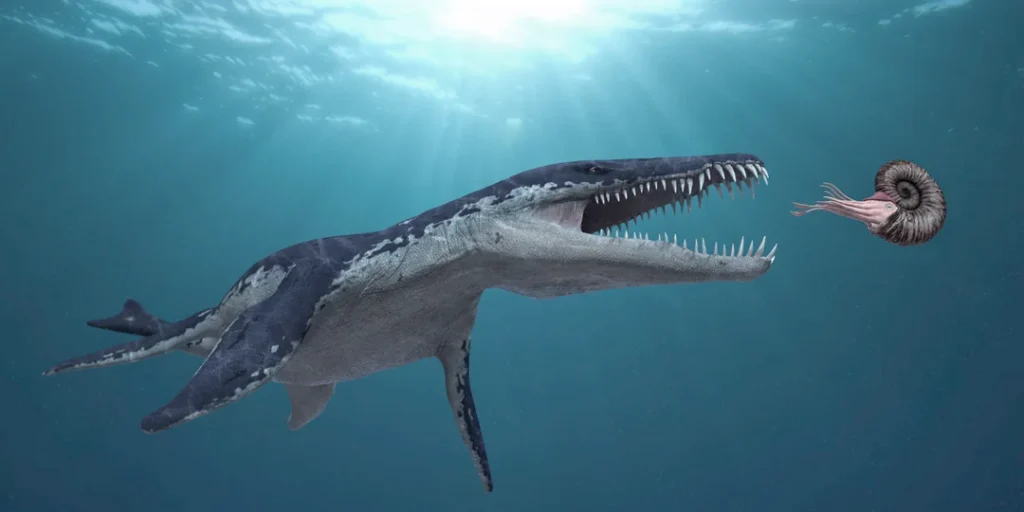
If there’s one marine reptile that has captured the public imagination as a true sea monster, it’s Liopleurodon. This animal was a type of pliosaur, a short‑necked relative of plesiosaurs, with a massive head, thick body, and four powerful flippers. Its skull alone could reach several feet in length, armed with conical, interlocking teeth perfect for grabbing and holding struggling prey. Even in conservative reconstructions, Liopleurodon was a top predator of the Middle to Late Jurassic seas of what is now Europe.
For a long time, popular documentaries portrayed Liopleurodon as a ridiculously oversized super‑beast, tossing out numbers that would rival a blue whale. Later, careful research and better fossils brought those estimates back down to Earth, suggesting a more realistic length in the range of a large bus rather than a train. That “correction” sometimes makes people think it stopped being impressive, but that’s like saying a great white shark is no big deal because it’s not as big as an oil tanker. Even at revised sizes, Liopleurodon was still an enormous, heavily built, hypercarnivorous reptile perfectly tuned to a life of ruthless predation.
Jaw Power, Teeth, and Bite Strategy: Terror Engineered by Evolution
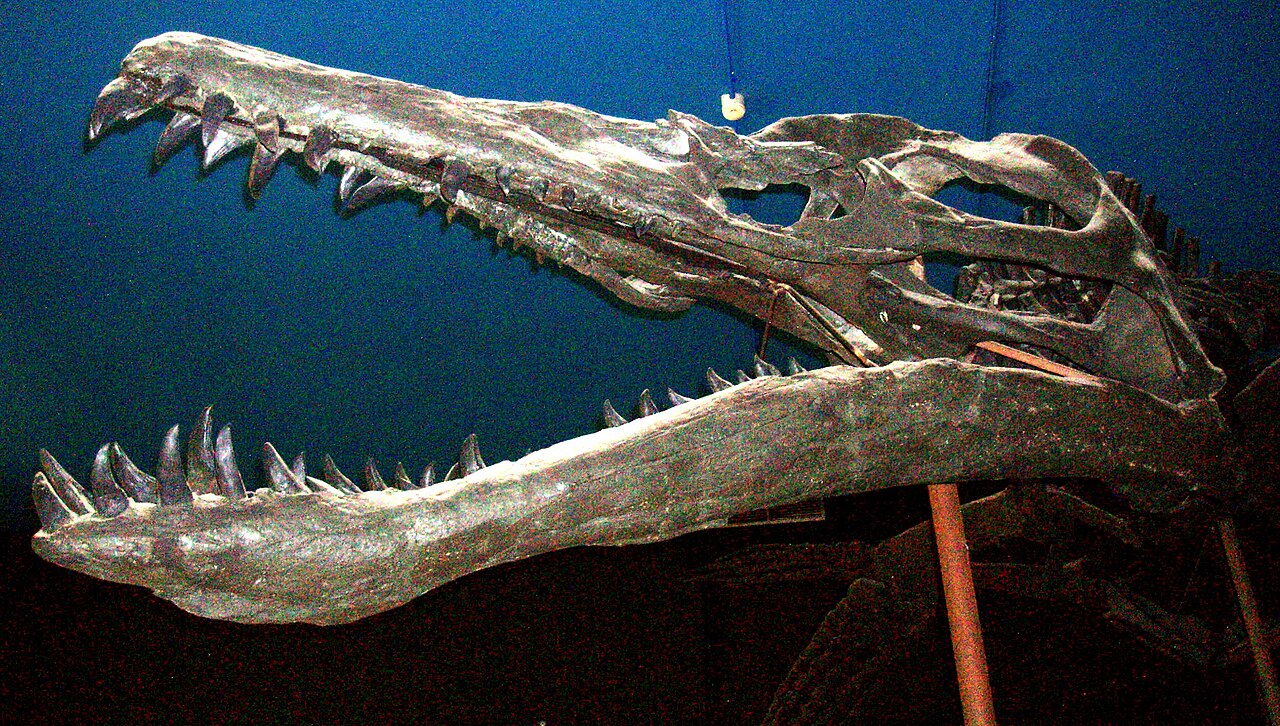
What made these marine reptiles especially terrifying was not just their size, but the way their skulls and jaws were built. Liopleurodon and its pliosaur relatives had huge, deep skulls reinforced with strong bony arches, allowing them to withstand the stresses of biting and thrashing large, struggling prey. Their teeth were not razor‑sharp blades like a theropod dinosaur’s; instead, they were thick, conical spikes – more like a crocodile’s – that could punch into flesh and bone and hold on like biological harpoons.
Think of their bite strategy less like a slice and more like a clamp. Modern crocodiles often grab, drag, and drown their prey, sometimes shaking or twisting to tear it apart, and pliosaurs likely used similar tactics in three‑dimensional open water. A powerful bite closes, the victim is trapped, and then the whole body becomes the weapon as the predator wrenches and twists. Add to that a mouth big enough to engulf large chunks of prey, and you are looking at a feeding style that would make even the most fearsome land carnivores seem almost polite by comparison.
Why the Ocean Was a Deadlier Arena Than the Land
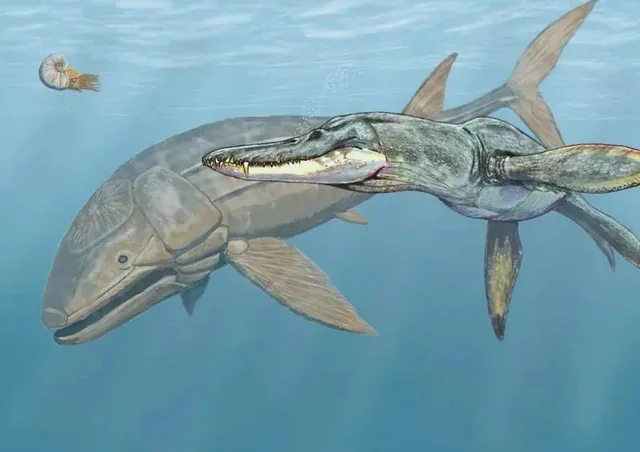
Part of what makes prehistoric marine reptiles feel more terrifying than dinosaurs is the environment they lived in. On land, a prey animal can sometimes flee in almost any direction, hide behind vegetation, use terrain, or simply outrun a threat. In the ocean, movement is three‑dimensional, visibility can be poor, and there is no solid ground to brace against when a predator strikes. Being attacked underwater often means confusion, disorientation, and an enemy that can approach from any angle – above, below, or behind.
Marine reptiles also shared their world with other large predators, from sharks to other marine reptiles, which created a constant arms race of speed, stealth, and power. Many of these animals evolved streamlined bodies, large eyes, and finely tuned senses to hunt in dim, murky conditions. Imagine swimming in a vast greenish twilight while knowing that somewhere in that haze, a huge pliosaur or mosasaur might already be tracking you. That sense of inescapable vulnerability is a big reason why these ocean predators can feel so much more unsettling than even the largest land dinosaurs.
How Marine Reptiles Stack Up Against the Scariest Dinosaurs
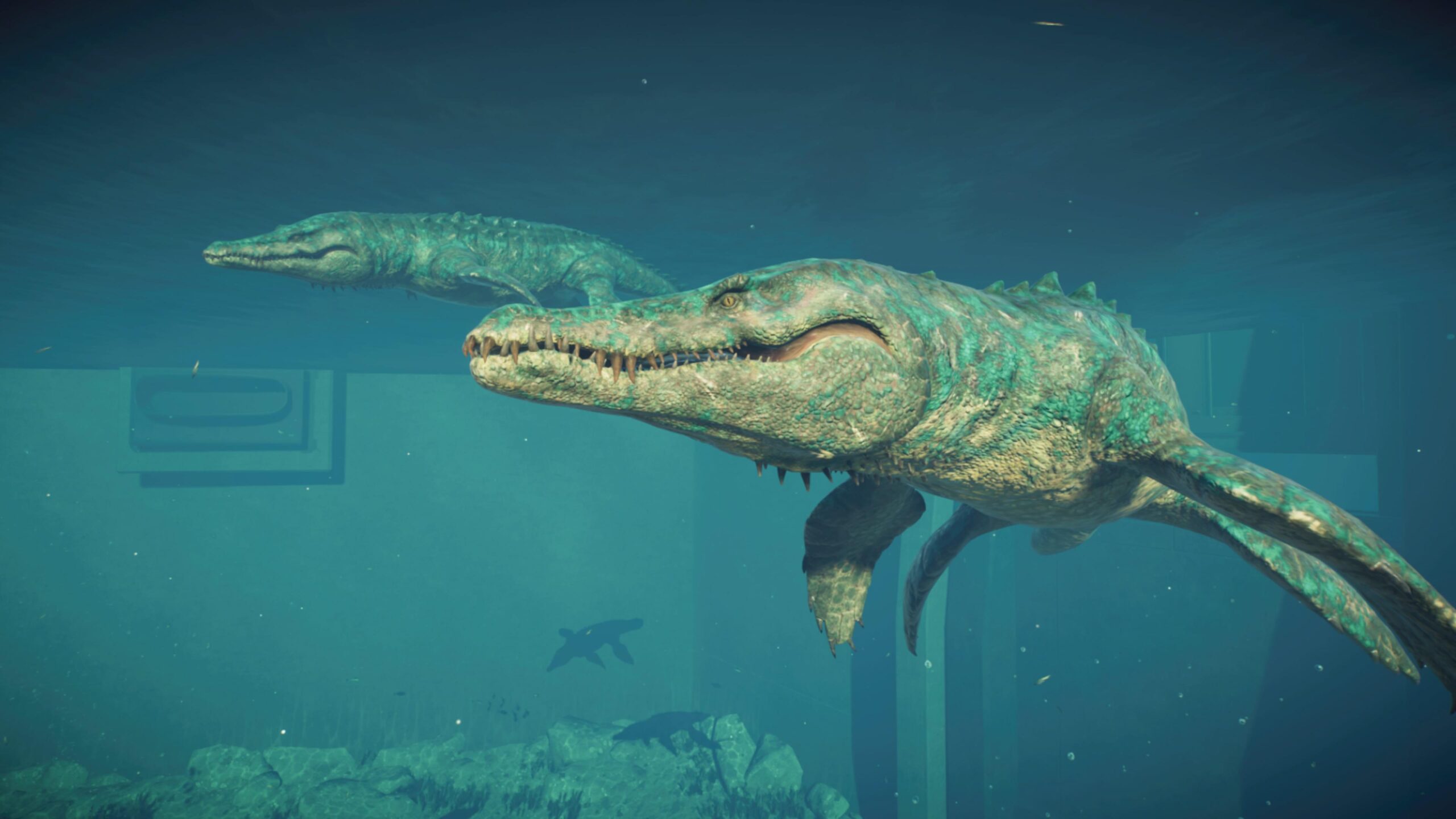
When people talk about terrifying dinosaurs, names like Tyrannosaurus rex, Giganotosaurus, or Spinosaurus come up right away. These were gigantic, powerful land carnivores with massive skulls and lethal teeth, and they were absolutely formidable. But when you compare their hunting context to that of a giant marine reptile, some interesting differences appear. A tyrannosaur may have had a more powerful bite overall, but it was stuck on land, dealing with obstacles, terrain, and the need for stealth and stamina over distance.
By contrast, a pliosaur like Liopleurodon or some of the biggest mosasaurs took that same general package of size, teeth, and predatory instinct and dropped it into an environment where ambush from below or behind was much easier. There is also a psychological factor here: people instinctively fear deep water and not knowing what is under them, and a large marine reptile embodies exactly that fear. So even if you could argue that a tyrannosaur had more raw land‑based bite force, the total experience of being hunted by a fast, stealthy, multi‑ton reptile in the open ocean easily rivals, and arguably surpasses, the terror of confronting any dinosaur on land.
Myths, Exaggerations, and What the Evidence Really Says
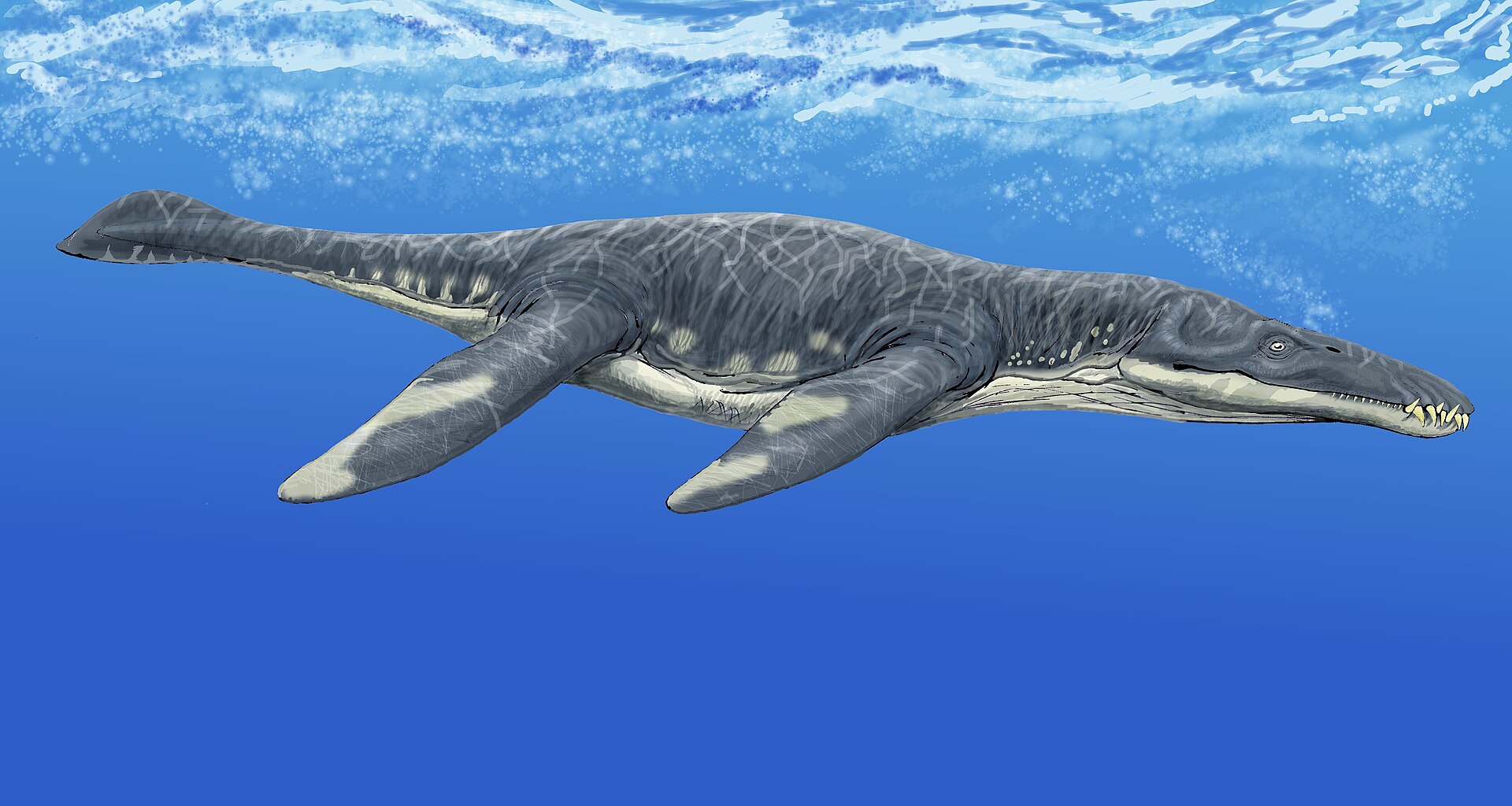
Marine reptiles, especially Liopleurodon, have suffered from a mix of hype and misunderstanding. Some documentaries once advertised them as impossibly gigantic monsters, stretching far beyond what the fossil record supports. That made for dramatic television but also set people up for disappointment when paleontologists later clarified that the evidence pointed to smaller, though still enormous, animals. It is a classic case of reality being astonishing but not quite matching our wildest monster‑movie expectations.
Yet if you peel away the inflated numbers and dramatic storytelling, the real science is still jaw‑dropping. There truly were massive pliosaurs and mosasaurs capable of preying on large marine reptiles, fish, and even other top predators. Fossil bones with bite marks, preserved stomach contents, and comparative anatomy all point to a world of violent interactions and intense competition. The story becomes less about a single oversized monster and more about an entire guild of apex predators sharing the oceans, each terrifying in a different way. The truth may be slightly smaller than the legend, but it is far richer, stranger, and more scientifically compelling.
Would a Prehistoric Marine Reptile Really Be More Terrifying Than Any Dinosaur?
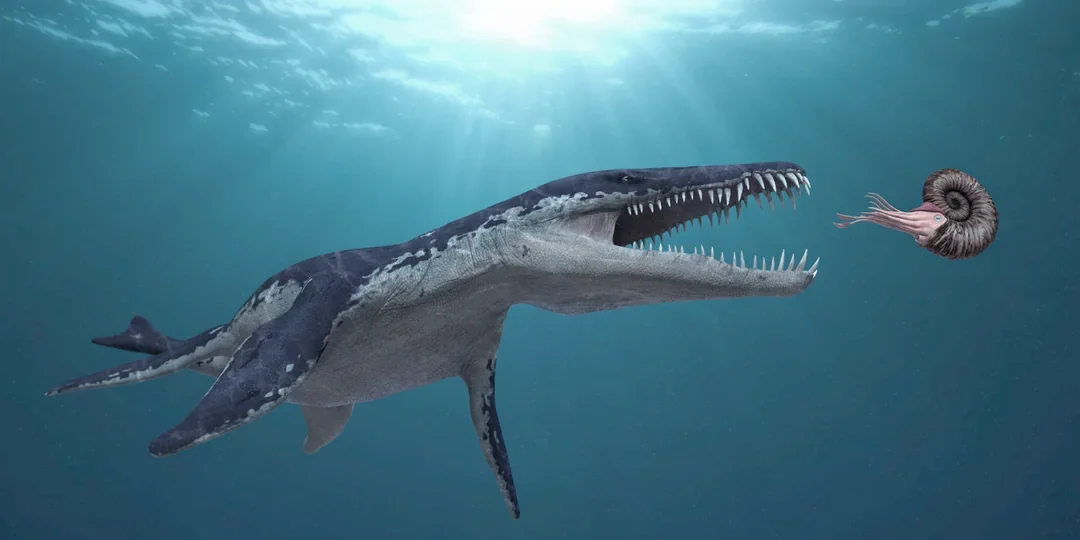
So does a creature like Liopleurodon actually deserve the title of “more terrifying than any dinosaur”? From a strict numbers perspective – mass, length, even bite force – you could probably find dinosaurs that match or exceed it in one measure or another. Terror is not just about size, though; it is about context, vulnerability, and how it feels to imagine an encounter. Personally, if I had to choose between facing a large theropod on solid ground or being stranded in open water with a giant pliosaur somewhere below me, I know which one would haunt my nightmares more.
That bias comes down to the way the ocean strips away our usual sense of control. On land, we like to think we can run, dodge, climb, or hide. In deep water, our movements are slower, our senses are dulled, and we rely on lungs that will not last long if something drags us down. A prehistoric marine reptile turns all those weaknesses against us. So while the scientist in me says we should be cautious about absolute claims, the human in me is convinced: as an everyday lived horror, a giant pliosaur or mosasaur in its own element probably beats any dinosaur. If you had to pick your own prehistoric nightmare, which world would you really rather be dropped into: the forest of the tyrannosaurs, or the silent, dark sea of the pliosaurs?