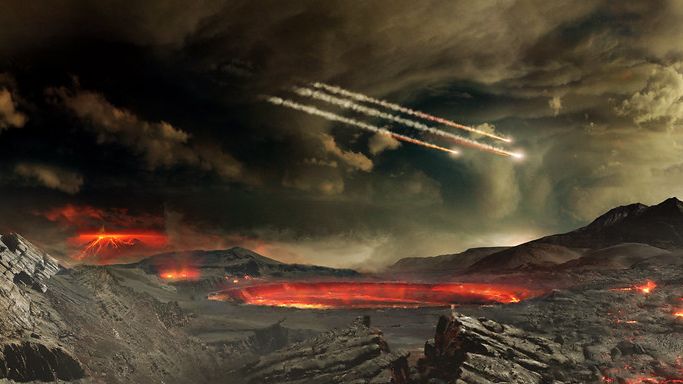
Every time a movie trailer drops with a flaming asteroid streaking toward a screaming crowd, you can almost hear the marketing voiceover: the day the world ended. Ancient Earth is treated like a brutal, over-the-top video game level, full of roaring dinosaurs, lava oceans, and sky-filling meteors arriving right on cue. It looks dramatic, sure, but it quietly rewires how we think about deep time, climate, and our own vulnerability. When the end of the world is always a single explosion and the distant past is just a dinosaur theme park, it becomes harder to take real planetary changes seriously.
What bothers me most is that the real story – the painstaking, detective-level work scientists do to piece together billions of years of history – is far more gripping than any CGI apocalypse. Earth has ended many times, just not in the loud, instant way we are sold. Extinctions unfolded over tens of thousands or even millions of years, through chain reactions of climate shifts, volcanic eruptions, ocean chemistry changes and evolving life itself. When pop culture flattens all of that into a single fireball or a monster-of-the-week, we lose the lessons that could actually help us navigate the present.
The Myth of the One-Big-Boom Extinction
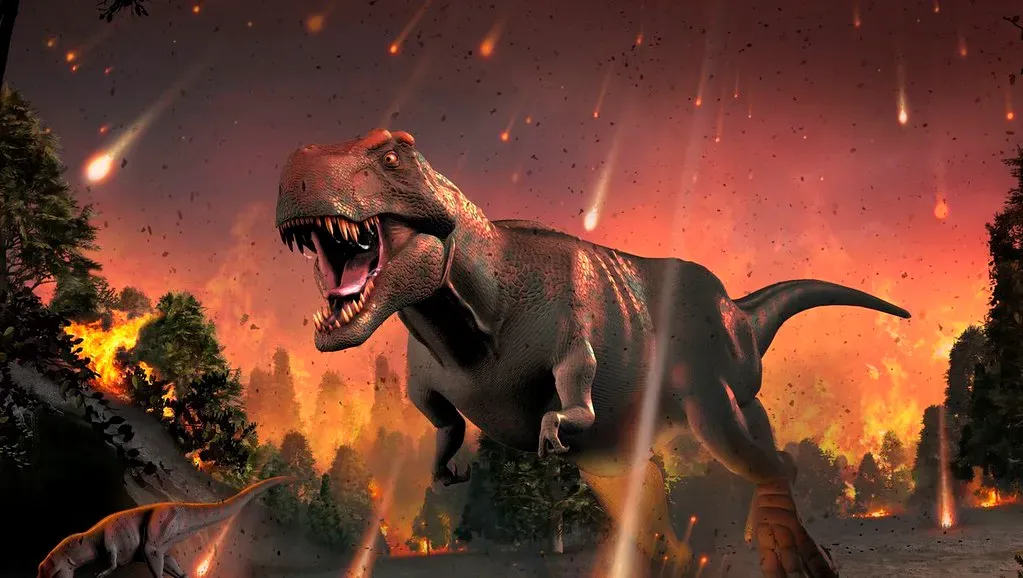
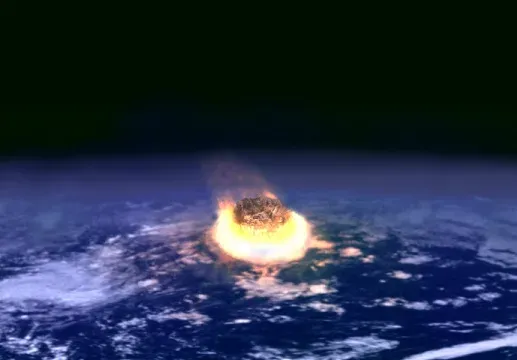
Let’s start with the favorite: the giant rock from space that ends everything in a single day. Pop culture loves to show a lone, civilization-sized asteroid slamming into Earth, causing instant global firestorms and wiping life out in an afternoon. What gets lost is that even events like the asteroid linked to the dinosaur extinction were part of a longer, messier story involving climate change, shifting ecosystems, and species already under stress. The impact was catastrophic, but the aftermath played out over years to hundreds of thousands of years, not a two-hour blockbuster runtime.
This “one-big-boom” framing also distracts from the more subtle, slower disasters that have triggered other mass extinctions: long stretches of volcanic eruptions, greenhouse warming, ocean acidification, and collapsing food webs. These are not as visually flashy as a space rock, so they rarely make it onscreen in any meaningful detail. But real ecosystems tend to unravel in stages, like a row of dominoes tipping, not like a single door slamming shut. When our stories always show sudden impact instead of creeping disruption, we subconsciously learn to look for a single obvious cause and ignore the complex web of pressures that usually drives life over the edge.
Turning Ancient Earth Into a Dinosaur Theme Park
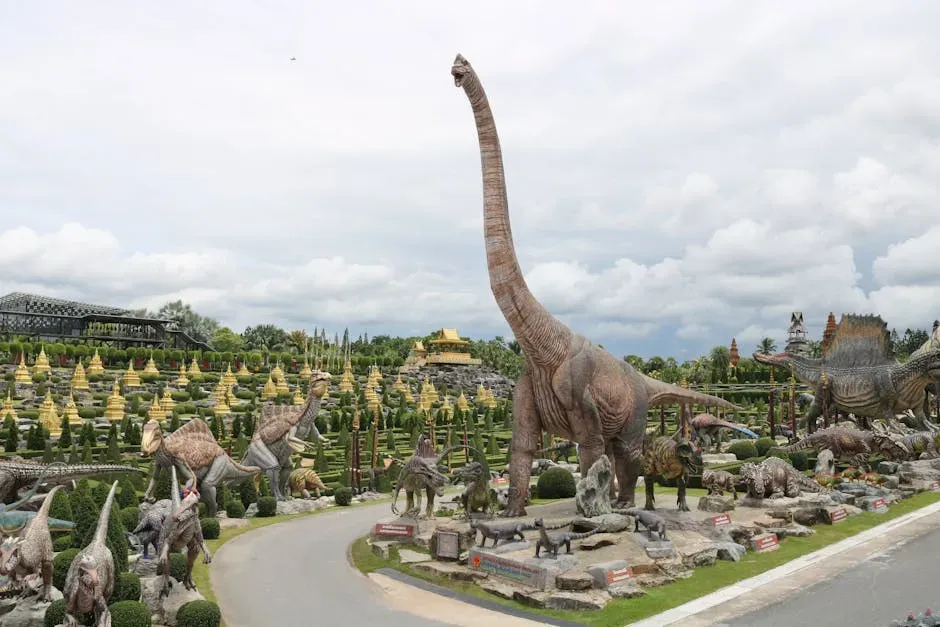
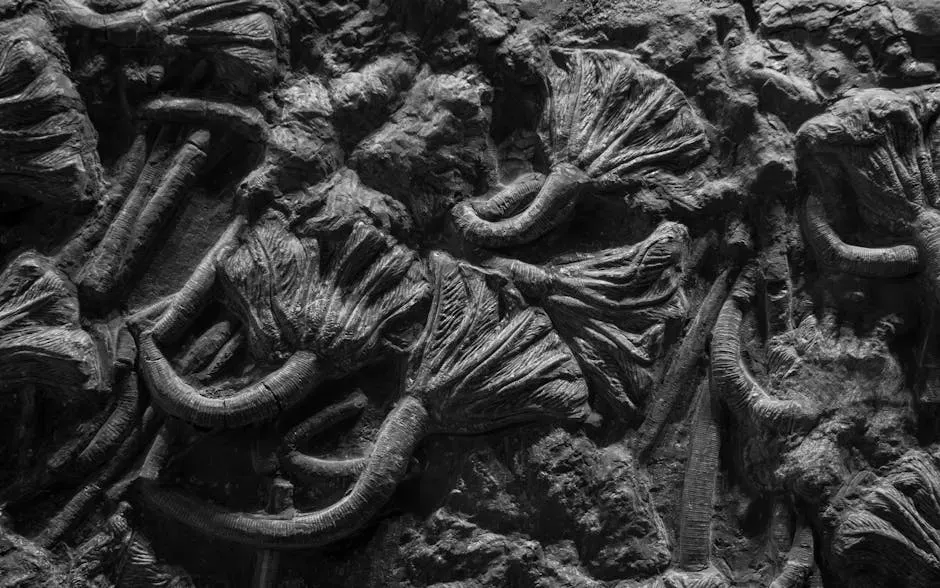
Ask someone what ancient Earth looked like and odds are they’ll describe a Jurassic Park–style landscape: screaming theropods, giant ferns, and maybe a volcano thrown in for background drama. Dinosaurs are amazing and they absolutely dominated huge stretches of time, but focusing almost exclusively on them erases staggeringly rich worlds that came before and after. Whole ecosystems of ancient fish, early forests, giant insects, bizarre mammal relatives, and microbial mats get reduced to a bit of scenery behind a T. rex showdown.
This dinosaur-obsessed lens also flattens time into a single “prehistoric” aesthetic, as if all of deep time is one era where everything with sharp teeth lived together. In reality, ancient Earth cycled through radically different climates and life forms: icehouse worlds, hothouse tropics at the poles, shallow inland seas, continents assembling and breaking apart. When movies and games reuse the same dark jungle plus thunder soundtrack no matter the period, we lose any sense of how wildly dynamic and strange the planet has been. It is like trying to understand human history from a single medieval castle scene and calling it done.
Everything Is Either Lava Hellscape or Eden
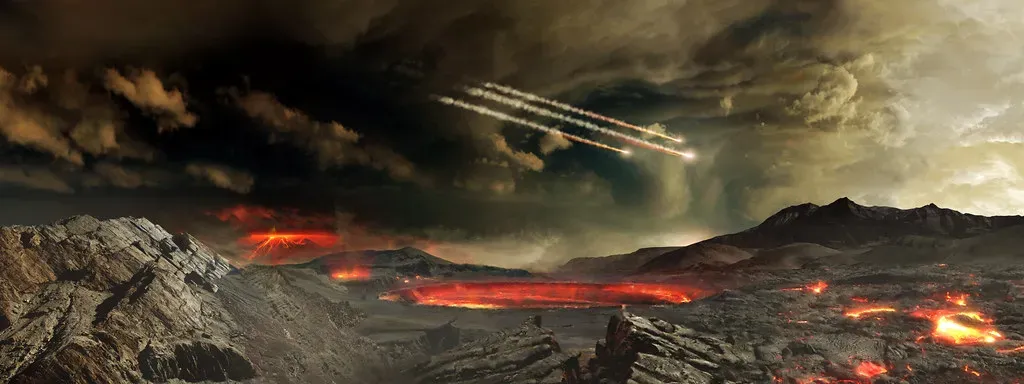
Another recurring problem: ancient Earth is either shown as a pure nightmare or a perfect paradise. One moment it is a lava-soaked inferno where nothing survives; the next it is a pristine untouched Eden, where every plant is lush and every animal is epic. Reality lived mostly in the messy middle. There were brutal environments and mass die-offs, yes, but there were also long stretches of relative stability, subtle climatic shifts, and ecosystems that adapted in surprisingly resilient ways. A lot of Earth history would look almost quiet compared with the chaos-heavy visuals we get.
That constant swing between hell and paradise does something sneaky to our thinking. It trains us to imagine that environmental change is always obvious, binary, and visually extreme: either we are safe or everything is on fire. But ancient Earth’s story is dominated by gradients – slow warming and cooling, creeping sea-level changes, shifting rainfall patterns. Those kinds of changes are harder to show in a two-minute trailer, but they are exactly the kind we are living through right now. When slow shifts never appear in our stories, we underestimate them in real life too.
Extinction as Monster Attack, Not System Failure
Pop culture also loves to give extinctions a face: a monster, a villain, a single malevolent force that wants to destroy life. Whether it is a rogue planet, a giant killer shark, an alien species, or some sentient AI, the pattern is the same – there is an enemy, and if we just defeat it, the world is saved. Ancient extinctions, though, were not boss battles; they were breakdowns of entire systems. A change in climate might stress plants, which harms herbivores, which then collapses predator populations, and so on, with each step making the others more fragile.
By turning extinction into a fight against a single beast or object, stories ignore the feedback loops and tipping points that make real-world crises so hard to manage. You cannot just “punch” ocean acidification or “defeat” a shifting jet stream. The reality is more like a complicated network where pulling one node shakes dozens of others. When people grow up on narratives where saving the world means stopping one meteor or killing one monster, it becomes harder to understand that our biggest threats today come from diffuse, interconnected processes that demand long-term, collective responses rather than heroic one-off solutions.
The Timeline Problem: Crunching Billions of Years Into a Montage
Another subtle distortion is how casually pop culture crushes vast timescales into something that feels like a quick montage. Billions of years of planetary evolution get squeezed into a few flashy transitions: molten rock becomes ocean, becomes rainforest, becomes city skyline. That compression is necessary for storytelling, but it easily leads us to underestimate how slow, accumulative, and contingent Earth’s history has been. Many major shifts took longer than the entire history of our species by orders of magnitude, and yet we absorb them as snap changes.
Once you feel in your gut that big Earth changes are usually drawn-out processes, today’s pace of change looks terrifyingly fast. Human-driven warming, for example, is ramping up temperatures much more rapidly than most known natural climate transitions. But if your mental model comes mostly from movies where continents shuffle in seconds and extinctions happen overnight, it all just blends into “Earth changes a lot all the time, so this is normal.” I think that quiet normalization is one of the most dangerous side effects of stylized deep-time storytelling: it dulls our sense of how abnormal our current speed of change truly is.
When Apocalypses Become Entertainment, We Get Numb
There’s also the simple problem of repetition fatigue. When you have seen a dozen cities crumble, oceans boil, and skies darken with ash in every other show or game, it starts to feel routine. Extinction becomes a background aesthetic, a vibe rather than a visceral reality. We joke about the apocalypse, share memes about asteroids hitting Earth, and half-ironically talk about “welcoming our end,” because we have watched it happen a thousand stylized times already. It is entertainment, not an emergency that has happened before and could, in its own way, happen again.
I am not arguing we should ban disaster movies or stop telling wild stories about ancient Earth; those stories can be a gateway into genuine curiosity. But I do think we should admit that a diet of constant, unrealistic apocalypse makes it harder to feel the weight of real existential risks and the wonder of real deep time. When the end of the world looks like a cool special-effect reel, it becomes weirdly easier to shrug off present-day threats. Our fiction should not have to be a lecture, but it also does not need to lean so hard into spectacle that it disconnects us from reality.
Why Getting Ancient Earth Right Actually Matters
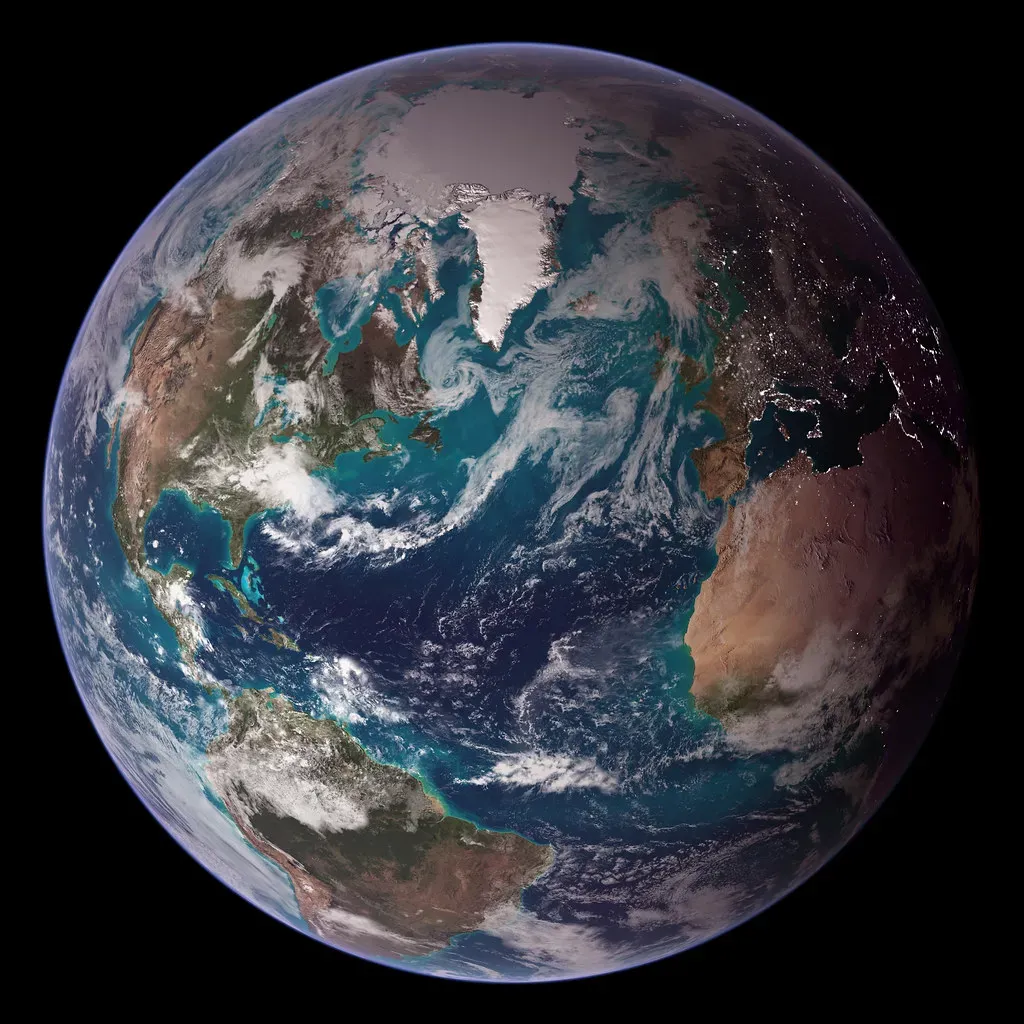
To me, the biggest is not just that it gets details wrong; it is that it blurs the moral of the story. The real history of our planet is one of repeated, sometimes brutal resets and long recoveries, with life eventually bouncing back but never in quite the same way. Mass extinctions open ecological space, but they also erase entire evolutionary paths forever. That tension – the resilience of life and the fragility of particular species and ecosystems – is exactly what we need to grasp if we want to navigate our own moment responsibly.
When we oversimplify all of that into big booms, dinosaur arenas, and monster-of-the-week threats, we cheat ourselves out of a sobering, empowering insight: Earth is tough, but our place on it is not guaranteed. My opinion is that storytellers have a quiet responsibility here, not to turn movies into documentaries, but to at least nod at the complexity and timescales that make the real world so astonishing. If our stories showed more creeping change, more systems failing rather than monsters attacking, and more of the strange, non-dinosaur corners of ancient life, we might come away with a sharper sense of both danger and possibility. In a century where our choices shape the planet’s next chapter, that kind of narrative honesty is not just nice to have – it is necessary. What version of Earth’s story do you want your brain to practice believing?