You’ve experienced it countless times. Waiting in line at the DMV feels like an eternity. Yet that amazing concert you attended last month? Over in what felt like seconds. It’s one of the strangest quirks of being human, honestly.
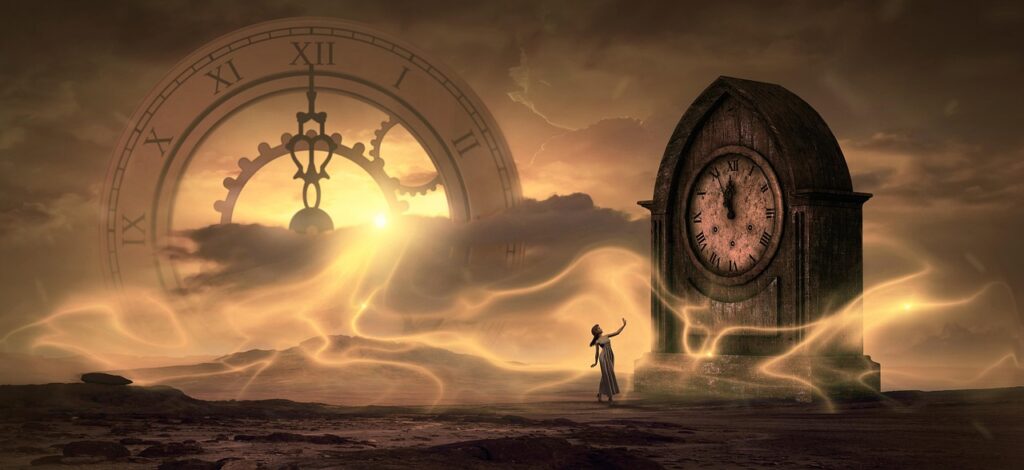
Your brain doesn’t experience time the way a clock measures it. While seconds tick by at a perfectly consistent rate in the physical world, your subjective experience of those same seconds can stretch or compress dramatically depending on what you’re doing, how you’re feeling, and even how old you are. This elastic nature of time perception has fascinated scientists for over a century, and researchers today are finally unraveling why your mind plays these temporal tricks on you.
Your Brain Doesn’t Have a Time Organ
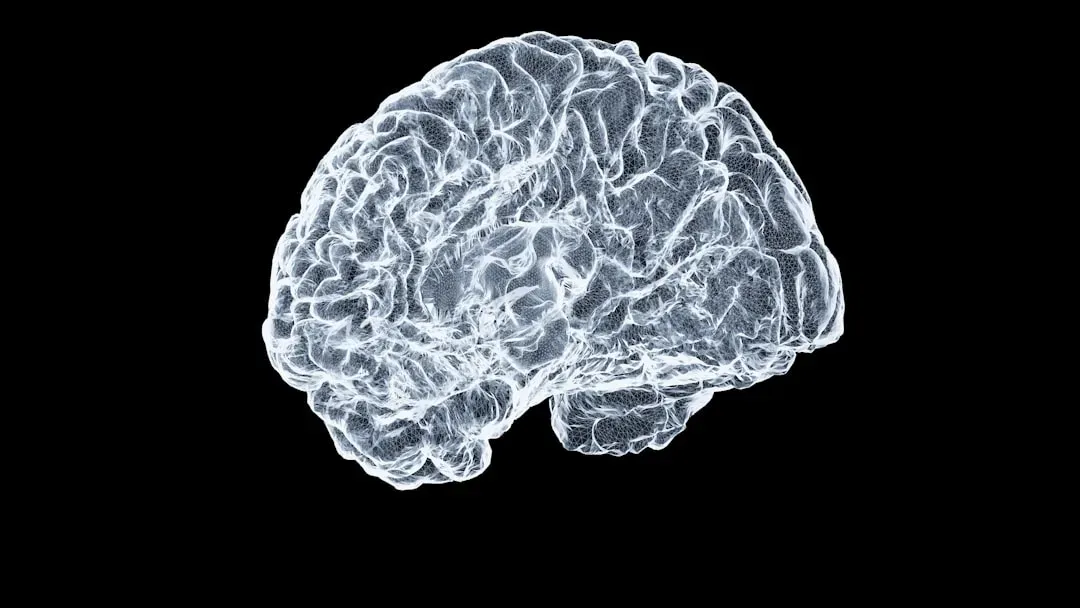
Here’s the thing that makes time perception so complicated: you don’t have a specific sensory organ for detecting time. You have eyes for light, ears for sound, but no dedicated “time receptor.” Instead, your brain uses a highly distributed system involving the prefrontal cortex, cerebellum and basal ganglia to construct your sense of time passing.
Think of it like this. Your brain essentially takes information from all your senses and pieces together an impression of duration. Scientists theorize that the brain maintains a subconscious tally of “pulses” during specific intervals, forming a biological stopwatch that can run multiple timers independently depending on what you’re tracking. It’s not one clock, but many.
Research has shown that neurons in the supramarginal gyrus become fatigued during duration judgments, and this fatigue skews your perception – greater neuron exhaustion leads to greater time distortion. Your internal timekeeping system, it turns out, gets tired.
Why Waiting Rooms Feel Like Torture
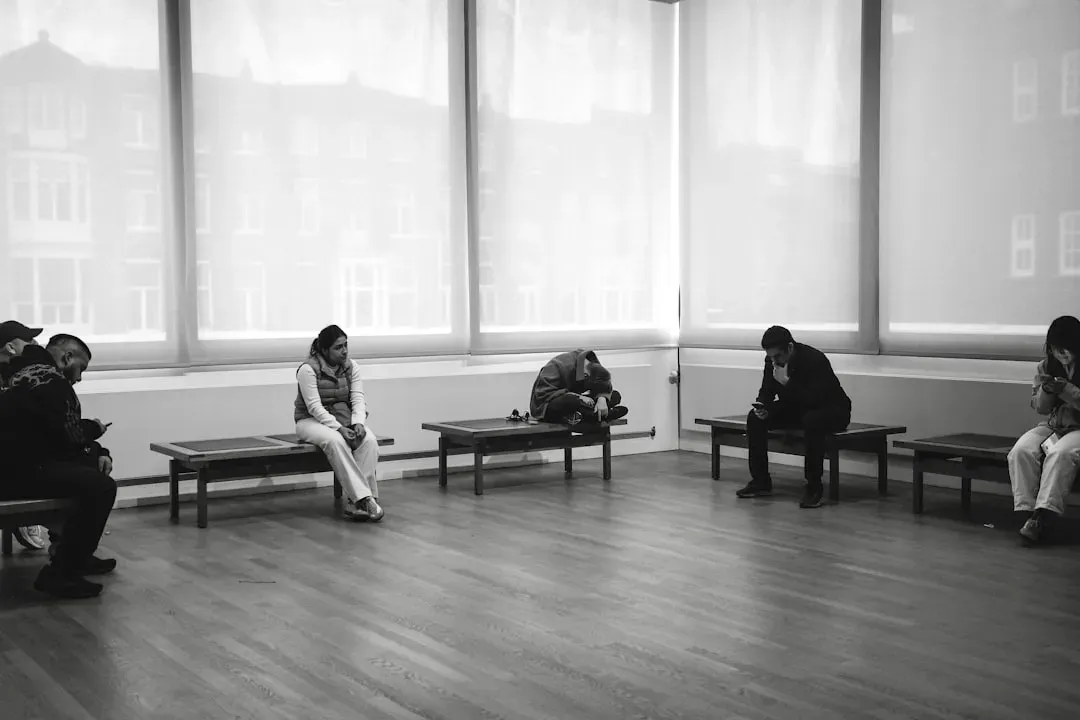
Let’s be real: few things make time drag more painfully than boredom. When you’re sitting in a waiting room flipping through ancient magazines, every minute crawls. The more attention you focus on the passing of time, the more stretched out it becomes, which is why watching the clock makes everything feel slower.
When you’re understimulated, your brain isn’t recording much new information, so with few new memories to mark time’s passage, it feels empty and seems to drag indefinitely. Your mind has nothing to latch onto, nothing to process. The seconds become oppressive.
Honestly, this is why the old saying exists: a watched pot never boils. Your attention itself warps your temporal experience. When you’re engaged in a task or enjoying yourself, you pay less attention to time passing, which makes it seem to fly by faster. Distraction from temporal monitoring speeds everything up.
Emotions Hijack Your Internal Clock
Research increasingly focuses on how emotion distorts our sense of time. Your emotional state doesn’t just color your experience – it fundamentally alters how you perceive duration. Fear prompts arousal in the amygdala, which increases the rate of a hypothesized internal clock, possibly due to an evolved defensive mechanism triggered by threatening situations.
Highly arousing faces are typically judged as being displayed for longer durations than neutral faces. When researchers gave participants mild electric shocks during timing tasks, participants judged stimulus durations as longer during trials that contained shocks than trials without them. Emotional intensity literally stretches time.
Your subjective well-being strongly influences how time is experienced – time speeds up during pleasant activities but drags during boredom. That incredible first date where hours vanished? Your positive emotional state accelerated your temporal experience.
Research found that participants who reported feeling time passing unexpectedly quickly rated tasks as more engaging and noises as less irritating. The relationship works both ways: when time flies, you interpret the experience as more enjoyable.
The Flow State Makes Hours Disappear

You know that feeling when you’re so absorbed in something that you completely lose track of time? Flow states are periods of complete immersion where time perception becomes significantly distorted – attention narrows exclusively to the task, self-consciousness disappears, and time awareness fades dramatically.
I think we’ve all experienced this. Maybe you were painting, coding, or reading a gripping novel when suddenly you looked up and three hours had evaporated. In fast-paced, stimulating environments where attention is fully captured, minutes can feel like seconds – a phenomenon known as flow that demonstrates your internal clock is not a rigid instrument but something highly flexible.
The conditions for flow matter. Achieving flow requires clear goals, immediate feedback, and an appropriate challenge level that maintains balance between boredom and anxiety. When these align, time collapses.
Why Childhood Felt Endless

Remember how summer vacations as a kid seemed to stretch forever? That wasn’t just nostalgia playing tricks. When you’re young, everything is new – your brain constantly encounters fresh sights, sounds, and experiences that create more mental snapshots, making time feel like it’s moving more slowly.
When we are children, we’re constantly introduced to new things that leave lasting impressions on our memories, and we gauge time by memorable events. First bike ride, first day of school, first taste of ice cream – these vivid moments stack up, creating the sensation of extended duration.
As we grow older, life becomes more routine – we settle into patterns of waking up, going to work, coming home, and repeating, with less novelty to capture attention and create memorable snapshots, so time seems to accelerate. Your brain stops recording the mundane commute, the predictable Tuesday.
Psychologists have found that subjective perception of time passing tends to speed up with increasing age, often causing people to underestimate given intervals, likely attributed to age-related changes in the aging brain such as lowering dopaminergic levels.
The Proportional Theory of Aging Time
There’s a mathematical elegance to why years feel shorter as you age. A year for a five-year-old represents one fifth of their life so far, but for a fifty-year-old it’s one fiftieth of their life, so it seems to pass roughly ten times faster. It’s all about proportion.
One day represents approximately one four-thousandth of an eleven-year-old’s life but one twenty-thousandth of a fifty-five-year-old’s life, which helps explain why a random ordinary day appears longer for a young child, and a year is experienced by the fifty-five-year-old as passing approximately five times more quickly.
This proportional framework means each successive year of your life represents a smaller fraction of your total existence. By the time you’re eighty, a single year is barely more than one percent of your lived experience. Research shows that for longer durations like a decade, older people tend to perceive time as moving faster, with participants over forty feeling time elapsed slowly in childhood then accelerated steadily through teenage years into early adulthood.
Prospective Versus Retrospective Time

Prospective time is looking at time ahead as it passes, and when you’re watching the clock in traffic or waiting in line, time drags painfully slowly, which is why we say a watched pot never boils. That’s time in the moment.
Retrospective time is different. It’s quite common for prospective and retrospective time perception to disconnect – something prospectively long can appear retrospectively short and vice versa, like waiting in line for a rollercoaster feeling endless but the ride itself being brief, yet in memory the fun ride seems stretched while the uneventful wait feels constricted.
Memory formation and time perception create an interesting paradox: periods passing quickly in the moment can expand in memory, while monotonous periods that drag are compressed in retrospect, explaining why a vacation might feel brief while experiencing it but generate extensive memories while boring workdays feel endless but leave minimal memory traces.
Research suggests that during frightening events like free falls, the effect of time slowing appears only at retrospective assessment rather than occurring simultaneously, possibly because memories were being more densely packed during the frightening situation. Your brain creates more detailed records when something matters.
How to Slow Time Down
We can alter our perceptions by keeping our brain active, continually learning skills and ideas, and exploring new places. The key is breaking routine. Seeking new experiences, peppering your year with fresh and unfamiliar activities like vacations, meeting new people or trying new activities, can make the year feel more enduring in retrospect.
If you want to slow down time prospectively as it unfolds, pay attention to it and savor it – bringing attention to the moment could help slow it down during family holidays or lovely meals. Presence expands time. Mindfulness practices work because they force your brain to process more details.
When you encounter new experiences, your brain takes longer to process new information, creating a sense that more time has passed, whereas familiar situations require less cognitive processing, making time seem to fly. Novelty is the antidote to temporal acceleration. Take a different route to work. Try an unfamiliar cuisine. Learn a skill that challenges you.
The solution isn’t complicated, though it requires intentionality. Fill your days with variety and attention, and you’ll find that time regains texture and depth. What do you think – are you ready to reclaim your perception of time?