Glaciers, long admired for their majestic presence, serve as essential reservoirs that sustain water supplies for billions amid accelerating climate shifts.
Glaciers Under Siege: A Global Crisis Unfolds

Glaciers Under Siege: A Global Crisis Unfolds (Image Credits: Imgs.mongabay.com)
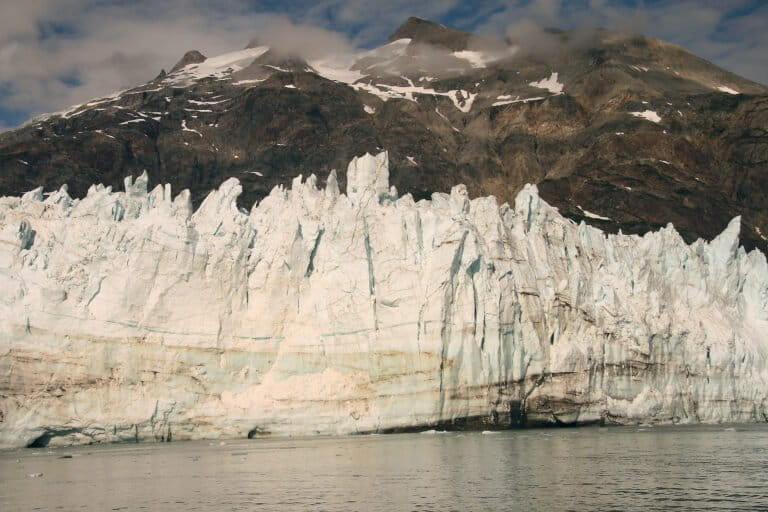
Global measurements indicate sustained and accelerating loss of glacier mass, driven primarily by human-induced warming. In many regions, what was once seasonal melting has turned into permanent retreat, threatening ecosystems and human livelihoods alike. Scientists have warned that major glaciers may not endure through this century without drastic emission reductions. The melt contributes to rising sea levels, endangering coastal communities worldwide.
This crisis extends beyond ice; it disrupts water cycles that agriculture and cities depend on. Regions like the Himalayas and Andes, where glaciers feed rivers for hundreds of millions, face acute shortages during dry seasons. Recent forecasts predict that thousands of glaciers could vanish entirely in the coming decades, depending on how temperatures rise. Preservation efforts must address these interconnected risks to mitigate broader environmental fallout.
Effective Measures: What Works to Protect Glaciers
International organizations have pushed for targeted protections, such as creating natural habitat zones around vulnerable ice formations. France established such a zone for Mont Blanc in 2020, aiming to secure ecological transitions in post-glacial areas. Similar laws in Argentina and Chile now safeguard glaciers, with potential extensions to adjacent ecosystems. These policies prevent mining and other activities that hasten melt, allowing natural processes to stabilize ice where possible.
Local initiatives also show promise. In national parks like Glacier Bay, sustainability programs focus on reducing human impacts through visitor education and habitat restoration. Avalanches, surprisingly, aid some Alpine glaciers by depositing snow that replenishes ice during warmer periods. Broader strategies include climate-resilient water management, which balances meltwater use with conservation to extend supplies. Such approaches, when scaled, can slow local retreat and preserve biodiversity in emerging post-glacial habitats.
The Barriers: Challenges That Defy Easy Solutions
Despite these efforts, core obstacles remain rooted in global warming, which outpaces localized interventions. Small glaciers, highly sensitive to temperature fluctuations, melt rapidly without systemic emission cuts. Developing materials to cover or shade ice – intended for local conservation – faces hurdles like high costs, logistical difficulties in remote terrains, and uncertain long-term efficacy. Even innovative geoengineering ideas, such as artificial snow production, struggle against the scale of atmospheric changes.
Water security adds another layer of complexity; melting accelerates short-term flows but leads to long-term droughts, straining industries and agriculture. Biodiversity losses compound the issue, as retreating ice releases ancient microbes or pollutants into waterways. International commitments, like UN resolutions, highlight the urgency, yet enforcement varies across nations. These intertwined factors underscore that while protections buy time, they cannot reverse entrenched warming trends alone.
Innovations on the Horizon: Hope Amid Uncertainty
Projects like the Ice Memory initiative offer a forward-looking response by archiving ice cores in Antarctica, safeguarding climate history as glaciers disappear. This repository, inaugurated recently, preserves atmospheric records for future research. Meanwhile, calls for the International Year of Glacier Preservation in 2025 emphasize global collaboration on monitoring and adaptation. Interdisciplinary teams are exploring how to integrate glacier health into broader sustainability goals, from renewable energy to resilient farming.
Yet, experts stress that true progress hinges on curbing fossil fuel use. Water authorities at local and regional levels must adopt adaptive plans that account for variable melt patterns. Though challenges persist, these efforts build resilience. Combining policy, science, and community action could extend the lifespan of remaining ice, even if full restoration proves elusive.
- Establish legal protections for glacier zones to limit industrial threats.
- Promote climate-resilient infrastructure in dependent regions.
- Invest in monitoring technologies for early detection of retreat.
- Encourage international treaties to reduce greenhouse gases.
- Support research into eco-friendly materials for ice stabilization.
Key Takeaways
- Glaciers support water for nearly half the world’s population, but rapid melt endangers this lifeline.
- Legal safeguards and local management can slow loss, yet global warming demands emission reductions.
- Archival and adaptive projects provide tools for a post-glacier future.
As glaciers recede, the imperative to act grows clearer: targeted protections and innovation offer pathways to preservation, but ultimate success requires collective global resolve. What steps do you believe are most urgent for safeguarding these vital resources? Share your thoughts in the comments.