Have you ever walked into a room, started a conversation, or witnessed a scene that felt eerily familiar, yet you know with absolute certainty you’ve never experienced it before? That spine-tingling sensation of recognition paired with the logical understanding that it’s impossible creates one of the most puzzling experiences of human consciousness.
Roughly two-thirds of people have experienced déjà vu at some point in their lives, making it one of the most common yet mysterious phenomena our brains produce. For centuries, this French term meaning “already seen” has captivated scientists, psychologists, and everyday people alike. Today, cutting-edge neuroscience is finally beginning to decode the memory-glitch phenomenon and what it reveals about how our brains perceive time itself. Let’s explore what researchers now understand about this fascinating window into human consciousness.
The Temporal Lobe Connection: Your Brain’s Memory Hub

Researchers suggest that déjà vu may be linked to the temporal lobe of the brain, which is involved in memory, where a small glitch or misfire in the brain’s neural circuits could cause this sensation of familiarity. The temporal lobe houses critical structures like the hippocampus, which serves as your brain’s memory processing center.
People with epilepsy can sometimes experience a heightened and extreme feeling of déjà vu at the onset of a seizure, often indicating a discharge in the hippocampus, a structure deep in the temporal lobe that controls memory. This connection between epileptic activity and déjà vu has provided researchers with valuable insights into where and how these experiences originate.
The Hippocampus Under the Microscope
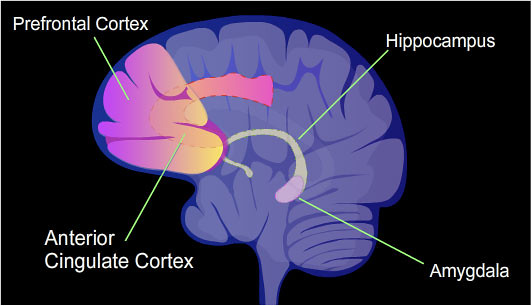
Recent morphological correlates of nonpathological déjà vu have been identified within the human brain, with significantly reduced gray matter volume within cortical and subcortical regions that mirror the distribution seen in temporal lobe epilepsy patients. Scientists have discovered that healthy individuals who experience déjà vu show distinct patterns in their hippocampal structure.
The hippocampal subfields CA3, CA4, GC-DG, and subiculum appear to be more vulnerable to adverse conditions, with the most pronounced gray matter volume decrease found in these particular areas across all studied groups. This suggests that certain regions of the hippocampus play a more critical role in generating déjà vu experiences than others.
More direct evidence comes from electrophysiological studies where researchers applied intracerebral electrical stimulation to evoke déjà vu in temporal lobe epilepsy patients, concluding that the hippocampus and amygdala play key roles in the genesis of déjà vu experience. These findings provide concrete proof that specific brain regions are responsible for creating these mysterious feelings.
The Conflict Account: When Your Brain Argues With Itself

Recent neuroimaging work has implicated brain areas associated with conflict as underpinning the déjà vu experience, with conflict monitoring functioning following a similar age-related trajectory to déjà vu, peaking in young adulthood and declining with age. This emerging “conflict account” represents a major shift in how scientists understand the phenomenon.
Déjà vu appears to be the process of correcting memory errors and making sure you don’t act as though you remember something you haven’t actually experienced. Think of it as your brain’s internal fact-checker working overtime to prevent false memories from taking hold.
According to researchers, déjà vu occurs when brain areas like the temporal lobe send signals to the frontal decision-making regions indicating that an experience is repeating itself, but when the frontal regions evaluate this against past experiences and find no prior experience, the realization of déjà vu occurs. It’s essentially your brain catching itself in the act of making a memory mistake.
The Dual Processing Theory: Two Systems Out of Sync
The dual processing framework suggests that déjà vu appears as a consequence of a glitch that interrupts the normal parallel work of two cognitive functions. Your brain constantly runs multiple processing systems simultaneously, and déjà vu might occur when these systems fall out of alignment.
Dual-processing theories suggest that déjà vu occurs when the brain’s parallel memory systems – automatic (faster, subconscious) and controlled (slower, conscious) – become out of sync, with the automatic system prematurely registering a situation as familiar before the controlled system completes its verification process.
One hypothesis suggests that when the separate channels of encoding and retrieving memories “meet in the same area,” these functions may occur simultaneously, leading to a present situation being encoded while seeming like it has been recollected from a past memory. Imagine a tape recorder with both record and play buttons pressed at once.
Age and Frequency: Why Young Brains Experience More Déjà Vu

Younger people experience déjà vu more frequently than older individuals, which can be attributed to stronger neural activity and healthier fact-checking frontal regions in younger brains, as the ability to notice errors, including instances of déjà vu, may decline with age. This counterintuitive finding challenges assumptions about memory quirks being more common in older adults.
For people with certain conditions like dementia, the frontal lobes may fail to fact-check properly, resulting in repeated sensations of familiarity that can become disruptive as everything begins to feel familiar even if those memories aren’t real. This stark contrast highlights how healthy déjà vu experiences actually indicate proper brain function.
The Role of Stress, Fatigue, and Brain Chemistry

Fatigue and stress have been identified as potential contributors to déjà vu, as when the brain is tired, its internal neuronal systems may struggle to regulate themselves, leading to a higher likelihood of misfirings and the sensation of déjà vu. Your exhausted brain becomes more prone to these temporal mix-ups.
Dopamine, a neurotransmitter associated with signaling familiarity, also plays a role in déjà vu experiences, as it’s a neuromodulator involved when brain regions signal familiarity, which may explain why drugs that affect dopamine levels often induce elevated reports of déjà vu. This biochemical connection reveals how brain chemistry directly influences these mysterious experiences.
Neuroimaging Reveals the Brain in Action
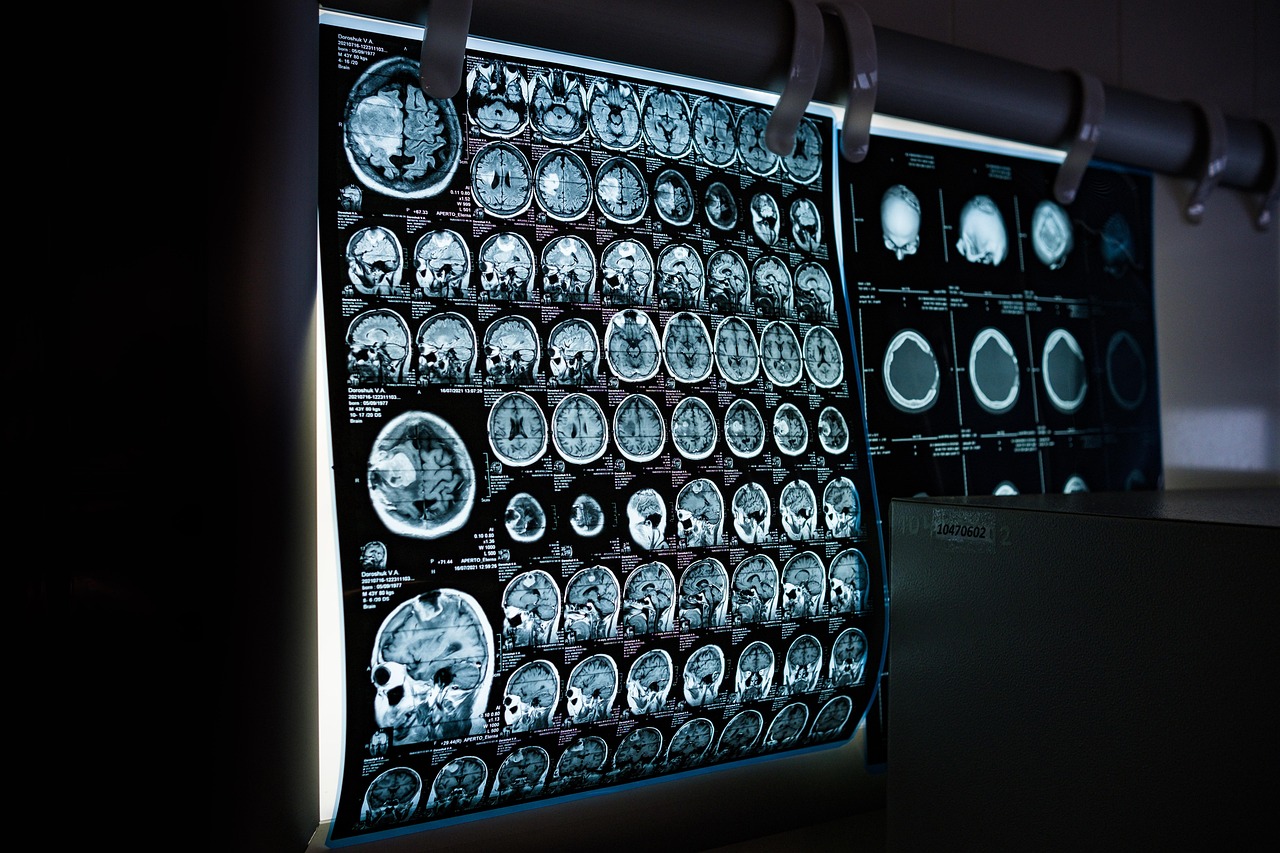
Functional magnetic resonance imaging analysis revealed that individuals who experience déjà vu are characterized by increased activity of the bilateral insula coupled with reduced activation in the right parahippocampal region, both hippocampi, and several other brain areas. These brain scans provide a real-time window into what happens during déjà vu experiences.
Analysis using three-dimensional co-registration of brain imaging revealed that hyperperfused areas during persistent déjà vu were located in the entorhinal cortex of the left temporal lobe, suggesting that malfunction of the parahippocampal area may cause déjà vu, particularly through epileptic activity in the entorhinal cortex. These precise localizations help scientists understand exactly where déjà vu originates in the brain.
The Memory Error Detection System
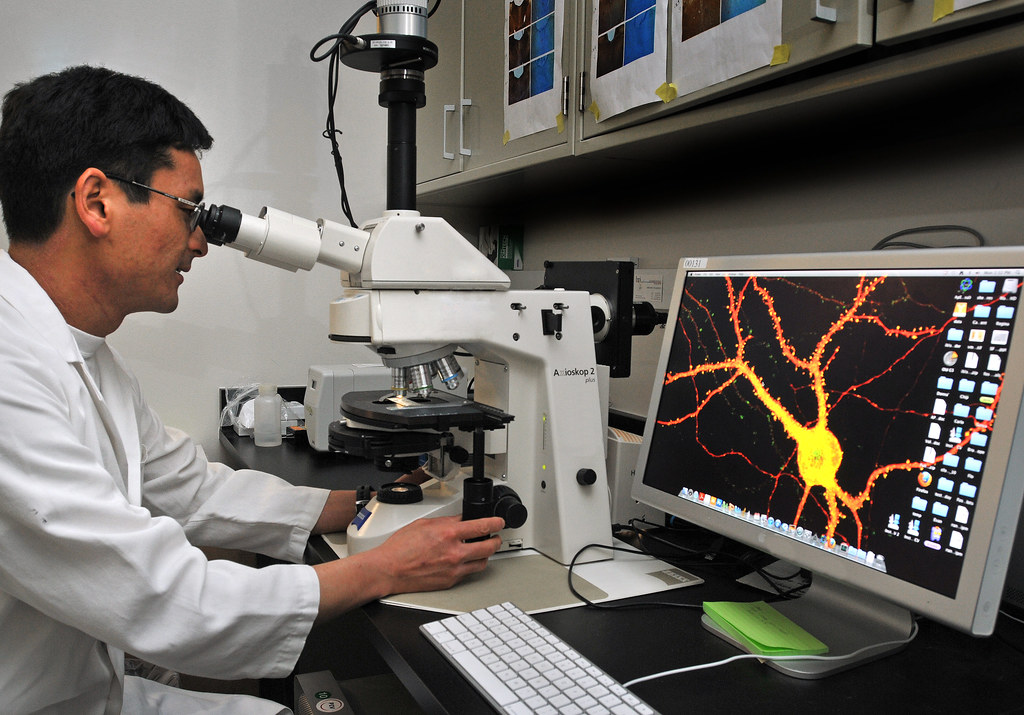
The brain continuously monitors incoming stimuli for consistency with existing memory, and déjà vu might arise when this monitoring system encounters anomalies, essentially raising a “flag” when the brain tries to reconcile mismatched signals, serving as a check against false memories. Rather than being a malfunction, déjà vu might actually represent your brain’s quality control system working properly.
Experiencing déjà vu is probably a good sign for most people, as it indicates that the fact-checking brain regions are working well, preventing misremembering of events. This reframes déjà vu from an odd glitch to a protective cognitive mechanism.
What Déjà Vu Tells Us About Time Perception

There’s no real reason for humans to experience déjà vu; it’s just our brain’s way of rationalizing a puzzling human experience, demonstrating that we are sense-making machines always trying to make sense of our environments and everything around us. Déjà vu reveals something profound about how our brains construct our experience of reality and time.
Déjà vu is a complex experience likely arising from sophisticated neural processes designed to manage and retrieve memories efficiently, and as a product of evolution, it might be less of a hiccup and more of a glimpse into the intricate machinery of human memory and consciousness. This perspective transforms our understanding from viewing déjà vu as a mere curiosity to recognizing it as a window into the fundamental workings of consciousness itself.
Conclusion
The mystery of déjà vu is gradually yielding its secrets to modern neuroscience. What once seemed like an inexplicable quirk of consciousness now appears to be a sophisticated interplay of memory systems, conflict monitoring, and error detection mechanisms working together in your brain. Rather than a malfunction, déjà vu might actually represent the healthy functioning of neural networks designed to maintain accurate memories and prevent cognitive errors.
The ephemeral nature of déjà vu makes it hard to study, so scientists aren’t exactly sure what causes it, though some researchers attribute it to discrepancies or errors in parts of the brain that control memory. While researchers continue unraveling the complete picture, one thing is clear: déjà vu offers a rare glimpse into the remarkable complexity of human consciousness and our brain’s never-ending effort to make sense of the world around us.
What do you think about these scientific revelations? Does knowing the neuroscience behind déjà vu make your next experience any less mysterious?