
You and I flip a switch, strike a lighter, press a stove button, and flames appear on demand. For nearly all of human history, that kind of power would’ve looked like magic. Fire was once a dangerous, unpredictable force that terrified our ancestors, yet at some point they stopped just running from it and started bending it to their will. That moment, scattered in fits and starts across continents and millennia, might be the single biggest turning point in the human story.
What makes this tale remarkable is how much we still do not know with absolute certainty. We have scattered bones, ancient hearths, and microscopic clues baked into stone tools and charred seeds. From those fragments, scientists are piecing together a story that’s part detective mystery, part survival thriller. How did early humans go from occasionally scavenging natural fires to deliberately keeping embers alive, and eventually to sparking flames from cold, dead materials? And once they did, how did fire reshape bodies, minds, societies, and the world itself?
When Lightning Met Curiosity: The First Encounters With Fire
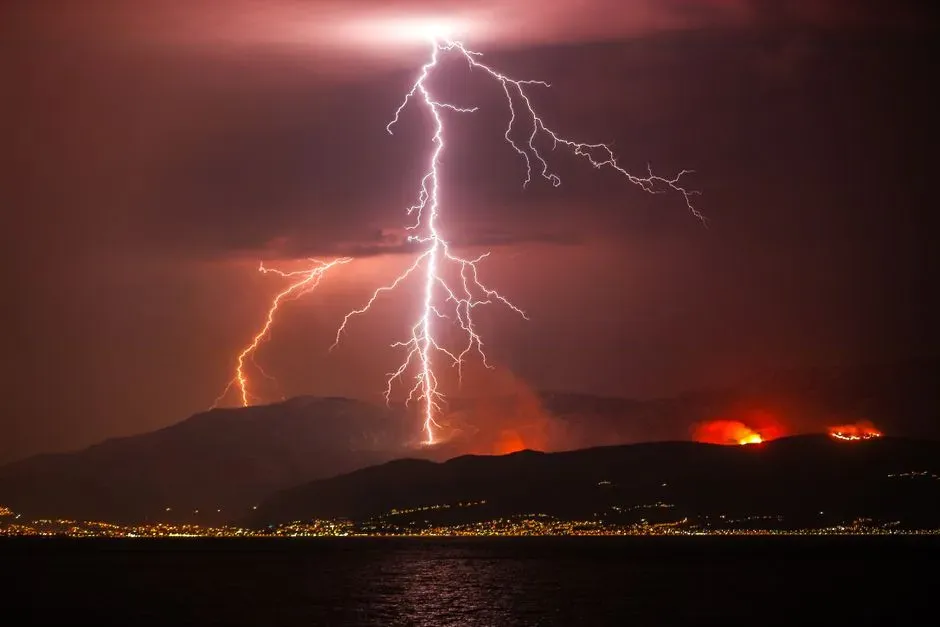
Imagine an African savanna roughly a million years ago, dry grasses stretching to the horizon, and a thunderstorm cracking open the sky. A lightning strike slams into the ground and suddenly a strip of land is ablaze. For countless animal species, this means one thing: flee. But for some early humans and their relatives, those fires were also opportunities – dead animals half-cooked, nuts easier to crack, and landscapes temporarily cleared of dense vegetation.
Most researchers think our ancestors’ earliest relationship with fire was opportunistic rather than controlled. They likely approached slowly, cautiously, maybe after the worst flames had burned down, scavenging roasted carcasses or charred plants. Over time, curiosity and desperation would have pushed them closer. Young individuals might have poked at embers with sticks, watched how sparks flew, and learned what burned and what did not. Those small experiments, repeated across generations, are where the long road to true fire control quietly began.
From Borrowed Flame to Kept Embers: The Dawn of Fire Control
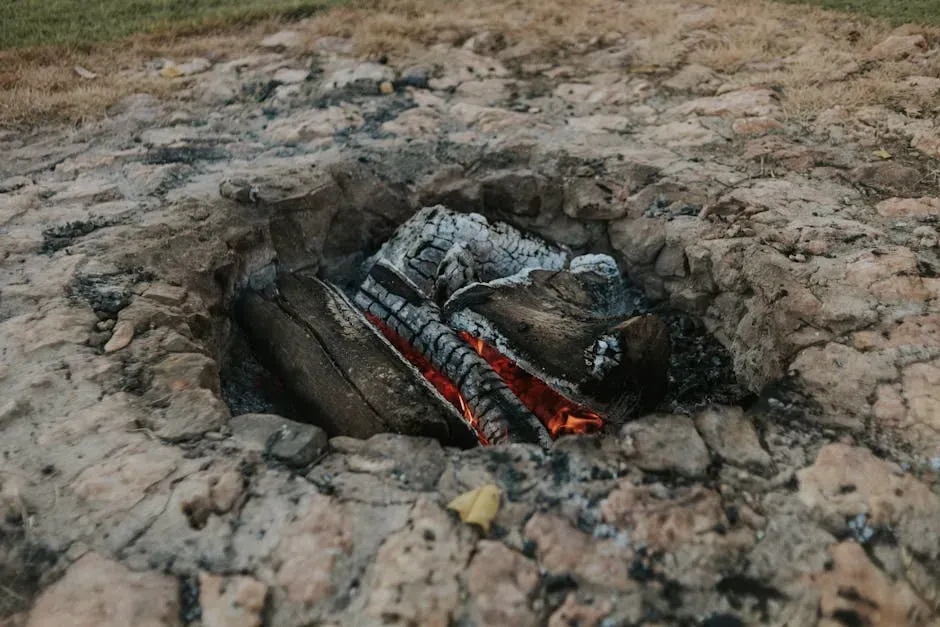
At some point, humans went from just visiting burned zones to bringing fire home. Archaeological sites hundreds of thousands of years old show clusters of burnt bones and reddened earth in what appear to be hearth-like concentrations, rather than random scatter. This suggests people were keeping fire going deliberately – feeding it wood, gathering around it, and perhaps even carrying smoldering branches from one campsite to the next. That shift from borrowed flame to curated flame is enormous.
Think about how much effort it takes, even now, to keep a campfire going through the night. Someone has to stay awake, add fuel at the right moments, protect it from wind and rain. For prehistoric humans, losing the fire could mean going back to a dangerous wildfire to get more, or spending a cold, dark night exposed to predators. So communities probably developed early “fire rules”: who tends the embers, where the fire is placed, what fuels work best. Before there were written laws, fire maintenance might have been one of the first shared responsibilities that bound groups together.
The Moment Sparks Appeared: Learning to Make Fire From Scratch
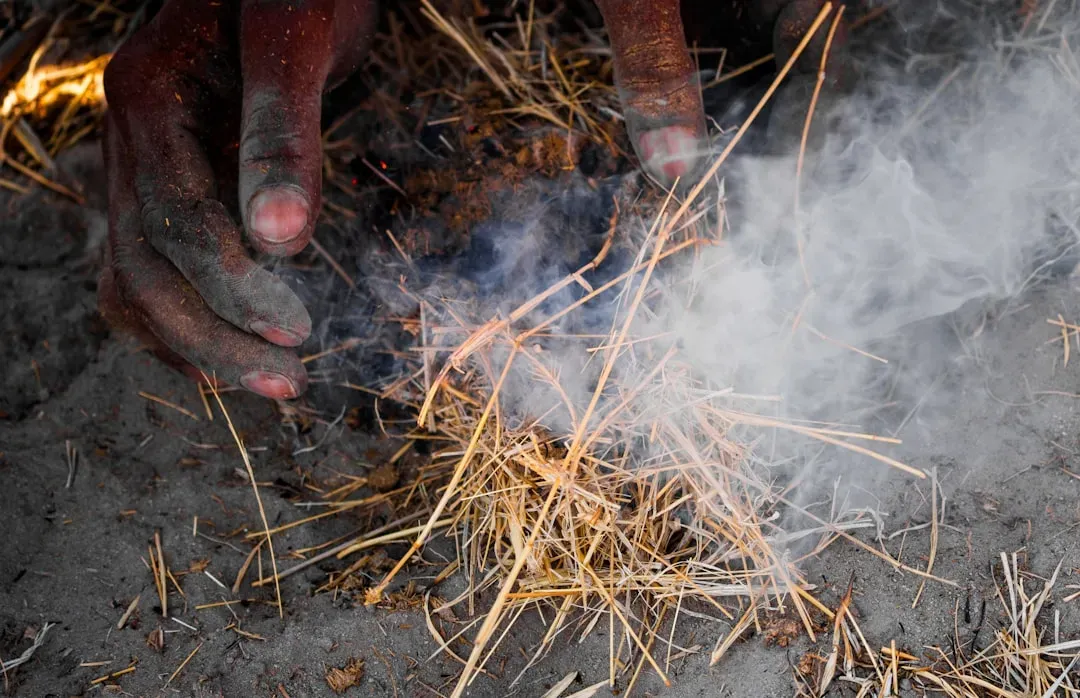
Controlling fire you have is one thing; creating it from nothing is another level entirely. Evidence for fire making – rather than just fire keeping – is much harder to pin down in the archaeological record. Stone tools that throw sparks, such as certain flints struck against iron-rich rocks, do not come with instruction manuals attached. Still, by the late Stone Age, it is clear that many human groups possessed reliable ways to create flames on demand, whether by friction (rubbing wood on wood) or percussion (sparks onto tinder).
Learning this would not have been a simple “one genius, one afternoon” event. It likely took countless failed attempts, blistered hands, and stubborn persistence. I sometimes imagine a teenager in a prehistoric camp, convinced they can do what no one else has pulled off yet, practicing with sticks while elders roll their eyes – until, one miraculous day, smoke starts to curl up. Once a group had a reliable technique, that knowledge became sacred. It would be carefully taught to youngsters, protected like a family secret, and shared – or withheld – based on trust and alliances.
How Fire Rewired the Human Body and Brain
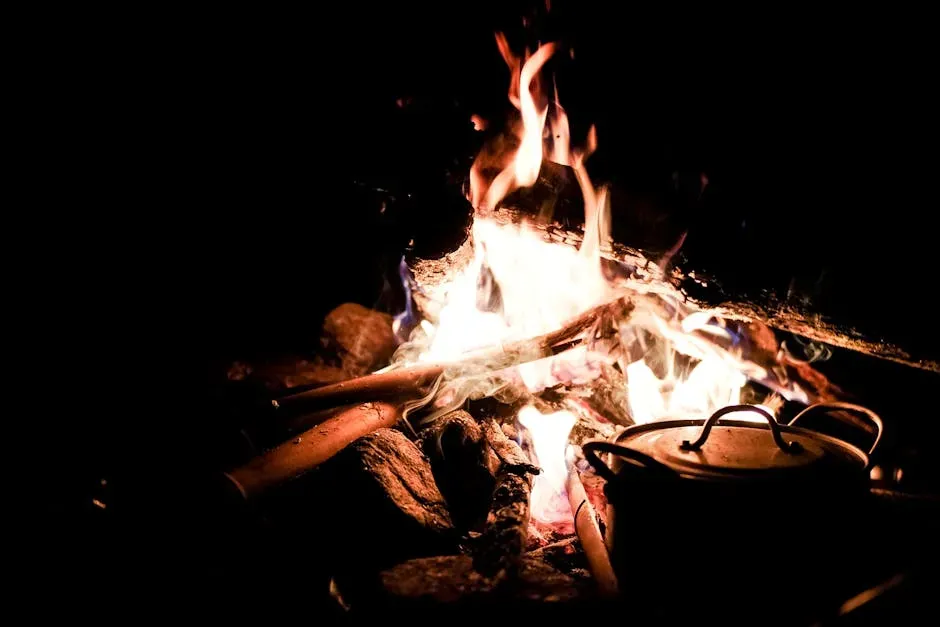
Fire did not just change what humans did; it changed what humans were. Cooking food breaks down tough fibers, kills many pathogens, and makes calories easier to extract. That means the same piece of meat or tuber yields more usable energy after being cooked than when eaten raw. With more energy available from food, bodies can support larger, more demanding brains and smaller, more efficient guts. Many scientists argue that this energy shift helped fuel the growth of our unusually big, hungry brains.
On top of that, evenings around a fire extended the day. Instead of sleeping shortly after sunset, groups could gather in the dim orange glow and talk, plan, sing, or simply sit together. Over generations, this repeated pattern might have shaped our sleep cycles, our social habits, and even our emotional lives. There is a reason many people still find campfires calming and hypnotic; you are wired for it by deep time. Firelight may have been the original social media feed, where stories spread, knowledge was shared, and reputations were quietly built or destroyed.
Fire as Protection, Weapon, and Social Glue
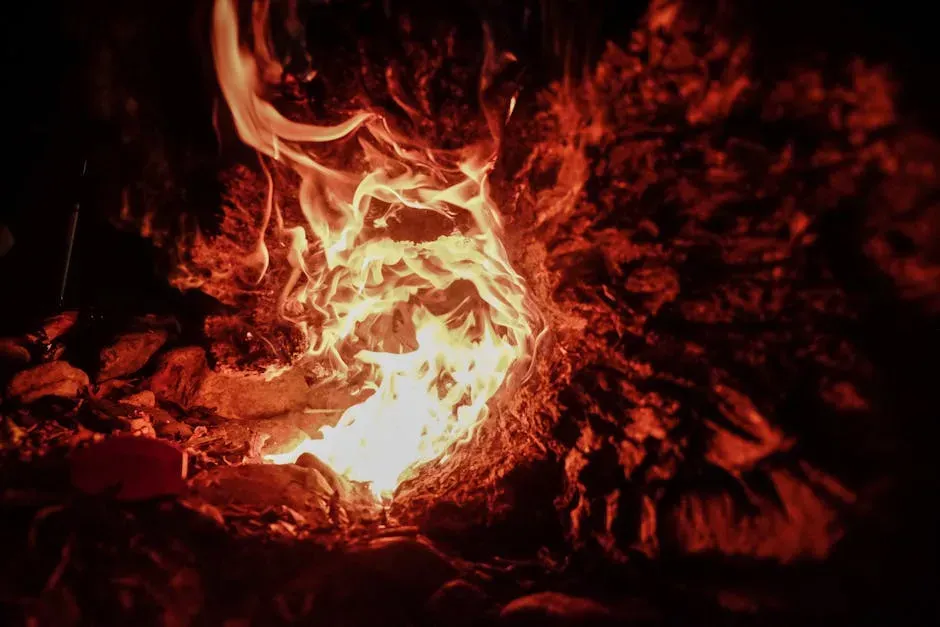
Controlled fire offered a level of protection no other primate had. Predators are far less bold when confronted with flames and smoke, which meant that nighttime became less terrifying. Humans could choose sleeping spots based on strategy instead of pure fear, cluster more closely together, and defend camps more effectively. A ring of glowing embers was like an invisible fence, turning the darkness from threat into lightly guarded frontier.
At the same time, fire had a darker side as a tool. It could be used to drive herds into traps, clear vegetation for better hunting, or even intimidate rival groups. The line between protection and aggression was thin. But fire also pulled people inward, creating literal circles of light where everyone could see everyone else. Sitting shoulder to shoulder, passing food, staring into the same flames, people likely felt more connected to their group – and more distinct from the dangerous world just beyond the glow. That sense of “us” versus “out there” is still with us today.
Shaping Landscapes: The World After Humans Controlled Fire
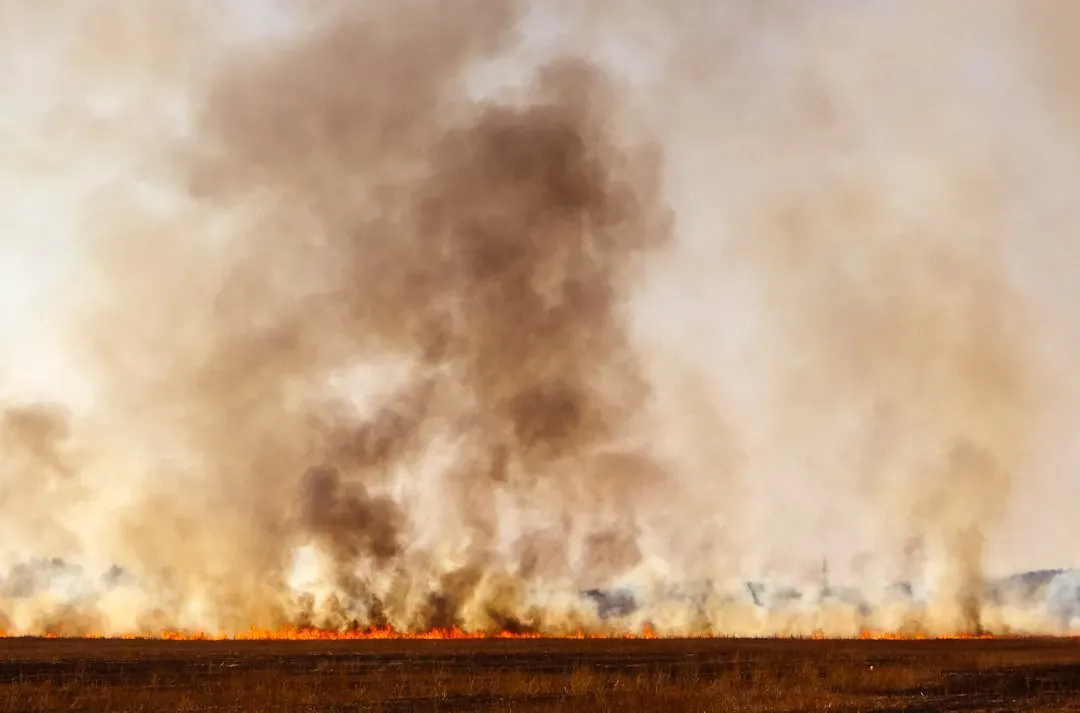
Once humans became confident fire users, they did not just adapt to environments – they started editing them. Many hunter-gatherer societies have long used deliberate burning, sometimes called fire-stick farming or landscape burning, to encourage certain plants, attract game, or reduce dangerous fuel buildup. Prehistoric people almost certainly learned similar tricks through trial and error. If burning a patch of land meant more edible shoots or easier hunting the next season, that practice would be remembered and repeated.
Over time, repeated burning can transform entire ecosystems, favoring fire-adapted species and changing how forests, grasslands, and wetlands function. In a quiet way, humans became ecosystem engineers long before tractors and chainsaws. The irony is hard to miss: the same species that learned to control fire for survival is now wrestling with enormous, climate-fueled wildfires partially driven by long histories of land use and suppression. Our ancient alliance with flame has always been a double-edged sword, and we are still learning how to manage the consequences.
A World Lit Forever: What Fire Means for Humanity Today
If you follow the story forward, there is a straight, if winding, line from tending a small hearth to powering a modern city. Controlled combustion underlies everything from steam engines to internal combustion cars to many electricity plants. Fire turned ores into metal, clay into pottery, and sand into glass. It enabled large-scale agriculture by clearing fields and processing food. We built entire civilizations on increasingly sophisticated ways of storing, directing, and magnifying what started as a few glowing coals in a prehistoric camp.
But here’s the uncomfortable opinion I keep coming back to: we never truly stopped being fire apes; we just hid the flames in machines, engines, and grids. Our mastery remains partial and risky. Fossil fuels are essentially ancient sunlight stored in plants and animals, now being burned at a pace nature never planned for. The climate consequences are a stark reminder that control has limits. The same ingenuity that first turned lightning’s chaos into a campfire is now urgently needed to build a future where our love of heat and light does not burn the house down around us.
Conclusion: The Dangerous Gift We Still Have to Grow Into
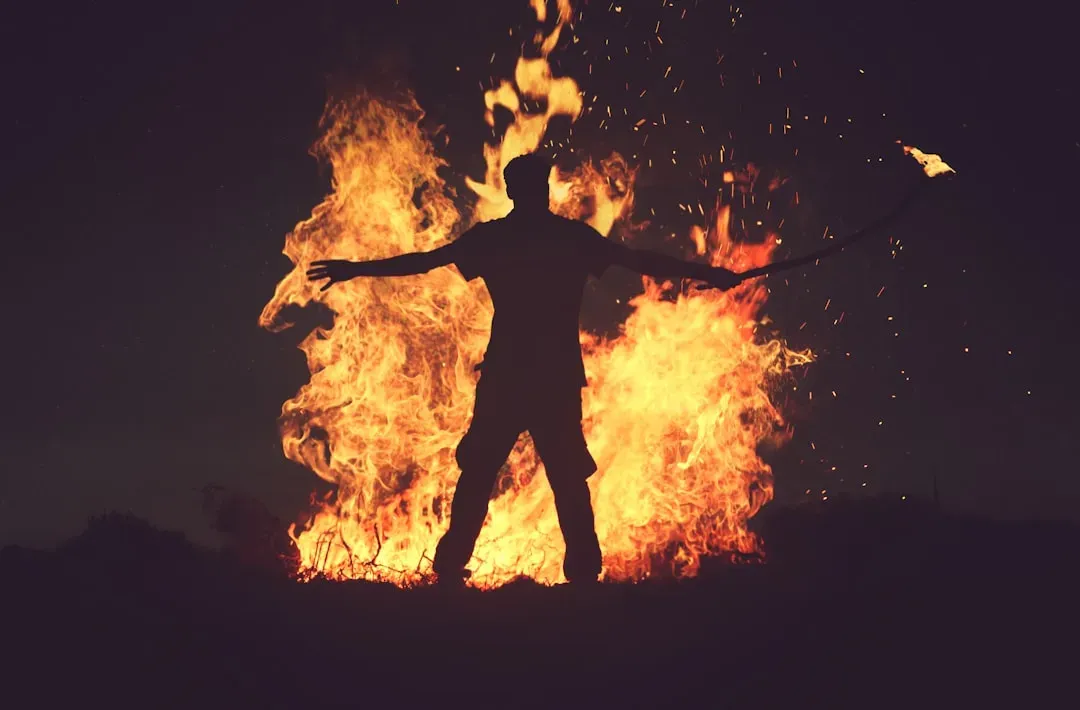
The story of how prehistoric humans learned to control fire is not just a tale about the distant past; it is a mirror held up to who we are right now. Once, tiny bands of humans huddled around fragile flames, guarding them from wind and rain, knowing that everything depended on those embers surviving the night. Today we sit inside dazzlingly lit homes powered by grids and reactors, but underneath the technology, the same basic relationship holds: our lives run on managed combustion and stored energy, and we are still figuring out how to keep it from turning against us.
In my view, the real lesson of fire is humility. It gave us cooked food, safer nights, richer social lives, and powerful tools, but it also taught us that every gain comes with a risk we have to own. Our ancestors learned to respect flame because a single mistake could cost a life or a camp; we now have to relearn that respect at a planetary scale. Maybe the next chapter of this remarkable story is not about conquering fire, but about finally growing wise enough to live with it. When you light your next candle or turn on your stove, it is worth asking: are we any less at the mercy of fire than those first people watching lightning burn the grass?