Imagine diving into a twilight ocean where the largest things alive are not whales, but reptilian predators with jaws like bear traps and eyes the size of dinner plates. No sonar, no submarines, no escape to the surface in a few kicks. Just you, the crushing dark, and something huge moving just outside your field of vision. That uneasy feeling you get in deep water today is nothing compared to what a swimmer would have faced in the prehistoric seas.
Scientists have slowly pieced together this lost world from shattered bones and teeth pulled from cliffs, quarries, and the floors of ancient oceans. The more we learn, the more it feels like reality outdid mythology by a mile. These creatures were not fantasy dragons or movie props; they were animals shaped by evolution into brutally efficient killers. Let’s wade into that world and meet some of the most terrifying sea monsters that actually existed.
Mosasaurus: The Apex Terror of the Cretaceous Seas
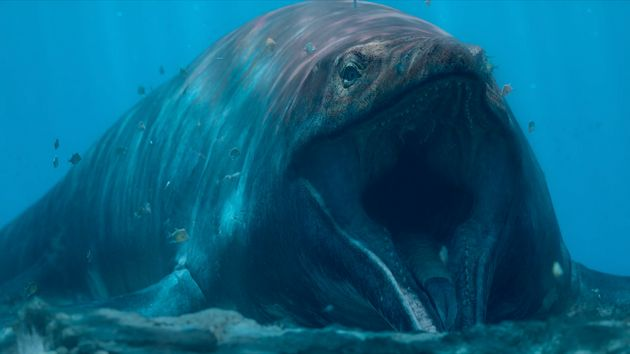
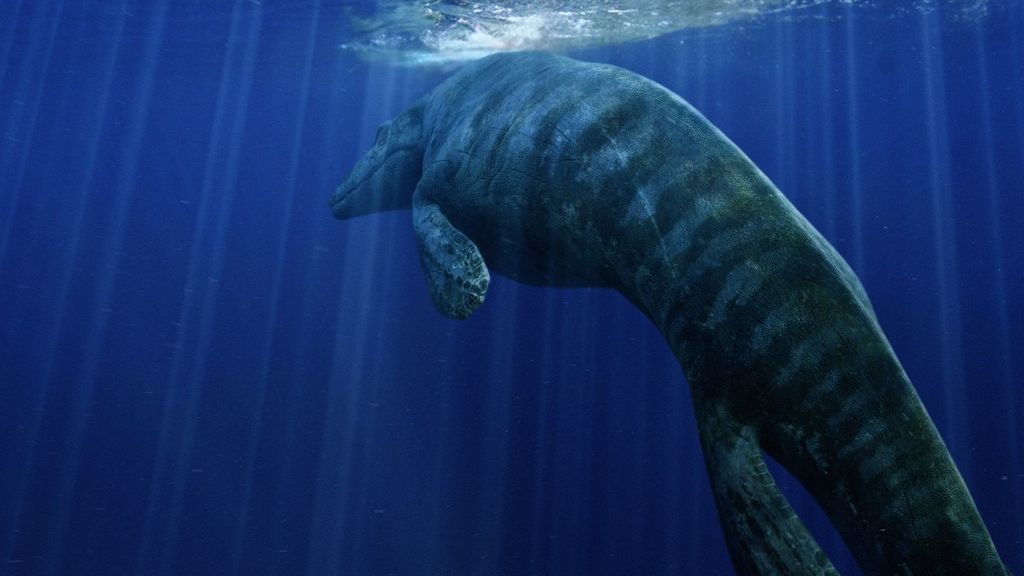
If you took a modern-day komodo dragon, stretched it out to the size of a bus, and then threw it into the ocean with a shark’s attitude, you’d be halfway to imagining Mosasaurus. Living in the late Cretaceous, this marine reptile could reach lengths of more than fifteen meters, with a long, muscular tail and paddle-like limbs that turned it into a torpedo of meat and muscle. Its skull was lined with conical, sharp teeth ideal for seizing and crushing prey, and some species even had a second row of teeth further back on the palate to grip anything unlucky enough to enter its mouth.
What makes Mosasaurus so unsettling is that it occupied the same role in its ecosystem that great white sharks and orcas occupy today, but on an even more dramatic scale. Fossil evidence suggests it hunted marine reptiles, large fish, and even other mosasaurs, making it something like the ocean’s version of a lion that also thinks other lions are on the menu. When you realize some species roamed shallow inland seas that once covered parts of what is now North America and Europe, it becomes strangely personal; these were apex predators cruising over what would one day be farmland, cities, and suburbs.
Megalodon: The Giant Shark That Made Whales Its Prey
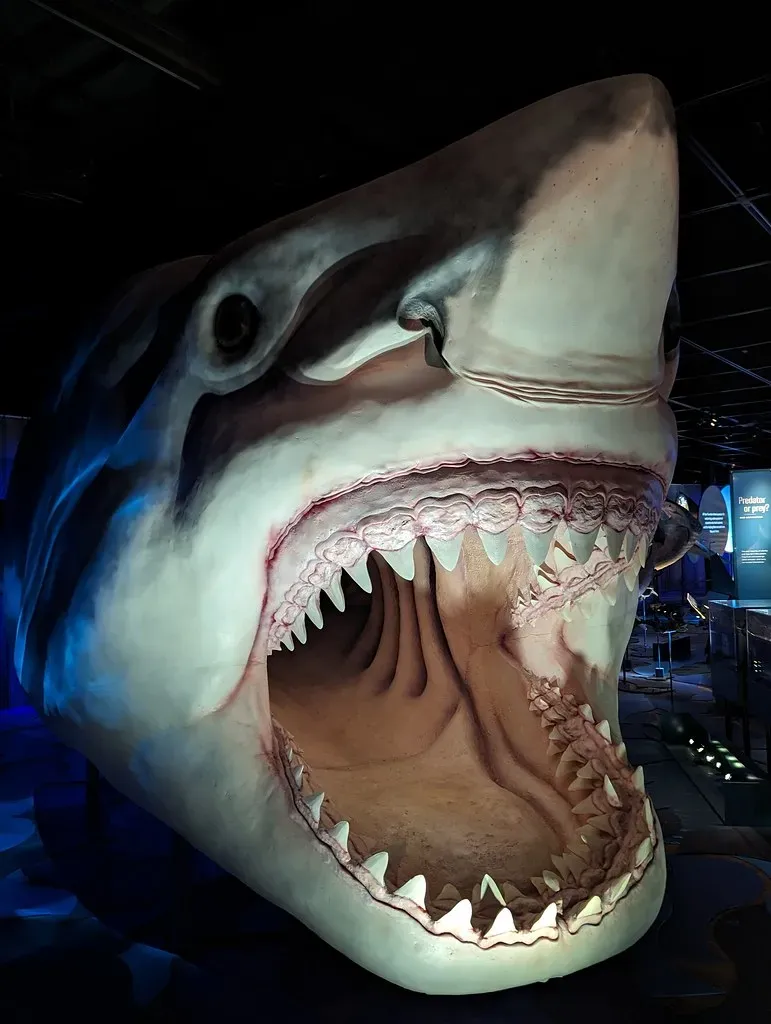
Even people who are not into paleontology have heard of Megalodon, and honestly, the hype is deserved. This extinct shark lived from the Miocene to the Pliocene epochs and is estimated, based on tooth size and jaw reconstructions, to have reached lengths approaching twenty meters. Its jaws were wide enough to bite through the chest of a modern whale, and the bite force estimates land in a range that makes today’s great white shark look almost modest. When scientists model its feeding behavior, they often imagine it targeting the soft, vital parts of whales first, such as the chest cavity or fins, to disable and kill them quickly.
Part of what makes Megalodon so frightening is that it feels almost contemporary, sharing oceans with early forms of many whales and dolphins we would recognize. Picture a world where the open sea held not just pods of whales, but also a super-predator quietly pacing them, waiting for a moment of weakness. There is also this eerie fact: all we really have are teeth and a few scattered vertebrae, because shark skeletons are largely cartilage and rarely fossilize. The scariest shark that ever lived is mostly known from its bite marks and the gigantic serrated teeth it left scattered like lost bullets across ancient seabeds.
Liopleurodon and the Pliosaur Killers
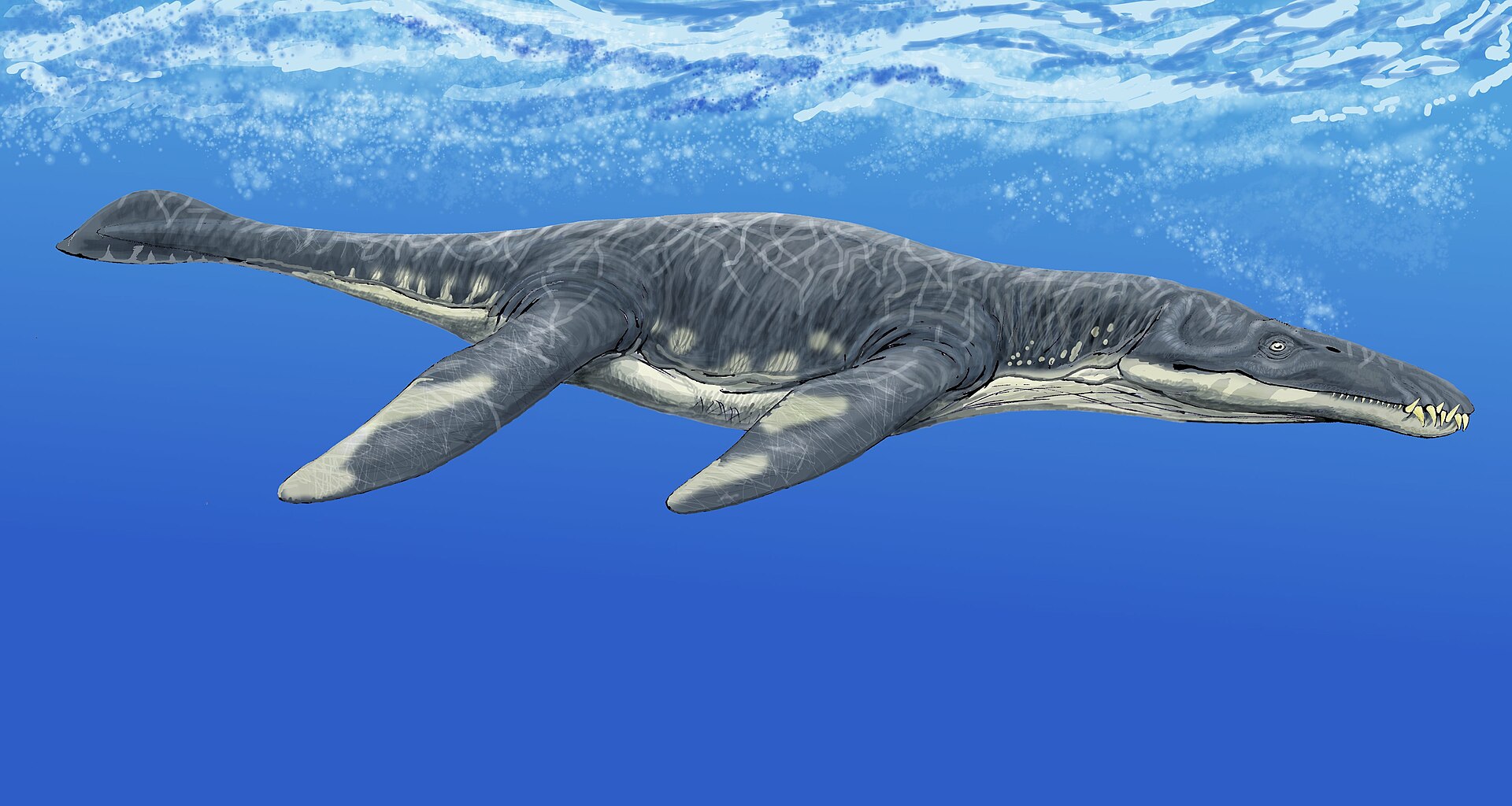
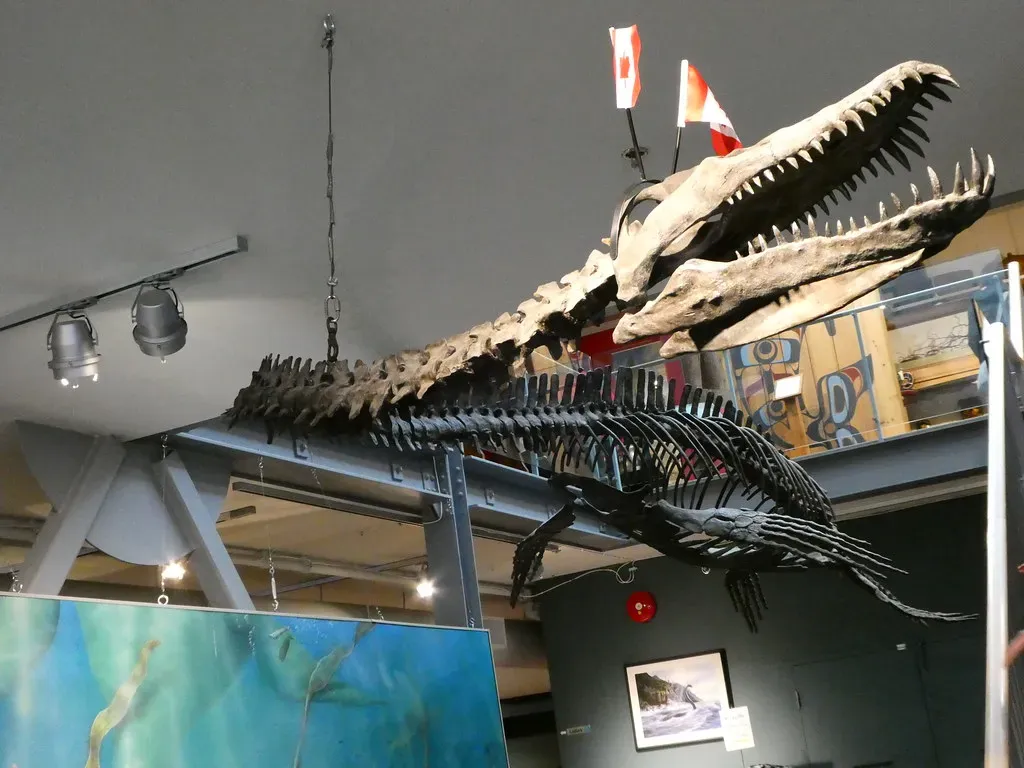
Move back in time to the Jurassic seas and you meet the pliosaurs, a group of short-necked, big-headed marine reptiles that were basically living warheads. Liopleurodon is one of the most famous names among them, thanks in part to pop culture, though its size was probably a bit more modest than older, exaggerated estimates suggested. Still, even the more conservative reconstructions put it at over six meters long, with an oversized skull packed with conical teeth perfect for gripping slippery prey like large fish, ichthyosaurs, and other marine reptiles. Its powerful flippers would have given it explosive acceleration, like a crocodile fused with a penguin and then supercharged.
Other giant pliosaurs, such as Pliosaurus and Kronosaurus, push the fear factor even higher, with some specimens indicating bodies well over ten meters long and skulls reaching several meters in length. These animals were shaped to do one thing superbly well: grab something large, hold on, and tear it apart. If you imagine swimming in a prehistoric sea and seeing a massive shadow wheel around beneath you, that could have been a pliosaur coming up from the gloom. There is something uniquely unnerving about a predator that does not rely on speed alone, but on the sheer crushing power of its jaws and the leverage of its enormous head.
Tylosaurus and the Mosasaur Pack of Nightmares
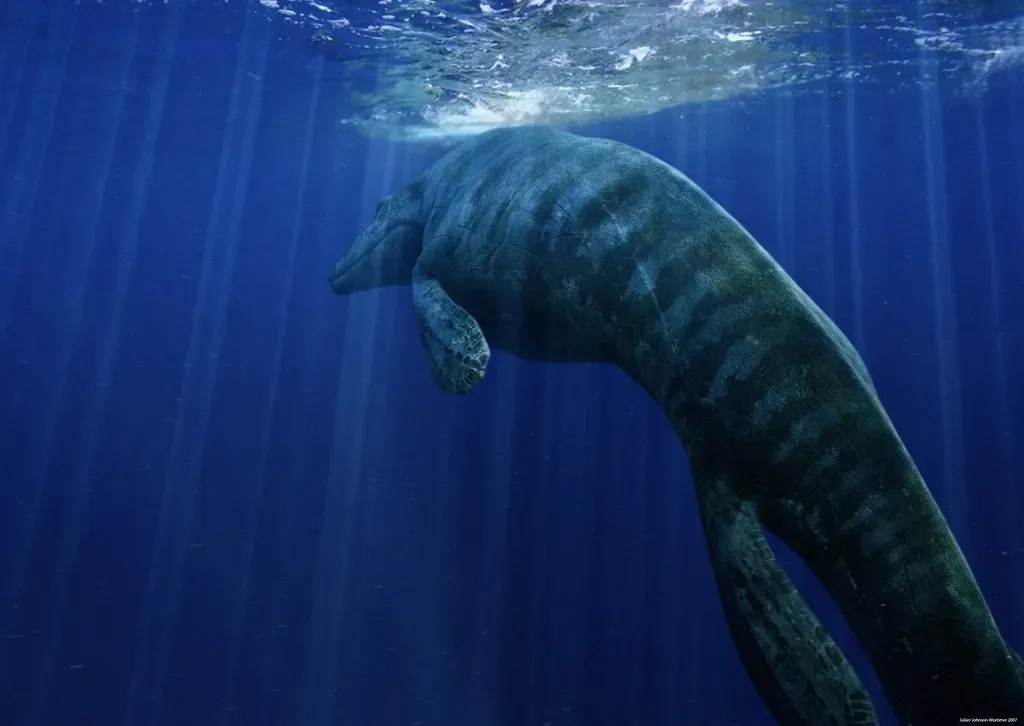
Mosasaurus might get most of the attention, but Tylosaurus deserves its own spotlight as one of the scariest mosasaurs ever to patrol the oceans. This monster, which could reach similar lengths to Mosasaurus, had a long, cylindrical snout and rows of sharp teeth that hint at a very aggressive, ramming and biting style of attack. Fossil stomach contents have revealed a gruesome menu that includes fish, turtles, birds, and even other marine reptiles, painting the picture of a predator that was not particularly picky as long as it could be caught and swallowed.
What really haunts the imagination is that Tylosaurus lived in shallow inland seas like the Western Interior Seaway that once split North America into two landmasses. If you stand in the middle of the continent today, miles from any ocean, it is hard to imagine that same spot once lay under water deep enough for a Tylosaurus to cruise by. That mismatch between the peaceful, dry land we know and the predator-filled seas that existed before us adds a surreal layer to these fossils. It is like finding evidence that your backyard used to be a hunting ground for living torpedoes with teeth.
Leedsichthys and the Gentle Giants That Still Intimidate
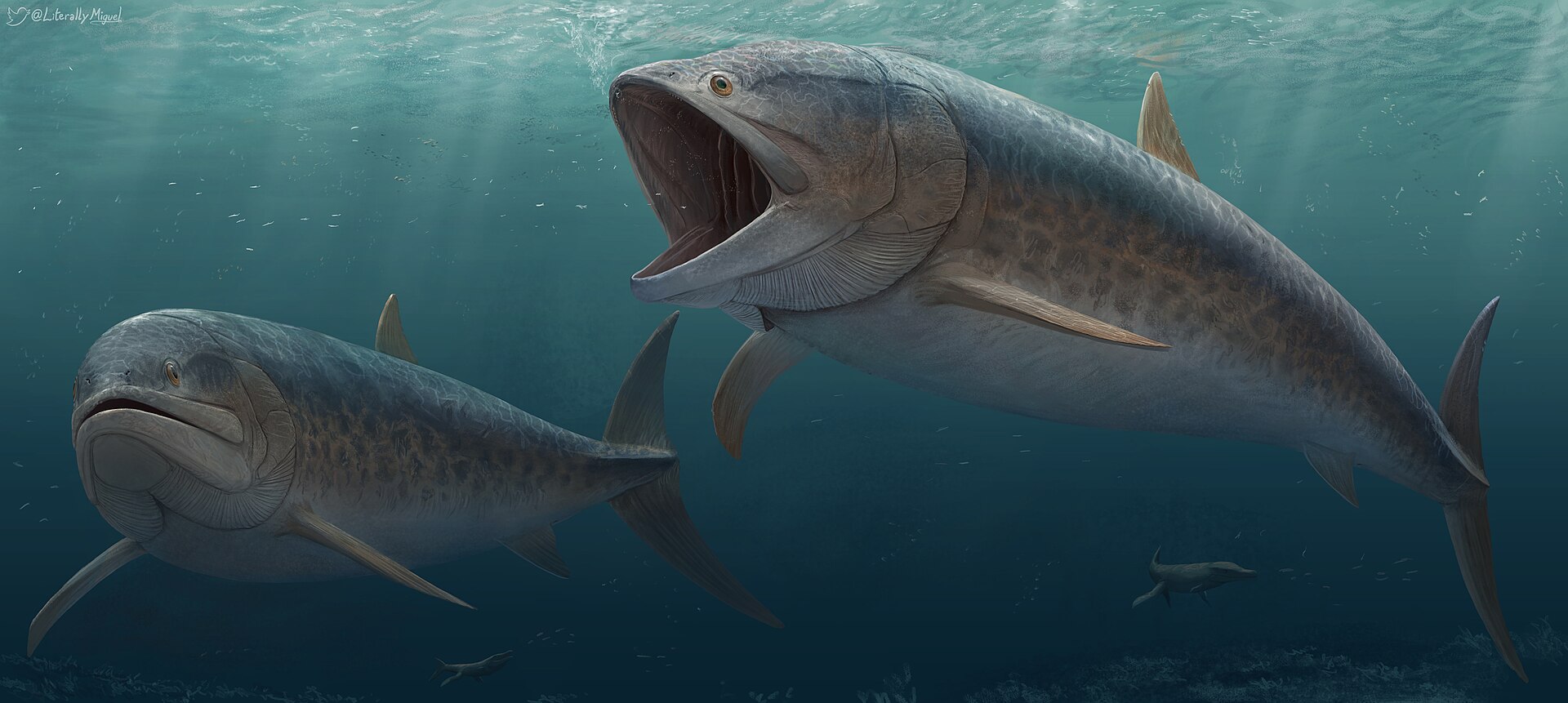
Not all prehistoric sea monsters were predators, but that does not mean they were not intimidating. Leedsichthys, a gigantic filter-feeding fish from the Jurassic period, reached lengths that may have rivaled or even exceeded modern whale sharks. It did not tear animals apart with massive teeth; instead, it likely cruised through the water with its mouth agape, straining plankton and small organisms from the water with specialized gill structures. Standing next to a creature like that, even if it meant no harm, would have felt like sharing the sea with a slowly moving subway car.
What makes Leedsichthys scary in its own way is its sheer scale and the sense that the ocean was already home to giants long before whales appeared. If modern people are humbled by the sight of a whale shark gliding by, imagine the impression a Jurassic fisher or diver would have had if humans had been around. There is also something slightly unsettling about creatures so large that they change how you perceive the ocean itself; they turn it from a vast, empty blue into a kind of crowded sky filled with moving, living islands. Even peaceful giants remind us that, in prehistoric seas, size alone could make a creature feel monstrous.
Thalassomedon and the Long-Necked Plesiosaurs
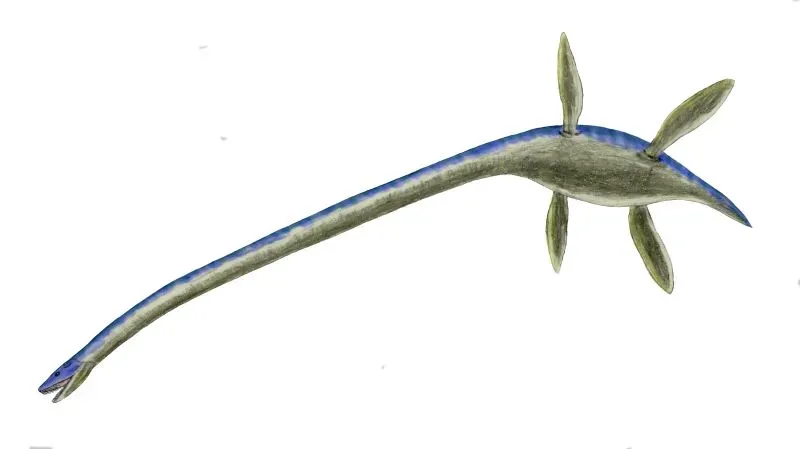
Few prehistoric animals have fueled as many legends as the long-necked plesiosaurs, often dragged into comparisons with lake monsters and sea serpents. Thalassomedon, whose name essentially means ruler of the sea, was one of these eerie creatures with a relatively small head, an extremely long neck, and a robust body powered by four powerful flippers. Its neck alone could span several meters, like a living periscope rising from the bulk of its body. The overall effect is both elegant and deeply strange, as if someone took the idea of a swan and turned every feature up to an almost surreal extreme.
Although it probably hunted smaller fish and squid-like animals rather than swallowing huge prey, the image of a Thalassomedon gliding below the surface is pure nightmare fuel for anyone with a fear of deep water. Its long neck could have darted through schools of fish, snapping up victims while the main body cruised along more slowly. Plesiosaur fossils have been found in areas that are now dry land, reminding us again that familiar landscapes were once drowned and patrolled by these odd, graceful monsters. Even without the blood-soaked drama of a shark or pliosaur, their alien shape makes them some of the most haunting creatures ever to inhabit the sea.
Conclusion: The Ocean Was Never Ours to Begin With
Looking back at these prehistoric sea monsters, it is tempting to treat them like characters from a horror franchise, each one competing for the title of scariest. But the more you learn, the clearer it becomes that the real story is not about monsters at all; it is about ecosystems where the rules were written by evolution, not by human comfort. My own opinion is that Mosasaurus and the giant pliosaurs win the fear contest simply because they are so clearly built to dominate, but Megalodon comes terrifyingly close by turning even whales into prey. Leedsichthys and Thalassomedon add another kind of unease, showing that even gentle giants and graceful oddities can feel overwhelming when you imagine sharing their world.
What unsettles me most is not any single animal, but the realization that the ocean has always been a place where we are out of our depth, both literally and metaphorically. We are late arrivals to this planet, briefly skimming the surface of a realm that was already ancient when our ancestors were still small, nervous mammals hiding in the shadows. Those jaws, those vast bodies, those impossible necks are reminders that nature has tried designs far stranger and more powerful than anything walking around today. In a way, the true horror is understanding that the age of sea monsters never really ended; it just changed its cast. The next time you look out over a dark stretch of water, will you still feel alone?