You might think you know how animals talk to each other. A dog barks, a cat meows, maybe a bird sings at dawn. Simple enough, right? Here’s the thing though: beneath what we can hear and see lies an entire universe of communication happening right under our noses. Or more accurately, happening in frequencies we can’t detect, through chemicals we can’t smell, and in ways that would seem like pure science fiction if we didn’t have proof.
Think about it for a moment. We humans are pretty proud of our languages, our ability to convey complex ideas. Yet the natural world has been perfecting its own communication systems for millions of years, long before we ever showed up. Let’s dive in and discover just how sophisticated, strange, and downright mind-blowing animal communication really is.
The Sounds We Cannot Hear
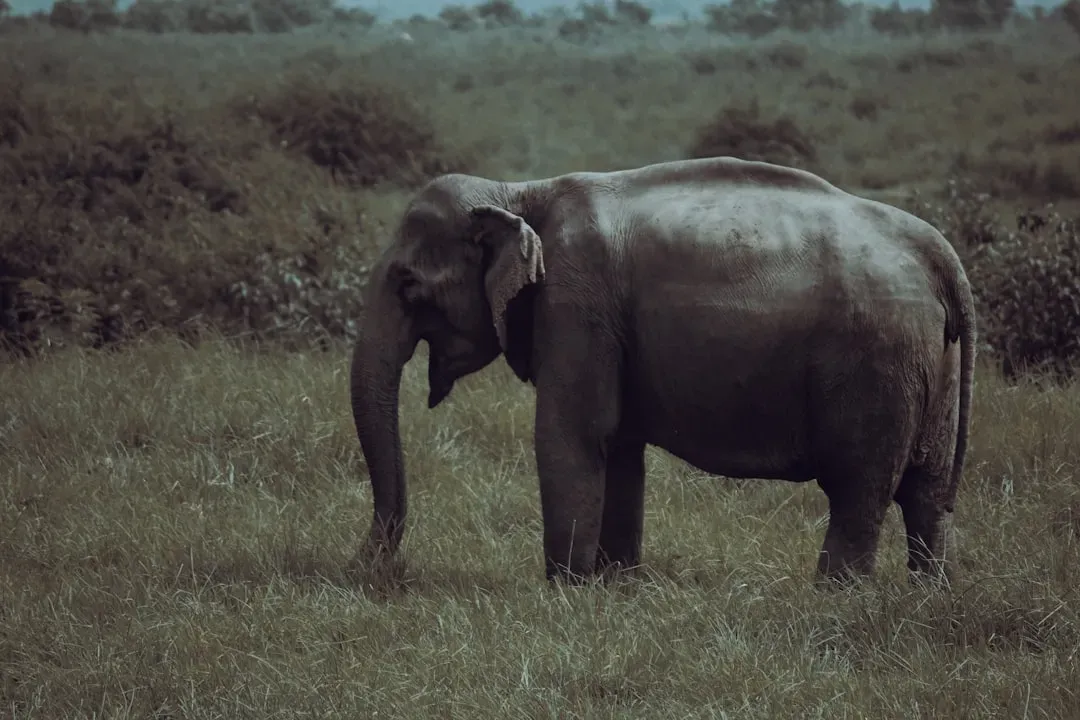
Elephants rumble at frequencies so low that humans simply cannot detect them, using infrasound as low as 5 Hz to stay connected across vast savannas, with these signals traveling several kilometers even through the ground. Picture a herd separated by miles of African grassland, yet still in constant contact. That’s not magic, it’s physics.
Bats and dolphins operate on the opposite end of the spectrum, using ultrasound above 20,000 Hz for echolocation and communication, with some rodents like mice and rats producing ultrasonic vocalizations in various social contexts. It’s a bit like having two completely different radio stations playing simultaneously, one so deep you feel it in your chest, another so high-pitched it’s beyond your ears’ capability. Animals inhabit both these worlds effortlessly while we remain blissfully unaware.
Chemical Conversations That Shape Entire Societies
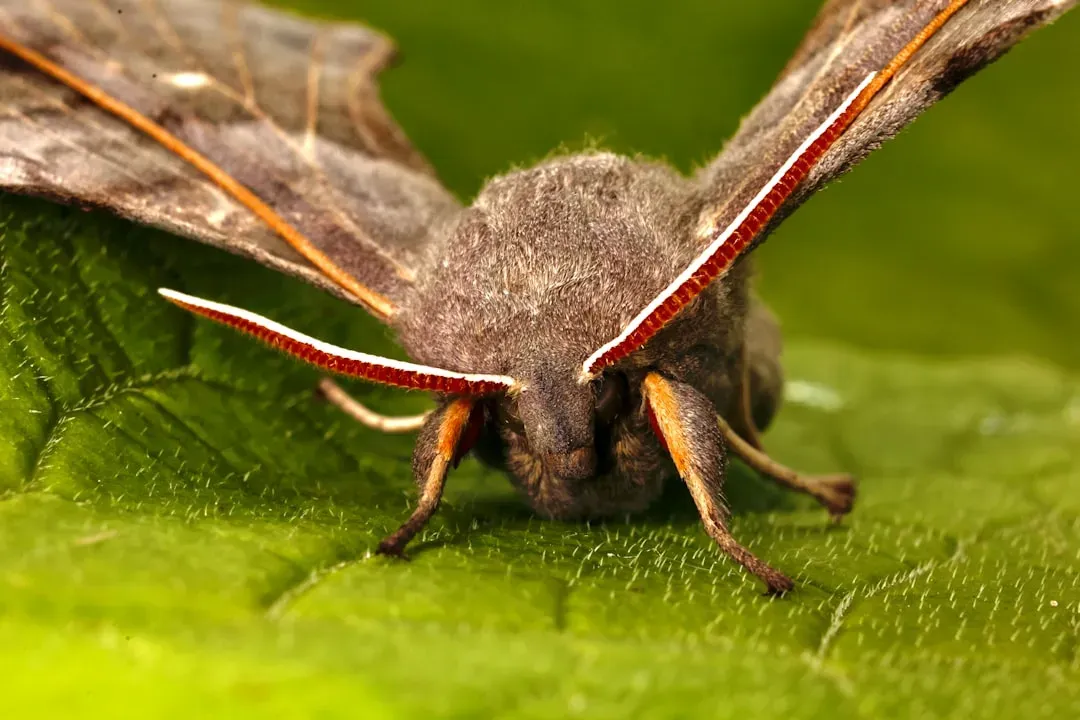
Pheromones are chemical signals produced by one member of a species and received by another, releasing specific reactions like definite behaviors or developmental processes, with both sender and receiver gaining benefit. Honestly, the invisible world of scent-based communication might be the most underappreciated form of animal language out there.
A female moth’s mating pheromones are so powerful she can attract males from miles away, with male moth antennae containing as many as 150,000 scent receptor cells, roughly sixty to seventy percent of which are sensitive to female sex pheromones. Think about that for a second: a single molecule drifting on the wind can summon suitors from distances that seem impossible. These chemical signals influence behavior and physiology within the same species, manifesting through aggregation pheromones for mate selection, alarm pheromones alerting others to threats, and trail pheromones serving distinct functions.
Echolocation: Seeing With Sound
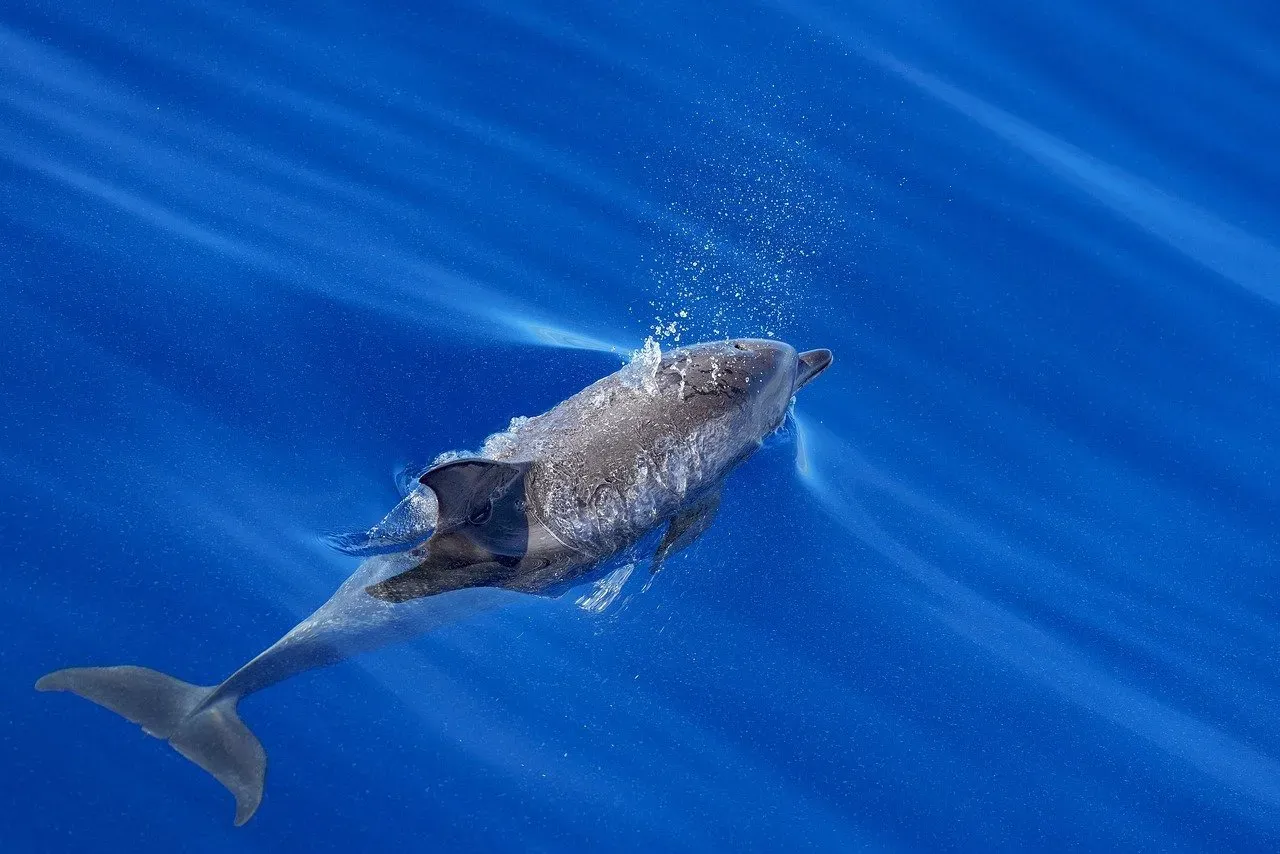
Dolphins use clicks to sense their surroundings through echolocation while using whistles to communicate with other members of their species, emitting sound waves and detecting echoes that bounce back to build up a picture of their surroundings. It’s hard to say for sure, but this might be one of nature’s most impressive sensory adaptations.
Recent research suggests that dolphin echolocation is more like touching with sound than seeing with sound. Echolocation in dolphins is so finely honed they can tell the difference between a ping-pong ball and golf ball by evaluating object density, with sound waves traveling over four times faster underwater than in air. Imagine navigating a pitch-black ocean, finding dinner, avoiding predators, all through sound alone. That’s the daily reality for these marine mammals.
The Intricate Dance Language of Bees
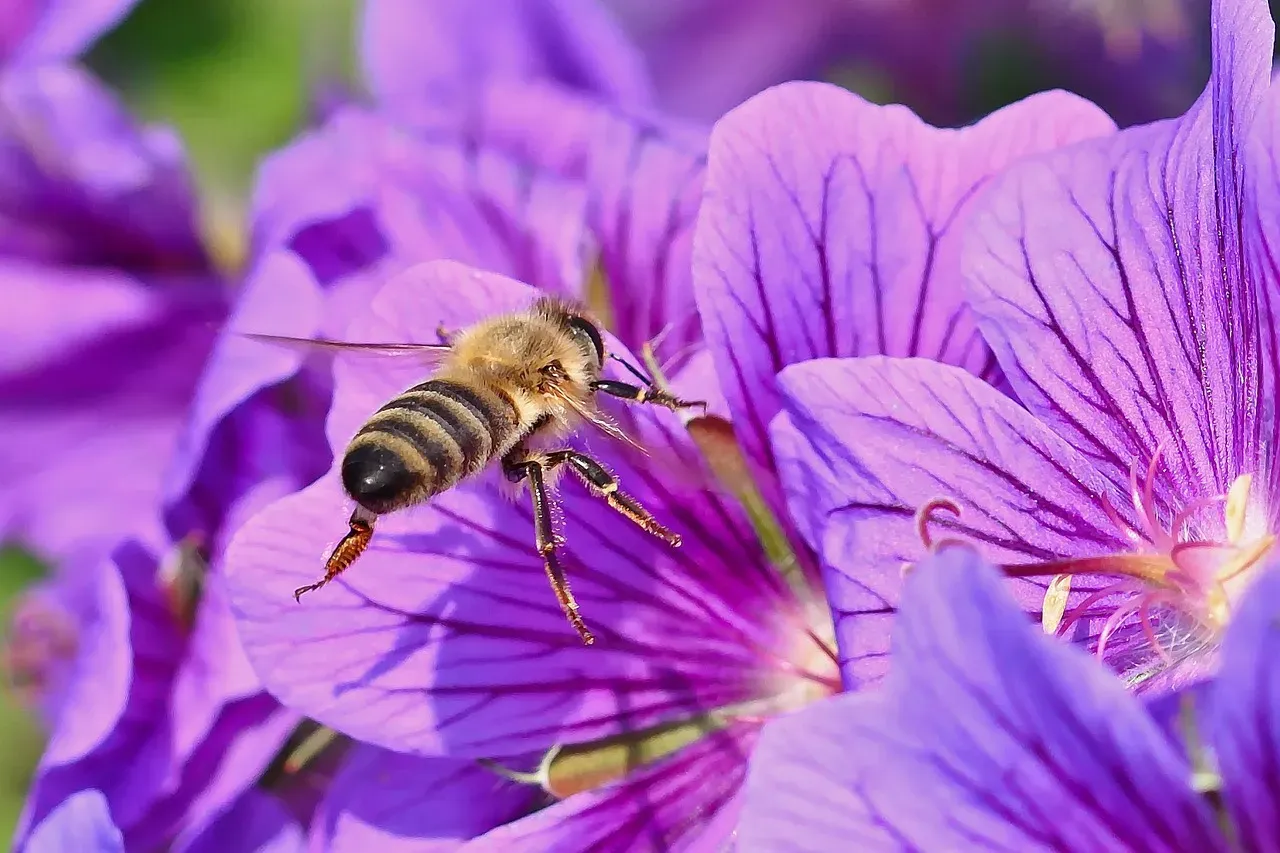
The honeybee waggle dance has long been recognized as a behavior that communicates resource location from a foraging worker to her nest mates. Let’s be real, if you told someone that insects could perform choreographed dances containing GPS coordinates, they’d probably think you were joking.
Correct waggle dancing requires social learning, with bees lacking the opportunity to follow any dances before their first performance producing significantly more disordered dances with larger waggle angle divergence errors and incorrect distance encoding, with the former deficit improving through experience but distance encoding being set for life. The waggle dance tells watching bees two things about a flower patch’s location: the distance and the direction away from the hive. The precision is remarkable, almost unsettling in its complexity.
Elephant Communication Through Seismic Vibrations
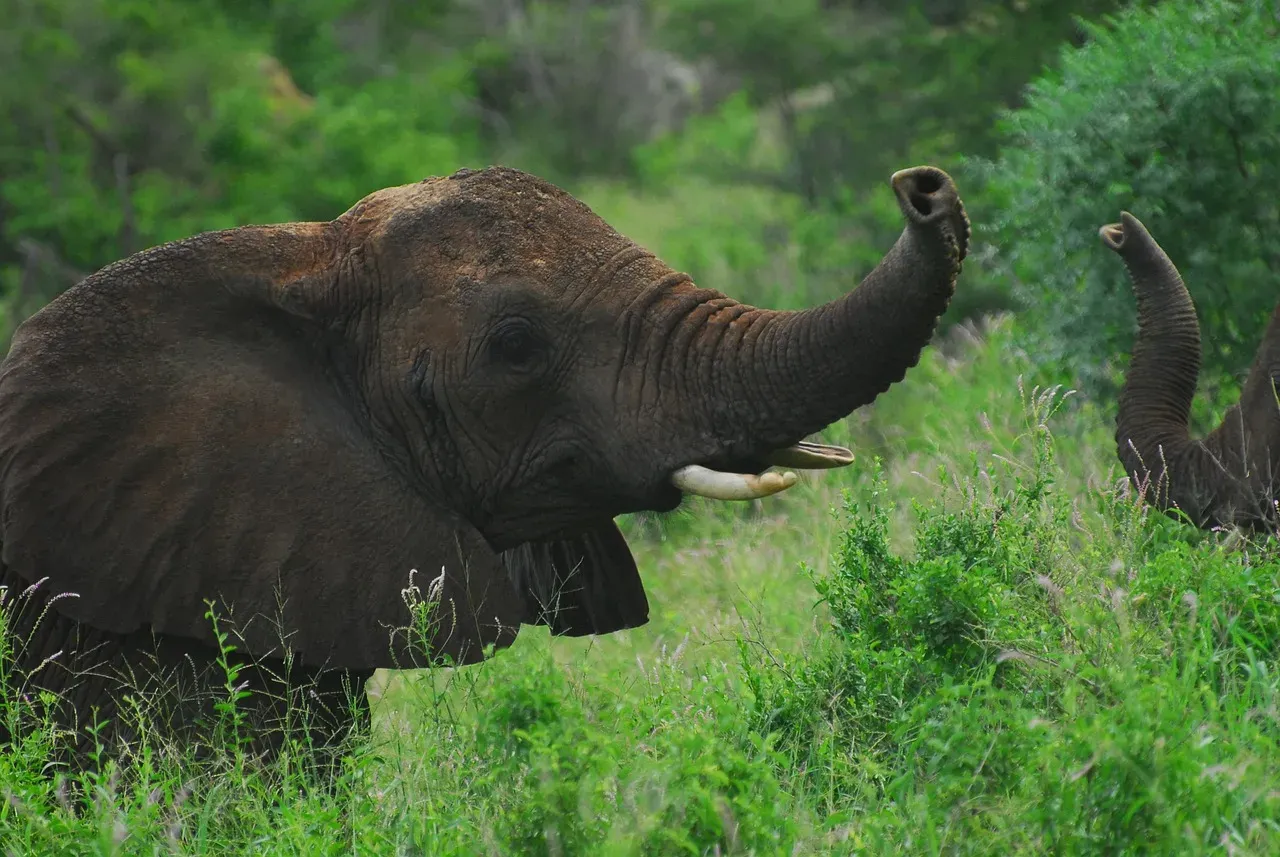
Elephants use low frequency noises below what human ears can usually detect for long distance communication, with infrasound frequencies being good for long distance communication because they travel well through objects instead of being reflected. These gentle giants are literally sending messages through the Earth itself.
African elephants can communicate over very long distances, with recorded elephant sounds played back being responded to by elephants on the savannah as far as 2 km away, though it’s estimated that elephants can actually hear each other as far as 4 km away, meaning they can hear each other within a 50 km square area. Standing in the middle of that range, you’d have no idea that conversations were happening all around you, transmitted through vibrations in the ground beneath your feet. Wild elephants have been observed to address one another with unique vocalizations that function similarly to human names, while sperm whales organize into social clans distinguished by distinct patterns of clicks.
Whale Songs and Complex Marine Communication
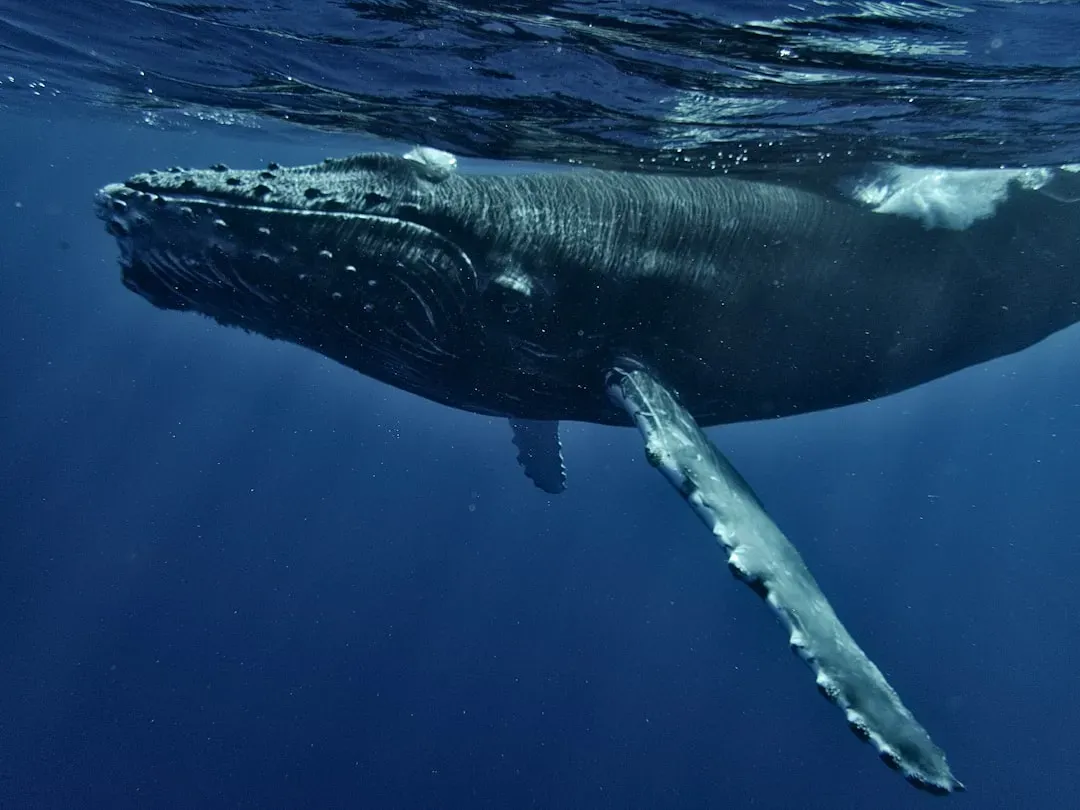
Whale songs consist of distinct sequences of groans, moans, roars, sighs and high pitched squeals that may last up to 10 minutes or longer, with these sounds potentially used for communicative purposes such as identifying other individuals, long-range contact, warning others of threats, and navigation. There’s something almost haunting about whale songs echoing through the deep ocean, carrying messages we’re only beginning to decode.
Understanding how moths hear plant distress calls and decoding the complex sounds of sperm whales reveals that their clicks contain the equivalent of vowels and a phonetic alphabet, resembling the building blocks of human language. A bottlenose dolphin identifies itself with a signature whistle so distinct that scientists can identify individual dolphins by looking at their whistle shapes on a sonogram, using these unique whistles to communicate identity, location, and potentially emotional state. Each dolphin essentially has its own name, a personal acoustic signature recognized by others in their pod.
Bird Vocalizations Beyond Simple Songs
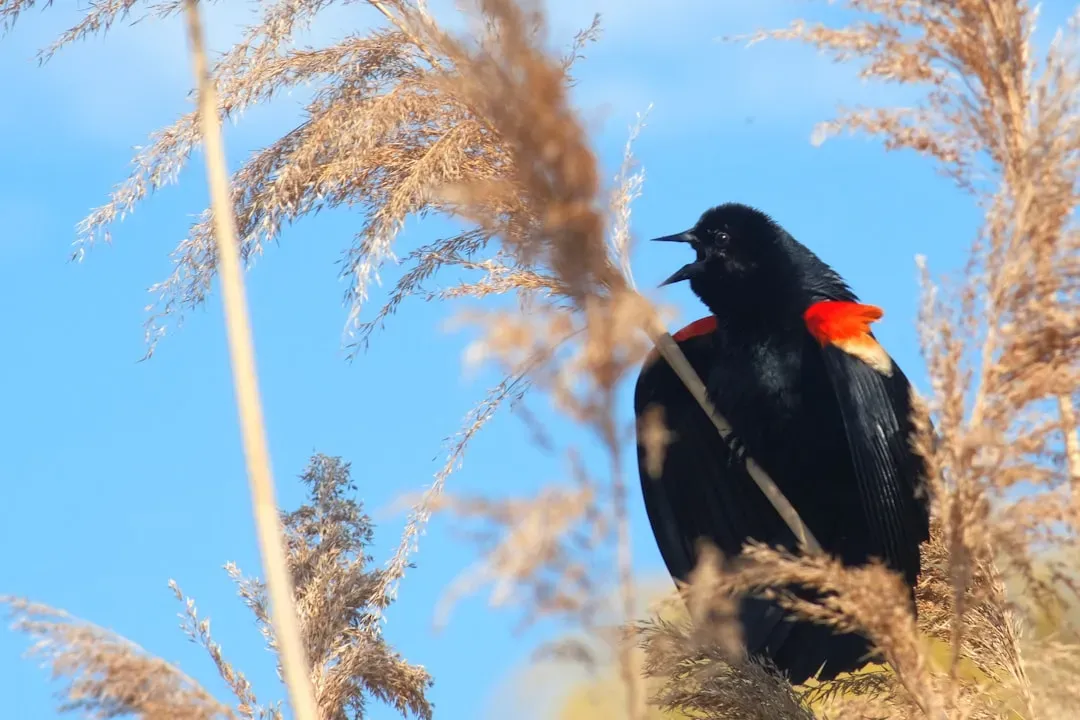
Research found that cassowaries, large flightless birds living in dense rainforests in Papua New Guinea and northern Australia, not only hear infrasound but can produce it as well, with infrasound seeming like the ideal way for birds to communicate over long distances in dense forests and rough terrain, possibly used to warn other cassowaries away or attract mates. Birds have developed their own below-hearing-range communication system perfectly suited to their environment.
Scientists recently discovered that when a peacock vibrates its tail, it produces a low-pitched yet loud sound well below human hearing range, with researchers confirming male peacocks were indeed making noise at infrasonic frequencies below human hearing range. The peacock’s famous display isn’t primarily visual at all. It’s acoustic, broadcasting in a frequency range we can’t even perceive. What else are we missing when we watch nature, blind and deaf to half the conversation?
Cephalopod Color Communication
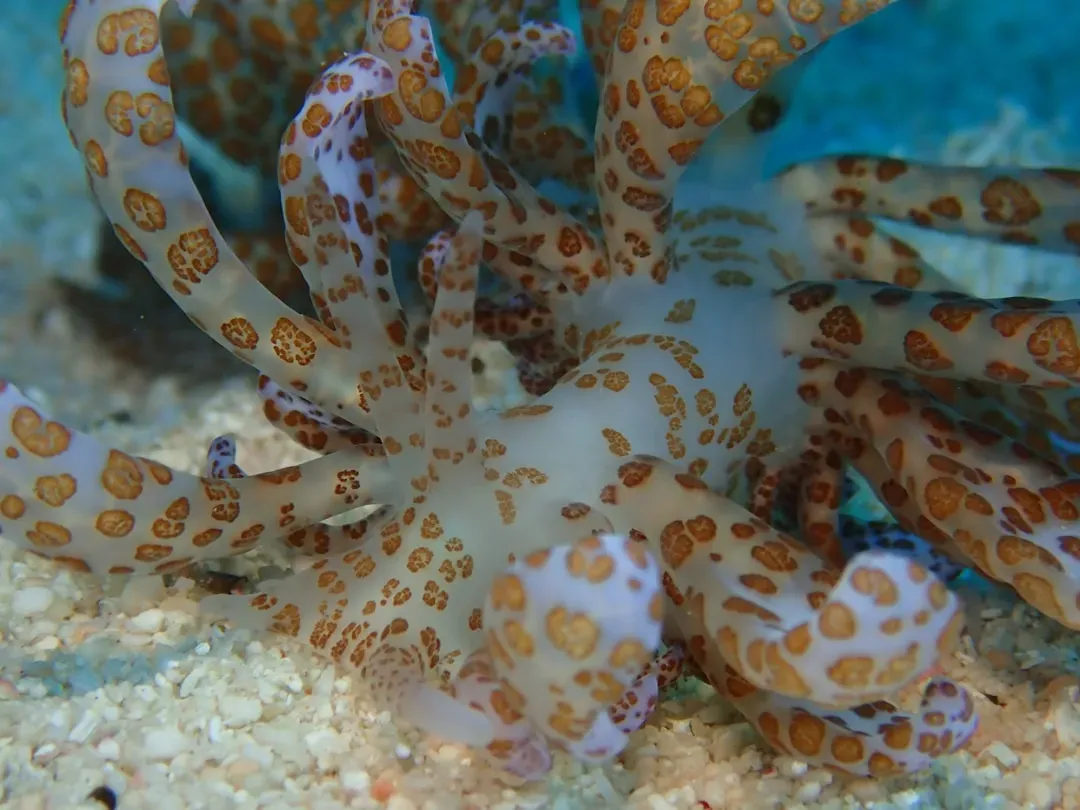
Octopuses and cuttlefish don’t just camouflage themselves for hiding. They use rapid color changes to communicate mood, intent, and warnings to others. Their skin contains thousands of specialized cells called chromatophores that expand or contract in milliseconds, creating intricate patterns and displays. Watch a cuttlefish change from mottled brown to zebra stripes to pulsing waves of color, all in the span of seconds.
These creatures can even split their body displays, showing aggressive coloring to a rival on one side while displaying courtship patterns to a potential mate on the other. It’s visual communication taken to an extreme we’re still trying to fully understand. Some researchers believe cuttlefish might even be able to hypnotize prey with mesmerizing light displays before striking. The ocean’s masters of disguise are also its most sophisticated visual communicators.
The Future of Understanding Animal Languages
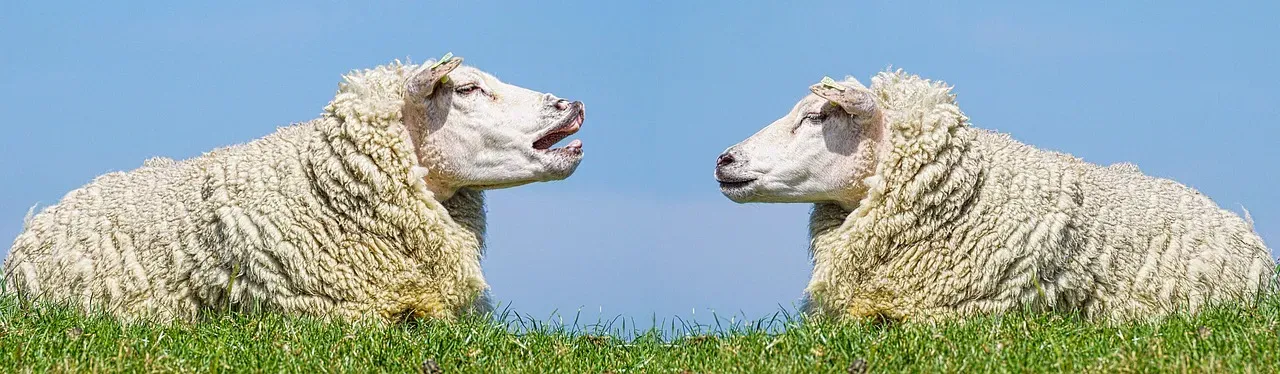
Artificial Intelligence is advancing at an unprecedented rate, extending its reach beyond human language into the realm of animal communication, with the Earth Species Project, an international nonprofit organization, at the forefront of this groundbreaking endeavor dedicated to decoding non-human communication using AI. We’re standing at a threshold that seemed impossible just decades ago.
Advancements in machine learning and robotics are making possible the study of nonhuman animal communication with unprecedented depth and precision, with scientists now having the tools and capabilities to assemble and analyze massive datasets needed to move beyond speculation toward translation and even interspecies communication. Some observers predict that the technology and capacity to talk back to animals will exist by the end of the decade, if not earlier, with advances in animal communications not only transforming our understanding of the cognition and complexity of the more-than-human world but also presenting unparalleled opportunities and risks for restructuring our relationships with the nonhuman animal world. Imagine having actual conversations with dolphins, understanding what elephants are saying to each other across the savanna, or decoding the complex society of a beehive. That future might arrive sooner than you think.
Conclusion
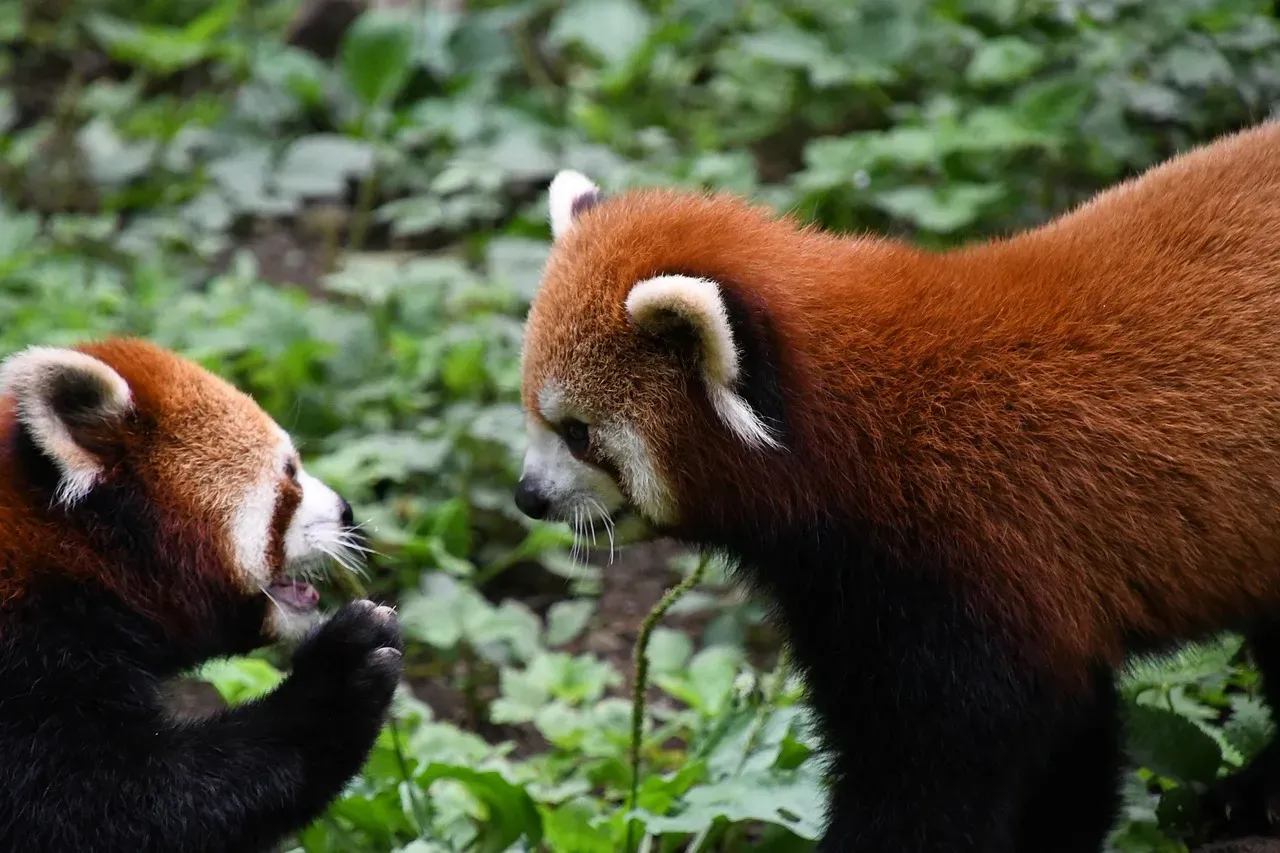
The secret languages of animals surround us constantly, operating in dimensions we cannot perceive without technological assistance. From the infrasonic rumbles of elephants traveling through the ground to the ultrasonic chirps of bats painting pictures with sound, from the chemical trails laid by ants to the choreographed dances of bees encoding GPS coordinates, the natural world is alive with conversation.
These discoveries challenge fundamental assumptions about personhood, consciousness, and humanity’s relationship with nature, revealing that the world is way more magical than we think. We’ve only scratched the surface of understanding how animals communicate, and each discovery reveals new layers of complexity that humble our own linguistic achievements.
What strikes me most is how much has been happening all along, right beside us, invisible and inaudible to our limited senses. The next time you’re outside, remember: you’re surrounded by conversations you cannot hear, messages you cannot see, and an entire symphony of communication playing out beyond your perception. Pretty humbling when you think about it, isn’t it? What other secrets might the animal kingdom still be keeping from us?