Imagine creatures barely the size of your thumb packing more power than a gunshot, creating temperatures rivaling the surface of the sun, and generating plasma underwater. You might think this sounds like science fiction, yet such remarkable beings exist right in our oceans.
They’re called pistol shrimp, and their extraordinary abilities have captured the attention of scientists, engineers, and fusion energy researchers alike. These tiny marine animals wield one of nature’s most sophisticated weapons, capable of producing shock waves so intense that submarines use their collective noise to hide from sonar detection.
The Anatomy of a Living Weapon
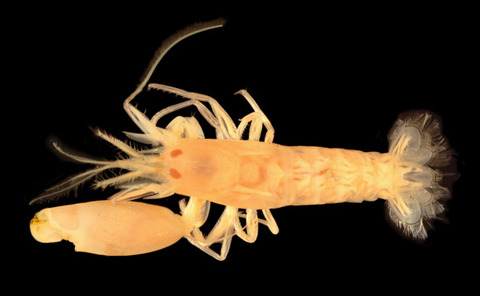
The pistol shrimp’s secret lies in its asymmetrical claws, with the larger one capable of growing to half the size of the creature’s entire body. This specialized weapon consists of two main parts: the dactyl and the propus. What makes this anatomy so remarkable isn’t just its size, but its precision engineering that rivals any human-designed mechanism.
On the dactyl sits a protrusion called a plunger, which fits perfectly into a complementary socket within the propus. When the claw opens fully, water fills this socket completely. The entire structure works like a biological hydraulic system, where every component has been refined through millions of years of evolution to maximize destructive potential.
The Physics Behind the Snap
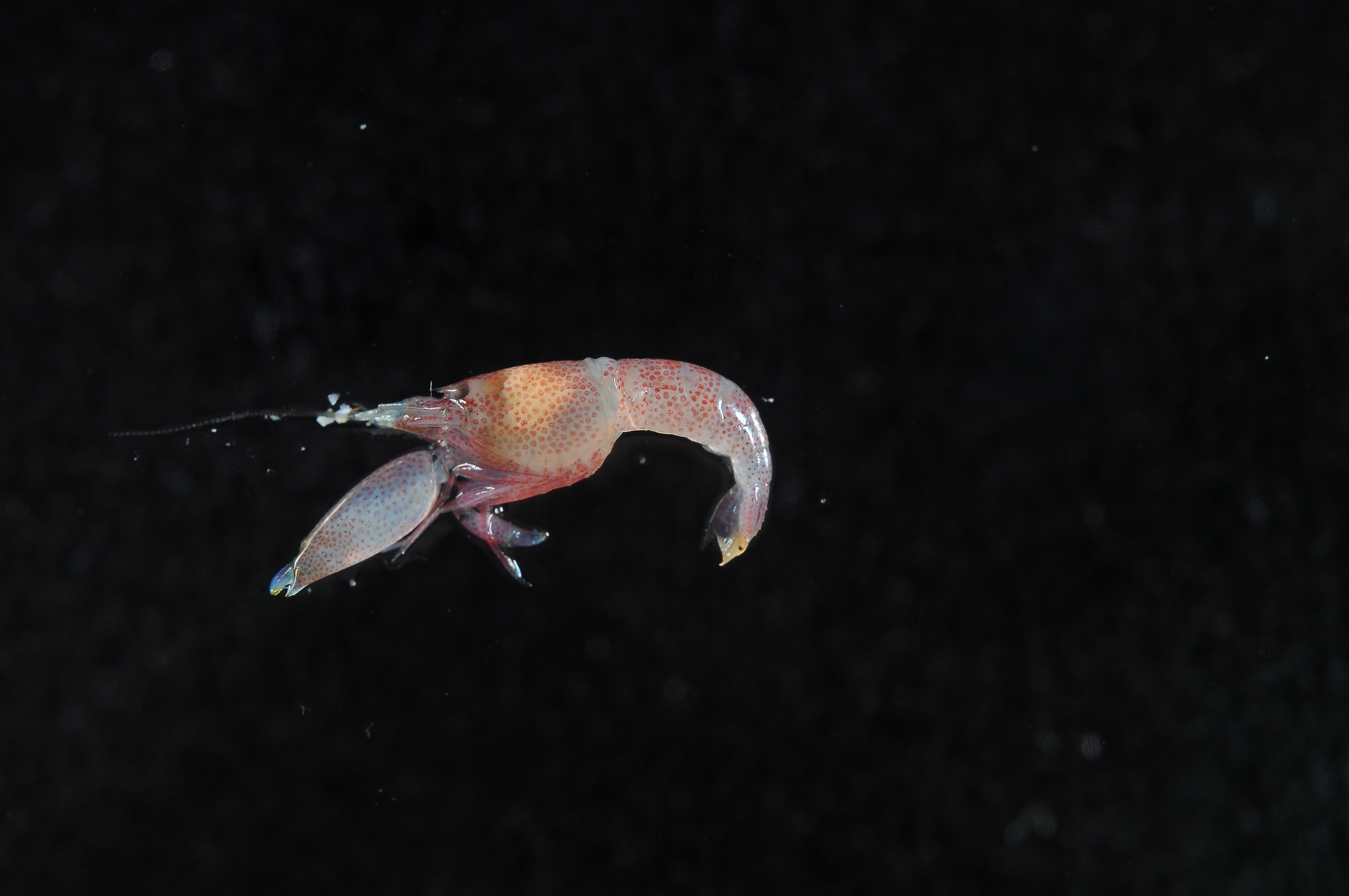
The claw mechanism operates like a pistol, with a hammer part that moves backward into a right-angled position before snapping into the other part with enormous force. When the claw closes rapidly, the plunger displaces water from the socket volume, forcing it to escape through a narrow anterior groove. This isn’t simply squirting water, though.
Scientists estimate the expelled water jet reaches velocities of roughly twenty-five meters per second. Such velocity creates pressure drops of approximately three hundred thousand pascals, enough to vaporize water locally and form cavitation bubbles. These aren’t ordinary bubbles either, they’re vacuum-filled voids that collapse with incredible violence.
Creating Hell in a Bubble
The collapsing cavitation bubbles represent one of nature’s most extreme physical phenomena. When these bubbles implode, temperatures reach at least five thousand Kelvin, approaching the heat of the sun’s surface. The acoustic pressures generated can reach eighty kilopascals at four centimeters distance, while the bubble itself travels at speeds of twenty-five meters per second.
The energy concentration during collapse is enormous, with emitted photons exceeding the energy density of the original sound field by approximately twelve orders of magnitude. While these tiny creatures produce incredibly loud sounds, sperm whales remain the loudest animals in the sea at 230 decibels. The sound reaches two hundred eighteen decibels, louder than a gunshot fired in air.
The Birth of Plasma Under Water
Perhaps most remarkably, the extreme pressures and temperatures inside collapsing bubbles create short, intense flashes of light, indicating plasma formation at the point of collapse. Scientists have dubbed this phenomenon “shrimpoluminescence,” marking the first known instance of light production through this mechanism in any animal. The light emission occurs because gases inside the cavitation bubble momentarily transform into plasma.
These light flashes last less than ten nanoseconds and emit up to fifty thousand photons per event. Though the intensity remains too low for human eyes to detect without specialized equipment, sensitive instruments can capture these underwater fireworks. The plasma state represents matter’s fourth phase, where electrons separate from atomic nuclei under extreme conditions.
A Biological Vortex Cannon
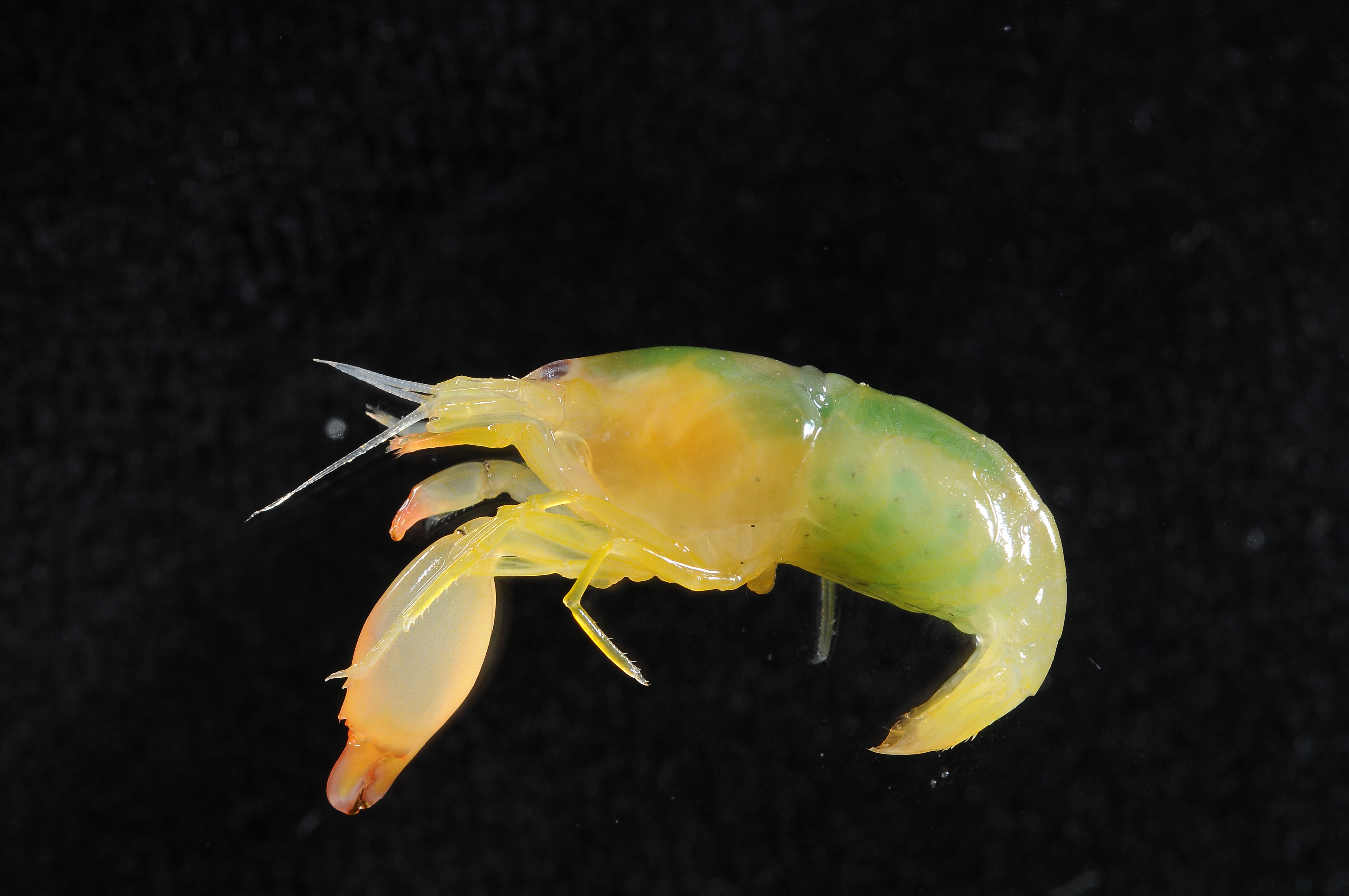
The expelled water creates a vortex ring similar to those produced by air vortex cannons. During claw closure, the high-velocity jet induces vortex roll-up, and if closure speed reaches sufficient intensity, the swirling motion produces strong depressurization in the vortex core, leading to cavitation ring formation. This represents nature’s solution to focusing energy in water.
Computer simulations reveal that jets reach velocities around thirty meters per second, inducing vortex roll-up and forming large vortex rings occupied by vapor due to strong circulation. The physics resemble those of underwater explosions, yet occur through purely biological mechanisms. These creatures essentially create controlled underwater detonations for hunting and communication.
Weaponizing Hydrodynamics
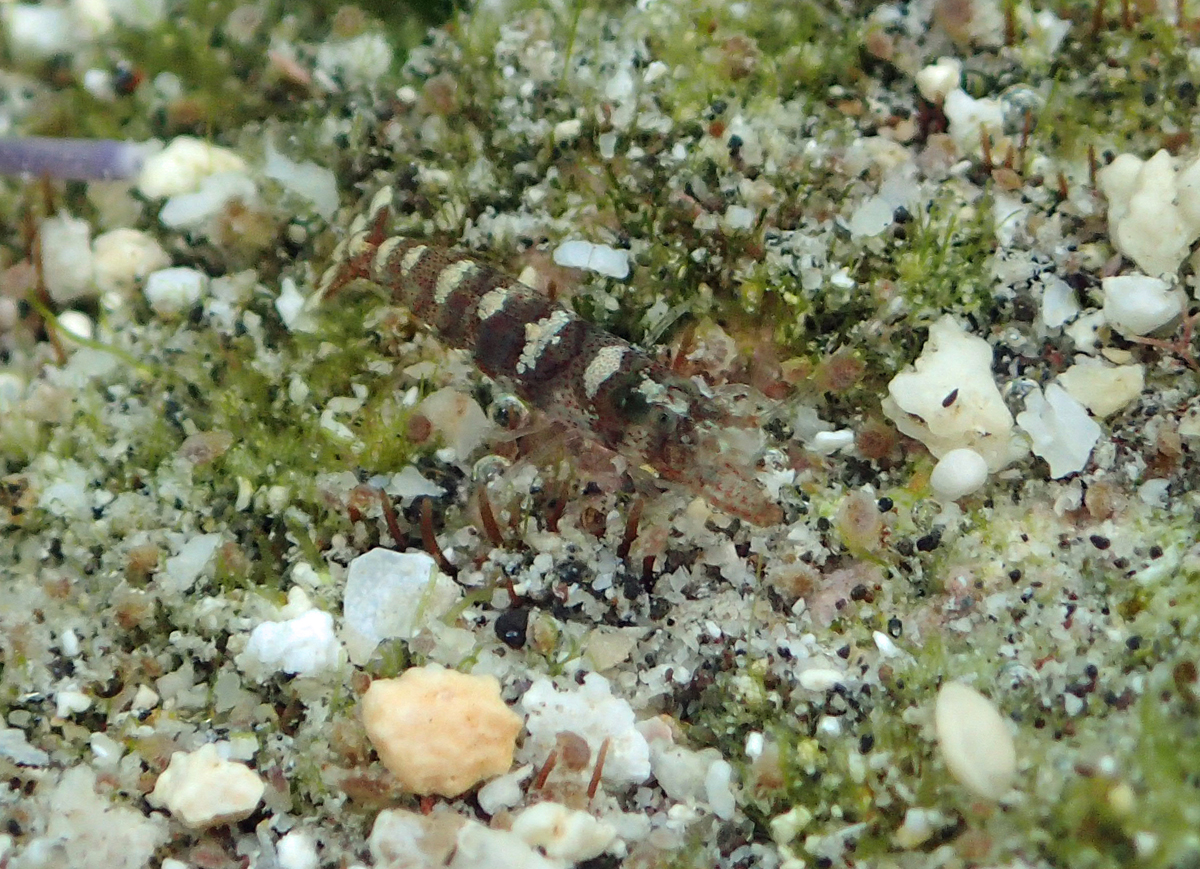
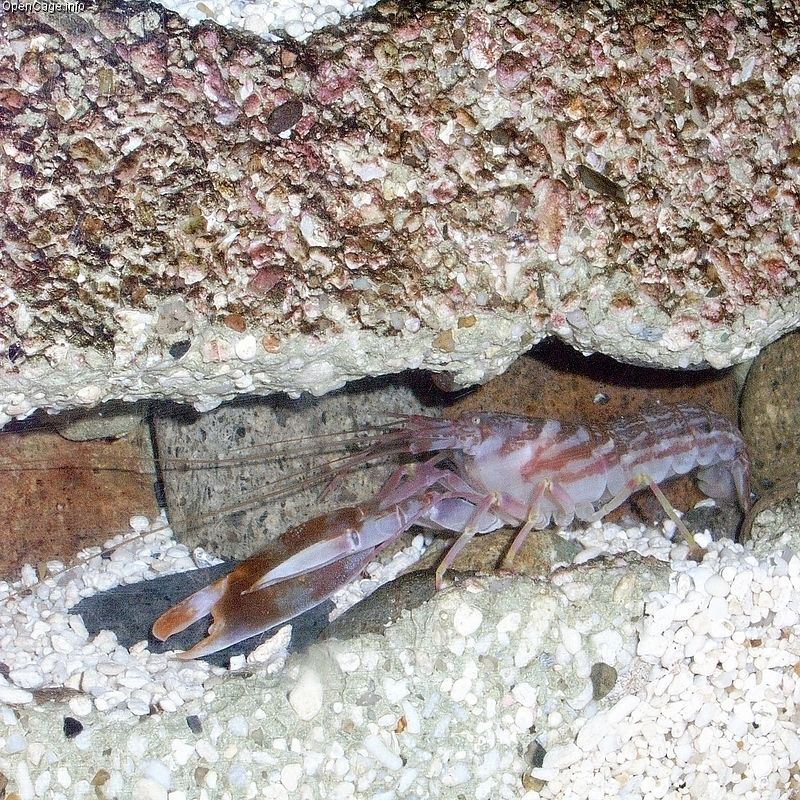
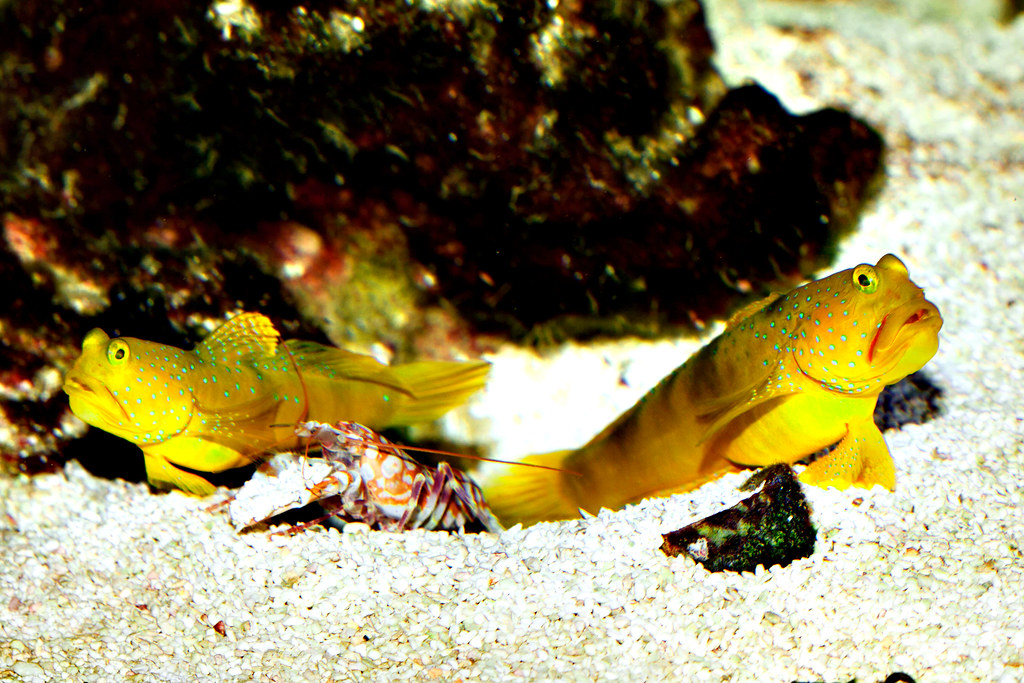
The hunting strategy involves the shrimp positioning itself in hiding, extending antennae to detect passing prey, then emerging to fire a stunning shot that immobilizes the target. The air bubbles travel at eighty-two feet per second, pop at two hundred eighteen decibels, and deliver temperatures of eight thousand degrees Fahrenheit. This makes them formidable predators despite their diminutive size.
The pressure wave alone can kill small fish instantly. Measurements show pressures of eighty kilopascals at distances of four centimeters, with water jets traveling at twenty-five meters per second. The shockwave’s power explains why colonies of snapping shrimp can interfere with sonar systems and anti-submarine warfare.
Engineering Applications and Fusion Dreams
Researchers at Texas A&M University have used 3D printing to replicate the shrimp’s claw mechanism, creating scaled-up models that successfully generate plasma underwater. These bioinspired devices could revolutionize fields ranging from analytical chemistry to material processing. The efficiency surpasses conventional plasma generation methods significantly.
At Oxford University, scientists are using the pistol shrimp’s cavitation mechanism as inspiration for achieving nuclear fusion, firing projectiles at targets to create similar cavitation bubbles. Fusion power requires high-velocity projectiles to create shockwaves and collapse plasma-filled cavities, and pistol shrimp remain the only creatures naturally possessing such powers. This represents biomimicry at its most ambitious.
Masters of Extreme Physics
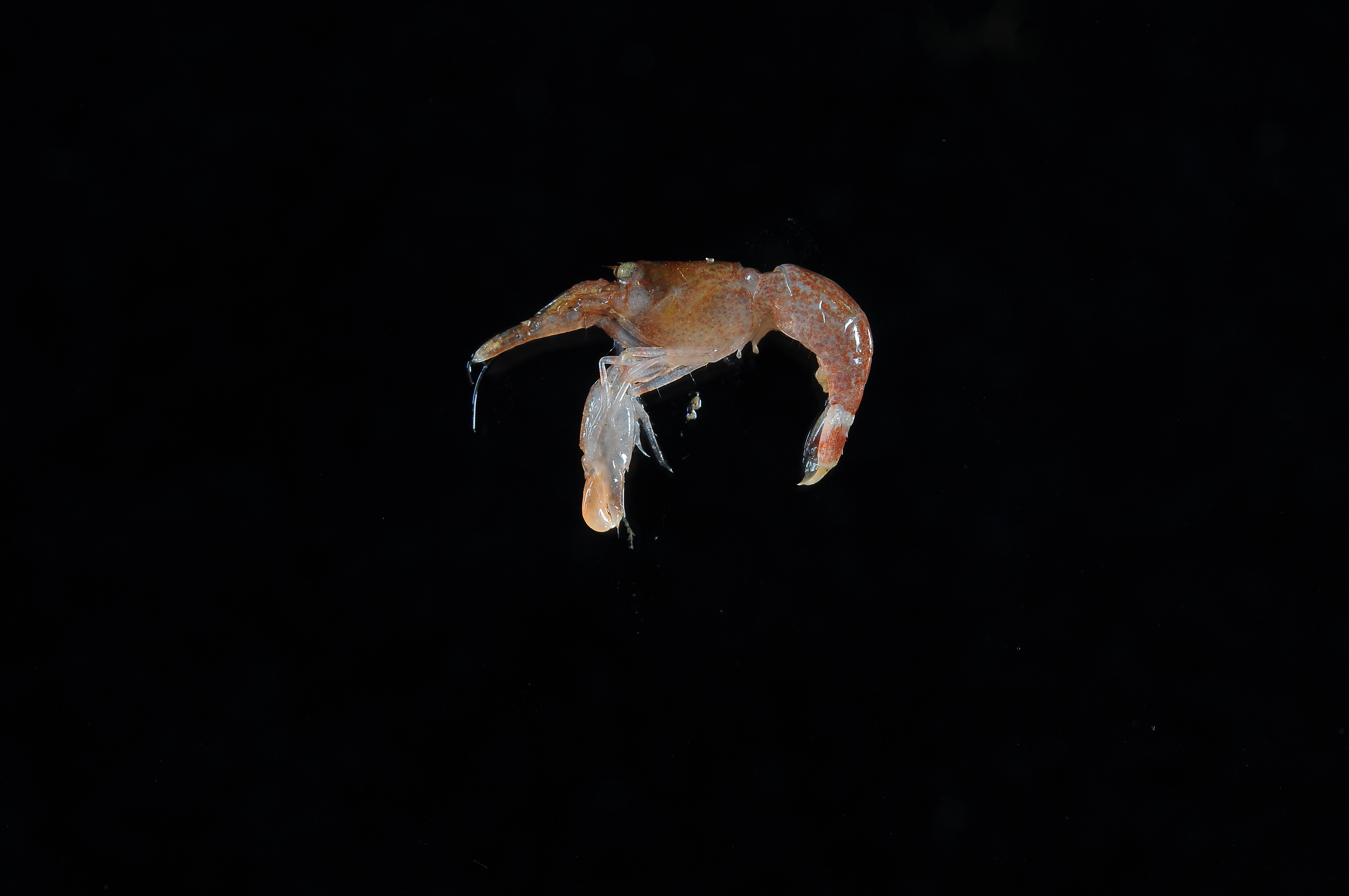
These creatures demonstrate that nature has already solved many challenges that human engineers still struggle with. If a pistol shrimp loses its snapping claw, the smaller claw grows to replace it while a new small claw develops in its place. This reversal of claw asymmetry appears unique in nature, showing remarkable biological adaptability.
The shrimp’s mechanism, refined through eons of evolution, creates free-standing cavitation bubbles more efficiently than human-designed alternatives like Venturi tubes or water hammer devices. Their success demonstrates that sometimes the most powerful technologies come in surprisingly small packages, proving that size doesn’t determine the ability to harness extreme physics.
These tiny ocean dwellers continue pushing the boundaries of what we thought possible in nature. From fusion energy research to underwater plasma generation, the humble pistol shrimp has inspired technologies that could reshape our understanding of energy production. What other secrets might be hidden in the depths, waiting for us to discover nature’s next engineering marvel?