Have you ever stopped to think about the creatures that once dominated this planet long before we did? The beasts that walked, swam, and soared through ecosystems vastly different from ours. You might imagine they’re all gone, relegated to dusty museum exhibits and Hollywood films. Think again. The truth is far more fascinating and relevant than you might expect.
These ancient beings haven’t simply vanished into the void. Their presence echoes through our cities, our stories, our very DNA. From the symbols we plaster on corporate logos to the genetic code hiding inside your own cells, the spirit of these primordial creatures persists in surprising ways. Let’s dive in.
Living Fossils Walk Among Us
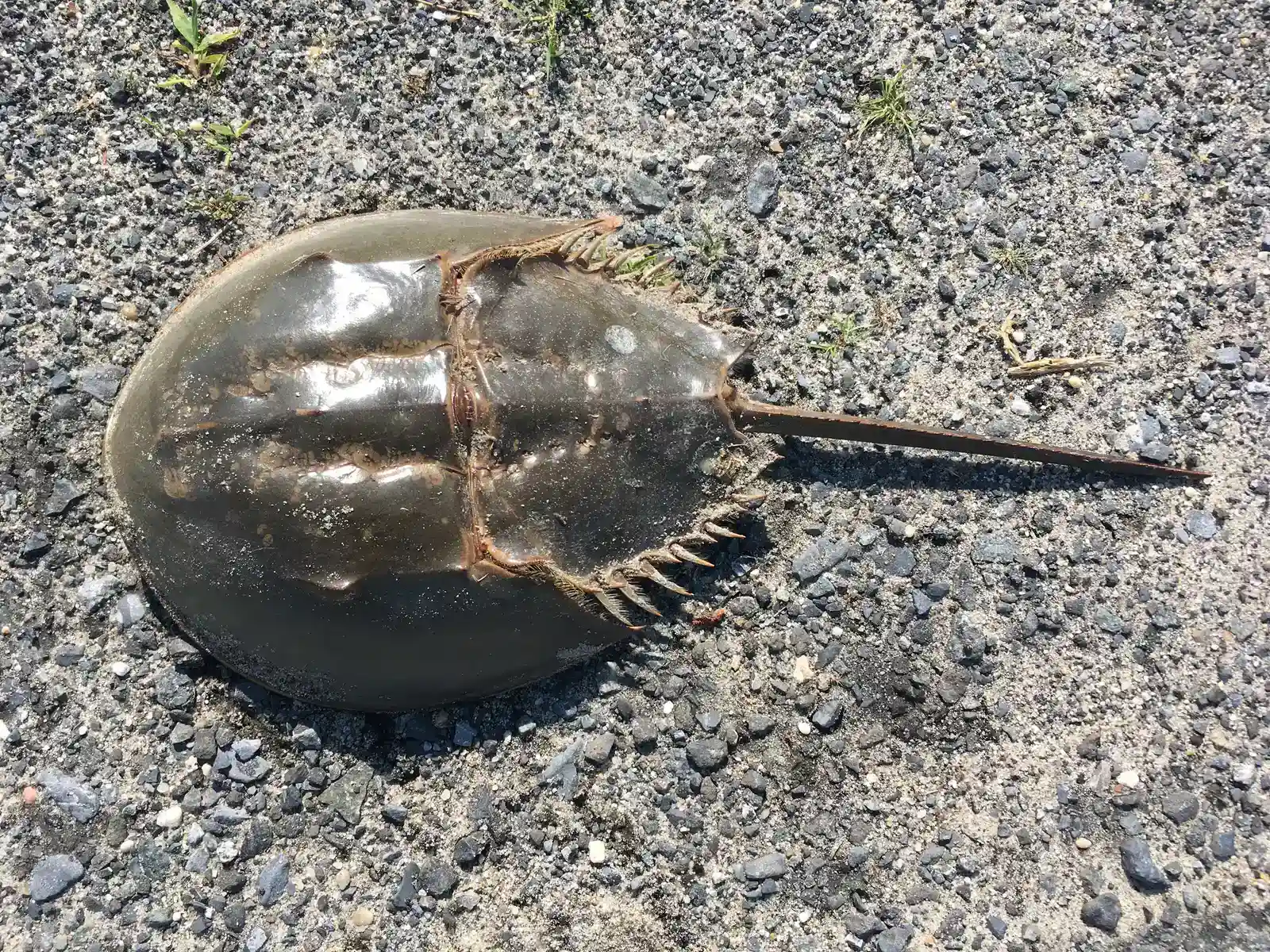
You might be surprised to learn that creatures from millions of years ago are still roaming our planet today, a testament to the resilience and adaptability of life. Horseshoe crabs, with a lineage dating back over 450 million years, are among the oldest species still alive to date, having survived multiple mass extinctions. Their blue blood is now highly valued for medical research, proving that ancient doesn’t mean irrelevant.
The tuatara, a reptile from New Zealand that came into being around 250 million years ago, exists somewhere between what a dinosaur was and what makes a lizard today. These creatures provide scientists with invaluable clues about evolutionary transitions. Jellyfish are invertebrates that have existed on earth for at least 500 million years, with more than 4,000 species. They drift through our oceans as they have for eons, largely unchanged and unbothered by the passage of time.
Ancient DNA Whispers Through Our Genes
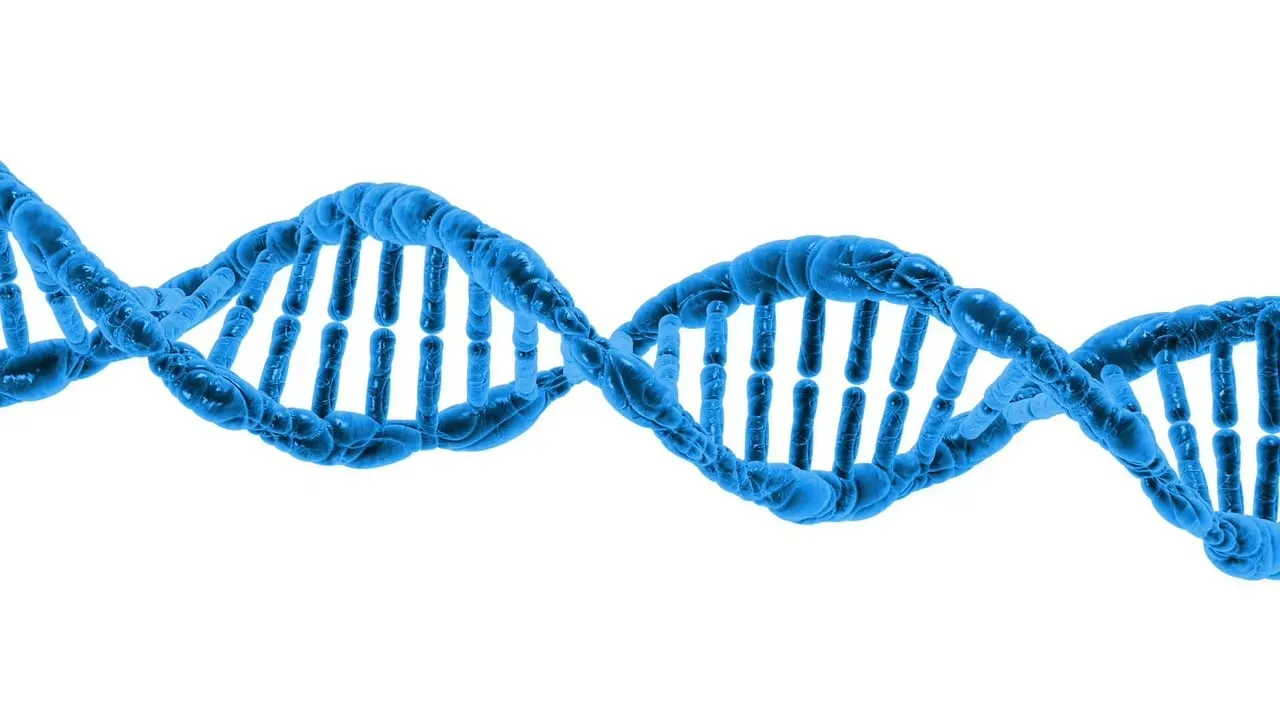
Here’s something that might blow your mind. We carry evidence of extinct species with us, as lurking within our genome are traces of genetic material from a variety of ancient humans that no longer exist, revealing a long history of intermingling as our direct ancestors encountered and mated with archaic humans. Let’s be real, this completely changes how we think about being human.
People of European and Asian descent probably share between 1 and 4% of their DNA with Neanderthals. When humans and Neanderthals interbred, they passed genetic resistance to diseases on to their offspring, allowing them a better chance at survival, with evidence showing at least three incursions of nonhuman DNA into the genes for immune response. Your ability to fight off certain infections may literally depend on genes inherited from extinct human relatives.
The Ecological Ghosts That Shaped Our Landscapes
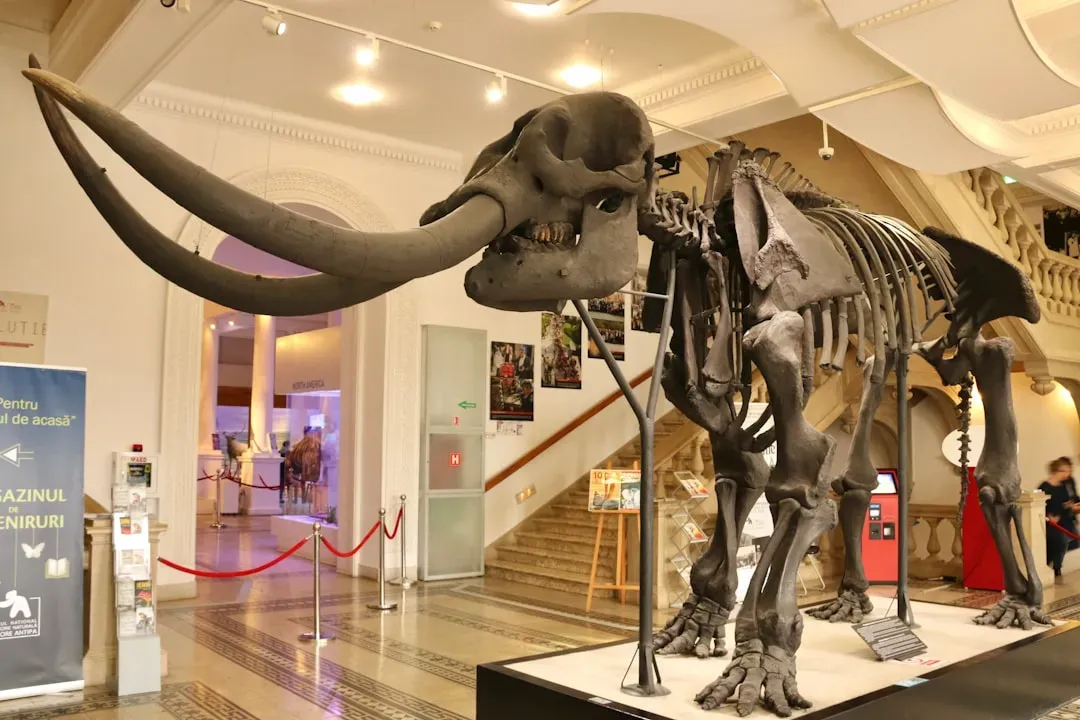
The removal of ancient megafauna from our ecosystems wasn’t just about losing individual species. It fundamentally restructured the entire planet. Genomic data reveals population declines in 91% of species throughout the Quaternary period, with larger species experiencing the strongest decreases, becoming ubiquitous 32–76 thousand years ago across all landmasses.
Megafauna play a significant role in the lateral transport of mineral nutrients in an ecosystem, and in South America’s Amazon Basin, such lateral diffusion was reduced over 98% following the megafaunal extinctions that occurred roughly 12,500 years ago, significantly impacting the region’s ecology. The soil beneath your feet may still be nutritionally impoverished because mammoths aren’t around to fertilize it anymore. I know it sounds crazy, but the science backs it up.
Mythological Beasts Born From Memory
Animals have always played a central role in the world of mythologies, and for thousands of years, civilizations across continents used animals as symbols of strength, wisdom, death, rebirth, and the unknown forces of nature, whether depicted as divine messengers, protectors, or supernatural beings. Our ancestors created these stories for reasons that went far beyond entertainment.
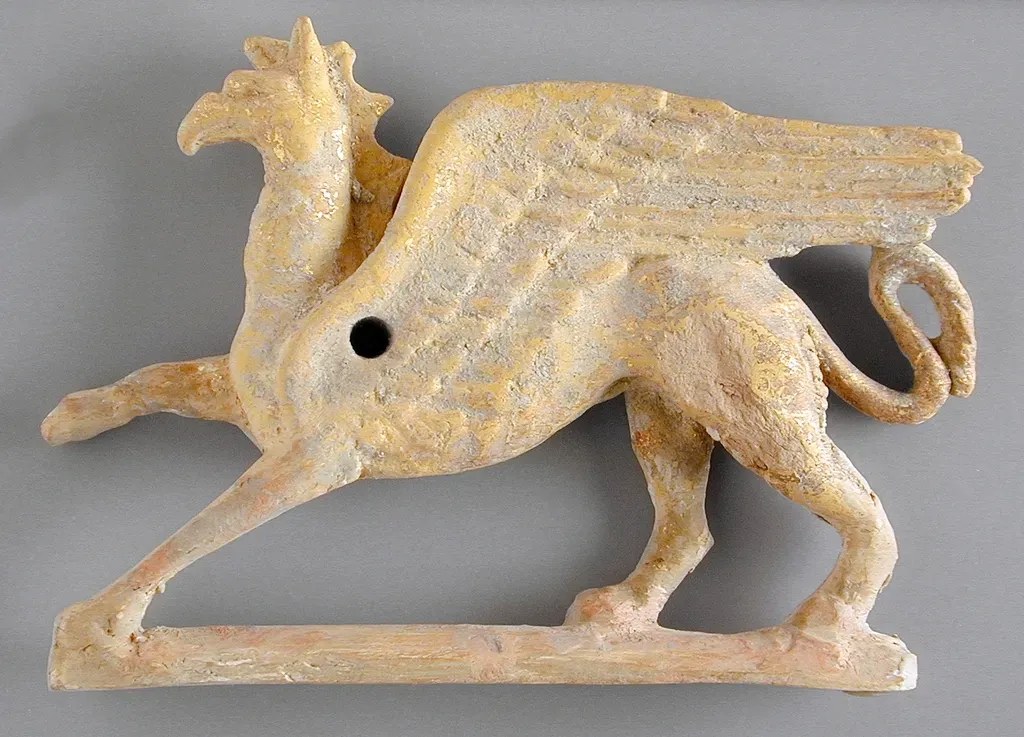
Mythical creatures, legendary beasts, and supernatural beings have fascinated us since ancient times, filling folklore, stories, songs, and works of art, with sometimes living animals or fossils inspiring these mythical creatures. Griffins are most common in the art and mythology of ancient Greece, but there is evidence of representations of griffins in ancient Persia and ancient Egypt dating back to as early as the 4th millennium BC, with archaeologists uncovering depictions in frescoes in the Throne Room of the Bronze Age Palace of Knossos dating back to the 15th century BC. These weren’t random fabrications. They reflected actual encounters with powerful beasts.
Animal Symbolism in Contemporary Culture
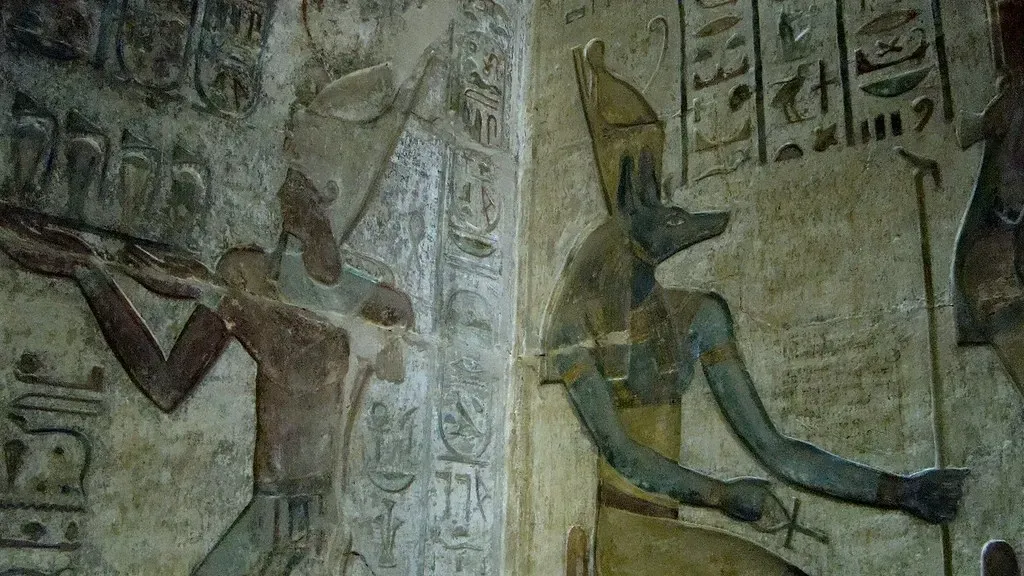
You see ancient beasts everywhere you look today, even if you don’t realize it. Ancient animal symbolism continues to inspire modern culture, with animal-headed gods appearing in fantasy literature and films, embodying archetypal qualities like wisdom, strength, and mystery, and characters inspired by Egyptian gods often appearing in video games and graphic novels. The entertainment industry mines this ancient well constantly.
In branding and visual arts, animal symbolism is pervasive, with companies often adopting animal motifs to convey qualities like agility, reliability, or protection. Think about the car you drive, the sports team you support, the insurance company that sends you bills. Lions, eagles, bulls. They’re all there, channeling the same symbolic power they held thousands of years ago. It works because something deep in our collective consciousness still responds to these primal associations.
The Human Role in Megafauna Collapse
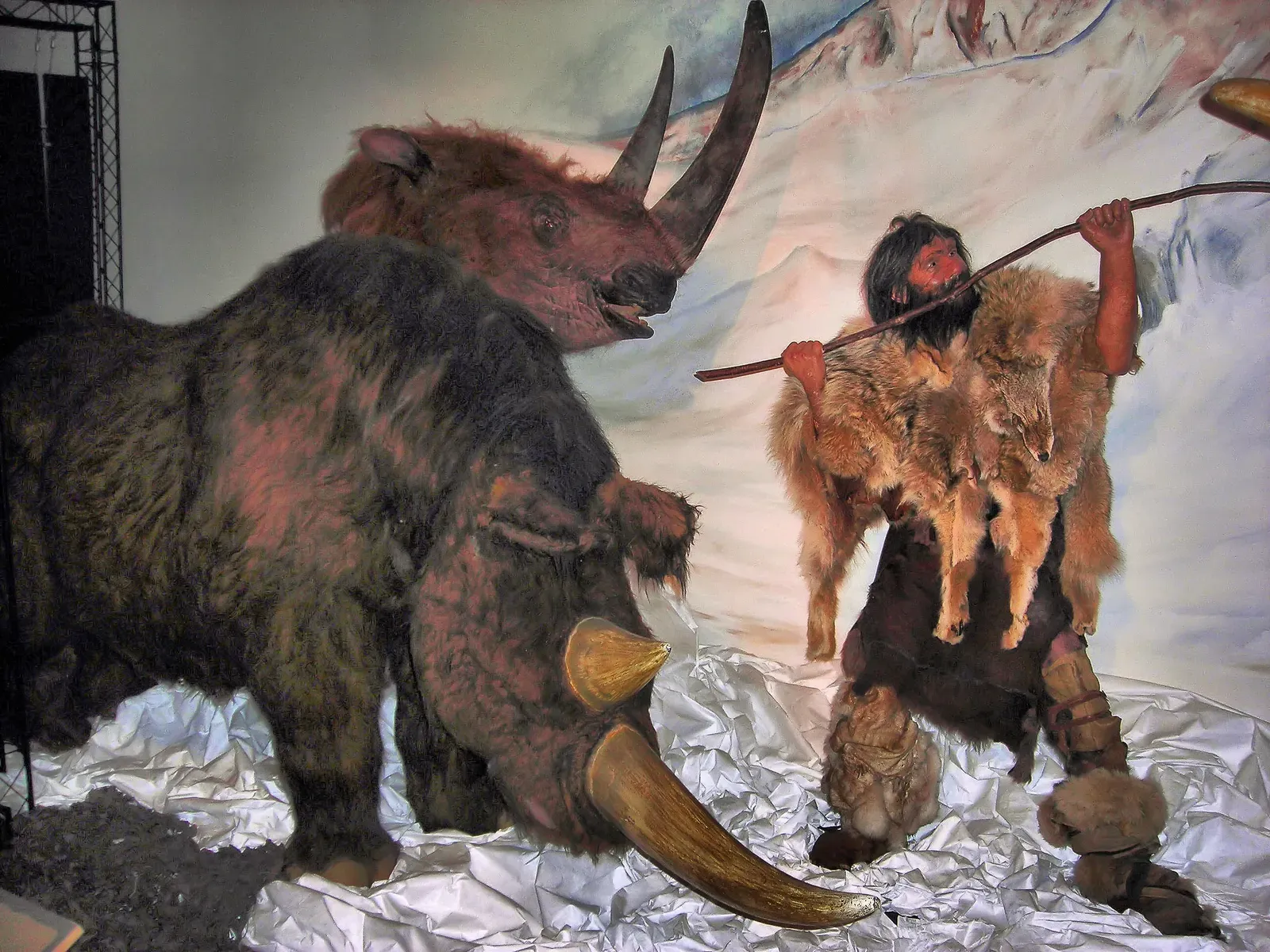
The late Quaternary megafauna extinctions were strongly linked to hominin palaeobiogeography and only weakly to glacial–interglacial climate change, with universally low extinctions in sub-Saharan Africa where hominins and the megafauna have long coexisted, but widespread exceptionally high extinctions in Australia and the Americas, where modern humans were the first hominin present. We were the invasive species.
Between 50 and 40,000 years ago, 82% of megafauna in Australia had been wiped out, tens of thousands of years before the extinctions in North and South America occurred, and several more before these occurred in Madagascar and the Caribbean islands, with elephant birds in Madagascar still present eight millennia after the mammoth and mastodon were killed off in America, as extinction events followed in man’s footsteps. The pattern is undeniable and sobering.
Prehistoric Relatives That Never Left
Elephants are modern relatives of extinct mammoths and mastodons, and as one of Africa’s Big Five, these intelligent and social creatures are not only the largest land animals today but also a connecting thread to the earth’s prehistoric animals. When you see an elephant, you’re essentially looking at a slightly modified version of the ice age giants that once roamed across continents.
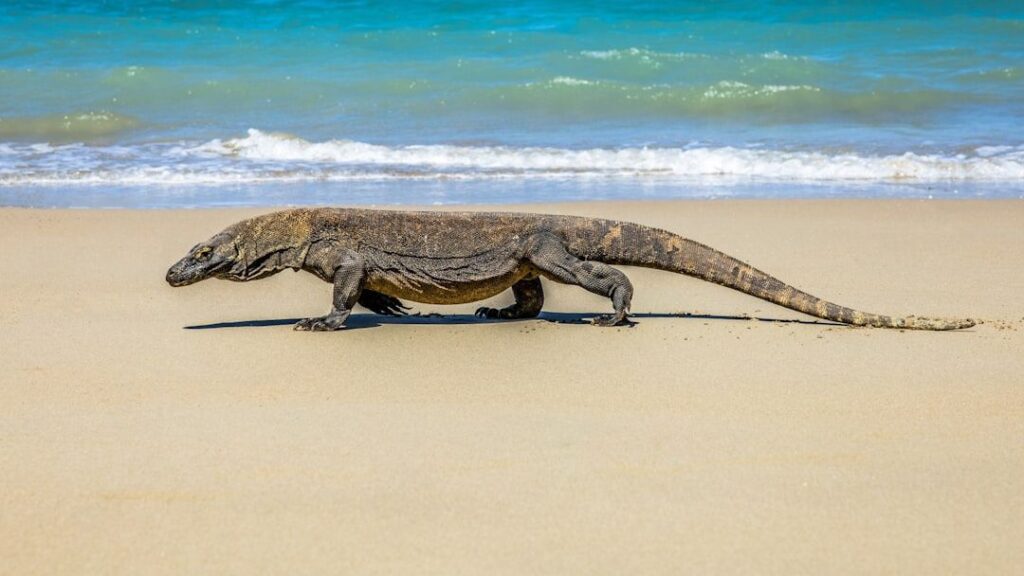
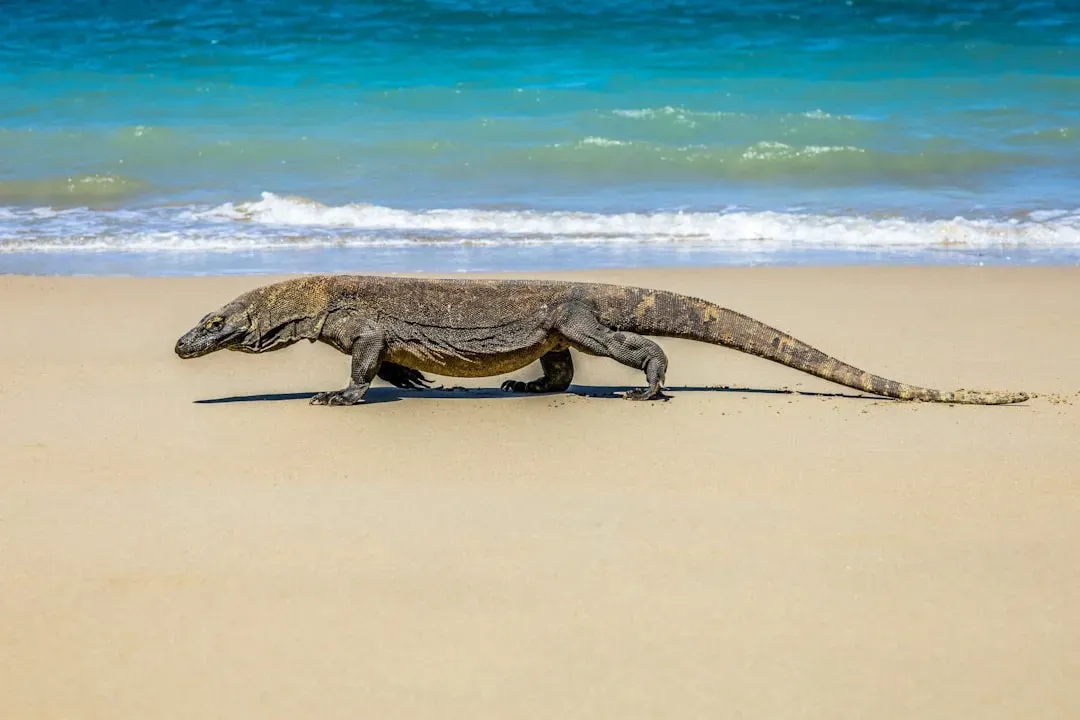
The Komodo dragon is the largest lizard on Earth and has qualities that call back to the age of dinosaurs, and these formidable predators from Indonesia’s Lesser Sunda Islands are a spectacular example of prehistoric animals still alive that commands respect and awe. Sea turtles have been navigating the world’s oceans for millions of years, living proof of prehistoric animals that are still alive thanks to their adaptations that have allowed them to survive through ages of environmental change. Honestly, the fact that these creatures persist is nothing short of miraculous.
Sacred Symbolism Across Ancient Civilizations
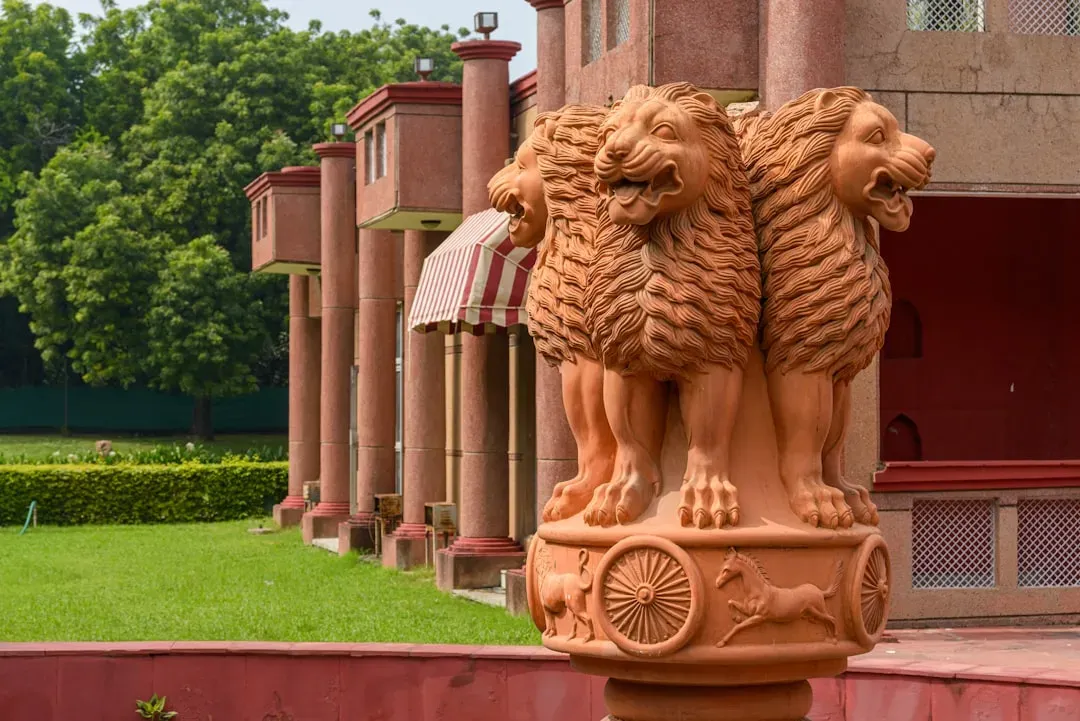
Animals played powerful symbolic roles in ancient mythologies worldwide, representing spiritual forces, natural elements, and moral values, shaping how early societies understood life, death, and the divine, and inspiring artists and craftspeople to create from sacred carvings and temple frescoes to textiles, armour, and pottery. These weren’t mere decorations. They were visual languages communicating cosmic truths.
Ancient Egyptians viewed animals as sacred messengers between gods and humans. The crocodile has racked up a great amount of animal symbolism throughout history, with the Ancient Egyptians depicting their god Sobek with the crocodile head, and other cultures from the African continent and Indo-Pacific region pinpointing its fierceness and channeling it as their chiefs’ symbol. Every animal deity served a specific cultural and spiritual function.
The Lasting Impact on Modern Ecosystems
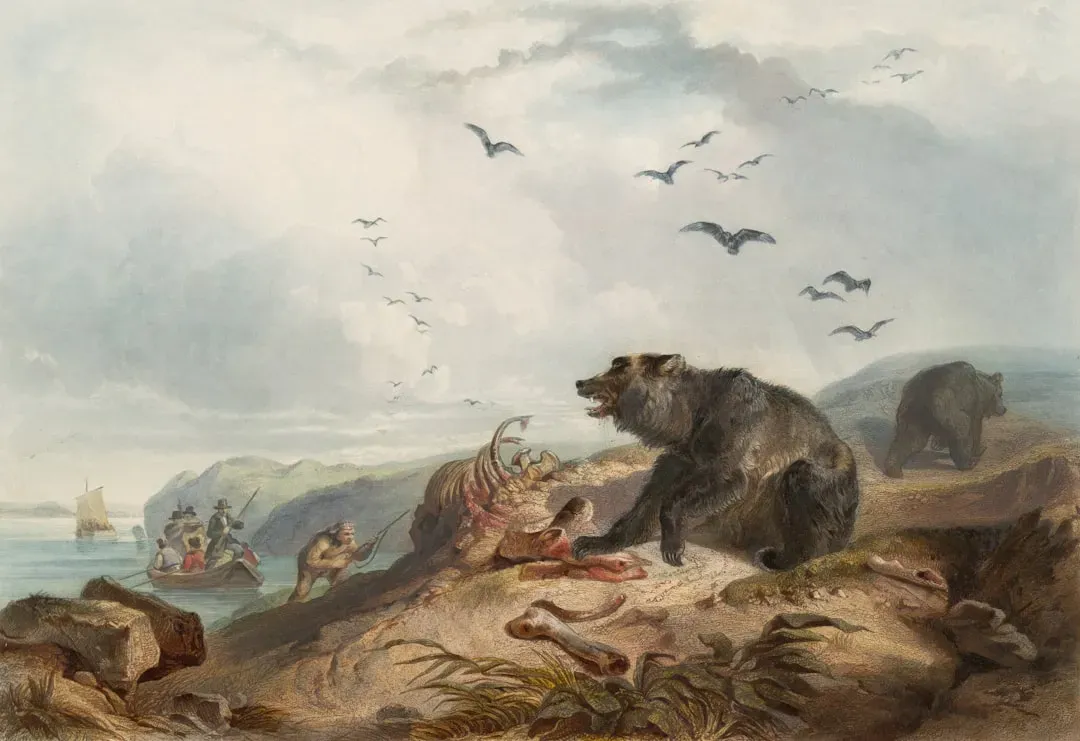
Since large mammals often have disproportionate impacts on ecosystem structure and processes, the loss of megafauna likely has had strong consequences for many ecosystems and has led to major shifts in biotic community assembly, with the effects of large mammals unable to be fully compensated for by smaller species. You can’t just replace a mammoth with a thousand rabbits and expect the same ecological outcomes.
Total megafauna abundance, biomass, and energy turnover decreased by 92–95% over the past 50,000 years, implying major human-driven ecosystem changes. These results indicate that the current period is climatically suitable for accommodating a much greater number of wild large animals with much greater ecological effects than are present in contemporary ecosystems. The world could support far more wild giants than it currently does. That’s a thought worth sitting with.
Conclusion: Echoes in Everything
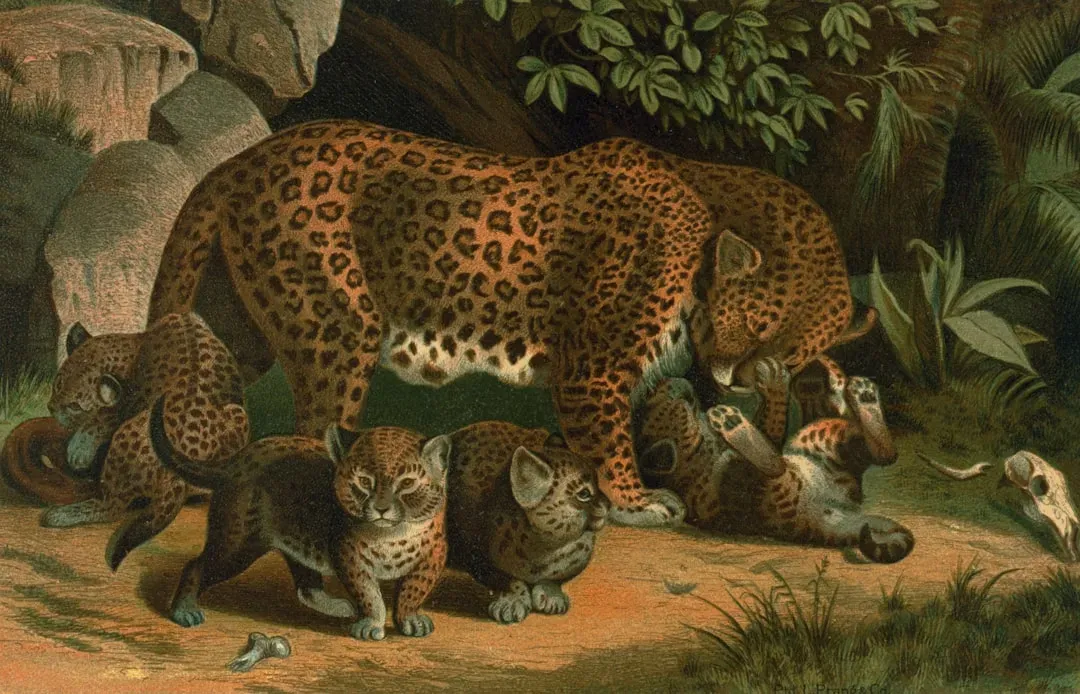
The ancient beasts haven’t truly disappeared. They live on in the genetic instructions copied inside your cells, in the stories your culture still tells, in the degraded ecosystems struggling to function without their keystone species, in the symbols corporations use to sell you products. Their absence shapes the world as profoundly as their presence once did.
The origins of fabulous creatures are varied and often disputed, but they have played significant roles in human society, serving to stimulate the imagination and desire that is ingrained in human nature to experience more than this physical world, with their existence in the minds of so many people throughout the world and history being what truly matters. Whether roaming on four legs or haunting our collective imagination, these beasts remain central to understanding who we are and how we got here. What do you think your ancestors would say about the world we’ve inherited from them?