
If you think modern people are weird for collecting sneakers, Funko Pops, or vintage phone cases, wait until you see what our ancestors were hoarding. Long before online auctions and display shelves, ancient humans were already obsessed with objects that were rare, shiny, creepy, or just hard to get. Some of those collections had clear spiritual or social meanings, but others honestly look like people were just… amused.
Archaeologists usually talk in careful, serious terms. But when you step back and look at the patterns, it is hard not to imagine someone in a cave proudly showing off their stash of exotic shells or polished skulls the same way someone today shows off a curated vinyl collection. The urge to gather odd things, arrange them, compare them, and show them off might be one of the oldest and strangest human hobbies.
1. Exotic Shells Carried Hundreds of Miles from the Sea
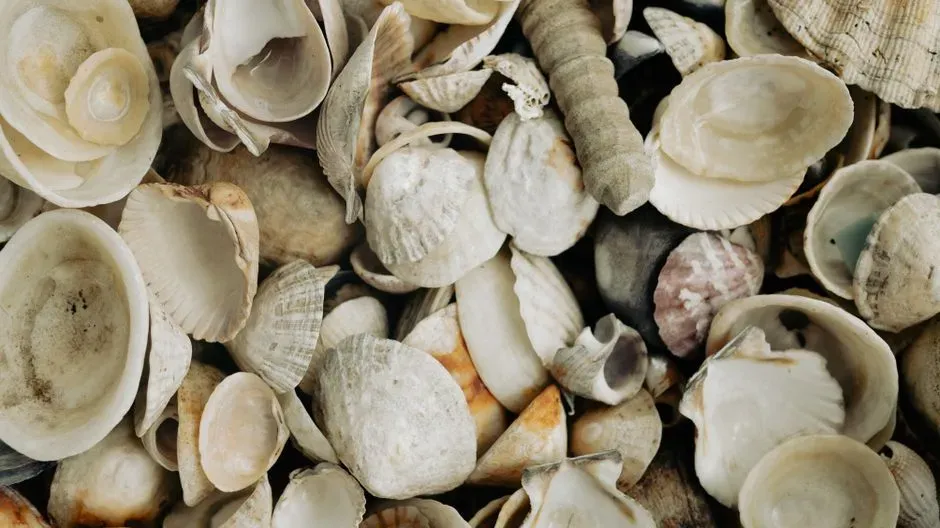
One of the most surprising finds in inland prehistoric sites is seashells that clearly came from faraway coasts. Archaeologists have dug up marine shells in caves and settlements located hundreds of miles from the nearest ocean, often pierced, polished, or strung together. These shells are found in graves, on necklaces, and in little clusters that look suspiciously like someone was collecting them for their variety of shapes and colors.
Some of the earliest known personal ornaments are shell beads that hunter‑gatherers seem to have prized as much for their appearance as any symbolic meaning they might have carried. People selected very specific species and colors, the way someone today might hunt for a particular vinyl pressing or a rare sports card. When you see a small pile of almost identical, carefully worked shells, it feels less like pure ritual and more like someone simply loved the look and feel of them and kept adding to their stash.
2. Fossils: Ancient Humans as the First Amateur Paleontologists
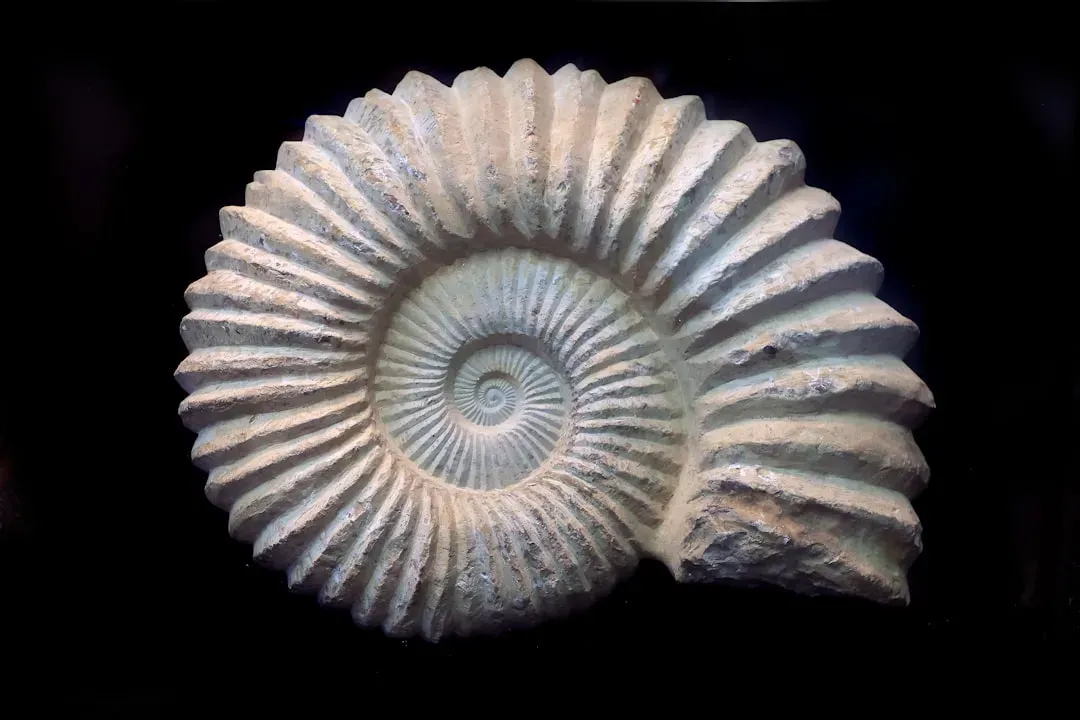
In several parts of the world, there is evidence that ancient people picked up fossils long before anyone had a theory of dinosaurs or deep time. Fossilized shells, strange spiral ammonites, and even large bones that clearly did not belong to any living local animal have been found in human contexts far from their original geological layers. Some were drilled, polished, or placed in special positions, suggesting they were chosen because they looked unusual or impressive.
Imagine stumbling across a perfectly spiraled ammonite in a rocky hillside with no idea what it is. To a curious human fifty thousand years ago, that spiral must have felt like a message or a puzzle from the earth itself. These fossils were sometimes treated almost like talismans, but the pattern also suggests something familiar: the thrill of finding something rare and mysterious, then adding it to a personal hoard. In a way, those early fossil collectors were the first people to geek out over ancient life, even if they had no words for it.
3. Bright Pigments and Strange Colors Nobody Actually Needed
Ancient people went to ridiculous lengths to get vivid colors they did not strictly need for survival. Ochre, the iron‑rich earth used as a red or yellow pigment, shows up in huge quantities in many Paleolithic sites, sometimes vastly more than you would ever need for painting a few bodies or walls. Some caves contain caches of carefully selected ochre pieces, sorted by color and texture, as if someone was building the ultimate pigment palette just for the satisfaction of owning it.
People experimented with grinding, heating, and mixing ochre to produce slightly different shades and finishes. That kind of tinkering looks a lot like a hobbyist’s obsession: chasing the perfect tone, the rarest hue, the smoothest grind. If you have ever known someone who collects nail polish colors, camera lenses, or guitar pedals that all do “almost the same thing,” you can probably recognize that impulse. The massive collections of colored minerals suggest that, for some ancient individuals, there was joy in simply having more colors than anyone else.
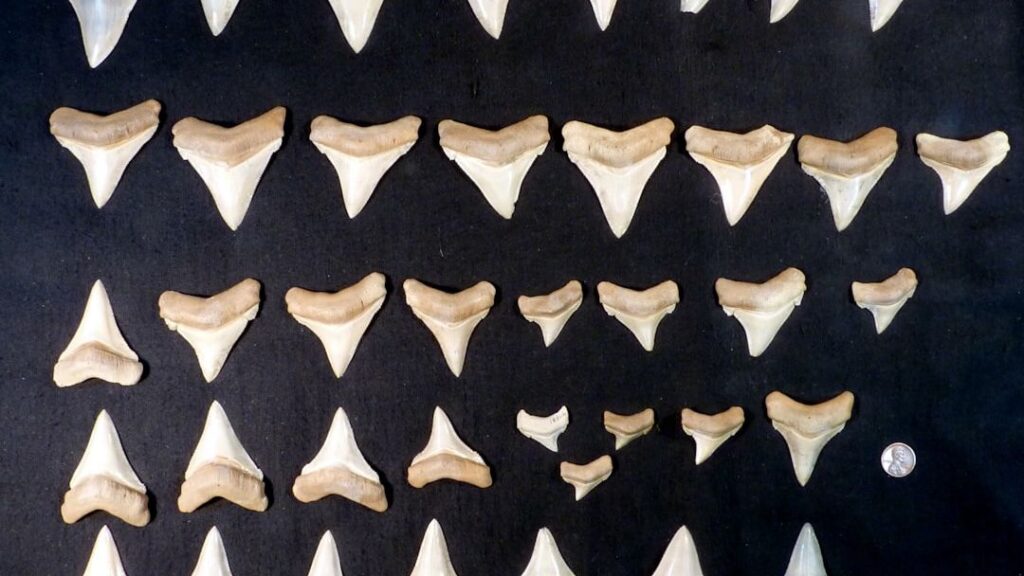
4. Animal Teeth and Claws Turned into Trophy Hoards
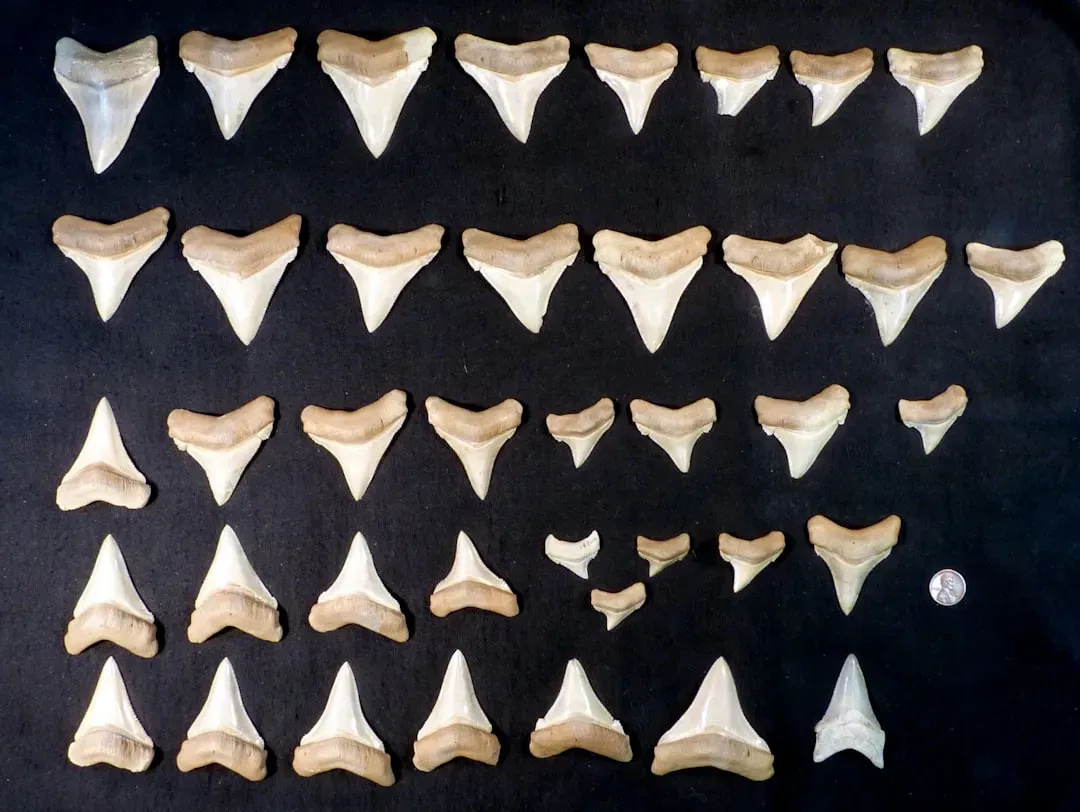
Animal teeth and claws are everywhere in prehistoric burials and campsites, and not just one or two tokens from a hunt. Some graves include elaborate arrangements of dozens or even hundreds of teeth from animals like foxes, deer, or predators. They were turned into necklaces, headbands, or sewn onto clothing, but often the sheer number seems to go beyond symbolism and into the territory of collecting for its own sake.
You can almost picture a hunter keeping a little stash of interesting teeth, setting aside especially sharp or unusual ones and bragging about them to friends. Over time, those small trophies could turn into a full‑blown obsession, with specific combinations of animal parts serving as a kind of prehistoric “series” to complete. It is hard not to see a parallel with people today who collect concert wristbands or sports jerseys: technically, you just need one, but the growing pile tells a story you are proud of.
5. Unusable Stone Tools That Were Too Pretty to Throw Away
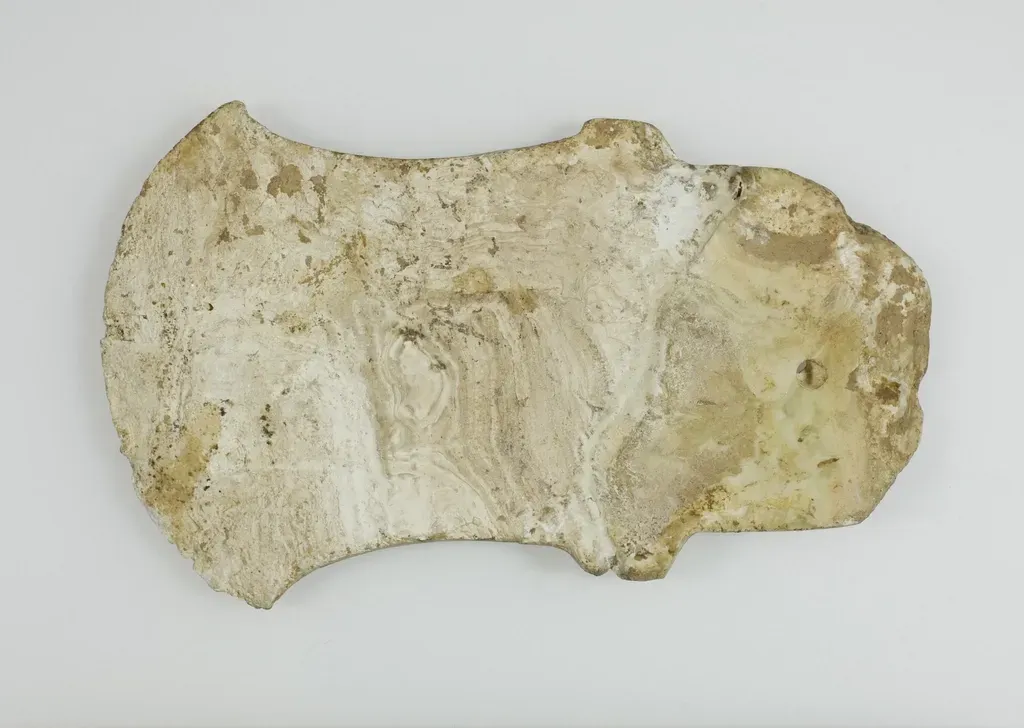
Archaeologists often find stone blades and axes that are clearly too large, too delicate, or too finely made for ordinary use. Some are astonishingly symmetrical, made from rare types of stone transported over long distances, then stashed in pits or placed in graves. These objects show almost obsessive attention to detail, to the point where their practical value drops while their aesthetic value soars.
Some sites even contain groups of nearly identical tools piled together, like a set of showpieces. It is entirely plausible that these tools functioned partly as status symbols, but they also look like the result of someone falling in love with the craft itself and wanting to keep masterpieces around. Think of modern people with walls full of guitars they rarely play, or collectors of limited‑edition sneakers that never touch the street. Those oversized, perfect stone axes feel like the Stone Age version of collecting beautiful but slightly ridiculous items simply because they are satisfying to own.
6. Human Skulls and Bones as Morbid Conversation Pieces
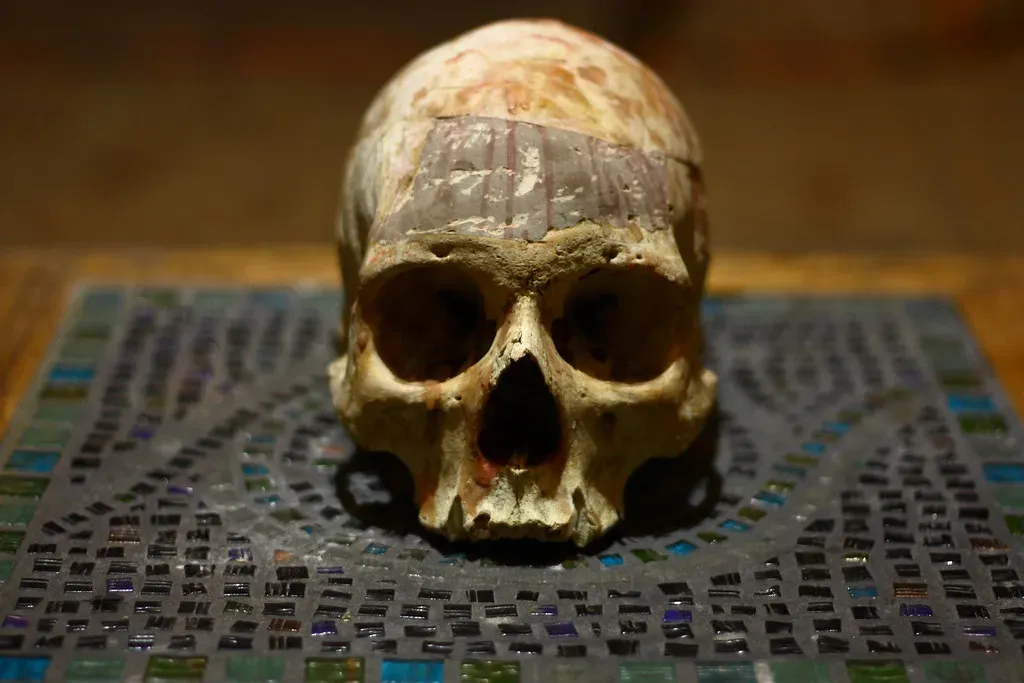
Some of the eeriest ancient collections involve human skulls and bones deliberately kept, arranged, or decorated long after the person died. In certain prehistoric and early agricultural communities, archaeologists have found clusters of skulls buried together, sometimes plastered, painted, or carefully displayed. The number and arrangement suggest that these were gathered over time, not from a single event, almost like a curated set of remains with specific meanings attached.
Scholars often interpret these practices in religious or ancestral terms, and that is likely true. But it is also worth acknowledging the human tendency to be fascinated by death and mortality in a more personal way. Some people today collect antique medical specimens or Victorian mourning jewelry, not only for spiritual reasons but because they find the objects strangely compelling. Those ancient skull clusters may have been powerful symbols, but they might also have scratched that same uncomfortable itch: the morbid curiosity that makes some of us want to keep a piece of the uncanny close by.
7. Shiny Stones, Crystals, and “Pretty Rocks” with No Obvious Purpose
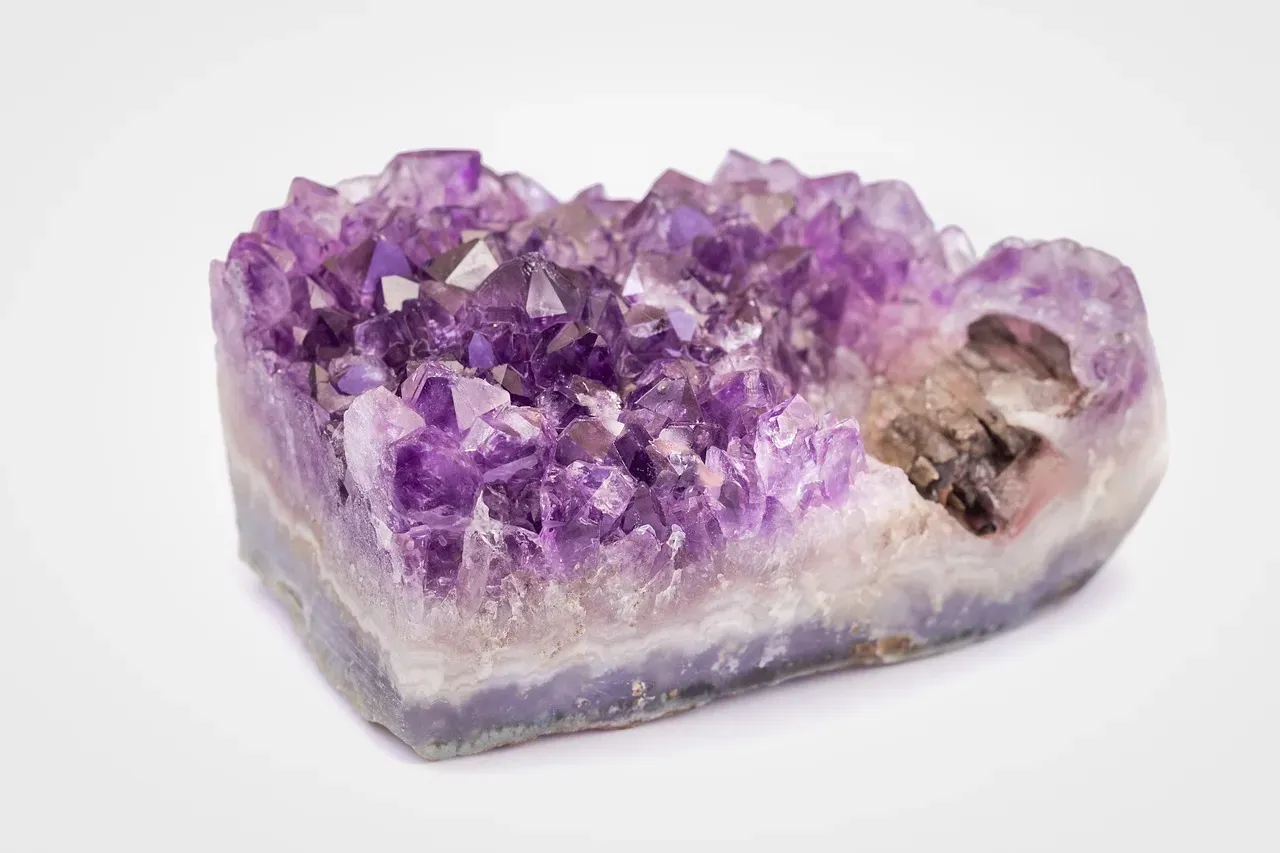
Almost every child goes through a phase of collecting “pretty rocks,” stuffing pockets with polished pebbles, crystals, or oddly shaped stones. Ancient people clearly did the same, on a more serious scale. Archaeologists have found caches of unusual pebbles, crystals like quartz, and translucent stones that do not match the local geology. Many show little or no modification, which suggests they were collected mainly because they were visually striking or felt special in the hand.
Some crystals and stones refract light or produce little sparks when struck, properties that would have seemed magical to people without artificial lighting. It is easy to imagine someone showing off a translucent quartz piece by the fire, delighting in the way it glows and passing it around like a prized gadget. These objects blur the line between tool, talisman, and toy. They hint that ancient people, like us, felt a deep, irrational pull toward small, beautiful things that served no obvious purpose beyond giving them a quiet thrill whenever they looked at them.
8. Miniature Objects and Tiny Things with Big Charm
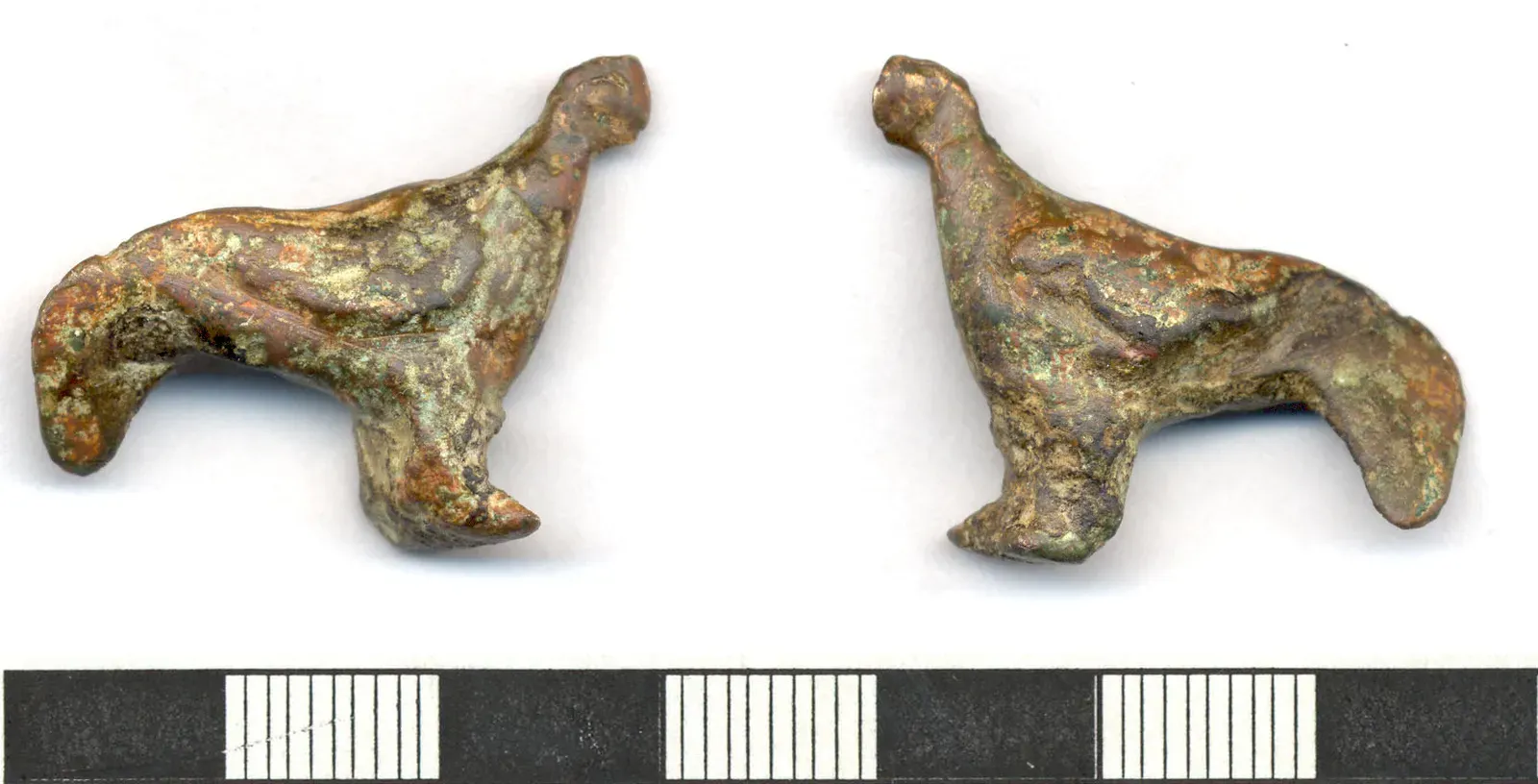
Across many ancient cultures, we find miniature versions of real objects: tiny vessels, little animal figurines, scaled‑down weapons, and shrunken tools. Some clearly had ritual uses or were used as offerings, but in other cases, the context suggests they may also have been cherished simply because they were small and charming. A cluster of mini pots or tiny animal carvings looks a lot like an early shelf of collectibles, especially when the miniatures show variation and careful craftsmanship.
There is something irresistibly cute about small versions of big things, and that is not a modern feeling. Think of how people now collect miniatures of cars, food, or furniture and display them purely because they are delightful to look at. When we see ancient people putting time and energy into creating and keeping tiny objects that are too small to be practical, it feels like a familiar quirk shining through the centuries. Miniatures seem to reveal that even in hard, uncertain times, humans made room for joy, play, and the simple pleasure of owning something endearingly unnecessary.
Conclusion: Collecting as One of Our Oldest, Strangest Instincts
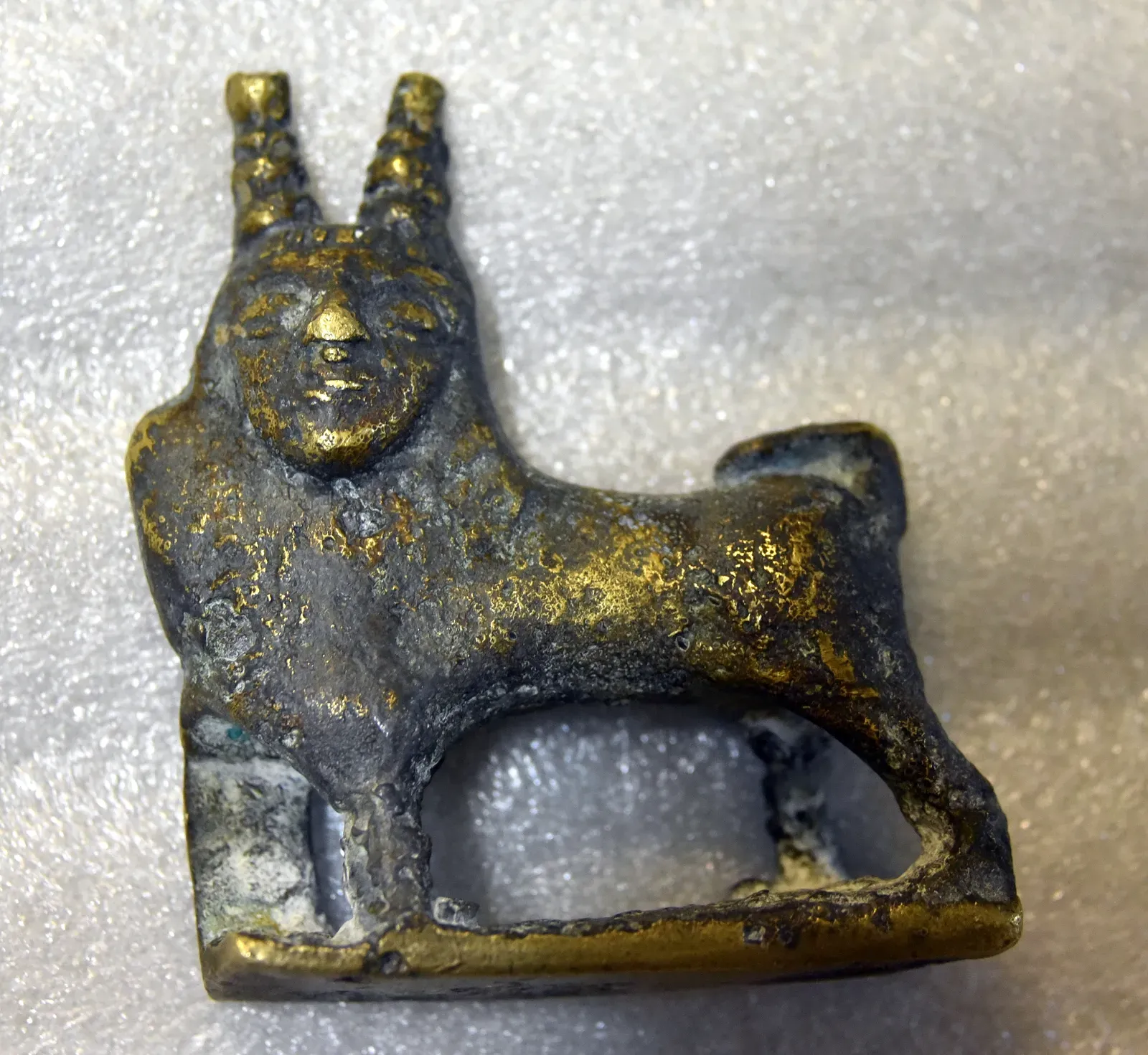
When you pull all of this together – shells far from the sea, uselessly perfect stone tools, morbid skull clusters, heaps of bright pigment, and hidden stashes of pretty rocks – one picture keeps emerging. Ancient humans were not just grim survivors scraping by; they were people who chased beauty, rarity, mystery, and status through the things they gathered. I think that urge to collect was not a quirky side note, but a core part of how we expressed curiosity, identity, and even affection for the world around us.
In my view, collections are like physical diaries of what a person cared about most intensely at a given moment in their life. That was true in a Paleolithic cave and it is still true on a modern bookshelf or a bedroom wall covered in band posters. The specific objects have changed, but the impulse has not: we still hunt, sort, compare, and display. So next time you look at your own little hoards – books, plants, magnets from trips – you might be seeing a habit that is tens of thousands of years old quietly living on. Which ancient collector do you resemble more: the shell hoarder, the pigment fanatic, or the keeper of strange and shiny things?