You’ve probably seen images of dinosaurs locked in fierce battles or munching quietly on ferns, but here’s something most people don’t realize. These ancient giants weren’t just wandering aimlessly across the landscape. Many of them were on the move for very specific reasons, traveling hundreds of miles across what we now call North America.
The story of dinosaur migration is far stranger and more fascinating than you might expect. Think about it: creatures weighing several tons making seasonal journeys that would exhaust even the toughest modern animals. Recent discoveries have completely changed how scientists understand these movements, revealing patterns that mirror some of today’s greatest wildlife spectacles. Let’s dive in and uncover what really drove these prehistoric marathons.
Chemical Clues Hidden in Ancient Teeth
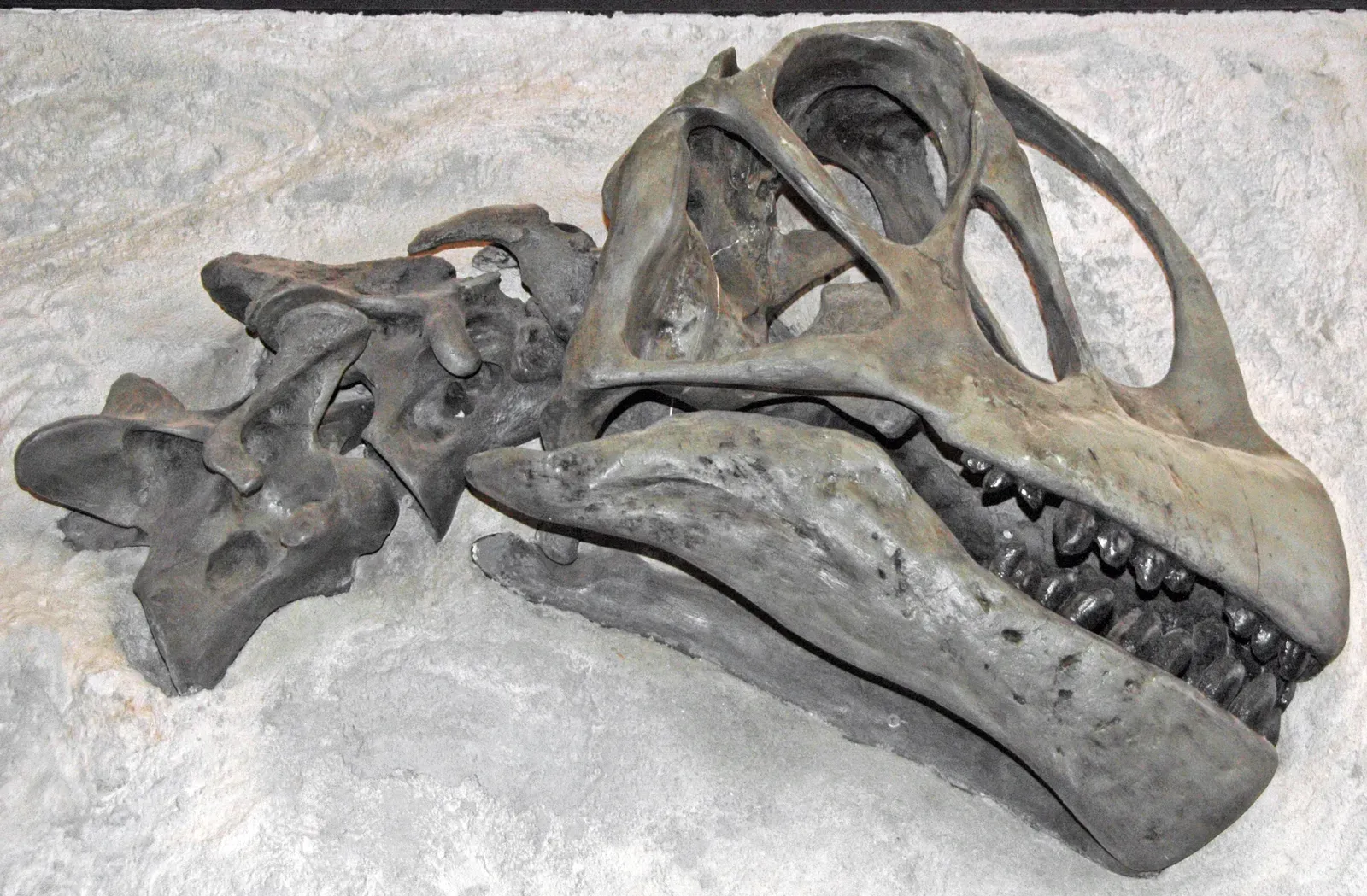
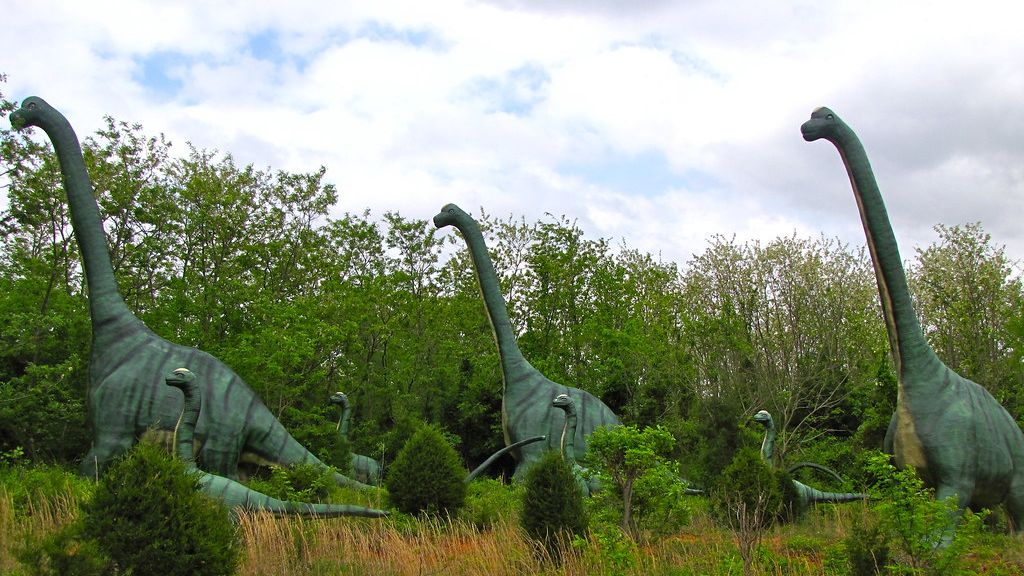
A fossil-teeth analysis has uncovered the best evidence yet that dinosaurs migrated seasonally like modern-day birds or elephants. Scientists examined Camarasaurus teeth and found something remarkable. These long-necked plant-eaters weren’t staying put.
The sauropods moved nearly 200 miles to highlands, and responding to shifts in food and water availability, the long-necked plant-eaters likely trudged from floodplain lowlands to distant uplands and back again as the seasons changed. The evidence came from oxygen isotopes trapped in tooth enamel, which acts like a prehistoric travel diary. Each tooth recorded where the animal had been drinking water during its five-month lifespan.
Scientists compared this to modern migrations, noting that “On the African Serengeti the large mammals do a wet season-dry season migration.” Honestly, it’s hard to imagine these massive creatures trekking such distances, but the chemistry doesn’t lie. These weren’t random wanderings; they were purposeful journeys driven by survival needs.
The Great Seaway That Split a Continent
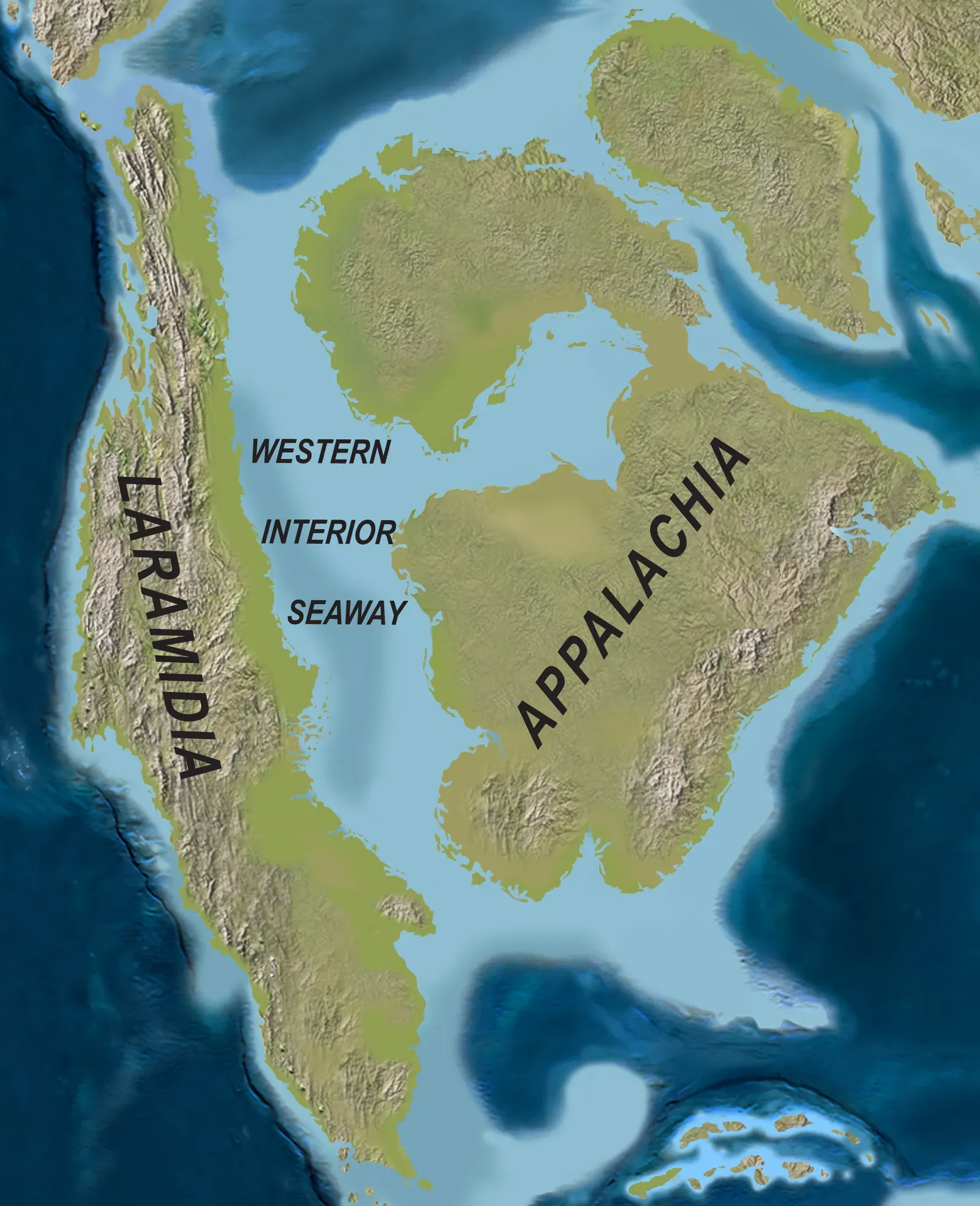
Picture North America sliced down the middle by a massive inland sea. Sounds crazy, right? Yet that’s exactly what happened during the Cretaceous period. During most of the second half of the Cretaceous, North America was divided into two land masses, Laramidia in the West and Appalachia in the East, with the Western Interior Seaway separating them.
This enormous body of water fundamentally changed how dinosaurs moved across the continent. The area just to the east of the new mountain range flexed downward, creating a shallow North American seaway that flooded the continent from the Canadian arctic to the Gulf of Mexico, cutting the continent into three large islands that were densely populated with dinosaurs.
The isolation created something unexpected. Dinosaurs on the western island, Laramidia, evolved separately from their eastern cousins. Large water bodies separated Appalachia from other landmasses and affected the evolution of dinosaurs. Think of it as two parallel worlds, each developing its own unique cast of characters.
Climate Extremes Forced Massive Movements
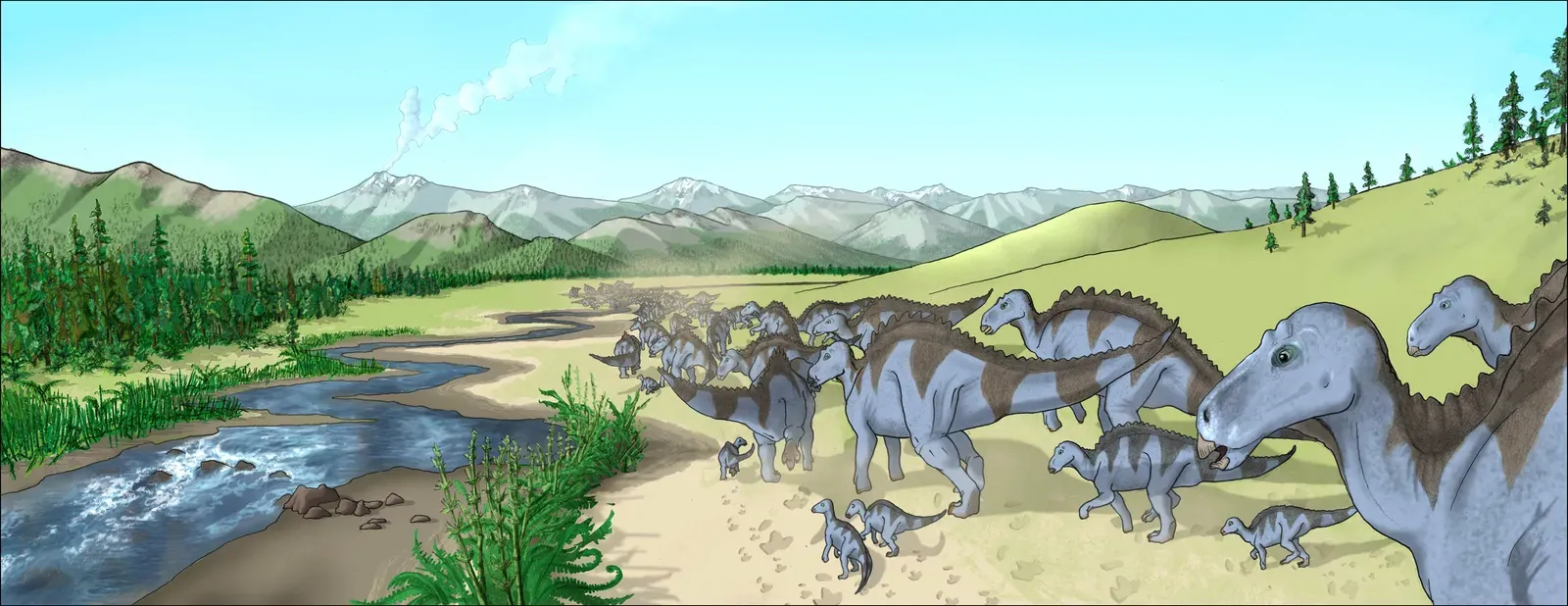
Here’s the thing about ancient climates: they were brutal in ways we can barely comprehend today. A major shift in atmospheric CO2 levels may have helped dinosaurs make a 6,500-mile journey from South America to Greenland, and milder levels of CO2 may have helped to remove climatic barriers that had limited the sauropodomorphs to South America.
Researchers theorize that the dinosaurs left a basin floodplain area at the onset of the summer dry season, when droughts may have been common. The dry season could be lethal. Water sources dried up, vegetation withered, and staying put meant starvation or death from dehydration.
Let’s be real: when temperatures soared and water vanished, even the largest dinosaurs had no choice but to move. When CO2 levels dipped, the tropical regions may have become more mild, and certain passageways may have developed, such as along rivers or lakes, that would have helped sustain the herbivores. Those corridors became lifelines during their epic journeys.
Fossil Highways Reveal Ancient Routes
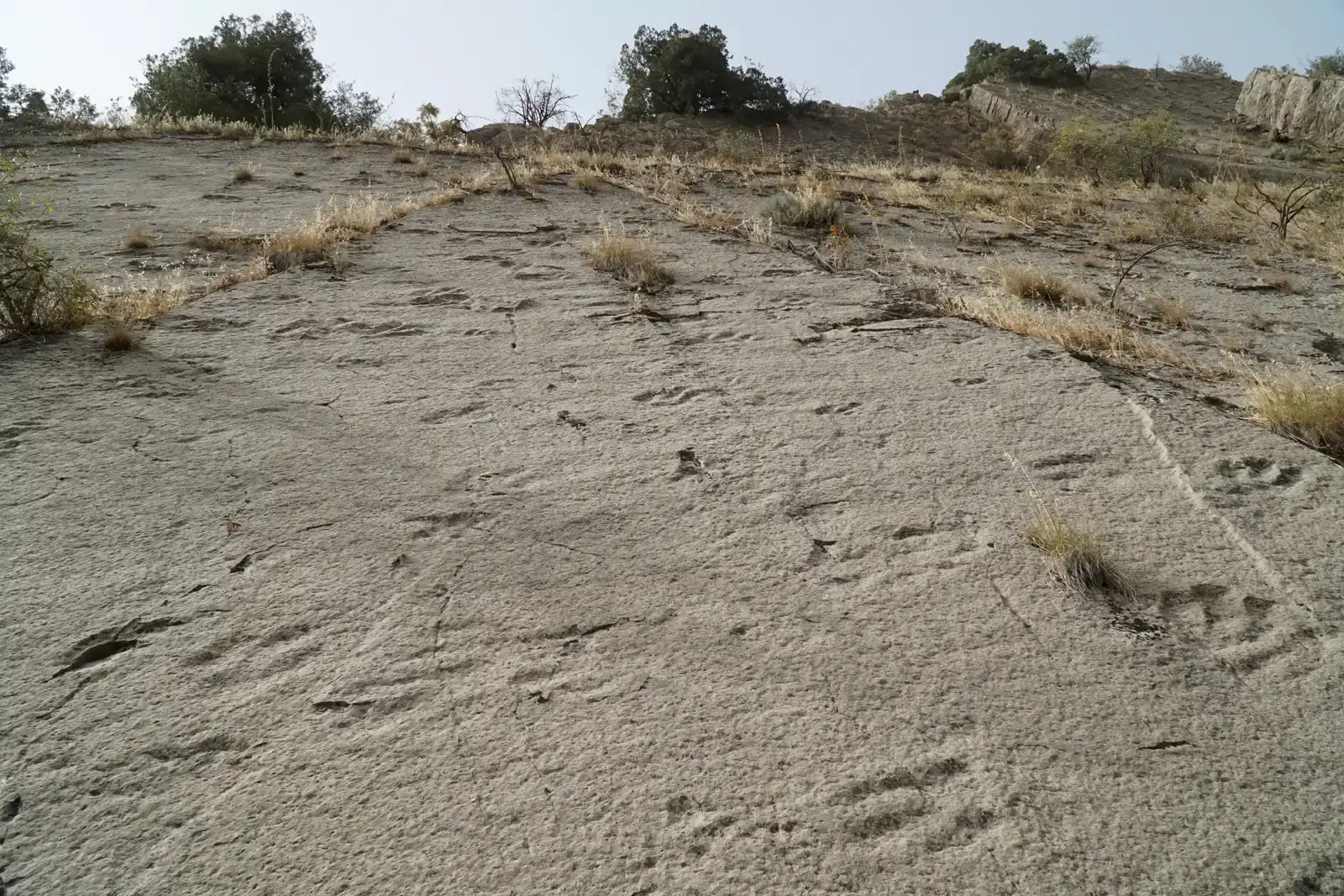
Scientists have discovered what they call “dinosaur freeways” – well-worn paths where countless dinosaurs traveled. From Colorado to New Mexico, the coastal strip sediment was trampled by dinosaurs, raising questions about whether this offered a convenient north–south route and whether they were migrating herds.
The evidence is staggering when you see it yourself. Paleontologists have found tens of thousands of dinosaur tracks in South America, and a variety of shapes and sizes indicate that several types of dinosaurs wandered along the ancient coastline as a prehistoric highway.
These trackways tell stories that bones alone never could. They show direction, speed, group size, and even whether juveniles traveled with adults. Perhaps, the team reasoned, dinosaurs migrating long distances carried gastroliths there. These stomach stones found far from their source areas proved that dinosaurs were covering serious ground. Some of these routes stretched for hundreds of miles along ancient coastlines.
Mountain Building Changed Everything
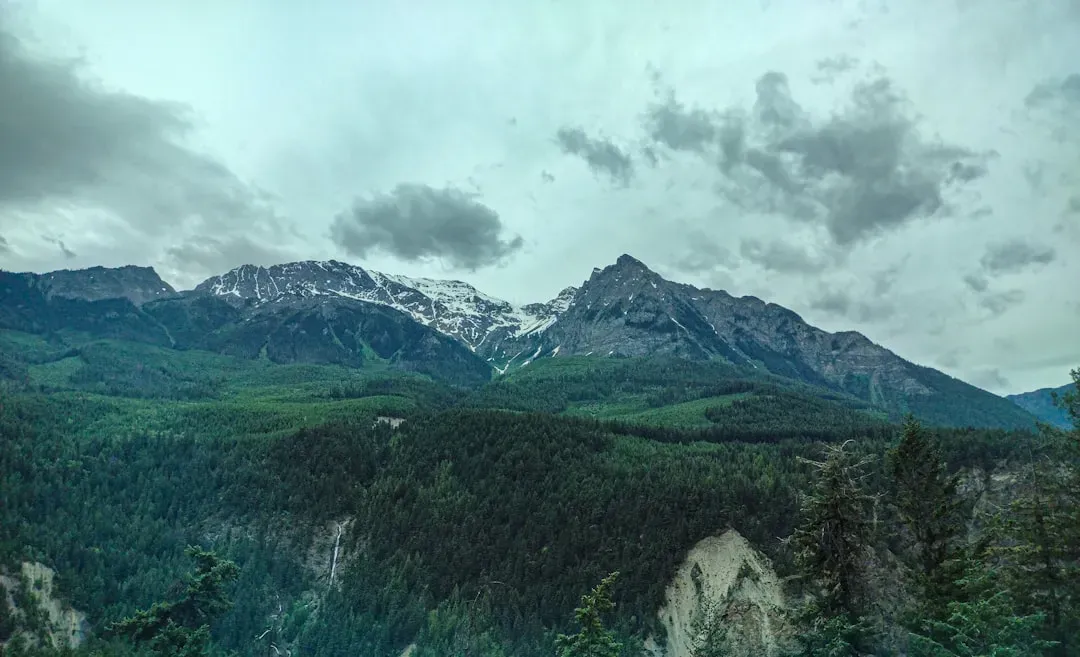
The rise of the Rocky Mountains and the appearance of a major seaway that divided North America may have boosted the evolution of new dinosaur species. This wasn’t just a geological event; it completely restructured how dinosaurs lived and moved.
Mountains created barriers but also opportunities. The continued rise of the Rocky Mountains would eventually evict the seaway from the continent’s interior, opening up a wide territory for duck-billed and horned dinosaurs to roam. Species that once lived in isolated pockets suddenly had access to vast new territories.
Over the past century, paleontologists have found a wide variety of dinosaurs in rocks dating to around 75 million years ago. The diversity explosion suggests these newly connected territories allowed mixing and mingling that hadn’t been possible before. Honestly, it’s like watching evolution hit the fast-forward button as geographic barriers fell and new ones rose.
Polar Dinosaurs Faced Unique Challenges
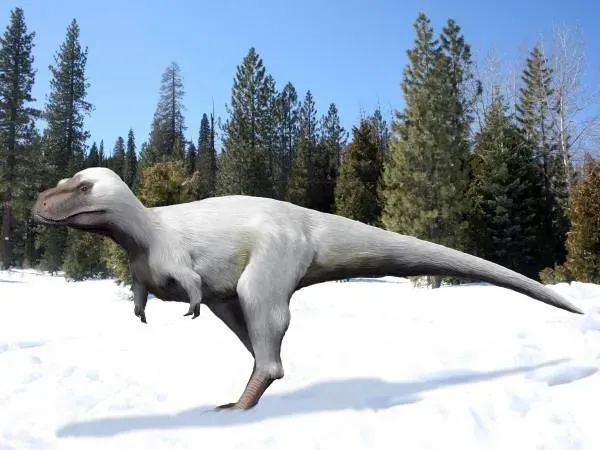
Wait until you hear about the dinosaurs that lived near the poles. Some polar dinosaurs, particularly larger taxa such as the duckbill Edmontosaurus, were capable of migrating over long distances, up to 2600 km, though current evidence strongly suggests many polar dinosaurs overwintered in preference to migration.
The decision to stay or go wasn’t simple. It was suggested that dinosaurs living at the poles would have to pass through 30° of latitude, or 3200 km, in order to avoid the total darkness of a polar winter. That’s an exhausting journey for creatures weighing tons.
Various lines of evidence indicate that the dinosaurs remained in their home habitat through the winter, and just this past year, a jaw from a very young raptor provided evidence that dinosaurs were nesting in the region and not just passing through. Some species developed strategies to endure months of darkness and cold rather than risk the migration. Different dinosaurs made different choices based on their size, metabolism, and environmental pressures.
Resource Seeking Drove Most Journeys
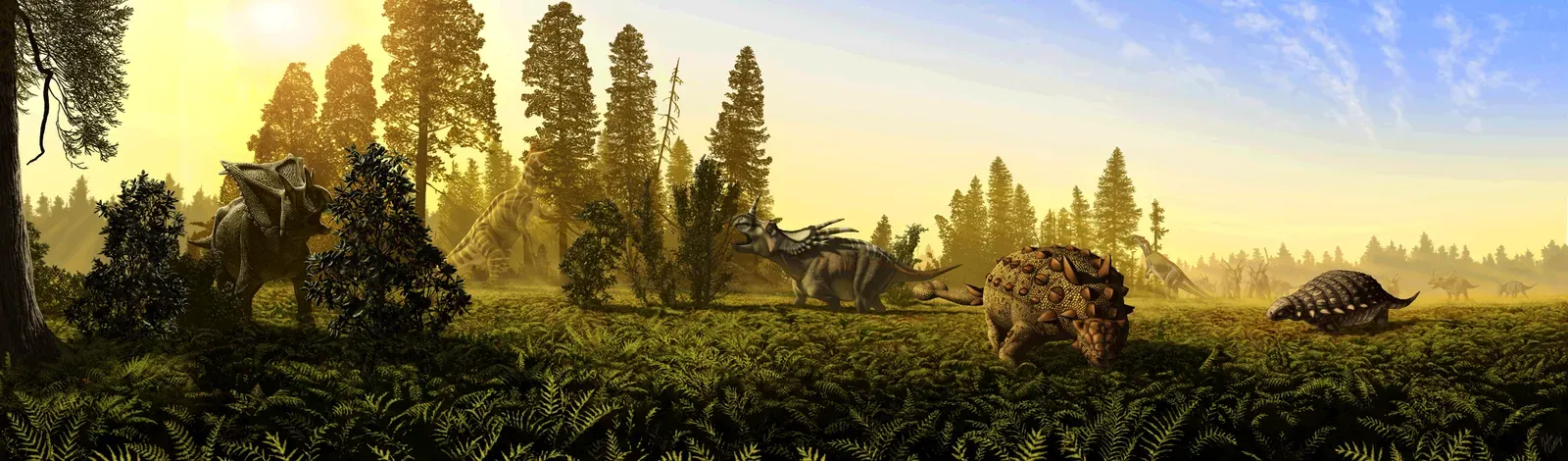
Let me ask you something: what would make you walk 200 miles? For dinosaurs, the answer was simple – food and water. Dinosaur migration was a complex phenomenon driven by various environmental triggers and the need to seek resources, with seasonal movement in response to changes in resource availability being a common behavior.
Support for the idea that ceratopsids formed herds inland comes from the greater abundance of bonebeds in inland deposits, suggesting the migration away from the coasts may have represented a move to their nesting grounds. Just like African animals today, these dinosaurs followed predictable patterns tied to rainfall and vegetation growth.
Paleontological evidence supports the hypothesis that fluctuations in climate, including changes in temperature and precipitation, influenced dinosaur migration patterns, and one fascinating aspect is their herding behavior. Traveling in groups provided protection from predators and improved their chances of finding resources. The fossil record shows clear evidence of coordinated group movements across vast distances.
Conclusion: A Dynamic Prehistoric World
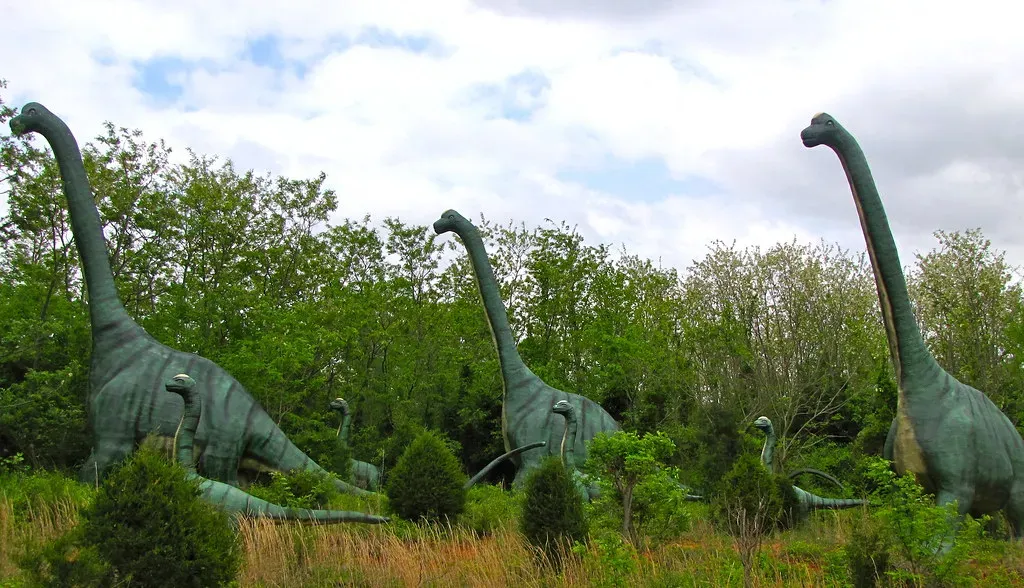
The picture that emerges is nothing like the static world once imagined. Dinosaurs weren’t just roaming randomly; they were making calculated decisions about when and where to travel. Climate shifts, geographic barriers, resource availability, and even competition with other species all played roles in shaping their movements.
These ancient migrations remind us that Earth has always been dynamic. Continents shifted, climates changed, and life adapted in remarkable ways. The fossil evidence scattered across modern landscapes tells stories of journeys that rivaled anything we see in nature today.
What’s truly surprising is how much we’re still learning. Every new trackway discovered and every fossil analyzed adds another piece to this incredible puzzle. Did you expect that dinosaurs would travel such extraordinary distances for survival? What do you think about these prehistoric journeys? Share your thoughts in the comments.