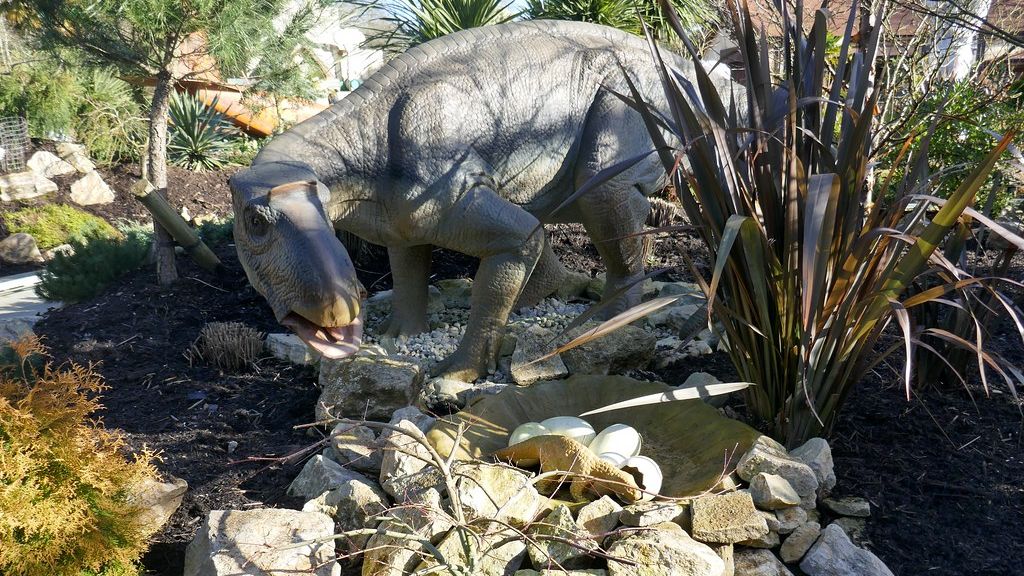
Picture an enormous creature from millions of years ago, covered in scales or feathers, looming over a nest filled with tiny eggs. That image alone might give you chills, honestly.
We tend to imagine prehistoric animals as brutal killing machines or lumbering giants too occupied with survival to care about anything soft or nurturing. Yet fossil evidence keeps chipping away at that cold, distant stereotype. It turns out that many ancient reptiles, flying giants, and early mammals displayed parenting behaviors that would make even modern creatures look a bit neglectful. What scientists have uncovered about prehistoric family life is nothing short of remarkable, sometimes tender, and always fascinating.
Let’s be real here: until relatively recently, we assumed dinosaurs simply laid their eggs and wandered off to munch on ferns or chase prey. The idea that a fearsome predator might actually sit on a nest or bring food to hungry hatchlings seemed almost laughable. Yet the fossil record has proven otherwise, revealing that parenting instincts stretch back far deeper into Earth’s history than anyone expected.
Nesting Colonies Showed Dinosaurs Were Social Caregivers
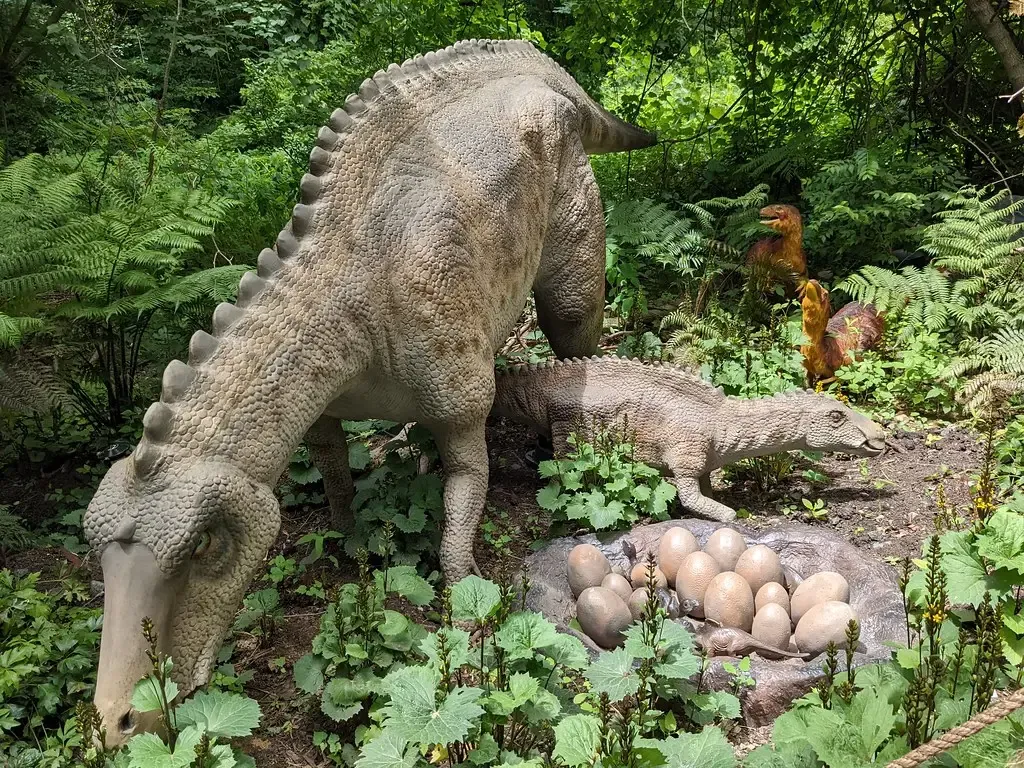
The duck-billed Maiasaura, whose name literally means “good mother lizard,” lived around 80 to 75 million years ago and nested in large colonies. Finding nests with juvenile dinosaur bones at these Montana sites suggests that hatchlings were cared for by a parent. Think about that for a moment: these weren’t just random burial grounds. The sheer organization of it all points to something much more deliberate.
The nesting colonies indicate a social structure involving multiple adults working together to raise the young, a level of cooperative care quite rare in the animal kingdom. Plant matter found in the nests suggests parents may have fed the young before they ventured out into the world. Imagine hundreds of dinosaurs gathering in one location year after year, like prehistoric apartment complexes where everyone pitched in to protect the neighborhood kids. Researchers also found evidence that these dinosaurs may have used those nesting sites year after year.
Brooding Fossils Captured Parental Protection in Action
A 75-million-year-old Mongolian dinosaur fossil was found sitting right on top of a nest and dubbed “Big Mama”. The visual evidence is simply stunning. The large adult skeleton is preserved at the center of a ring of eggs, with its arms wrapped around the precious clutch. This Citipati parent was shielding the eggs when it perished in a sandstorm.
They sit on those nests in a very bird-like way with their bodies positioned in the center, arms held over the eggs to help protect them, with bodies covered in large down-like feathers that would have helped conceal and insulate the eggs. Here’s the thing: this wasn’t an accident. The eggs are widely spaced, and it appears the adult avoided sitting directly on top of them, possibly to prevent crushing them, covering their nests with their feathered arms to insulate them but avoiding direct body contact. That level of care shows conscious, deliberate behavior.
Giant Sauropods Practiced a Different Strategy Altogether
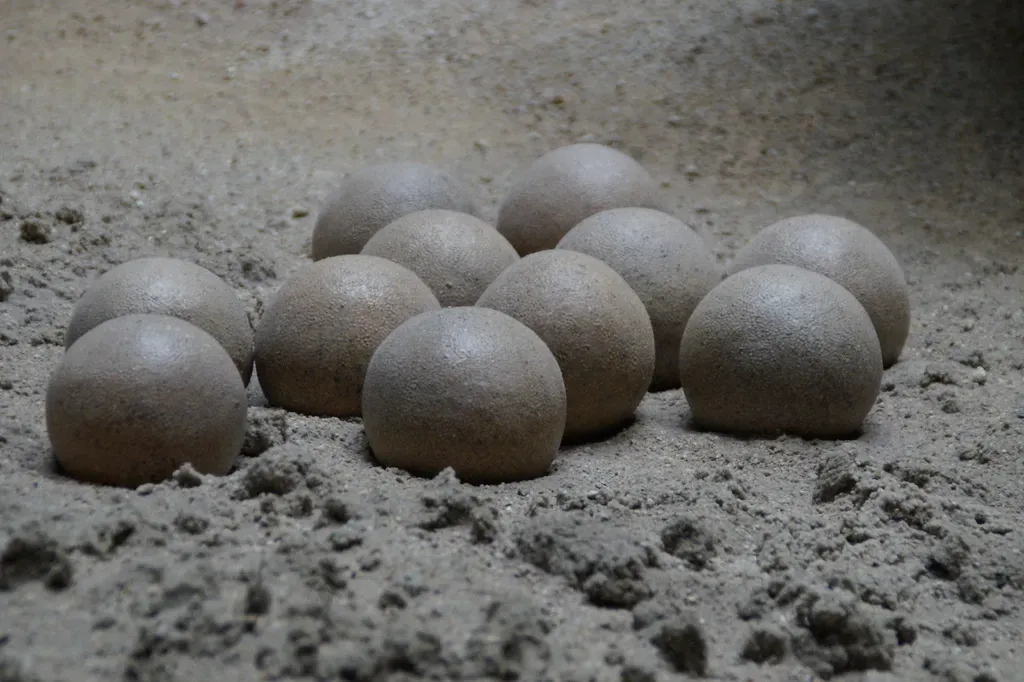
Not every dinosaur was a doting parent, though. For some groups like sauropods, we don’t have evidence of post-laying care. These were the long-necked giants like Apatosaurus and Brachiosaurus, animals so massive they could have easily crushed their own offspring.
Paleontologists have found their expansive nesting grounds, including some sites where dinosaurs laid eggs in areas that were warm with geothermal activity, perhaps to incubate the offspring. Clever, right? They basically used natural hot springs as prehistoric incubators. The evidence points to little further care, a strategy of lay ’em and leave ’em. It makes sense biologically when you think about it. An animal weighing dozens of tons couldn’t exactly hover over delicate eggs without causing disaster. Instead, they chose their nesting sites wisely and let nature handle the rest.
Male Dinosaurs Likely Did Most of the Nest-Sitting
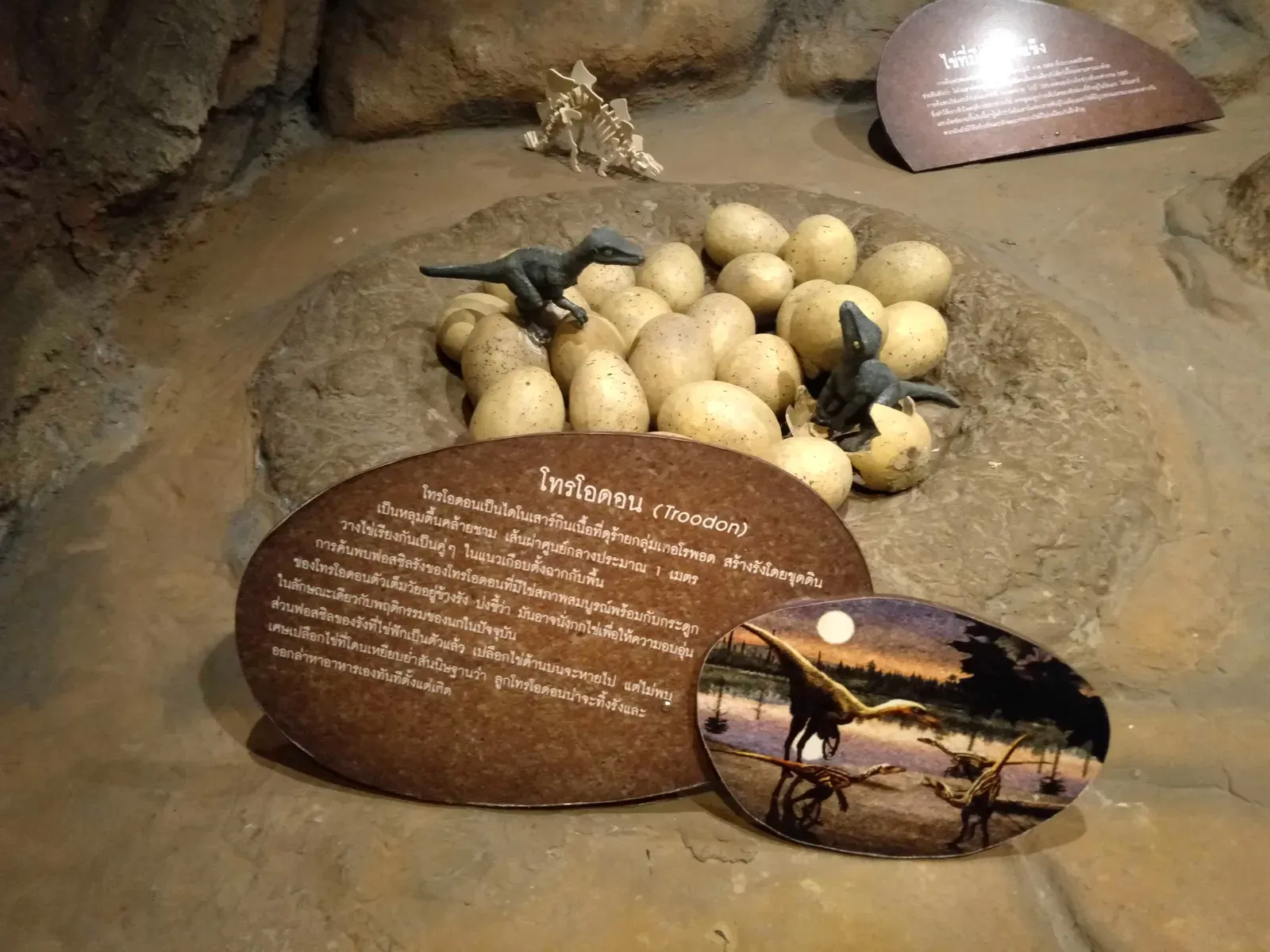
In primitive modern birds it is the male rather than the female which broods the nest, which raises interesting questions about dinosaur family dynamics. Fossilized clutches from oviraptorosaurs and other dinosaurs like Troodon housed 22 to 30 eggs each, with clues pointing towards an arrangement by which father Oviraptors were charged with looking over large, mega-clutch nesting sites while collecting eggs from various different females.
This isn’t just speculation. This is a lot of eggs for an animal that size compared to clutch sizes of living birds and crocodilians, and the eggs found were also larger than they should have been for animals their size, suggesting that it took females a lot of energy to produce them. So females likely produced the eggs and moved on, while males stuck around to guard them. These nests are laid by multiple females, creating a kind of communal nursery overseen by attentive fathers. Honestly, that’s a pretty progressive arrangement for 80 million years ago.
Ancient Eggs Reveal Sophisticated Nesting Methods
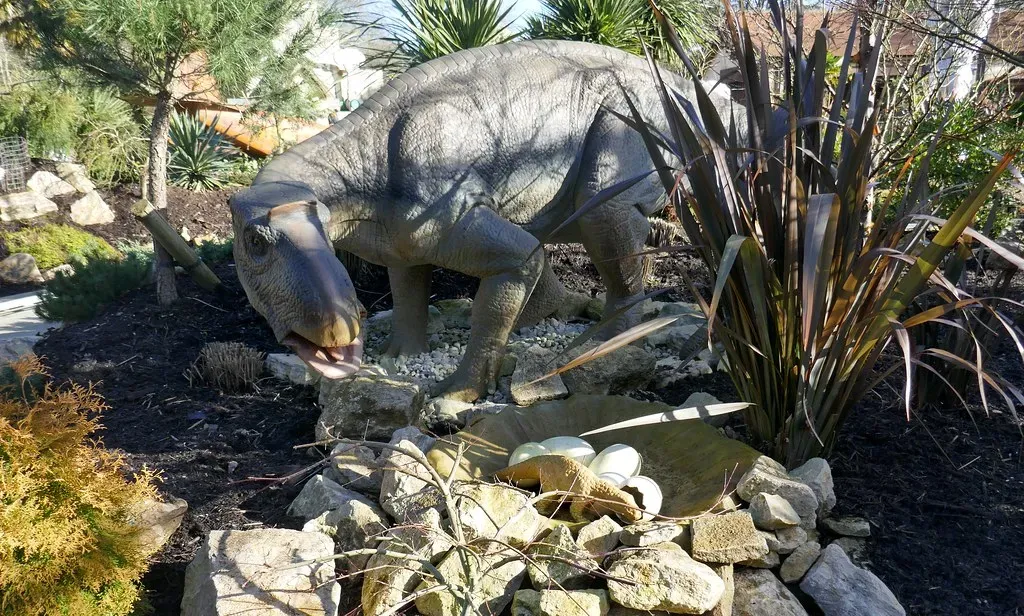
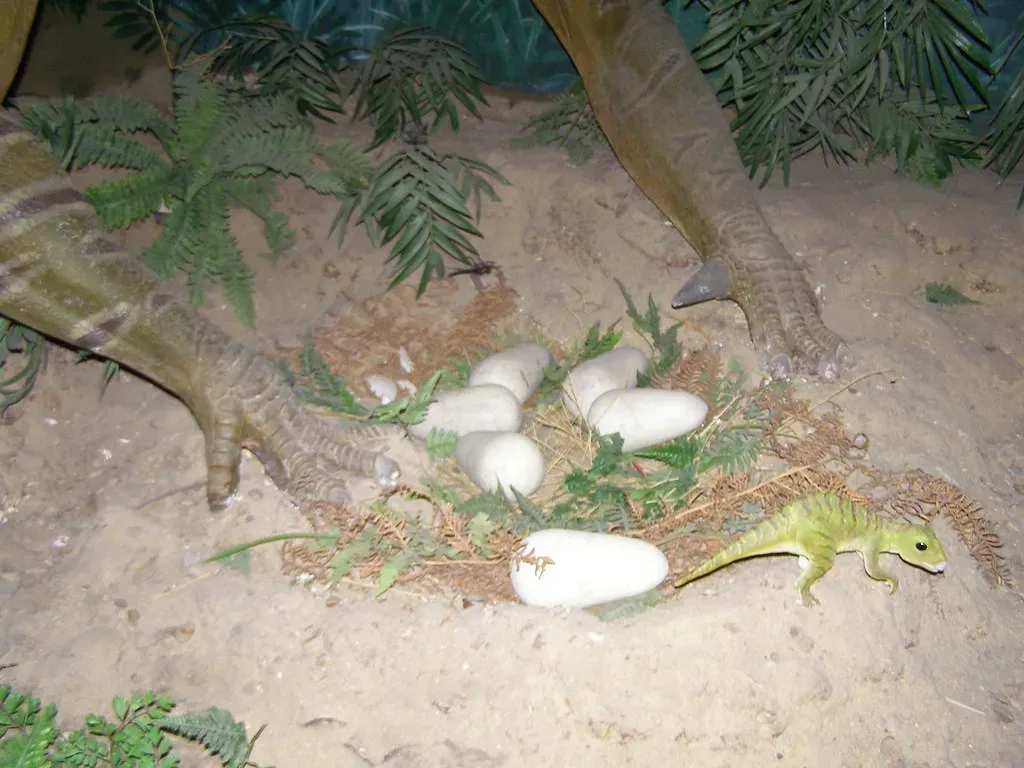
Most dinosaurs, such as long-necked sauropods, less-developed theropods and possibly plant-eating ornithischians, had high-porosity eggs and likely buried their eggs in nests. The tiny holes in eggshells tell scientists how dinosaurs built their nests. Buried eggs tended to have high porosity, or larger and more holes in the shell that allow for vapor and gas exchange, with burying the eggs helping to retain their humidity and moisture as the embryo develops inside.
Oviraptorids differed from earlier dinosaurs in leaving their eggs partially exposed in a shallow excavation scraped into the ground. Troodontids developed even more advanced nesting strategies, with eggs arranged closer to the center, allowing the brooding parent to cover the entire clutch directly with its belly, warming the eggs using contact incubation. The evolution from fully buried nests to partially open ones shows a gradual refinement of parenting techniques over millions of years.
The Oldest Dinosaur Nesting Site Shows Early Sophistication
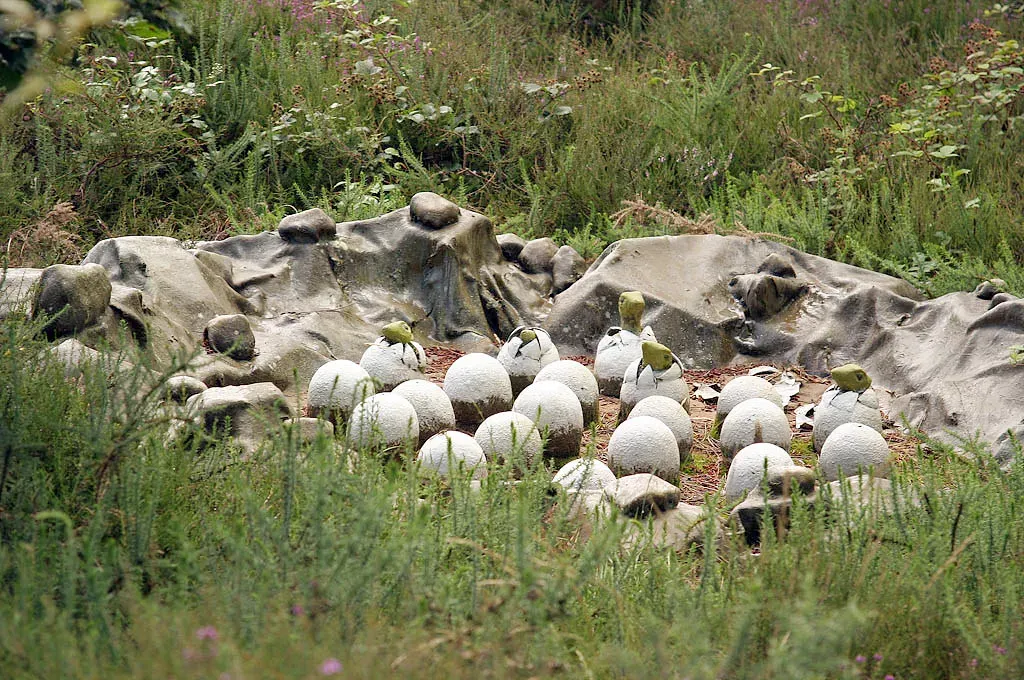
An excavation at a site in South Africa has unearthed the 190-million-year-old dinosaur nesting site of the prosauropod dinosaur Massospondylus. That makes it by far one of the most ancient examples we’ve discovered. At least 10 nests with up to 34 round eggs in tightly clustered clutches indicate these early dinosaurs returned repeatedly to this site and likely assembled in groups to lay their eggs, the oldest known evidence of such behavior in the fossil record.
The large size of the mother at six meters in length, the small size of the eggs about six to seven centimeters in diameter, and the highly organized nature of the nest suggest that the mother may have arranged them carefully after she laid them. Let’s be clear: this level of organization doesn’t happen by accident. These weren’t just mindless reptiles dropping eggs randomly. The meticulous arrangement points to genuine care and attention to the survival of their offspring.
Parental Care Extended Beyond the Dinosaur Family
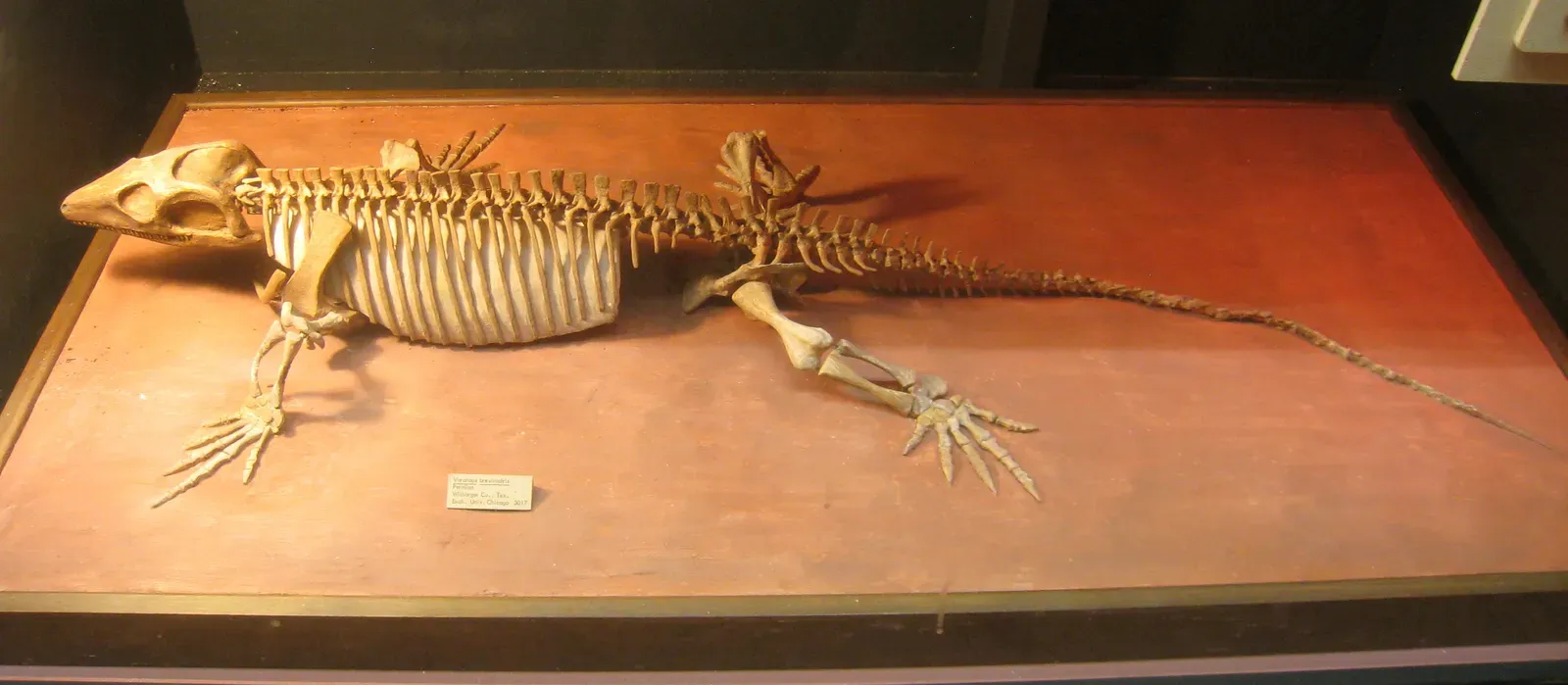
The 309-million-year-old fossil includes the remains of an adult varanopid, a lizard-like animal from an extinct group traditionally considered part of the lineage leading to mammals, with the fossil holding the diminutive skull of what looks like a juvenile of the same species behind its hindleg and encircled by its tail. This discovery pushes parental care even further back in time. This fossil suggests that parental care had an early origin among the likely ancestors of mammals, and there is growing evidence for parental care in some dinosaurs as well, which carried over into birds.
The fossilized remains of a small aquatic reptile surrounded by six babies suggest the extinct animal was caring for the little ones when they died, likely living during the Early Cretaceous about 145 to 100 million years ago. Even marine reptiles got in on the caregiving action. It’s hard to say for sure, honestly, but the placement of these fossils strongly suggests family groups that stayed together. If correct, it would be the oldest known display of parental care among diapsids, a group including all modern reptiles, birds and their extinct relatives, with direct evidence previously found in only two species of dinosaur and a pelycosaur.
Flying Reptiles May Have Practiced Extended Parental Care
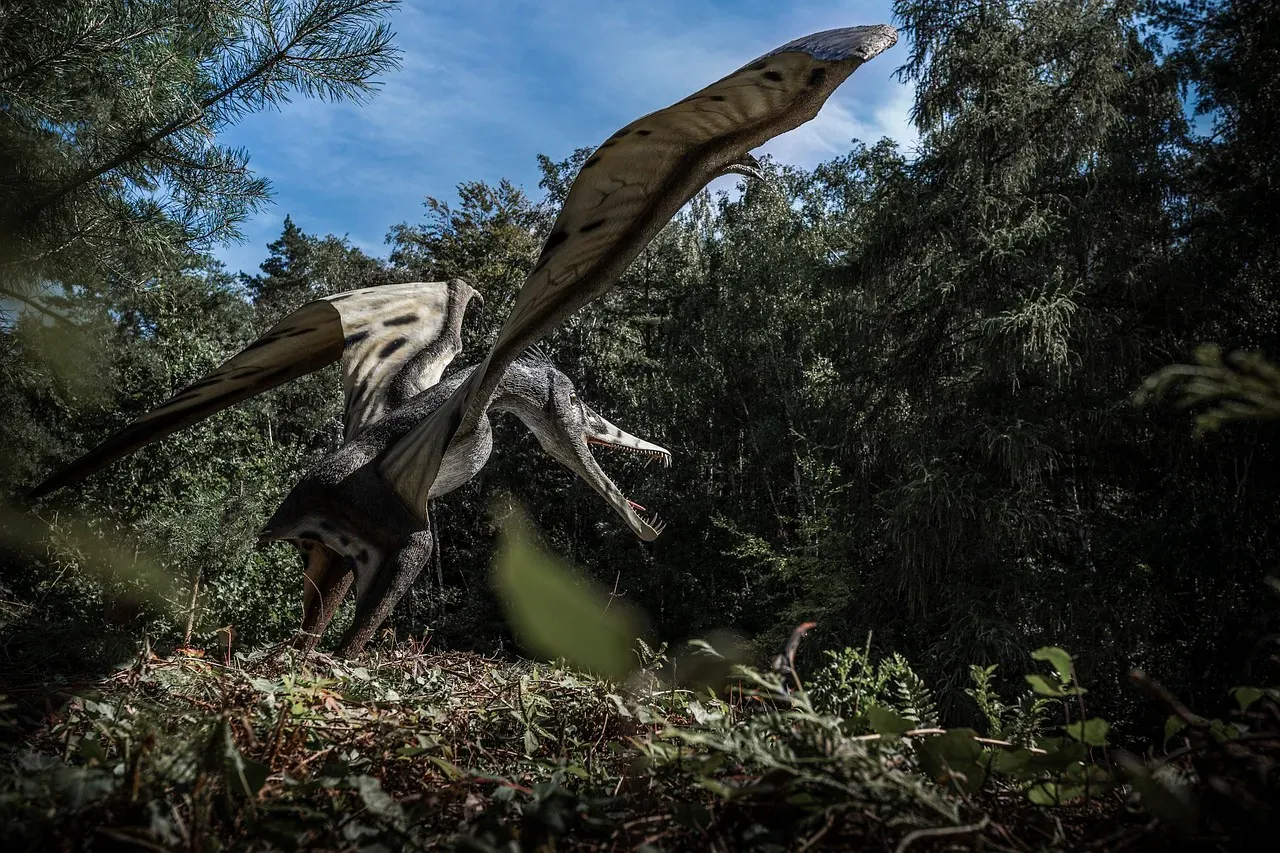
The question of whether pterosaurs remains hotly debated among scientists. For the majority of pterosaur species, their ability to fly as soon as they emerged from the egg and numerous flaplings found in environments far from nests alongside adults has led most researchers to conclude that the young were dependent on their parents for a relatively short period. Yet more recent evidence complicates that picture.
More than one thousand Pteranodon specimens were found in the middle of what was once the Western Interior Sea, leading paleontologists to believe hatchlings and juveniles may have required parental care, with only adults and nearly grown sub-adults found out to sea, so very young Pteranodons may not have been strong fliers and unable to fend for themselves. Living species showing the developmental pattern seen in the larger Pteranodon tend to have young that are not capable of independent movement, and in these animals intensive parental care including feeding the young is the norm. It seems that larger pterosaurs traded self-sufficiency for size, with parents sticking around to help their awkward youngsters grow into sky-dominating giants.
What do you think about these prehistoric parents? Were they as devoted as the evidence suggests, or are we reading too much into scattered fossils? Either way, one thing is clear: the ancient world was far more nurturing than we ever imagined, and these long-extinct creatures had family bonds that might have rivaled anything we see today.