Imagine finding a set of claws so long and thin they look more like swords than body parts, and then realizing you have almost no idea what sort of creature they belonged to. That is exactly the scientific headache Therizinosaurus caused. For a long time, this dinosaur was basically a set of terrifying fingernails and a whole lot of guesswork, and honestly, that mystery is a big part of why it has become such a cult favorite today.
In a world obsessed with tyrannosaurs and raptors, Therizinosaurus is the deeply weird cousin that refuses to fit in. It twisted paleontologists in knots for decades because it broke so many expectations about what a dinosaur was supposed to look like or eat. If you like stories where the evidence forces experts to admit, again and again, that they might be wrong, this is one of the best in dinosaur history.
The Discovery That Looked More Like a Monster Than a Dinosaur
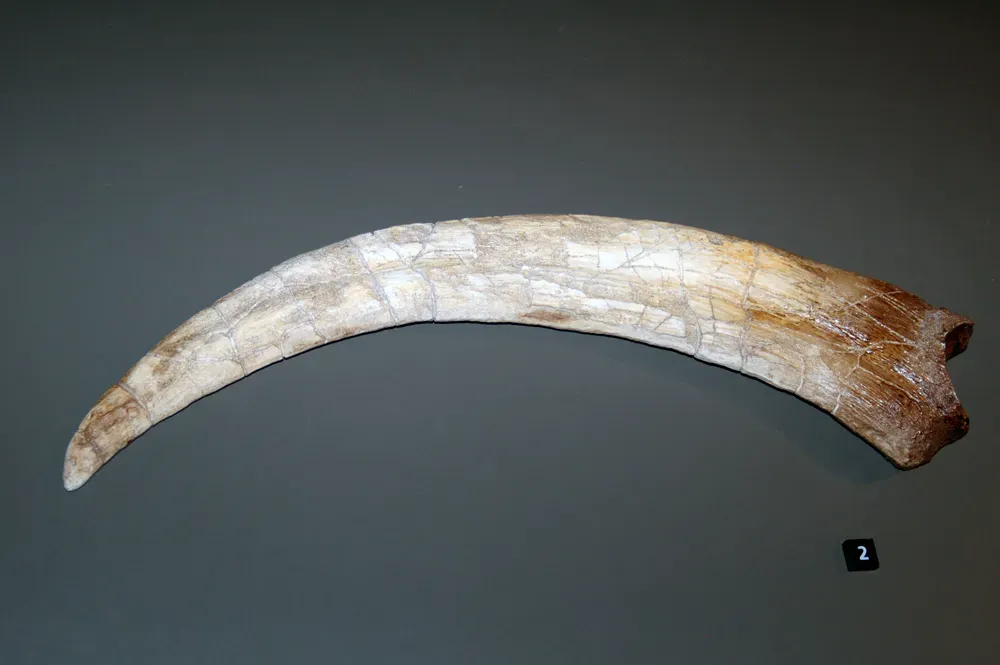
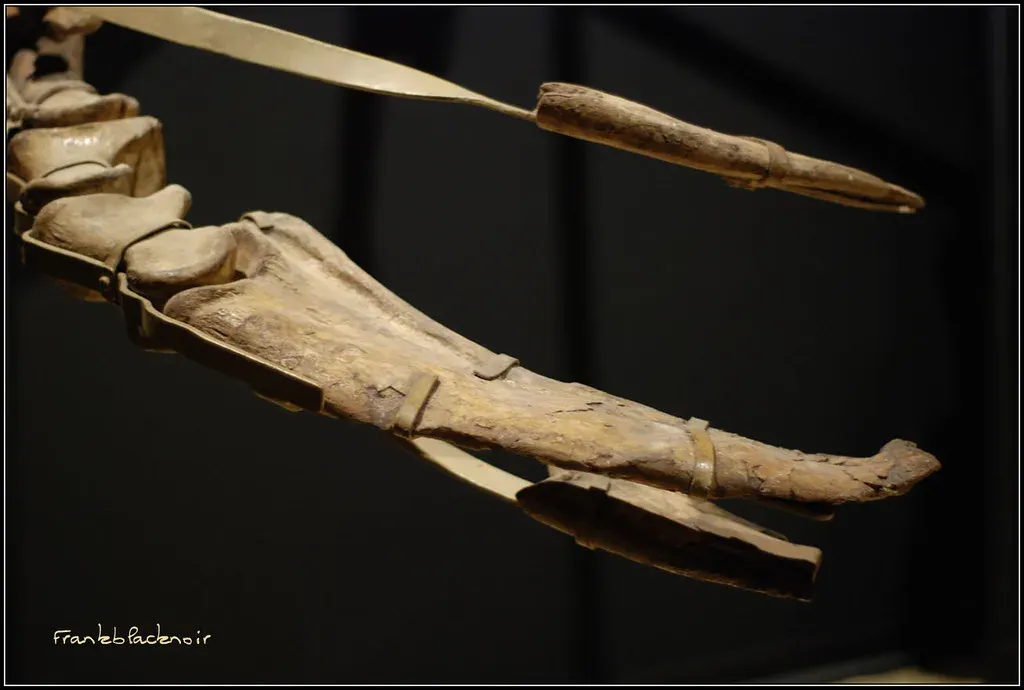
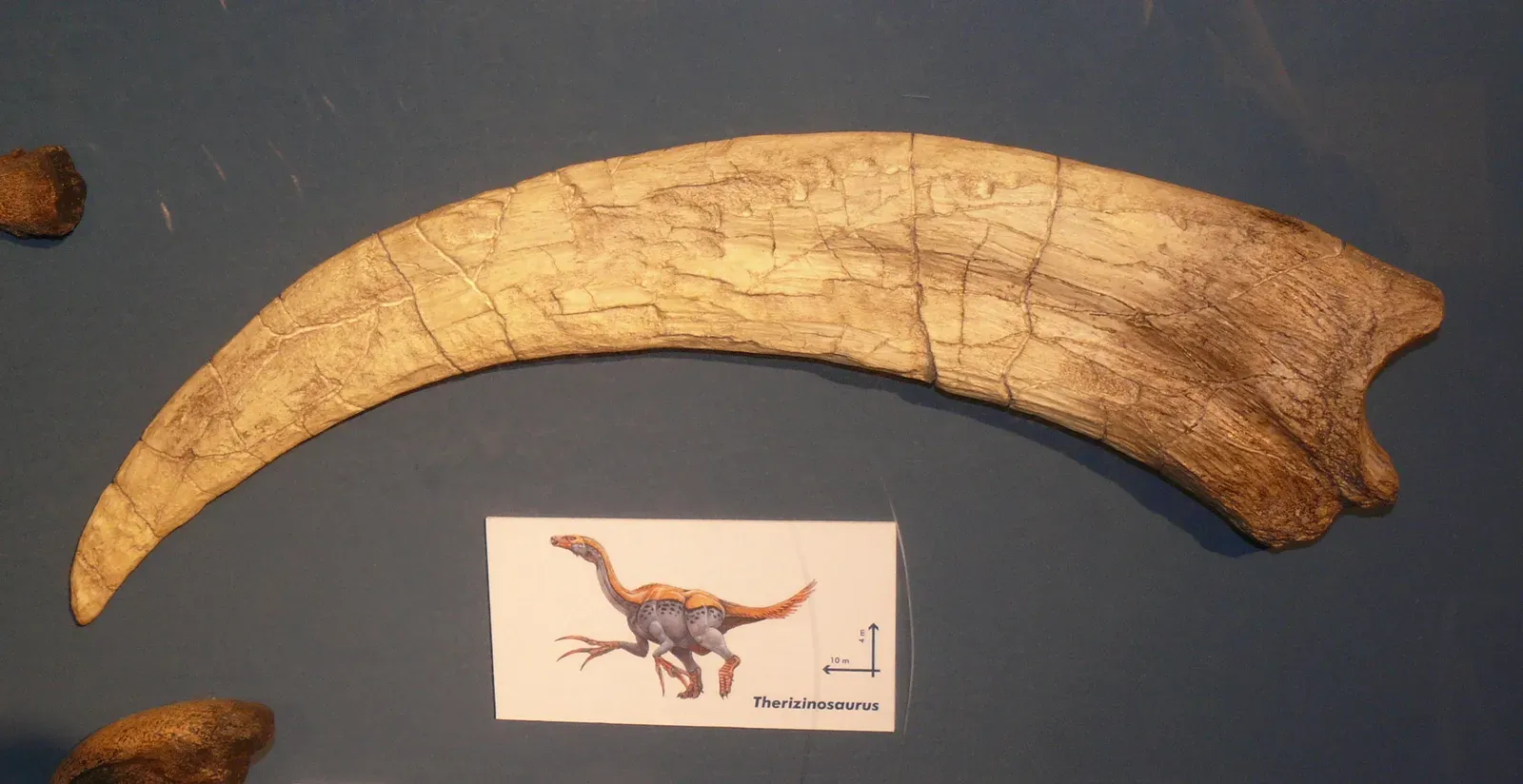
The story of Therizinosaurus starts in the late nineteen forties in Mongolia, when scientists uncovered enormous, blade-like claws attached to fragmentary arm bones. Each claw was close to three feet long, longer than a human toddler is tall, and that immediately set alarm bells ringing. Nothing like this had been seen before, so instead of a neat “aha” moment, it triggered an uncomfortable “what on earth is this” reaction that lingered for years.
To make things harder, almost no other bones were found at first. Imagine trying to reconstruct an entire car from just the windshield wipers: that was effectively the challenge. With huge, curved claws and little else, early researchers could only guess at the size, behavior, and lifestyle of the animal, and every guess felt like a shot in the dark. The claws were too big to ignore but too strange to comfortably fit anywhere on the dinosaur family tree.
Why Scientists First Thought It Was Basically a Giant Turtle
Here’s the twist that sounds almost unbelievable today: those who first studied Therizinosaurus thought it might be a giant, prehistoric turtle or turtle-like reptile. The original interpretation leaned that way because the claws looked like they might have been useful for scooping vegetation from the water, vaguely like some aquatic animals do today. With little more than arm bones to go on, imagining a slow, heavy, water-loving creature weirdly felt safer than imagining a wild new kind of dinosaur.
This turtle idea stuck around in the literature far longer than you might expect, a reminder that even experts sometimes cling to a familiar box when the puzzle pieces do not quite fit. It is almost comical now, because we picture Therizinosaurus as a giant, feathered, pot-bellied dinosaur, not some shell-backed swimmer. But that is the point: when the evidence is fragmentary, scientific conservatism can nudge people toward familiar categories, even if the real answer is hiding somewhere much stranger.
Rebuilding the Body: From Claws to a Pot-Bellied, Feathered Giant
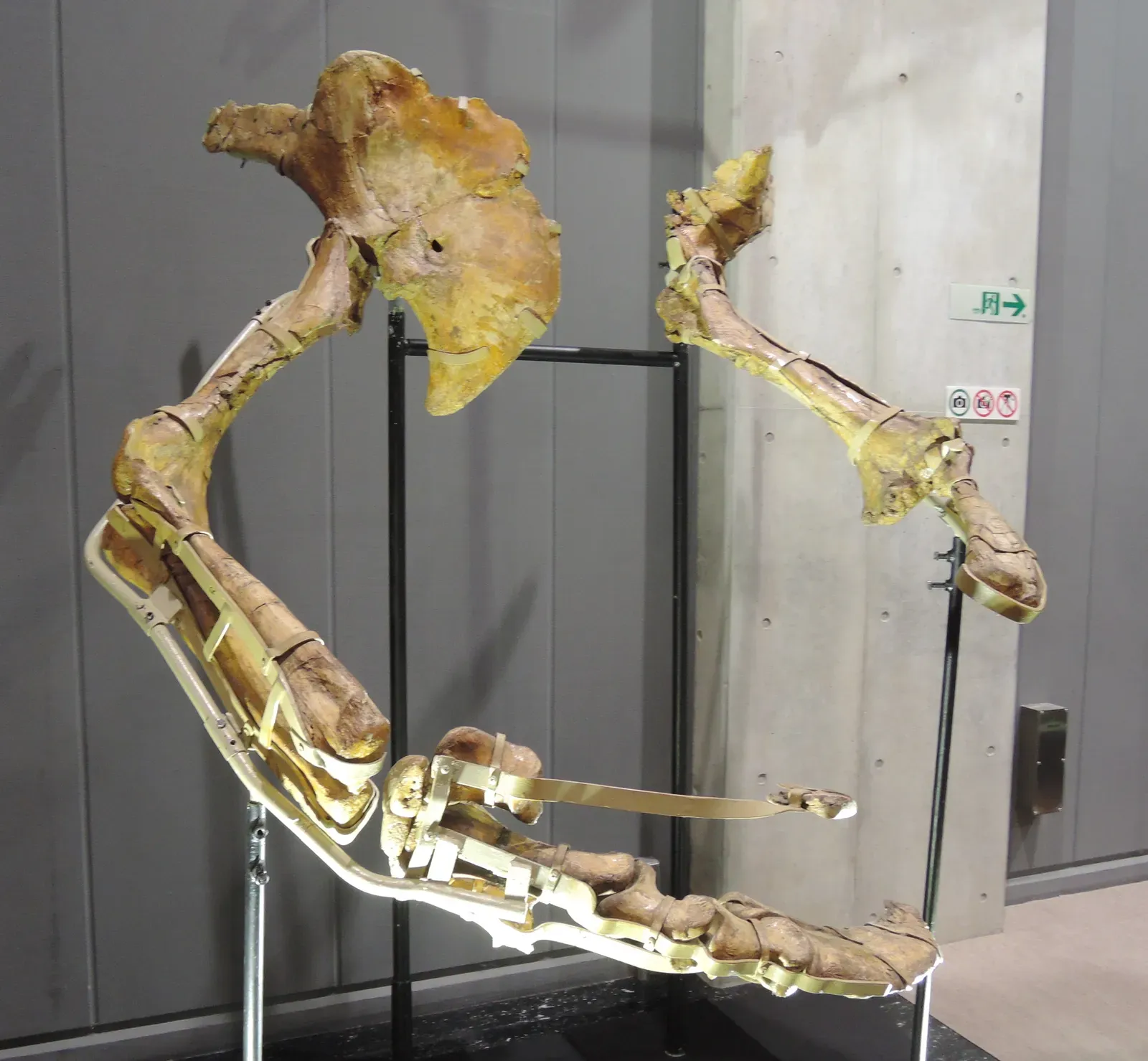
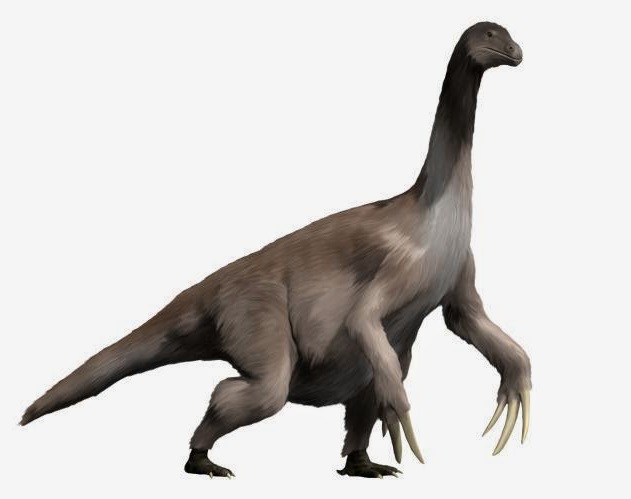
Over the following decades, new fossils from related species started filling in the gaps, first in Mongolia and later from other parts of Asia. These close relatives had similar claws but came with much more complete skeletons: long necks, big torsos, and hips and legs that clearly placed them among theropod dinosaurs, the same broad group that includes tyrannosaurs and modern birds. Instead of sleek, predatory bodies, though, these animals looked oddly bulky, with wide hips and big bellies suited to processing large amounts of plant material.
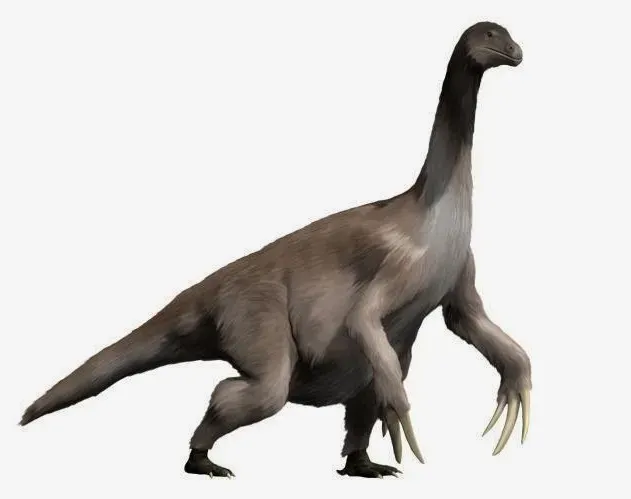
These discoveries gradually pushed Therizinosaurus out of the turtle camp and into a peculiar position among meat-eater cousins that somehow turned mostly or entirely herbivorous. Evidence of feathers or feather-like coverings in related species added another layer of surprise: instead of a scaly horror movie monster, Therizinosaurus was likely a giant, shaggy, feathered animal with huge claws and a wide, rounded body. If most dinosaurs are imagined as reptilian tanks or streamlined predators, Therizinosaurus comes off more like a bipedal, weaponized sloth that decided to cosplay as a bird.
What Those Three-Foot Claws Were Probably Actually For
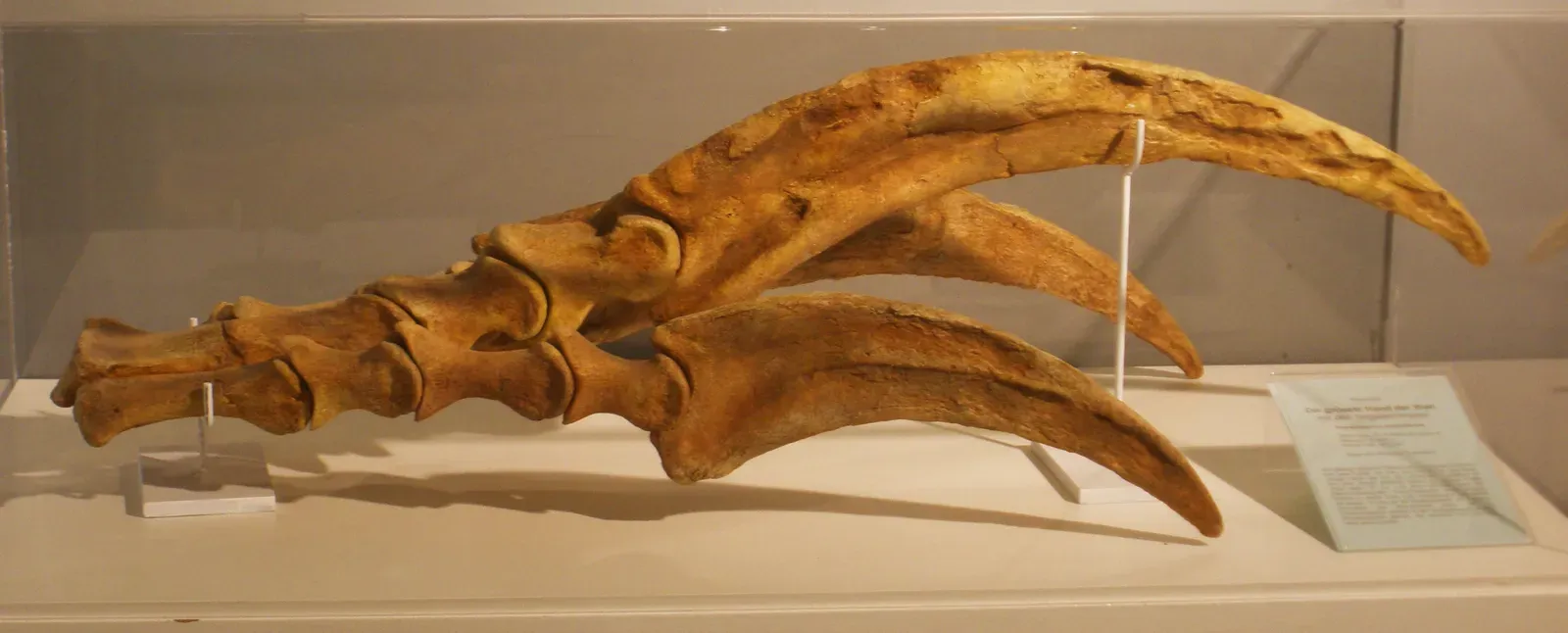
At first glance, those outrageous claws look like they must have been designed for slashing attacks, and you can still find dramatic artwork that shows Therizinosaurus shredding predators or prey in brutal close combat. But when you look closely at the real bones, the picture softens. The claws are long and laterally thin, more like scythes or even oversized gardening tools than sturdy, hacking weapons, and that makes many researchers think they were used more often for feeding and display than for outright killing.
A leading idea is that Therizinosaurus used its claws to hook and pull down branches, strip foliage, or rake in leaves and fruit that shorter-armed herbivores could not reach. The claws might also have served as intimidation tools, making the animal look impossible to ignore, a bit like how some birds today have exaggerated tails or crests that clearly send a message. Could they be used in self-defense? Absolutely – if something that size swings three-foot claws at you, you pay attention – but the everyday job description was likely more about reaching, grabbing, and flexing than constant slashing.
How Therizinosaurus Shattered the “Meat-Eaters vs Plant-Eaters” Stereotype
One of the coolest things about Therizinosaurus is how rudely it ignores our desire for clean categories. For a long time, schoolbooks and documentaries leaned on a simple split: sharp-toothed theropods were the meat-eaters, and broad-beaked ornithischians were the plant-eaters. Therizinosaurus shows that reality was messier. It was clearly a theropod, related to classic predators, but its skeleton and teeth point solidly toward a mainly plant-based diet, with a long neck and big gut space that scream “leaf processing machine.”
This forced scientists and the public to accept that dinosaur evolution experimented far more than the old two-box model suggested. Some lineages of meat-eater relatives turned into omnivores or herbivores, some shrank down into birds, and groups like therizinosaurs did both, becoming feathered, plant-munching giants. That makes Therizinosaurus more than just a weird outlier; it is a poster child for the idea that evolution happily breaks its own patterns, and our tidy labels are usually what end up looking naive.
The Long Scientific Argument That Turned Into a Success Story
For decades, papers and conferences wrestled with where Therizinosaurus and its kin belonged on the dinosaur family tree, and the arguments were not just academic nitpicking. Every new fossil, especially from related species with more complete skeletons, forced people to redraw branches, rethink diets, and sometimes admit that the whole “giant turtle-like reptile” thing had been a dead end. The fact that the story took so long to straighten out is not a weakness of science; it is exactly how science is supposed to work when the data are messy and surprising.
From my point of view, that is what makes Therizinosaurus genuinely inspiring. It proves that paleontology is not just a parade of cool monsters; it is a long, humbling conversation with rocks that do not care what you think. Early interpretations can be flat-out wrong, cherished ideas can crumble, and that is not a failure – it is progress. The Therizinosaurus saga shows that when scientists argue for decades and then slowly converge on a stranger, more complex answer, we should not roll our eyes; we should celebrate that patience and admit that nature is under no obligation to be simple for our sake.
Why This Bizarre Dinosaur Matters More Than Ever Today
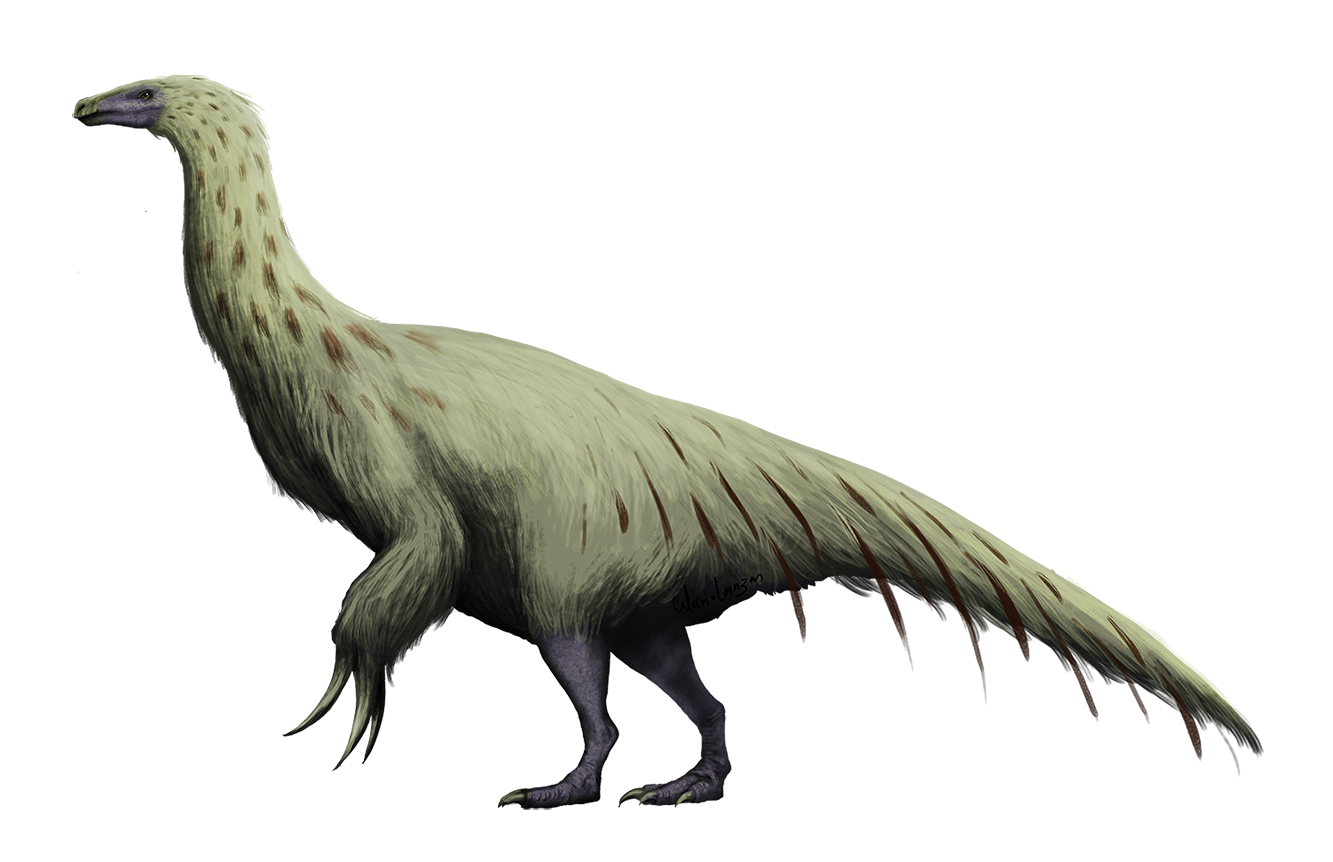
So why should anyone in the twenty-first century care about a giant, feathered dinosaur with garden tools for hands? For one thing, it is a vivid reminder that life on Earth has produced forms far stranger than anything we usually imagine. When you picture Therizinosaurus trudging through a prehistoric forest, using arms longer than a person is tall to rake down branches, it shrinks the distance between our world and that lost one. It makes the deep past feel less like a flat museum backdrop and more like a real, chaotic ecosystem full of misfits and evolutionary experiments.
More personally, I think Therizinosaurus is a quiet rebuke to overconfidence – scientific, social, even personal. For years, highly trained experts were sure they knew what it was, and they were wrong until new evidence forced them to rethink everything. That is a useful story to keep in your back pocket the next time anyone insists the world is already fully mapped and understood. If one set of claws can overturn decades of assumptions, what else out there is waiting to shock us in the best possible way?