When you think about architects, your mind probably jumps to those who design buildings and cities. Rarely do we consider the quiet, centuries-old forces that have been sculpting one of the most biodiverse regions on Earth. The Pacific Northwest doesn’t reveal its secrets easily. This temperate region, stretching from Northern California through Alaska, holds a story that spans millions of years – a tale of glaciers, volcanic soils, and interconnected life forms working together to create something extraordinary.
You might walk through a forest and see only trees. Yet beneath your feet and high above in the canopy, an intricate world pulses with activity that most people never witness. The true architects of this region’s biodiversity aren’t singular species or isolated events. They’re entire ecosystems that have evolved together, shaped by fire and ice, by nutrient cycles invisible to the naked eye, and by relationships so complex scientists are only now beginning to understand them.
The Legacy of Ice and Fire
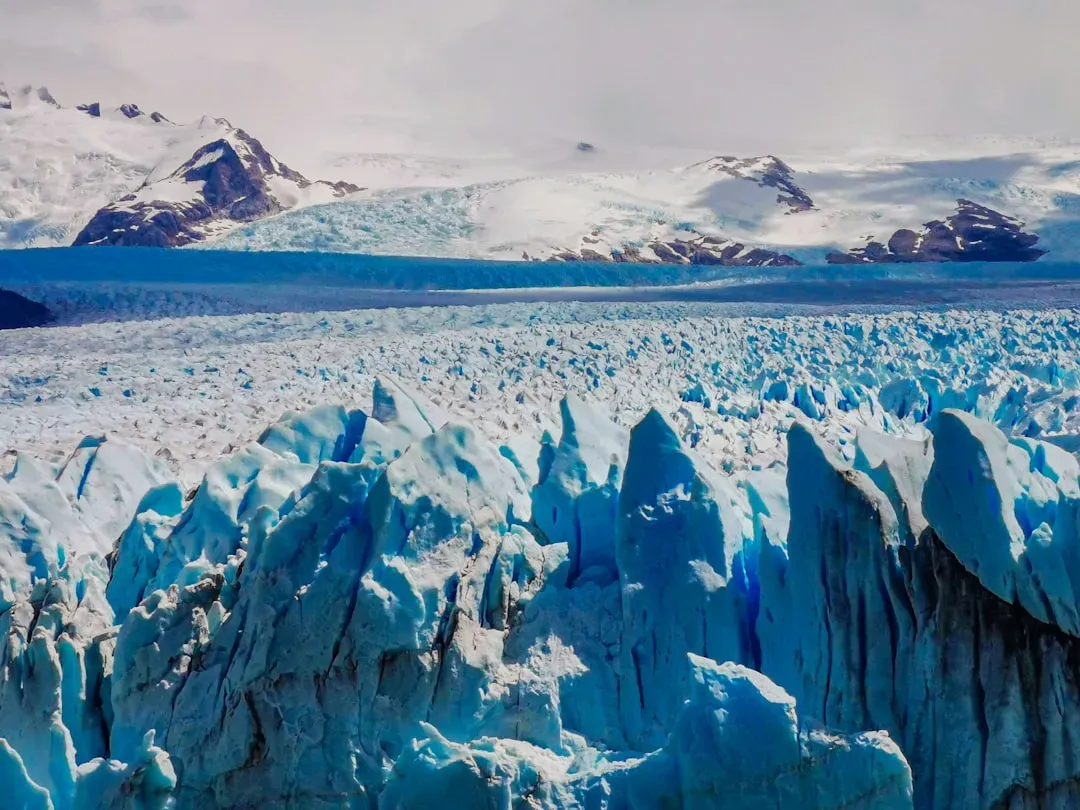
Around thirteen thousand to ten thousand years ago, the last glacial period fundamentally reshaped the Pacific Northwest, with the Cordilleran Ice Sheet and subsequent climate shifts creating the rich biodiversity and unique ecosystems present today. Think about that for a moment. The forests you see now are remarkably young in geological terms.
The massive Cordilleran Ice Sheet carved out the landscape of Washington State and the Puget Sound Region, leaving behind sediments and nutrient-rich soils that fostered the growth of dense coniferous and deciduous forests. Honestly, it’s hard to imagine the sheer power required to shape an entire landscape. As the climate warmed, glacially formed lakes and wetlands became havens for fish, amphibians, and waterfowl, while mammals like bears and elk thrived in the lush forests, with these geological transformations providing the ecological framework for thriving biodiversity.
Old-Growth Forests: Nature’s Cathedral
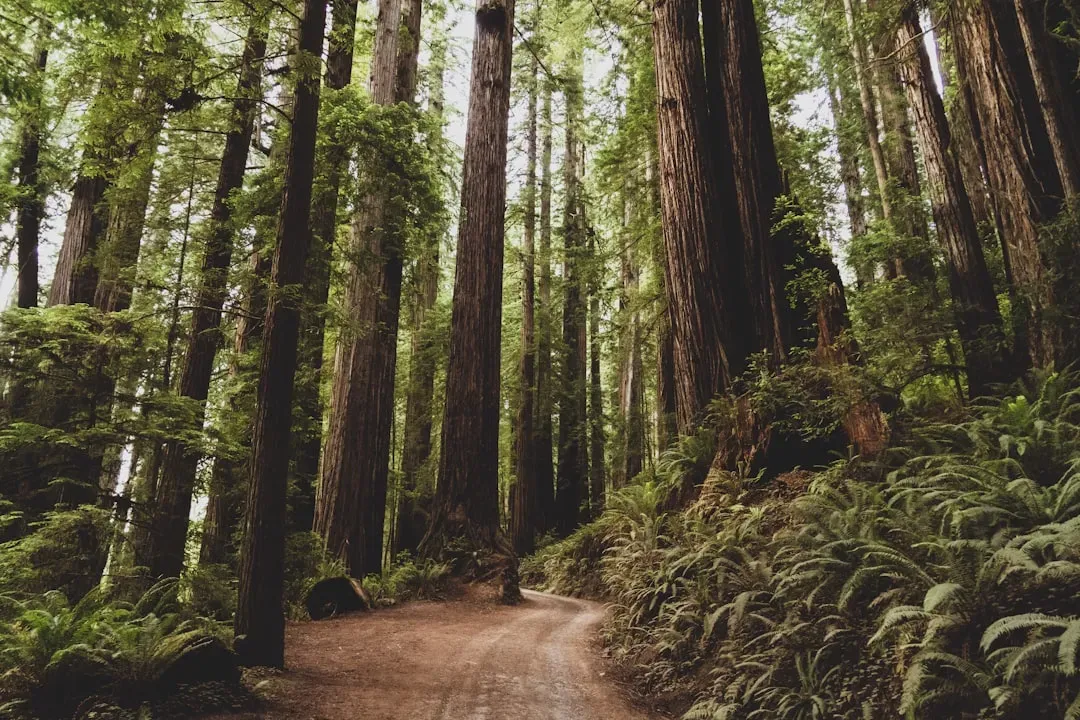
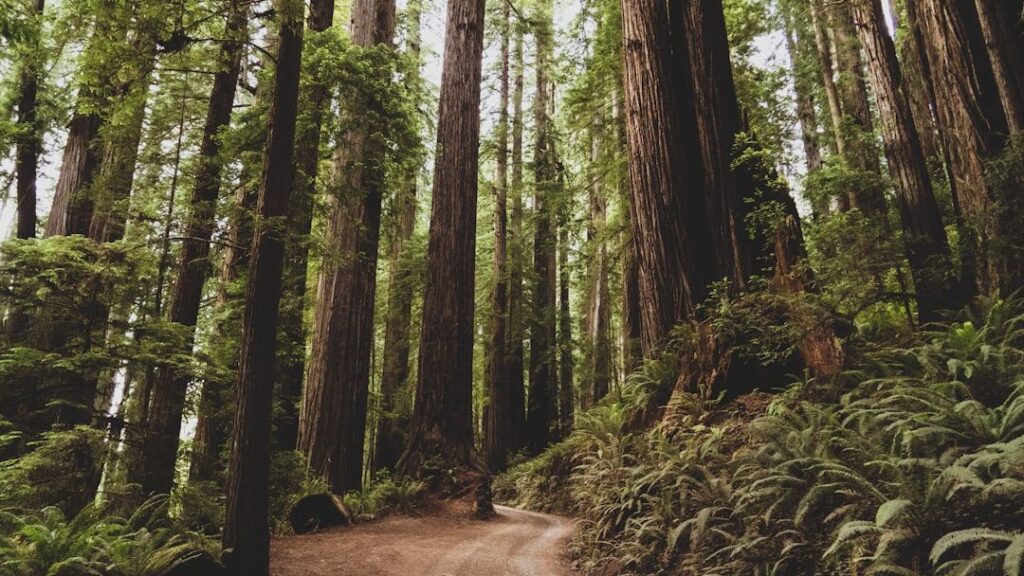
Pacific old-growth forests are characterized by unique structural attributes, including tree size, dead woody materials, canopy layers, species compositions and ecosystem function, not simply age alone. Here’s the thing most people don’t realize: old-growth isn’t just about ancient trees standing around looking impressive.
The ecosystem of Pacific temperate rainforests is so productive that the biomass on the best sites is at least four times greater than that of any comparable area in the tropics, and in sheer mass of living and decaying material these forests are more massive than any other ecosystem on the planet. The complexity of these forests sets them apart, with their mix of species, ages and structure that boosts biodiversity. Standing snags provide homes for countless species, while fallen logs become nurse logs nurturing the next generation.
The Hidden Networks Beneath Your Feet
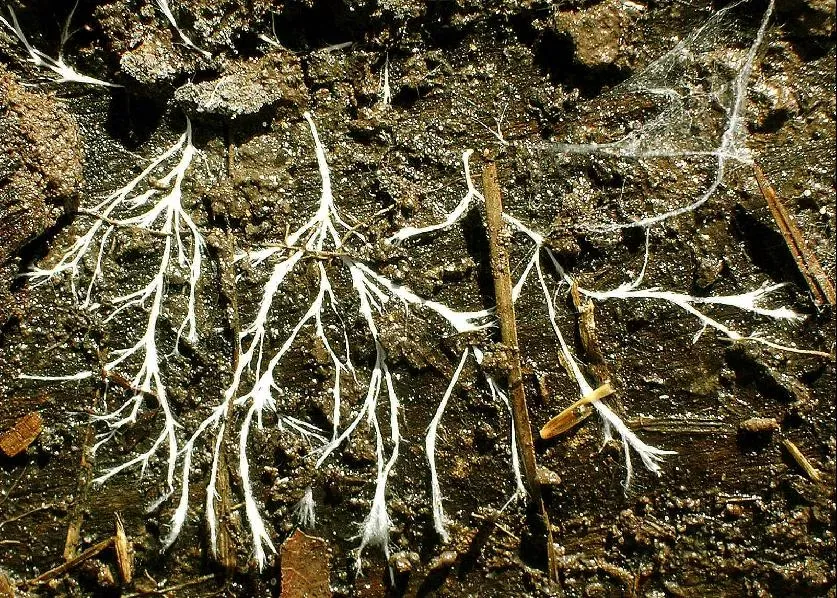
Let’s be real: this might be the most fascinating part of the whole ecosystem. Mycelium are incredibly tiny threads of the greater fungal organism that wrap around or bore into tree roots, and taken together compose a mycorrhizal network which connects individual plants together to transfer water, nitrogen, carbon and other minerals.
Hub trees, also referred to as mother trees, are the older, more seasoned trees in a forest that typically have the most fungal connections, with roots established in deeper soil that can reach deeper sources of water to pass on to younger saplings, and through the mycorrhizal network these hub trees detect the ill health of their neighbors from distress signals and send them needed nutrients. This underground internet has been operating for hundreds of millions of years, long before humans ever thought about connecting computers. The sophistication is humbling.
Where Ocean Meets Forest: The Salmon Connection
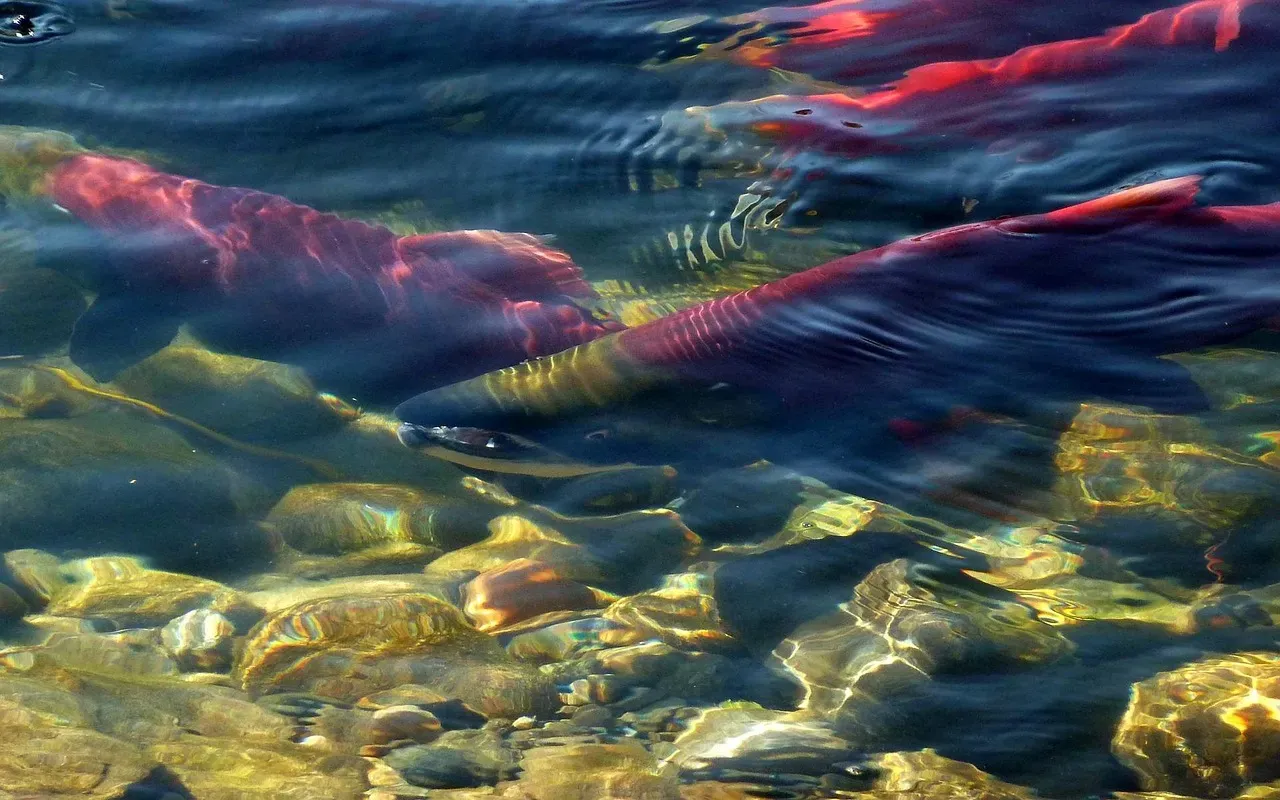
Salmon are fundamental to the health of forest ecosystems in the Pacific Northwest, as they return home to spawn and die, bringing with them a large pulse of nutrients that helps drive stream and forest ecosystems, and by absorbing the nutrients from decaying fish, salmon actually provide nitrogen to trees, which is a limited nutrient in forest ecosystems. It sounds crazy, but it’s true.
Certain tree species can grow up to three times faster when influenced by salmon. The connection between a fish swimming upstream and a towering Douglas fir is direct and measurable. Spawn-spent lamprey carcasses, packed with micronutrients from years eating at sea, fall to riverbeds, boosting plant life and food biodiversity for the whole freshwater ecosystem as well as nearby forests, and scientists have even found evidence of the lamprey and other ocean life in giant evergreens of the Pacific Northwest in the form of phosphorus from the sea.
A Diversity Unmatched by Most Tropical Regions
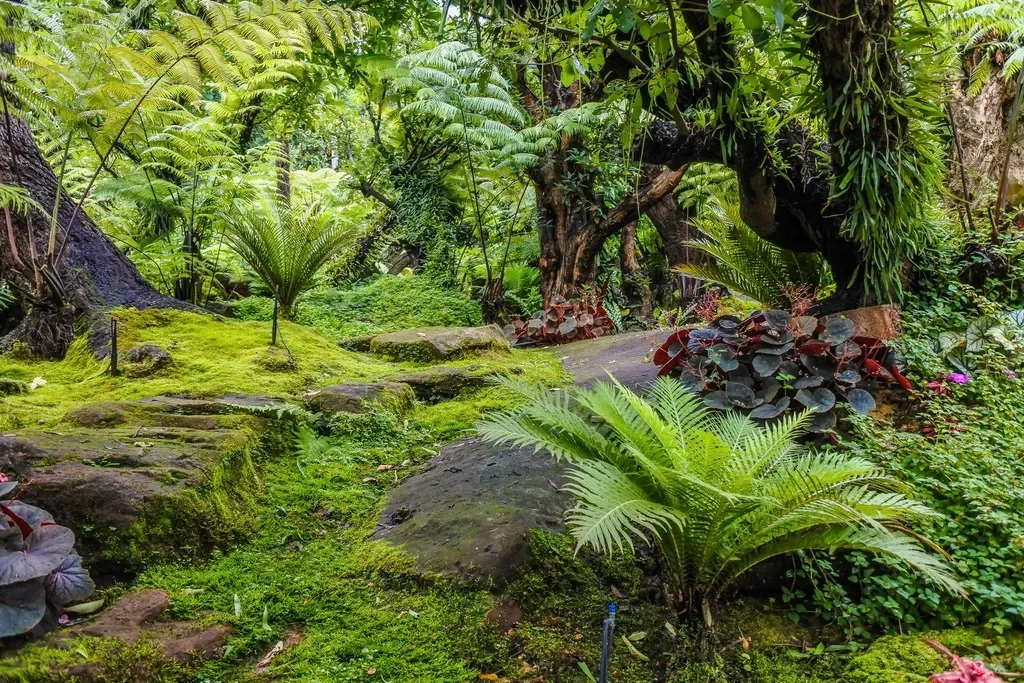
The first survey to systematically explore the forest canopy in the Carmanah Valley of Vancouver Island yielded fifteen thousand new species, a third of all invertebrates known to exist in all of Canada, among which were five hundred species previously unknown to science. Let that sink in. One valley. Fifteen thousand species.
In the drier portions of the Klamath-Siskiyou region there are spectacular old-growth forests with the most conifer diversity in the nation, with over thirty different species of cone bearing trees. The coastal temperate rainforests are among the most magnificent forests in the world in terms of productivity, stature, and biomass, and are especially rich in epiphytes, fungi, amphibians, birds, and soil and canopy invertebrates. The sheer variety of life forms creates ecological niches you couldn’t dream up if you tried.
The Climate Engineers
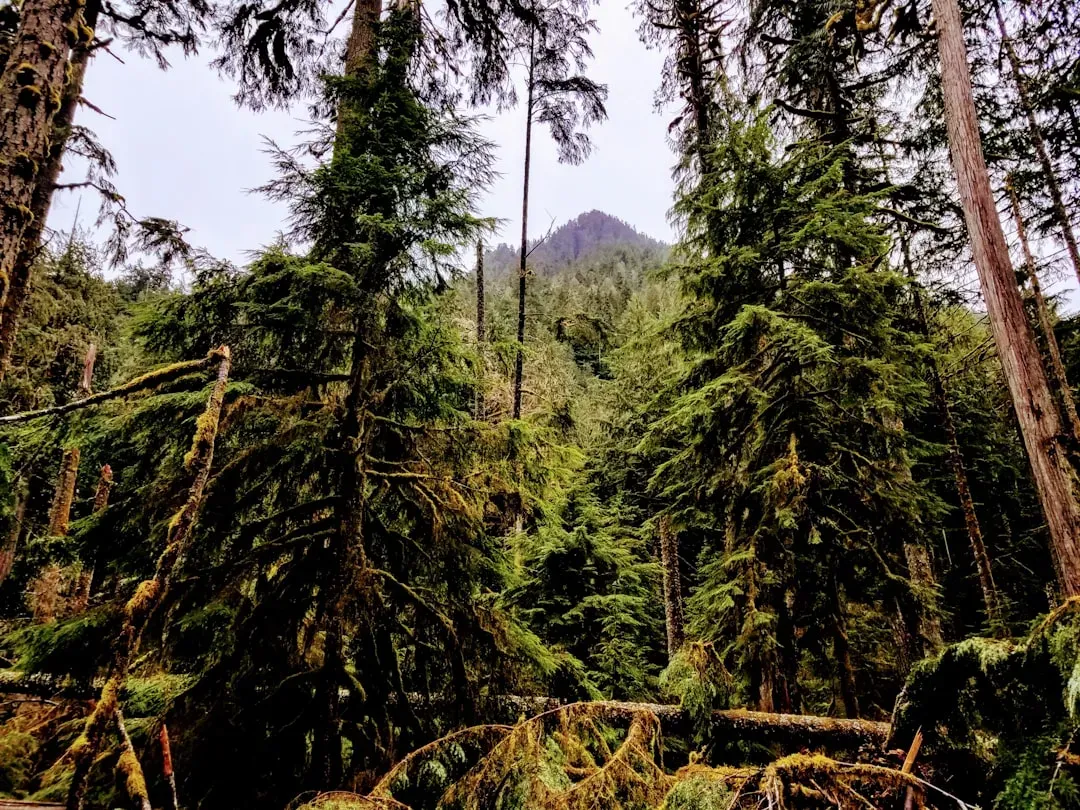
Around thirty-five hundred years ago, the climate of the Pacific Northwest began shifting toward cooler and wetter conditions, under which the temperate rainforests reached their current state of biological richness and productivity with towering coniferous trees like Douglas fir, western hemlock, western red cedar, and Sitka spruce flourishing, with many individuals reaching over two hundred feet in height and surviving for over five hundred years. The trees themselves became architects of their own climate.
These ecosystems are marked by old-growth forests with multiple layers of vegetation including a thick canopy, midstory trees, an understory of shrubs and ferns, and a diverse array of mosses and fungi carpeting the forest floor, and these forests are unique on a global scale, as few regions outside the Pacific Northwest have the right combination of temperate climate, high rainfall, and low fire frequency to support such expansive conifer-dominated forests. Different rainfall zones created different forest personalities across the landscape.
Indigenous Stewardship and Ecological Wisdom
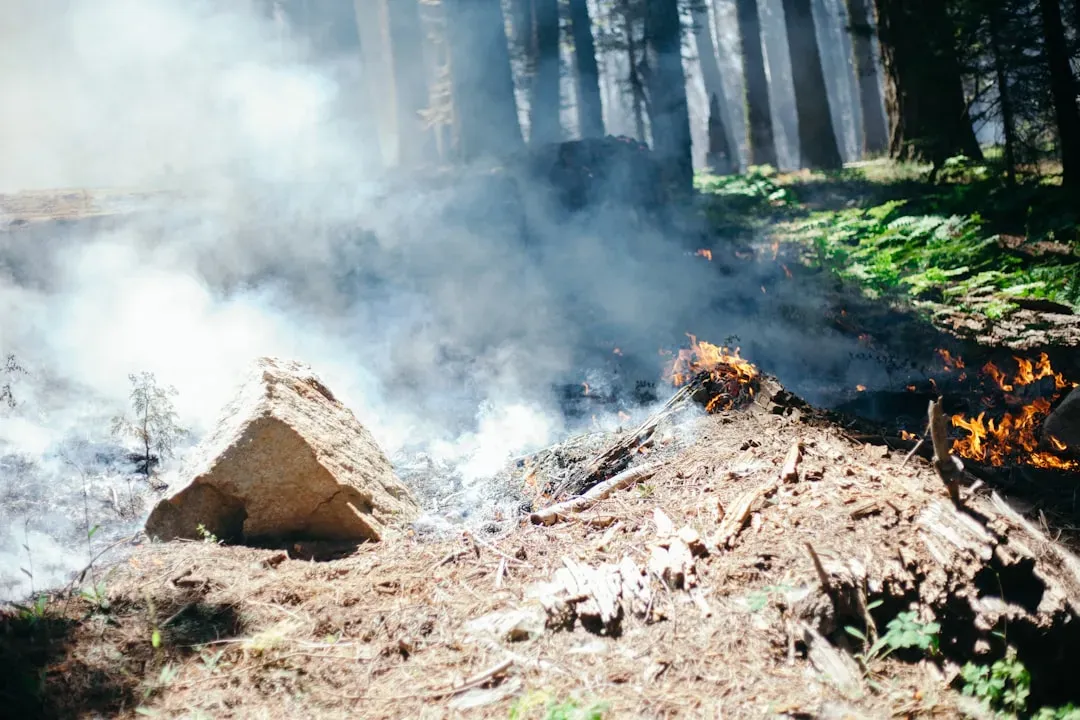
Aboriginal peoples managed parts of the ecosystems following the last glacial period, frequently using prescribed burning to boost edible plant productivity, hunt wildlife, limit the growth of conifers, and facilitate travel, particularly in the northern parts of the oak’s range. This wasn’t random burning or simple land clearing.
Indigenous people have distinct traditional ecological knowledge relating to the management of their ancestral homelands, and Indigenous land-use legacies lead to distinct biodiverse ecosystem functions and services. For thousands of years, these practices shaped the ecosystems in ways that enhanced biodiversity rather than diminished it. The forest you see today carries the fingerprints of these ancient management strategies, though many people walk through without ever realizing it.
What Have We Lost, What Remains
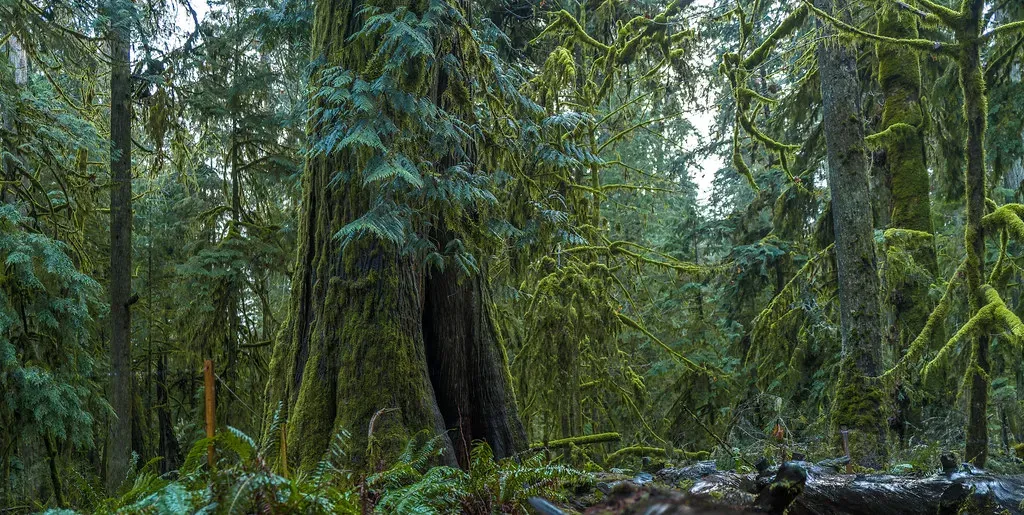
The historical extent of old-growth forest in the Pacific Northwest was roughly two-thirds of the total land area, and since the time of European settlement, approximately seventy-two percent of the original old-growth conifer forest has been lost, largely through logging and other developments. The math is sobering.
All but a few precious pockets of old-growth forest have been lost in the Oregon Coast Range, southern Washington, and much of the southern coastal zone of British Columbia, but large stands remain in the Olympic Peninsula and in the Great Bear Rainforest region north of Vancouver Island on the mainland coast of British Columbia. Scientists estimate that about half of the old-growth forest that existed on the western side of the Pacific Northwest at the beginning of the twentieth century has been logged, and the continuous fragmentation of this valuable forest type is accelerating declines in a multitude of species, including the northern spotted owl. What remains is precious beyond measure – these aren’t just trees, they’re living libraries of evolutionary information.
So what do you think? Did you expect that the true architects of biodiversity would be so interconnected, so dependent on ice ages and salmon runs and fungal threads you can’t even see? The Pacific Northwest teaches us that biodiversity isn’t built by individual species working alone. It’s constructed by entire systems working together across millennia, creating something far more resilient and magnificent than any single organism ever could. The question we face now is whether we’ll protect what’s left of these ancient architects or watch them disappear from the landscape they helped create.