Think about it for a moment. What if some of the strangest features that ever existed in nature weren’t designed for survival at all? Picture a massive creature wandering prehistoric swamps, adorned with a bizarre, tube-like crest jutting from its skull. Scientists puzzled over these odd structures for decades, proposing everything from snorkels for underwater breathing to elaborate cooling systems.
Here’s the thing though. The most outlandish explanations often distract us from what’s hiding in plain sight. Those dramatic head crests weren’t bizarre accidents of evolution or random quirks of ancient biology. The truth is far more relatable and, honestly, a bit more fascinating than you might expect. Let’s dive in and explore what these eccentric ornaments really tell us about life millions of years ago.
Sexual Selection: The Driving Force Behind Dramatic Display
Mutual sexual selection, where both males and females are ornamented and both select mates, has been ignored in research on fossil ornithodirans despite frequent expression in modern birds. This oversight led scientists to miss a critical piece of the puzzle for years. Sexual selection drove the evolution of more complex crest shapes, reflected by multiple evolutionary bursts.
Let’s be real here. When you look at the incredible variety of crests across different dinosaur species, the pattern becomes obvious. Large ornamental structures in dinosaurs, such as horns and head crests are likely to have been used in sexual displays and to assert social dominance. Think of modern peacocks with their extravagant tails or deer with massive antlers. These features come at a cost, making animals more visible to predators and requiring extra energy to grow and maintain.
Crests were not needed by juvenile animals, suggesting they would have been costly prior to adulthood, in turn suggesting a sexually selected function. The evidence is compelling when you consider that young dinosaurs lacked these elaborate structures entirely.
Sound Chambers: Nature’s Ancient Orchestra
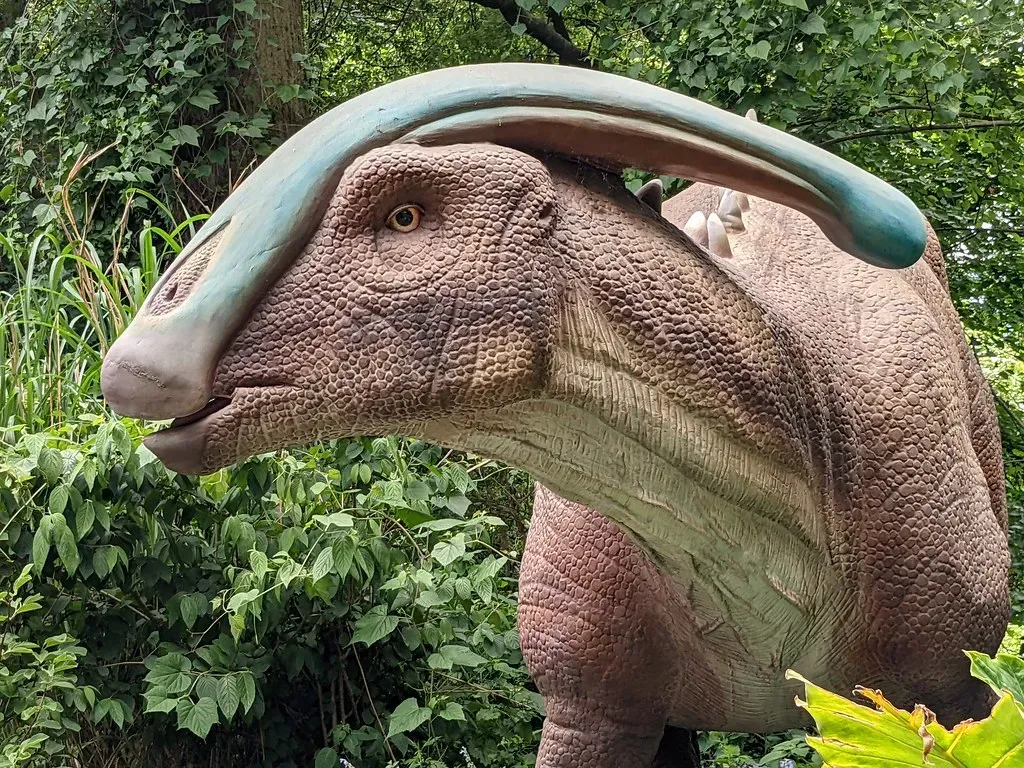
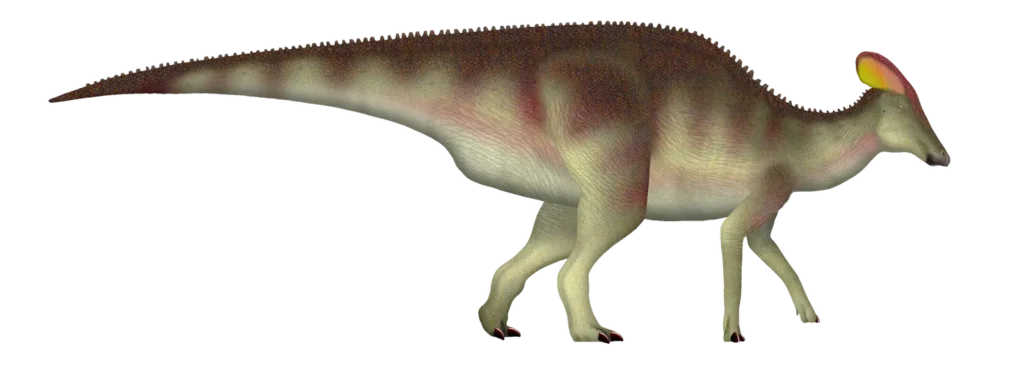
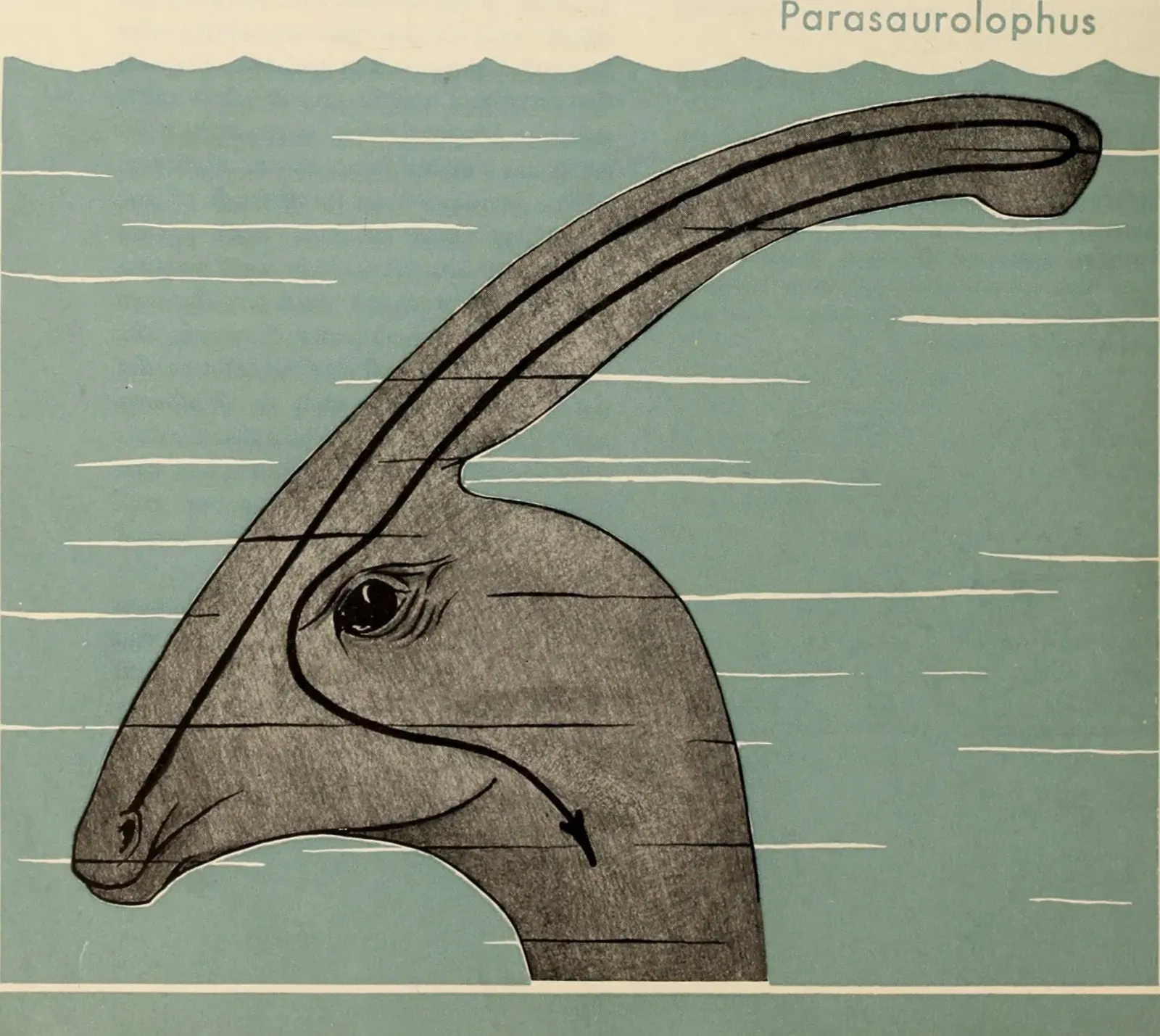
Parasaurolophus is often hypothesized to have used its crest as a resonating chamber to produce low frequency sounds to alert other members of a group or its species. Imagine standing in a Late Cretaceous forest and hearing a deep, trumpeting call echoing through the trees. The internal anatomy of the Parasaurolophus crest was very similar to a woodwind instrument called the crumhorn, and Weishampel proposed that adult Parasaurolophus communicated over long distances through low-frequency sounds.
Researchers actually built physical models to test this theory. Weishampel even created a model of a Parasaurolophus crest using PVC pipe, which sounded something like a tuba when played. The results were remarkable. Scientists speculate that Corythosaurus could make loud, low pitched cries “like a wind or brass instrument”, such as a trombone.
The individual crests would produce different sounds, so it is likely that each species of lambeosaurine would have had a unique sound, and even though the range for different lambeosaurine nasal passages vary greatly, they all probably made low-pitched sounds. Picture a herd of these creatures, each contributing their own distinctive voice to a prehistoric symphony.
Visual Recognition: Standing Out in the Crowd
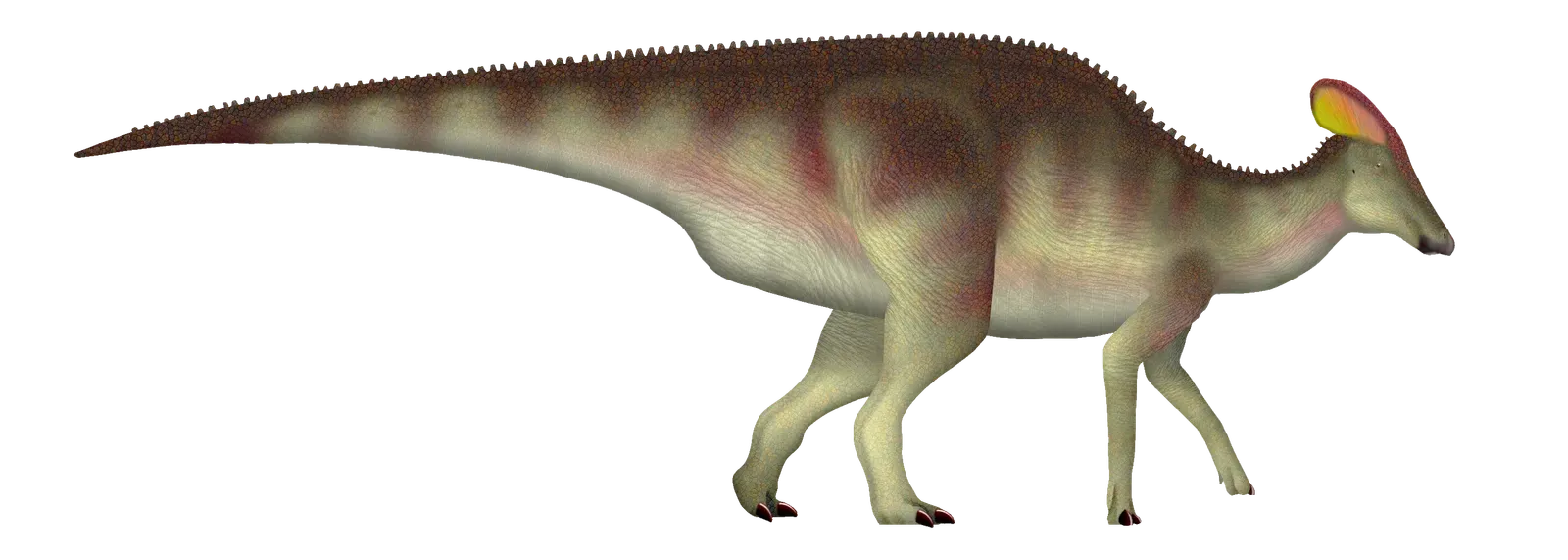
The crest has clear value as a visual signal and sets this animal apart from its contemporaries, and the large size of hadrosaurid eye sockets and the presence of sclerotic rings in the eyes imply acute vision and diurnal habits, evidence that sight was important to these animals. These weren’t creatures stumbling around in the dark. They were visual animals with excellent eyesight, perfectly suited to notice elaborate displays.
Crests of dinosaurs were visual signals so that they could recognize members of their own species, and also tell whether the animal was mature or not. This makes perfect sense when you think about the social dynamics of large herding animals. Distinguishing juveniles from adults, or identifying members of your own species versus close relatives, would have been crucial for group cohesion.
Recent fossil discoveries have provided even more compelling evidence. The discovery in Brazil of wildly different crests among closely related species lends credibility to the theory of species identification. Each species essentially wore its own distinctive badge.
Growth Patterns: Crests Developed at Sexual Maturity
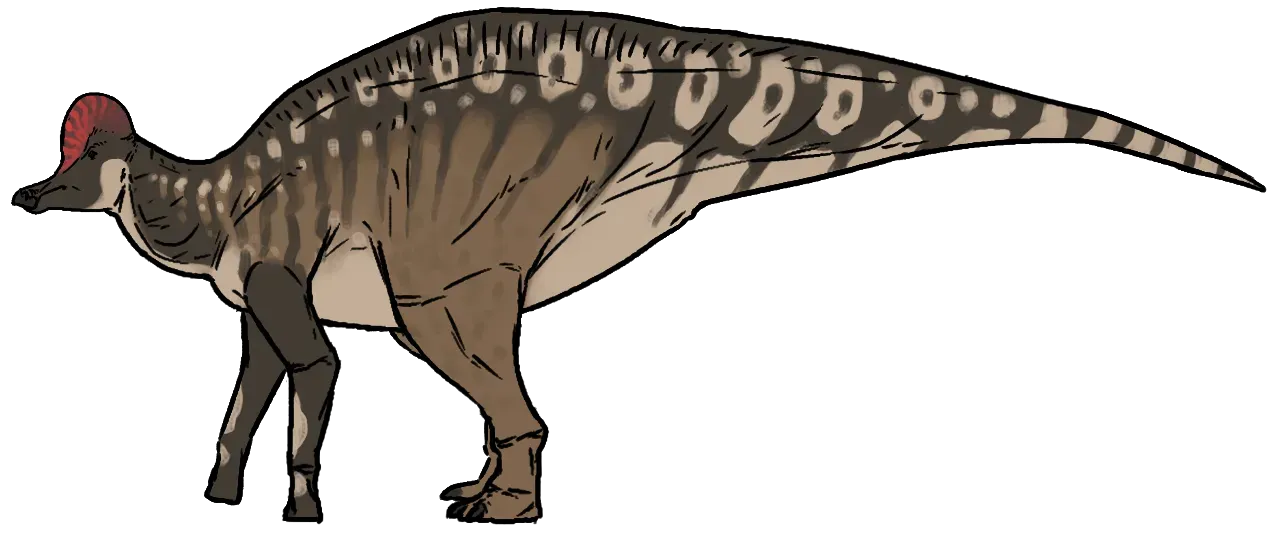
Corythosaurus started developing its crest when they were half the size of adults, but Parasaurolophus juveniles grew crests when they were only 25 percent as long as adults. This timing isn’t random. Structures that develop primarily at or near sexual maturity typically serve reproductive purposes rather than survival functions.
The frill was absent in juveniles and suddenly increased in size as the animals reached maturity suggesting that its function is linked to sexual selection, and might have been used to attract suitable mates by showing off their best attributes or helping them assert the most dominant position in social interactions. The growth pattern follows an unmistakable trajectory.
Crests grew allometrically during ontogeny and only reached their full-size or final adult form late in development. Roughly speaking, if a feature only becomes prominent when an animal reaches breeding age, sexual selection is almost certainly involved.
Multiple Functions: Thermoregulation and Beyond
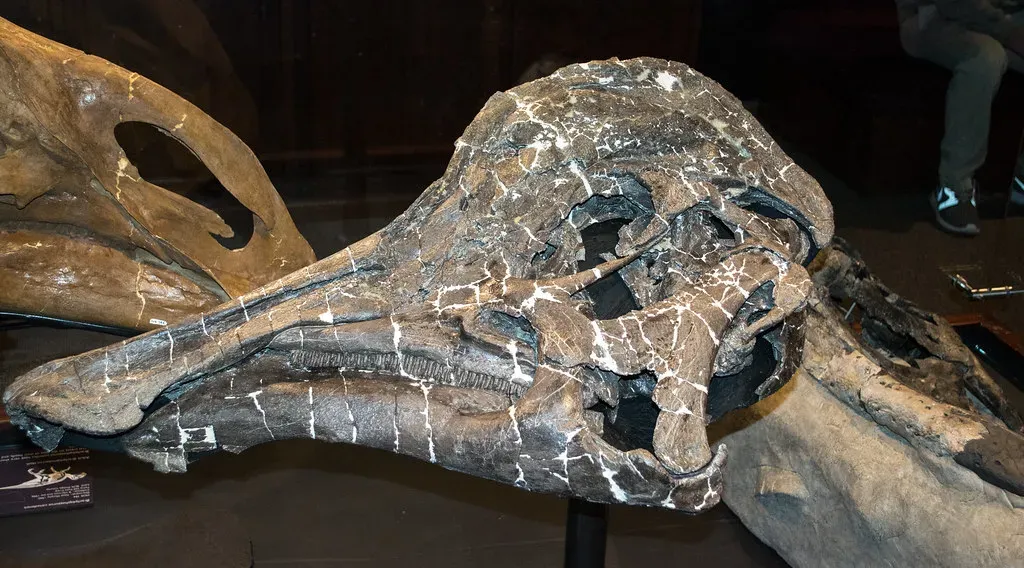
The large surface area and vascularization of the crest also suggests a thermoregulatory function, and in 2006 Evans published an argument about the functions of lambeosaurine crests, and supported why this could be a causing factor for the evolution of the crest. However, it’s hard to say for sure whether temperature regulation was the primary driver or simply a beneficial side effect.
Think about the modern cassowary, a large flightless bird with a prominent head crest. The keratin-sheathed casques of cassowaries, whilst sexually dimorphic and apparently employed in display, may also be used to move debris on the forest floor, as foliage deflectors, and as aids to detecting infrasonic calls. Similarly, dinosaur crests probably served multiple roles simultaneously.
Any given ornament may have one or a number of secondary functions, potentially including thermoregulation, manipulation of the environment and defence against predators. Nature rarely designs single-purpose structures. The crests likely evolved primarily for display but gained additional utility over time.
Species Diversity: A Burst of Evolutionary Creativity
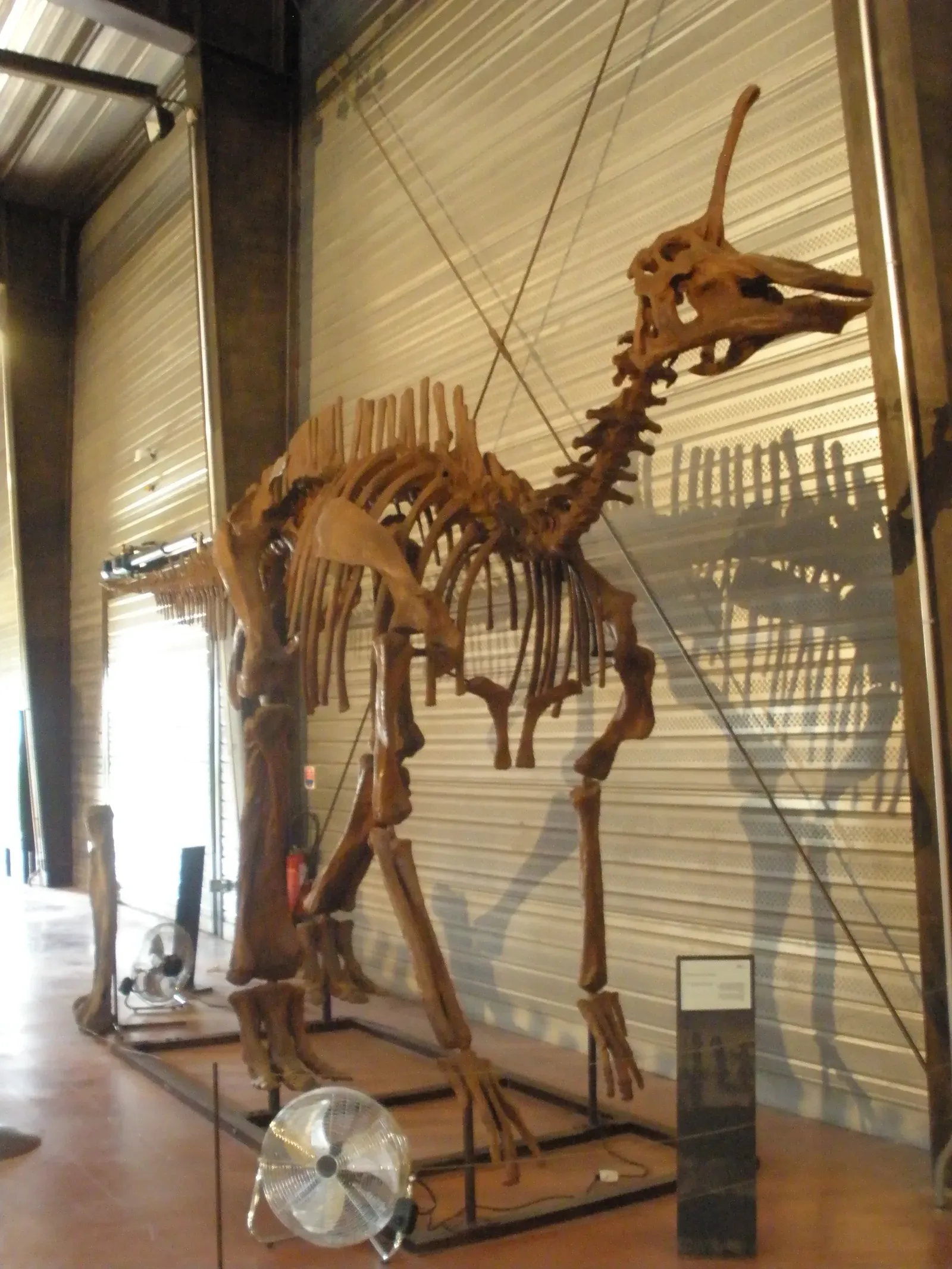
The elaborate display crests kept diversifying in several bursts of evolution, giving rise to the many weird and wonderful shapes. This pattern contrasts sharply with other anatomical features. The unique hadrosaur feeding apparatus evolved fast in a single burst, and once established showed very little change, while hadrosaurs apparently fixed on a feeding apparatus that was successful and did not require massive modification to process their food.
The contrast is striking. Feeding structures remained relatively stable across millions of years, but crests exploded into extraordinary diversity. Sexual selection drove the evolution of more complex crest shapes, and this is reflected by multiple evolutionary bursts. Each new shape represented another experiment in attraction and recognition.
From the helmet-like dome of Corythosaurus to the elongated tube of Parasaurolophus, the variety was astounding. Cranial ornamentation is widespread throughout the extinct non-avialian Ornithodira, being present throughout Pterosauria, Ornithischia and Saurischia. Nearly every major dinosaur group developed some form of head ornamentation.
Modern Parallels: What Living Animals Teach Us
Crests and other exaggerated structures have yet to be shown to play a role in species recognition in any of the extant animals that have them, and species recognition does not appear to be an important function for the horns, frills, antlers and so on of chameleons, hornbills, cassowaries, rhinos, deer, bovids, rhino beetles. Instead, these animals overwhelmingly use their elaborate structures for sexual selection and social dominance displays.
The horns, frills and crests that adorned dinosaur heads may have been used for mating rituals or to intimidate rivals, and fossils show that a Triceratops relative developed larger frills and cheek horns as it matured, suggesting that these decorations helped the species communicate, and possibly catch the attention of mates. The parallel to modern animals is unmistakable.
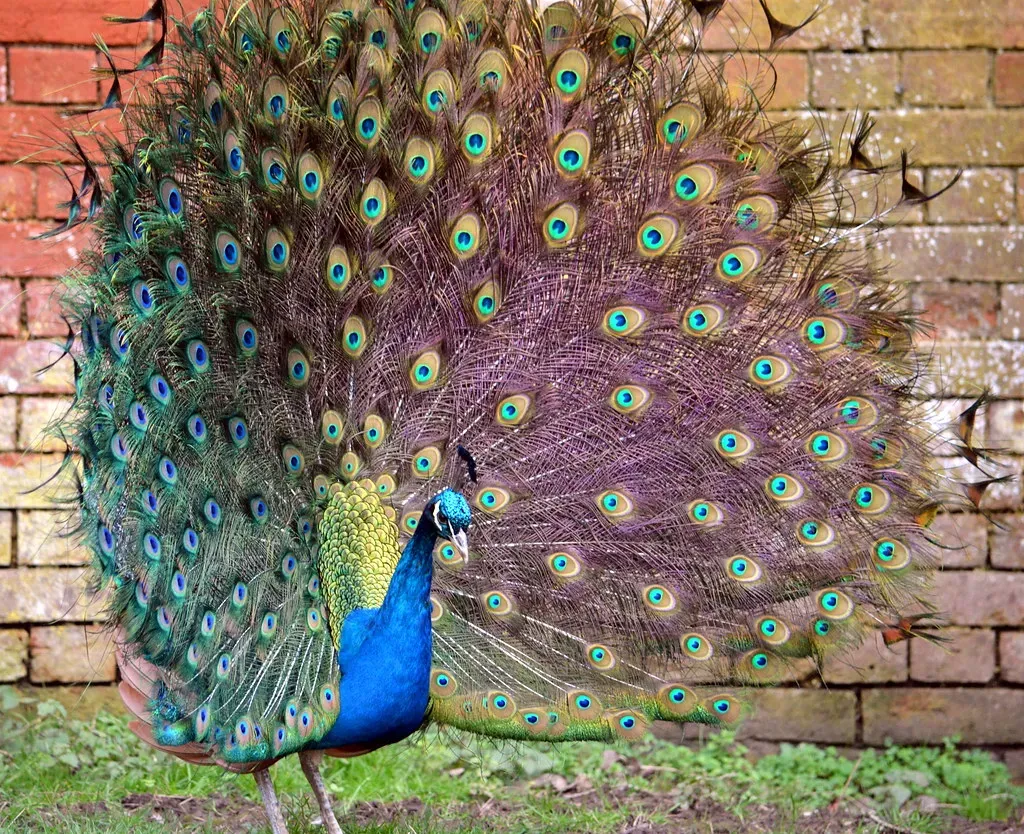
The elaborate but cumbersome tails of peacocks for instance, or the ornate and very beautiful plumes of the birds of paradise. These living examples demonstrate how sexual selection drives the evolution of spectacular but costly display structures. Dinosaurs weren’t so different from today’s most flamboyant creatures.
Conclusion: Romance in the Mesozoic
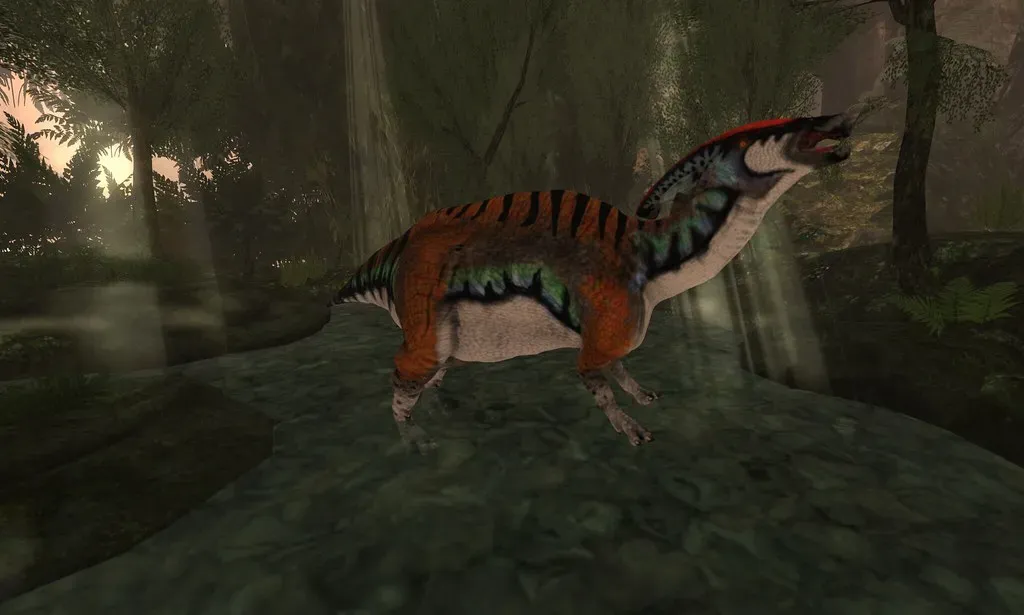
Some form of signalling remains the most viable hypothesis for the function of a great many crests, and what evidence exists, namely late appearance during ontogeny and profound ontogenetic change, provides strong support. The accumulated evidence from growth patterns, internal anatomy, and comparisons with modern animals all point in the same direction.
During mating season, one could imagine dozens of Parasaurolophus calling to each other, much like living alligators and crocodiles do today, and the Late Cretaceous certainly would have been a very noisy place. Those eccentric head crests weren’t survival tools or environmental adaptations in the traditional sense. They were badges of health, attractiveness, and social status.
The true reason dinosaurs developed such elaborate crests comes down to something surprisingly familiar: the ancient dance of courtship and competition. These creatures were showing off, pure and simple. What do you think – does it change how you picture these prehistoric giants? Tell us in the comments.