There’s a strange comfort in thinking the world has always been roughly the size it is now. The deer in the park, the bear in the mountains, the shark out beyond the breakers. But go back even a geological heartbeat and you’d encounter a version of Earth populated by creatures so massive they’d make modern animals feel like afterthoughts. Not just a little bigger. Categorically, overwhelmingly, jaw-droppingly larger.
The word “megafauna” technically refers to any animal above a certain body mass threshold, but the prehistoric examples that earned the name belong to a different league entirely. The most diverse and widespread megafauna existed during the Pleistocene epoch, often called the Ice Age, which ended about 11,700 years ago, an era that saw colossal animals roaming nearly every continent. Once you look at the actual numbers, the numbers don’t let go of you easily.
What Megafauna Actually Means – and Why It Matters
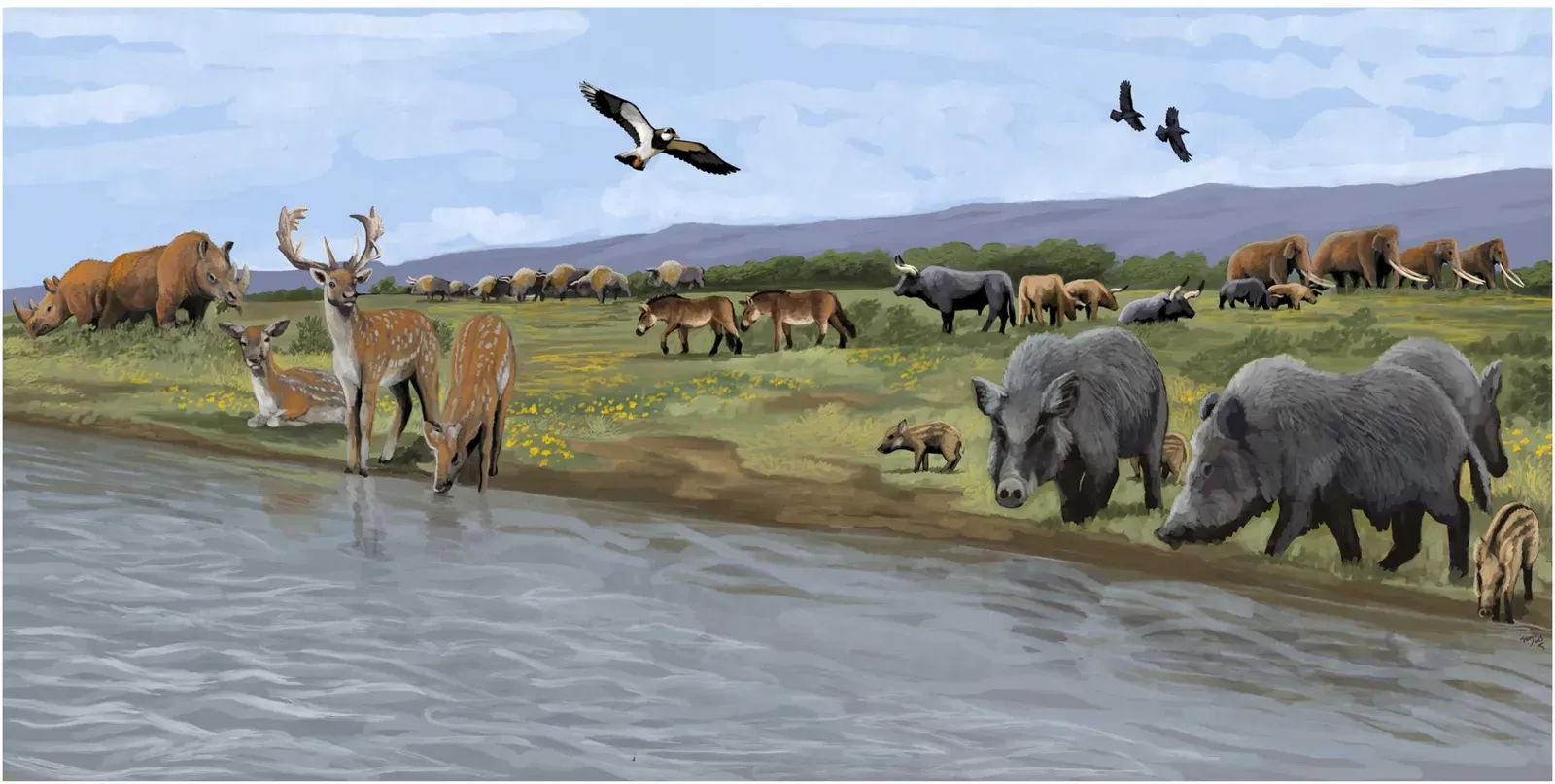
The classification sounds clinical, but the reality it describes is anything but. The term megafauna is a classification based on a specific body mass threshold, with the conventional scientific measure defining megafauna as animals that weigh 44 kilograms or more in adulthood – a functional metric because animals above this size generally share distinct biological characteristics, such as lower reproductive rates and longer lifespans. You’re not just talking about big animals. You’re talking about animals whose size fundamentally reshapes the ecosystems around them.
Lacking effective predators, megaherbivores achieve high population biomass and are considered ecological engineers capable of altering vegetation on a landscape scale, with their large body size meaning they disrupt ecosystem structure by directly destroying woody vegetation and consuming large amounts of foliage. In practical terms, these weren’t just animals living in an environment. They were the environment, in a very real sense.
The Titanosaurs: Land Giants Beyond Imagination
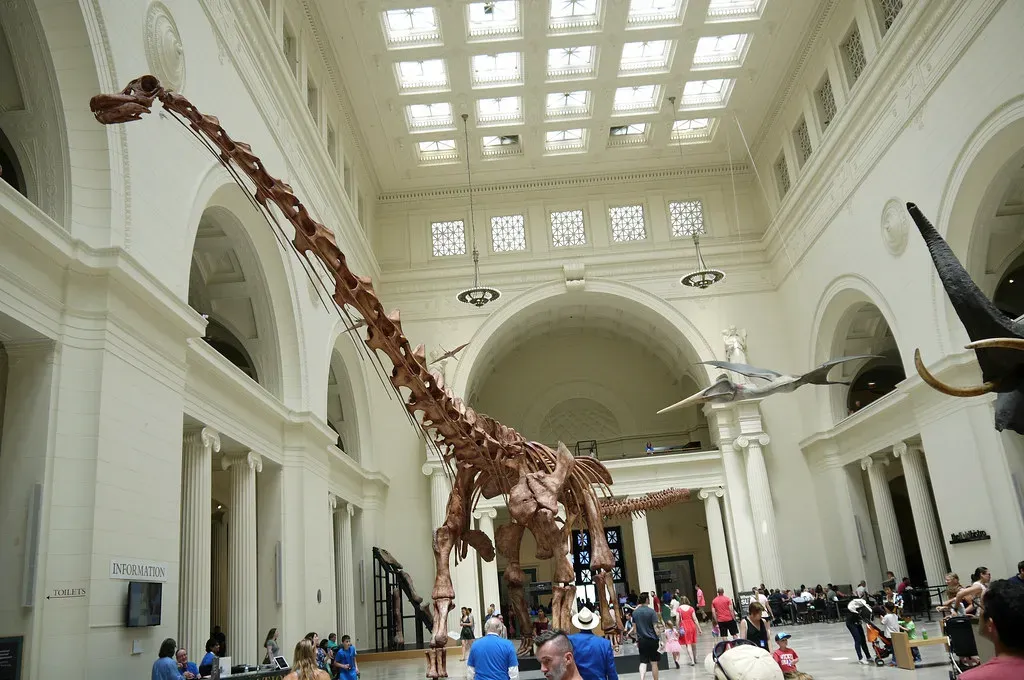
Many of the dinosaurs of the Mesozoic Era were longer and more massive than modern elephants, hippopotamuses, and rhinoceroses, and the largest among them were the sauropods – a collection of four-legged herbivorous species with long necks and tails – with a subgroup called Titanosauria containing the largest of all. If you tried to stand next to one of these animals, you’d be looking up at a creature whose leg alone might tower over your head.
Patagotitan mayorum may have been the world’s largest terrestrial animal of all time, based on size estimates made from a haul of fossilized bones, including a femur that measured 2.4 meters from end to end, and is thought to have weighed approximately 70 metric tons and measured 37.2 meters long. To put that in perspective, that’s roughly the length of four full-sized school buses placed end to end – and it ate plants.
The Woolly Mammoth: Bigger Than the Myth Suggests
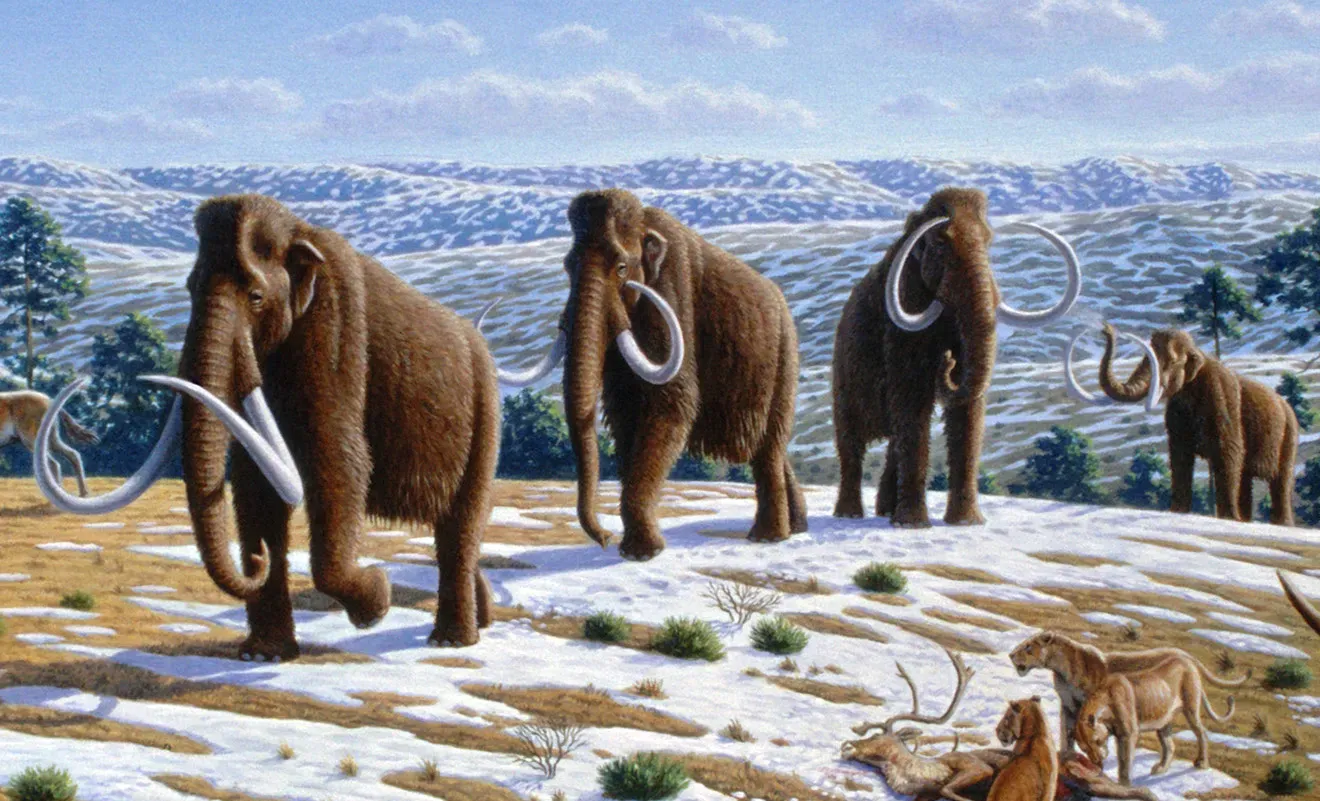
The average shoulder height for male woolly mammoths has been estimated at 2.8 to 3.15 meters, with a weight of 4.5 to 6 tonnes, with females being smaller, reaching a shoulder height of 2.3 to 2.6 meters and a weight of around 2.8 to 4 tonnes. That’s roughly the size of a modern African elephant, but wrapped in dense fur and armed with curved tusks that could reach extraordinary lengths.
Their long, curved tusks could grow up to 4.2 meters long and were used for digging through snow, defense, and displays of dominance among males, while genetic studies indicate that woolly mammoths also had small ears and short tails to reduce heat loss, a trait seen in modern arctic animals. Evidence suggests that woolly mammoths persisted until as late as 4,300 years ago on Wrangel Island in the Chukchi Sea, when they ultimately succumbed to the effects of inbreeding and loss of genetic diversity. The woolly mammoth wasn’t just an Ice Age icon – it was a climate-shaping presence that survived longer than most people realize.
Megatherium: The Ground Sloth the Size of an Elephant
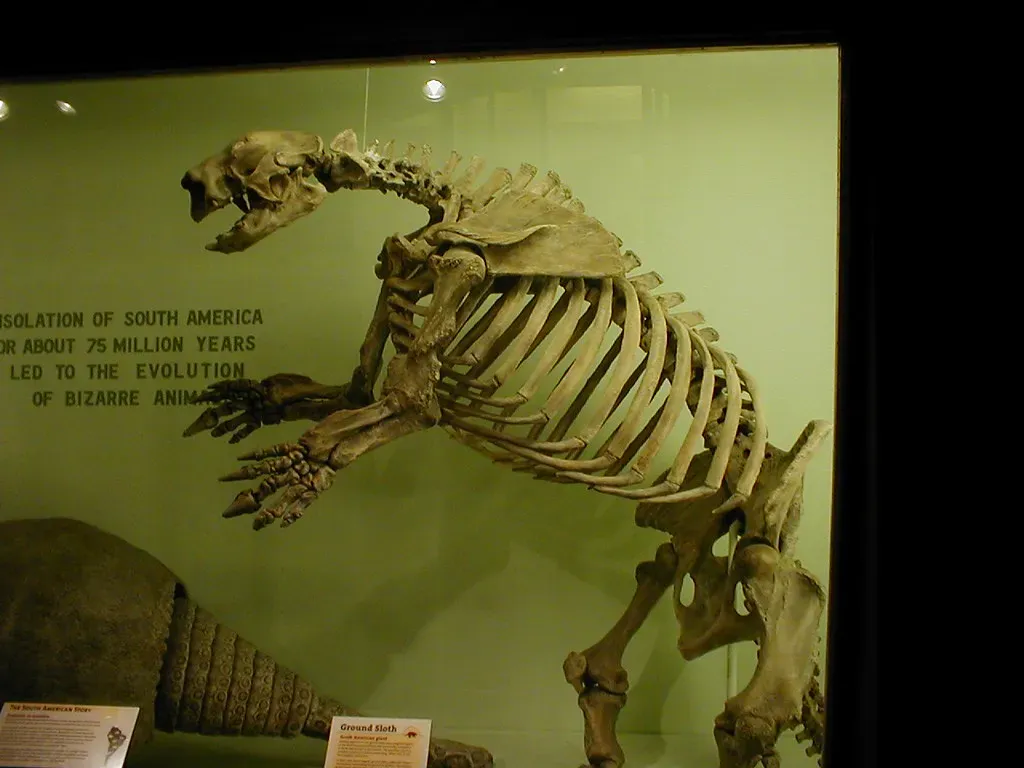
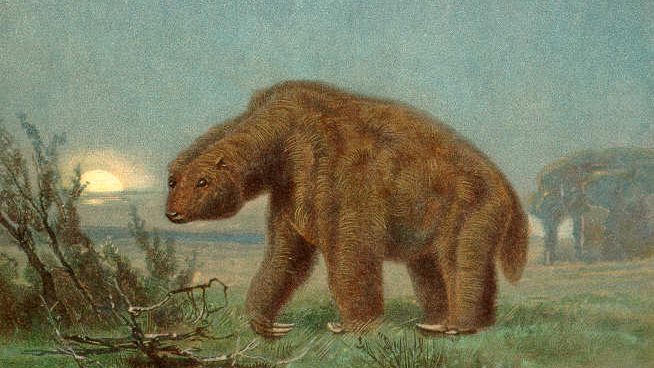
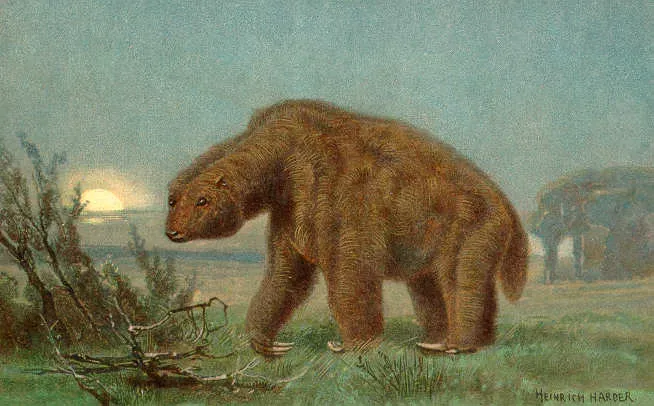
Megatherium americanum, the best-known species, was elephant-sized, weighing between 3.5 and 4 tonnes, primarily known from the Pampas but ranging southwards to northernmost Patagonia and northwards to southern Bolivia during the late Middle Pleistocene and Late Pleistocene. The modern sloth, that gentle, algae-covered tree-hugger, gives almost no hint of what its ancient relatives were capable of.
Their immense bulk didn’t just help them ward off predators – ground sloths also used their size and their ability to stand on two legs to reach vegetation that would have been out of reach to most other herbivores of the time. The presence of Megatherium also shaped the environment itself: by feeding on vegetation and possibly knocking down trees, these giant sloths helped influence plant communities, functioning as ecosystem engineers and altering the landscape around them. Few animals in history could combine that level of physical presence with that degree of ecological influence.
Megalodon: The Ocean’s Most Terrifying Predator
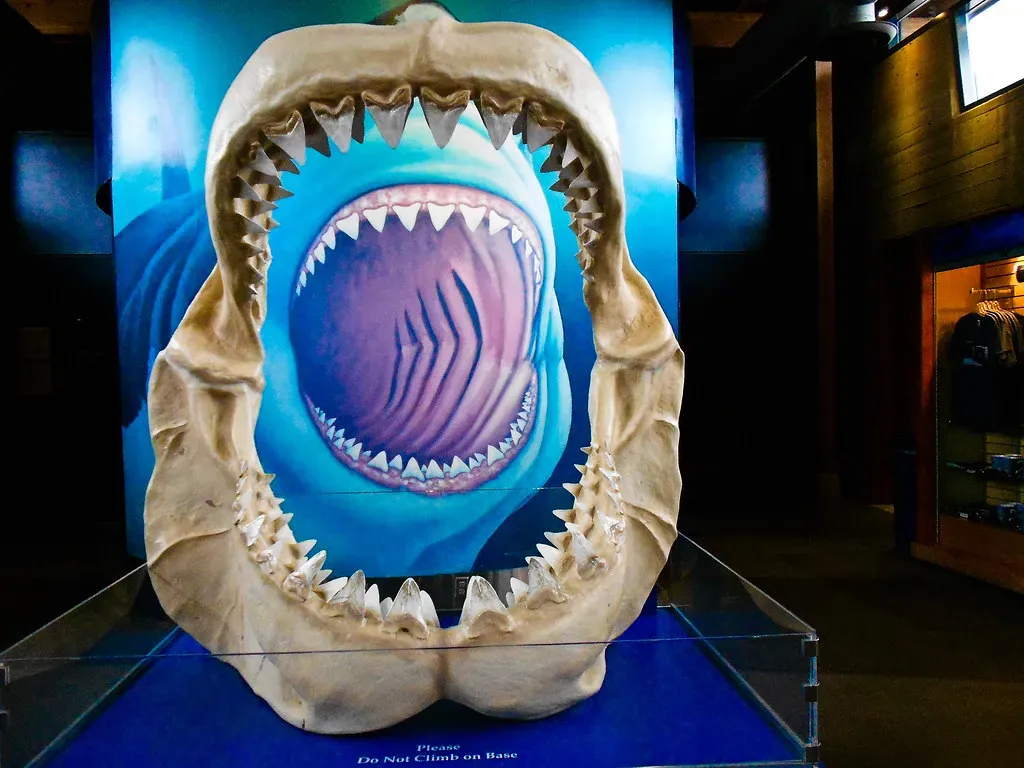
The largest shark to ever live was the famous Megalodon, known to scientists as Otodus megalodon. Reaching about 55 feet by most estimates, it was a massive shark similar in appearance to modern mackerel sharks, which ate small whales in the warmer oceans of the prehistoric past. You could stand inside its open jaws. That’s not an exaggeration – it’s a structural reality confirmed by fossil tooth measurements and jaw reconstructions.
Megalodons had a cosmopolitan distribution, meaning they could be found across most of the world, living approximately 23 to 2.6 million years ago, with climate shifts and a changing ecosystem likely causing their extinction. Interestingly, it appears that their extinction had an impact on other animals – the size of whales increased significantly after the shark disappeared. The ocean, freed from its most dominant predator, reorganized itself in ways we can still observe today.
The Giant Crocodilians and Prehistoric Reptiles
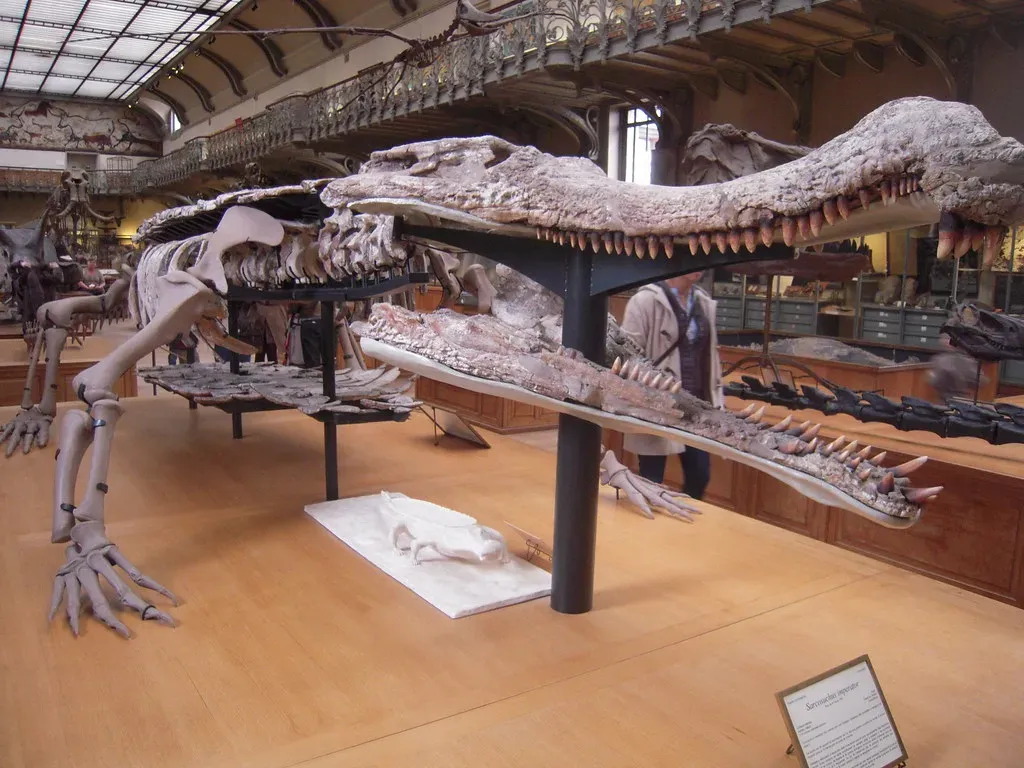
Sarcosuchus imperator, Deinosuchus riograndensis, and Purussaurus brasiliensis were giant crocodilians which each reached about 40 feet in length – Sarcosuchus and Deinosuchus lived in the Cretaceous period in Africa and North America respectively, while Purussaurus lived in South America during the Miocene epoch – with estimates placing Purussaurus at 9.5 tons, Sarcosuchus at 8.8 tons, and Deinosuchus at 8.5 tons. These weren’t oversized versions of today’s crocodiles. They were a fundamentally different scale of animal.
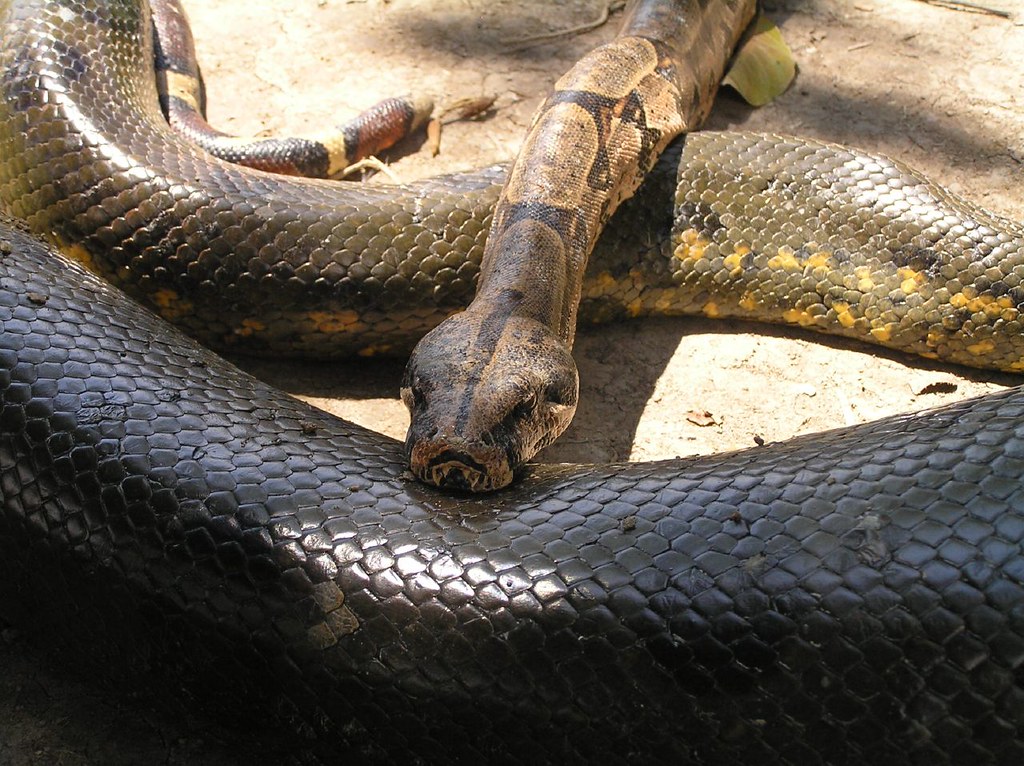
The largest snake to have ever lived was Titanoboa, which could grow up to 12.8 to 14.3 meters in length and weigh up to 730 to 1,135 kilograms. The largest known land lizard, Megalania, has been estimated at about 5.5 meters in length and, like its extant relatives, could have been venomous, making it potentially the largest venomous vertebrate ever to have evolved. Prehistoric reptiles pushed biological boundaries in directions that seem almost structurally impossible by today’s standards, yet the bones don’t lie.
Why These Giants Vanished – and What Their Loss Meant
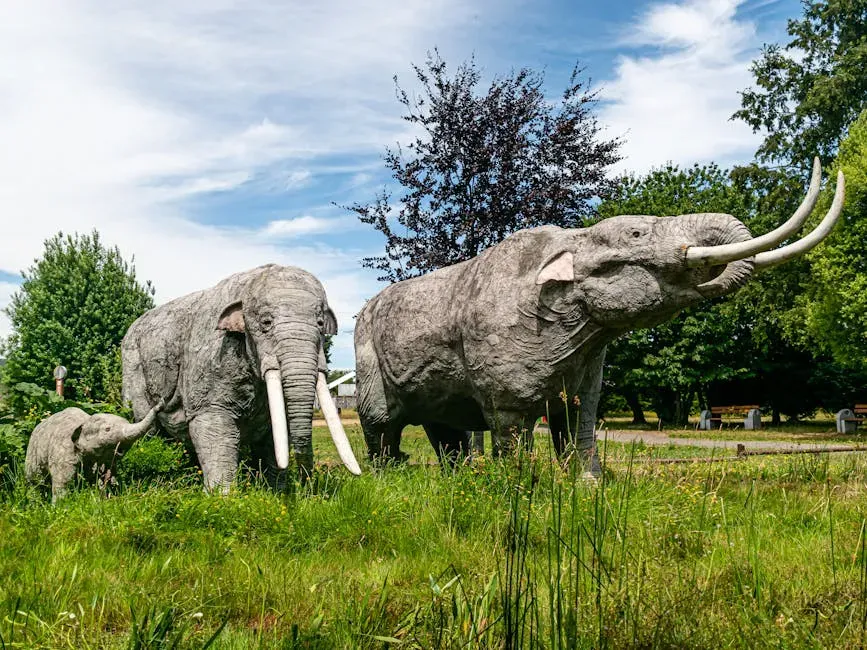
During the Late Pleistocene, particularly from around 50,000 years ago onwards, most large mammal species became extinct, including the vast majority of all mammals greater than 1,000 kilograms, while small animals were largely unaffected – a pronouncedly size-biased extinction otherwise unprecedented in the geological record, with humans and climatic change implicated by most authors as the likely causes. The sheer specificity of the loss – it targeted the biggest, nearly exclusively – tells us something profound about ecological vulnerability at scale.
Being big came with big challenges: gigantic mammals needed enormous amounts of food to survive, could not produce many offspring because they needed many years to reach adulthood, and the gestation period was quite long, making large mammals more vulnerable to habitat changes because they would need long periods of time and a lot of resources to maintain or recover their numbers. The loss of megafauna can trigger an ecological cascade, negatively affecting nutrient cycling and plant community structure. In other words, losing these animals didn’t just shrink the planet’s size range – it changed how whole ecosystems functioned.
Conclusion
The true scale of prehistoric megafauna isn’t just a matter of impressive numbers. It’s a window into what Earth’s ecosystems are actually capable of producing, and equally, what they can lose. These species assisted in many natural processes – creating new soil, cycling carbon, and controlling the populations of other species – and removing megafauna from a habitat would leave niches to be filled by smaller plants and animals, upsetting the stable chain of systems that is currently functioning.
When you look at the fossil record and really sit with the dimensions – the 40-foot crocodilians, the 70-ton sauropods, the elephant-sized sloths – you start to understand that the natural world we inhabit is a smaller, quieter version of what once existed. Fossils only represent a fraction of the life that existed in the past, with thousands of species likely lost to the shifting of the Earth’s crust forever, making it impossible to ever truly know for certain which animals were the largest, as the fossil record will always remain incomplete. What we do know is extraordinary enough. The giants were real. They shaped this planet. And in geological terms, they weren’t gone all that long ago.