Picture a creature the size of an elephant, armed with claws longer than your forearm, lumbering slowly across an ancient landscape while a small group of humans watches silently from the shadows. That was a real moment in history. Not a myth. Not a movie. A moment that actually happened tens of thousands of years ago, and one that science is only now beginning to fully unravel.
The story of how early humans and giant sloths crossed paths is one of the most gripping mysteries in all of prehistory. It involves drama, danger, jewelry, and an extinction debate that still has scientists arguing to this day. So buckle up, because this is one prehistoric story that deserves way more attention than it gets. Let’s dive in.
Giants You Would Not Want to Meet in the Dark
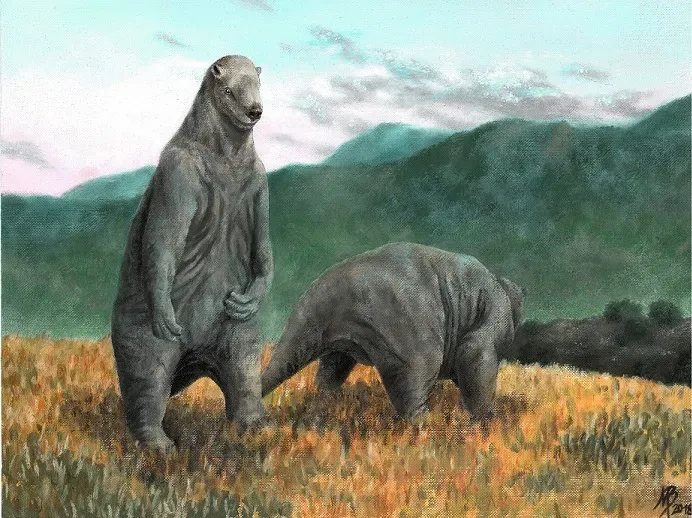
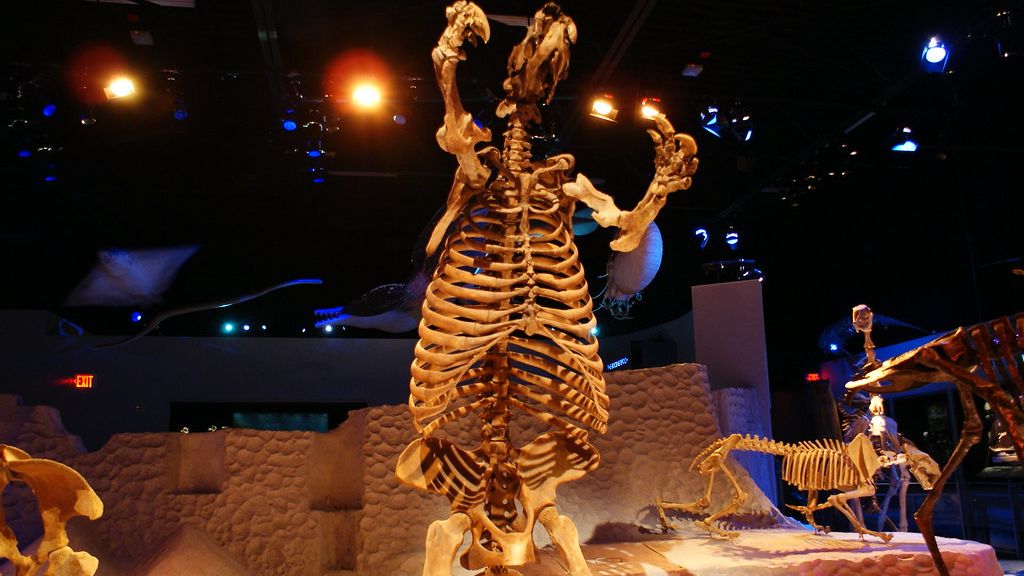
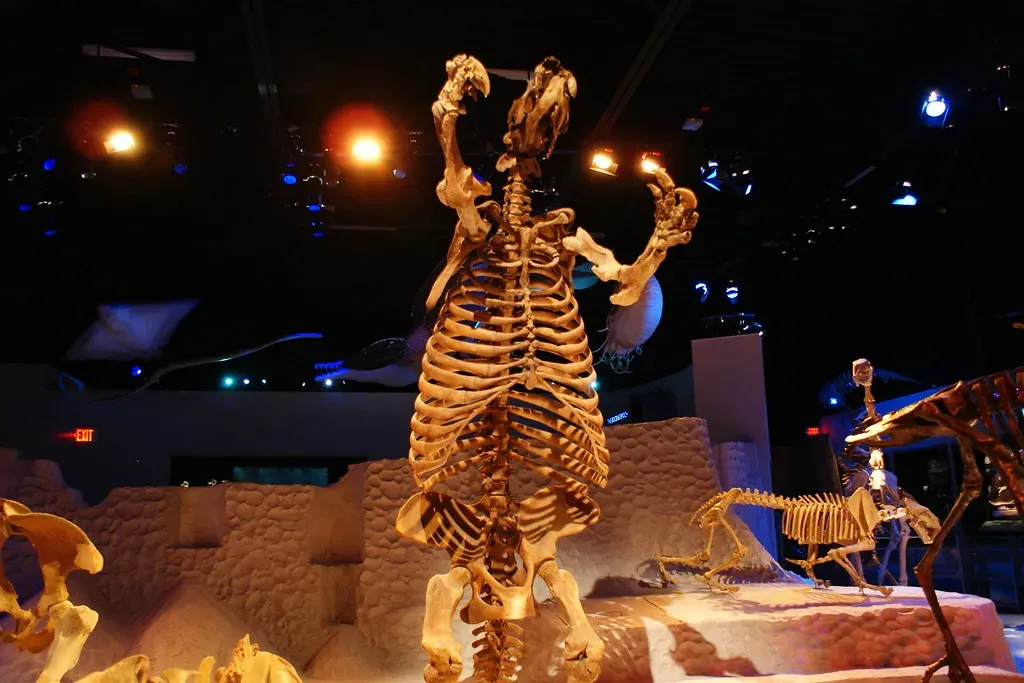
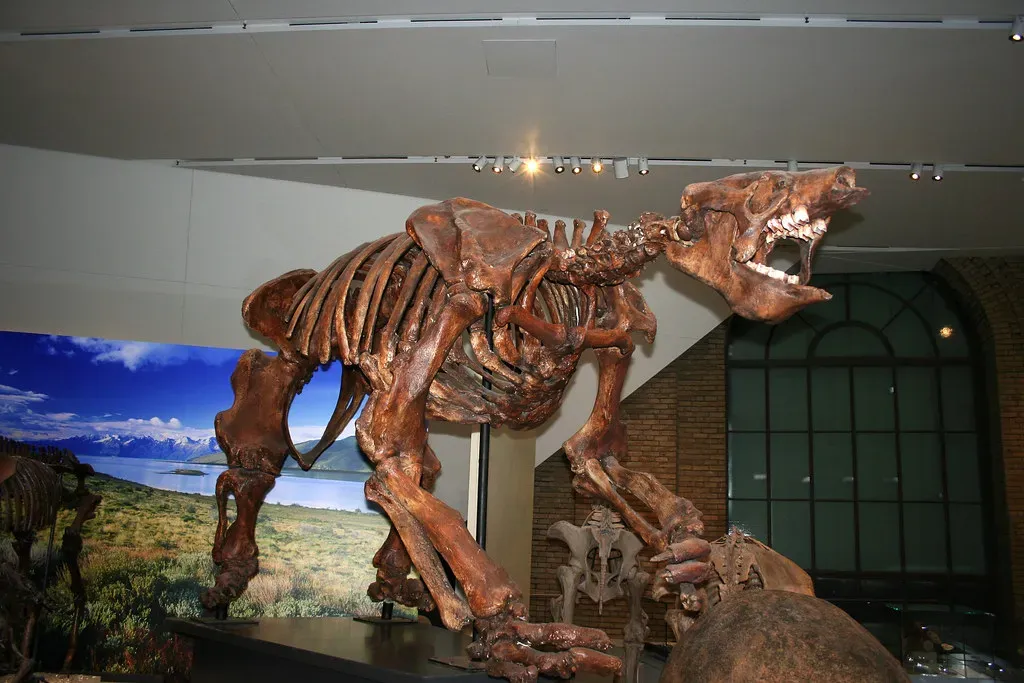
Let’s be real about what you would have been dealing with. The ground sloths were an incredibly diverse group that ranged dramatically in size, from the 100kg Caribbean ground sloth to the four-tonne, 3.5m-tall Megatherium. That is not some lumbering cartoon animal. That is a living skyscraper with weapons attached to its hands.
Modern humans often picture sloths as slow animals clinging to tree branches, but their prehistoric relatives weighed more than 8,000 pounds and sometimes reacted aggressively if they felt threatened. Honestly, that image alone should change how you think about this era entirely. These were not gentle giants. They were formidable, powerful, and very much capable of defending themselves.
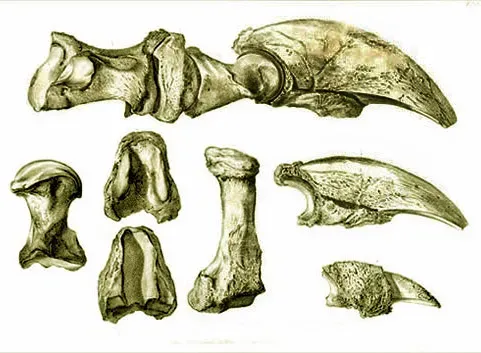
To defend themselves, ground sloths had long, sharp claws on the ends of several of their fingers. The 6m-long Eremotherium had four such claws, each nearly a foot in length. They also had size on their side; with thick bones and even thicker joints, they could strike with a surprising amount of power. Think of a slap from something that size, and you will quickly understand why early hunters had to be both brave and clever to even approach one.
When Humans First Walked Into Their World
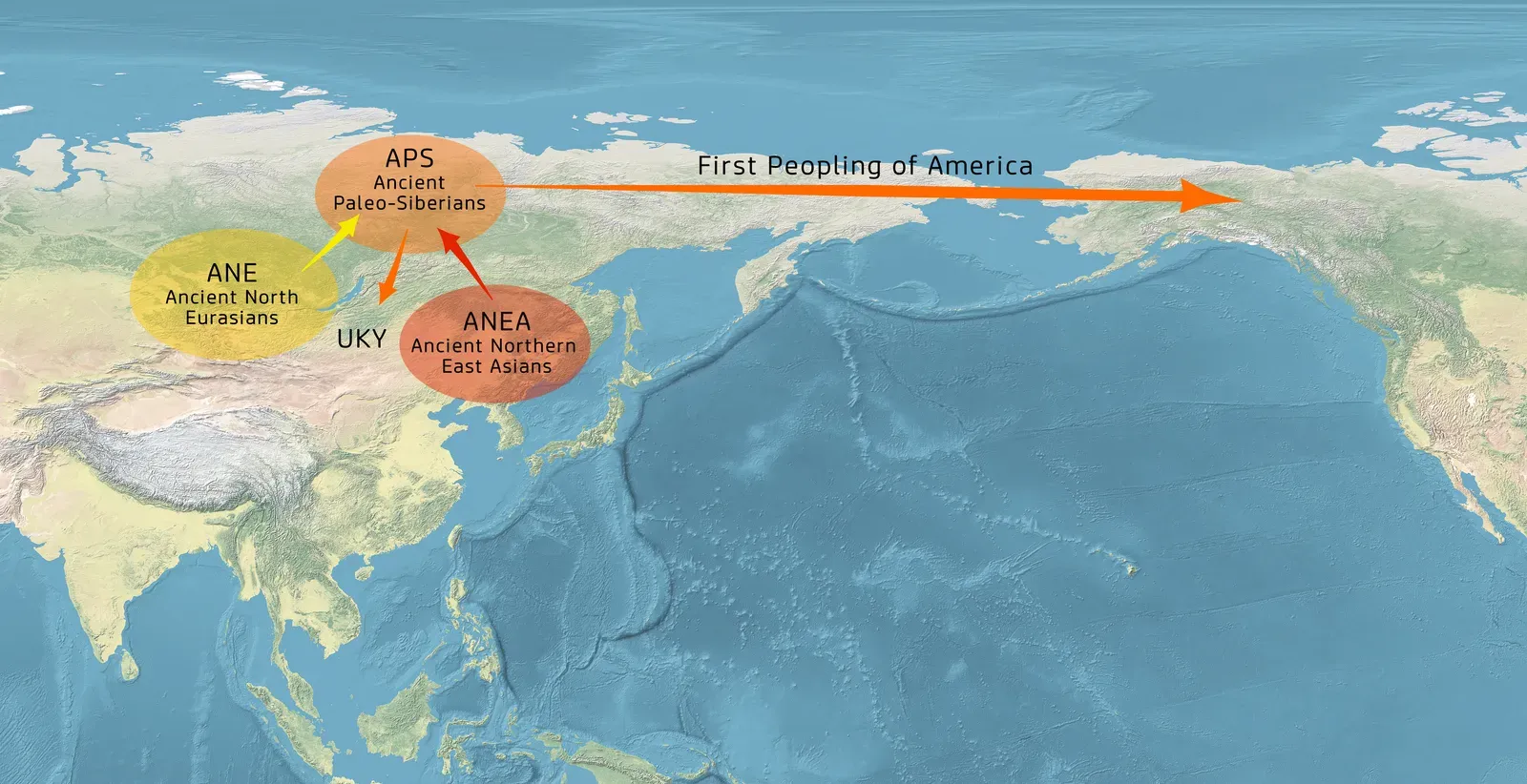
For many years, scientists believed that humans set foot in the Americas around 13,000 years ago and rapidly hunted massive creatures like giant ground sloths and saber-toothed cats into extinction. This theory, called Pleistocene overkill, painted a picture of speedy destruction. However, researchers from different archaeological sites have recently suggested that people may have arrived much earlier and may have coexisted with these animals for thousands of years.
New research from several sites is starting to suggest that people came to the Americas earlier, perhaps far earlier, than once thought. These findings hint at a remarkably different life for these early Americans, one in which they may have spent millennia sharing prehistoric savannas and wetlands with enormous beasts. That completely reframes the relationship. It was not a blitz. It may have been a long, complex coexistence.
The Footprints That Froze a Hunt in Time
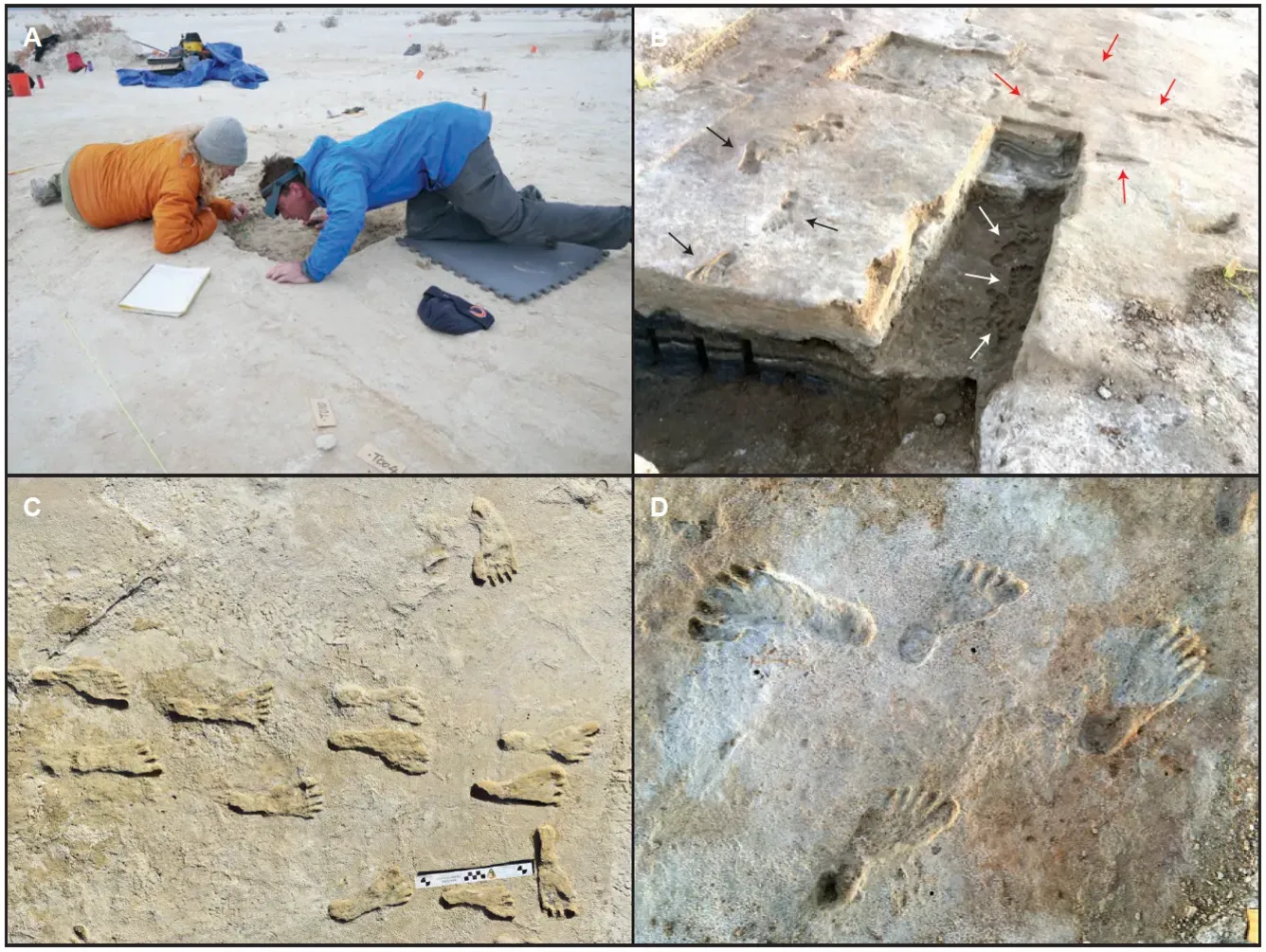
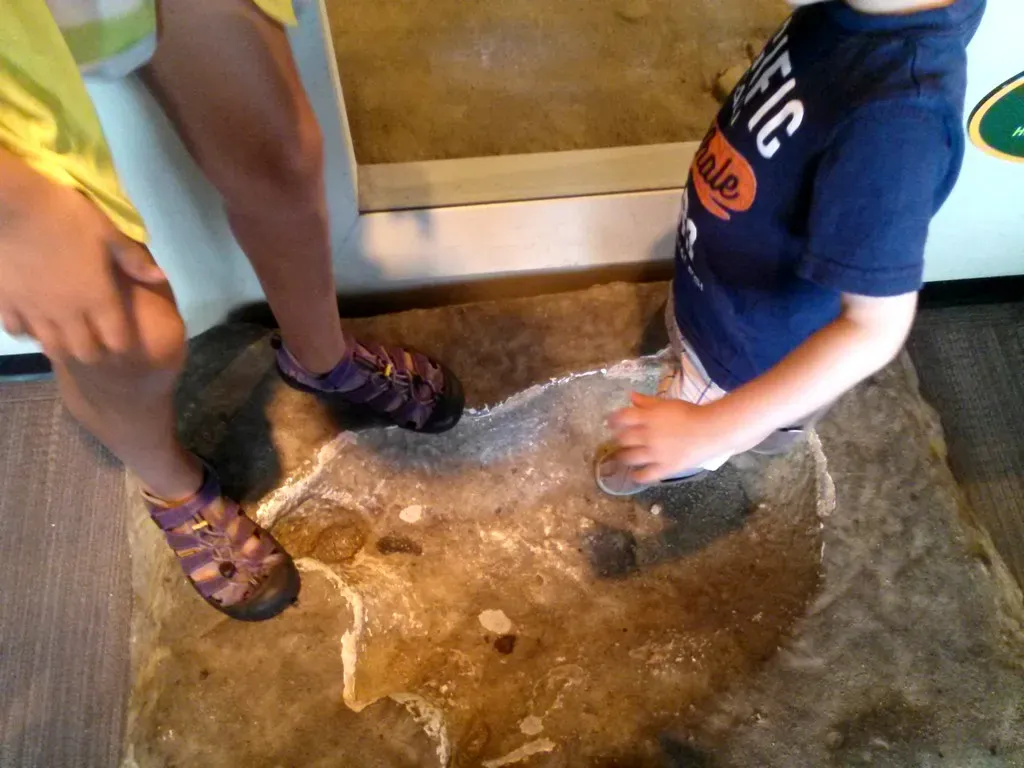
Here is the thing. No single piece of evidence captures the drama of early human and giant sloth encounters quite like what was discovered in New Mexico. On a remote salt flat in New Mexico’s White Sands National Monument, a team of scientists found the first evidence that humans, at the end of the Ice Age, may have hunted giant, razor-clawed ground sloths. The discovery sent shockwaves through the paleontology world.
Sometime between 10,000 and 15,000 years ago, a giant ground sloth, a hairy, lumbering beast that weighed as much as a metric ton, wandered along a lakeshore in what is now southern New Mexico. Then, something spooked it. It reared up on its hind legs, swatted at its attackers, and then was lost to the ages. What happened next remains one of prehistory’s most tantalizing open questions.
The White Sands trackway, a series of tracks and footprints left by animals and humans as long as tens of thousands of years ago, suggests that a human followed a sloth, purposely stepping in the animal’s tracks. That level of deliberate, calculated stalking tells you these early hunters were not amateurs. They knew exactly what they were doing.
Stalking a Beast: Reading the Tracks
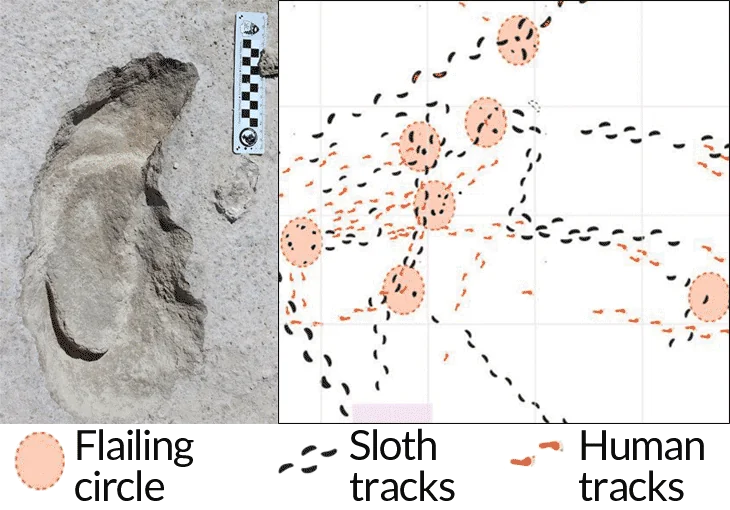
When a sloth trackway is not near any other footprints, it generally takes a straight or slightly curving path. But when human footprints are also nearby, a sloth’s path sometimes takes sharp turns or indicates the animals reared up on their hind legs. You can practically feel the tension in that moment, even thousands of years later. The animal knew something was wrong.
The tracks are interpreted as showing seven instances of a sloth turning and rearing up on its hind legs to confront its pursuers, while the humans approach from multiple directions, possibly in an attempt to distract it. That is coordinated. That is strategy. This was not one desperate person chasing an animal. This was a team hunting in formation, using the creature’s own confusion against it.
In these trackways, individual footprints are between 80 and 110 centimeters apart, but a normal human stride, based on the length of the footprint left behind, should measure only 60 centimeters or so. The humans were stretching their legs deliberately to step inside the sloth’s enormous prints. That kind of precision reveals a depth of skill and intention that is, quite frankly, astonishing.
Sloth Bones as Jewelry: More Than Just a Meal
Now here is where the story takes an unexpected turn that might genuinely surprise you. You might assume the relationship between early humans and giant sloths was purely about survival and food. It was not. Three giant sloth bones found at Santa Elina rock shelter in central Brazil were likely perforated and polished by human hands in order to be used for personal adornment, probably as pendants.
Three of these osteoderms had holes drilled into them by humans, which indicates they were pendants to be worn. The earliest human activity at this site, including these giant sloth bone pendants, dates to 27,000 years ago, meaning that modern humans reached central Brazil prior to the last glacial maximum around 20,000 years ago. This study suggests modern human migration into the Americas is much older than previously accepted.
The bones were modified by ancient humans, as shown by a clean, polished surface and carefully drilled holes. Moreover, they were polished into triangle and teardrop shapes for personal ornamentation, such as a necklace pendant. Think about that for a moment. Someone sat down, thousands of years before any written record, and crafted jewelry from the bones of one of the most formidable animals on Earth. That is deeply human.
The Kill Sites: Hard Evidence of Hunters at Work
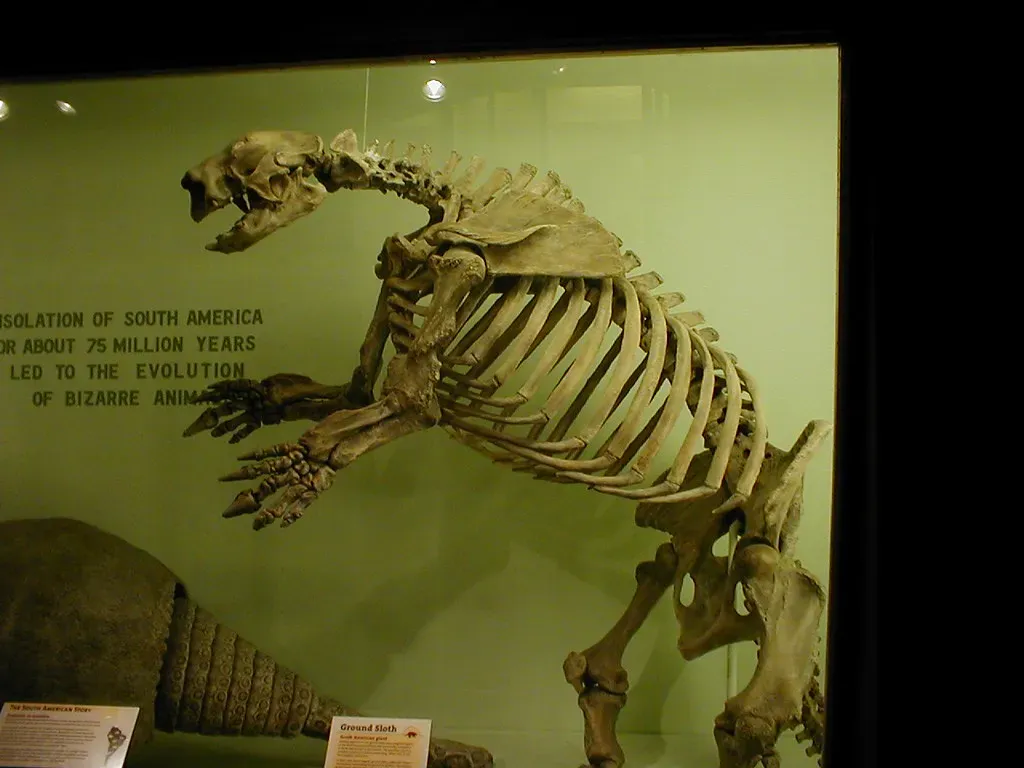
Beyond footprints and jewelry, there is harder, more sobering evidence of what early humans actually did to giant sloths. A kill site dating to around 12,600 years Before Present is known from Campo Laborde in the Pampas in Argentina, where a single individual of Megatherium americanum was slaughtered and butchered at the edge of a swamp. At the site several stone tools were present, including the fragment of a projectile point.
The lithic artifacts found around and within the giant ground sloth bone concentration suggest that hunters knapped directly around the carcass. The refitting of side scraper fragments and microflakes supports the stratigraphic integrity of the deposit, and that butchering activities and resharpening of artifacts occurred at the site. In other words, you are looking at a prehistoric butcher shop. They stayed there, sharpened their tools on the spot, and processed the kill methodically.
Analysis of archaeological sites in southern South America indicates that early humans primarily hunted and consumed extinct megafauna, such as giant sloths and armadillos, between 13,000 and 11,600 years ago. These were not random acts. Giant sloths were a staple, a deliberate and preferred food source, not just an occasional windfall.
The Great Debate: Did Humans Cause Their Extinction?
This is the question that researchers have argued about for decades, and honestly, it still does not have a clean, tidy answer. Megafaunal remains comprised over 80% of animal bones at most sites, suggesting these animals were a staple food source and that human hunting likely contributed significantly to their extinction. That is a staggering percentage. It is hard to look at those numbers and argue humans were just innocent bystanders.
Megafauna yielded greater caloric returns than small mammals in every case, suggesting that early humans focused on these large animals to maximize the efficiency of their hunting efforts. Giant sloths and armadillos were not simply consumed when they chanced to be encountered. They were highly preferred prey. This sounds ruthlessly logical, and in a world without grocery stores, it was. You hunt what feeds you best.
While humans certainly contributed to the demise and subsequent extinction of ground sloths, it is thought they were also victims of large, continent-spanning climatic changes that occurred towards the end of the Pleistocene. As temperatures warmed and ice sheets retreated, the environments that ground sloths and other megafauna once thrived in changed and, as a result, many populations started to collapse. This, combined with hunting pressures from humans, was enough to spark an America-wide extinction of many groups of megafauna, including ground sloths. It is hard to say for sure, but the most honest answer is probably both factors working together in a kind of perfect storm.
After the continental ground sloths disappeared, insular sloths of the Caribbean survived for approximately 6,000 years longer, which correlates with the fact that these islands were not colonized by humans until about 5,500 years before present. That correlation is difficult to dismiss. Wherever humans arrived, the sloths eventually disappeared. That pattern speaks for itself.
What This All Means for the Way You See History
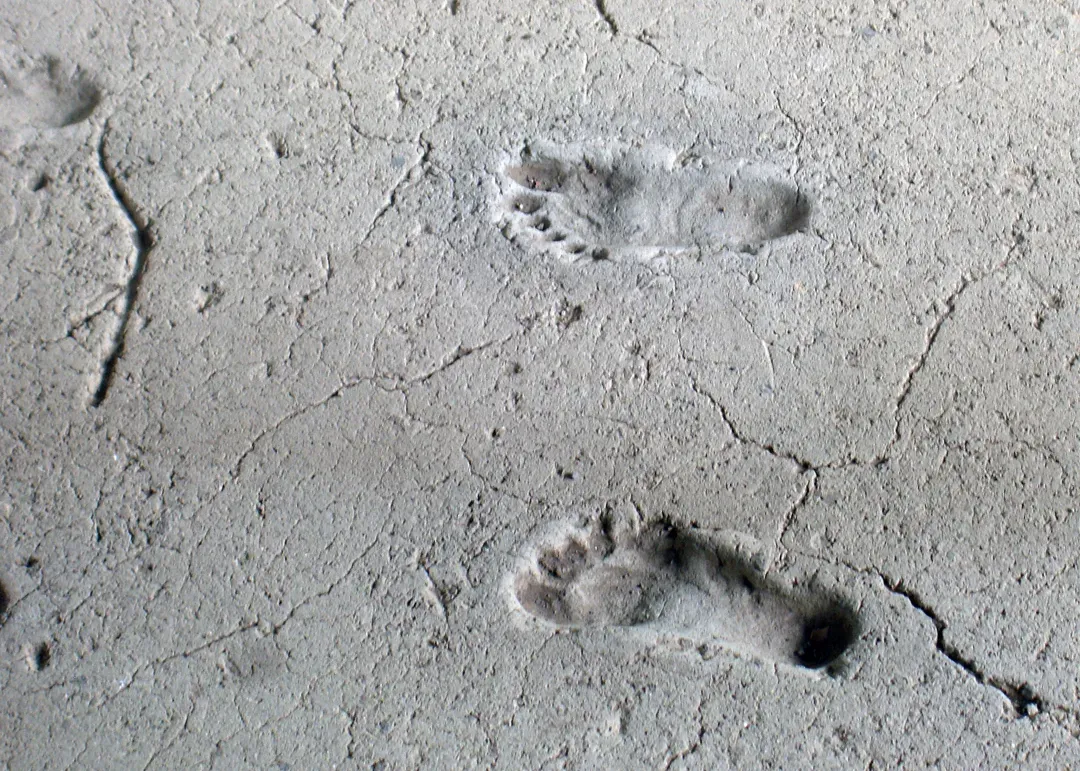
I think the most remarkable thing about this entire story is how much it forces you to rethink your assumptions. While the exact timing of humans’ arrival in the Americas remains contested, it seems clear that if the first people arrived earlier than once thought, they did not immediately decimate the giant beasts they encountered. The White Sands footprints preserve a few moments of their early interactions. A few fragile moments, locked in ancient salt flats, carrying the weight of an entire chapter of human prehistory.
As research grows, a new picture emerges of humans who spent millennia wandering with mastodons, giant sloths, and other imposing animals. That is a world almost impossible to fully imagine, but it was real. Your ancestors shared their planet with creatures that would dwarf a modern bear, and they navigated that world with extraordinary skill, creativity, and courage.
What is clear from tracks at White Sands is that humans were then, as now, apex predators at the top of the food chain. That reality, frozen in time beneath a New Mexico salt flat, connects you to something ancient and raw. You carry that lineage with you.
Conclusion
is not just a tale about hunting. It is a story about curiosity, adaptation, and the complicated relationship between a species that was rapidly rising and the magnificent giants that once shared its world. From the stalking trackways of White Sands to the polished bone pendants of Santa Elina, the evidence tells us something profound: early humans were not simply surviving. They were living fully, in every sense of the word.
The giant sloth is gone. The footprints remain. Science keeps reading them. Every new dig site, every re-dated bone, every carefully analyzed cut mark adds another sentence to a story that is far richer and far more human than most people ever imagined. Perhaps the most surprising thing of all is not that early humans hunted these creatures. It is that they also wore their bones as jewelry, watched them with enough curiosity to step in their tracks, and lived alongside them for longer than anyone once believed.
What would you have done, face to face with an eight-thousand-pound sloth? Think about that the next time you scroll past a cute tree-sloth video online.