Picture this. You’re standing on an ancient coastline roughly five million years back in time, watching the ocean surface shimmer under a prehistoric sun. Suddenly, the water erupts. A creature so massive, so powerful, that it makes modern sharks look like minnows tears through a whale with jaws wide enough to swallow a car. This isn’t Hollywood fiction or internet fantasy. This was megalodon, and what scientists are discovering about this ocean giant challenges everything we thought we knew.
Let’s be real, most of what you’ve seen about megalodon in movies is nonsense. The truth, though, turns out to be even more fascinating than the myths. Recent discoveries have completely reshaped our understanding of this apex predator, from how it actually looked to why it ultimately vanished from Earth’s oceans. So let’s dive in and explore what the evidence really tells us.
A Monster Hiding in Plain Sight: Understanding Megalodon’s True Identity
The word megalodon simply means ‘large tooth’, which honestly feels like an understatement. These sharks ruled the oceans for nearly twenty million years, and they did it with a body plan that scientists are still trying to fully understand. Here’s the thing, though. Despite decades of research, we’ve never found a complete megalodon skeleton.
No one has ever found complete megalodon skeleton, so everything we know comes from teeth, scattered vertebrae, and bite marks left on ancient whale bones. Sharks have cartilaginous skeletons rather than bones, meaning their bodies decompose rapidly after death. What remains are primarily their incredibly durable teeth, scattered across ocean floors worldwide. The species was so widely spread that megalodon teeth have been found on every continent except Antarctica.
This scattered fossil record has made reconstructing megalodon a massive scientific puzzle. For years, experts assumed it looked like a supersized great white shark. Turns out, that assumption was probably wrong.
Rethinking the Giant: Megalodon’s Surprising Body Shape
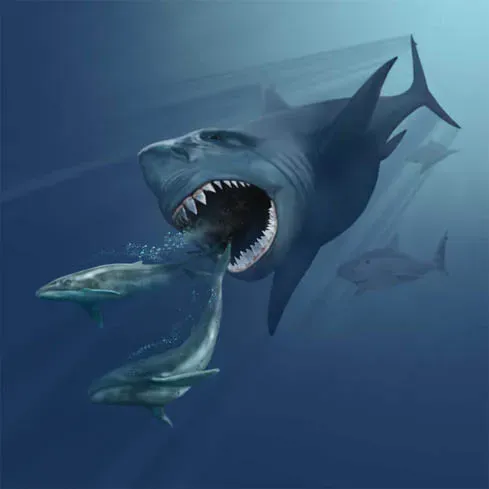
Most reconstructions show megalodon looking like an enormous great white shark. This is now believed to be incorrect. Recent studies from 2025 have completely upended our mental image of this predator. Scientists examining vertebral columns found in Belgium and Denmark compared them to over one hundred modern and extinct shark species.
The results were shocking. Megalodon may have had a much slenderer body, possibly with proportions like a lemon shark, making it more efficient in the water. Think about that for a second. Instead of a bulky, chunky predator, megalodon was likely sleek and elongated. Scientists have found that if you scaled a great white up to megalodon’s size, this animal would likely have trouble swimming.
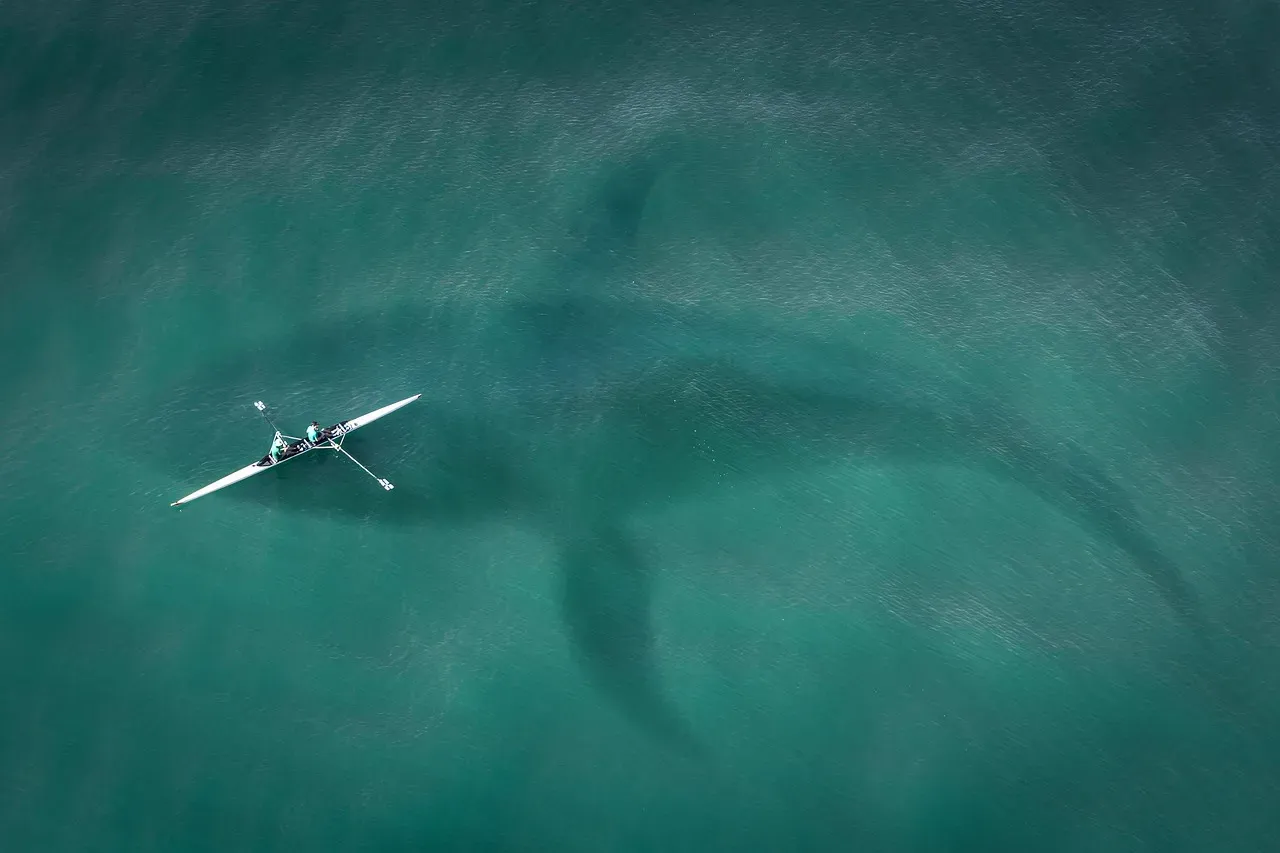
This slender body plan makes perfect hydrodynamic sense. Large aquatic animals, from whale sharks to actual whales, tend toward elongated bodies because physics demands it. A massive, stocky body simply doesn’t move efficiently through water at that scale. A 2025 study, written by 29 fossil shark experts, found that megalodon may have grown up to 24.3 metres long, making previous estimates look conservative.
Jaws of Death: The Megalodon’s Devastating Bite
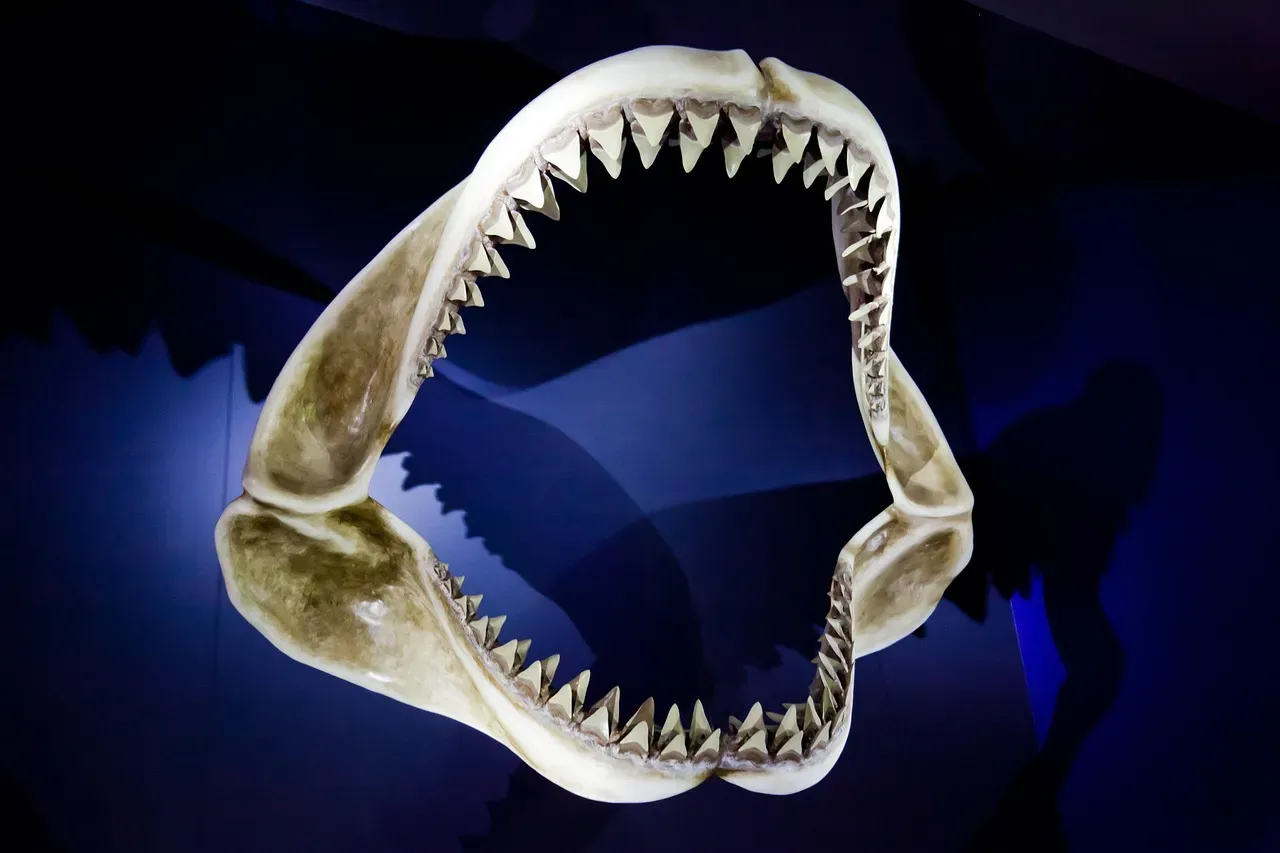
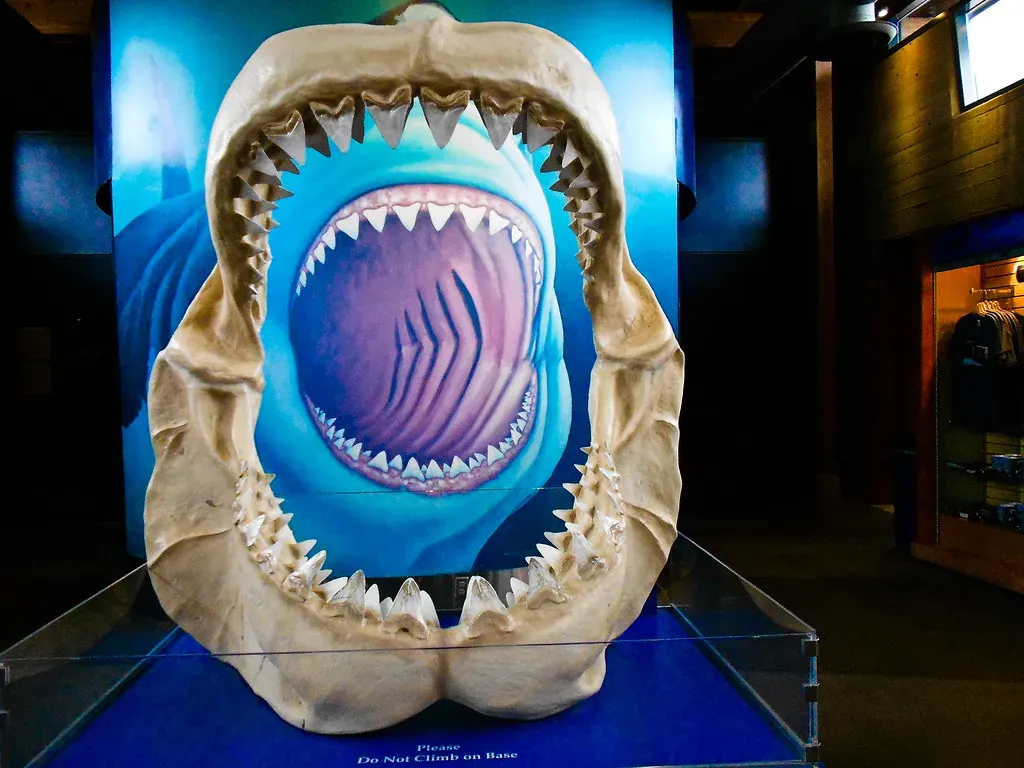
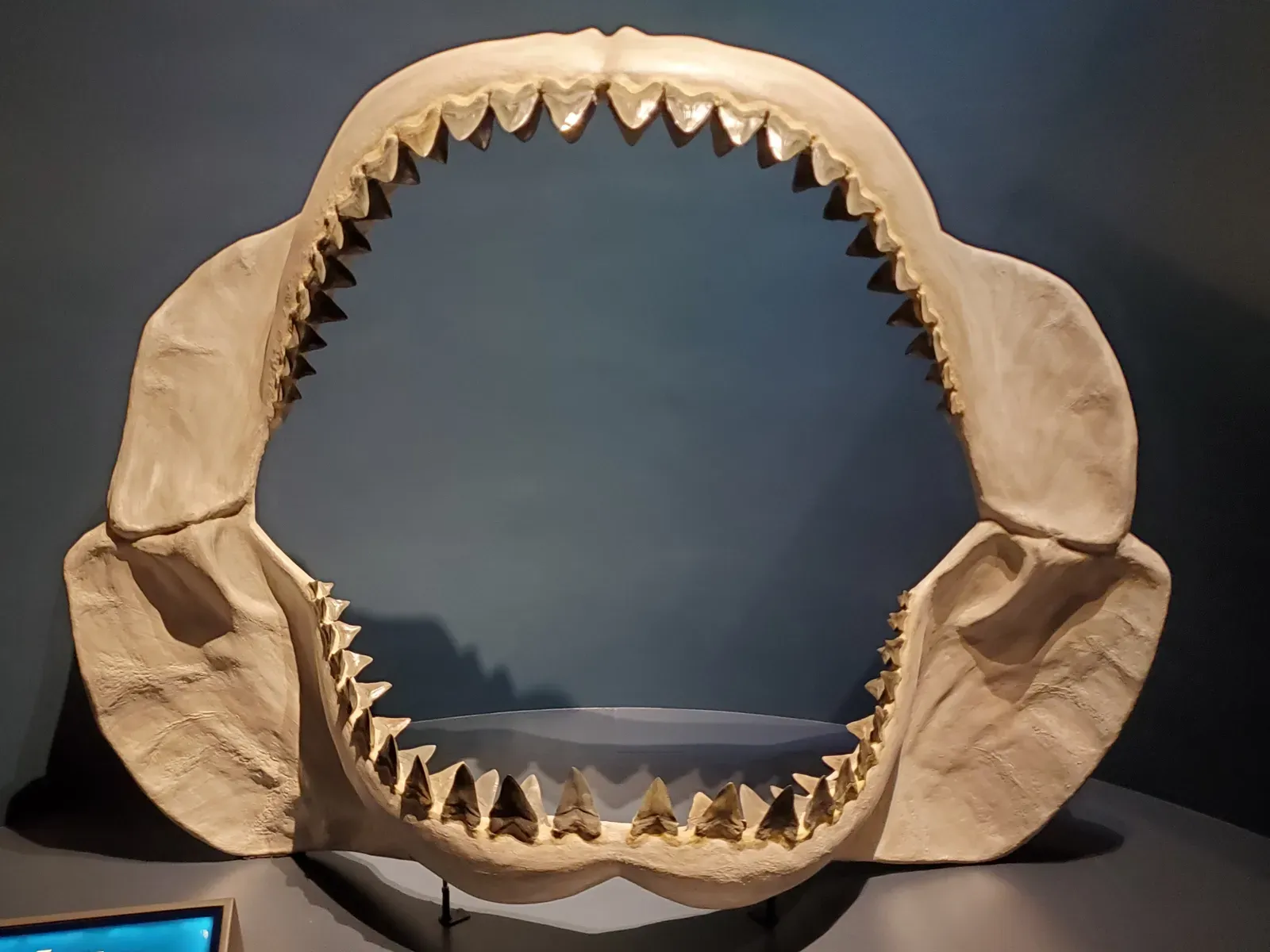
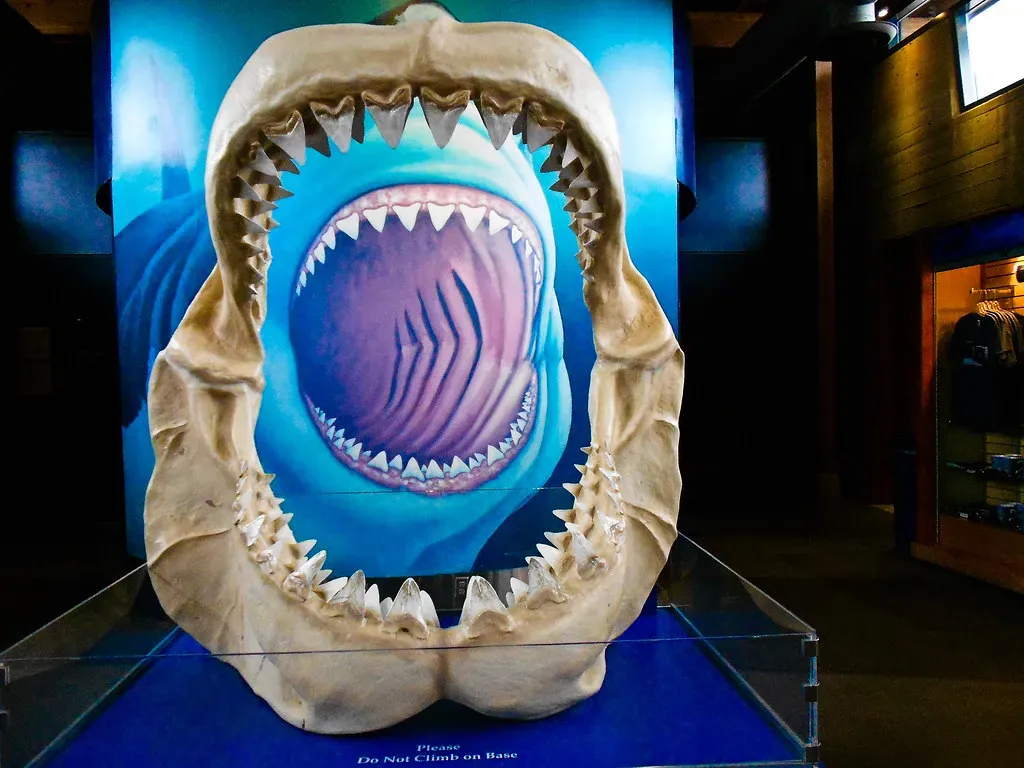
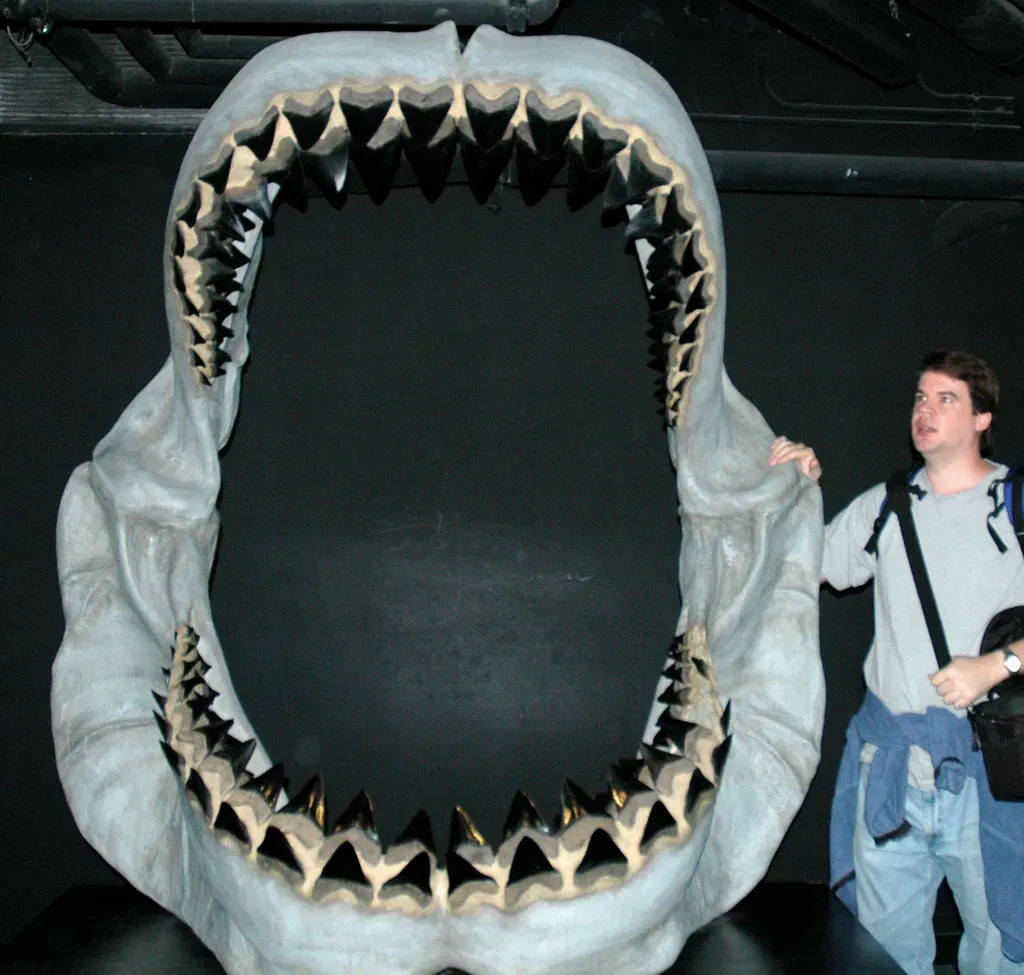
Let’s talk about what made megalodon truly terrifying. Its teeth could reach eighteen centimeters in length, roughly the size of an adult human hand. Each tooth was triangular, heavily serrated, and built for one purpose: tearing through flesh and bone. Megalodon possessed somewhere around 276 teeth arranged in multiple rows, constantly replacing them throughout its lifetime.
Researchers have estimated that megalodon had a bite of between 108,514 and 182,201N. To put that in perspective, humans bite with around 1,317 Newtons of force. Even great white sharks only manage about 18,216 Newtons. Megalodon’s bite was roughly ten times stronger than the most powerful bite of any shark alive today.
This incredible bite force allowed megalodon to employ hunting strategies impossible for smaller predators. Unlike great whites which target the underbelly of their prey, megalodon probably targeted the heart and lungs, with their thick teeth adapted for biting through tough bone. They could crush through rib cages and shatter vertebrae. Honestly, it’s hard to imagine being at the receiving end of that kind of power.
The Hunt: What Megalodon Actually Ate
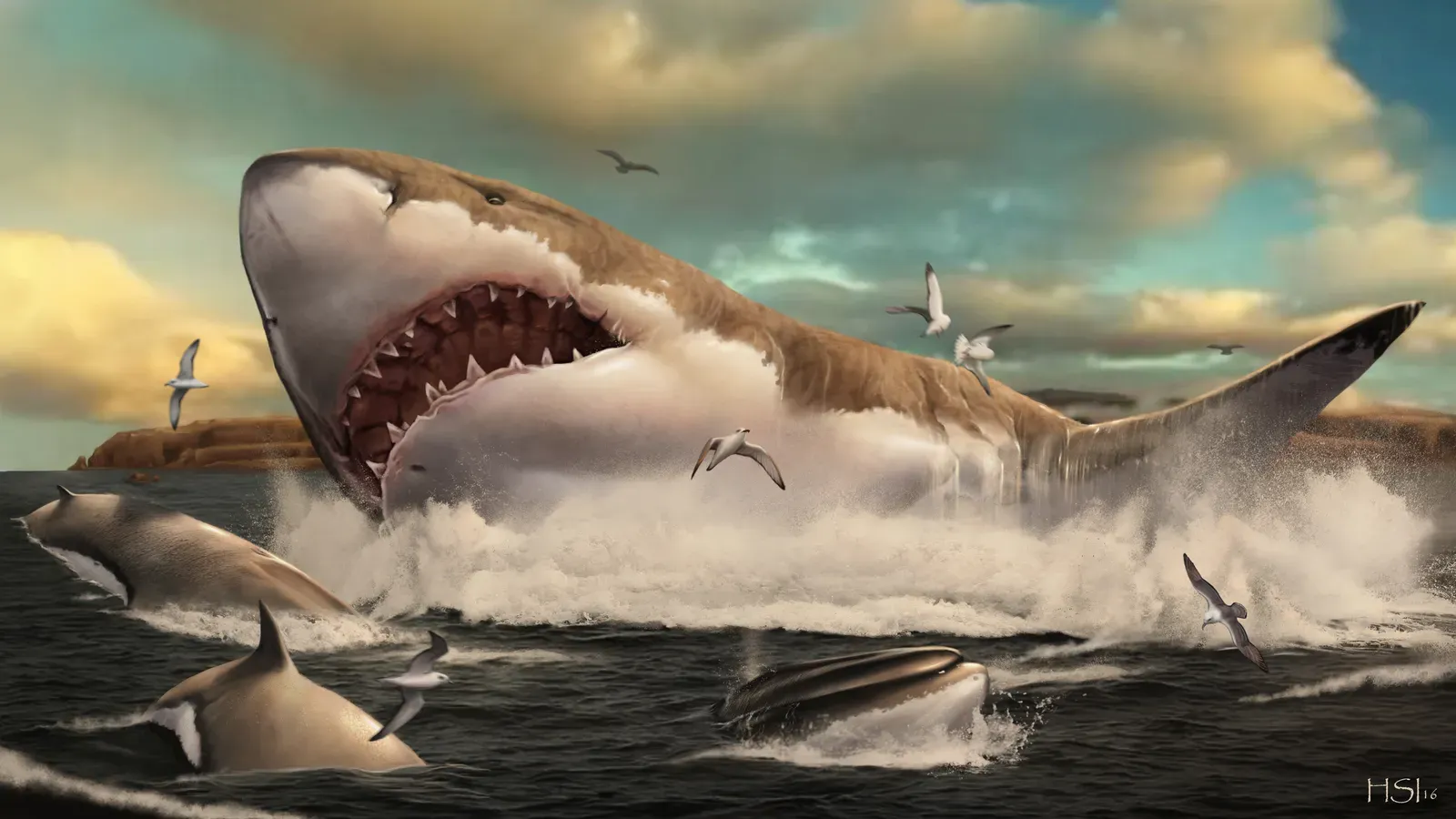
For decades, scientists assumed megalodon primarily hunted whales. New research from 2025 reveals a more complex picture. Certainly megalodon could and did eat whales – but its diet as a whole was far more opportunistic. Analysis of zinc isotopes in fossilized megalodon teeth shows these sharks occupied an incredibly high position on the food chain.
It preyed upon fish, baleen whales, toothed whales (such as ancestral forms of modern sperm whales, dolphins, and killer whales), sirenians (such as dugongs and manatees), and seals. Basically, if it swam and had enough meat on it, megalodon considered it lunch. Young megalodons hunted smaller prey in coastal nurseries, while adults ventured into deeper waters pursuing massive marine mammals.
The hunting strategy varied by prey type. Larger animals like whales were struck in the chest region, where megalodon’s powerful teeth could puncture vital organs. Smaller prey might be rammed first to stun them before the killing bite. According to estimates, it required around 100,000 kilocalories per day, which meant megalodon spent much of its life hunting.
Nurseries and Life Cycle: How Baby Megalodons Grew Up
Like the modern-day bull shark, megalodons gave birth in specific nursery habitats that included protected bays and estuaries. These locations provided the shark pups with plenty of fish and a safe environment to grow. Scientists have discovered megalodon nursery habitats in Panama, Maryland, the Canary Islands, and Florida.
Here’s something wild. At birth, baby megalodons may have been up to 3.9 metres long. That’s roughly the length of an adult great white shark right out of the womb. These massive newborns likely started hunting marine mammals almost immediately. The protected nursery areas gave them crucial shelter from larger predators while they developed.
The young likely sought out smaller prey, while adults hunted larger whales. Mature megalodons likely did not have any predators, but newly birthed and juvenile individuals may have been vulnerable to other large predatory sharks, such as great hammerhead sharks. It was a dangerous world even for baby monsters.
Global Domination: Where Megalodon Ruled the Seas
Megalodon was adapted to warm tropical and subtropical locations around the globe. During the Miocene epoch, when megalodon thrived, Earth’s oceans were warmer than today. This ancient shark exploited that warmth, establishing populations in coastal regions across every ocean except polar areas.
Fossil remains of megalodon have been found in shallow tropical and temperate seas along the coastlines and continental shelf regions of all continents except Antarctica. Large seaways separated continents, which likely facilitated movement from one ocean basin to another. Throughout the Miocene, megalodon distribution expanded from isolated pockets to encompass vast stretches of the world’s oceans.
Megalodon inhabited a wide range of marine environments with a transient lifestyle. Adult megalodon were not abundant in shallow water environments, mostly inhabiting offshore areas. They moved between coastal and oceanic waters depending on their life stage, with juveniles preferring protected shallows and adults dominating the open ocean.
The Great Disappearance: Why Megalodon Went Extinct
Validated fossil data suggests that megalodon died out near the end of the first stage of the Pliocene, the Zanclean Stage (about 3.6 million years ago). The extinction of the most powerful marine predator ever seems puzzling at first. What could possibly kill off such a dominant species?
The answer appears to be a perfect storm of environmental changes. Later during the Pliocene, there was a drop in ocean temperatures that likely contributed to the megalodon’s demise. As Earth entered a cooling phase leading toward the ice ages, megalodon’s preferred warm-water habitats shrank dramatically. The drop in ocean temperatures likely resulted in a significant loss of habitat. It may also have resulted in the megalodon’s prey either going extinct or adapting to the cooler waters and moving to where the sharks could not follow.
Competition played a role too. One of multiple causes of megalodon’s extinction may have been competition over food with emerging great white sharks and other predators. The closing of the Central American Seaway around three million years ago changed ocean currents and nutrient distribution. As ice formed at the poles and the sea level dropped, these pupping grounds would have been destroyed, eliminating crucial nursery areas for megalodon pups.
A reduction in the diversity of baleen whales and a shift in their distribution toward polar regions may have reduced megalodon’s primary food source. The shark’s extinction coincides with a gigantism trend in baleen whales. Ironically, the very prey megalodon had specialized in hunting evolved to become larger and moved to colder waters the shark couldn’t tolerate. Climate change, habitat loss, competition, and disappearing prey combined to drive megalodon to extinction while more adaptable species like great whites survived.
What do you think would happen if megalodon somehow survived to the modern era? Would you dare go swimming? The good news is, we’ll never need to find out. This ancient terror is well and truly extinct, leaving behind only fossils and an enduring fascination with one of evolution’s most successful predators.