
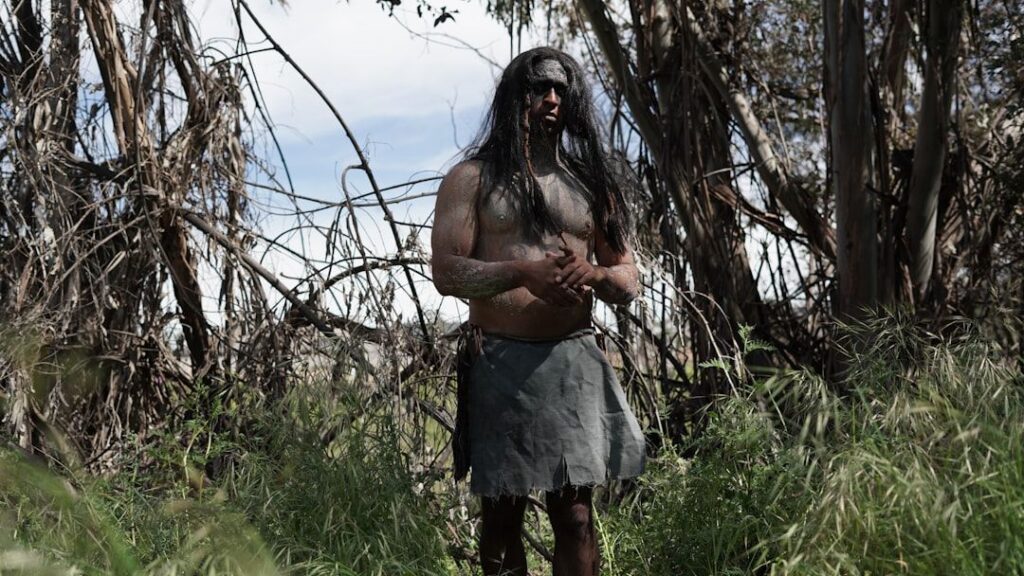
Picture a “caveman” and your brain probably serves up the same stock image: a grunting, hairy guy in a ragged fur loincloth, club in hand, dragging a woman by the hair while a T‑Rex stomps around in the background. It feels familiar, almost nostalgic, like those cartoons we grew up with. The problem is that nearly every element in that mental picture is wrong, exaggerated, or mashed together from completely different times and places.
Real early humans were not the chaotic, half‑animal punchlines Hollywood keeps selling us. They were problem‑solvers, artists, long‑distance travelers, and deeply social beings, navigating harsh environments with brains just as capable as ours. When you start looking at what archaeology, genetics, and paleoanthropology actually show, the Hollywood stereotype starts to crumble fast – and the real story turns out to be far more interesting, and honestly, way more impressive.
Cavemen Were Not A Single Species (Or A Real Scientific Category)
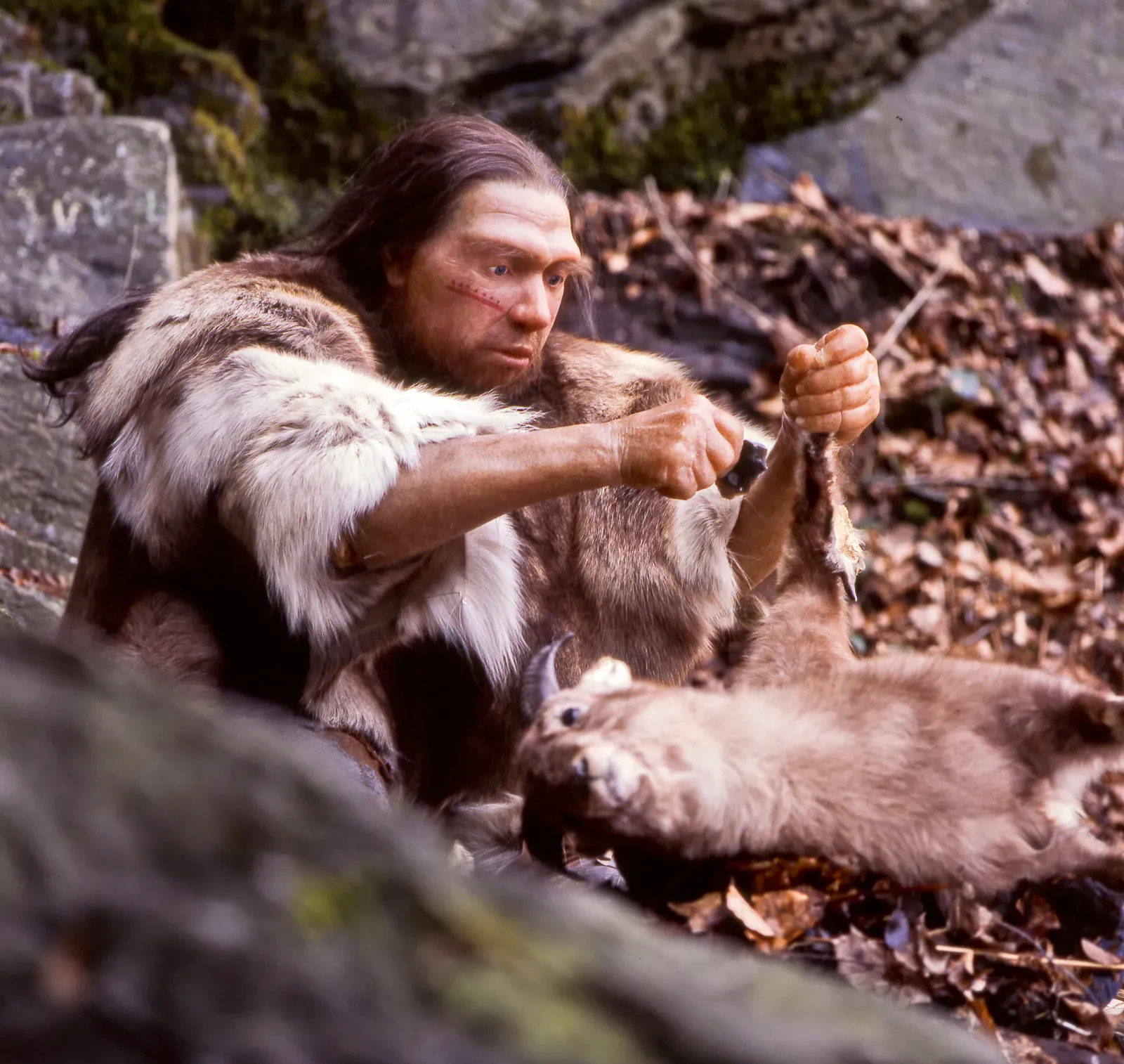
Here’s the first big shocker: “caveman” is not a scientific term at all. It’s a pop‑culture label that throws together Neanderthals, early Homo sapiens, and even older human relatives into one fuzzy, primitive blob. In reality, there were multiple species and populations of ancient humans living at different times, in different places, under very different conditions. Lumping them all into one caricature is like calling everyone from a Roman soldier to a medieval farmer to a modern software engineer “castle guys.” Technically they all used buildings, but it completely misses the point.
Archaeology shows a branching family tree, not a single straight line of “cavemen becoming us.” Some groups overlapped and even interbred; others vanished long before our direct ancestors appeared. Many did not live in caves most of the time; they used open‑air camps, shelters, or moved with the seasons. Caves are over‑represented only because they preserve bones and tools better, so we find more stuff there. Hollywood turns “some people sometimes used caves” into “all early humans were cave‑dwellers,” which is a bit like saying everyone today lives in airport lounges just because that’s where we find so many forgotten phone chargers.
No, They Didn’t Live With Dinosaurs Or Fight T‑Rex For Breakfast
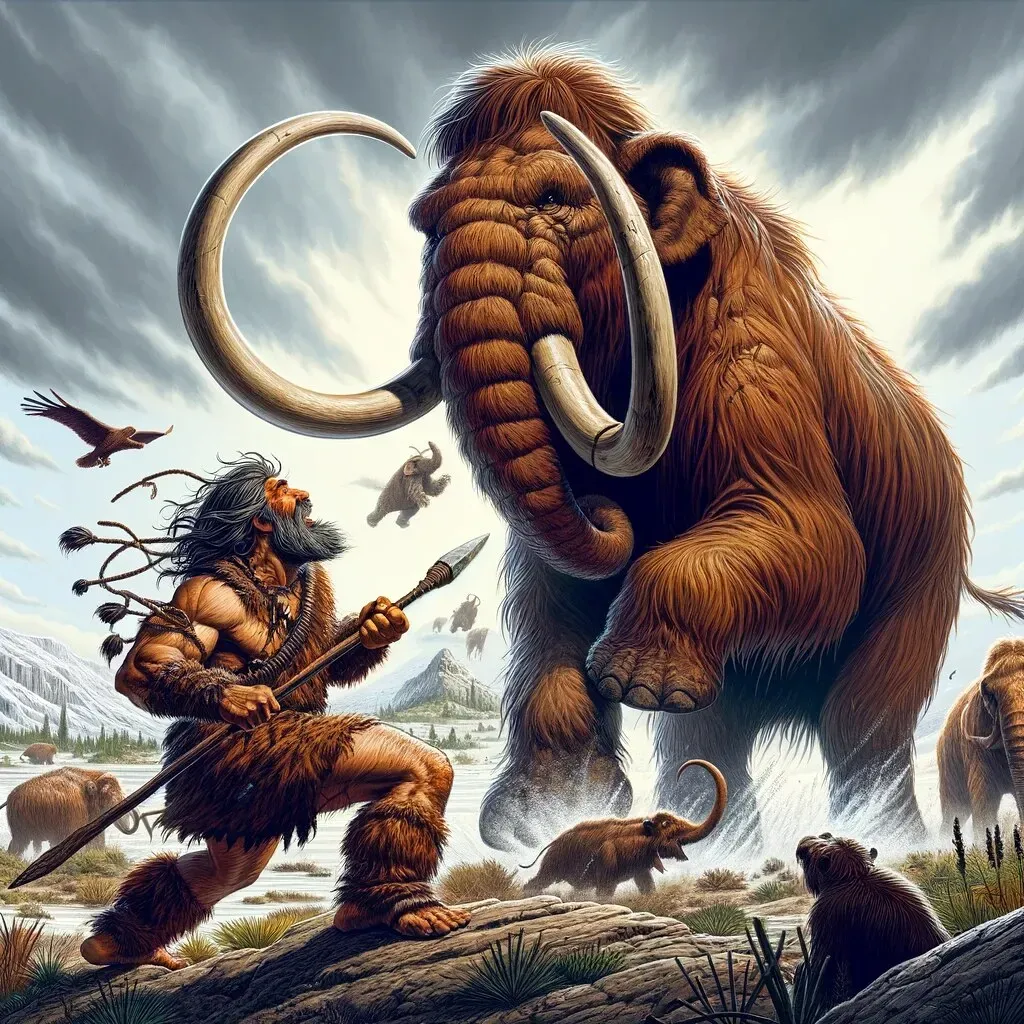
The image of a caveman squaring off against a roaring Tyrannosaurus looks epic on a movie poster – but timewise, it is utterly impossible. Non‑avian dinosaurs died out roughly sixty‑five million years before any humans existed. By the time our species shows up, dinosaurs are long gone, and mammals have taken over the starring roles. Yet for decades, films and cartoons kept mixing them together like it was all one big prehistoric party. It makes for fun animation, but scientifically it is as accurate as showing people riding scooters through ancient Rome.
What early humans actually coexisted with were Ice Age creatures like mammoths, woolly rhinos, giant deer, and big cats such as saber‑toothed relatives. These animals were dangerous and impressive enough that no dinosaur crossover was needed. Early humans had to track herds, recognize patterns in migration, and work together to bring down huge prey or scavenge safely. When we erase those real relationships and replace them with a human‑versus‑dinosaur showdown, we miss the ingenuity and ecological awareness that were central to their survival, and that honestly make them look smarter, not dumber.
They Were Not Dumb Brutes: Their Brains Worked A Lot Like Ours
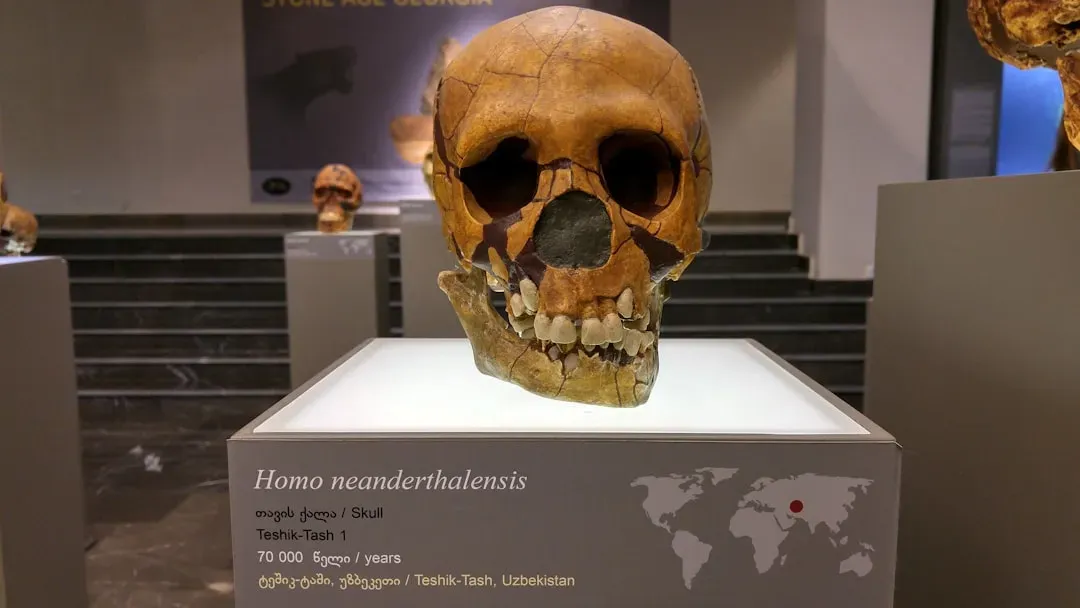
The classic caveman is a walking insult: hunched posture, heavy brow, vacant stare, and broken sentences like a bad parody. But when scientists compare fossil skulls and braincases, the story flips. Neanderthal brains, for example, were on average as large as or even slightly larger than modern human brains. Size alone does not prove intelligence, but it destroys the idea that they were some kind of mental underclass. These were people who planned hunts, adapted tools, and probably navigated complex social dynamics, just like us.
Modern experiments with stone tools show that re‑creating ancient technology is surprisingly hard. You need fine motor control, patience, and the ability to imagine the final shape while you are still hitting a raw stone. On top of that, some early groups used fire in controlled ways, exploited different environments from coastlines to mountains, and likely passed on knowledge across generations. The stereotype of the grunting brute hides the reality that these were flexible, thinking minds dealing with unpredictable climates. If anything, their daily problem‑solving was more intense than what most of us face scrolling on a phone in a heated apartment.
Caves Were Art Studios, Story Hubs, And Temples – Not Just Damp Shelters
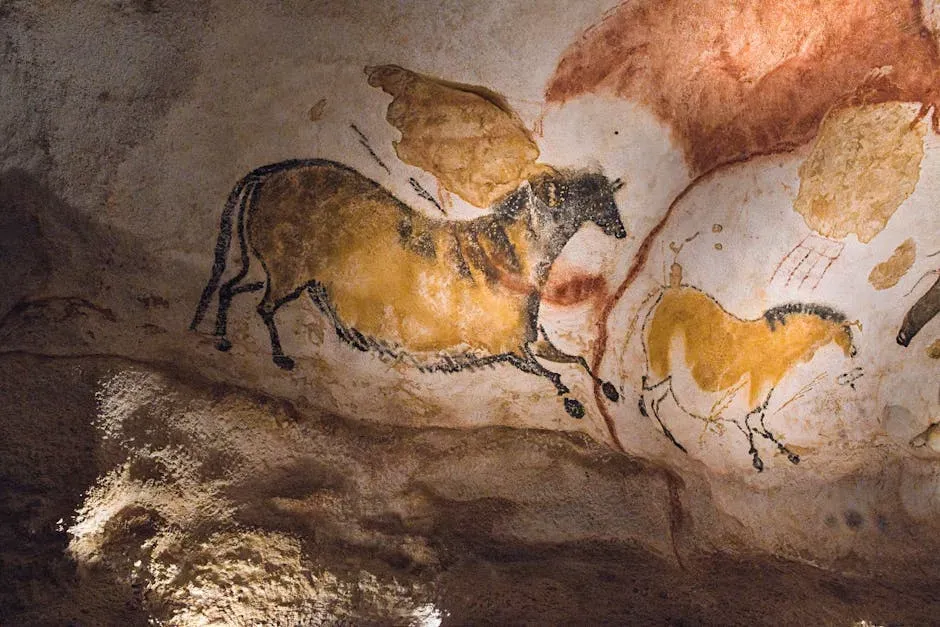
Hollywood usually shows caves as dark, gloomy holes where people huddle miserably around a smoky fire until something eats them. But the caves we know best – from France, Spain, Indonesia, and other regions – tell a very different story. Many contain intricate paintings of animals, hand stencils, engraved lines, and symbolic shapes. These images are not random doodles; the placement, repetition, and style suggest planning, shared symbols, and maybe even spiritual meanings. That is art, not just survival graffiti.
When you stand in front of those paintings – even just in photos – it feels almost unsettling to realize someone thirty or forty thousand years ago stood in that exact spot, lit the wall with firelight, and carefully painted a moving herd or a powerful bison. It suggests rituals, storytelling, and maybe music and dance echoing in the background. Caves were often special‑use spaces, not permanent housing. So the Hollywood “caveman” hiding from the rain misses the deeper truth: these spaces were like early theaters, galleries, or temples, where communities explored identity, memory, and meaning, not just warmth.
Early Humans Had Style, Tools, And Maybe Even Jewelry
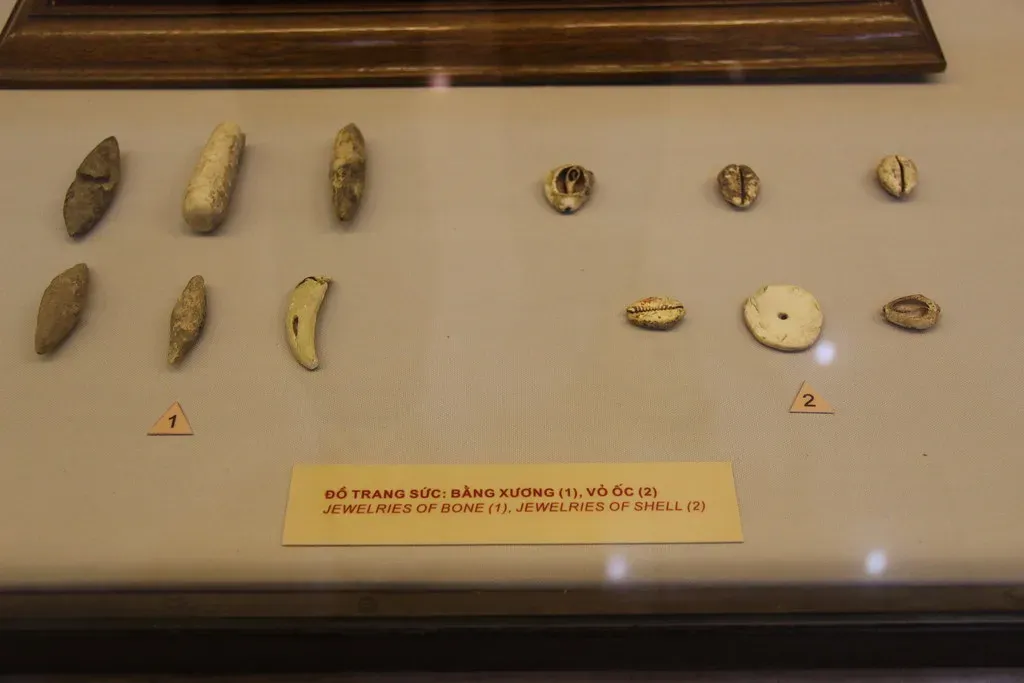
The ragged animal‑skin loincloth is practically a costume requirement in every caveman movie, but real early humans cared about a lot more than just not freezing. Archaeological finds include carefully tanned hides, tailored clothing, and sometimes personal ornaments like beads, pierced shells, and shaped bones. Those details point to people who thought about appearance, group identity, and maybe status or beauty. That is a huge step away from the idea of humans barely scraping by.
The same goes for tools. Instead of a single oversized club, the reality includes stone points, blades, bone needles, fishing gear, and later on, spearthrowers and other clever inventions. Making and maintaining that toolkit takes planning and teaching, and probably involved specialized knowledge within groups. When we replace all that with one generic club and a lot of yelling, we flatten a world that was full of craft, experimentation, and what you could honestly call design choices. It is not crazy to think some early hunter was proud of a particularly well‑made spear the same way someone today loves a favorite guitar or pair of sneakers.
The “Ugly Caveman, Beautiful Modern Human” Trope Is Deeply Misleading
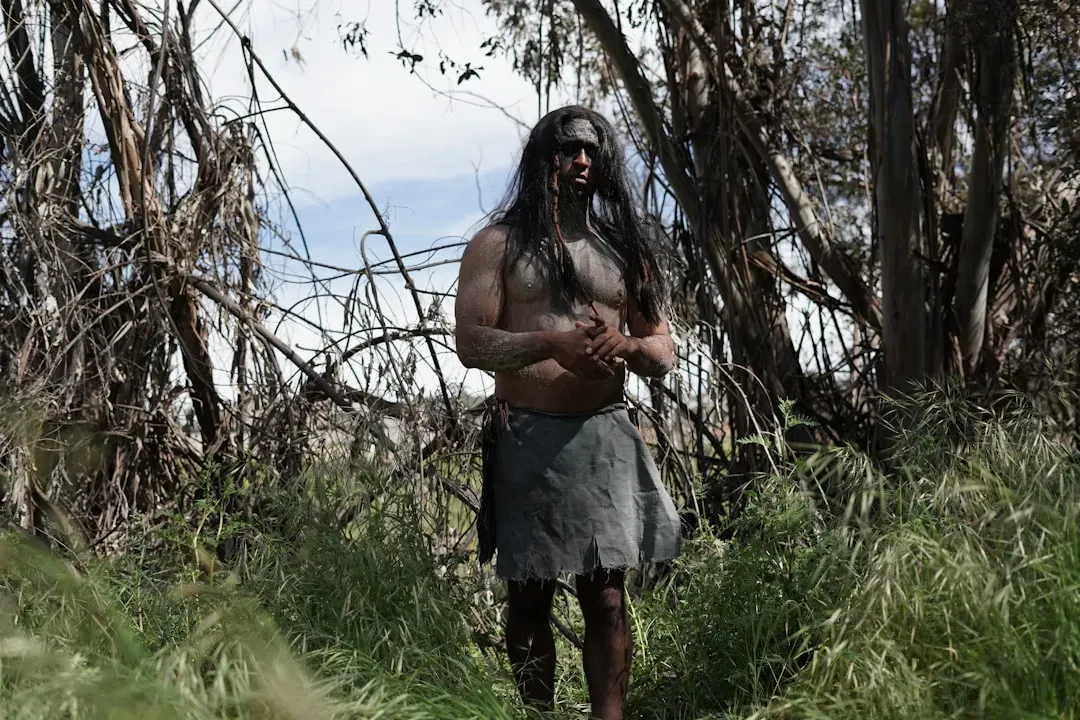
There is another subtle Hollywood lie hiding under the joke characters: the idea that early humans were uniformly ugly, dirty, and almost animal‑like, and that beauty is something that arrived late with modern civilization. That picture is not just wrong; it smuggles in some uncomfortable assumptions about who counts as fully human. Fossil evidence and reconstructions show that many early humans would have looked surprisingly familiar with cleaned hair, decent clothes, and modern grooming. If you passed some of them on a city street today, you might not even look twice.
Our brains, faces, and bodies are part of an unbroken line, not a sudden upgrade from “beast” to “person.” The difference in life expectancy, health, and appearance has a lot more to do with nutrition, medicine, and hygiene than with some magical jump in humanity. Early people had families, friendships, grief, and probably inside jokes. Representing them only as monstrous or grotesque does not just distort history – it quietly reinforces the idea that people who look or live differently are lesser. In that sense, challenging the caveman stereotype is not only about science; it is also about how we think of other humans today.
Real Prehistory Is Messy, Fascinating, And Way Better Than The Movie Version
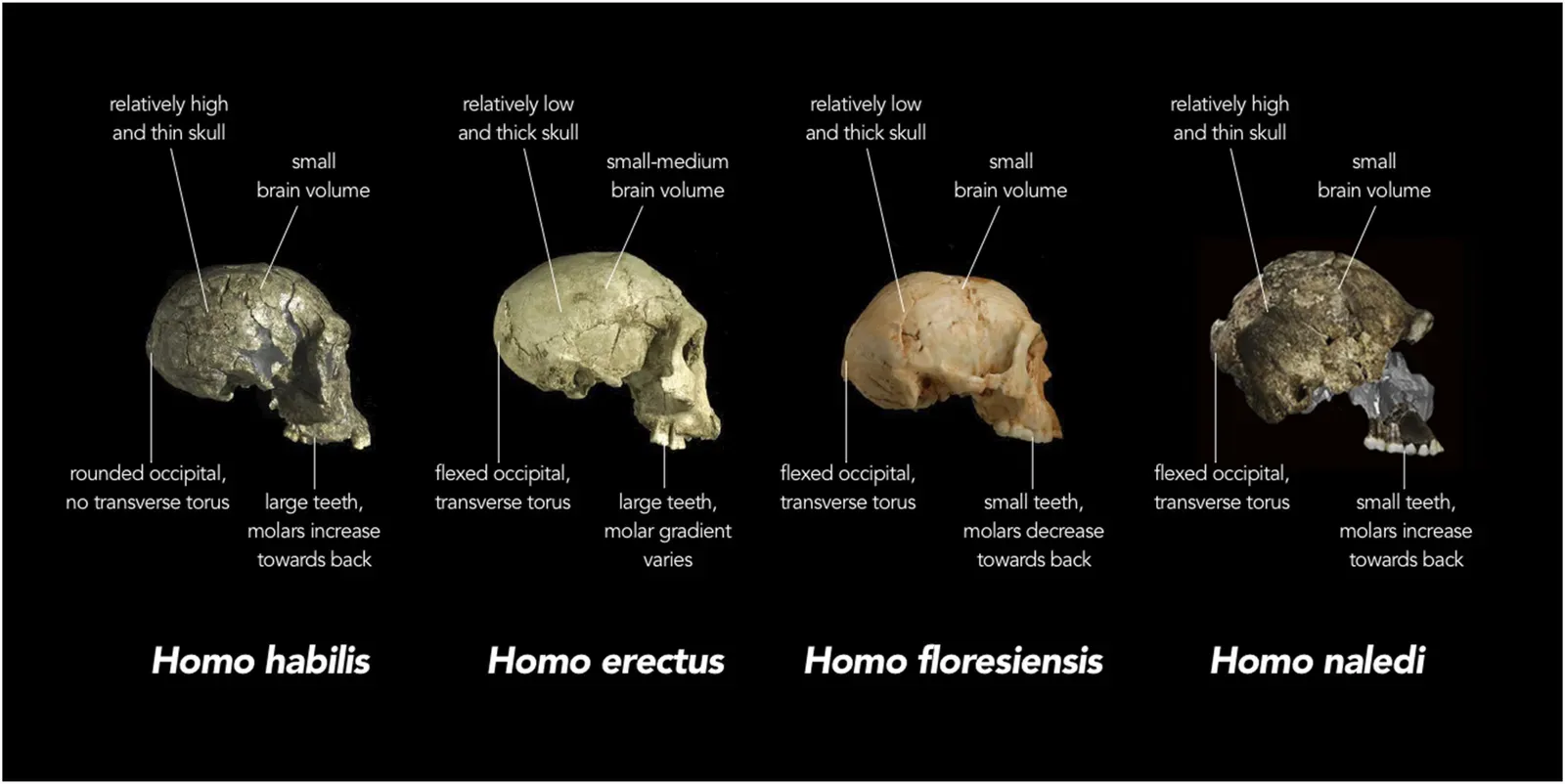
Once you strip away the Hollywood nonsense, what you are left with is not a boring textbook story but a messy, gripping saga of survival, migration, and creativity. Climate shifted back and forth, animals disappeared and appeared, and different human groups met, competed, and sometimes mixed. There were dead ends and extinctions, not just one triumphant march toward us. The truth is more like a complex web than a straight ladder, and that makes it both harder to film and infinitely more interesting to imagine.
For me, the biggest surprise in digging into this research was how emotionally close these people feel. The thought of a parent thirty thousand years ago worrying about a sick child, or friends laughing around a fire after a successful hunt, hits a lot harder than any cartoon cave chase. Sure, the Hollywood caveman is fun for a throwaway joke, but if we stop there, we are trading away a rich, human story for a cheap gag. The real early humans were not background extras in dinosaur movies; they were us, just earlier, doing the best they could with the tools and knowledge they had.
Conclusion: It’s Time To Retire The Caveman Cartoon
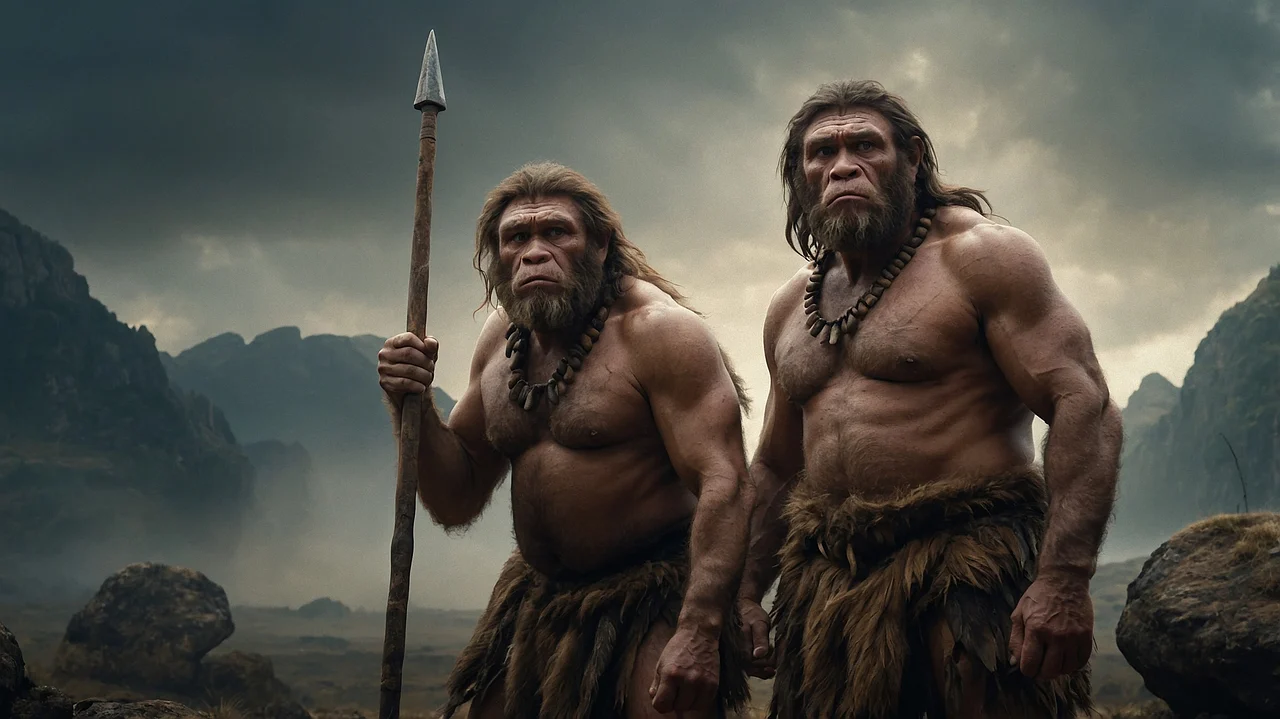
We should be honest: the Hollywood caveman stereotype is not just scientifically wrong – it is lazy. It flattens dozens of species, thousands of years, and entire worlds of art, technology, and emotion into one grunting, club‑swinging caricature. When we keep repeating that image, we are basically saying we would rather cling to a comfortable cartoon than deal with the more complicated, more human truth. And that choice matters, because it shapes how we see ourselves and what we think humans are capable of.
In my view, it is time to let the fur‑loincloth gag fade out and make room for stories that actually respect our deep past. Early humans deserve to be shown as thinkers, makers, and feelers, not just as punchlines covered in dirt. The real prehistory is not neat or simple, but that is exactly why it is powerful: it reminds us that humans have always been clever, fragile, creative, and stubbornly adaptable. Next time a movie trots out another oafish caveman, maybe the most radical thing you can do is quietly think, “That is not even close.” And once you see through the stereotype, can you really unsee it?