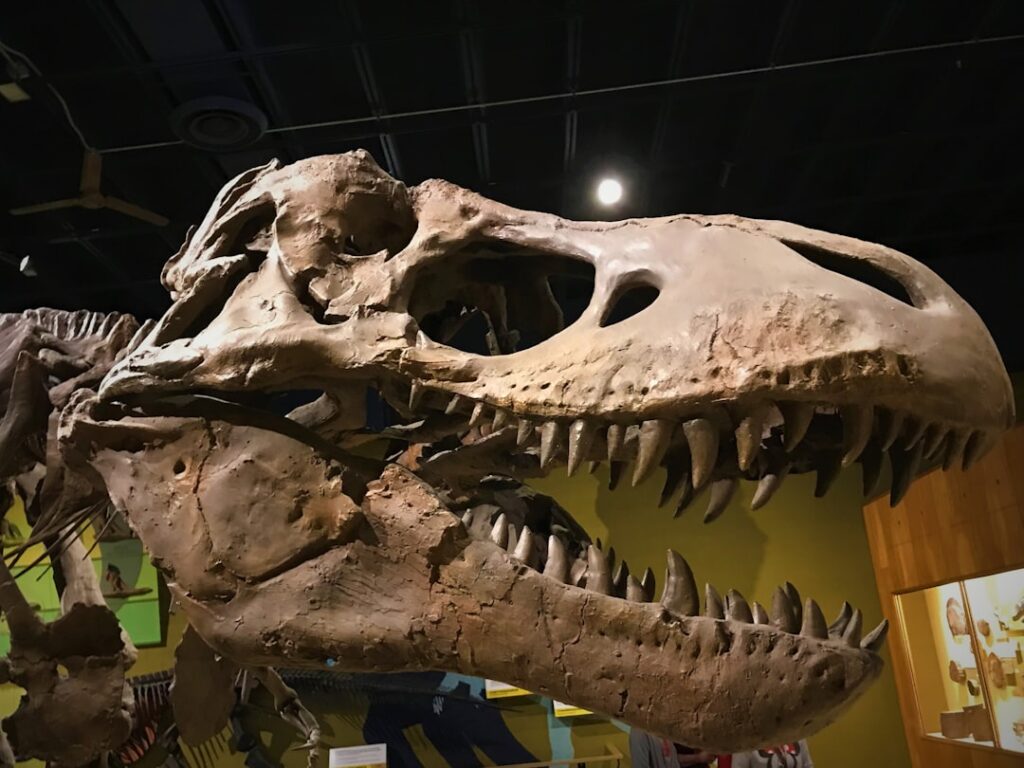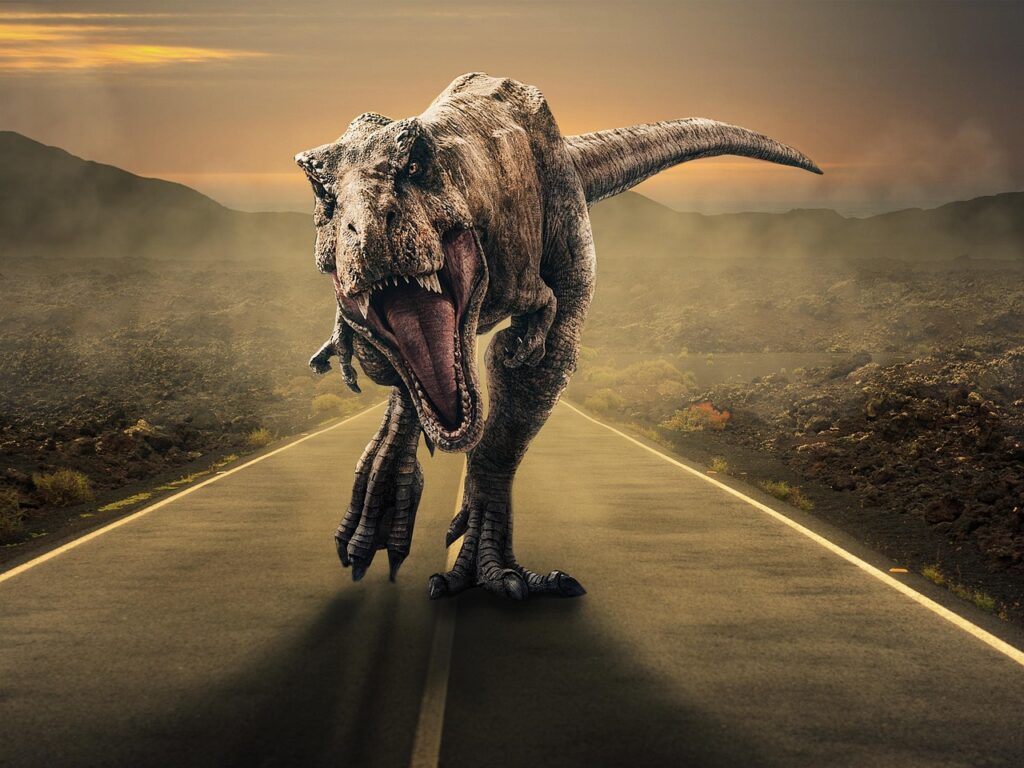
Picture this: a massive beast standing thirteen feet tall, equipped with banana-sized teeth and jaws capable of crushing a small car. For decades, Tyrannosaurus rex has held the crown as Earth’s ultimate predator, terrorizing our imaginations and dominating every dinosaur movie ever made. But here’s a question that might surprise you: what if everything you thought you knew about the “King of Dinosaurs” was wrong?
Recent scientific discoveries are shaking the very foundations of T. rex’s legendary status. From bone-crushing bite forces to newly discovered rival predators, the story is far more complex than Hollywood would have you believe. Let’s dig into the fossil evidence and separate fact from fiction.
The Bite Force Myth That Started It All
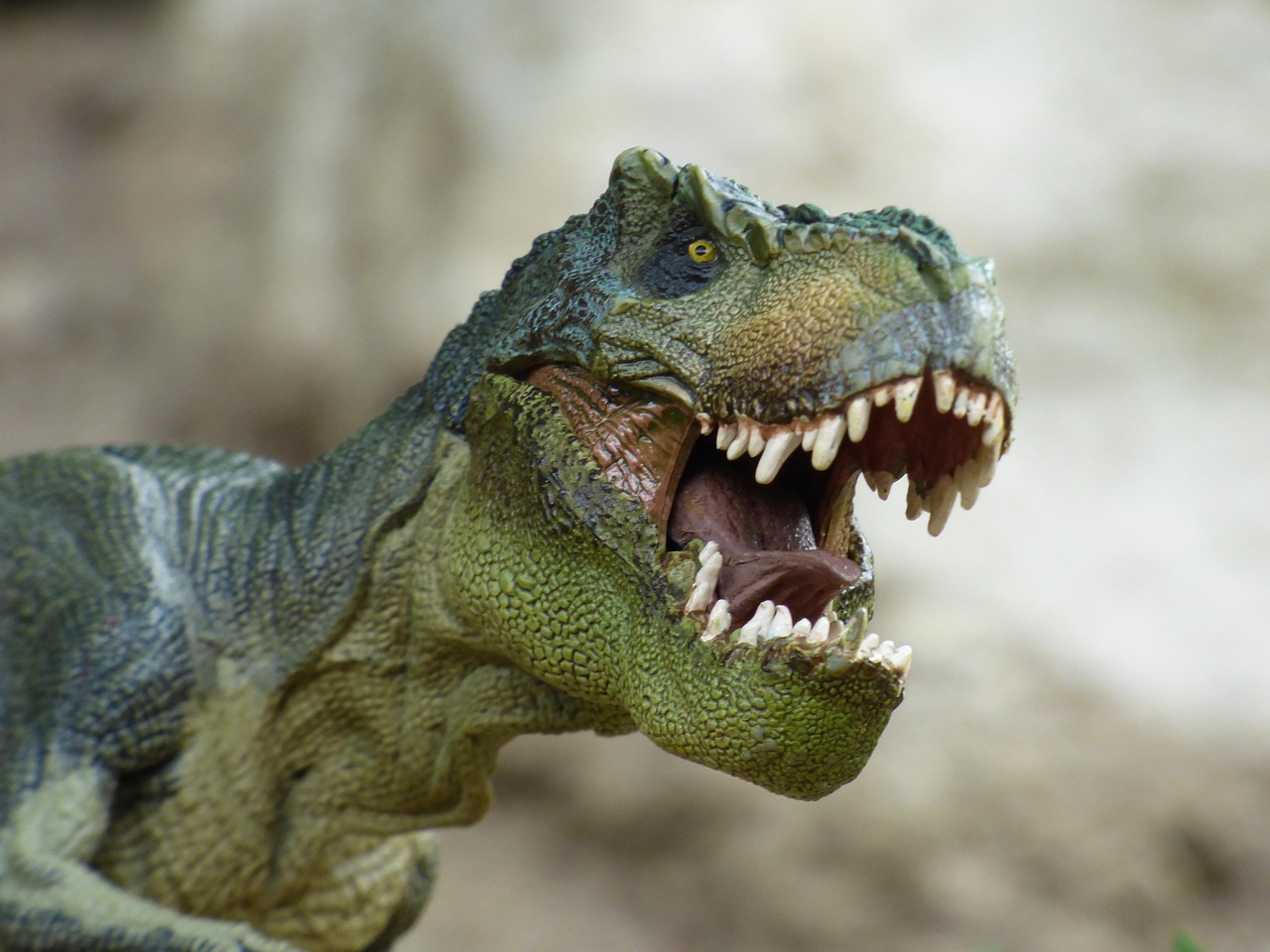
Everyone loves to quote that famous statistic about T. rex having the strongest bite force of any land animal ever. It had the strongest bite force of any land animal in the Triassic, Jurassic or Cretaceous periods, delivering up to six tons of pressure. But here’s where things get interesting – that incredible bite force wasn’t just about raw power.
Carcharodontosaurus had a bite force only half of that of T. rex, which is more likely a reflection of just how unique T. rex may have been compared to other theropods of similar sizes. Tyrannosaurus had robust conical-shaped teeth and multiple adaptations in the skull that allowed it to withstand immense forces. The real question isn’t whether T. rex could bite hard – it’s whether bite force alone makes you the deadliest predator.
Meet the Challengers to the Throne
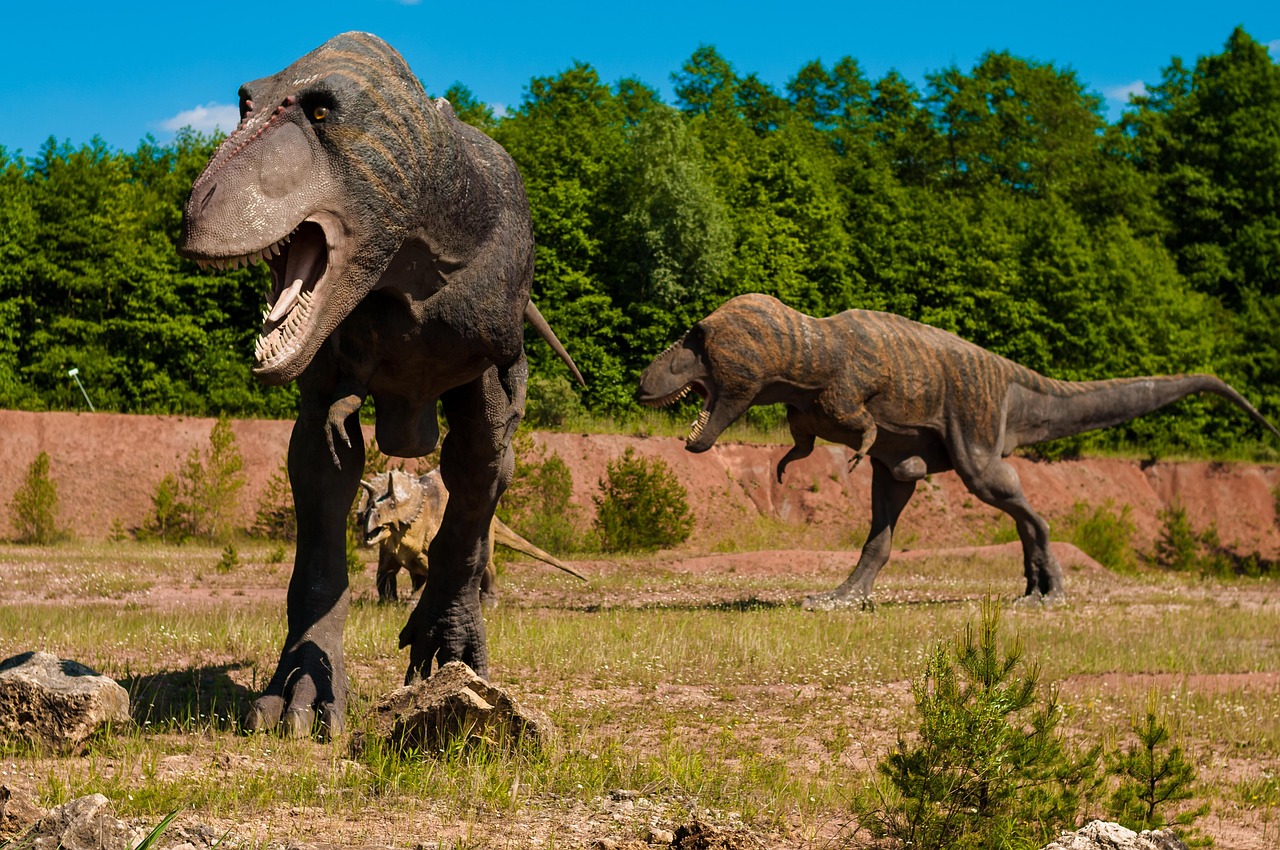
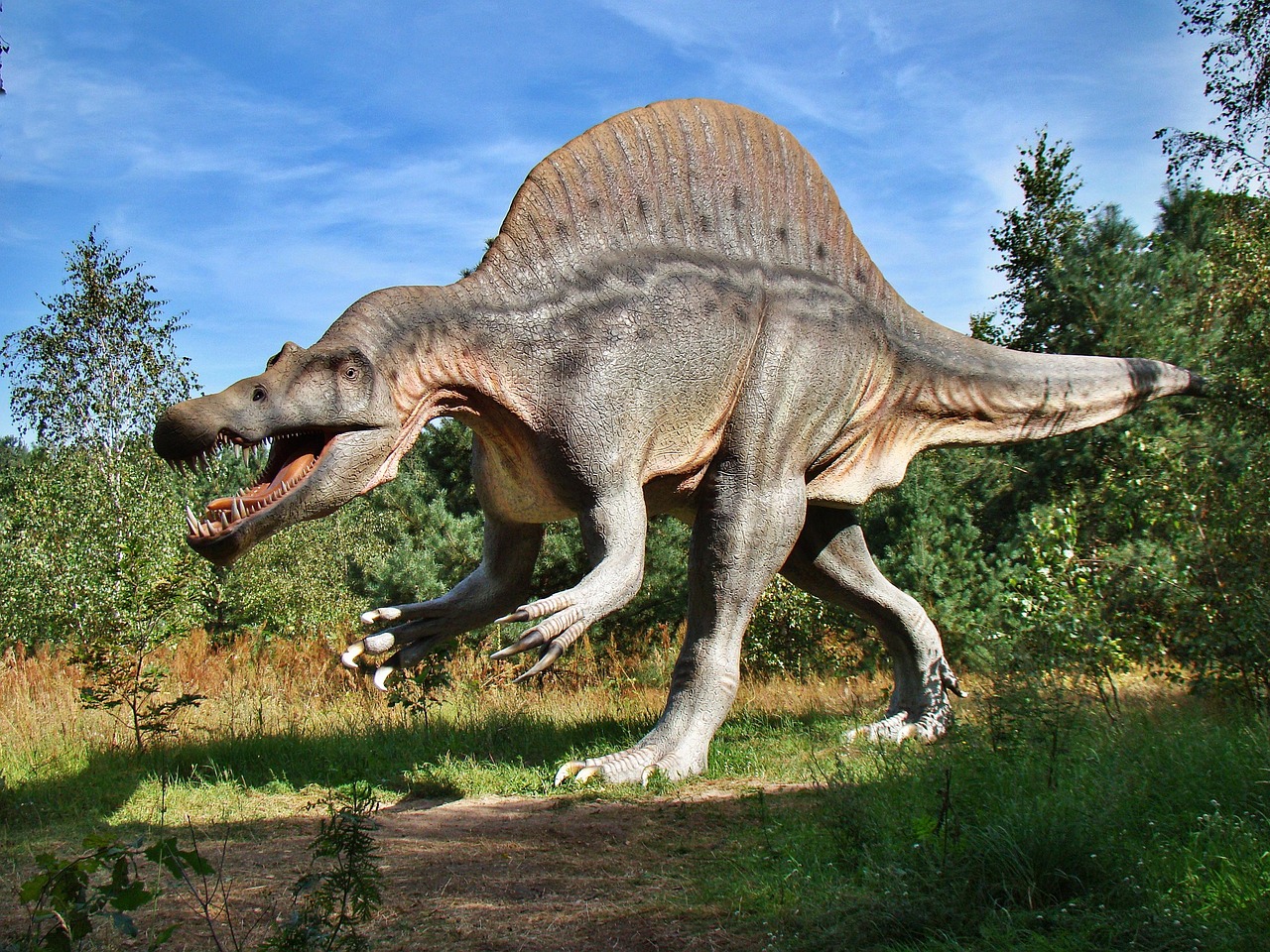
While T. rex was flexing its jaw muscles in North America, other massive predators were dominating different continents. Spinosaurus was even larger than the T. rex, growing up to 50 feet long. This isn’t just about length – we’re talking about a predator that could potentially dwarf our beloved T. rex in sheer size.
Giganotosaurus rivaled T. rex in size, growing up to 43 feet long. It had an elongated skull filled with sharp teeth designed for slicing through flesh. Think of it as nature’s perfect slicing machine, built for a completely different hunting strategy than the bone-crushing T. rex. These weren’t just big lizards – they were specialized killing machines with their own unique advantages.
The Speed Demon Reality Check
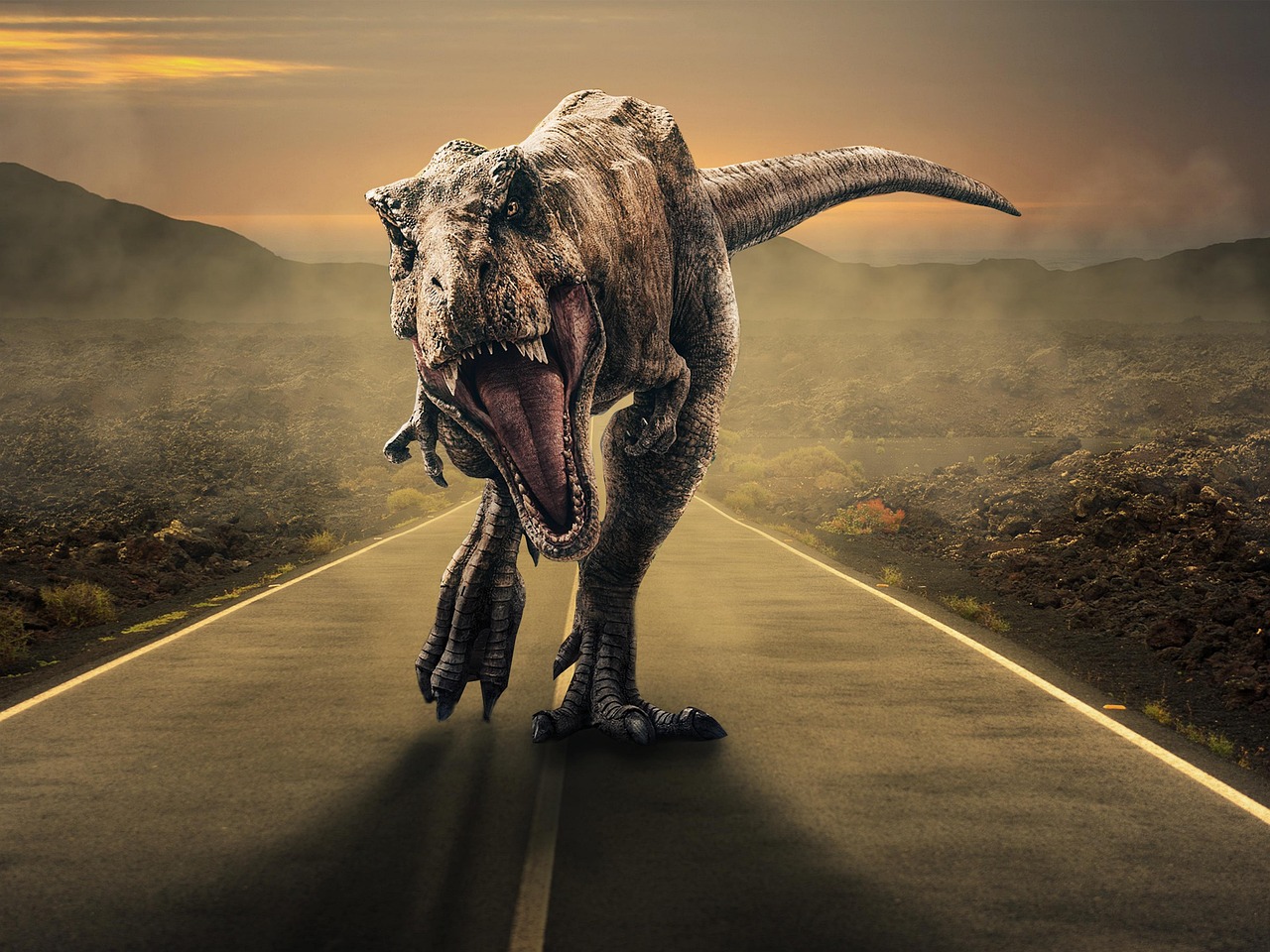
Here’s something that might blow your mind: researchers say you could have outrun Tyrannosaurus rex. That’s right – the supposedly unstoppable killing machine wasn’t exactly built for marathon chases. But before you start feeling too confident about your chances, consider this: T. rex didn’t need to be fast when it had other advantages.
Utahraptor was capable of reaching speeds up to 40 km/h. Equipped with massive sickle-shaped claws on each hind foot and robust limbs, it was built for power and speed, enabling it to ambush prey with bursts of speed. Meanwhile, other predators like Allosaurus could reach 34 to 53 km/h, with strong hind legs and balanced tail suggesting it was capable of quick bursts of speed essential for hunting.
Size Doesn’t Always Equal Deadly
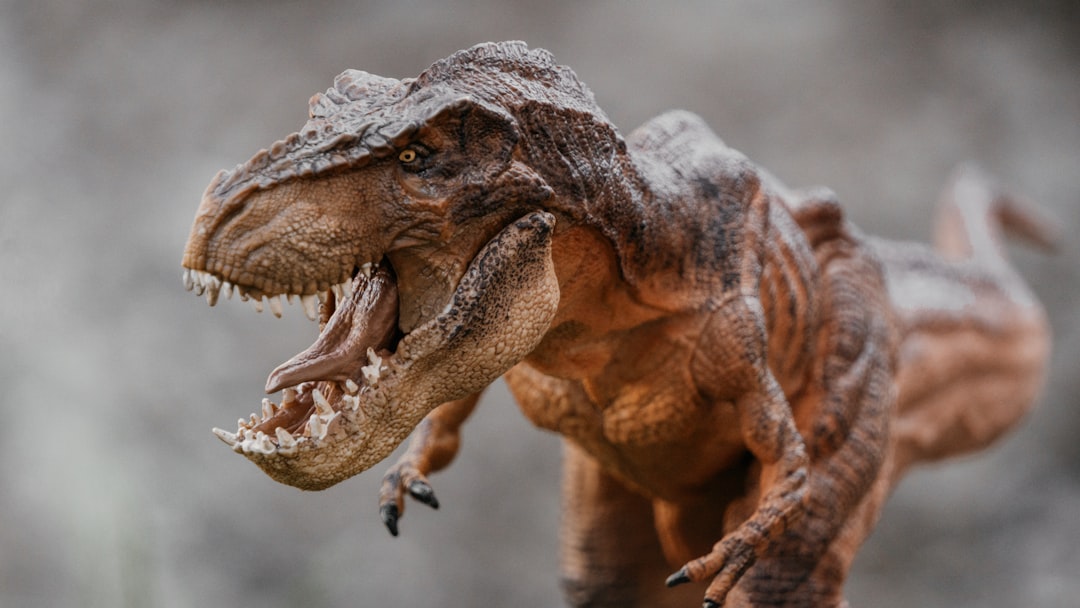
T.rex is widely regarded as the largest and most ferocious terrestrial predator that has ever lived, but size can be deceiving. Think about it – a modern-day honey badger can take down animals many times its size through sheer determination and the right weapons.
Utahraptor’s jaws were lined with serrated teeth, but its deadliest weapons – 24cm-long, sickle-shaped claws – were fixed to its second toes. It used these claws to tear open the bellies and necks of its prey, letting them bleed out. Sometimes surgical precision beats brute force, and these smaller predators proved that point repeatedly throughout the Mesozoic era.
The Intelligence Factor Nobody Talks About
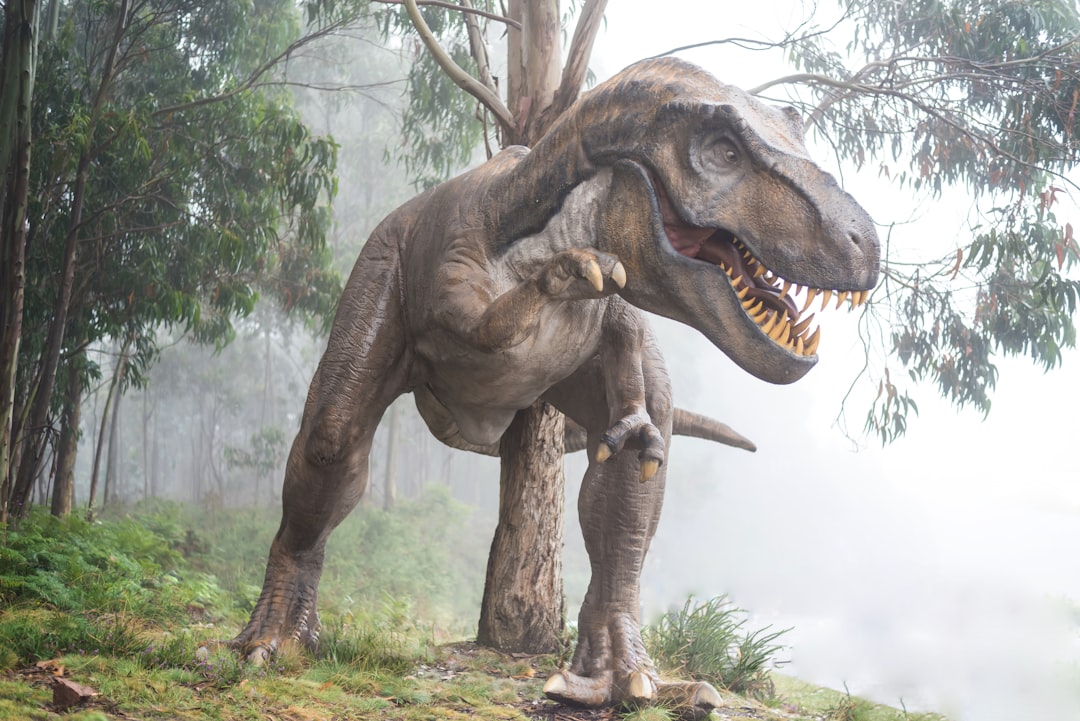
What really separated the deadliest predators wasn’t just their physical attributes – it was their brain power. Tyrannosaurus Rex was an incredibly smart dinosaur with impeccable senses of smell, hearing, and sight. This mental edge gave T. rex a significant advantage over competitors who relied purely on size or speed.
However, recent studies suggest that non-bird theropods have a predicted brain size about typical for non-bird reptiles, and below that typical for modern birds. This finding challenges some earlier claims about T. rex’s exceptional intelligence. The truth is, we’re still learning about dinosaur cognition, and it’s far more complex than we initially thought.
The Hunting Strategy Game-Changer
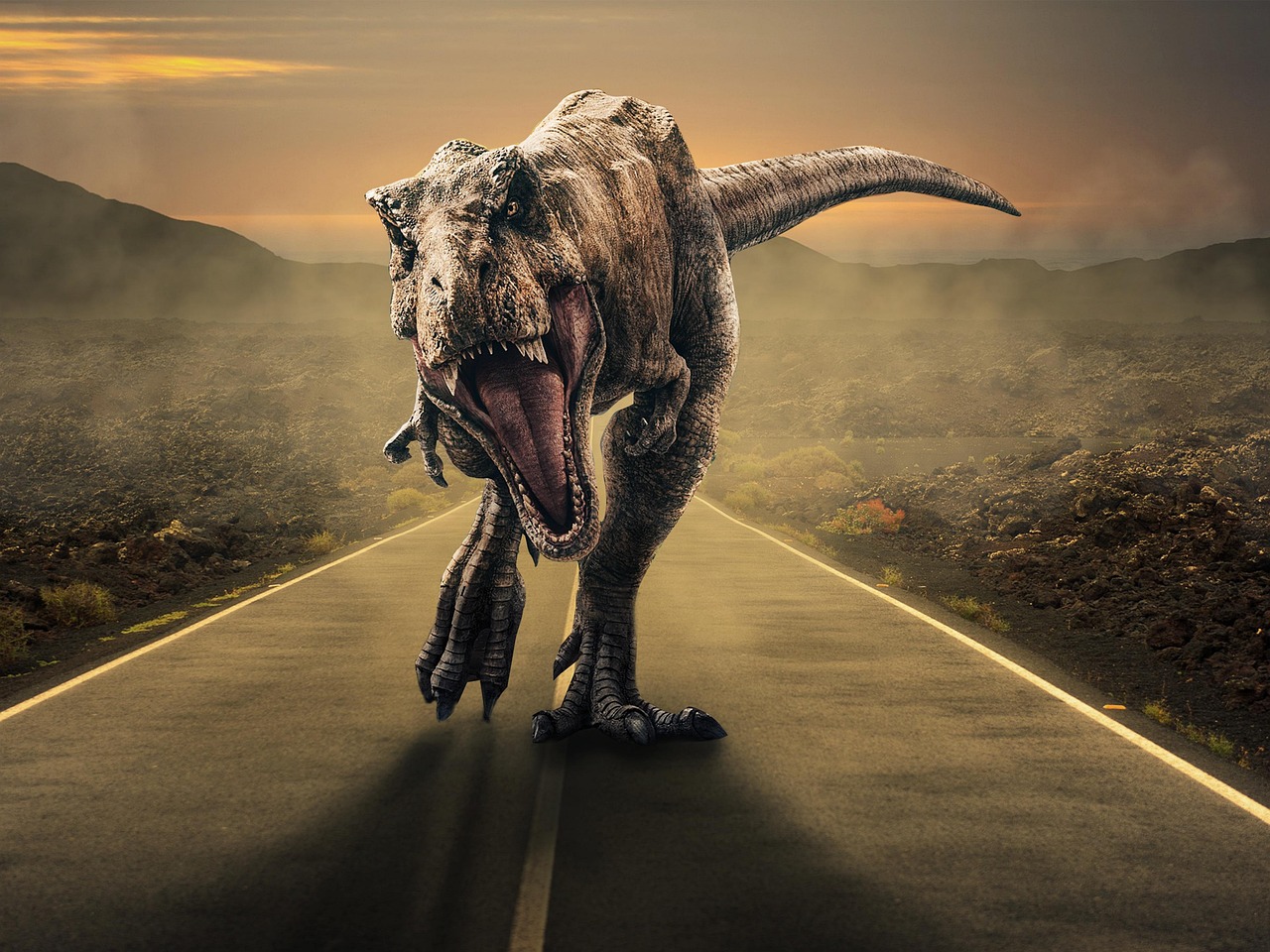
Different predators evolved completely different approaches to killing. Evidence from leg physiology supports the idea of Utahraptor being an ambush predator, in contrast to other dromaeosaurs that were pursuit predators. This wasn’t a one-size-fits-all situation – each predator had evolved the perfect strategy for their environment and prey.
Multiple lines of evidence point to habitual bone-crushing and consumption in T. rex, supporting the hypothesis that T. rex had at least a partial osteophagous diet, an ecology that was likely different from other theropods. T. rex wasn’t just another predator – it was a bone-crushing specialist, filling a unique ecological niche that no other dinosaur could match.
Pack Hunters vs. Solo Artists
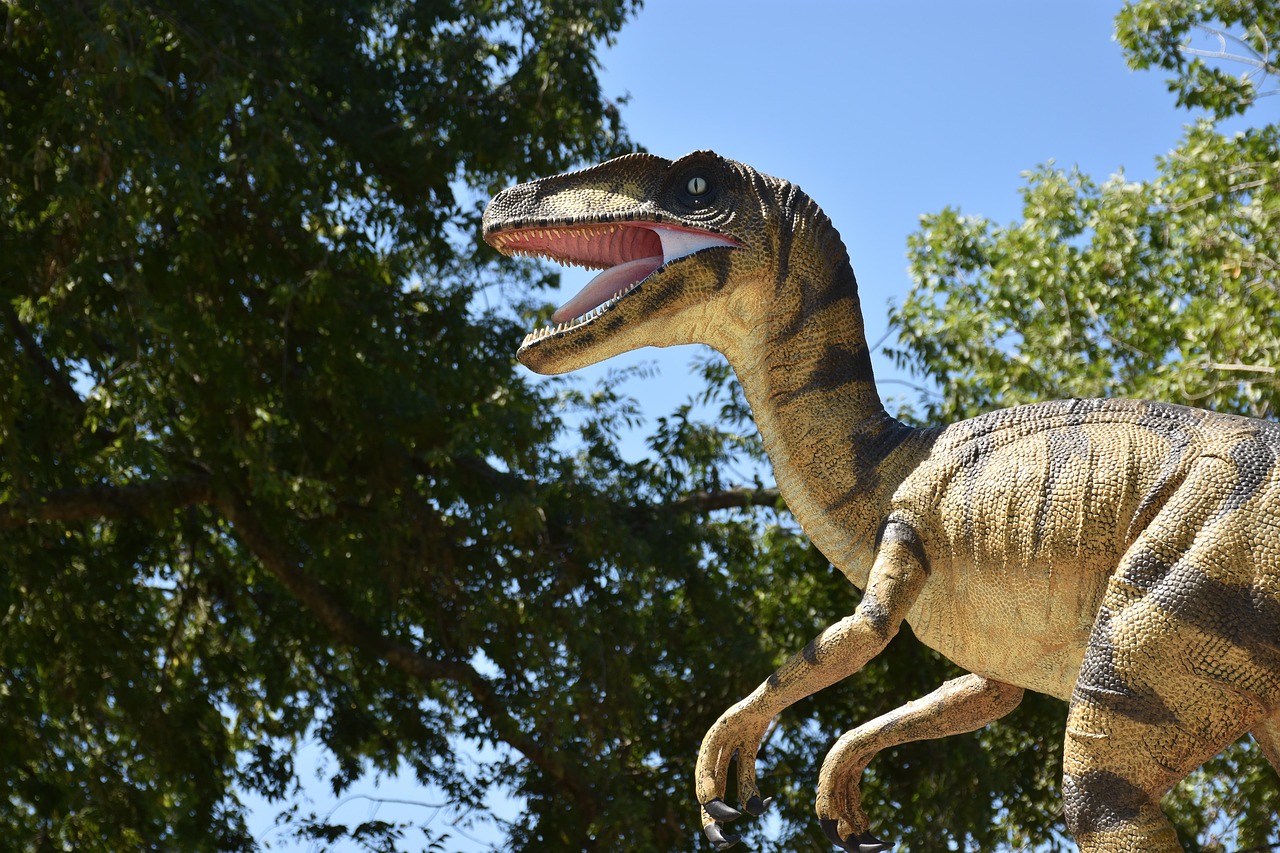
The debate over whether dinosaurs hunted in groups continues to rage among paleontologists. There’s a lot of debate surrounding raptors and whether they hunted in groups. Some suggest they hunted in tight-knit family groups, while others say it’s more likely they hunted alone or in loose, uncoordinated rabbles.
Fossil remains of several individuals of various ages have been found together, suggesting that Utahraptor was gregarious and practiced degrees of post nestling care. If pack hunting was proven for some species, it would completely change the deadliness equation. A coordinated attack by multiple intelligent predators could take down prey that no single dinosaur could handle alone.
The Aquatic Advantage Nobody Expected
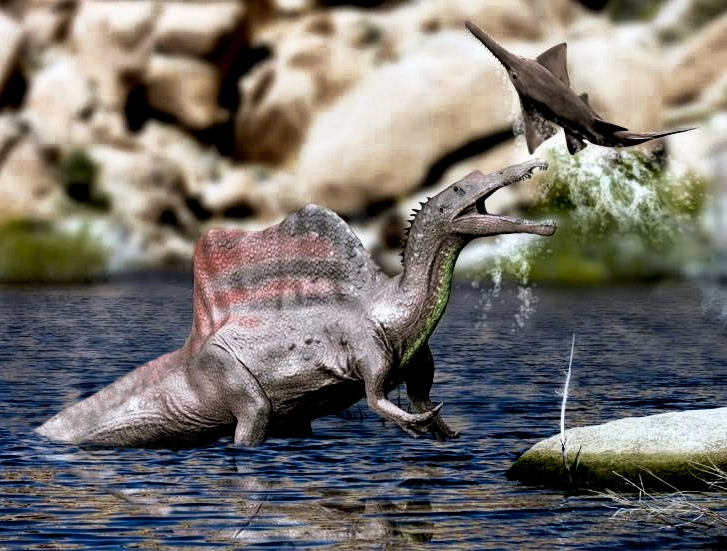
Spinosaurus is one of only a handful of dinosaurs that are thought to have been semi-aquatic. While it may have been able to hunt on land, researchers think it was a lot more comfortable in water. This dual lifestyle gave Spinosaurus access to completely different prey sources and hunting opportunities.
Spinosaurus lived both on land and in water, which gave it an advantage over many other carnivorous dinosaurs. With a long snout and conical teeth, it specialized in catching fish but could easily overpower other dinosaurs with its sheer size. Its crocodile-like jaws and semiaquatic lifestyle made it one of the most versatile predators. Versatility in predation might be more valuable than pure terrestrial dominance.
The Weapon Comparison That Changes Everything
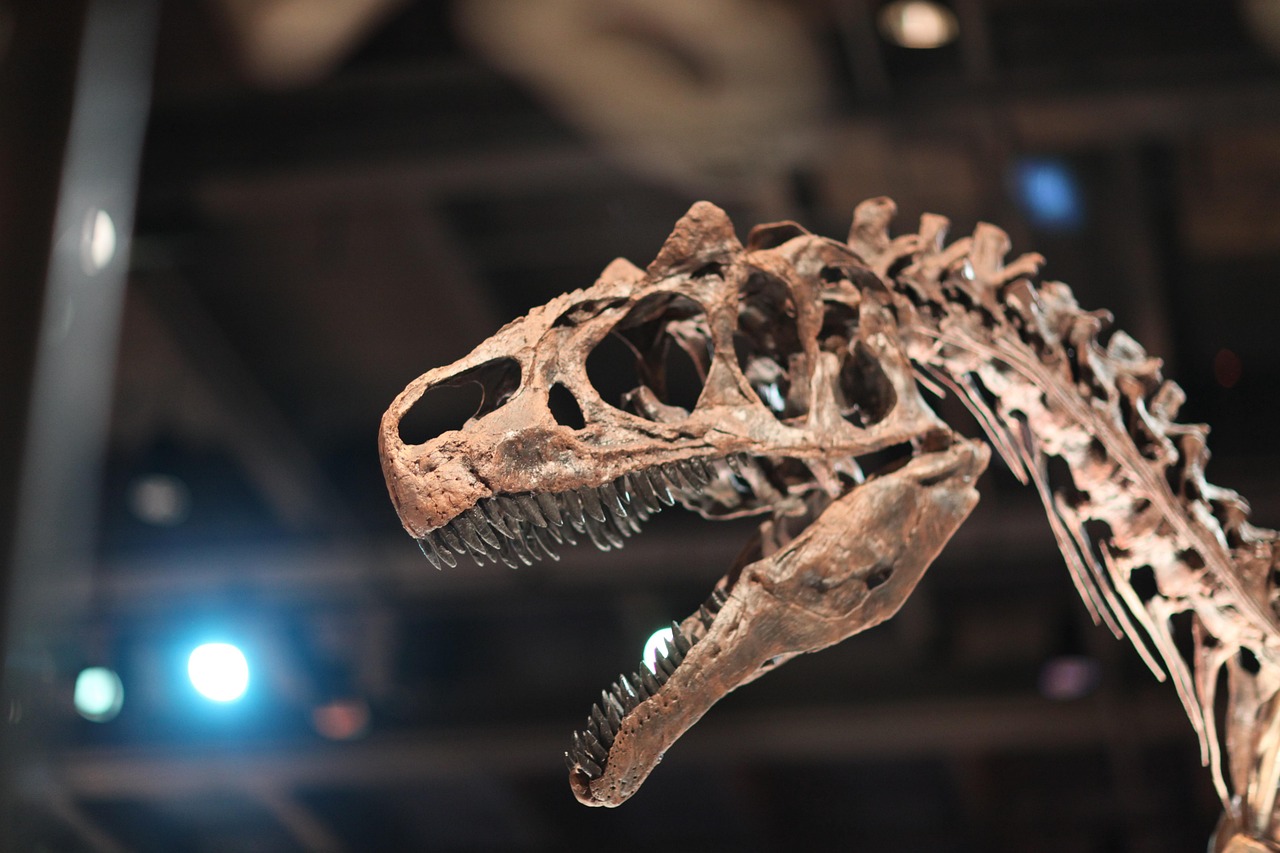
Let’s talk about weaponry for a moment. T-Rex’s jaws allowed for 35,000 Newtons and higher for bite strength, driving all 50-60 of their 8-12-inch teeth into an enemy. Giganotosaurus had a much weaker bite of just 6,000 Newtons, but it had 76 sharp, serrated teeth. It’s like comparing a sledgehammer to a surgical scalpel – both deadly, but in completely different ways.
T.rex had 1.5m-long jaws lined with 60 serrated teeth, each up to 20cm long and specially designed to tear flesh and crush bones. But consider this: sometimes the most effective weapon isn’t the biggest one. A precise strike to the right location can be far more lethal than overwhelming force applied randomly.
The Environmental Context That Matters
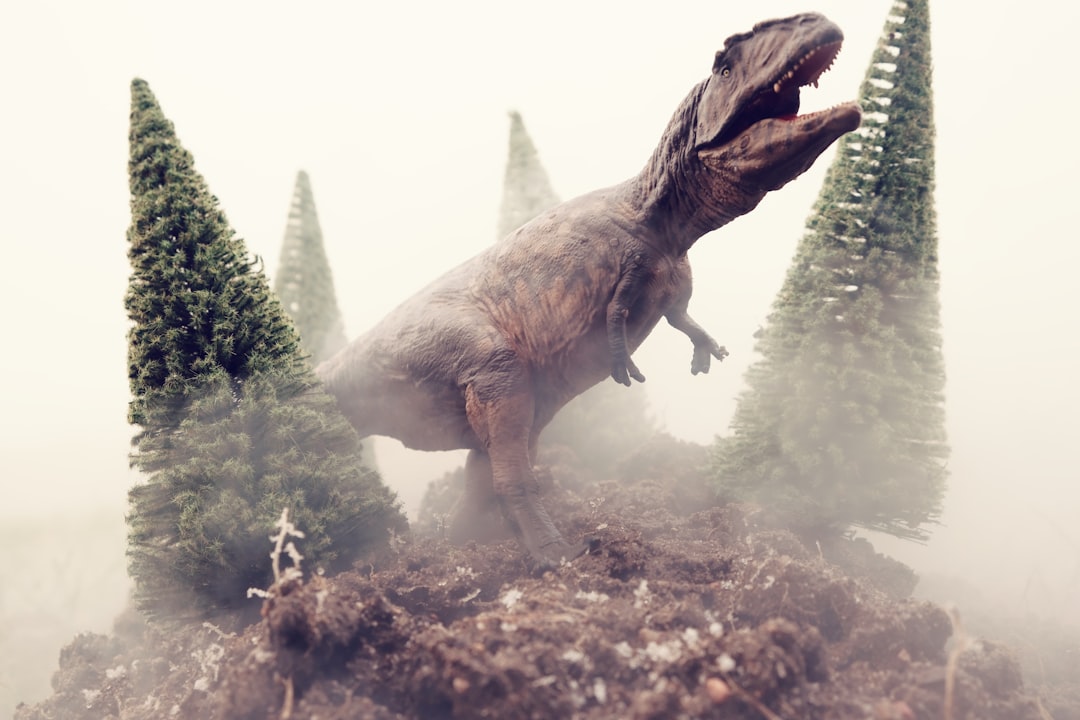
T.rex lived right up until the end of the ‘Age of Dinosaurs’ and actually witnessed the dinosaur-killing asteroid impact firsthand. Living just a few hundred miles from where the impact happened, T.rex was probably one of the first species to face extinction. This timing is crucial – T. rex lived during a period when Earth’s ecosystems were already under stress.
Earlier predators like Giganotosaurus lived during the early Cenomanian age of the Late Cretaceous period, approximately 99.6 to 95 million years ago, in a completely different world with different prey animals and environmental challenges. Comparing predators from different time periods is like comparing athletes from different eras – the context matters enormously.
The New Discoveries Rewriting History
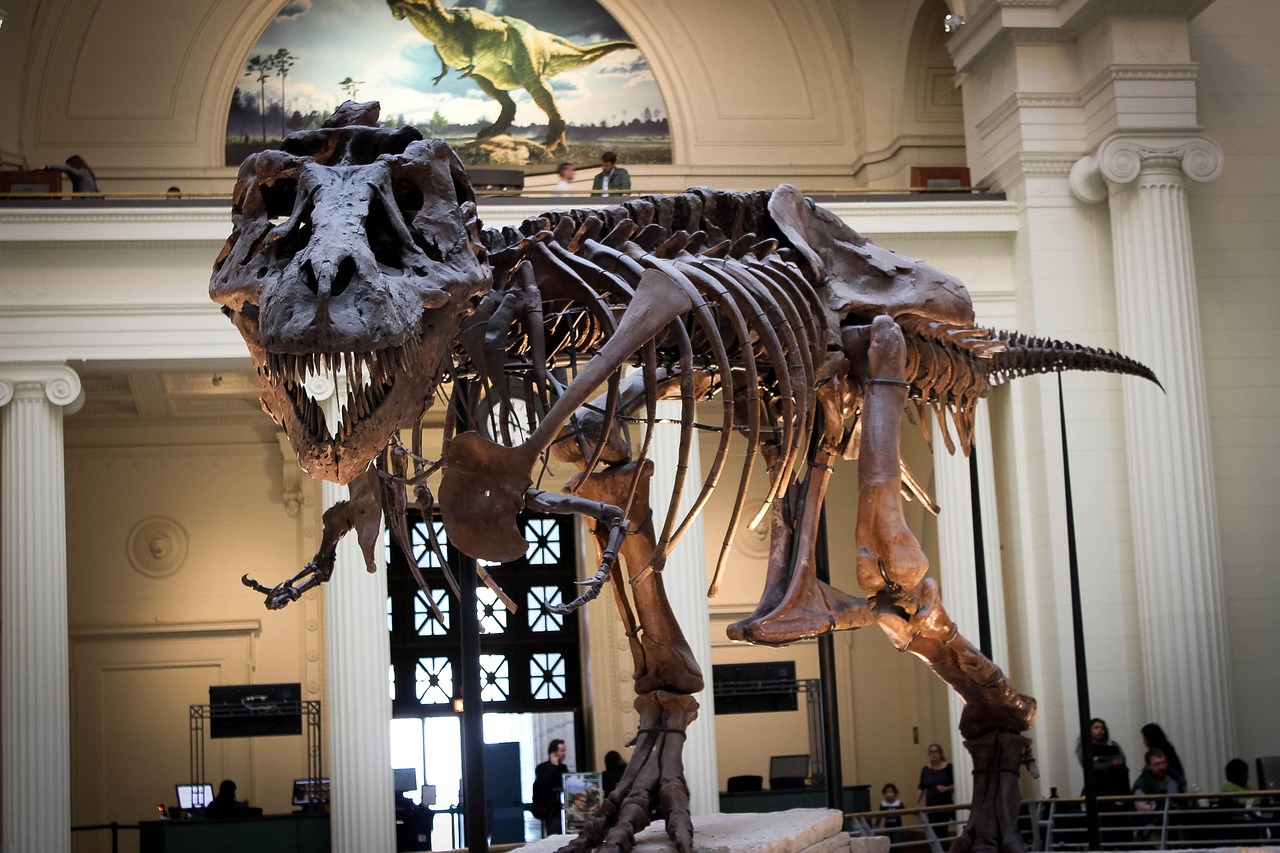
Science doesn’t stand still, and recent discoveries are forcing us to reconsider everything we thought we knew. Apex predators, like the Tyrannosaurus rex, eventually arose from smaller-bodied tyrannosauroid dinosaurs called Khankhuuluu mongoliensis. This species is the missing link between smaller and earlier forms and the larger apex predatory tyrannosaurs.
These findings suggest that the path to becoming an apex predator was more complex than we realized. These smaller-bodied predators were evolutionary intermediates. During the period when Khankhuuluu lived in Mongolia, the tyrannosaurs began growing larger and taking on the features of apex predators. Evolution was experimenting with different approaches to creating the perfect killing machine.
The Verdict: Deadly in Different Ways
After examining all the evidence, here’s the truth that might disappoint T. rex fans: there probably wasn’t one single “deadliest” dinosaur. The T. rex takes the crown as the most dangerous dinosaur in popular culture, but the reality is far more nuanced.
Each massive predator evolved to excel in its specific environment and hunting situation. T. rex dominated through bone-crushing power and intelligence, Spinosaurus ruled both land and water with versatility, Giganotosaurus used precision slicing techniques, and pack hunters like Utahraptor employed coordinated group tactics. Rather than one ultimate predator, we had multiple specialized killing machines, each perfectly adapted to their particular ecological niche.
The truth about T. rex isn’t that it was the undisputed champion of deadliness – it’s that the Mesozoic world was filled with terrifyingly effective predators, each representing a different evolutionary solution to the same problem: how to be the perfect killer. In the end, maybe that’s even more fascinating than having just one king of the dinosaurs. What would you have preferred to encounter: the bone-crushing jaws of T. rex, the surgical precision of Giganotosaurus, or the pack coordination of a Utahraptor family? Perhaps it’s better we’ll never have to find out.