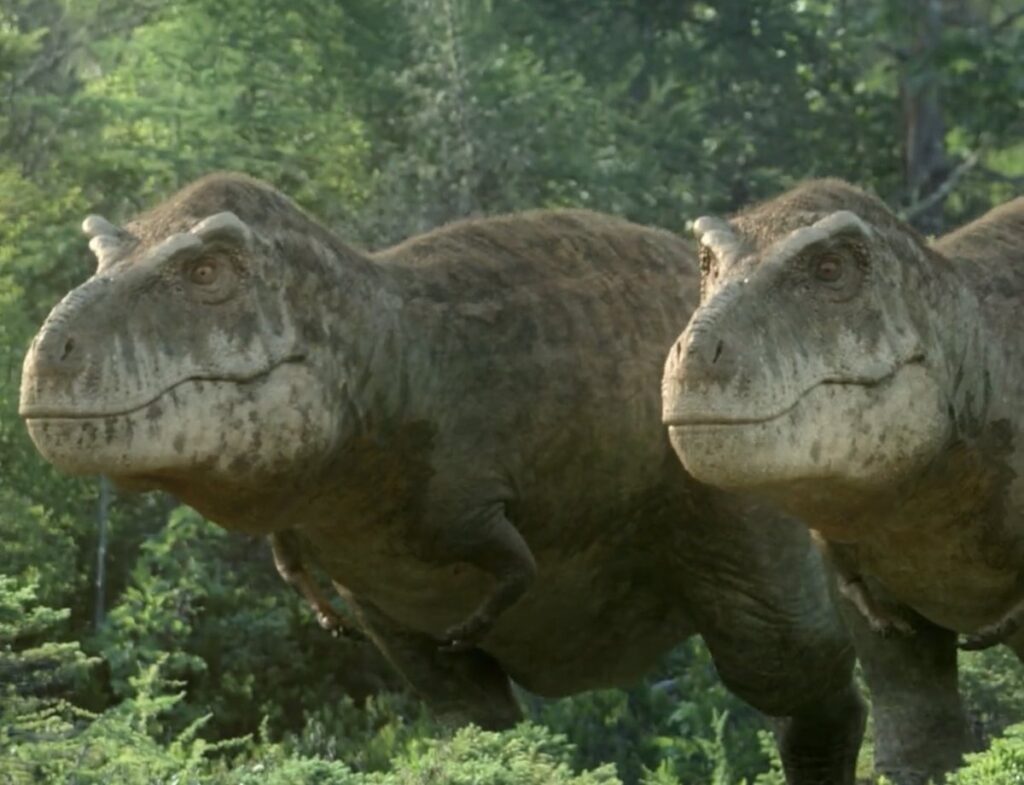
You probably grew up thinking of Tyrannosaurus rex the way Hollywood always presented it: a lumbering, solitary monster roaming the prehistoric landscape alone, terrorizing everything in sight with those bone-crushing jaws. A kind of ultimate loner. The biggest, baddest thing on the block, answering to no one.
Turns out, that picture might be dramatically wrong. Science has been quietly dismantling the “lone tyrant” myth for decades now, and the evidence just keeps piling up. What’s emerging is a far more complex, even surprising portrait of an animal that may have lived, moved, and even hunted in groups. Get ready for a T. rex you never expected. Let’s dive in.
The Lone Predator Myth: Where It All Started
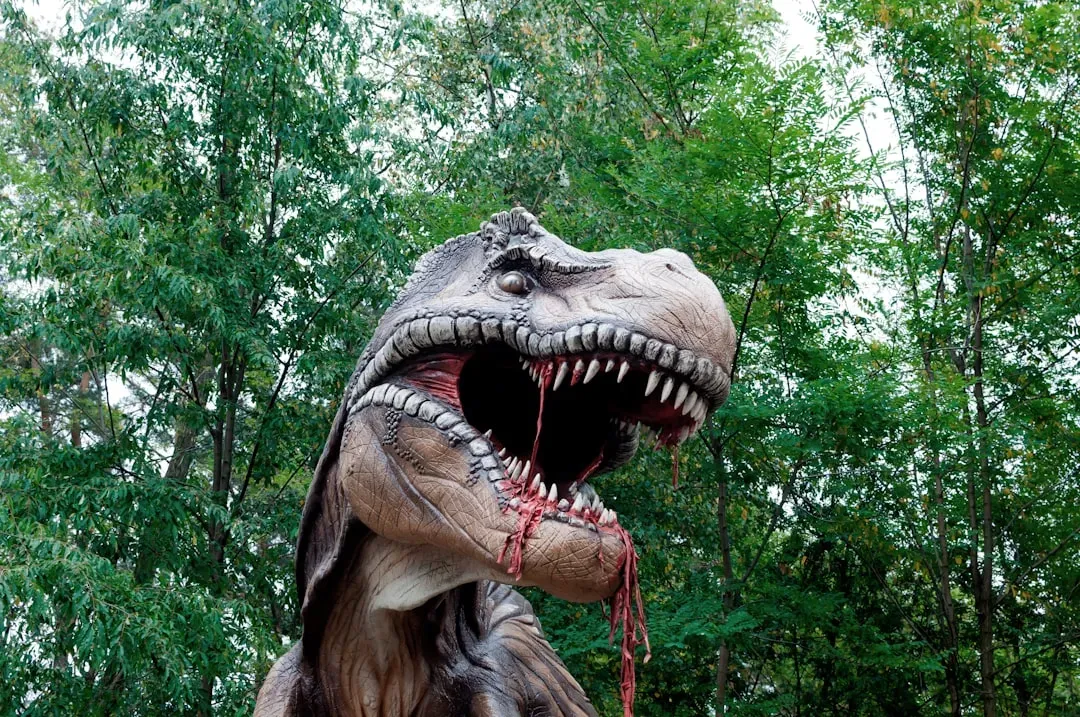
Think about every T. rex you’ve ever seen on screen. From the original Jurassic Park to countless documentaries, the image is always the same: one enormous creature, hunting alone under a dramatic sky. In the classic 1993 movie Jurassic Park, T. rex appeared as a solitary monster, hunting the protagonists and other dinosaurs with bloodthirsty gusto. That image burned itself into popular culture so deeply that almost nobody thought to question it.
In stark contrast to the social interaction between humans and among many species of animals, paleontologists had long debated whether tyrannosaurs lived and hunted alone or in groups. For most of the 20th century, the scientific consensus leaned firmly toward the solitary side, treating T. rex more like a crocodile than a wolf. Honestly, it seemed reasonable at the time. It was a massive predator, after all.
The Discovery That Changed Everything: Rainbows and Unicorns Quarry
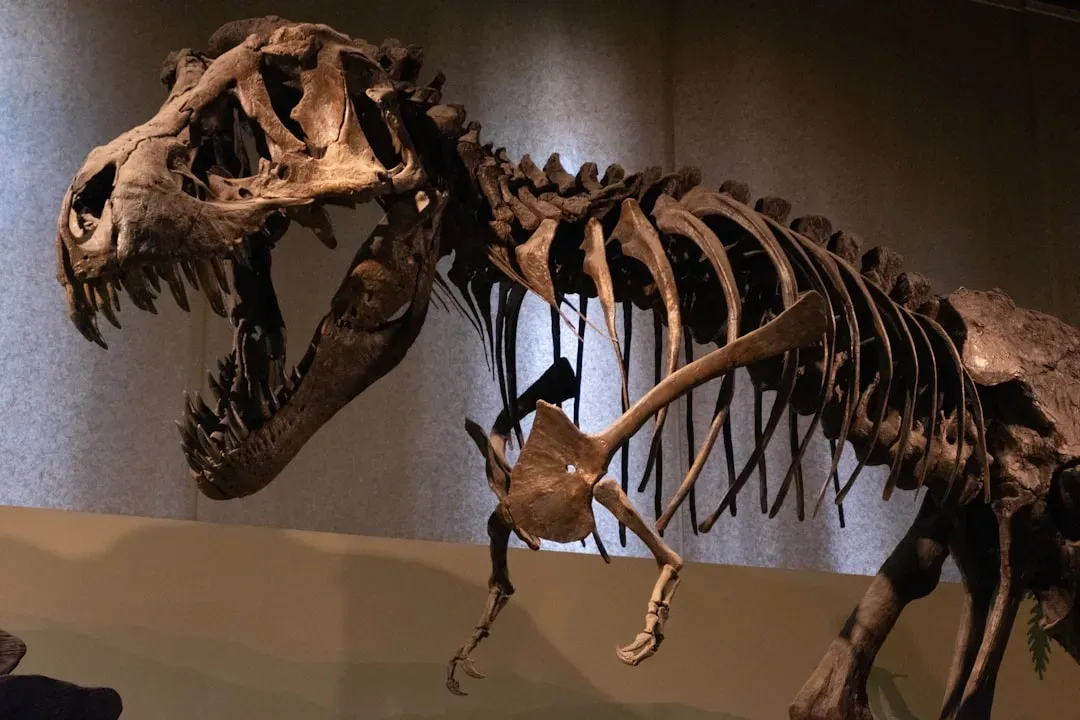
Here’s where things get genuinely exciting. In 2014, Dr. Alan Titus of the Bureau of Land Management discovered what was later named the “Rainbows and Unicorns Quarry” site in Grand Staircase-Escalante National Monument, where scientists uncovered a tyrannosaur mass death site, the first of its kind to be found in the southern United States. The name sounds whimsical. The implications were anything but.
The reason for all the excitement was that the fossils appeared to have all died together at the same time, which went against everything researchers thought they knew about the behavior of these beasts. After looking at all the evidence, the team concluded the animals died simultaneously, probably due to a seasonal flash flood, their bodies washed downstream to the bottom of a lake, where their bones were likely disturbed several times by more floods before eventually being fossilized. Nature preserved the scene remarkably well.
The Science Behind the Social Theory: Multiple Lines of Evidence
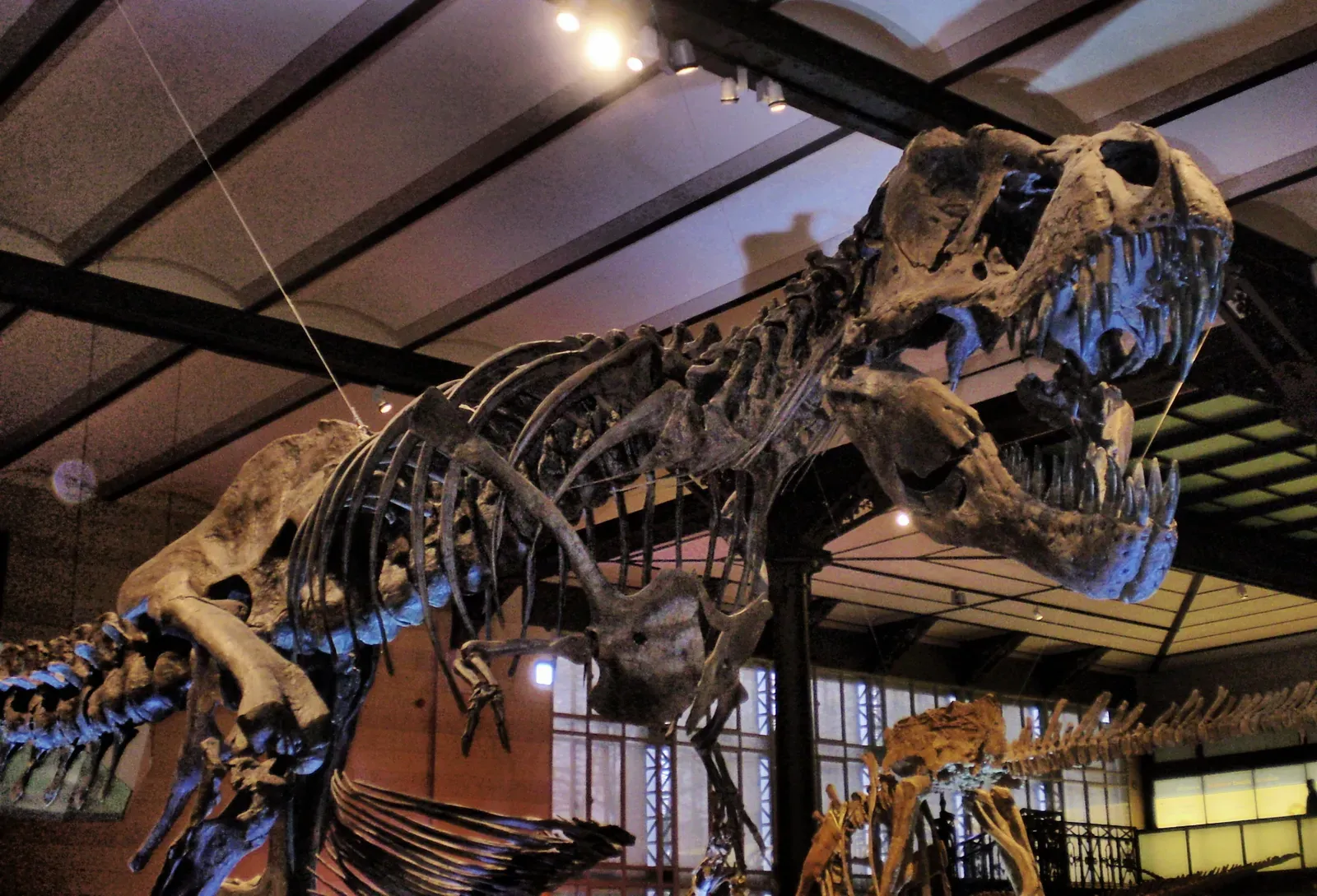
To prove that the dinosaurs died together and weren’t just thrown together by chance, the team combined the standard physical study of the fossils with chemical analyses using rare earth elements, stable carbon and oxygen isotopes, and charcoal concentrations. Think of it like a forensic investigation across millions of years. It’s the kind of multi-layered detective work that makes paleontology so fascinating.
Researchers demonstrated that the pattern of finding intergenerational groups of tyrannosaurs killed and buried at the same time was widespread in North America, and that no other large predatory dinosaur showed this pattern, leading them to conclude it was the animals’ behavior, not the environment, that kept creating these mass death sites. That’s a striking point. When the same thing keeps happening in different places, it stops being a coincidence.
Not a One-Time Fluke: Mass Death Sites Across the Continent
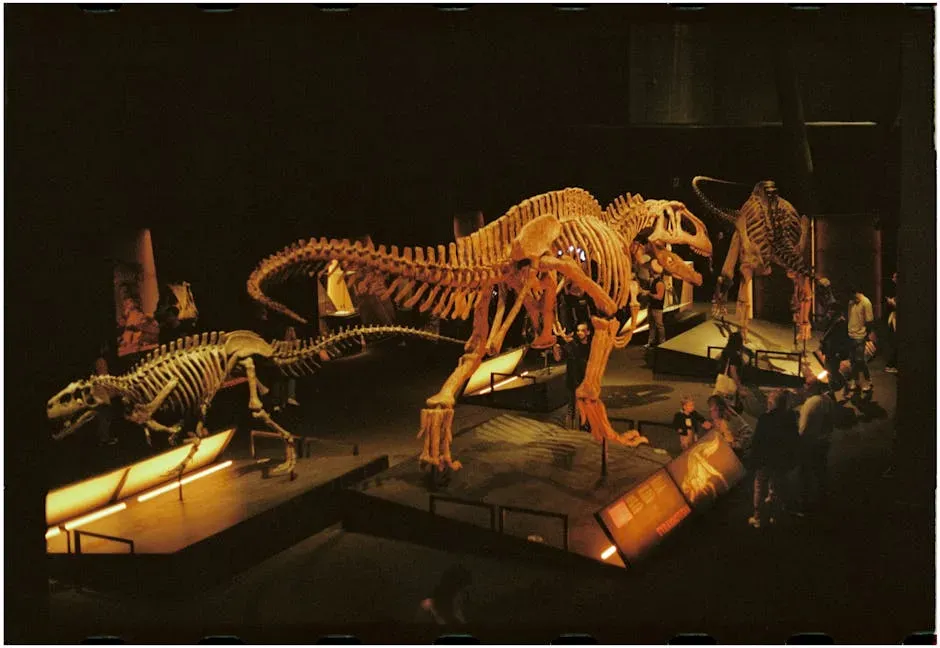
The Utah site didn’t exist in isolation, and that’s what makes the social hypothesis so compelling. Based on findings at a site in Alberta, Canada, with over twelve individuals, the idea that tyrannosaurs were social with complex hunting strategies was first formulated by Philip Currie over twenty years ago. When it first emerged, the scientific community was largely skeptical.
The recently discovered fossil bed was also not the first time several tyrannosaurid fossils were found in one area; a bed of twelve Albertosaurus specimens was found in Alberta, Canada back in 1910, while three Daspletosaurus specimens were found together in one fossil dig site back in 2005. Even the site in South Dakota that yielded the famous T. rex fossil Sue contained remains of other T. rex individuals. Three independent continents, three separate discoveries, same story.
Footprints, Fossils, and Trackways: The Broader Physical Evidence
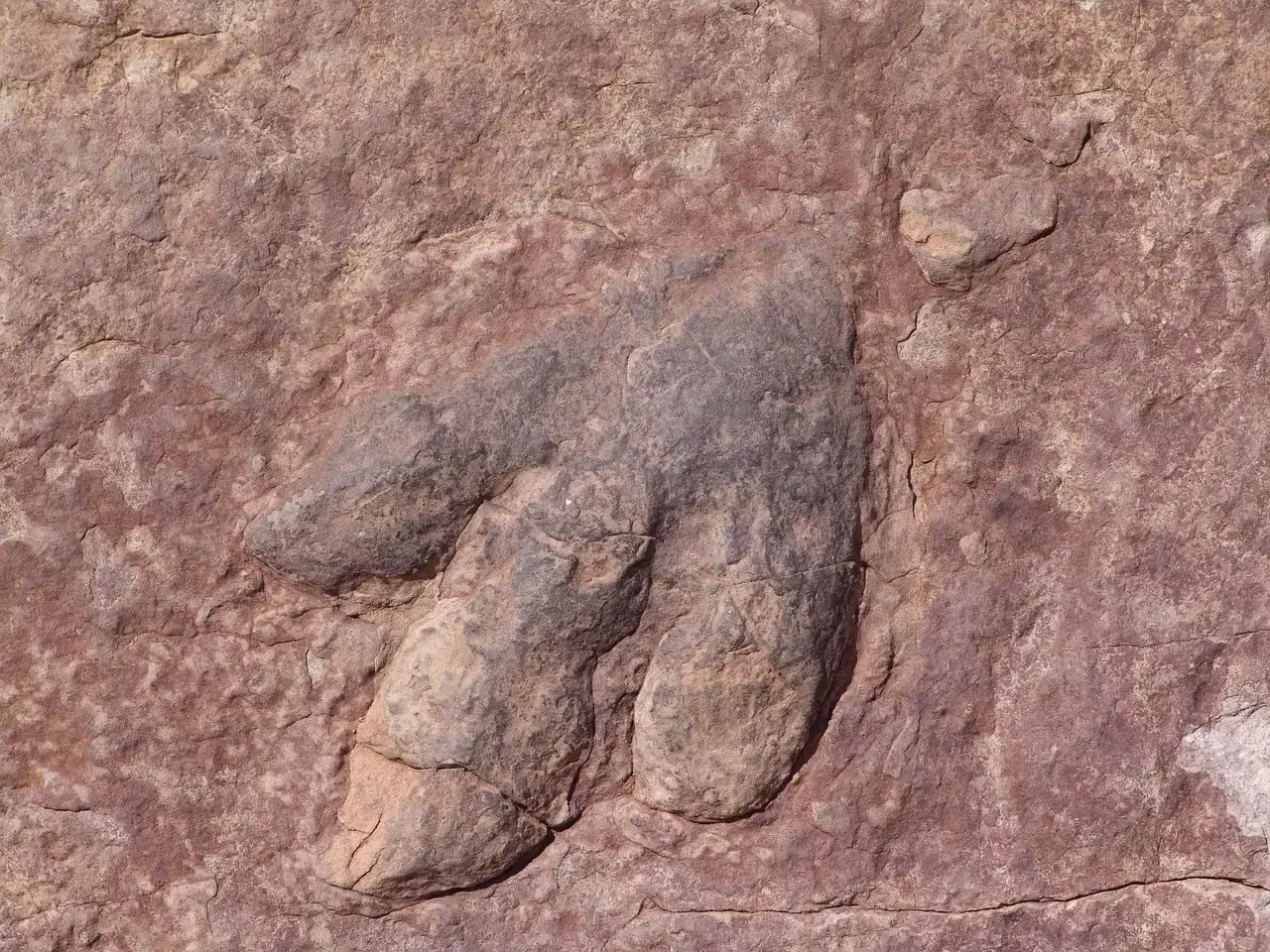
Fossils of tyrannosaurs ranging from ages two to twenty-six have been found together, as well as trackways with footprints from multiple individuals, suggesting that T. rex may have formed herds and even hunted together. Fossil footprints are especially powerful evidence. Bones can be moved by floods and rivers, but footprints tell you exactly who was walking where and often suggest whether animals were moving together.
In 2014, scientists announced that rocks in British Columbia preserve footprints of three tyrannosaurs that walked in the same direction within a short time of each other, if not at the same time, with researchers arguing that the site could point to social behavior, even suggesting a collective noun for a tyrannosaur group: a “terror.” A “terror” of tyrannosaurs. Let that sink in for a moment. That might be the most perfectly named collective noun in the history of anything.
Brains, Intelligence, and the Debate Over Cognitive Capacity
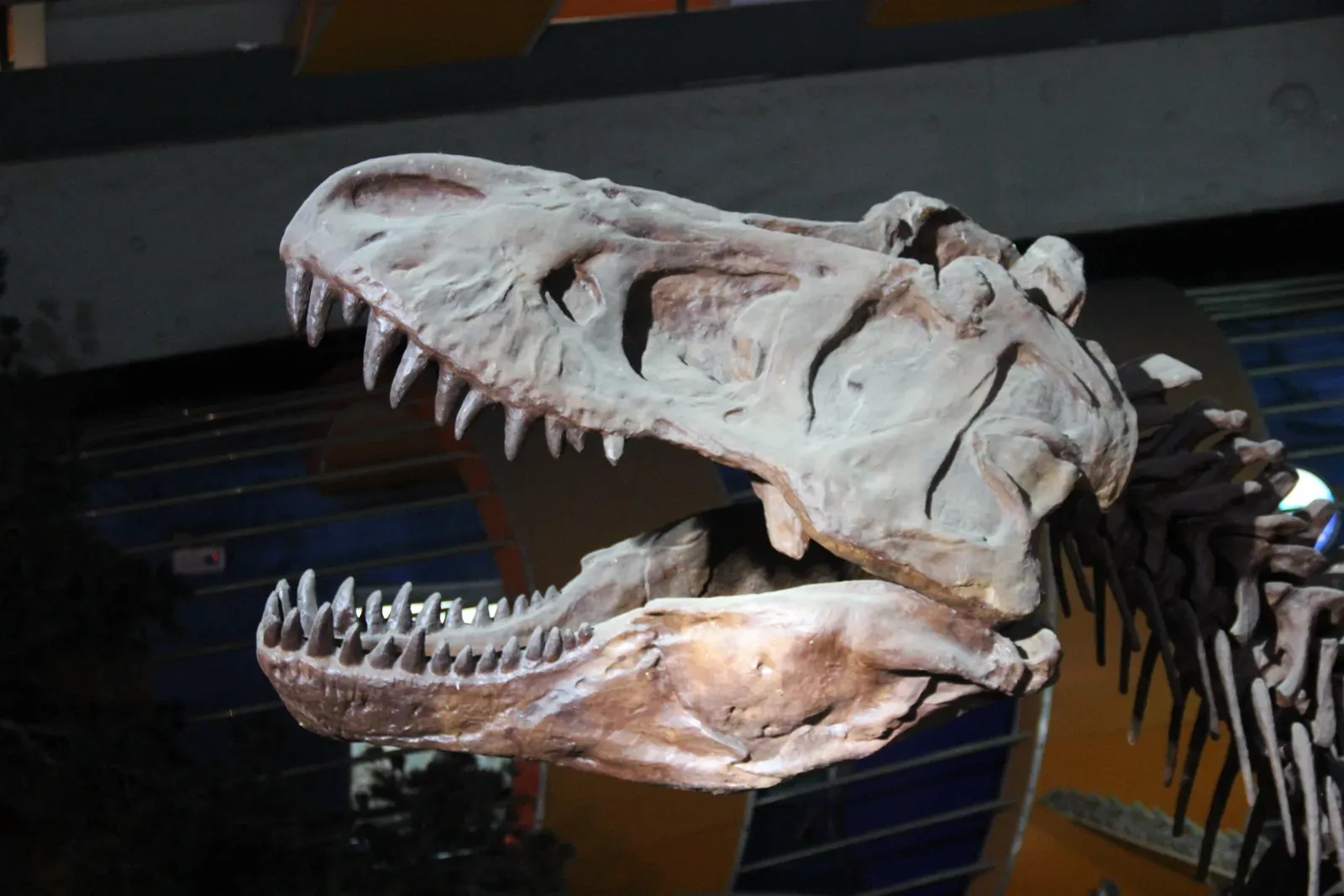
One of the biggest objections to the social T. rex theory has always been a question of brainpower. This idea has been widely debated, with many scientists doubting the giant killing machines had the brainpower to organize into anything more complex than what is observed in modern crocodiles. It’s a fair concern. Social living and cooperative hunting require a certain level of cognitive flexibility that not all animals possess.
An international team of paleontologists, behavioral scientists and neurologists re-examined brain size and structure in dinosaurs and concluded they behaved more like crocodiles and lizards. However, here’s the thing: even if T. rex intelligence was closer to a crocodile than a baboon, living archosaurs engage in many forms of social behavior, with alligators and crocodiles opportunistically going after the same prey without attacking each other, or steering fish into each other’s mouths. Social behavior doesn’t require a genius. It just requires the right instincts.
Pack Hunters or Just Pack Travelers? What We Still Don’t Know
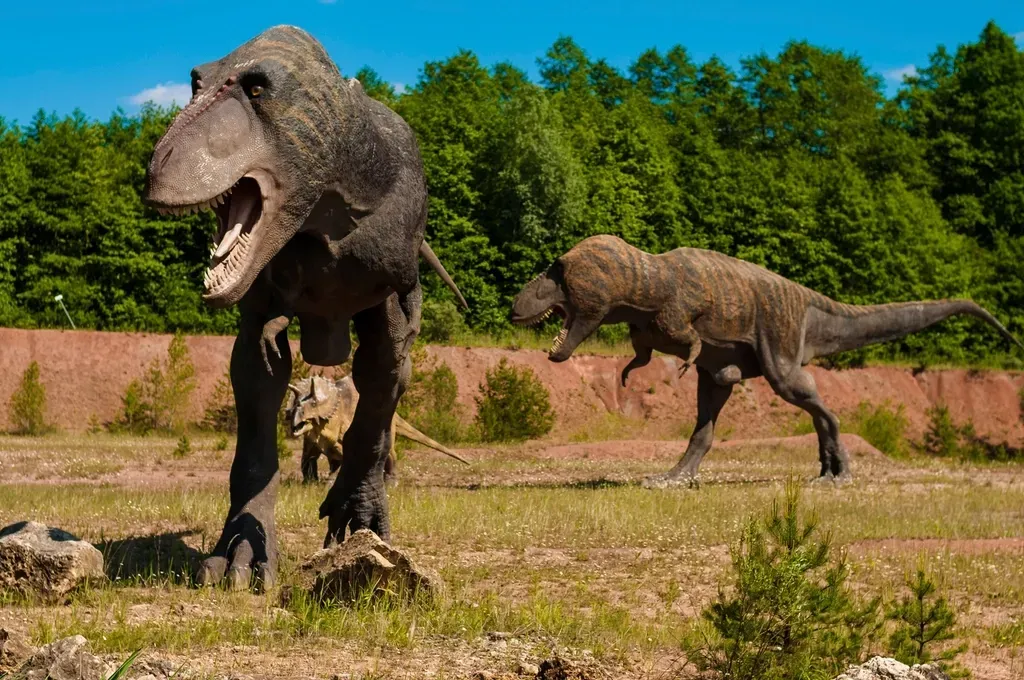
It’s hard to say for sure, but the distinction between traveling in groups and actively hunting as a coordinated pack is an important one that scientists are still working through. Kristi Curry Rogers, a biology professor at Macalester College, has suggested it’s possible these animals may have lived in the same vicinity as one another without traveling together in a social group, and simply came together around dwindling resources as times got tougher. Think of it like vultures, drawn to the same carcass, but not exactly a team.
Still, other researchers see stronger evidence for active cooperation. Alan Titus believes that the fossil site could be evidence that tyrannosaurs worked together as cooperative pack hunters, comparing the behavior to a pack of wolves or a pride of lions. This argument is still considered contentious among tyrannosaur specialists, with skeptics arguing that tyrannosaurs lacked the intelligence to hunt cooperatively, which is really the only reason predators form social groups. The debate is very much alive, which makes it all the more fascinating to follow.
Conclusion: The King of the Dinosaurs Was Never Really Alone
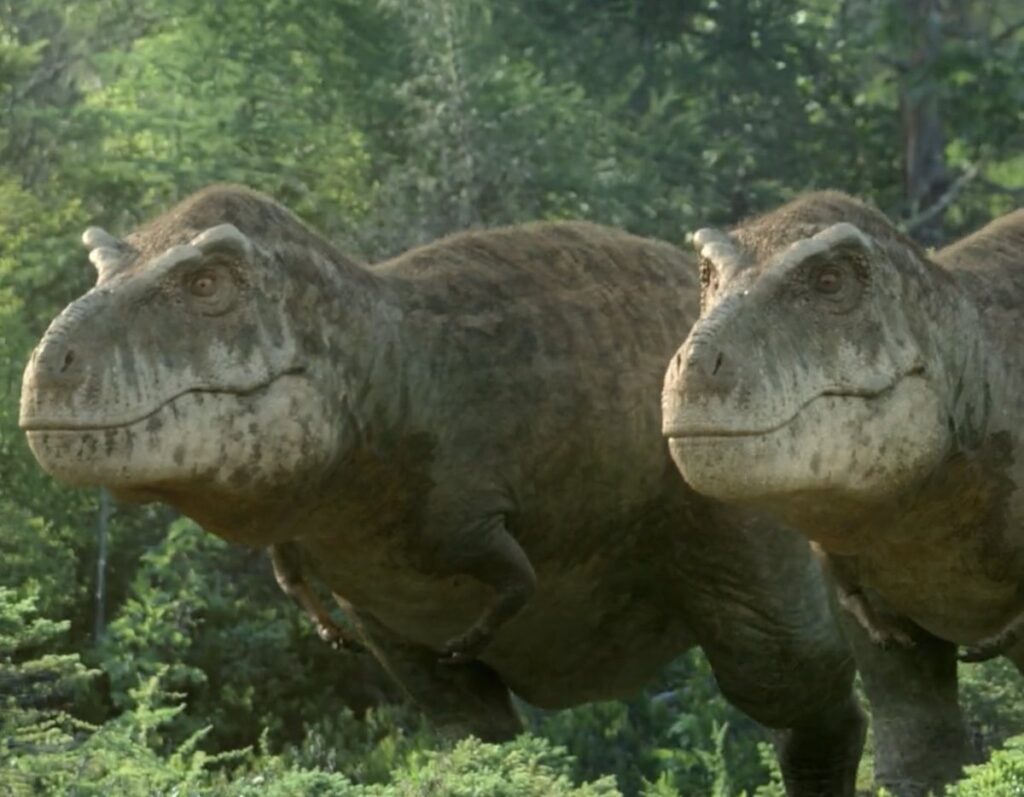
The more you dig into the science, the clearer it becomes that the lone, solitary T. rex was always more of a movie character than a biological reality. Mounting evidence points to gregarious T. rex behavior, at least for part of the animals’ lives. That word “gregarious” coming from paleontologists is remarkable, considering how long the lone predator image dominated.
Researchers who studied the Utah site noted that tyrannosaurs were complex, large predators capable of social behaviors common in many of their living relatives, the birds, and called for this discovery to be the tipping point for reconsidering how these top carnivores behaved and hunted across the northern hemisphere during the Cretaceous. Maybe the most honest takeaway here is this: every time paleontology thinks it has a dinosaur figured out, the earth gives up another fossil that rewrites the whole story. T. rex spent tens of millions of years roaming this planet in ways we’re only beginning to understand. The king, it turns out, had a court. What does that make you feel about the creature you thought you already knew?