We like to imagine the universe as a kind of grand movie with a clear ending: maybe everything explodes in fire, or collapses in one final crunch. The truth, as far as modern cosmology can tell, is far stranger, quieter, and in some ways more unsettling. The likely fate of everything you know is not a single dramatic catastrophe, but a slow, almost boring unraveling that plays out over mind-bending stretches of time. That mismatch between our love of drama and the universe’s actual script is where things get really interesting.
Right now, our best physics suggests that the universe is on track for an ending that feels more like a dimming than a detonation. Stars will die, galaxies will grow lonely, and even matter itself may not be safe forever. Yet there are several serious, competing scenarios on the table, and each one rewrites what “the end” could even mean. Once you see what is really being discussed by cosmologists today, you might realize that the universe’s finale is less like a climactic final battle and more like a strange, drawn‑out twist no storyteller would dare to pitch.
The universe isn’t slowing down – it’s speeding up
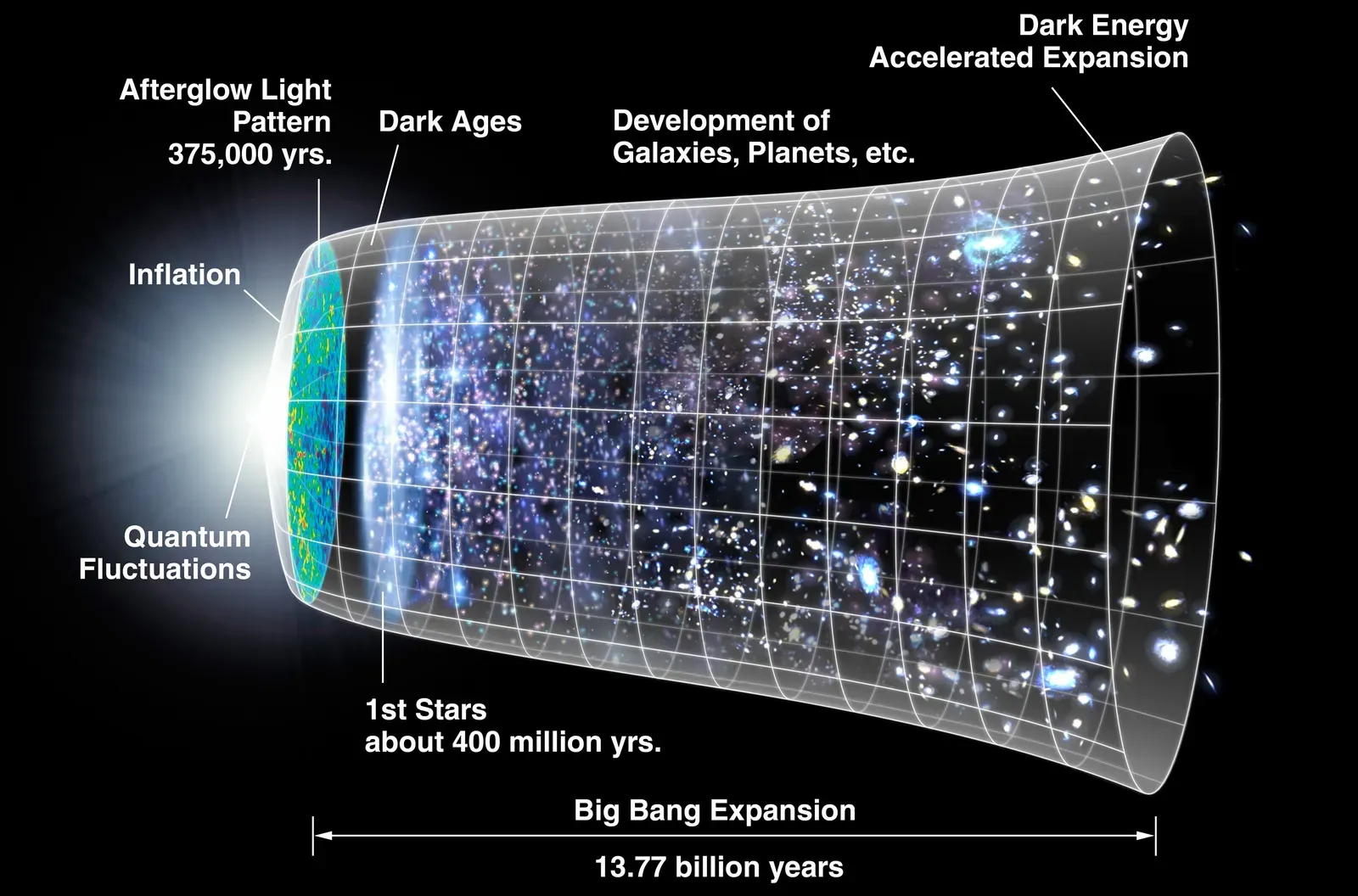
Here’s the first shocking twist: the universe is not just expanding, it is expanding faster and faster over time. For a long time, many scientists expected gravity to gradually slow the expansion down, like a thrown ball that eventually loses speed. Observations of distant exploding stars in the late twentieth century flipped that assumption upside down, showing that space itself is stretching at an accelerating rate. This discovery forced cosmologists to accept that some mysterious ingredient, often called dark energy, dominates the large‑scale behavior of the cosmos.
Dark energy is not a tiny correction; it appears to make up the majority of the universe’s energy budget. That means whatever it is, it is in charge of the long‑term story. The galaxies are not just drifting apart gently; over billions and trillions of years, they will be carried further and further from one another, with more and more space in between. From our perspective inside one galaxy, that acceleration sets up a future where the sky becomes emptier, quieter, and eventually almost completely disconnected from the rest of the cosmos. The end, in other words, begins with a runaway stretch, not a crash.
Heat death: the universe fades out, not blows up
The leading, most conservative scenario for the end of everything has a deeply uncinematic name: heat death. Despite how it sounds, it is not about fiery temperatures but about running out of usable energy. Over enormous timescales, stars burn through their fuel, galaxies stop making new stars, and matter gradually spreads out. What increases is not drama but entropy, the physical measure of disorder and the lack of available energy to do anything interesting. In a heat death universe, activity simply dwindles away.
Imagine a campfire that never gets new wood: it burns bright at first, then fades to embers, then to cold ash. Now stretch that image out to everything everywhere. Black holes eventually evaporate through subtle quantum effects, leaving only a very thin soup of low‑energy particles and radiation. No new structures form, no stars ignite, no chemistry unfolds on new planets, because there is not enough concentrated energy left. The cosmos does not end with a bang or even a whimper; it just asymptotically approaches a final, dark, dilute stillness. In that sense, the universe’s most likely ending is less a finale and more a cosmic burnout.
The Big Rip: when space itself tears everything apart
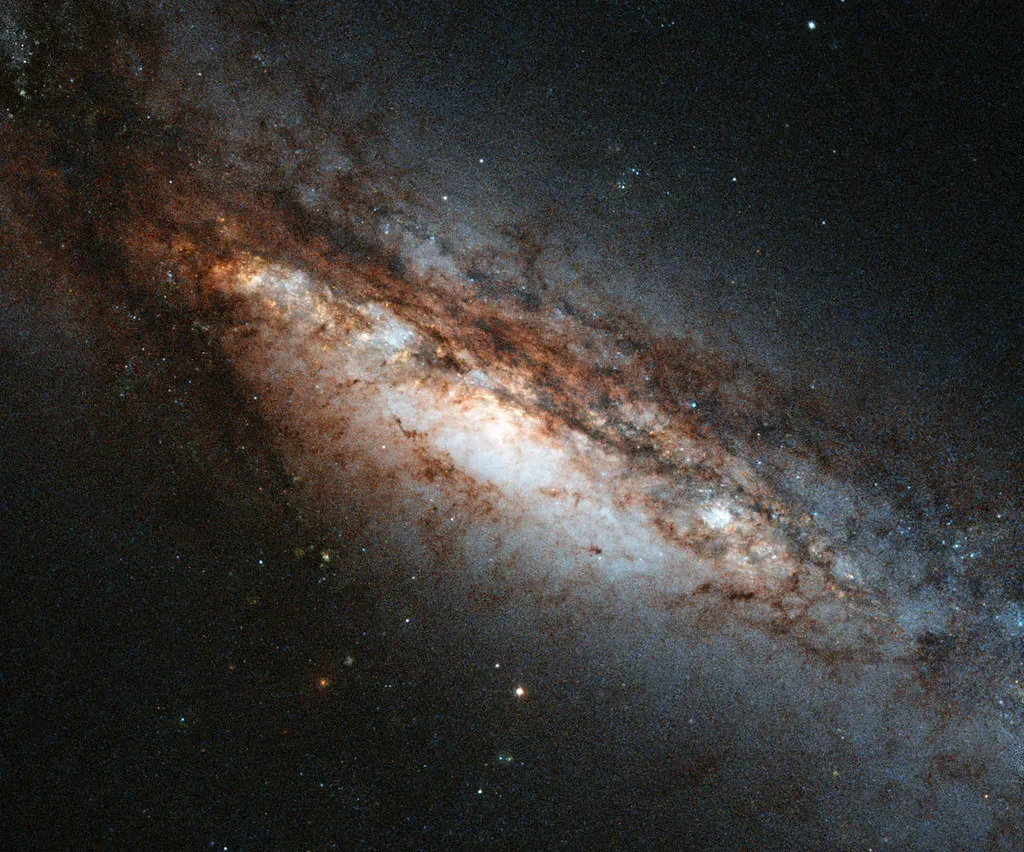
There is a more dramatic, and frankly scarier, possibility: the Big Rip. In this scenario, dark energy does not merely keep pushing the cosmic expansion faster; its effect actually grows so rapidly that it becomes destructive on smaller and smaller scales. At first, galaxies move away from each other at ever higher speeds. But as time goes on, the same runaway effect starts to overwhelm the gravity holding galaxies together, then solar systems, then even planets and atoms. Eventually, the fabric of space expands so violently that nothing can stay bound.
If the universe is headed for a Big Rip, there would be a chilling countdown of sorts. Long before the final moment, distant galaxies would slip beyond any possible contact. Closer to the end, the night sky would go almost completely dark as even nearby galaxies are torn away from view. Then, incredibly close to the final instant, stars and planets would be wrenched apart, followed by molecules and atoms themselves. Whether this actually happens depends on the exact nature of dark energy, which we still do not understand. The unnerving part is that the laws of physics do not rule it out; they simply remind us that space is not a calm stage, but an active, possibly unstable player in the story.
The quiet loneliness of cosmic isolation
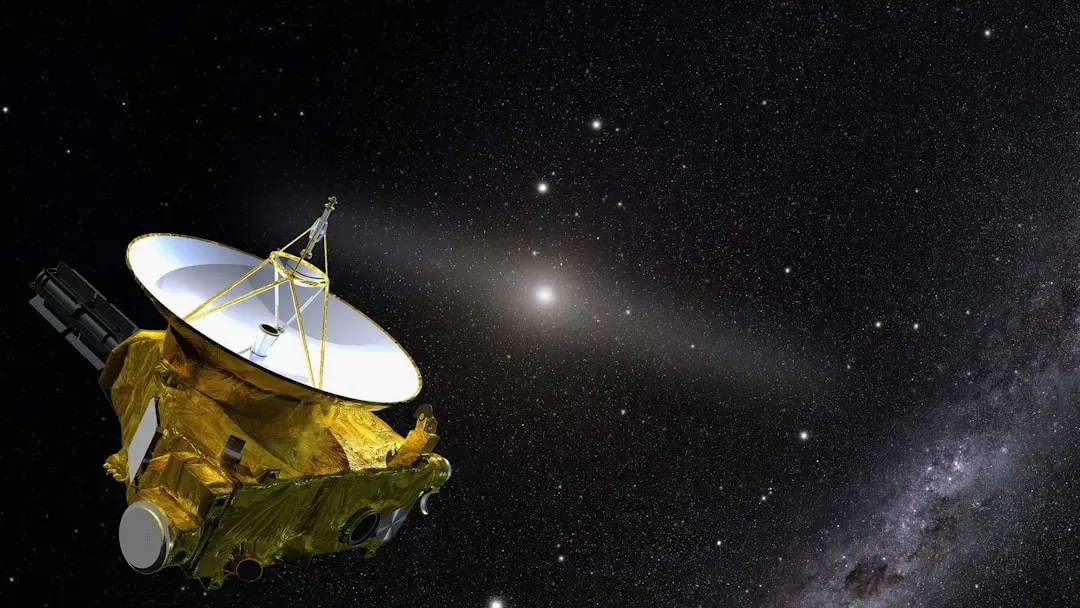
Even without a violent rip, cosmic acceleration has a haunting side effect: deep, permanent loneliness. As the universe expands, distant galaxies move away from us faster and faster, and beyond a certain distance they recede so quickly that their light can never reach us. Over staggeringly long timescales, this cosmic horizon shrinks the visible universe from our point of view. Eventually, observers in our galaxy would see nothing beyond their local group of galaxies; everything else would have vanished from their observable sky.
That means future astronomers, living tens of trillions of years from now in some hypothetical long‑lived civilization, might have no way to know the universe ever contained anything beyond their own small neighborhood. To them, the idea of a Big Bang might seem absurd, because all evidence of distant expansion would literally be gone. I find that deeply striking: the universe is writing its own history in light, but then gradually erasing the pages. The end of the universe is not only about physics; it is about the loss of cosmic memory and context, a long slide into isolation where everything outside your island becomes permanently unknowable.
Black holes, Hawking radiation, and the very long goodbye
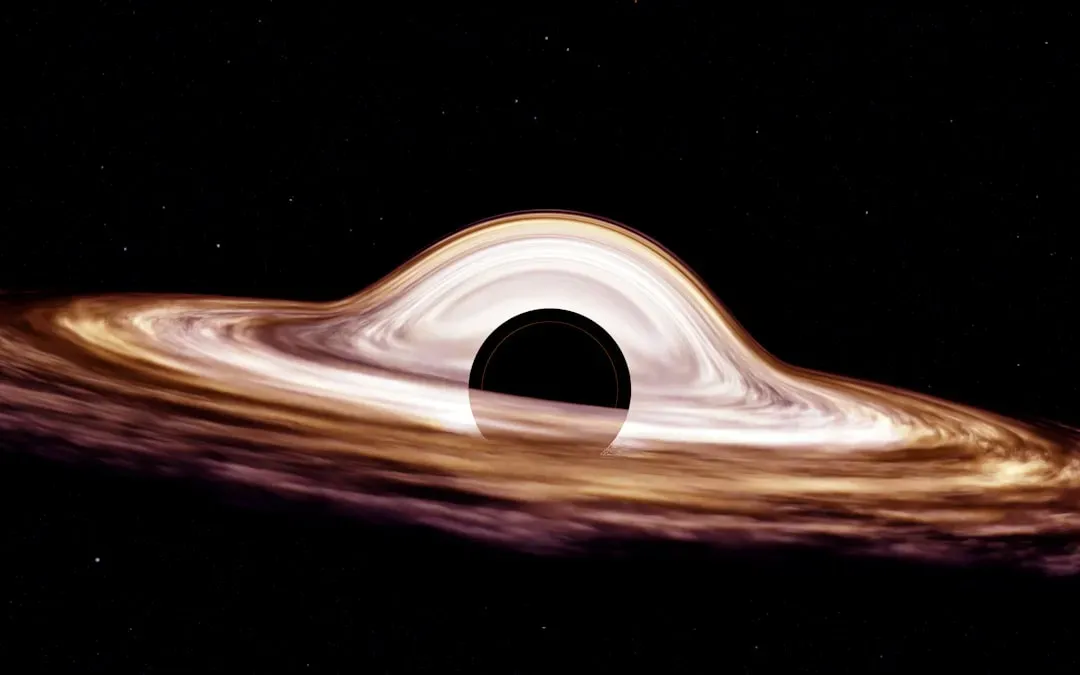
Even as stars fade and galaxies go quiet, black holes remain, soaking up matter and light like cosmic drains. For a long time, it was thought that black holes might be truly eternal, but quantum theory added another strange twist. According to calculations in modern physics, black holes slowly leak energy through a process known as Hawking radiation. That radiation causes them to lose mass extremely slowly, until they eventually evaporate completely. For the largest black holes in the universe, this process takes an almost unimaginable length of time.
In the deep future, after the last stars have died, black holes would become the dominant actors in the cosmos, swallowing the remaining matter and then themselves fading away. When the final, supermassive black holes evaporate, what is left is an almost perfectly empty universe filled with very low‑energy particles and radiation. This stage is like the universe’s long, drawn‑out goodbye, where even the most mysterious and powerful objects we know of cannot escape eventual dissolution. It is a strangely poetic picture: gravity builds black holes as the ultimate endpoints of collapse, only for quantum effects to quietly undo them over an astronomically long stretch of time.
Could the universe bounce back or be reborn?
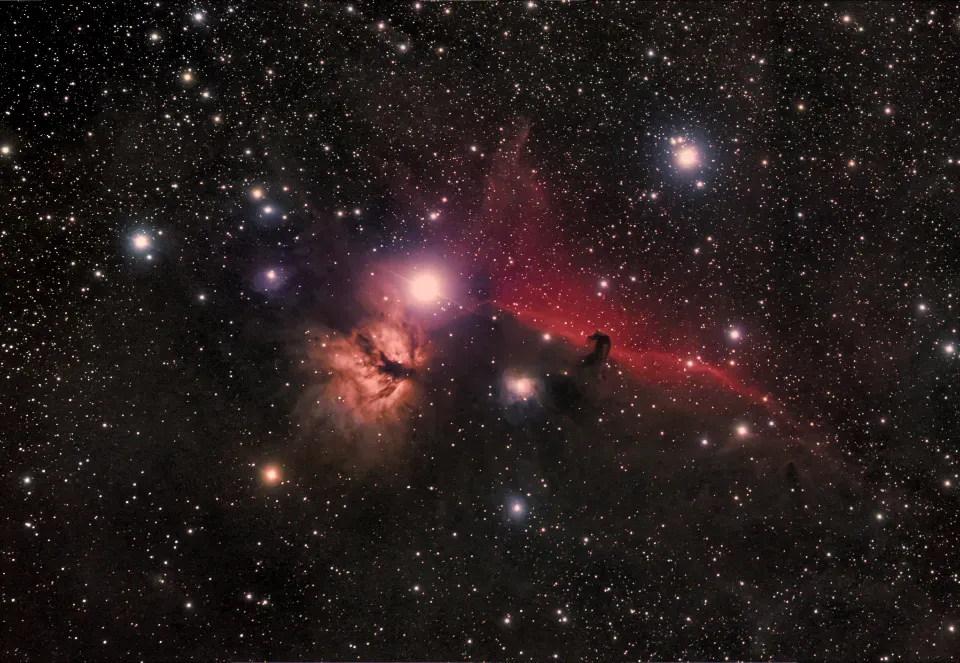
Not everyone is convinced the story has to end in darkness or a rip; there are serious proposals in which the universe might effectively die and restart. Some cosmological models explore the idea of a Big Crunch, where expansion eventually reverses and everything collapses back into an incredibly dense state. From there, quantum gravity effects or new physics might trigger a new expansion, like a Big Bounce. In that case, the universe would not have a single, final ending, but a cyclic pattern of births and deaths, with each cycle potentially erasing the details of the previous one.
There are also speculative ideas in which new universes bud off from extreme conditions, such as inside black holes or during high‑energy quantum fluctuations. In those pictures, our universe’s eventual decline might be only part of a much larger multiverse, where new regions of space‑time keep emerging with their own physical properties. These ideas are far from proven and might never be testable in a direct way, but they serve an important role: they remind us that “the end” is a concept shaped by our limited perspective. What we call the death of the universe might be, on some grander level, just a transition in a story that stretches beyond our particular cosmic bubble.
The strange comfort in a universe destined to end
When you first hear that the universe might end in a nearly empty, dark, and cold state, it can feel depressing, even pointless. But I actually think there is something clarifying about recognizing that everything, from galaxies to black holes, is temporary. It pushes us to let go of the fantasy that the cosmos is somehow designed around our needs or destined for a neat, uplifting conclusion. Instead, we live in a universe that simply follows its own laws, indifferent but incredibly rich and beautiful along the way. That indifference gives our choices and relationships a kind of raw, immediate importance, precisely because nothing is guaranteed to last.
My own opinion is that the universe’s weird, protracted ending makes the present more precious, not less. We happen to exist in a brief, golden era when stars are shining, elements are complex, and life is possible. Billions of years from now, that window will close, and the universe will move on to phases that are utterly inhospitable to creatures like us. In a sense, we are surfing on a very narrow, very special wave in cosmic time. Knowing the wave will eventually flatten into calm, dark water does not ruin the ride; it makes every second on it feel more real. The universe may end in a way you would never expect, but maybe the real surprise is how meaningful this fleeting, unlikely moment in the middle of its story can be.