You might think quantum physics belongs in distant laboratories, locked away in the minds of theoretical physicists. That’s where most people draw the line between reality and the microscopic world of particles. Yet, here’s something surprising: quantum mechanics is already intertwining itself with almost everything you do daily, from the phone in your hand to the GPS guiding your car. It quietly powers modern civilization in ways you probably never considered.
Think about it this way. Every time you check your smartphone or turn on a light, quantum principles are working behind the scenes. The question isn’t really whether quantum physics affects your life, but rather how deeply it’s embedded into your routine. Let’s dive in and uncover the hidden quantum forces shaping your world.
Your Smartphone Is a Quantum Marvel

Your smartphone contains literally billions of transistors that work as building blocks of digital electronic logic because of quantum mechanics. Without quantum physics, the silicon-based materials in these integrated circuits wouldn’t function at the level you experience today. Every swipe, every tap, every notification depends on electrons behaving according to quantum rules.
The digital camera in your phone is based on the photoelectric effect, which was explained by Albert Einstein by introducing quanta of light, photons. Even the batteries powering your device rely on quantum physics at the heart of understanding chemistry. It’s remarkable when you stop and consider that this pocket-sized device operates because scientists cracked the code of the subatomic world.
Medical Imaging Saves Lives Through Quantum Mechanics
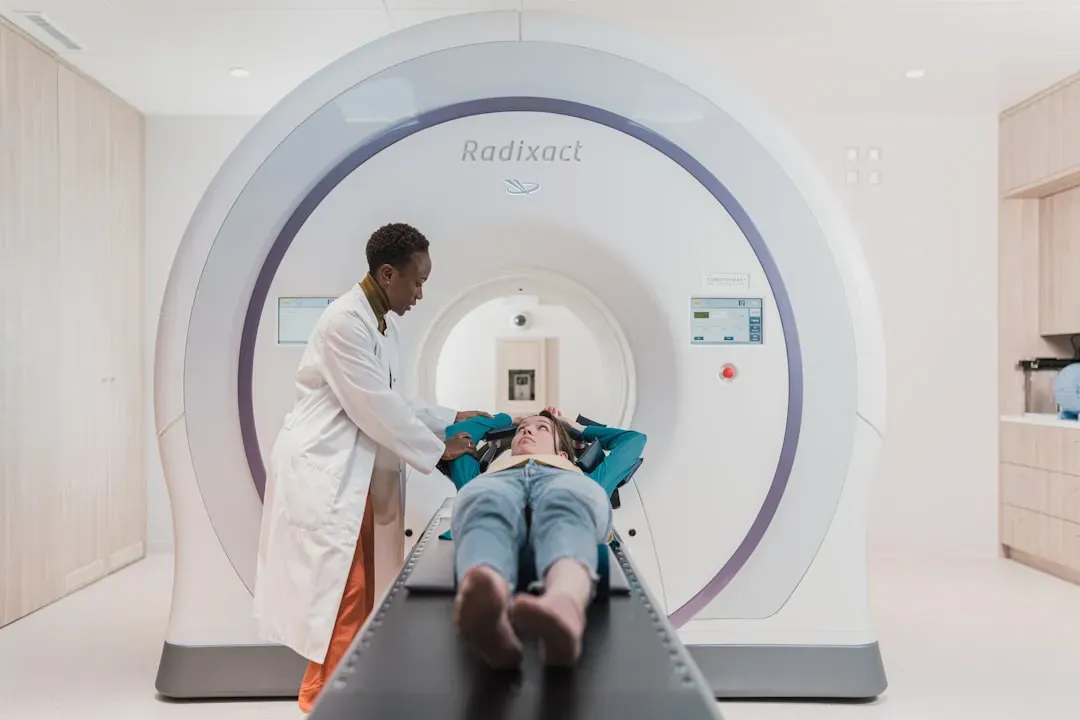
Magnetic Resonance Imaging, or MRI, provides detailed images of internal organs without invasive procedures and relies on the quantum properties of atomic nuclei and magnetic fields. Hospitals around the globe depend on this technology every single day. Without understanding how particles behave at quantum scales, doctors would be working with far less information about what’s happening inside your body.
PET scans depend on particle interactions predicted by quantum mechanics to detect cancerous cells and monitor brain activity. The ability to catch diseases early, to watch neural pathways light up during thought processes, stems from quantum principles discovered roughly a century ago. These tools have transformed medicine in ways previous generations could barely imagine.
GPS Navigation Needs Quantum Precision

Atomic clocks are calibrated against the microwave frequency required to move an electron in an atom from a lower quantum energy state to a higher one, allowing time to be measured within a margin of error of only 1 second in up to 100 million years. This level of precision sounds excessive until you realize something crucial. Even a tiny error in timing could lead to inaccuracies of several kilometers in GPS calculations.
Atomic clocks are integral to global positioning systems found in mobile phones and are also used to send signals to spacecraft to determine their position. Every time you ask your phone for directions or track a delivery package, you’re benefiting from quantum mechanical transitions happening in distant satellites. It’s hard to say for sure, but without quantum physics, getting lost would be a much more common experience.
Semiconductors Power the Digital Revolution
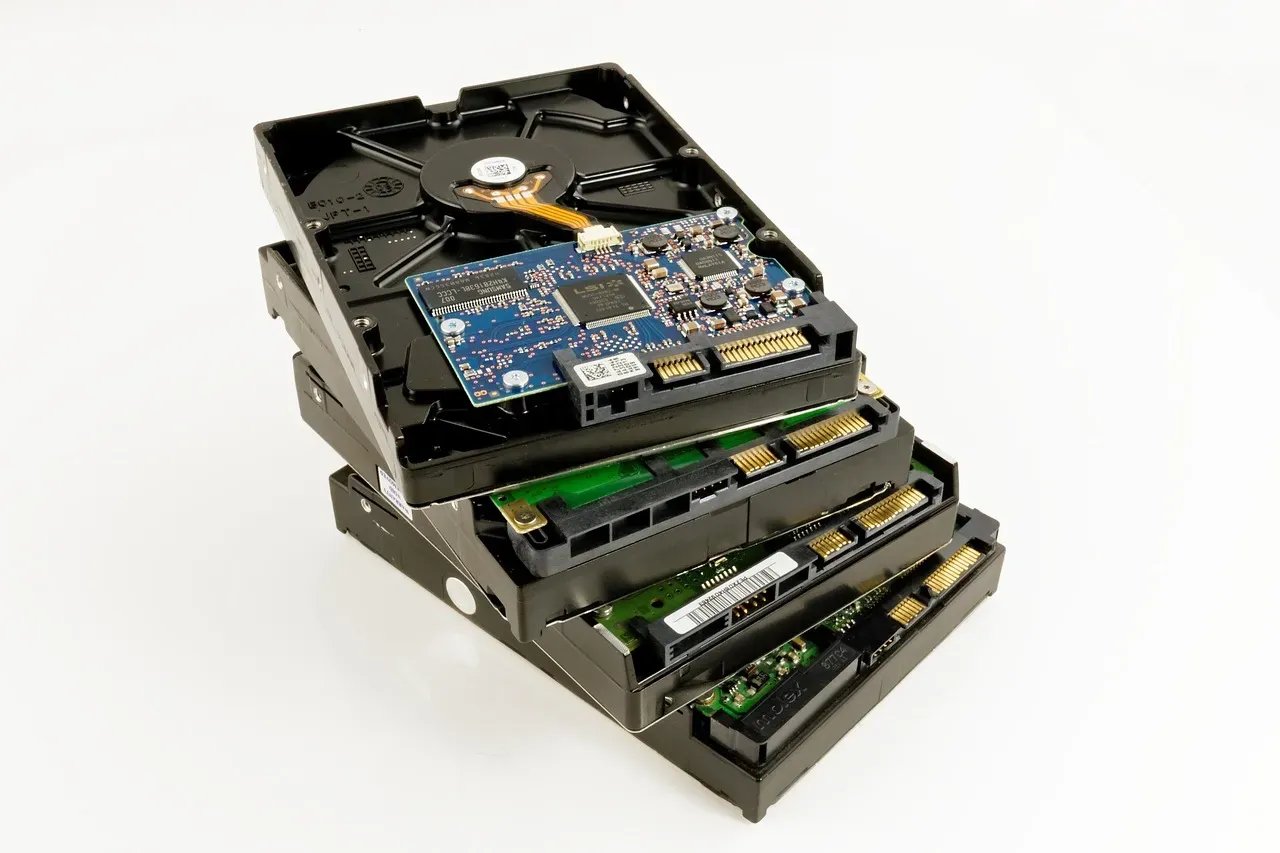
Semiconductors are able to accommodate a wide range of currents and voltages, making them useful in everyday electronics such as computers, LED lights, TVs, cell phones, and smart devices. The entire foundation of our digital age rests on controlling electron behavior at quantum levels. Silicon behaves the way it does precisely because quantum mechanics allows engineers to manipulate its electrical properties with astonishing precision.
Transistors, which form the backbone of microchips, depend on the quantum behavior of electrons, and without quantum physics, there would be no integrated circuits. Let’s be real, without transistors, we’d still be living in an analog world with limited computing power. The smartphone revolution, cloud computing, artificial intelligence – all of it traces back to understanding particles that you cannot see.
Quantum Tunneling Makes Flash Memory Possible
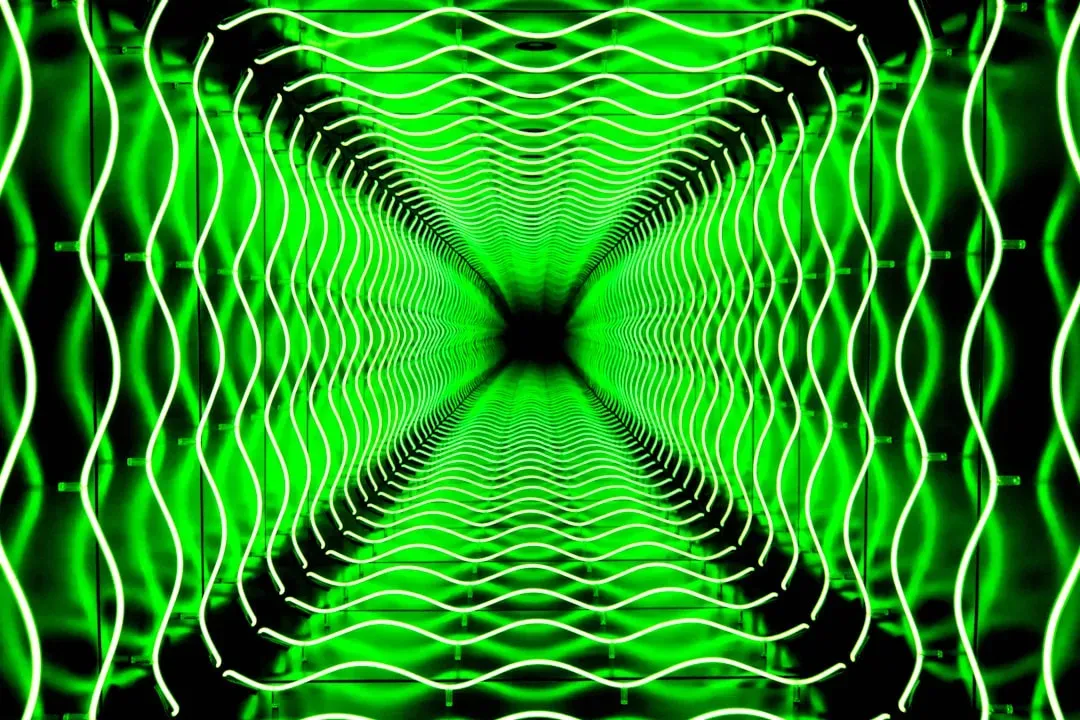
Flash memory chips found in USB drives use quantum tunneling to erase their memory cells. This phenomenon allows electrons to pass through barriers they shouldn’t be able to cross according to classical physics. Flash memory uses tunneling to trap electrons in a floating gate, storing your data even when the power is off.
Think about all the files, photos, and documents you’ve saved to USB drives or solid-state drives over the years. Quantum tunneling lets an electron traverse a device in just 1 femtosecond, thousands of times as fast as an electron traveling through a typical semiconductor transistor. Your ability to carry gigabytes of information in your pocket exists because particles can do something that seems impossible – teleport through solid barriers.
Lasers Operate on Quantum Principles
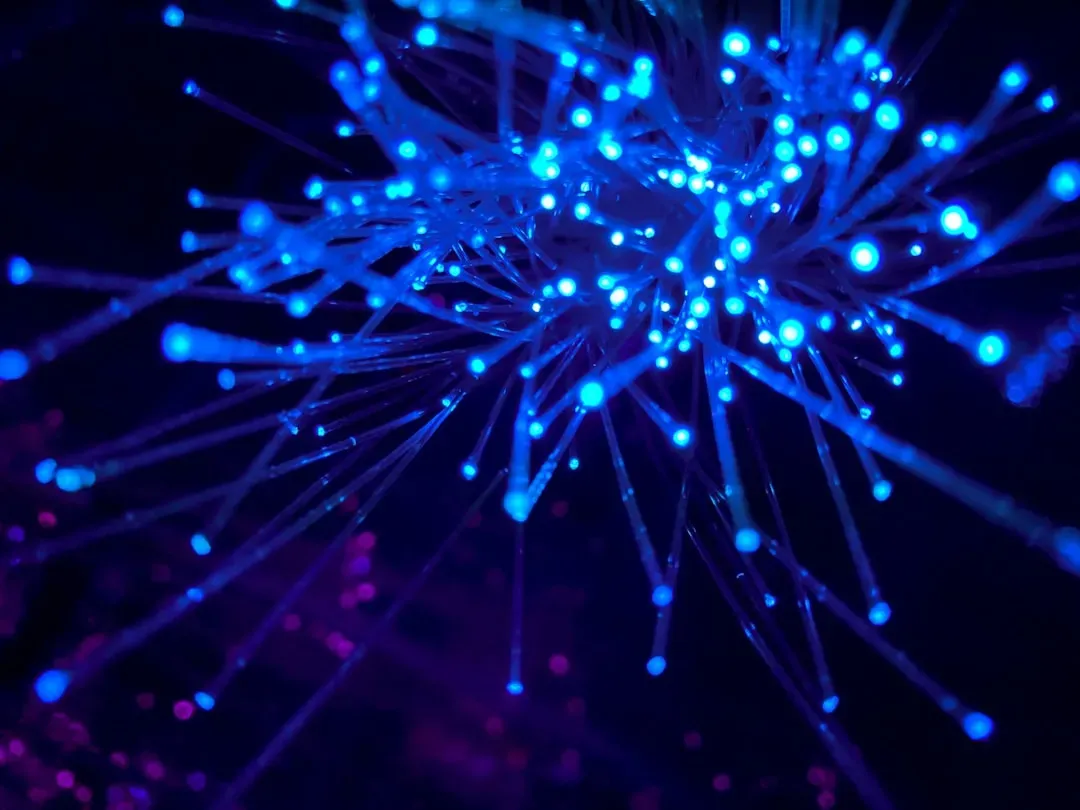
Lasers, which are used in everything from scanning barcodes at the supermarket to removing tattoos, operate on the principles of quantum mechanics by stimulating atoms to emit light of a particular wavelength. The next time you’re checking out at a grocery store, remember that the red beam reading your products depends on quantum physics. Lasers are used for optical disk storage, surgery, fibre telecommunications and internet connections, and many other applications.
Honestly, it sounds crazy, but your internet connection relies on lasers transmitting information through fiber optic cables. The internet’s global infrastructure depends heavily on fiber optic cables that transmit information via light pulses, combining laser technology with the quantum mechanical properties of photons. Streaming movies, video calls with family abroad, downloading files at lightning speed – all powered by quantum mechanical effects.
Quantum Cryptography Protects Your Data
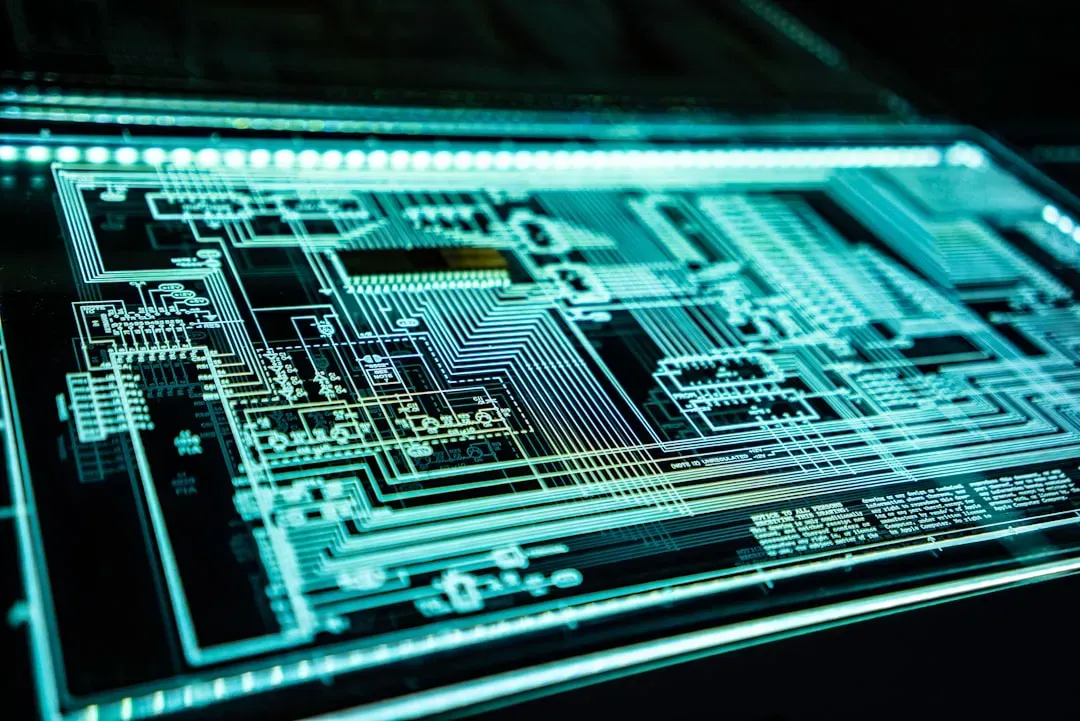
Quantum cryptography uses principles such as quantum entanglement and superposition to create secure communication channels, and quantum key distribution ensures that any attempt to intercept a message alters it, thus revealing the intrusion. Security in the digital age has become paramount. Traditional encryption methods face vulnerabilities, especially as computers grow more powerful.
Some financial institutions and government agencies are already experimenting with quantum encryption to protect highly sensitive data, and it’s not just futuristic – it’s happening now. The race to secure communications has driven researchers to harness the strangest quantum behaviors. One day we may secure important documents, like passports, using cryptographic keys generated by quantum entanglement.
The Future of Quantum in Daily Life

Materials scientists at Stanford University recently introduced a nanoscale optical device that works at room temperature to achieve quantum communication, and the technology could usher in a new era of low-cost, low-energy quantum components able to communicate over great distances. We’re living through what some scientists call the second quantum revolution. Quantum technologies have progressed from laboratory demonstrations to early real-world applications in computing, communication, and sensing.
The ultimate vision is to miniaturize quantum systems to the point where they can be embedded in everyday devices. Imagine quantum computers small enough to fit in your pocket or quantum sensors making navigation systems even more accurate. In the future, your smartphone may use quantum sensors to improve navigation systems, quantum key distribution to enable secure communication, quantum simulations for longer-lasting batteries, and quantum computers accessible through the internet. The line between science fiction and reality keeps blurring.
Conclusion: The Quantum World Is Already Here

Quantum physics isn’t some abstract concept reserved for Nobel Prize winners and research laboratories tucked away in universities. It’s already woven into the fabric of your daily existence, quietly enabling the technologies you rely on without a second thought. From medical scans that detect diseases early to the GPS that guides you through unfamiliar streets, quantum mechanics makes modern life possible.
The research that has taken place has helped make sense of quantum concepts, and today quantum is used in all sorts of everyday life scenarios. As researchers continue pushing boundaries and developing new quantum technologies, the impact will only deepen. The invisible quantum forces shaping your world today will become even more powerful tomorrow. What do you think about the quantum technology already surrounding you? Did you expect it to be so deeply embedded in your routine? Tell us in the comments.