Most people, if you asked them, would say the dinosaurs were the most dominant creatures to ever walk the Earth. And honestly, it’s hard to argue. They were enormous, terrifying, and ruled for an almost incomprehensible stretch of time. Yet, when the curtain finally fell on the dinosaurs roughly 66 million years ago, something extraordinary happened. A group of creatures, long overshadowed and forced to hide in the dark, stepped forward into the spotlight.
What followed was not a slow, timid transition. It was a biological explosion, a takeover so sweeping and spectacular that it reshapes everything you thought you knew about life on Earth after the great extinction. These were the prehistoric mammals, and they didn’t just survive. They thrived, evolved, and grew into some of the most astonishing giants the planet has ever seen. Let’s dive in.
The Catastrophe That Changed Everything
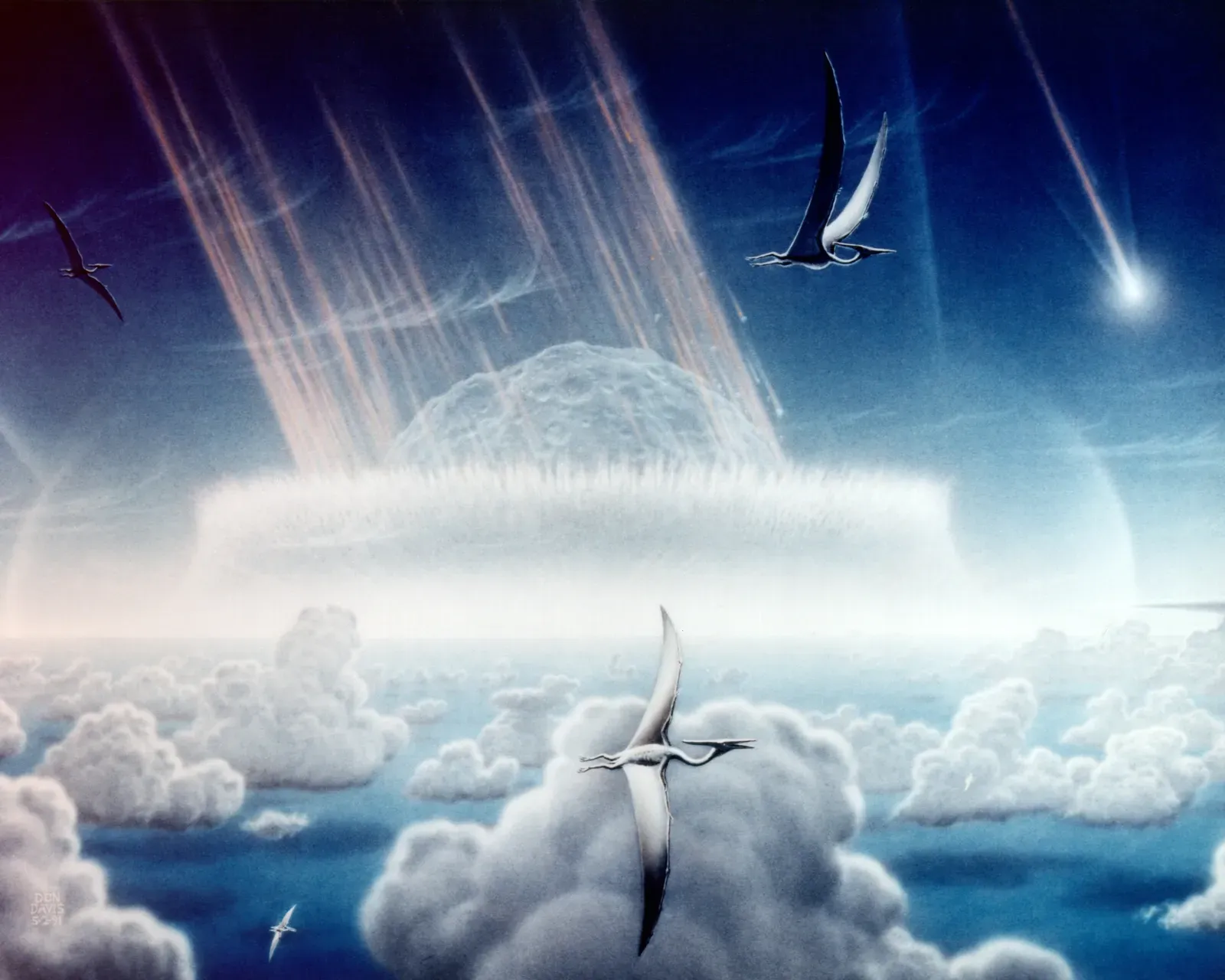
Sixty-six million years ago, a cataclysmic event brought the reign of the dinosaurs to an abrupt and fiery end. The Cenozoic Era started with the Cretaceous-Paleogene extinction event, when many species, including the non-avian dinosaurs, became extinct in an event attributed by most experts to the impact of a large asteroid or other celestial body, the Chicxulub impactor. Think of it as the ultimate reset button for life on Earth.
Early in the Cenozoic, following this extinction event, the planet was dominated by relatively small fauna, including small mammals, birds, reptiles, and amphibians. The world looked fragile, almost empty. Yet that emptiness was, in the most unlikely twist of natural history, the greatest opportunity that mammals had ever been handed.
After the total wipe out of non-avian dinosaurs, mammals evolved into many different forms and sizes as they filled the empty spaces left by the dinosaurs during the Cenozoic era. Scientists believe that after the mass extinction, mammals evolved to fill the vacant ecological niches. Freed from competition with the dinosaurs, they diversified into a wide range of sizes, diets, and lifestyles. It’s the kind of story that would be hard to believe if the fossil record didn’t tell it so clearly.
Small Survivors, Big Futures: The Mammals Before the Takeover
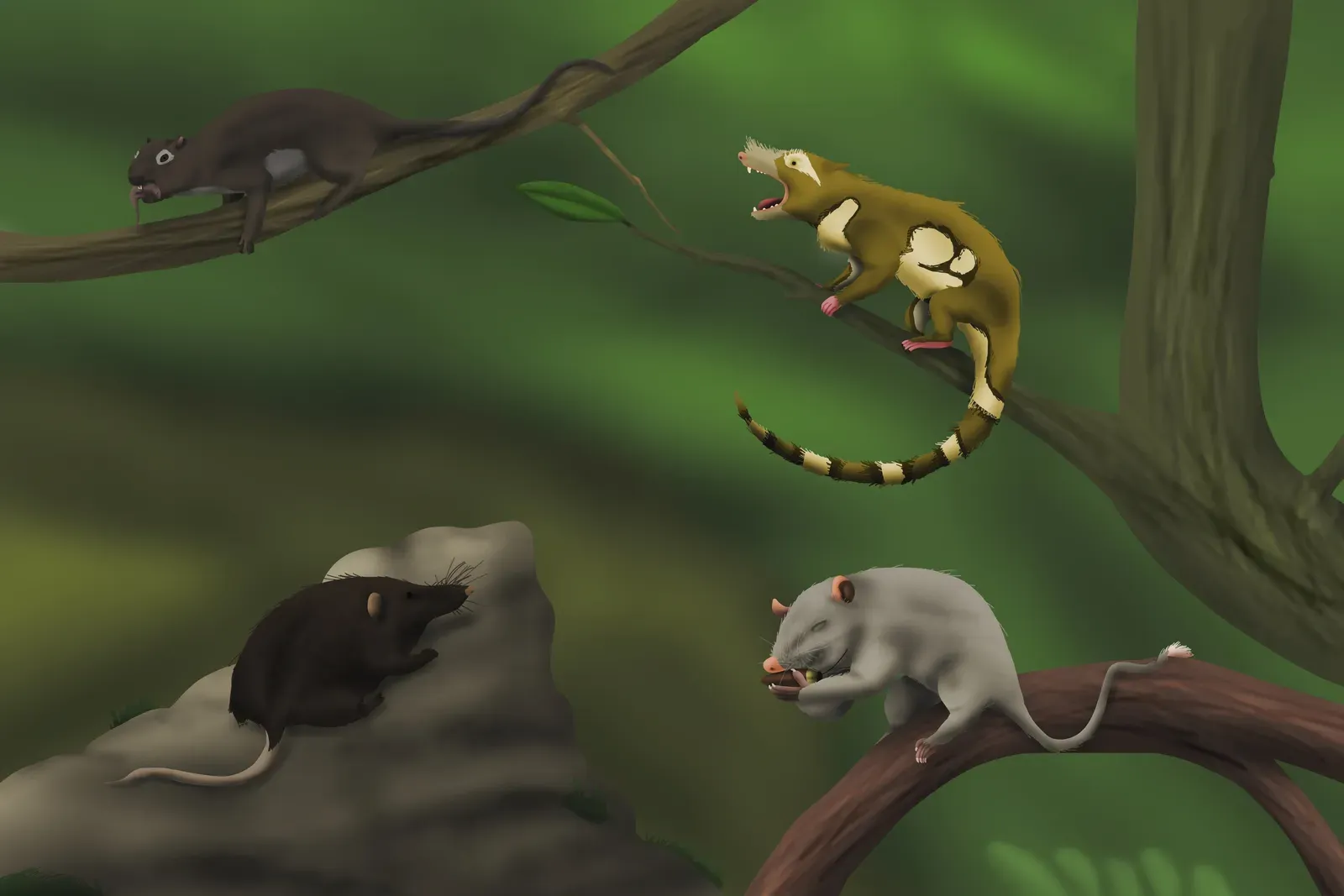
Here’s the thing that surprises most people. Mammals didn’t just appear after the dinosaurs vanished. The earliest known mammals first appeared about 225 to 200 million years ago during the late Triassic period, which was about the same time that the earliest dinosaurs first showed up. Early mammals were small, about the size of rats and badgers, because dinosaurs were the top predators at that time, posing challenges for mammals to gain their sizes.
Those early mammals were small in size and were presumably nocturnal insectivores. They were not able to compete for the main ecological niches with the dinosaurs and other reptile groups, which became the dominant vertebrates at land, the sea, and in the air over the course of the following 175 million years. I honestly find it remarkable that something so small and seemingly insignificant would eventually inherit the entire world. It’s evolution at its most audacious.
The Age of Mammals Dawns: Cenozoic Takeover
![The Age of Mammals Dawns: Cenozoic Takeover (Current version from the following site without attribution:[1] Previous version from NPS Foundation Document (archive), page 19 (no name is credited in the "Photo and Art Credits", page 42)original version stitched together from images credited to "NPS Photo" on NPS Paleontology page (archive) and NPS Fossilized Footprints page (archive), Public domain)](https://nvmwebsites-budwg5g9avh3epea.z03.azurefd.net/dinoworld/c57b29a82ed33b590420bf00b0f0b6db.webp)
The Cenozoic is commonly known as the Age of Mammals because the terrestrial animals that dominated both hemispheres were mammals, the eutherians (placentals) in the Northern Hemisphere and the metatherians (marsupials, now mainly restricted to Australia and to some extent South America) in the Southern Hemisphere. Two different groups of mammals, two different hemispheres, but the same extraordinary story of conquest.
One hypothesis suggests that mammals co-evolved with plants. Following the fifth mass extinction, flowering plants and grasses underwent significant diversification. This likely led to the creation of new ecological opportunities and abundant food sources, which fuelled the diversification of mammals into various large species, each adapted to specific habitats. In a way, think of it like a new city being built after a fire. The infrastructure, the food sources, the shelter, all of it was suddenly available, and mammals rushed in to fill every corner of it.
Paraceratherium: The Largest Land Mammal to Ever Walk the Earth
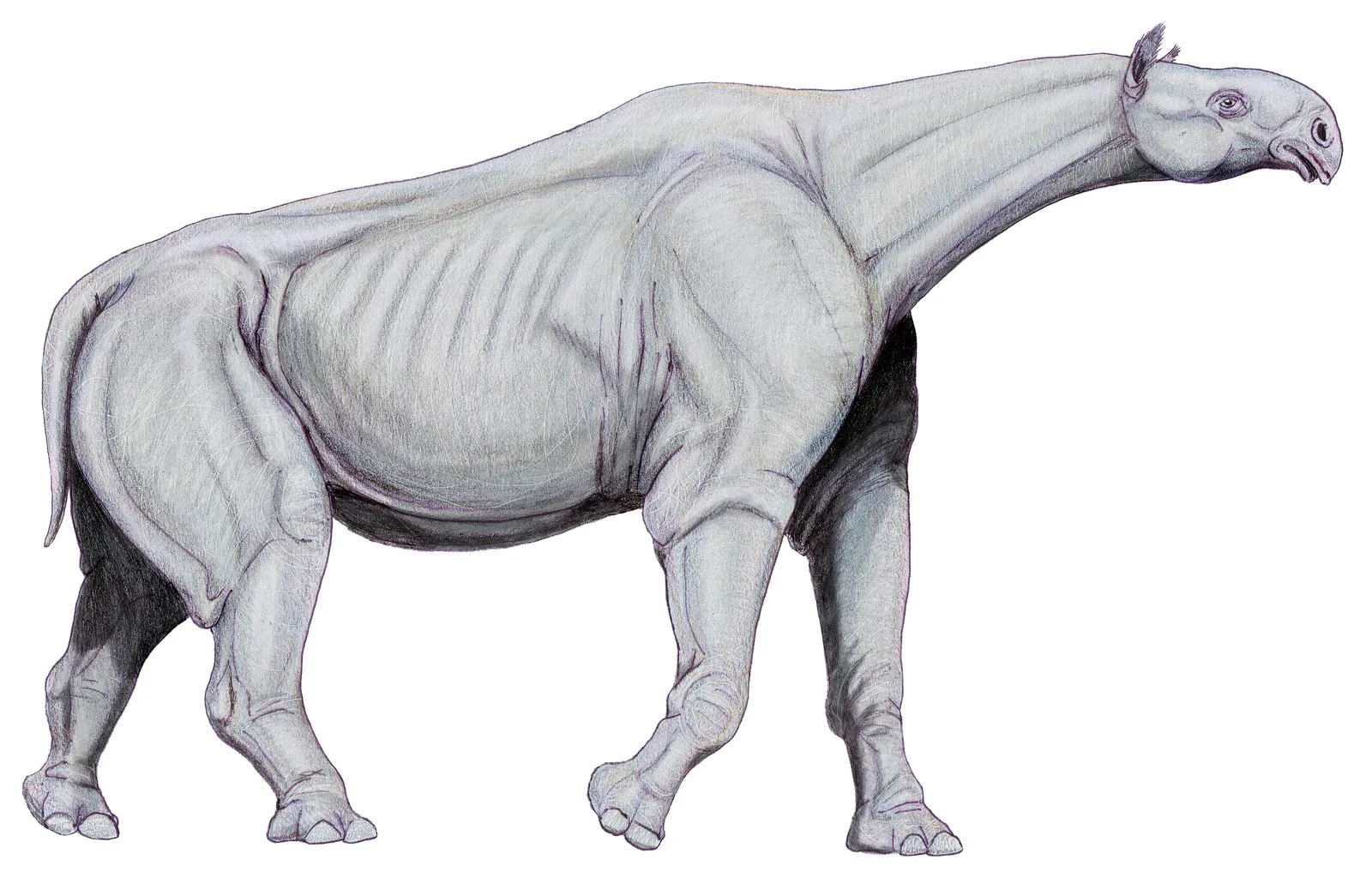
If you want a single creature to represent the sheer audacity of prehistoric mammal evolution, look no further than Paraceratherium. A hornless giant and a distant relative of today’s rhinoceroses, Paraceratherium lived during the Oligocene epoch, between 34 and 23 million years ago. With a shoulder height of nearly 16 feet and a body length over 24 feet, it is considered the largest land mammal ever to walk the Earth. Fossils suggest it may have weighed up to 24 tons, about three times heavier than the largest African elephants today.
It was a browser, eating mainly leaves, soft plants, and shrubs. It lived in habitats ranging from arid deserts with a few scattered trees to subtropical forests. Honestly, try to picture something the height of a two-story building casually nibbling on treetops across ancient Eurasia. It lived through a time when mammals were evolving rapidly, stepping into ecological roles once filled by dinosaurs. As the largest land mammal ever known, it stretched the limits of what biology could support on land.
Smilodon: The Saber-Toothed Predator That Defined an Era
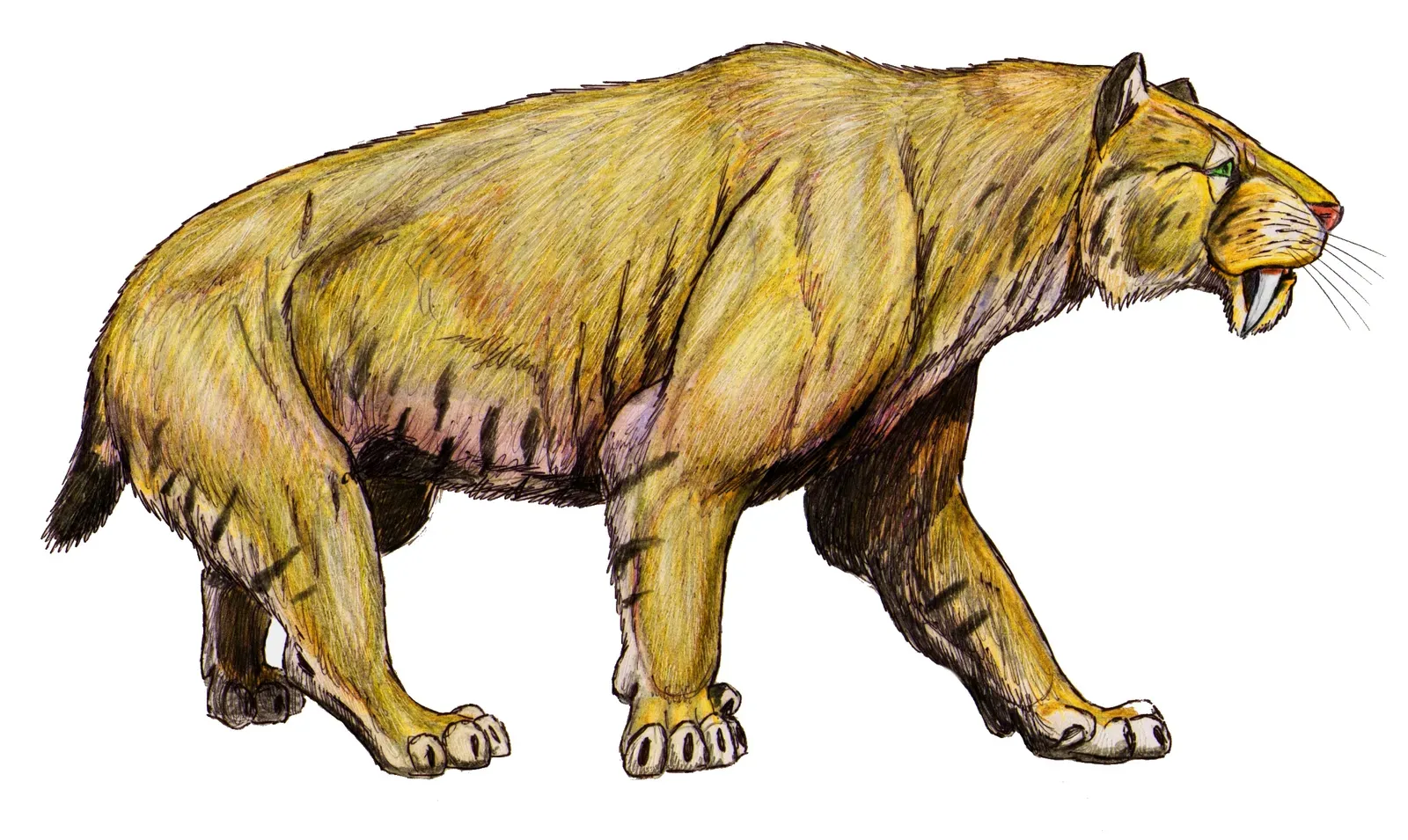
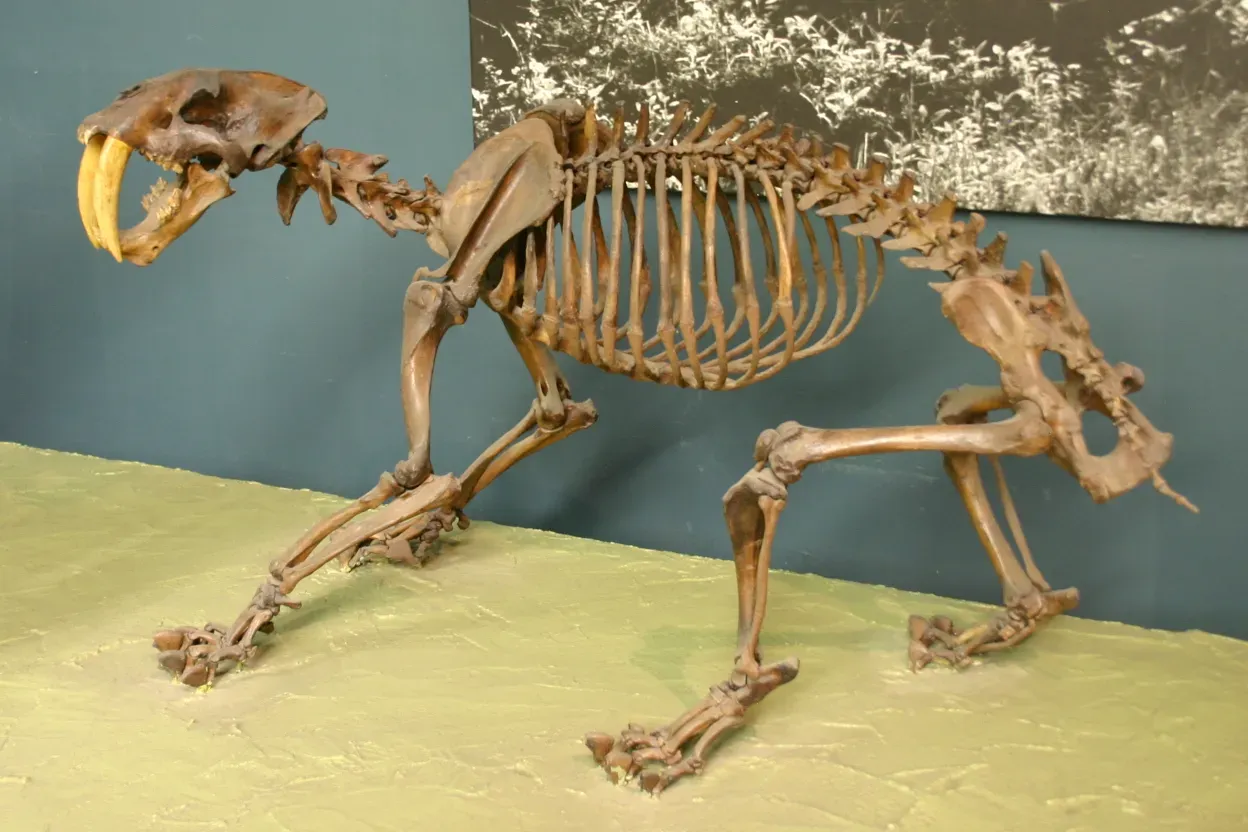
If you’ve ever seen those iconic curved fangs in a natural history museum, you already know how dramatic and fearsome this predator was. Smilodon is a genus of extinct felids. It is one of the best-known saber-toothed predators and prehistoric mammals. Although commonly known as the saber-toothed tiger, it was not closely related to the tiger or other modern cats, belonging to the extinct subfamily Machairodontinae, with an estimated date of divergence from the ancestor of living cats around 20 million years ago.
An apex predator, Smilodon primarily hunted large mammals. Isotopes preserved in the bones of S. fatalis in the La Brea Tar Pits reveal that ruminants like bison and camels were most commonly taken by the cats there. Those canine teeth, by the way, were both its greatest weapon and its Achilles heel. Smilodon had to be very cautious when hunting, not just because of other predators, but also because its saber-teeth were like a double-edged sword. Since they were so delicate, the elongated canines could break easily when pressured with enough force.
Megatherium: The Giant Ground Sloth That Could Have Crushed a Car
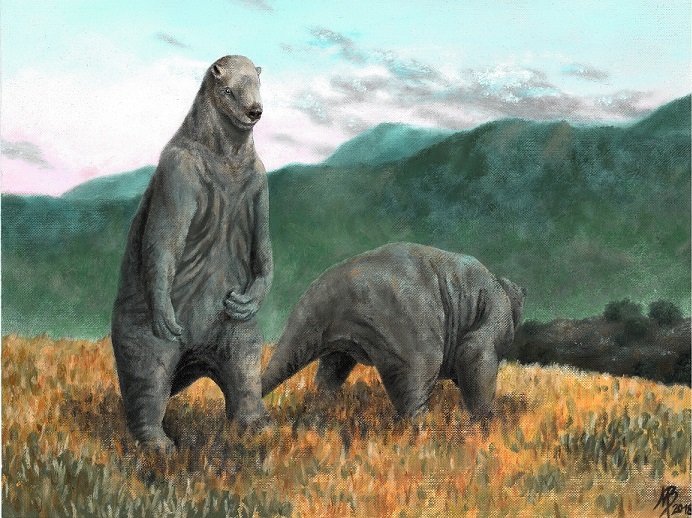
Take everything you know about the humble, slow, tree-hanging sloths of today, and then multiply it by something almost incomprehensible. Megatherium was up to ten times the size of living sloths, reaching weights of up to four tonnes, similar to a bull elephant. This creature is what happens when evolution decides to go completely off-script.
It was able to stand and walk on its hind legs, making it the largest bipedal mammal of all time. Despite its formidable claws and imposing bulk, it is best known for the elephant-sized, roughly 3.5 to 4 tonne type species Megatherium americanum, primarily known from the Pampas. Ground sloths were characterized by their massive size, strong muscular limbs, and large claws, which were likely used for digging and grasping the branches of trees for food. Despite their formidable appearance, these giants were herbivores, feeding on leaves and shoots and perhaps even using their claws to pull down branches to access high foliage.
The Woolly Mammoth: A Symbol of the Ice Age World
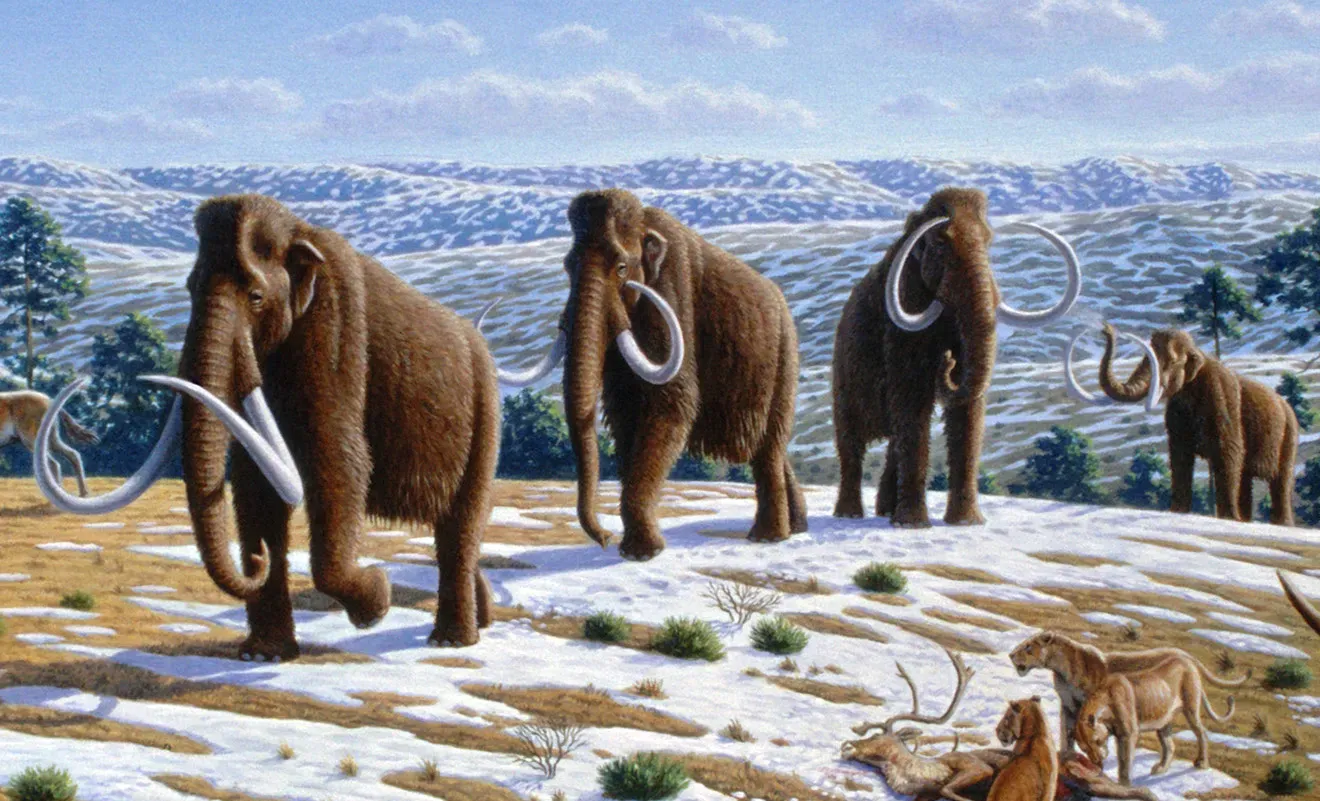
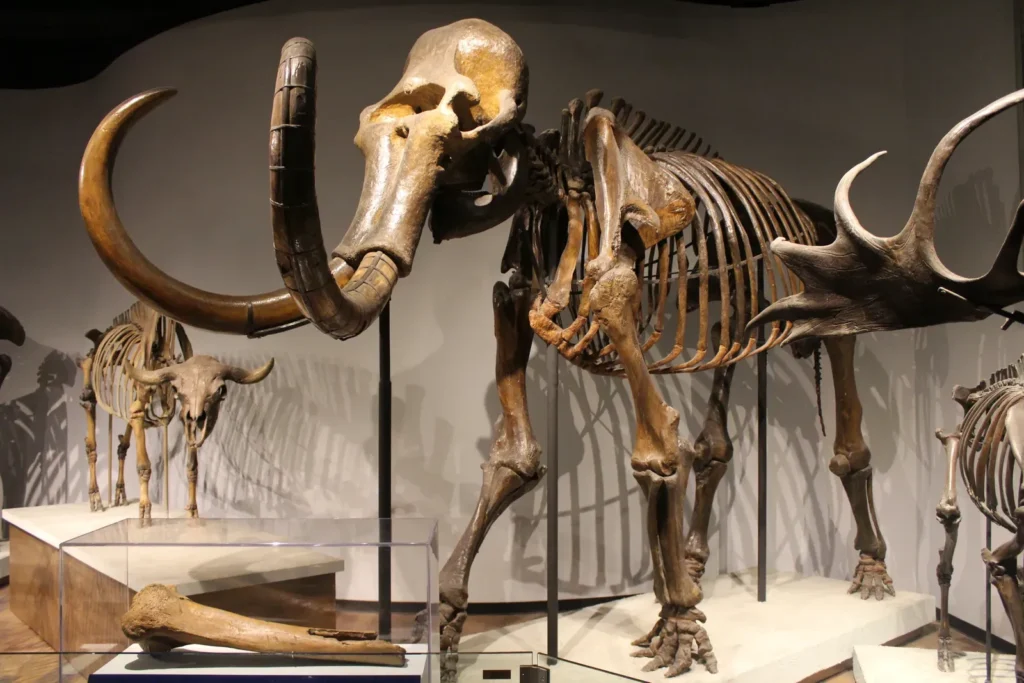
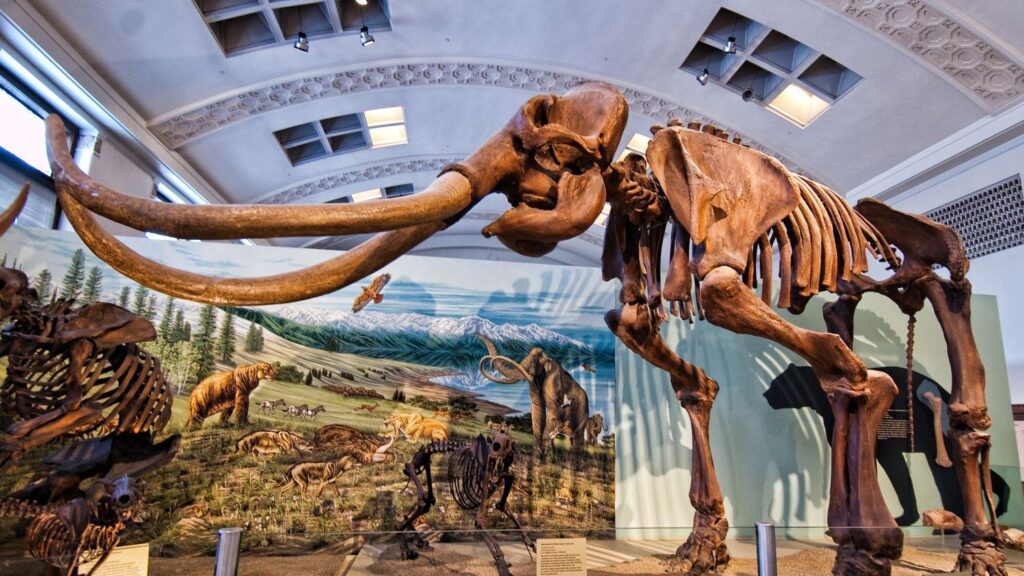
Few prehistoric mammals have captured human imagination quite like the woolly mammoth. Woolly mammoths lived from about 300,000 years ago up until about 10,000 years ago. The appearance of these elephant-sized animals is perhaps the best known of any prehistoric creature, due to the many frozen specimens that have been found, with soft tissue preserved. When you find a frozen creature so perfectly intact that you can study its fur, diet, and DNA, it stops feeling like the ancient past and starts feeling eerily close to home.
Woolly mammoths shared their lands with other massive mammals, including grazers like woolly rhinoceroses and long-horned bison and predators such as saber-tooth cats and cave hyenas. Given their bulk and massive tusks, healthy adult mammoths could take all comers in a standup fight, especially if gathered in a protective group. With their thick coat of hair, large fat reserves, and specially adapted antifreeze blood, they were very well adapted to the cold. They were also very important to the survival of ancient humans throughout the Ice Age, as their coats, meat and bones provided valuable sources of warmth, food and building materials for Homo sapiens and Neanderthals alike.
The Great Extinction: When the Mammals’ Reign Came Under Threat
Uploaded by FunkMonk, CC BY-SA 2.0)
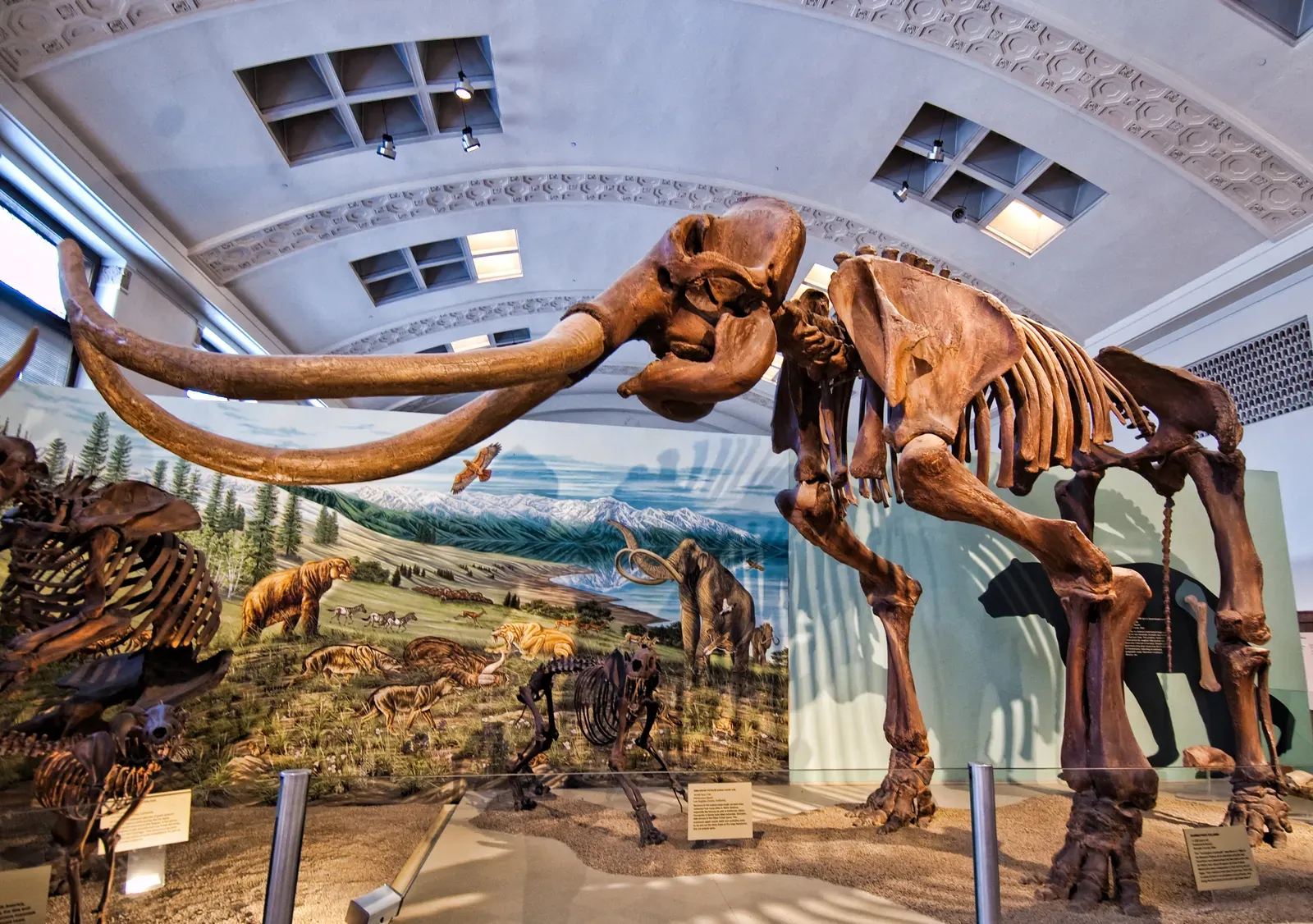
If you thought the story of prehistoric mammals ended in triumph, the final chapter is considerably more sobering. At the end of the Pleistocene around 12,000 to 11,000 years ago, many megafauna species went extinct. The massive creatures that had dominated the planet for millions of years began vanishing one by one. It’s a pattern that is genuinely haunting when you sit with it.
The loss of species in North America during the late Pleistocene was remarkable, with about 80 percent of 51 large herbivore species going extinct, along with more than 60 percent of important large carnivores. Scientists still debate the exact causes, but the two most cited culprits are climate change and the arrival of human hunters. Many large mammal species went extinct during the transition from the Ice Age to the present interglacial period, from around 50,000 to 5,000 years ago. These extinctions are thought to have occurred due to a combination of a quickly changing climate, changing vegetation and increases in human hunting.
Conclusion: What These Giants Leave Behind
Uploaded by FunkMonk, CC BY 2.0)
The story of prehistoric mammals is, at its core, a story about what becomes possible when the world is suddenly remade. These creatures weren’t waiting in the wings by accident. They survived against all odds, scaled up with breathtaking speed, and filled a world that the dinosaurs had left behind. From the towering Paraceratherium to the mighty woolly mammoth, every one of these giants is a testament to the relentless creativity of evolution.
What strikes me most is how the same pattern keeps repeating itself throughout Earth’s history. Extinction opens a door. Something small and overlooked walks through it. And then, given enough time and the right conditions, that small thing becomes the most dominant force on the planet. It’s humbling, really. The next time you see an elephant or a rhinoceros, you’re looking at the descendants of a lineage that clawed its way from the shadows and built an empire.
The unseen giants are gone now, most of them. Their bones rest in museum halls and fossil beds across the world. Yet their legacy is everywhere, written into the DNA of every mammal alive today, including the one reading this article right now. What does it make you feel, knowing that we share this world with the echoes of those ancient colossals? Tell us in the comments below.