Have you ever wondered why you’re drawn to the mysteries of ancient life? Why some people can spend hours poring over fossils while others barely glance at museum displays? The answer might be written in the stars. Your zodiac sign could be influencing your passion for paleontology in ways you never imagined, shaping how you approach these ancient mysteries and what aspects of prehistoric life capture your imagination.
The connection between celestial personality traits and earthbound scientific curiosity runs deeper than you’d think. Each sign brings its own unique perspective to the study of extinct organisms, whether you’re a professional researcher or someone who simply loves learning about dinosaurs and ancient ecosystems.
Aries: The Bold Pioneer of Fossil Discovery
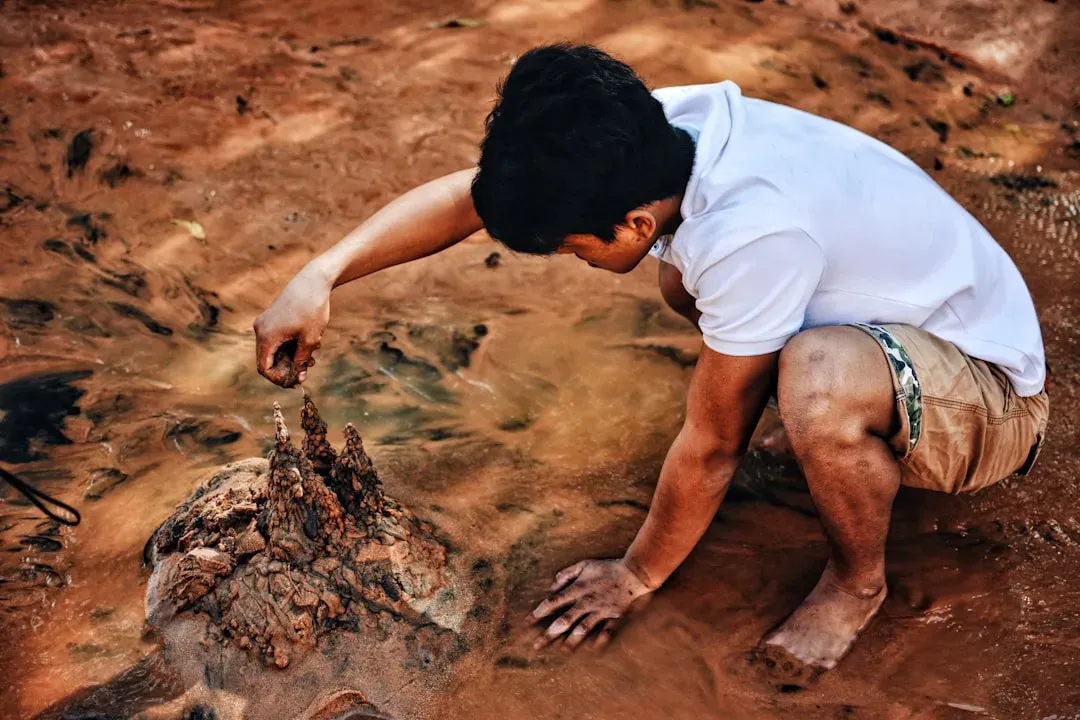
Your approach to life resembles an exhilarating race, and you express thoughts candidly while pursuing what you desire with relentless enthusiasm. This translates beautifully into paleontology, where you’re likely the first person volunteering for challenging field expeditions. You don’t shy away from the physical demands of excavation work or the thrill of discovering something no one has seen in millions of years.
Your energetic, courageous, and determined nature, combined with leadership qualities and adventurous spirit, can make you impulsive and quick to act. In paleontology, this means you’re drawn to the action-oriented aspects of the field. You want to be out there digging, not stuck in a lab for months analyzing data. The competitive element appeals to you too, perhaps dreaming of finding the next groundbreaking specimen that rewrites what we know about prehistoric life.
Taurus: The Patient Excavator
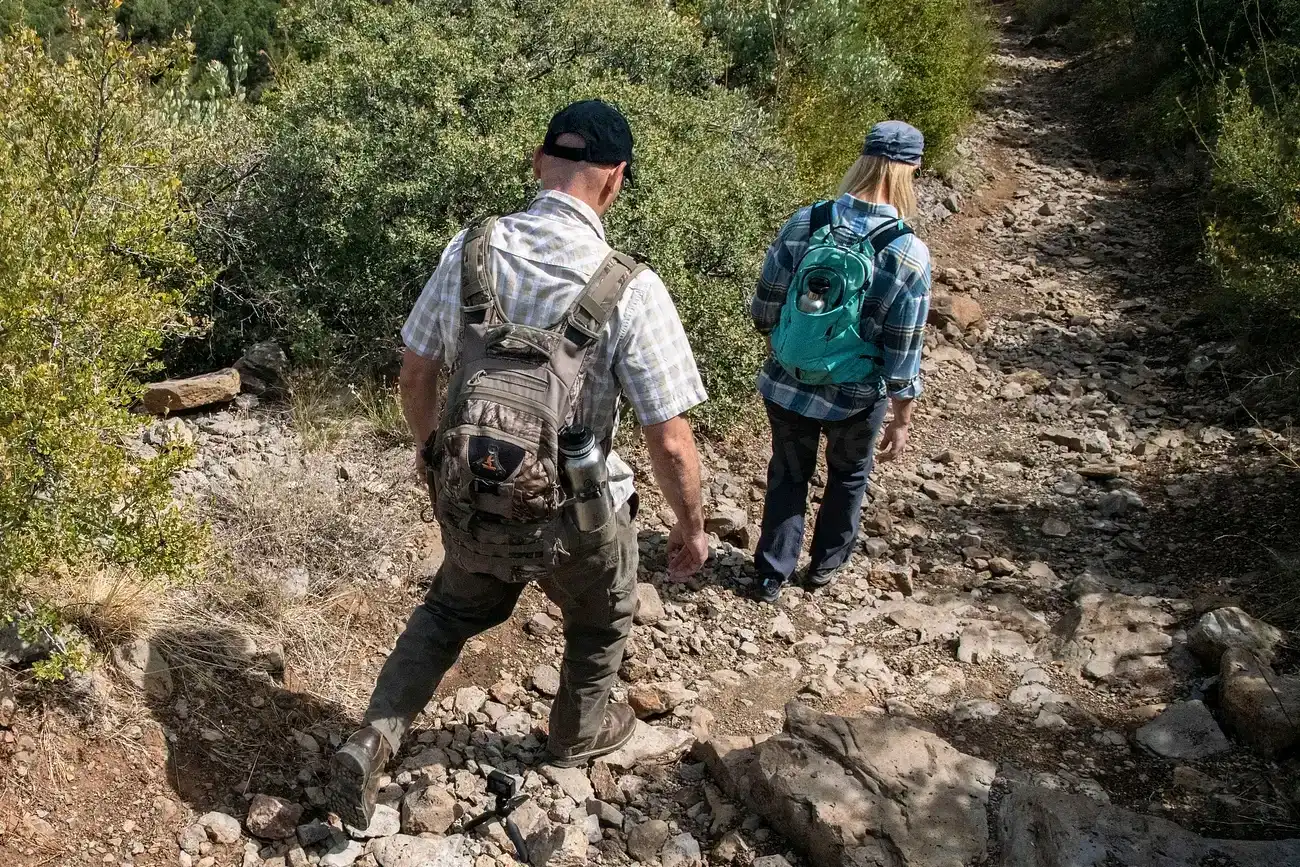
You have a unique ability to calm energy around you, prefer to take your time with things, rarely doubt your decisions once made, and value good food, cozy spaces, and loyalty. Paleontologists use creativity to learn about past life, and the main limitation is imagination, with creativity keeping paleontology moving forward. Your methodical nature makes you perfect for the painstaking work of fossil preparation.
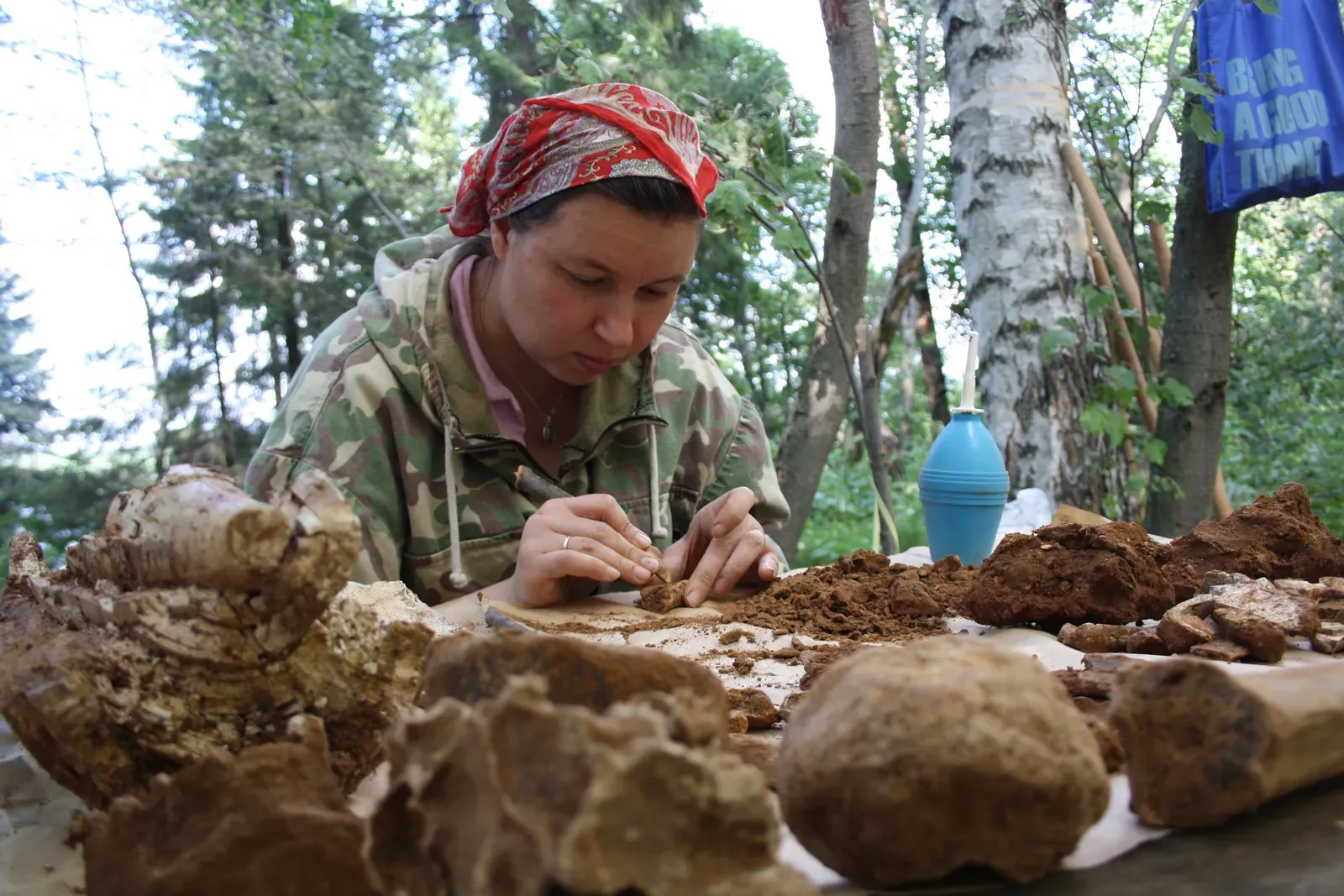
You understand that rushing leads to mistakes. When cleaning a delicate fossil specimen, you’re willing to spend weeks or even months ensuring every detail is preserved. Your reliable, patient, and practical traits, along with your strong will and love for finer things, can sometimes make you stubborn and resistant to change. This persistence serves you well in paleontology, where answers don’t come quickly.
Gemini: The Communicator of Ancient Stories
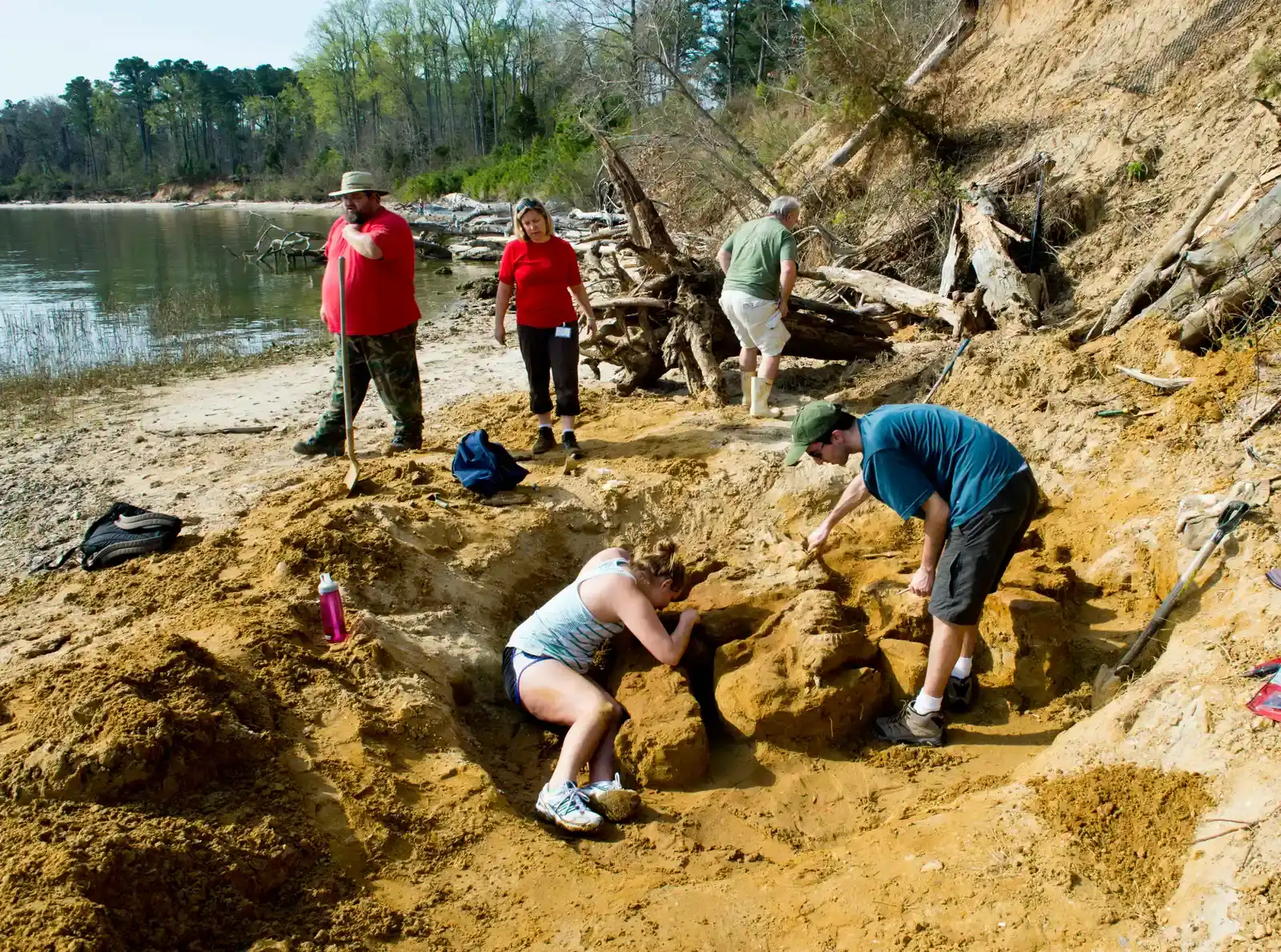
You have a natural talent for initiating lively conversations with almost anyone, your quick-thinking mind easily shifts from one idea to another, and you adapt seamlessly to various groups and situations. This makes you the perfect science communicator in paleontology. You’re not content just knowing about ancient organisms; you need to share that knowledge with everyone around you.
Your curiosity pulls you in multiple directions simultaneously. One day you’re fascinated by marine reptiles, the next you’re deep into pterosaur flight mechanics. Paleoartists combine science and art to better communicate and interpret paleontological findings, and science communication improves the impact of research, especially for visual learners. You might find yourself drawn to paleoart or museum education, where your versatility shines.
Cancer: The Emotional Guardian of the Past
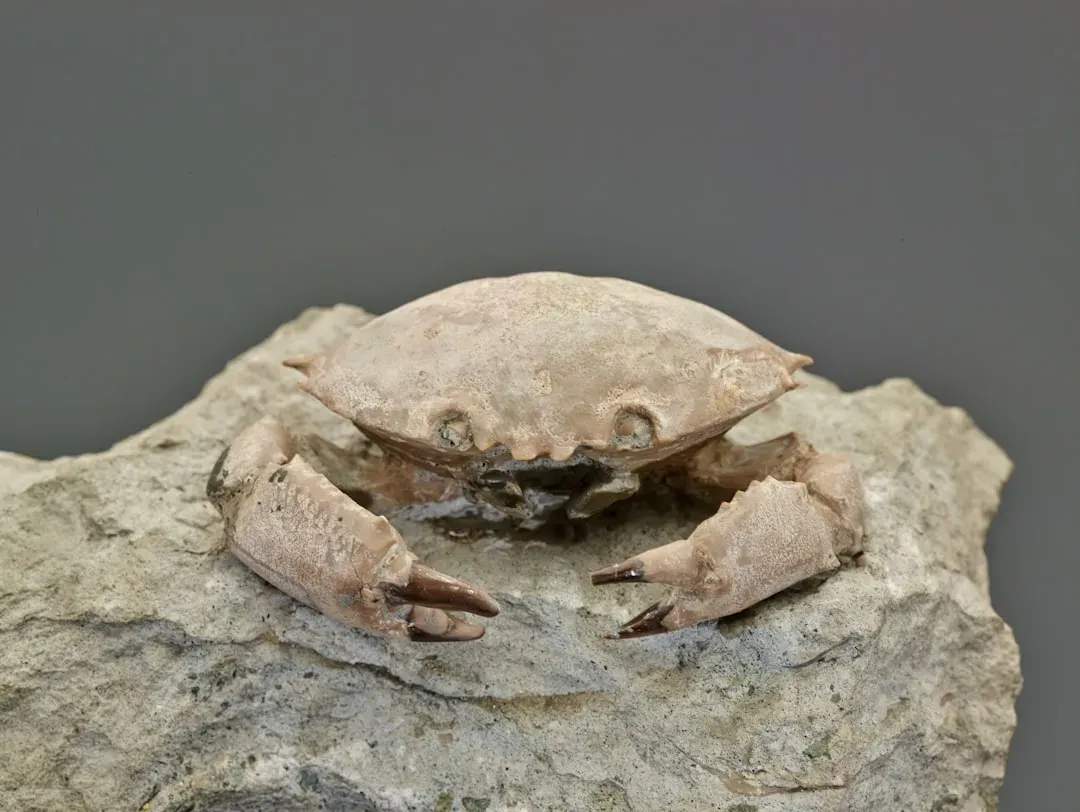
You are deeply emotional and have an intuitive understanding of what your loved ones need. As a sign of changing moods and tones, symbolized by a creature of the sea, the crab represents ocean tides that ebb and flow, and you’re at home in the rich world of your imagination with its storehouse of impressions and stories. This emotional depth connects you to the narratives behind fossils in profound ways.
You don’t just see bones; you envision the living creatures they once were. The stories of ancient environments, the struggles for survival, the parent organisms caring for their young – these narratives resonate with your nurturing nature. You’re particularly drawn to specimens that reveal behavior, like fossilized nests or evidence of social groups. Your empathy extends backward through geological time.
Leo: The Spotlight Seeker Among Specimens
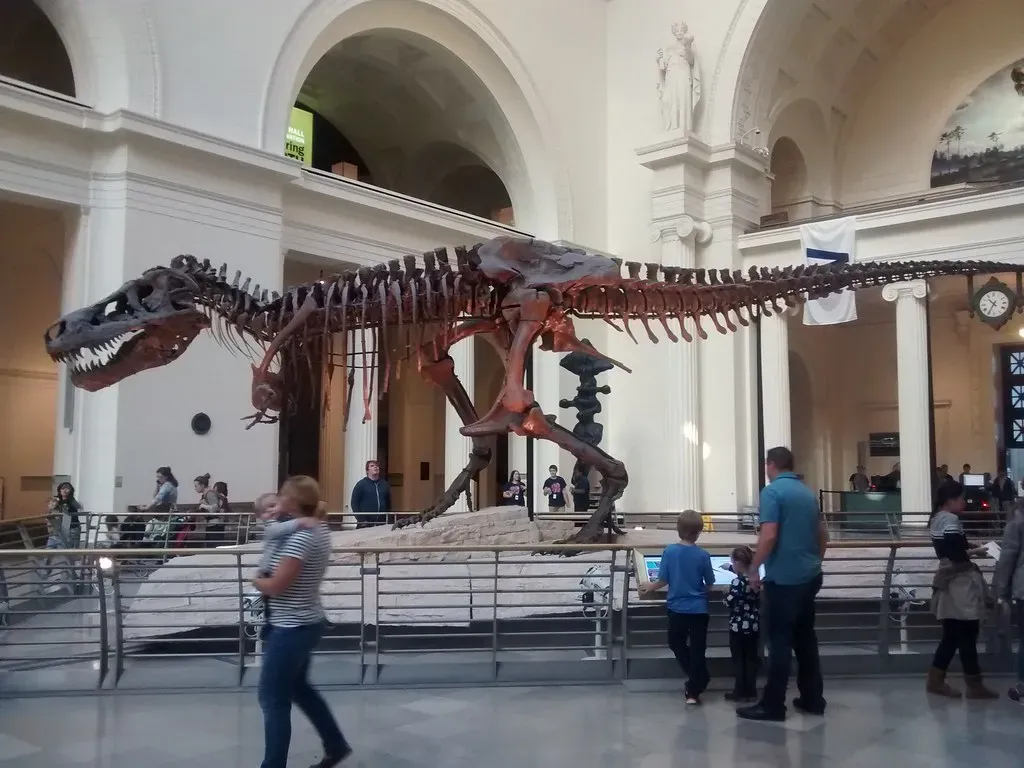
Your confident, generous, and charismatic traits make you natural leaders who enjoy being the center of attention. As the Monarch among humans with a big ego-mind, you are ambitious, positive, strong-willed, use all your energy and strength to get what you want, and always think bigger and act on a large scale. In paleontology, you’re drawn to the spectacular specimens, the showstoppers that capture public imagination.
You dream of finding a complete Tyrannosaurus rex or describing a new species that bears your name. Museum exhibits fascinate you because they allow prehistoric life to take center stage, commanding attention from visitors. Your enthusiasm is genuinely infectious, making you excellent at inspiring others to care about paleontology. You understand that these ancient creatures deserve the spotlight, and you’re happy to share it with them.
Virgo: The Meticulous Analyst
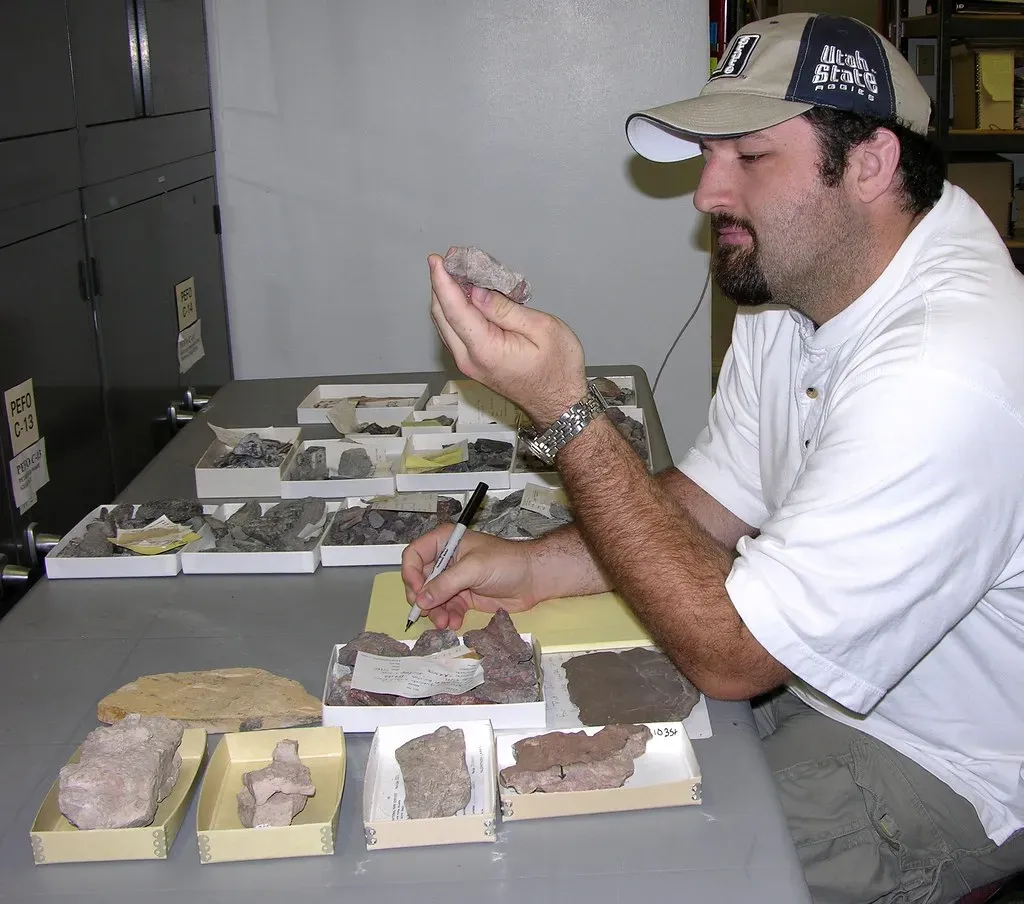
As the sign of the harvest represented by the goddess holding wheat, your function is symbolically to sort wheat from chaff through careful craft and understanding of nature’s mysteries, yielding what is useful and productive. This perfectionist tendency makes you invaluable in paleontological research. You’re the one who catches the tiny details everyone else missed.
Your analytical mind excels at comparative anatomy and systematic classification. You compare new specimens with other known animal skeletons to figure out where they fit in the family tree of dinosaurs, helping determine how different dinosaurs were related to each other. You find satisfaction in organizing data, creating detailed documentation, and ensuring every measurement is precise. Others might find this tedious, but you understand that scientific rigor depends on exactness.
Libra: The Balanced Interpreter
Your top traits include rationality, diplomacy, and good aesthetic tastes. You’re a mutable sign who flirts with adorable ease, ruled by Venus walking with an enticing aura, mostly known for fair decision-making ability though taking long to reach conclusions, and are a big fan of fashion, beauty, and music. You approach paleontology with an eye for both science and beauty.
You appreciate the aesthetic qualities of fossils – the patterns of ancient shells, the graceful curves of bone structures. You’re drawn to reconstructing complete pictures of ancient ecosystems, understanding how different organisms balanced and interacted. Your diplomatic nature helps you navigate scientific debates without becoming dogmatic. You see merit in multiple interpretations and understand that paleontology often requires weighing incomplete evidence.
Scorpio: The Deep-Diving Detective

As the most enigmatic of zodiac signs, your courage takes you beyond where others might be content with what they can easily see, probing depths to eliminate whatever is untrue, insincere, or no longer serving a useful purpose. This intensity makes you a natural investigator of life’s deepest mysteries, including those buried for millions of years.
You’re not satisfied with surface-level understanding. You want to know how fossilization occurred, what killed this particular organism, why it was preserved when thousands of others weren’t. Taphonomy studies decay, fossilization, and preservation of fossil material, looking at many factors occurring after death which impacted conditions of fossils before, during, and after fossilization. This field appeals to your detective-like nature, piecing together clues from incomplete evidence.
Sagittarius: The Explorer of Ancient Worlds
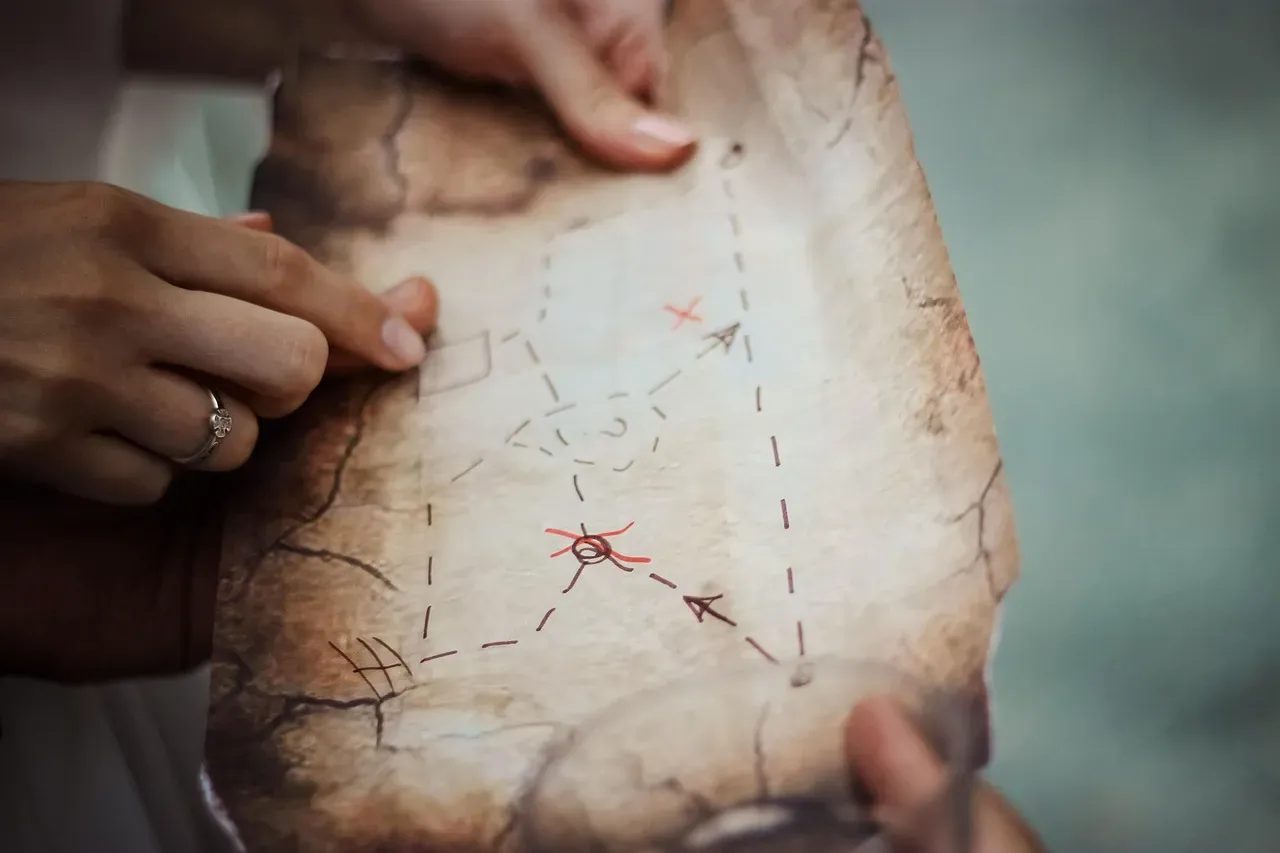
Like the archer shooting arrows into far distance not knowing where they’ll land, this excitement of life appeals to you as a citizen of the world longing to see all it offers, with other worlds beyond Earth exciting you too, including thoughts of space travel and parallel universes. This wanderlust extends backward through time, making you passionate about exploring vanished worlds.
You’re thrilled by the idea that Earth was once completely different – that where you stand today might have been an ocean floor or tropical forest millions of years ago. International fossil sites fascinate you. You dream of expeditions to Mongolia’s Gobi Desert or Argentina’s Patagonia, places where remarkable discoveries await. Your optimism keeps you going even when fieldwork gets tough, because you genuinely believe the next amazing find is just around the corner.
Capricorn: The Determined Researcher
Like the mountain goat sure-footed in determined ascent to the summit, your trajectory is upwards, striving towards accomplishment and a position of respect. Your ambition, persistence, and discipline define you. In paleontology, you’re building a career or body of knowledge with the same determination others apply to climbing corporate ladders.
You understand that paleontology careers require college degrees in relevant fields like biology or geology, including all sorts of science and math courses. The challenge doesn’t intimidate you; it motivates you. You’re willing to put in years of education, fieldwork, and research to become an authority in your chosen specialization. Your respect for tradition makes you appreciate paleontology’s long history while pushing the field forward with disciplined research.
Aquarius: The Innovative Theorist

As the sign of the water bearer, the water pouring generously from the jar symbolizes knowledge acquired, thoughtfully processed, and poured forth in a never-ending stream for others’ benefit. Your top traits include selflessness, objectivity, and teamwork. You approach paleontology with fresh perspectives that challenge conventional thinking.
You’re interested in applying new technologies to old questions. How can computer modeling help us understand dinosaur locomotion? Can artificial intelligence identify patterns in fossil records that humans missed? In some ways, paleontologists dig more with a mouse than a pick these days, as computers play a crucial role, with thousands of images of specific fossils from around the world making research much easier. You embrace these advances enthusiastically, seeing them as tools to democratize paleontological knowledge.
Pisces: The Imaginative Reconstructor
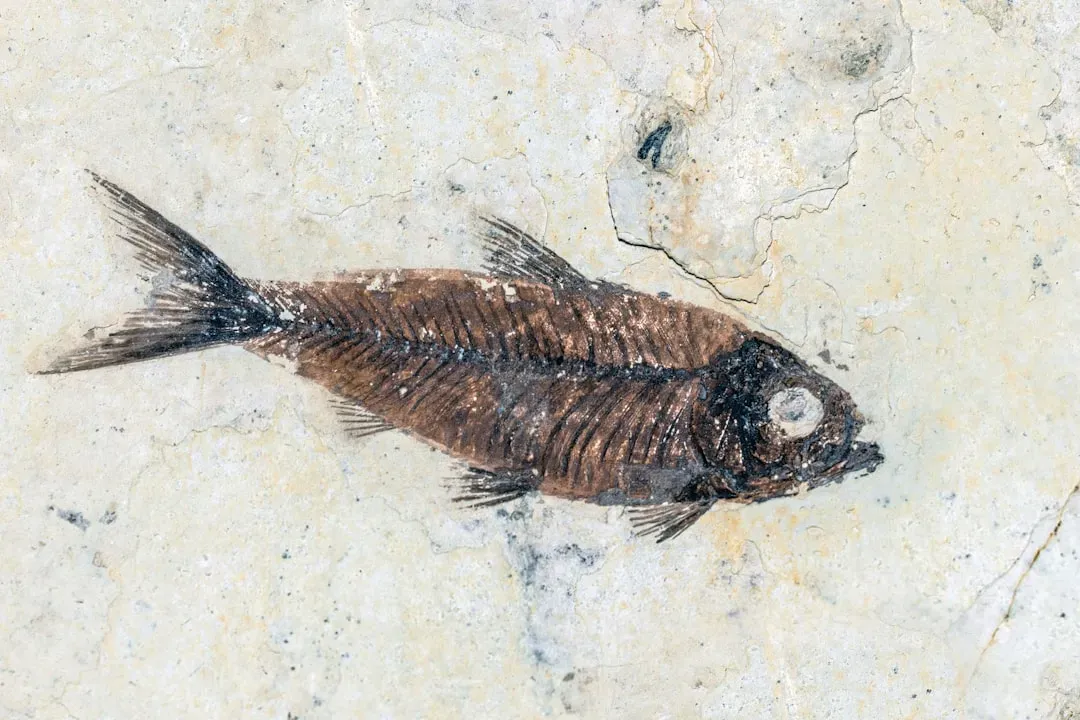
As the sign of the fishes bound by a cord swimming in opposite directions, you embody the dilemma of knowing you must live in the world but always longing to escape from it. Your empathetic, artistic, and intuitive nature makes you known for compassionate personality and creative talents. This dreaminess serves you beautifully in paleontology, where imagination fills the gaps left by incomplete evidence.
You excel at visualizing extinct organisms as living beings rather than just collections of bones. When you look at fragmentary fossils, you can envision the complete animal moving through its environment. Your artistic inclinations might draw you toward paleoart, where scientific accuracy meets creative interpretation. You understand that paleontology requires as much imagination as it does rigorous science – someone has to envision what no one has seen for millions of years.
Conclusion
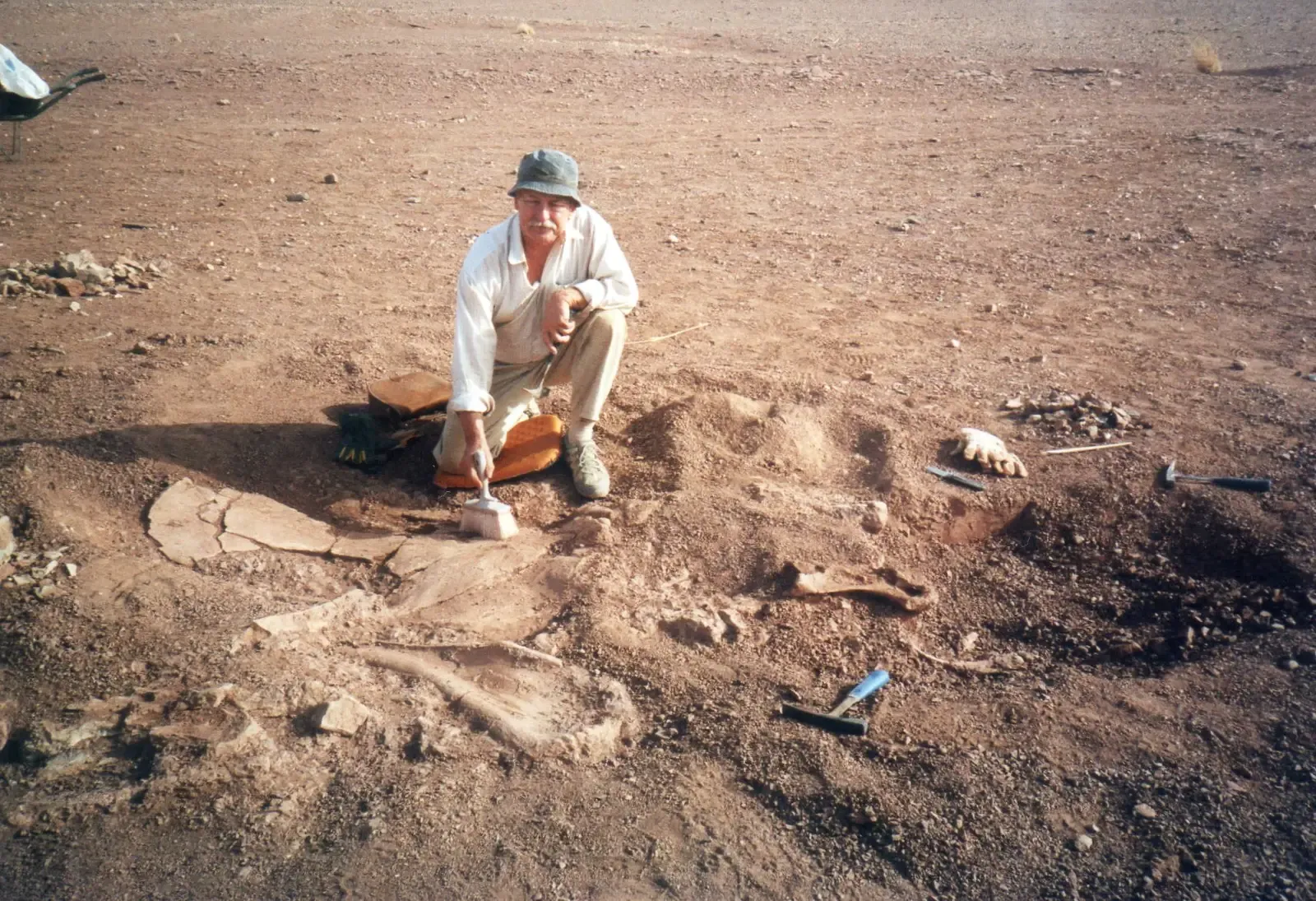
Your zodiac sign shapes how you engage with paleontology, from the aspects that capture your attention to the methods you prefer for exploring ancient life. Whether you’re drawn to fieldwork’s physical challenges, laboratory analysis’s meticulous detail, or the imaginative reconstruction of vanished worlds, there’s a paleontological pursuit that aligns with your astrological nature.
The beauty of this ancient science is that it needs all personality types. The ways people can approach paleontology are as diverse as the paleontologists themselves, with anyone from hobbyist paleontologists to professors able to participate, and given that paleontology aims to understand all life through time, it’s vital that many people with different focuses work together as science is collaborative. Your unique perspective, influenced by your stars, contributes something irreplaceable to our understanding of life’s history.
So embrace your inner paleontologist, whatever form it takes. Did you recognize yourself in these descriptions? What aspect of ancient life speaks most powerfully to your astrological nature?