Imagine holding a rock in your hand, a dull grey fragment no bigger than a fist, and realizing that locked inside it are the whispers of creatures that lived nearly four billion years ago. No scales. No bones. No footprints. Just microscopic traces so delicate that eight of them could line up, end to end, across the width of a single human hair. That is the quiet, astonishing world of microfossils. And what they are telling us about life on this planet is far more dramatic than any dinosaur bone ever could.
Fossils don’t always come in large, dinosaur-sized packages. Microfossils refer to a type of fossil so small it can only be perceived with a microscope, and these tiny remnants help us understand when and how early life forms developed their essential features. You might be surprised to learn just how much of Earth’s most transformative history is written in structures you would never even notice on the sidewalk. So let’s dive in.
What Exactly Are Microfossils and Why Should You Care?
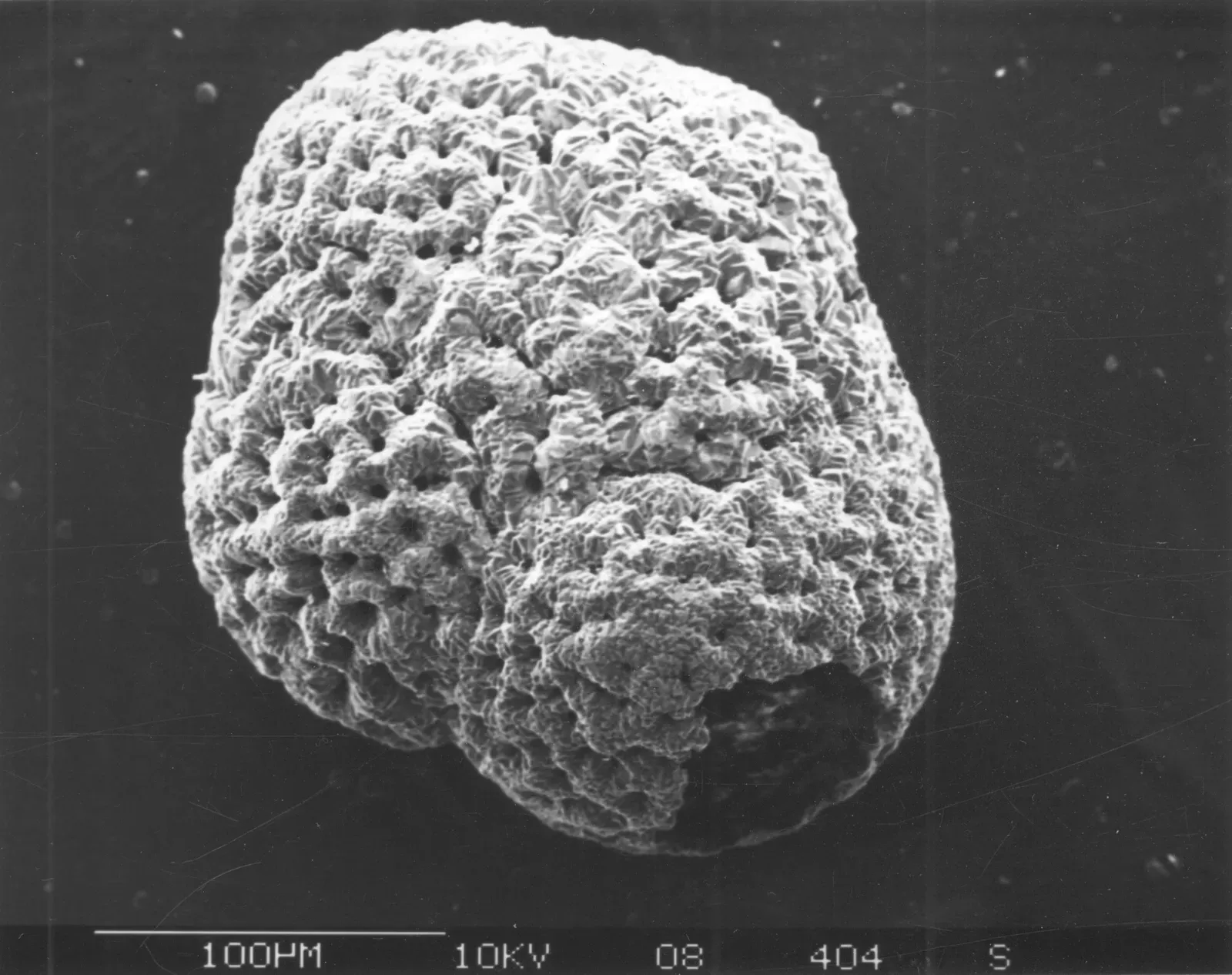
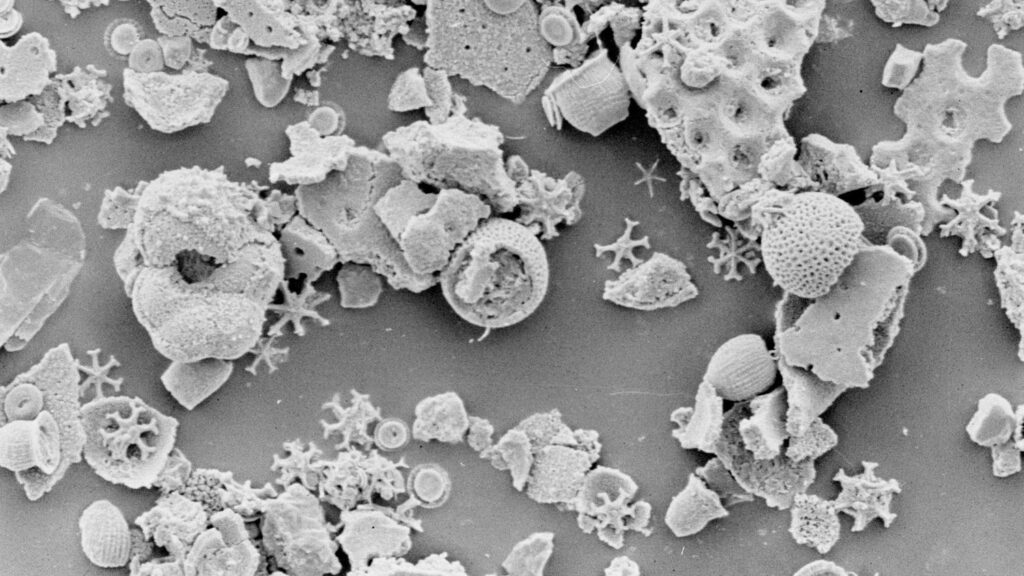
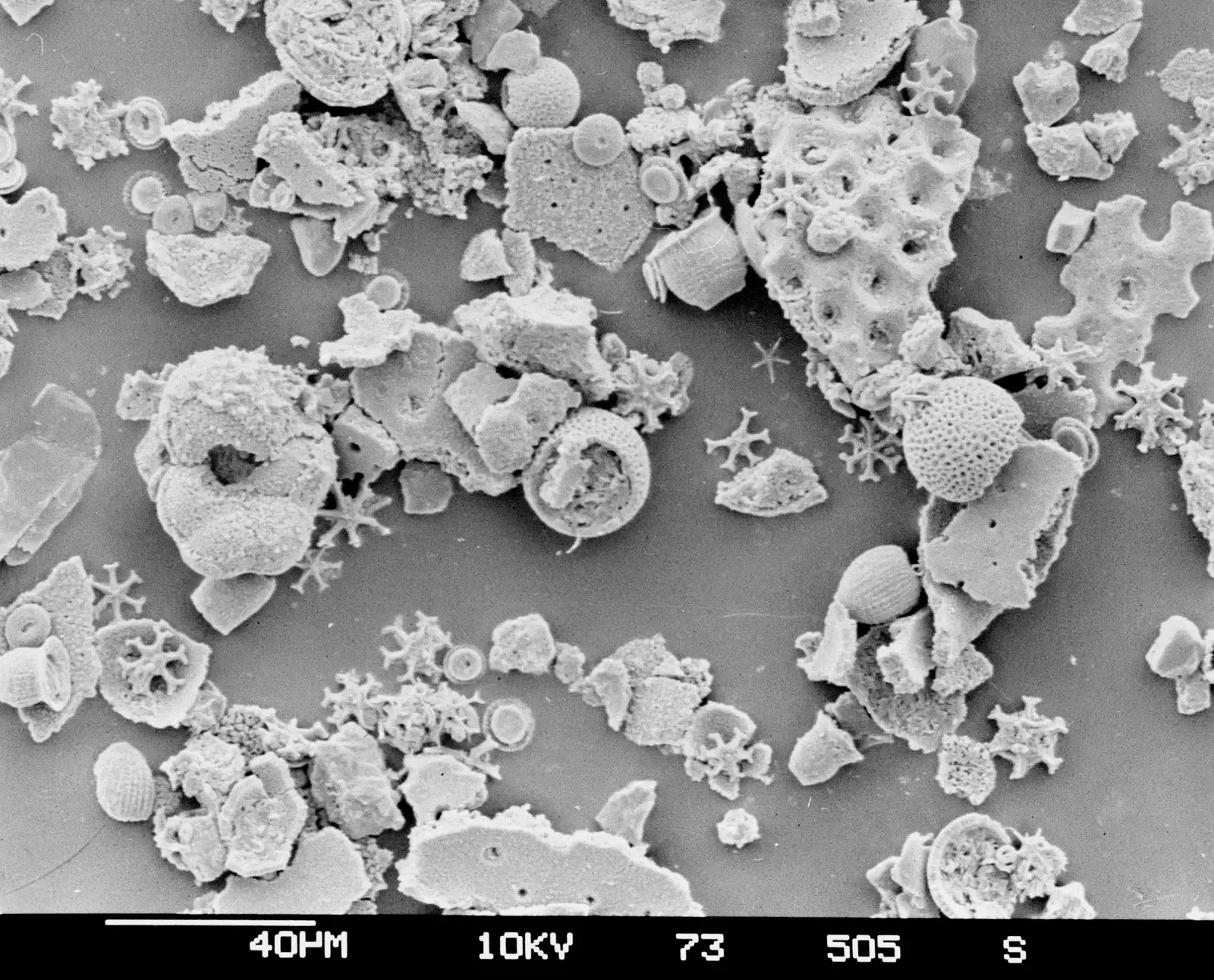
Here’s the thing. Most people picture fossils as the dramatic bones of T. rex or the curling shells of ammonites in museum corridors. Microfossils are nothing like that. The study of these tiny fossils, known as micropaleontology, encompasses two main subfields: animal micropaleontology and plant micropaleontology, with key groups including foraminifera, radiolarians, and ostracods, each with unique shell compositions and significant geological histories.
Microorganisms have inhabited the oceans since the dawn of Earth, some with organic walls and others producing mineral tests usually composed of carbonate minerals or silica. They can therefore be preserved during sedimentary deposition or fossilized through permineralization or carbonization processes. Think of it like pressing a leaf into wet clay, only the clay is rock, the leaf is a single cell, and it survives for billions of years. Honestly, the fact that this is even possible still blows my mind.
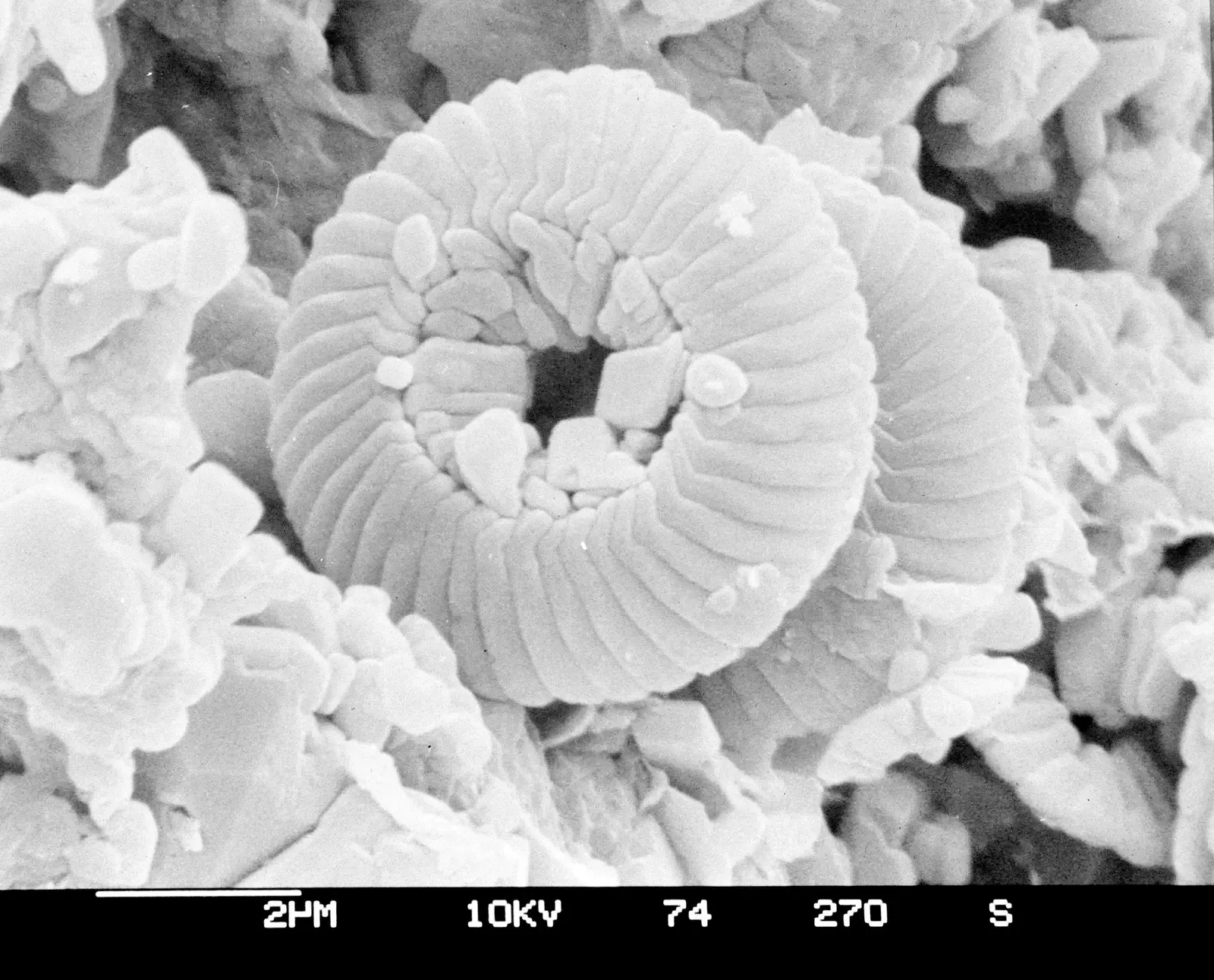
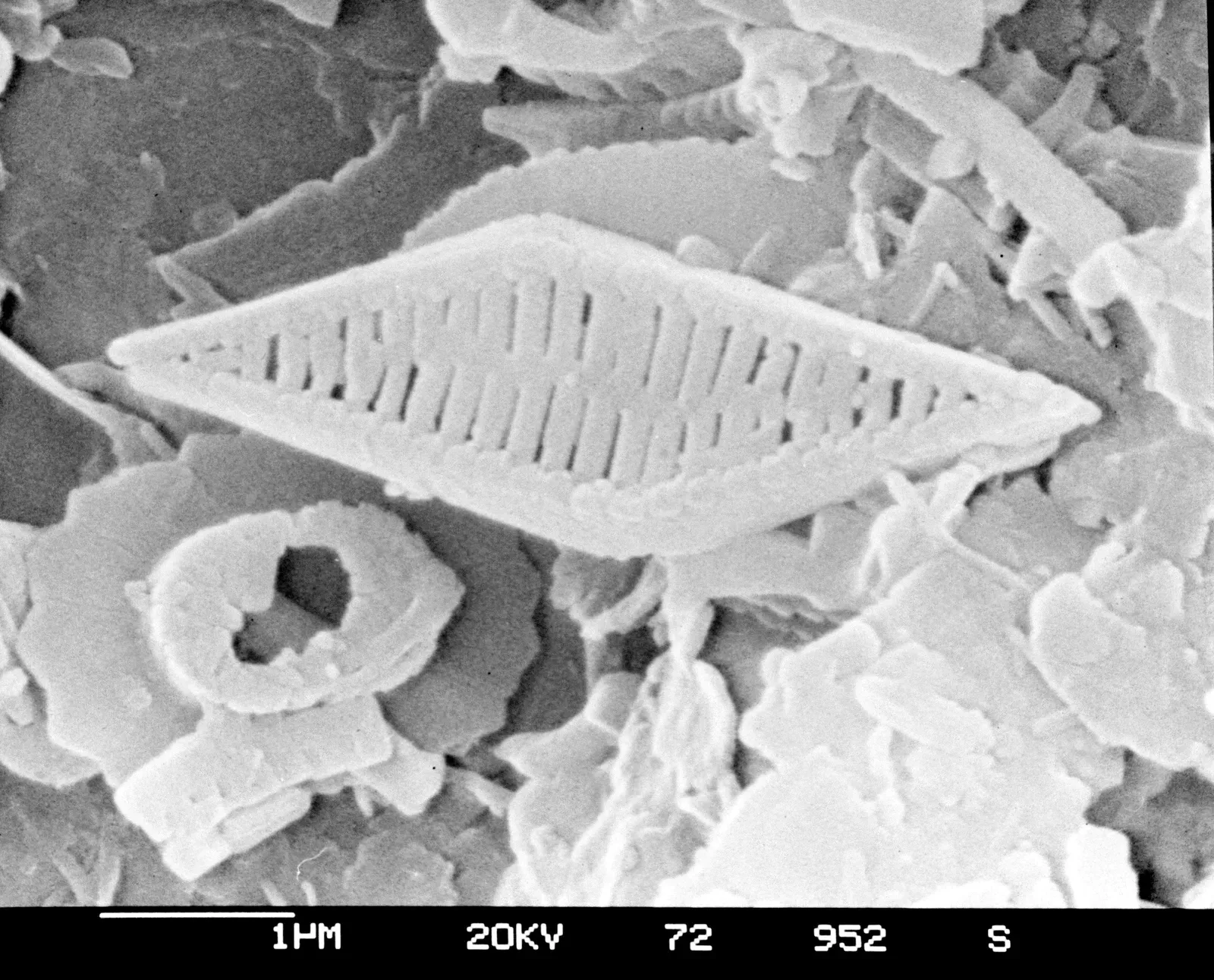
The process of studying microfossils involves collecting sediment samples, extracting the fossils, and using advanced techniques to analyze them, including scanning electron microscopy. Recent discoveries of microfossils have shed light on evolutionary developments and environmental shifts, indicating their ongoing importance in understanding Earth’s biological history.
The Hunt for Earth’s Oldest Life: A Race Against Stone and Time
Claims of the earliest life using fossilized microorganisms come from hydrothermal vent precipitates from an ancient sea-bed in the Nuvvuagittuq Belt of Quebec, Canada. These may be as old as 4.28 billion years, which would make them the oldest evidence of life on Earth, suggesting “an almost instantaneous emergence of life” after ocean formation. Let that sink in. Life may have appeared almost the moment liquid water showed up on this planet.
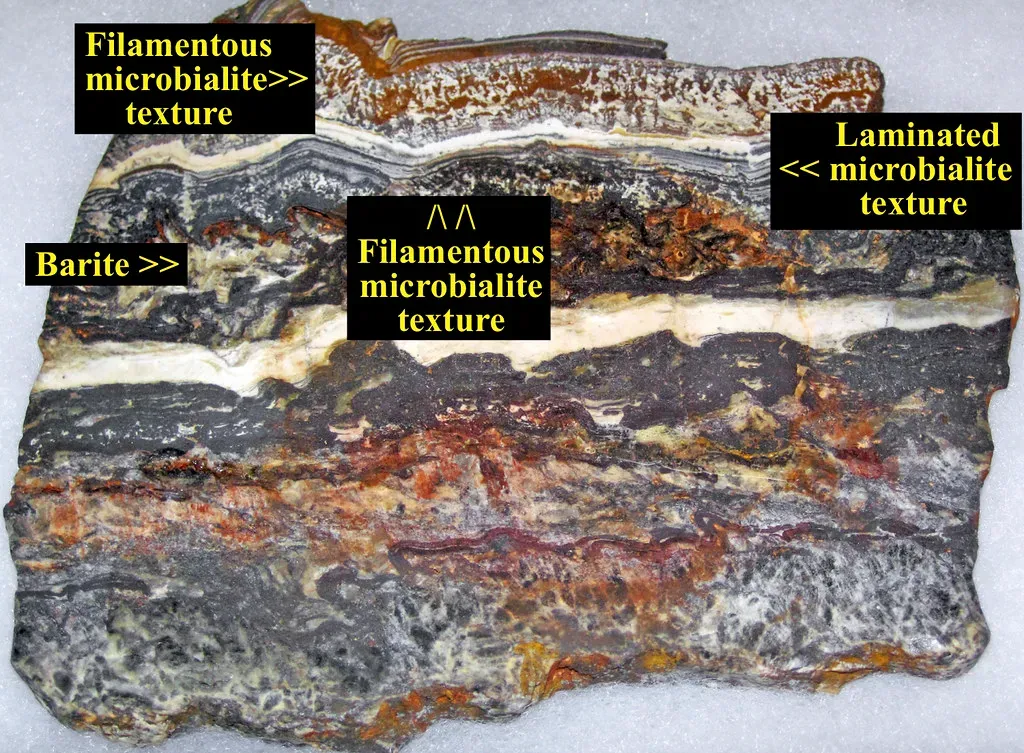
In billions-of-years-old microbes, obvious cellular bits and other familiar flags of life have often been stripped away, and in Earth’s oldest rocks, extreme heat and pressure can cook and squash any remnants of life beyond recognition. So researchers rely on chemical tests and analyses of rock patterns and textures to amass different lines of evidence. It is a bit like trying to identify a person from the shadow they cast a century ago. Challenging, yes. Impossible, apparently not.
Remains of microorganisms at least 3,770 million years old have been discovered by an international team led by UCL scientists, providing direct evidence of one of the oldest life forms on Earth. Science keeps pushing the clock further and further back, and every time it does, the story of life gets more staggering.
The Great Oxidation Event: When Oxygen Changed Everything
Microfossils may capture a jump in the complexity of life that coincided with the rise of oxygen in Earth’s atmosphere and oceans, according to an international team of scientists. Findings published in the journal Geobiology provide a rare window into the Great Oxidation Event, a time roughly 2.4 billion years ago when oxygen concentration increased on Earth, fundamentally changing the planet’s surface. This was not just a weather change. This was a planetary reinvention.
The event is thought to have triggered a mass extinction and opened the door for the development of more complex life, but little direct evidence had existed in the fossil record before the discovery of the new microfossils. Now, thanks to spherical microfossils found in Western Australia, researchers discovered well-preserved spherical microfossils in rocks from the Turee Creek Group in Western Australia that directly linked the rapidly changing environment of the Great Oxidation Event with an increase in the complexity of life.
When researchers compared samples to microfossils from before the Great Oxidation Event, they could not find comparable organisms. The microfossils found afterward were larger and featured more complex cellular arrangements. The oxygen revolution, it turns out, left a biological fingerprint we can still read today.
Reading Microfossils Like an Ancient Climate Diary
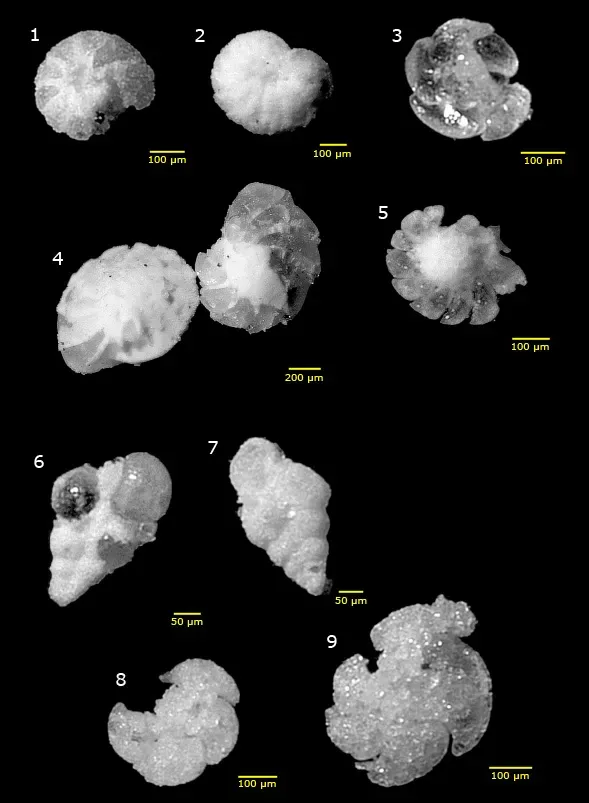
You might not immediately connect a microscopic shell with the temperature of an ocean that disappeared fifty million years ago. Yet that is exactly what microfossils let scientists do. After they die, plants and animals sink to the ocean floor in a steady rain of debris that settles in successive layers. Since different species thrive in different climates, scientists can gauge the temperature of the ocean by looking at fossils in a vertical column of the ocean floor. The most plentiful are the fossilized skeletons of microscopic plants and animals called foraminifera, and not only do the species at a particular location provide an approximate temperature range, but the very chemistry of the scales that coat them changes based on temperature.
Oxygen isotopic composition of marine microfossils is the best indicator available for estimating ocean temperatures for the past 150 million years, and the oxygen isotope ratio increases in secreted skeletons with decreasing water temperature. Think of it as nature’s own thermometer, one that works across geological timescales and preserves its readings in stone. Since scientists became aware of climate changes, microfossils are given a new role as proxies of ancient environments.
The Rise of Complex Cells: Microfossils and the Eukaryote Revolution
Eukaryotes have evolved to dominate the biosphere today, accounting for most documented living species and the vast majority of Earth’s biomass. Consequently, understanding how these biologically complex organisms initially diversified in the Proterozoic Eon over 539 million years ago is a foundational question in evolutionary biology. Every plant, every animal, every fungus you have ever seen is built from eukaryotic cells. And microfossils are the only direct witnesses to how those cells first emerged.
When compared to modern organisms, the microfossils more closely resembled a type of algae than simpler prokaryotic life that existed prior to the Great Oxidation Event. Algae, along with all other plants and animals, are eukaryotes, more complex life whose cells have a membrane-bound nucleus. More work is required to determine if the microfossils were left behind by eukaryotic organisms, but the possibility would push back the known eukaryotic microfossil record by 750 million years.
Exceptionally preserved fossils of red algae favor crown group emergence more than 1,200 million years ago, but older microfossils could record stem group eukaryotes. Major eukaryotic diversification around 800 million years ago is documented by the increase in taxonomic richness of complex, organic-walled microfossils, including simple coenocytic and multicellular forms. In short, the lineage that eventually produced you was quietly taking shape long before the first animal ever swam.
Breakthrough Technology: New Tools Unlocking Ancient Secrets
I think one of the most underappreciated parts of this whole story is how much of it depends on the tools we use, not just the fossils themselves. A pioneering method of analysis has been developed by a research team led by Akizumi Ishida from Tohoku University. To analyze microfossils, scientists must detect minute quantities of critical elements like phosphorus and molybdenum, which has so far proven challenging.
Analysis of phosphorus seen along the contours of microfossils revealed that these ancient microorganisms already had phospholipid cell membranes similar to those found in modern organisms. Additionally, the presence of molybdenum within microfossil bodies suggested the existence of possible nitrogen-fixing metabolic enzymes, consistent with previous reports identifying these microfossils as cyanobacteria. A cell membrane from nearly two billion years ago. Detected in rock. With chemistry. That is not science fiction, that is science.
This technique offers significant advancements in understanding how life evolved on Earth, providing direct evidence of cell membranes and metabolic processes in ancient microorganisms. It is applicable not only to microfossils but also to early Earth’s geological samples with minimal organic material, and it opens avenues for analyzing even older geological periods. The deeper we look, the more clearly we see.
Microfossils, Animal Origins, and What Came Before the Cambrian Explosion
The existence of animals on Earth around 540 million years ago is well substantiated. This was when the event in evolution known as the Cambrian Explosion took place, when fossils from a huge number of creatures from the Cambrian period, many of them shelled, suddenly appeared. It was one of evolution’s most dramatic bursts. Yet microfossils hint that the stage was being set long before the curtain rose.
Uppsala University researchers and colleagues in Denmark jointly found, in Greenland, embryo-like microfossils up to 570 million years old, revealing that organisms of this type were dispersed throughout the world. In rocks that are 570 to 560 million years old, scientists found microfossils of what might be eggs and animal embryos, so well preserved that individual cells, and even intracellular structures, can be studied. We are, it seems, looking at the very first drafts of the animal body plan.
The immense variability of microfossils convinced the researchers that the complexity of life in that period must have been greater than had hitherto been known. Microfossils, stromatolites, and chemical biosignatures indicate that Earth became a biological planet more than 3.5 billion years ago, making most of life’s history microbial, while the geologic record shows that microbes have been the sole life forms on Earth for most of its 4.5-billion-year history. We are, in every literal sense, the very recent newcomers.
Conclusion: The Smallest Fossils, the Biggest Story
There is something genuinely humbling about the study of microfossils. You are peering into time itself, not through grand canyon walls or towering museum skeletons, but through a microscope lens trained on a sliver of ancient rock. Paleontology has proven, again and again, that Earth still holds extraordinary stories in stone, amber, and microscopic cellular archives. Microfossils are perhaps the most intimate of all those archives.
The early evolution of eukaryotes marks a turning point for life on our planet. Every oxygen breath you take, every cell division in your body, every piece of food that ever nourished you traces back, in one way or another, to the microscopic organisms these tiny fossils represent. They are not just ancient history. They are the opening chapters of your own story.
We live in an era where the tools to read these chapters are sharper than they have ever been, and the discoveries keep arriving faster and faster. “Honing our skills at recognizing ancient biosignatures on Earth is important as we cast our eyes to Mars and beyond.” The unseen world, it turns out, has never been more visible. What does it make you think about where life might be hiding elsewhere in the universe?